Foldable Bamboo Color Cutting Board Suppliers and Manufacturers
Source 19 verified suppliers for Foldable Bamboo Color Cutting Board. Compare response times, lead times, and MOQs to find the right partner. Review product attributes and certifications to verify quality before placing orders; review the available evidence before requesting comparable quotations from suitable candidates.
Suppliers List

Xiamen Forever Rise Imp and Exp Co., Ltd.
- Verified by BV
- Trading Company
- China Fujian
- Lead time23 days
- Avg. response≤ 20h
Main productsBamboo Plywood, Bamboo Panel, Bamboo Chopping Board, Bamboo Pizza Board, Bamboo Kitchenwares, Bamboo Weaving Mat, Bamboo Table Top, Bamboo Skewer Sticks, Outdoor Bamboo Decking, Outdoor Wall Panel
Main marketsSoutheast Asia/ Mideast,East Asia(Japan/ South Korea),Europe,Australia,North America

XIAMEN TWO CITY IMP AND EXP CO., LTD.
- Verified by SGS
- Trading Company
- China Fujian
- Lead time30 days
- Avg. response≤ 3h
Main productsBamboo Panel, Bamboo Plywood, Bamboo Cutting Board, Bamboo Chopping Board, Bamboo Products, Bamboo Kitchenware, Bamboo Tableware, Bamboo Furniture, Wood Product, Wood Root Carving Product
Main marketsSoutheast Asia/ Mideast,Europe,North America

NINGBO XUANHENG OUTDOOR & HOME APPLIANCES CO., LTD.
- Trading Company,Manufacturer/Factory
- China Zhejiang
- Lead time45 days
- Avg. response≤ 4h
Main productsWooden Beach Chair, Beach Umbrella, Sling Chair, Wooden Beer Table, Bamboo Home Products, Bamboo Shelf, Canvas Bag, Outdoor Beach Furniture, Art Accessories, Wooden Box
Main marketsSouth America,Eastern Europe,Mid East,North America,Southeast Asia,Eastern Asia,Oceania,Western Europe,Africa

Xiamen Chengfengxin Industry & Trade Co., Ltd.
- Verified by BV
- Trading Company
- China Fujian
- Lead time23 days
- Avg. response≤ 15h
Main productsBamboo Cutting Board, Bamboo Bathtub Rack Caddy, Bamboo Tablet Computer Desk, Bamboo Kitchenwares Holder Organization, Bamboo Home Storage, Home Office Collection, Eco-Friendly Kitchen Products, Bamboo Kitchen Tools, Bamboo Diffuser, Eco-Friendly Green Products
Main marketsSoutheast Asia/ Mideast,Europe,Australia,North America

Yangzhou Muhe Trading Co., Ltd.
- Trading Company
- China Jiangsu
- Lead time15 days
- Avg. response≤ 3h
Main productsHeadband, Bamboo Fiber Scrunchie, Bamboo Cotton Make up Removers Pads, Silk Scrunchie, Hair Claw Clip, Bow Hair Clip, Cellulose Acetate Hair Claw Clip, Fashion Hair Accessories, Flannel Wristband & Headband
Main marketsSoutheast Asia/ Mideast,Europe

Jinjiang Jiaxing Import and Export Co., Ltd.
- Verified by CTI
- Manufacturer/Factory
- China Fujian
- Lead time120 days
- Avg. response≤ 1h
Main productsShoes, Slipper, Clothes, Promotion Gifts, Silicone Products, Outdoor Sports Products, Bags, Fashion Accessories, Consumer Electronics
Main marketsSouth America,Eastern Europe,Mid East,North America,Southeast Asia,Eastern Asia,Oceania,Western Europe,Africa
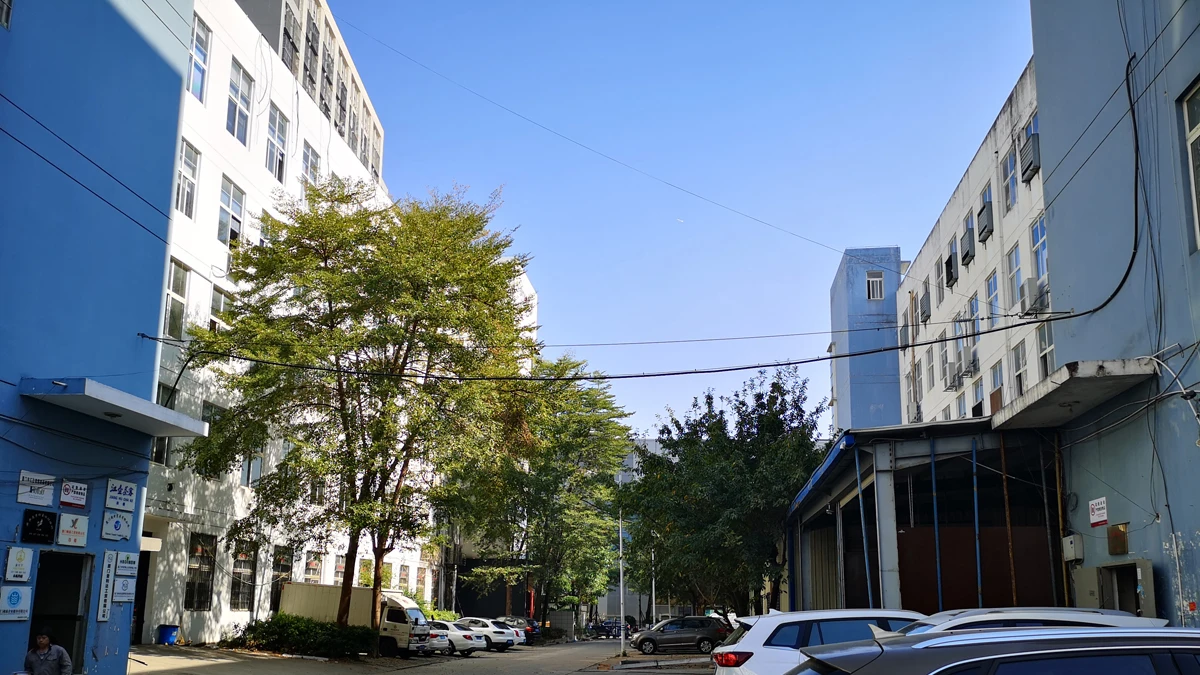
Xiamen Ehang Household Products Co., Ltd.
- Trading Company
- zhejiang, China
- Lead time37 days
- Avg. response≤ 7h
Main productsKitchenware,bamboo and wooden products,Houseware,Kitchen gadgets,Garden
Main marketsSoutheast Asia(20.00%), North America(20.00%), Southern Europe(10.00%), Northern Europe(10.00%), Western Europe(10.00%), South America(10.00%), Eastern Europe(10.00%), Central America(5.00%), Domestic Market(1.00%), Mid East(1.00%), Oceania(1.00%), Eastern Asia(1.00%), Africa(1.00%)

Shaowu City Nafu Bamboo and Wood Industry Co., Ltd.
- Manufacturer
- China Fujian
- Lead time15 days
- Avg. response≤ 19h
Main productsBamboo and Wood Cutting Board Cheese Board, Bamboo and Wood Storage Box, Bamboo and Wood Plate, Bamboo and Wood Tray, Marble Wood Cheese Board, Bamboo and Wood Table, Bamboo and Wood Bathroom Products, Bamboo and Wood Shelf, Bamboo and Wood Kitchen Utensil, Bamboo and Wood Bowl
Main marketsEast Asia(Japan/ South Korea),Domestic,Europe,Australia,North America


Multifunctional Smart Double Sided Bamboo Cutting Board Set of 2 with Handle
$1.80 - $2.25
MOQ: 300 Sets
Fujian Bamboo Element Industry And Trade Co., Ltd.
- Trading Company
- Fujian, China
- Lead time35 days
- Avg. response≤ 6h
Main productsBamboo And Wood Organization,Kitchenware accessories,Bamboo plate&dish,Bathroom products,Bamboo cutting board
Main marketsSouth America(70.00%), Western Europe(10.00%), Eastern Europe(10.00%), Oceania(5.00%)
Xiamen Homex Houseware Co., Ltd.
- Verified by TüVRheinland
- Manufacturer, Trading Company
- Lead time60 days
Main productsBamboo & Wood Bathroom Items, Bamboo & Wood Housewares, Bamboo & Wood Kitchenware, Bamboo & Wood Home Furniture, Bamboo & Wood Drawer Organizer
Main marketsNorth America(80%), Western Europe(20%)

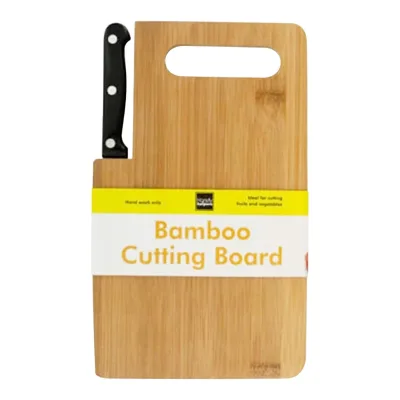
Bamboo Folding Cutting Board With Knife Cutting Block Chaructic Board for Kitchen
$5.20 - $5.50
MOQ: 500

Hot Selling High Quality Multifunctional Premium Bamboo Cutting Board With Containers/Trays/Drawers
$5.00 - $10.00
MOQ: 500 pieces
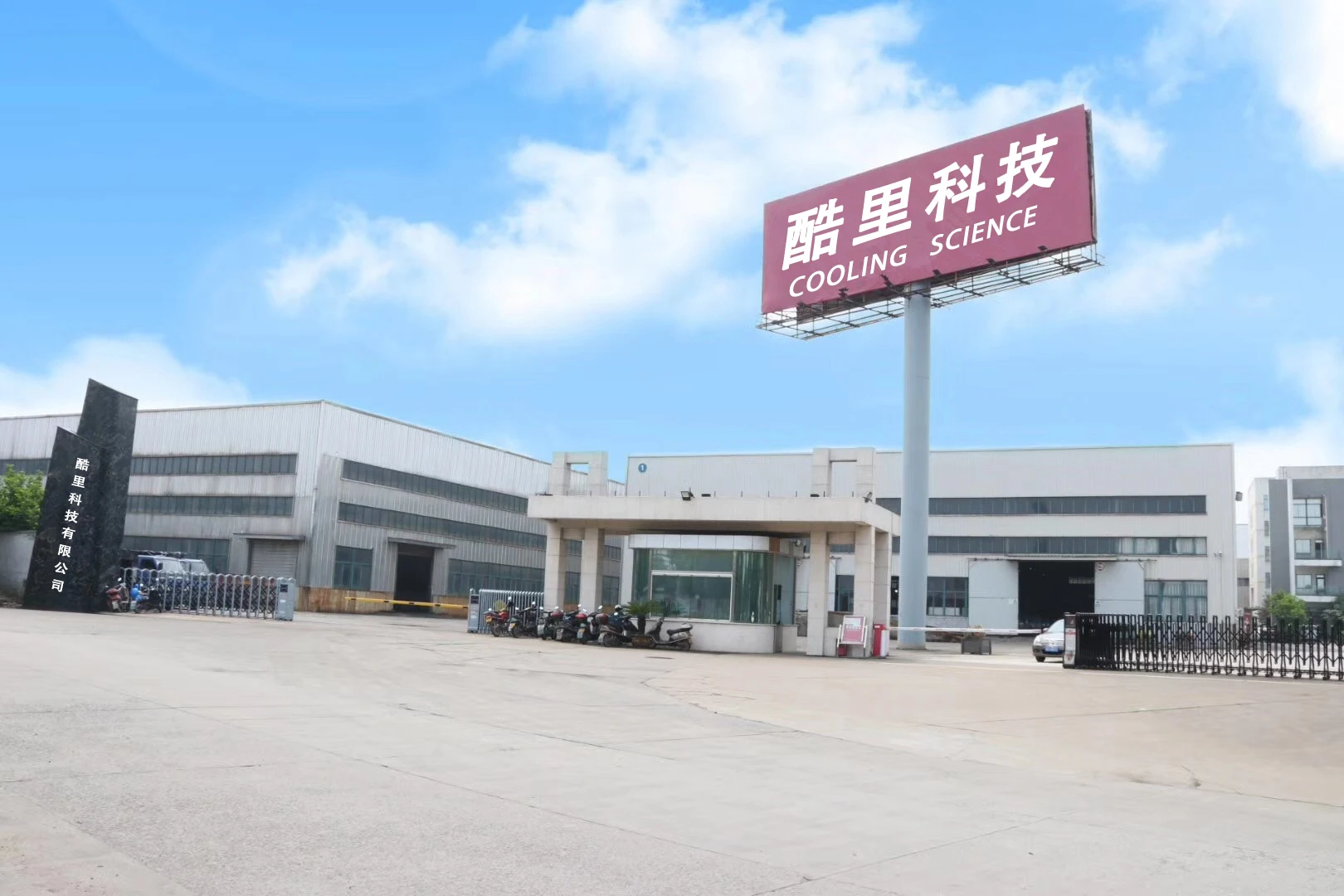
Hefei Cooling Science And Technology Co., Ltd.
- Manufacturer, Trading Company
- Anhui, China
- Lead time50 days
- Avg. response≤ 8h
Main productsTableware,Organizer,Home decoration,Kitchenware,Servingware
Main marketsEastern Europe(25.00%), Western Europe(15.00%), Southern Europe(15.00%), North America(12.00%), Northern Europe(11.00%), Central America(9.00%), Southeast Asia(8.00%), South America(5.00%)

Xiamen Ebei Import & Export Co., Ltd.
- Verified by CTI
- Trading Company,Manufacturer/Factory
- China Fujian
- Lead time45 days
- Avg. response≤ 2h
Main productsEco-Friendly Products, Bamboo Tableware, Bamboo Furniture, Bamboo Kitchenware, Bamboo Office Supply, Bamboo Fibre Products, Biodegradable Products, Bamboo Towel, Solar Energy Products, Bamboo Garden Products
Main marketsSouth America,Eastern Europe,Mid East,North America,Southeast Asia,Eastern Asia,Oceania,Western Europe,Africa
Shenzhen Nature Bamboo and Wood Co., Ltd.
- Verified by Intertek
- Trading Company
- Lead time30 days
Main productsCutting Board, Shelf, Sport Product, Box, Tray
Main marketsNorth America(60%), Western Europe(35%), Southeast Asia(5%)

Fujian Hoyee Household Items Co., Ltd.
- Verified by BV
- Manufacturer/Factory
- China Fujian
- Lead time0 days
- Avg. response≤ 10h
Main productsBamboo Products, Cutting Board, Bathtub Caddy, Bath Mat, Bath Towel Rack, Shoes Rack, Office Organizer, Desk Organizer, Cheese Board, Serving Tray

Shuifu Huiyang Agricultural Technology Co., Ltd.
- Verified by SGS
- Trading Company
- China Yunnan
- Lead time23 days
- Avg. response≤ 3h
Main productsBamboo Products, Bamboo Crafts, Bamboo Chopsticks, Bamboo Skewers, Bamboo Weaving, Bamboo Tray, Bamboo Box, Bamboo Placemat, Bamboo Fruit Bowl, Lamp Shades
Main marketsDomestic


Bamboo Cutting Board for Kitchen Durable Eco Friendly Multi Purpose Chopping Board
$9.98
MOQ: 1000 Pieces


Shaowu Han Well Import and Export Trade Co., Ltd.
- Trading Company
- China Fujian
- Lead time23 days
- Avg. response≤ 10h
Main productsChopping Boards, Serving Boards, Bamboo Skewer, Bamboo Stick, Tray, Cutting Board, Box, Utensil Tool, Bamboo Chopsticks, Coffee Stirrers
Main marketsEast Asia(Japan/ South Korea),Europe,Australia,North America
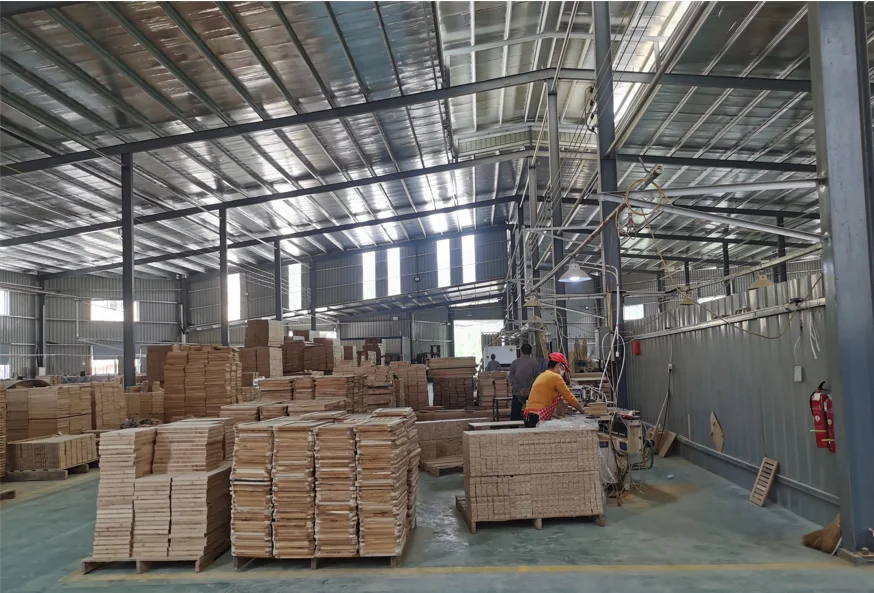
Fujian Fuboo Bamboo And Wood Products Co., Ltd.
- Trading Company
- Fujian, China
- Lead time30 days
- Avg. response≤ 10h
Main productsBamboo Kitchen Products,Bamboo Office Organizer,Bamboo Bathroom Accessories,Bamboo Household Products
Main marketsNorth America(60.00%), Western Europe(10.00%), Oceania(10.00%), Southern Europe(5.00%), Northern Europe(5.00%), Eastern Europe(5.00%), South America(5.00%)


$4.72 - $5.08
MOQ: 500 pieces


Guangzhou Dimei Building Material Co.,Ltd
- Verified by CTI
- Trading Company,Manufacturer/Factory
- China Guangdong
- Lead time15 days
- Avg. response≤ 1h
Main productsWall Panel, PVC Wall Panel, Wood Panel, Spc Wall Panel, Spc Flooring, Laminate Flooring, WPC Wall Panel, Decor Panel, Decorative Wall Panel, Bamboo Panel
Main marketsSouth America,Eastern Europe,Mid East,North America,Southeast Asia,Eastern Asia,Oceania,Western Europe,Africa

- Trading Company
- China Zhejiang
- Lead time30 days
- Avg. response≤ 11h
Main productsHome Appliance, Cookware Set, Thermos, Home Storage, Furniture, Pet Supplies, Garden Tools, Outdoor Supplies, Baby Supplies, Houesehold Items
Main marketsSouth America,Africa,Southeast Asia/ Mideast,East Asia(Japan/ South Korea),Domestic,Europe,Australia,North America





Comprehensive Sourcing Guide
Foldable Bamboo Color Cutting Board Supplier Concentration and Factory Types
The current supplier landscape for foldable bamboo color cutting boards reveals a distinct concentration of manufacturing and trading entities within specific geographic clusters. Evidence indicates that a significant portion of these suppliers are located in China, with a notable presence in the Fujian province. This region, particularly areas like Nanping and Jianou, has emerged as a hub for bamboo processing, leveraging local raw material availability and established supply chains. Buyers evaluating this market should recognize that while the core keyword specifies "foldable" designs, the actual product evidence predominantly features solid, thickened, or multi-layered bamboo cutting boards rather than explicitly foldable mechanisms. This discrepancy suggests that buyers must carefully verify if the "foldable" attribute is a standard offering or a custom request, as many suppliers list standard chopping blocks, cheese boards, and kitchen accessories as their primary outputs. The concentration in Fujian implies that logistics and raw material sourcing are optimized for this region, potentially offering competitive advantages in terms of material quality and production speed for buyers willing to navigate the specific product variations available.
Regarding factory types, the data shows a mix of trading companies and manufacturers with OEM/ODM capabilities. Many suppliers identify as trading companies, which can serve as valuable intermediaries for buyers seeking consolidated sourcing from multiple product lines, such as bamboo kitchenware, weaving mats, and outdoor decking. However, the presence of OEM and ODM capacities indicates that these entities can also facilitate custom branding and design modifications, which is crucial for buyers looking for unique foldable features or specific color matching. The verification status of these suppliers varies, with some holding BV or SGS certifications, providing an additional layer of trust for international buyers. It is essential for buyers to distinguish between pure trading entities and those with direct manufacturing control, as this distinction impacts lead times, quality control processes, and the ability to implement custom foldable designs. Understanding this mix helps buyers align their sourcing strategy with their need for customization versus standard product availability, ensuring they partner with suppliers who can meet their specific operational requirements.
How to Verify Foldable Bamboo Color Cutting Board Suppliers
Verifying suppliers for foldable bamboo color cutting boards requires a multi-layered approach that goes beyond surface-level profile reviews. Buyers should prioritize suppliers who display third-party verification badges, such as BV or SGS, as these indicate that an independent agency has assessed the company’s legitimacy and operational capabilities. The presence of such certifications is a strong initial signal of reliability, but it should not be the sole criterion for selection. Buyers must also scrutinize the supplier’s response time, which serves as a proxy for their operational efficiency and customer service quality. In the current dataset, response times vary significantly, with some suppliers responding within hours while others take nearly twenty hours. A faster response time often correlates with better communication channels, which is critical when discussing complex customizations like foldable mechanisms or specific color matching requirements. Buyers should test this responsiveness by sending detailed inquiries about their specific needs, observing how quickly and thoroughly the supplier addresses questions about material sourcing, production processes, and quality assurance protocols.
In addition to verification badges and response times, buyers should examine the supplier’s product evidence and attribute details to ensure alignment with their requirements. The product listings often include specific attributes such as moisture content, glue type, and surface treatment, which are critical for food safety and durability. For instance, some suppliers specify E0 glue and LFGB approved oil, indicating adherence to strict environmental and safety standards. Buyers should request documentation or test reports for these claims, especially if they are targeting markets with stringent regulatory requirements. Furthermore, buyers should verify the supplier’s ability to handle custom orders by checking their OEM/ODM capabilities and past performance in similar projects. It is also advisable to ask for samples of their standard products to assess the quality of bamboo processing, edge finishing, and overall craftsmanship. By combining these verification steps, buyers can build a more comprehensive picture of a supplier’s reliability and capability, reducing the risk of partnering with entities that may not meet their quality or operational standards.
What to Compare Across Foldable Bamboo Color Cutting Board Suppliers
When comparing suppliers for foldable bamboo color cutting boards, buyers should focus on key operational metrics that directly impact their supply chain efficiency and cost structure. Lead time is a critical factor, as it determines how quickly orders can be fulfilled and delivered to end customers. The data shows lead times ranging from twenty-three to thirty days, which can vary based on order volume, customization complexity, and production scheduling. Buyers should compare these lead times against their inventory requirements and market demand forecasts to ensure they can maintain adequate stock levels without overcommitting resources. Additionally, the minimum order quantity (MOQ) is another vital comparison point, with some suppliers requiring as few as five hundred units while others demand one thousand or more. Lower MOQs are beneficial for buyers testing new markets or launching limited edition products, whereas higher MOQs may offer better unit economics for established brands with consistent demand. Understanding these thresholds helps buyers align their purchasing strategy with their financial and logistical capabilities.
Price and customization options are also essential dimensions for comparison. The price range for bamboo cutting boards varies significantly, with some products listed as low as one dollar per unit and others reaching up to twelve dollars, depending on features like thickness, color matching, and included accessories. Buyers should evaluate whether the price includes customization services, such as logo printing or specific design modifications, as these can add value but also increase costs. Furthermore, the availability of customization should be assessed, as some suppliers offer flexible design options while others may have limited capabilities. Buyers should also consider the supplier’s main product focus, as those specializing in bamboo kitchenware may offer better integration and quality control for cutting boards compared to general trading companies. By systematically comparing these factors, buyers can identify suppliers that offer the best balance of cost, speed, and customization, ensuring they secure a competitive advantage in their target market.
Common Foldable Bamboo Color Cutting Board Sourcing Risks
Sourcing foldable bamboo color cutting boards involves several inherent risks that buyers must proactively manage to ensure a smooth procurement process. One significant risk is the mismatch between product expectations and actual offerings, particularly regarding the "foldable" attribute. As noted in the product evidence, many suppliers list solid, thickened, or multi-layered boards rather than explicitly foldable designs. This discrepancy can lead to delays and additional costs if buyers assume foldable features are standard when they are not. Buyers must clearly communicate their specific requirements and verify that the supplier can deliver the desired functionality, potentially requiring custom tooling or design adjustments. Another risk is quality inconsistency, especially when dealing with natural materials like bamboo. Variations in moisture content, glue application, and surface treatment can affect the board’s durability and safety. Buyers should establish clear quality standards and request samples or third-party test reports to mitigate this risk, ensuring that the final products meet their specifications and regulatory requirements.
Logistical and communication risks are also prevalent in international sourcing. Differences in time zones, language barriers, and cultural nuances can hinder effective communication, leading to misunderstandings about order details, shipping instructions, or payment terms. Buyers should prioritize suppliers with strong English communication skills and responsive customer service to minimize these issues. Additionally, the reliance on trading companies can introduce layers of complexity, as they may not have direct control over production processes or quality control measures. Buyers should verify the supplier’s supply chain transparency and ability to manage production schedules effectively. Another risk is the potential for hidden costs, such as shipping fees, customs duties, or additional charges for customization. Buyers should request detailed quotations that include all relevant costs to avoid unexpected expenses. By identifying and addressing these risks early in the sourcing process, buyers can build a more resilient supply chain and reduce the likelihood of disruptions or dissatisfaction with the final products.
Foldable Bamboo Color Cutting Board Regional Sourcing and Logistics
Regional sourcing plays a crucial role in determining the efficiency and cost-effectiveness of procuring foldable bamboo color cutting boards. The concentration of suppliers in China, particularly in the Fujian province, offers significant advantages in terms of raw material availability and production expertise. Fujian is known for its extensive bamboo forests and established processing infrastructure, which allows for efficient sourcing of high-quality bamboo materials. This regional concentration also facilitates streamlined logistics, as many suppliers are located near major ports and transportation hubs, reducing transit times and shipping costs. Buyers should leverage this geographic advantage by working with suppliers who have experience in exporting to their target markets, ensuring that they understand local regulations and shipping requirements. Additionally, the presence of specialized bamboo processing clusters in areas like Nanping and Jianou provides access to a skilled workforce and advanced manufacturing technologies, which can enhance product quality and innovation.
However, buyers must also consider the logistical challenges associated with international shipping, such as customs clearance, documentation, and potential delays. Working with suppliers who have established relationships with freight forwarders and logistics providers can help mitigate these risks. Buyers should also evaluate the supplier’s packaging capabilities, as proper packaging is essential to protect the bamboo boards during transit and prevent damage. Some suppliers offer customized packaging solutions, such as carton boxes or shrink-wrapped OPP bags, which can enhance product presentation and reduce the risk of damage. Additionally, buyers should consider the environmental impact of their sourcing decisions, as bamboo is a sustainable material, but the processing and shipping processes can have carbon footprints. By choosing suppliers who adhere to eco-friendly practices and efficient logistics, buyers can align their sourcing strategy with their sustainability goals while ensuring timely and cost-effective delivery of their products.
Foldable Bamboo Color Cutting Board Commercial Terms and Order Planning
Effective commercial terms and order planning are essential for successful sourcing of foldable bamboo color cutting boards. Buyers should negotiate clear payment terms that align with their cash flow needs and risk tolerance, such as using escrow services or letters of credit for larger orders. These financial instruments provide security for both parties, ensuring that payments are released only upon satisfactory delivery and inspection of the goods. Additionally, buyers should establish clear quality assurance protocols, including pre-shipment inspections and acceptance criteria, to ensure that the products meet their specifications. It is also important to define the responsibilities for shipping and insurance, clarifying who bears the risk during transit and how claims are handled in case of damage or loss. By setting these terms explicitly in the contract, buyers can avoid disputes and ensure a smooth transaction process.
Order planning should be based on a thorough understanding of market demand, production lead times, and inventory requirements. Buyers should work closely with their suppliers to develop a production schedule that aligns with their sales forecasts and avoids stockouts or overstock situations. Regular communication and updates on production progress can help buyers stay informed and make adjustments as needed. Furthermore, buyers should consider the potential for seasonal fluctuations in demand and plan their orders accordingly to ensure timely delivery. It is also advisable to build a relationship with multiple suppliers to diversify risk and ensure continuity of supply in case of disruptions. By implementing robust commercial terms and strategic order planning, buyers can optimize their sourcing operations, reduce costs, and enhance their competitiveness in the market.
FAQs
What is the price range for bamboo cutting boards?
Prices for bamboo cutting boards typically range from $1.00 to $12.00 per unit. The final cost depends on specific features such as thickness, color matching, and included accessories like trays. Buyers should verify exact pricing based on their chosen model and order volume to ensure accurate budgeting.
What is the minimum order quantity for these products?
The minimum order quantity varies by supplier and product model. Some suppliers require a minimum of 500 pieces, while others set the threshold at 1000 pieces. Buyers must check the specific MOQ for each item to plan their initial procurement strategy effectively and avoid excess inventory costs.
How long does production and shipping take?
Lead times for bamboo cutting boards generally range from 23 to 30 days. This duration covers manufacturing and preparation for shipment. Buyers should confirm the exact timeline with their supplier to align with their inventory needs and ensure timely delivery for their market requirements.
Are customization options available for bamboo boards?
Yes, customization is available for many bamboo cutting board models. Suppliers offer options for custom logos, specific sizes, and unique designs. Buyers can request tailored specifications to match their brand identity. It is advisable to discuss customization details directly with the supplier to confirm feasibility and associated costs.
Where are these bamboo products manufactured?
These bamboo products are manufactured in China, specifically in regions like Fujian and Nanping. The origin ensures access to high-quality bamboo materials and established production facilities. Buyers can verify the specific origin for each product to understand logistics and potential shipping routes for their orders.
What certifications do these suppliers hold?
Suppliers hold various certifications including BV, SGS, CE, and LFGB approved oil standards. These certifications verify product safety and quality compliance. Buyers should request specific certification documents for their chosen products to ensure they meet local regulatory requirements and quality standards for their target markets.