Cattle Bovine Leg Identification Strap Suppliers and Manufacturers
Source 23 verified suppliers for Cattle Bovine Leg Identification Strap products. Compare key dimensions including location, lead time, MOQ, and response time to find the right fit. Review product specifications and pricing details to make an informed sourcing decision today.
Suppliers List

Hornta (Langfang)Trading Co., Ltd.
- Verified by CTI
- Trading Company
- China Hebei
- Lead time30 days
- Avg. response≤ 6h
Main productsCat Litter, Cutters, Calf Feeder, Ear Tag, Drink Water Bowl, Tmr Feed Cart, Manure Collector, Pasteurizer, Cow Body Brush, Veterinary Feeding Bottle
Main marketsSouth America,Africa,Southeast Asia/ Mideast,East Asia(Japan/ South Korea),Domestic,Europe,Australia
Weifang City Huide Agriculture And Animal Husbandry Technology Co., Ltd.
- Manufacturer, Trading Company
- Shandong, China
- Lead time30 days
- Avg. response≤ 3h
Main productsAnimal Ear Tag,Animal Syringe,Proportional Pump,Bull Ring,Bull Nose Ring Pliers
Main marketsSouth Asia(20.0%), Eastern Asia(20.0%), Mid East(10.0%), Oceania(10.0%), Western Europe(10.0%), Eastern Europe(10.0%), South America(5.0%), Northern Europe(5.0%), North America(5.0%), Africa(5.0%)

- Verified by TUVRHEINLAND
- Combined
- China Shandong
- Lead time15 days
- Avg. response≤ 2h
Main productsAi Sheath, Foam Catheter, Ai/Vet Gloves, Ai Gun, Calf Bottle, Udf/CTO Filter Cartridge, RO Membrane, RO Plastic Tank, Water Filter, RO System
Main marketsAfrica,Southeast Asia/ Mideast,Domestic,Europe,North America


Livestock Animal Identification Two Piece Cow Cattle Blank Ear Tag with Button
$0.12 - $0.15
Moq: 10000

Forest Vet High Visibility Ear Tag for Cattle, Pig, Sheep Animal Identification
$0.05 - $0.09
Moq: 10000

Shanghai Levah International Trading Co., Ltd.
- Verified by SGS
- Trading Company,Manufacturer/Factory
- China Shanghai
- Lead time45 days
- Avg. response≤ 9h
Main productsVeterinary Continuous Syringe, Veterinary Needles, Veterinary Bandage, Artificial Insemination for Animal, Infrared Heat Lamp, Veterinary Syringe, Veterinary Long Gloves, Electric Fence Insulator, Electric Fence Gate Handle, PVC Tarpaulin
Main marketsSouth America,Eastern Europe,Mid East,North America,Southeast Asia,Eastern Asia,Oceania,Western Europe,Africa
Zhengzhou Zhimuren Machinery Co,, Ltd.
- Verified by SGS Group
- Manufacturer, Trading Company
- Lead time15 days
- Avg. response≤ 5h
Main productsWater bowls for pigs/ cattle and sheep, Cow and sheep milking machine, Ear tag pliers, Ear tag, Water bucket/ Feeder bucket
Main marketsSouth America(25%), Eastern Europe(21%), North America(18%)
Cangzhou Jinmu Machinery Equipment Co., Ltd.
- Trading Company
- Hebei, China
- Lead time15 days
- Avg. response≤ 3h
Main productsPig Farm Equipment,Chicken Farm Equipment,Cattle And Sheep Agricultural Equipment,Animal Feeding And Drinking Water Equipment
Main marketsDomestic Market(70.0%), North America(10.0%), Northern Europe(10.0%), Mid East(5.0%), Africa(5.0%)

Zhejiang Kangrui Apparatus Technology Co., Ltd.
- Verified by BV
- Combined
- China Zhejiang
- Lead time30 days
- Avg. response≤ 12h
Main productsSyringe, Needle, Ear Tag, Applicator, Veterinary, Drencher, Drinker, Feeder, Ai Equipments, Feeding Equipments
Main marketsSouth America,Southeast Asia/ Mideast,Domestic,Europe,Australia,North America

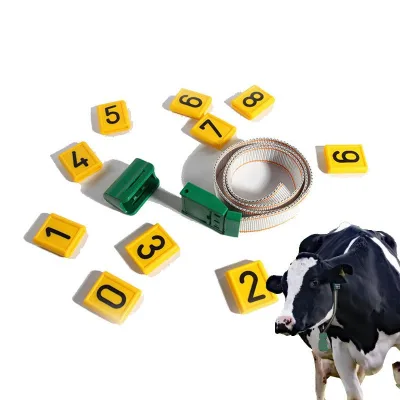
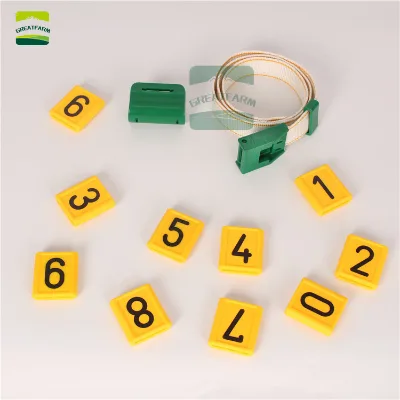
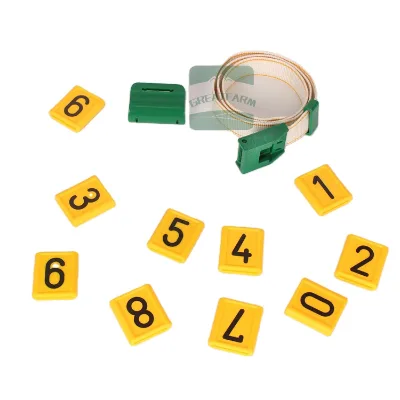
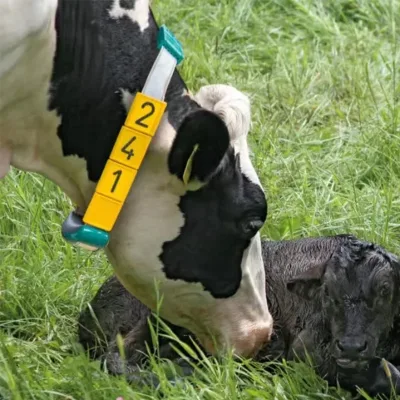
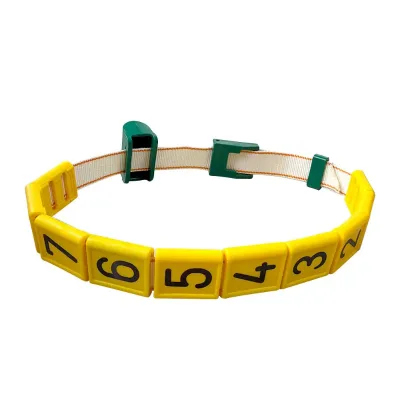
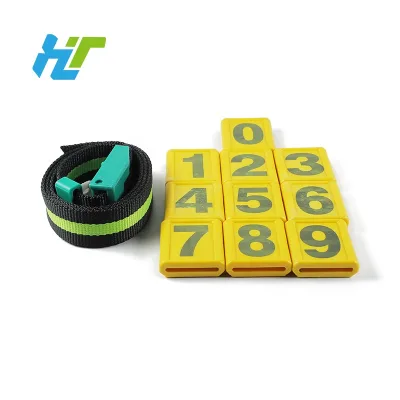
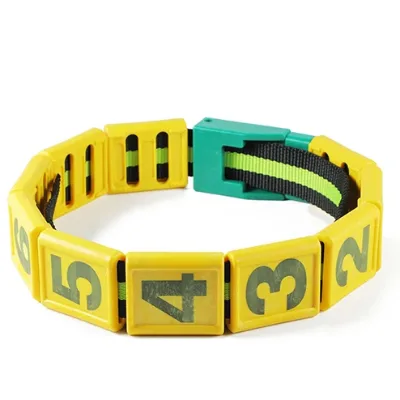
Animal Cattle Cow Marker Identification Band Adjustable Neck Strap with Number
$11.00 - $13.00
Moq: 1000


Zhengzhou Jinhui Agricultural S&T Co., Ltd.
- Verified by SGS Group
- Manufacturer, Trading Company
- Lead time10 days
Main productsSteel processing, Plastic products, Animal artificial breeding equipment and tools, Automation control systems
Main marketsSoutheast Asia(20%), Mid East(15%), North America(10%)

Shanghai Eastern Medtech Co., Ltd.
- Verified by CTI
- Trading Company
- China Shanghai
- Lead time30 days
- Avg. response≤ 4h
Main productsNeedle, Vaccine Syringe, Hypodermic Needle, Syringe, Pen Needle, Dental Needle
Main marketsAfrica,Southeast Asia/ Mideast,Europe,North America
Zhengzhou Great Farm Agricultural S&T Co., Ltd.
- Trading Company
- Henan, China
- Lead time0 days
- Avg. response≤ 3h
Main productsVet Ultrasound Scanner,Sonar Scanner,Vet Syringe,Veterinary artificial insemination equipment,Ovulation Detector
Main marketsSoutheast Asia(10.0%), Eastern Europe(9.0%)

YANGZHOU HUAMU TECHNOLOGY CO., LTD.
- Combined
- China Jiangsu
- Lead time15 days
- Avg. response≤ 2h
Main productsEar Tag, Ear Tag Plier, Vet Syringe, Vet Syringe Needle
Main marketsDomestic,Europe

Sails RFID Smart Card Technology Co., Limited
- Trading Company
- China Guangdong
- Lead time15 days
- Avg. response≤ 6h
Main productsRFID Tags, Smart Card, Ear Tag, Pet Microchip, Pigeon Ring, Security Seal, RFID Inlay, PVC Card, ID Card, RFID Reader
Main marketsSouth America,Africa,Southeast Asia/ Mideast,Europe,Australia,North America
Chengdu Blueworth Plastic Products Co., Ltd.
- Verified by SGS Group
- Manufacturer, Trading Company
- Lead time60 days
- Avg. response≤ 1h
Main productsEar Tag, Ear Tag Accessories, Animal & Poultry Husbandry Equipment, Veterinary Syringe, Veterinary Ultrasound Scanner
Main marketsNorth America(40%), Oceania(20%), Domestic Market(20%)
Cangzhou Chuangce Machinery Equipment Co., Ltd.
- Trading Company
- Hebei, China
- Lead time15 days
- Avg. response≤ 3h
Main productsslat floor,animal drinker,animal feeder,farm stall,farrowing pen
Main marketsAfrica(20.0%), Southeast Asia(20.0%), South America(20.0%), Eastern Asia(20.0%), South Asia(10.0%), North America(10.0%)

WUHAN YAOQIWEI MACHINERY TECHNOLOGY CO., LTD.
- Verified by TUVRHEINLAND
- Combined
- China Hubei
- Lead time30 days
- Avg. response≤ 13h
Main productsCard Laminator, Card Punching Machine, Smart Card, Inkjet/Laser PVC Printing Sheet, Steel Plate, RFID Chip, Neck Strap Lanyards/Badge Reel, Hologram PVC Sheet, Hot Stamping Machine, Card Embosser
Main marketsDomestic

Anhui Zhongke Hatai Intelligent Technology Co., Ltd.
- Verified by CTI
- Combined
- China Anhui
- Lead time23 days
- Avg. response≤ 3h
Main marketsDomestic,Europe


Large Surface Cattle Eartag for Animal Management with Clear Identification Area
$0.15 - $0.17
Moq: 100


Cangzhou Hengyun Plastic Industry Co., Ltd.
- Manufacturer, Trading Company
- Hebei, China
- Lead time15 days
- Avg. response≤ 3h
Main productsPlastic slatted flooring,goat plastic tray,chicken cage,chicken feeder,Plastic floor panel
Main marketsSouth Asia(15.0%), Mid East(12.0%), Southeast Asia(10.0%), Africa(9.0%), South America(8.0%), Eastern Europe(7.000000000000001%), Eastern Asia(7.000000000000001%), Domestic Market(5.0%), Northern Europe(5.0%), Central America(5.0%), North America(5.0%), Oceania(5.0%), Southern Europe(3.0%), Western Europe(3.0%)

JingZhou SynTek Smart Technology Co., Ltd.
- Combined
- China Hunan
- Lead time15 days
- Avg. response≤ 4h
Main productsRFID Cards, RFID Ear Tags, RFID Wristbands, RFID Animal Microchips, iButton Keys, iButton Probe Readers, RFID Keyfobs, RFID Epoxy Keychains, RFID Animal Readers, RFID Reader Writer Duplicators
Main marketsEurope
Anhui Hatai Intelligent Technology Co., Ltd.
- Verified by TüVRheinland
- Manufacturer, Trading Company
- Lead time10 days
Main productsAnimal Ear Tag, Ear Tag Plier, Ear Tag Reader/scanner, Electronic Ear Tag, Animal Neck Collar
Main marketsMid East(28%), Africa(20%), Oceania(10%)
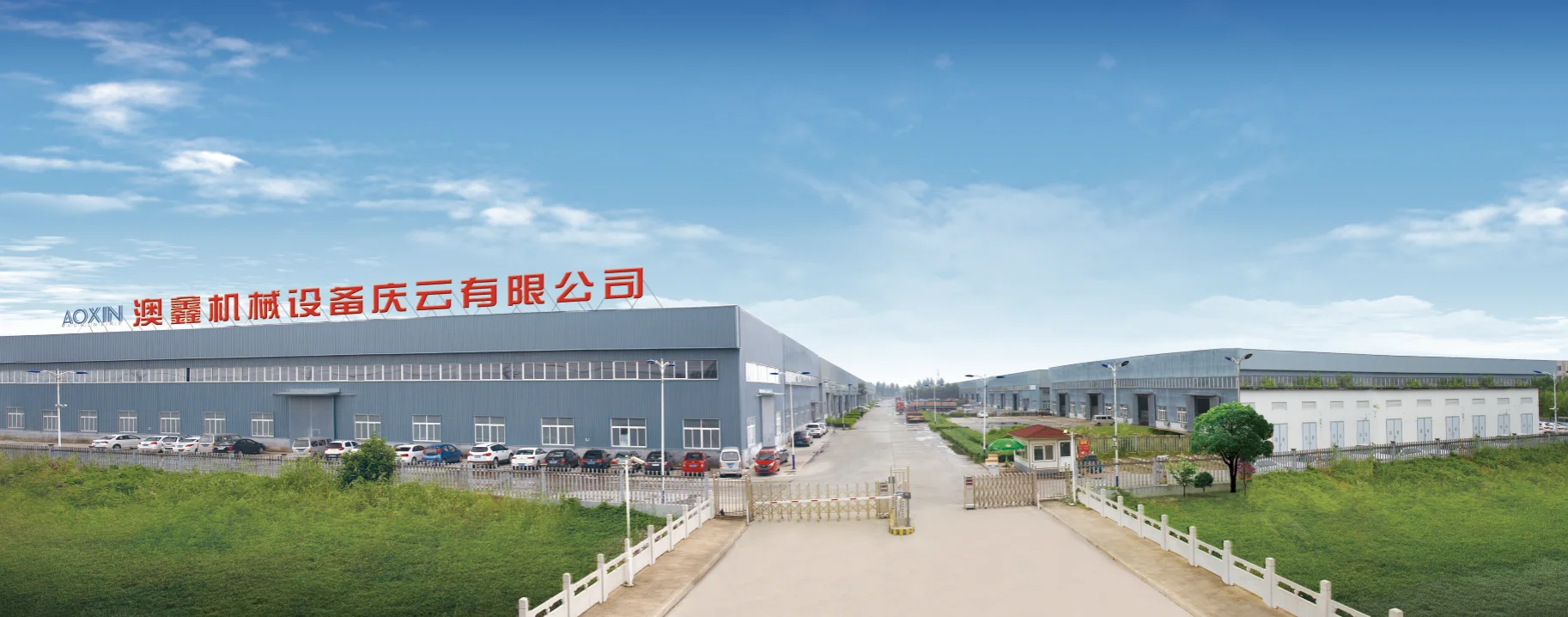
Aoxin Machinery Equipment (Qingyun) Co., Ltd.
- Manufacturer, Trading Company
- Shandong, China
- Lead time10 days
- Avg. response≤ 1h
Main productspig equipment,farrowing crate,slatted flooring,pig cages,feeder trough
Main marketsOceania(14.000000000000002%), Mid East(11.0%), Eastern Europe(10.0%), Northern Europe(9.0%), South America(8.0%), Eastern Asia(8.0%), Southern Europe(7.000000000000001%), Southeast Asia(6.0%), Western Europe(6.0%), Domestic Market(6.0%), North America(5.0%), Central America(4.0%), Africa(3.0%), South Asia(3.0%)
Ningbo Newland Imp. & Exp. Co., Ltd.
- Trading Company
- Zhejiang, China
- Lead time20 days
- Avg. response≤ 4h
Main productsPoultry Drinker,Poultry Feeder,Veterinary Syringe,Ear Tag,Water Bowl
Main marketsOceania(20.0%), Northern Europe(15.289999999999997%), Southern Europe(12.94%), Western Europe(11.77%), Africa(10.59%), South America(8.24%), North America(5.88%), Southeast Asia(4.71%), South Asia(2.35%), Eastern Europe(2.35%), Domestic Market(2.35%), Eastern Asia(2.35%), Mid East(1.18%)

QINGDAO 3F TECHNOLOGY CO., LTD
- Verified by TUVRHEINLAND
- Trading Company
- China Shandong
- Lead time30 days
- Avg. response≤ 5h
Main productsDrinking Water Tank, Bull Bed, Body Brush Husbandry, Solid Liquid Separator, Cow Headlock, Calf Hutches, Pig Equipment, Cow Equipment, Cattle Equipment, Rubber Mat
Main marketsEurope

Customized Cattle Tracking RFID Electronic Animal Ear Tag for Sheep Cow Pig Horse
$0.11 - $0.75
Moq: 2000

High Quality TPU Cattle Ear Tags with Numbered Options for Livestock Management
$0.15 - $0.30
Moq: 2000


Shenzhen Jianhe Smartcard Technology Co., Ltd
- Verified by SGS
- Combined
- China Guangdong
- Lead time15 days
- Avg. response≤ 4h
Main productsSmart Card, RFID Card/Tags, Card Reader
Main marketsSoutheast Asia/ Mideast,East Asia(Japan/ South Korea),North America




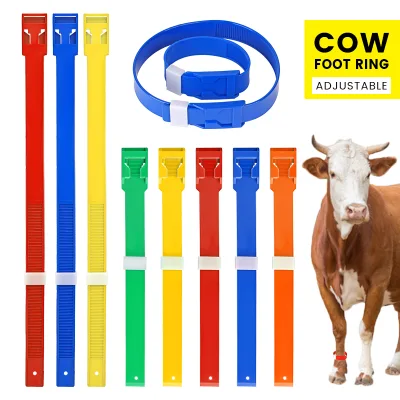
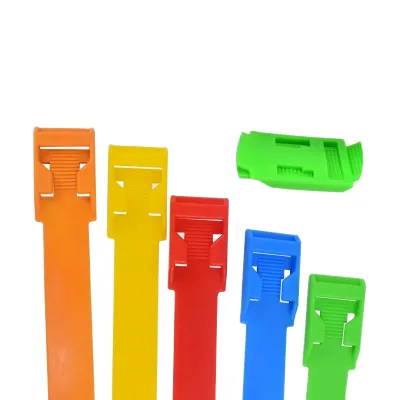
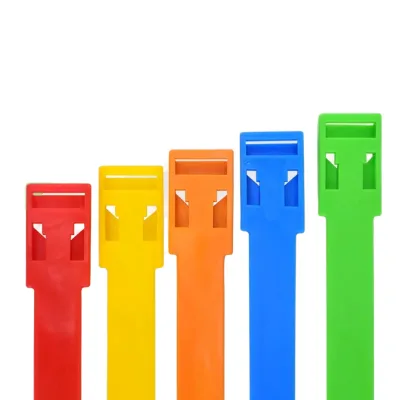
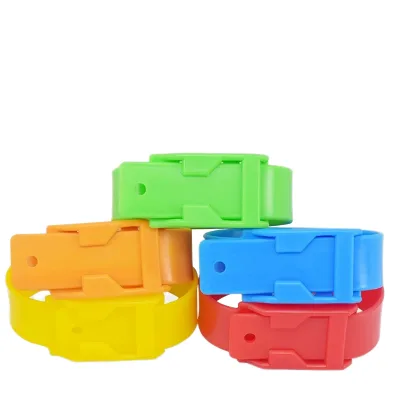





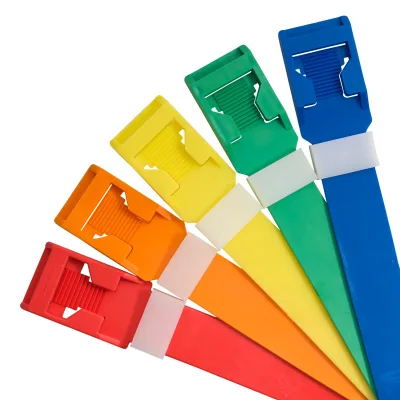

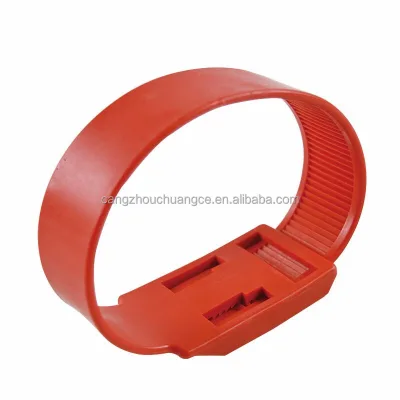


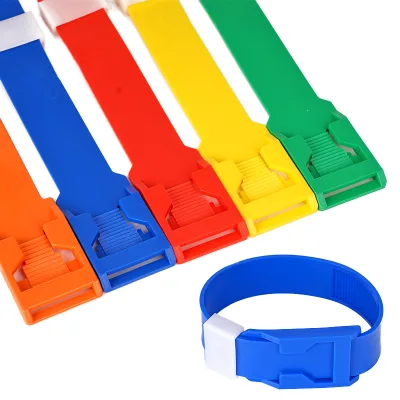
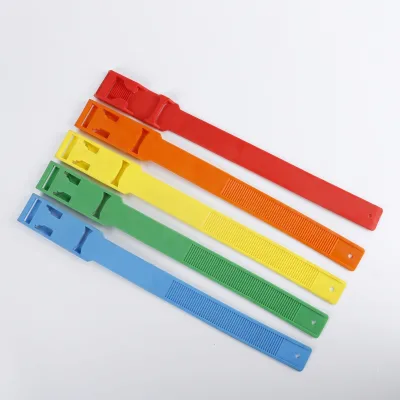


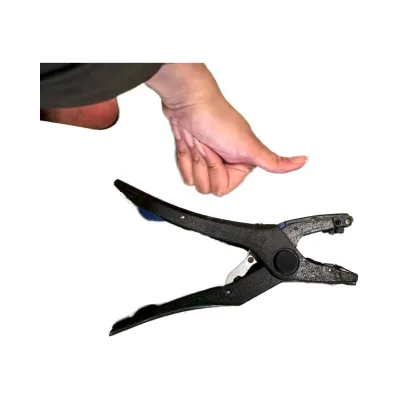
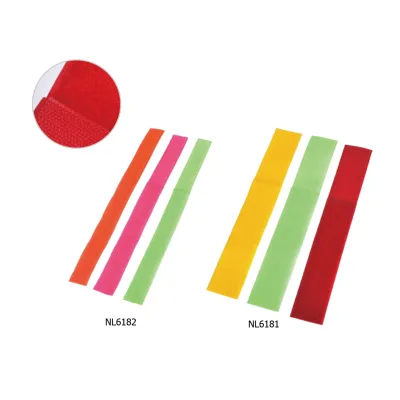
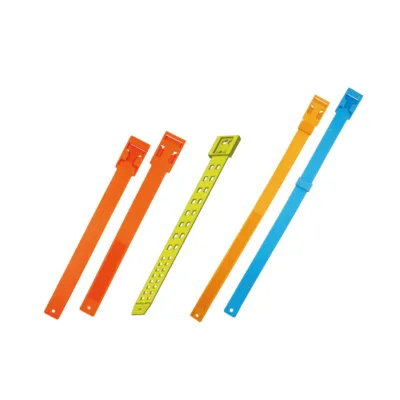
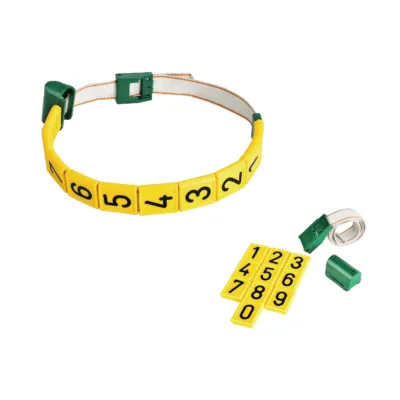


Comprehensive Sourcing Guide
Cattle Bovine Leg Identification Strap Supplier Concentration and Factory Types
Current data indicates that suppliers for cattle bovine leg identification straps are concentrated in specific Chinese provinces, with Hebei and Shandong emerging as primary manufacturing hubs. Fact records show locations explicitly listed as China Hebei and Shandong, China, suggesting these regions host the relevant production facilities. In Hebei, the supplier profile identifies the entity as a Trading Company, while Shandong-based results include both Manufacturer and Trading Company types, alongside a Combined entity. This variation in company type suggests that buyers may encounter direct factories in Shandong or intermediaries in Hebei, requiring careful distinction during the initial screening phase. The presence of multiple supplier types in the same region implies a competitive ecosystem where direct manufacturing capabilities might coexist with trading operations that aggregate products from various sources.
When evaluating the factory types, buyers should note that the Shandong cluster includes suppliers offering a broader range of veterinary supplies, such as animal ear tags, syringes, and AI guns, alongside the leg straps. This diversification often indicates a specialized agricultural equipment manufacturer capable of producing related identification tools. In contrast, the Hebei location lists main products including cat litter and various feeders, which suggests a trading company that sources identification straps from a wider network rather than manufacturing them in-house. Buyers must verify whether a supplier is a direct factory or a trading company by checking their main product list and company type designation. Understanding this distinction is critical for assessing quality control capabilities and the potential for customization, as direct manufacturers typically offer more flexibility in material and design adjustments compared to trading entities.
How to Verify Cattle Bovine Leg Identification Strap Suppliers
Verification of suppliers for cattle bovine leg identification straps relies heavily on third-party audit reports and specific certification markers found in supplier profiles. The available data highlights that some suppliers hold CTI verification status, while others display TUVRHEINLAND certification. These distinct verification bodies provide different levels of assurance regarding the supplier's operational integrity and product quality. Buyers should prioritize suppliers with these specific verification badges, as they indicate that an independent agency has reviewed the company's business license, factory conditions, or product testing results. It is essential to confirm that the verification status is current and directly linked to the specific entity being evaluated, rather than assuming a general company reputation covers all product lines.
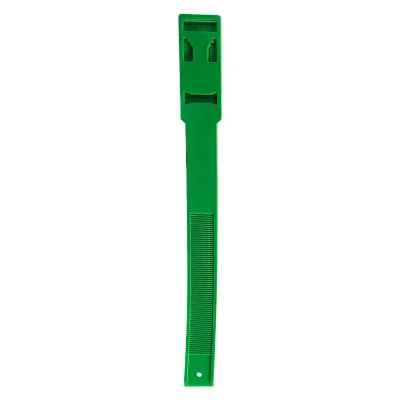
Beyond verification badges, buyers must scrutinize the product attributes and specifications provided in the supplier's catalog to ensure they match the intended application. For instance, product evidence shows materials like TPU Durable Material and specific dimensions such as 37cm * 5 cm or 36x4cm, which are critical for fitting different livestock sizes. Some listings specify a life cycle of less than 10 years, while others mention a temperate zone living environment, indicating that environmental durability varies by product. Buyers should request detailed material certificates and test reports for the specific model number, such as tape 06 or FV0107, to confirm that the claimed properties like color classification and customization availability are accurate. Relying solely on general product descriptions without verifying the specific attributes against the supplier's certification documents can lead to mismatches in performance and longevity.
What to Compare Across Cattle Bovine Leg Identification Strap Suppliers
Comparing suppliers requires a systematic analysis of key operational metrics such as lead time, minimum order quantity, and response speed, which vary significantly across the available results. Lead times in the observed data range from 15 days to 30 days, with some suppliers offering faster turnaround times of 15 days while others require a full month for production. Minimum order quantities also differ, with some listings requiring 100 pieces while others set the threshold at 1000 pieces. Response times are another critical differentiator, with recorded values ranging from 1.36 hours to 5.79 hours. Buyers should create a comparison matrix that weighs these factors against their specific project timelines and budget constraints to identify the most suitable partner.
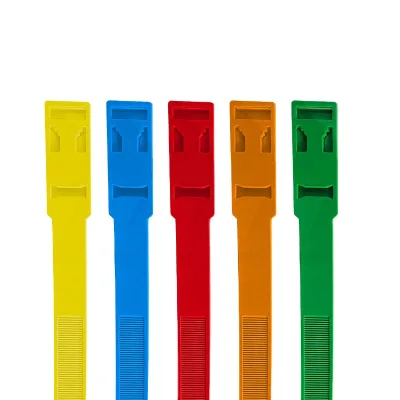
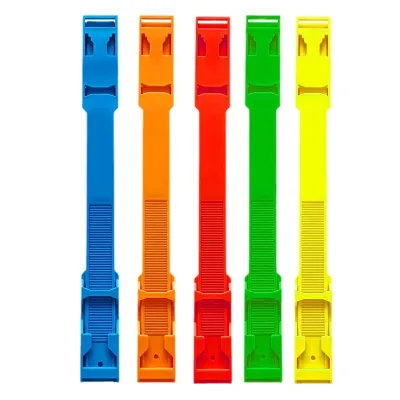
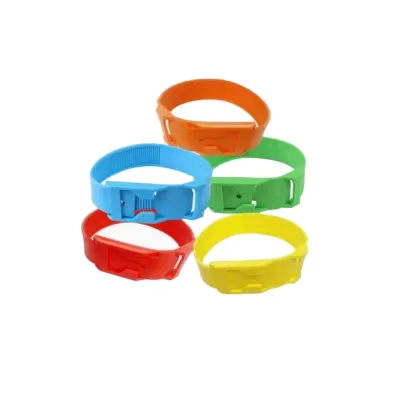
Price and customization options form the second pillar of comparison, with unit prices observed between $0.22 and $0.50 depending on the specific product model and order volume. Some suppliers explicitly state that customization is available, allowing for logo printing or specific color selections like red, green, blue, and yellow, while others may have limited options. The material composition, such as TPU or plastic, also influences the price point and durability, necessitating a direct comparison of the material specifications provided in the product attributes. Additionally, buyers should evaluate the packaging standards, which vary from 25 pieces per package to 500 pieces per paper box, as this affects shipping costs and inventory management. A thorough comparison of these commercial and technical parameters ensures that the selected supplier aligns with both the financial and operational requirements of the procurement.
Common Cattle Bovine Leg Identification Strap Sourcing Risks
One significant risk in sourcing cattle bovine leg identification straps is the potential mismatch between the claimed material durability and the actual product performance in harsh environments. Product evidence indicates varying life cycles, with some items listed as having a life cycle of less than 10 years, while others specify a temperate zone living environment. This suggests that products designed for temperate climates may degrade rapidly if used in extreme heat or cold, leading to premature failure and loss of animal identification. Buyers must verify the specific environmental ratings for the product model they intend to purchase, ensuring that the material, such as TPU or plastic, is suitable for the specific conditions where the livestock will be kept. Relying on general product descriptions without confirming environmental suitability can result in costly replacements and management inefficiencies.
Another critical risk involves the inconsistency in minimum order quantities and lead times, which can disrupt supply chain planning and inventory levels. The observed data shows a wide disparity in MOQs, ranging from 100 to 1000 pieces, and lead times spanning from 15 to 30 days. If a buyer places an order with a supplier who has a high MOQ or a long lead time without adequate buffer stock, they risk stockouts that could impact animal management operations. Furthermore, the variation in company types, with some being trading companies and others manufacturers, introduces uncertainty regarding the consistency of product quality and the ability to fulfill large orders promptly. Buyers should assess the supplier's capacity to handle their specific order volume and timeline requirements before committing to a contract, ensuring that the supplier can reliably meet their operational needs without unexpected delays or quality issues.
Cattle Bovine Leg Identification Strap Regional Sourcing and Logistics
Sourcing from the identified Chinese regions of Hebei and Shandong offers distinct logistical advantages and challenges that buyers must consider when planning their procurement strategy. The concentration of suppliers in these provinces suggests a mature supply chain infrastructure, but the specific location of the factory impacts shipping costs and transit times. Suppliers in Shandong, which include both manufacturers and trading companies, may offer more direct shipping options due to their proximity to major ports, potentially reducing lead times for international orders. In contrast, suppliers in Hebei, often operating as trading companies, might rely on third-party logistics providers, which could introduce additional variables in the shipping process. Buyers should request detailed shipping terms and estimated transit times from each supplier to accurately calculate the total landed cost of the products.
Logistics planning also requires attention to packaging specifications, which vary across suppliers and affect the efficiency of container loading and storage. Product evidence shows packaging options ranging from 25 pieces per package to 500 pieces per paper box, with some items packed in cartons and others in paper boxes. These differences in packaging density and dimensions can significantly influence the number of units that fit into a standard shipping container, thereby affecting the overall shipping cost per unit. Buyers should coordinate with their freight forwarders to determine the most cost-effective packaging configuration for their specific order volume. Additionally, understanding the origin of the products, confirmed as China in the data, is essential for navigating customs regulations and import duties, ensuring that the logistics process remains smooth and compliant with international trade laws.
Cattle Bovine Leg Identification Strap Commercial Terms and Order Planning
Commercial terms for cattle bovine leg identification straps are heavily influenced by the supplier's pricing structure, payment conditions, and customization capabilities. The observed price range of $0.22 to $0.50 per unit indicates that buyers can expect competitive pricing, but the final cost will depend on the order volume and specific product features such as color and material. Some suppliers offer OEM services and sample availability, which can be crucial for testing product quality before placing a large order. Buyers should negotiate clear terms regarding sample costs and lead times, ensuring that the supplier can provide samples quickly to validate the product against their requirements. Additionally, understanding the warranty terms, such as the 6-month warranty mentioned in some product listings, is vital for managing long-term product reliability and risk.
Order planning must account for the variability in lead times and minimum order quantities to ensure a steady supply of identification straps for livestock management. With lead times ranging from 15 to 30 days and MOQs from 100 to 1000 pieces, buyers need to forecast their demand accurately to avoid stockouts or overstocking. It is advisable to establish a relationship with a supplier who can offer flexible order quantities and shorter lead times for urgent replenishments. Buyers should also consider the response time of the supplier, which varies from 1.36 to 5.79 hours, as this impacts the speed of communication and problem resolution during the order process. By carefully planning orders based on these commercial terms and supplier capabilities, buyers can optimize their inventory levels and maintain efficient livestock identification operations.
FAQs
What is the typical lead time for cattle leg straps?
The typical lead time for cattle leg straps is 30 days based on current supplier data. Some suppliers offer faster delivery with a 15-day lead time. Buyers should confirm specific timelines with the manufacturer before placing an order to ensure timely delivery.
What is the minimum order quantity for these straps?
The minimum order quantity varies by supplier, with options starting at 100 pieces. Some suppliers require a higher minimum of 1000 pieces for specific models. Buyers must check the specific product listing to determine the exact MOQ required for their purchase.
Are these straps customizable for branding purposes?
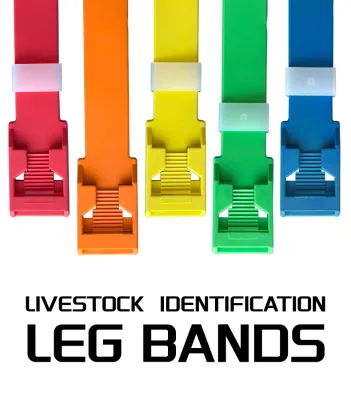
Yes, customization is available for cattle leg straps from multiple suppliers. Buyers can request specific colors like red, green, blue, or yellow. Custom logos and branding can be added to the straps to meet unique identification needs for livestock management.
What materials are used to make these identification straps?
These straps are commonly made from durable TPU material designed for longevity. Some products also utilize plastic for ear tags and similar identification tools. The material choice ensures resistance to wear and tear in various living environments for cattle and other livestock.
Where are these cattle identification straps manufactured?
These straps are manufactured in China, specifically in regions like Hebei and Shandong. The origin is clearly stated as China for most listed products. Buyers should verify the specific production location when selecting a supplier to ensure compliance with regional standards.
What is the price range for these identification straps?
The price range for these straps typically falls between 0.22 and 0.50 USD per unit. Specific costs depend on the model, quantity, and customization options selected. Buyers should compare listings to find the best price that fits their budget and quality requirements.
How quickly do suppliers respond to inquiries?
Supplier response times vary, with some responding within 1.36 hours and others taking up to 5.79 hours. Faster response times are often associated with suppliers located in Shandong. Buyers should check individual supplier profiles to gauge expected communication speed before initiating contact.