Foldable Metal Utility Cart Suppliers and Manufacturers
Compare 18 Foldable Metal Utility Cart suppliers in China based on location, lead times, and MOQ. Review product attributes like material and customization options. Contact verified factories directly to request quotes; review the available evidence before requesting comparable quotations from suitable candidates.
Suppliers List

Dongguan Simply Metal Products Co., Ltd.
- Trading Company
- China Guangdong
- Lead time23 days
- Avg. response≤ 8h
Main productsWire Shelving, Wire Shelving Units, Shelving, Shelf, Wire Wall Shelf, Wire Rack Shelving, Wire Storage Racks, Wire Racks, Metal Wire Shelving, Wire Storage Shelves
Main marketsSouth America,Africa,Southeast Asia/ Mideast,Europe,Australia,North America
Nanjing Toutru Trading Co., Ltd.
- Trading Company,Manufacturer/Factory
- China Jiangsu
- Lead time45 days
- Avg. response≤ 22h
Main productsHand Tool
Main marketsSouth America,Eastern Europe,Western Europe,Africa

Easy Folding Plastic Aluminum Collapsible Service Cart Foldable Utility Trolley
$6.00
MOQ: 1000 Pieces


Ningbo Jingyan Tools Co., Ltd.
- Verified by SGS
- Manufacturer/Factory
- China Zhejiang
- Lead time45 days
- Avg. response≤ 11h
Main productsWorkbench, Tool Box, Saw Horse, Foldable Trolley, Storage Cart, Plastic Mould, Storage Carts, Moratr Spray Gun, Hardware Tools, Auto Repair Tool
Main marketsSouth America,Eastern Europe,Mid East,North America,Southeast Asia,Eastern Asia,Oceania,Western Europe,Africa

China Factory Plastic 3 Tier Foldable Metal Storage Rolling Utility Cart for Workshop
$23.95 - $27.50
MOQ: 2 Pieces

Customized Plastic 3 Tier Foldable Metal Storage Rolling Utility Cart with Handle
$23.95 - $27.50
MOQ: 2 Pieces

Customized 300 Lb 3 Tier Foldable Metal Storage Rolling Utility Cart with Wheels
$23.95 - $27.50
MOQ: 2 Pieces

Wholesale Plastic 3 Tier Foldable Metal Storage Rolling Utility Cart with Wheels
$23.95 - $27.50
MOQ: 2 Pieces

Customized Multi-Function 3 Tier Foldable Metal Storage Rolling Utility Cart with Wheels
$23.95 - $27.50
MOQ: 2 Pieces

3-Tier Holds Foldable Utility Carts with Wheels with 240lbs for Home, Office, Garage, and Warehouse
$27.95 - $31.50
MOQ: 1 Pieces

Dalian Huamao Logistics Equipment Group Co., Ltd.
- Verified by BV
- Trading Company
- China Liaoning
- Lead time30 days
- Avg. response≤ 3h
Main productsWire Mesh Container, Post Pallet, Roll Container, Tire Rack, Wire Decking, Cage Pallet, Pet Preform Container, IBC, Stillage, Metal Pallet
Main marketsSouth America,Southeast Asia/ Mideast,East Asia(Japan/ South Korea),Europe,Australia,North America

3 Sides Foldable Durable Collapsible Metal Storage Roll Container Cart
$75.00 - $100.00
MOQ: 50 Pieces


Qingdao Haishihua Industry and Trade Co., Ltd.
- Verified by SGS
- Trading Company
- China Shandong
- Lead time15 days
- Avg. response≤ 11h
Main productsStainless Steel Table, Construction Scaffolding, Stainless Steel Flower Stand Cart, Motorcycle Trunk, Stainless Steel Storage Rack, Barbecue Grill, Folding Table, Four-Wheeled Grid Transport Vehicle, Stainless Steel Sliding Door Workbench
Main marketsSoutheast Asia/ Mideast


Metal Steel Mesh Garden Yard Utility Tool Trolley Removable Sides Wagon Cart
$39.00 - $41.00
MOQ: 100 Sets
Shandong Wilk Kitchen Equipment Co., Ltd
- Verified by SGS
- Trading Company
- China Shandong
- Lead time15 days
- Avg. response≤ 1h
Main productsStainless Steel Worktable, Stainless Steel Sink, Stainless Steel Shelf, Commercial Rice Steamer, Commercial Gas Stove, Refrigeration Equipment, Western Kitchen Equipment, Bakery Equipment, Cleaning&Sterilizing Equipment, Changing Room Equipment
Main marketsSoutheast Asia/ Mideast


Heavy-Duty Folding Platform Trolley Truck Silver Steel Stainless Transport Tool Carts
$50.00 - $140.00
MOQ: 10 Sets

Anping Ying Hang Yuan Metal Wire Mesh Co., Ltd.
- Verified by SGS
- Combined
- China Hebei
- Lead time15 days
- Avg. response≤ 5h
Main productsScreen Mesh, Wire Mesh, Welded Wire Mesh, Wire Mesh Fence, Fiberglass Mesh, Chain Link Fence, Razor Wire Fence, Steel Mesh, Crimped Wire Mesh, Galvanized Wire Mesh
Main marketsSouth America,Southeast Asia/ Mideast,North America
YONGKANG JEK INDUSTRY AND TRADE CO., LTD
- Verified by SGS
- Combined
- China Zhejiang
- Lead time30 days
- Avg. response≤ 4h
Main marketsSouth America,Southeast Asia/ Mideast,Europe


30kg Portable 3-Wheel Utility Cart with 360° Rotating Wheels Folding Trolley Cart
$15.08 - $15.88
MOQ: 200 Pieces
Wuxi Hio Special Vehicle Co., Ltd.
- Verified by BV
- Combined
- China Jiangsu
- Lead time30 days
- Avg. response≤ 9h
Main productsGolf Cart, Sightseeing Cart, Scooter, Golf Buggy, Golf Car, Golf Cart Accessories
Main marketsSouth America,Southeast Asia/ Mideast,Europe,North America
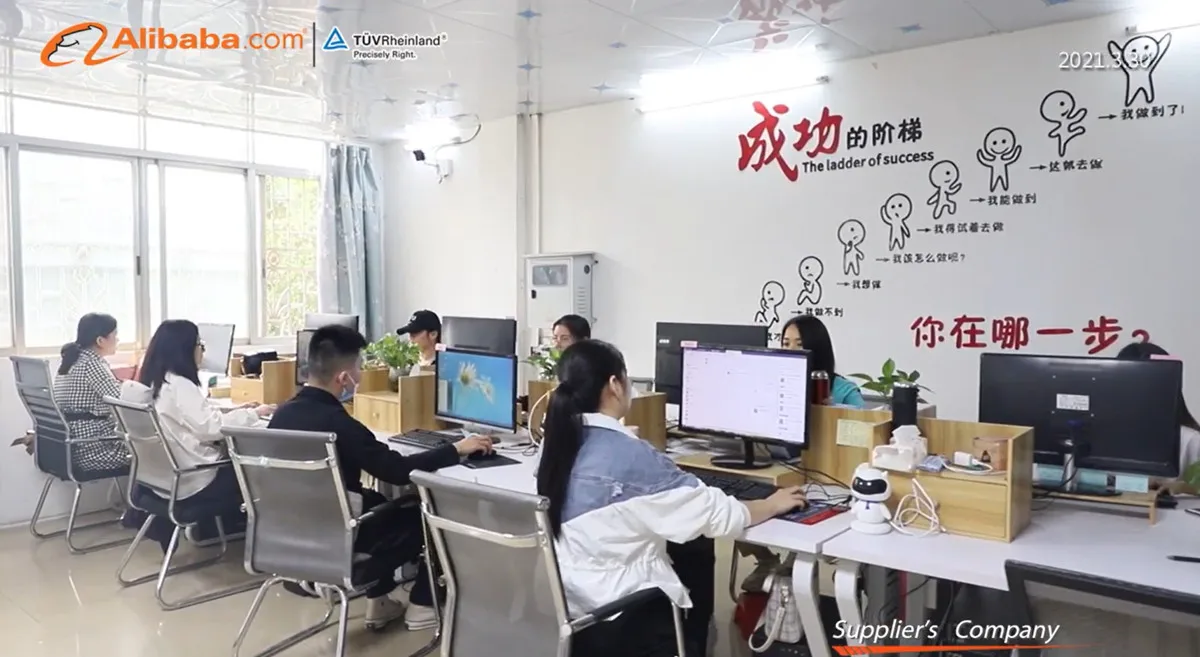
Guangxi Huajiu Home Furnishing Co., Ltd.
- Manufacturer, Trading Company
- Guangxi, China
- Lead time15 days
- Avg. response≤ 12h
Main productsPortable Wardrobes,Shoe Racks,MDF Furniture,Storage Shelves,Flower Stands
Main marketsWestern Europe(25.00%), Southeast Asia(25.00%), North America(25.00%), Eastern Europe(5.00%), Eastern Asia(5.00%), South America(5.00%), Mid East(5.00%), Oceania(5.00%)

Suzhou Highbright Enterprise Limited
- Combined
- China Jiangsu
- Lead time30 days
- Avg. response≤ 4h
Main productsShopping Trolley, Shopping Cart, Gondola Shelf, Display Shelf, Shop Fittings, Store Fixtures, Roll Container, Shopping Basket, Checkout Counter, Swing Gate
Main marketsSouth America,Africa,Southeast Asia/ Mideast,East Asia(Japan/ South Korea),Europe,Australia,North America

Tianjin Kingnod Furniture Co., Ltd.
- Verified by BV
- Manufacturer/Factory
- China Tianjin
- Lead time23 days
- Avg. response≤ 4h
Main productsDining Chair, Restaurant Chair, Office Chair, Bar Stool, Game Chair, Plastic Chair, Metal Chair, Dining Table, Gaming Table, Barstool
Main marketsSouth America,Eastern Europe,Mid East,North America,Southeast Asia,Eastern Asia,Oceania,Western Europe,Africa

Wuxi Buytool Industrial Equipment Co., Ltd.
- Verified by SGS
- Trading Company,Manufacturer/Factory
- China Jiangsu
- Lead time30 days
- Avg. response≤ 5h
Main productsHydraulic Lift Table, Electric Lift Table, Stackers, Pallet Truck/Pallet Jack, Drum Handling Equipment, Drum Truck, Packaging Machine, Forklift, Oil Drum Carrier, Roller Lifter
Main marketsSouth America,Eastern Europe,Mid East,North America,Southeast Asia,Eastern Asia,Oceania,Western Europe,Africa

Qingdao Free Trade Zone Health International Co., Ltd.
- Trading Company
- China Shandong
- Lead time23 days
- Avg. response≤ 24h
Main productsWooden Dolly, Mover Dolly, Furniture Moving Dolly, Tool Carts, Piano Skid Boards, Hand Trolly, Panel Mover Cart, Swivel Casters for Mover Dolly, Ferrule Loop Insert, Glass Beverage Dispensers
Main marketsSouth America,Australia,North America

Deqing Lizheng Metal Works Co., Ltd.
- Verified by SGS
- Combined
- China Zhejiang
- Lead time15 days
- Avg. response≤ 5h
Main productsWelding, Sheet Metal Fabrication, Medical Equipment Parts, Metal Casting, Fasteners
Main marketsDomestic

Beijing Tianyuan Rongli Technology Co., Ltd.
- Verified by SGS
- Trading Company
- China Beijing
- Lead time15 days
- Avg. response≤ 2h
Main productsMelamine Board, Chipboard, MDF, Solid Wood Pellet Board, Custom-Made Furniture, Dining Room Furniture, Living Room Furniture, Steel-Wood Furniture
Main marketsSoutheast Asia/ Mideast
Suzhou Sigmetal Business Equipment Co., Ltd.
- Verified by SGS
- Trading Company
- China Jiangsu
- Lead time30 days
- Avg. response≤ 12h
Main productsDisplay Rack, Gondola Shelving, Store Fixtures, Shop Fitting, Checkout Counter, Shopping Trolley, Display Hook, Shopping Basket, Furniture Accessories, Supermarket Supporting Facilities
Main marketsEurope,Australia

Qingdao Vold Machinery Manufacturer Co., Ltd.
- Combined
- China Shandong
- Lead time30 days
- Avg. response≤ 6h
Main productsPedal Go Kart, Kids Balance Bike, Kids Tricycle, Kids Mini Digger, Fire Ring, BBQ
Main marketsEurope,North America




Comprehensive Sourcing Guide
Foldable Metal Utility Cart Supplier Concentration and Factory Types
Current data indicates that suppliers for foldable metal utility carts are concentrated in specific Chinese provinces, with Guangdong and Jiangsu emerging as primary hubs for this category. Fact records show a distinct presence of manufacturers and trading companies operating within Guangdong Dongguan and Jiangsu regions, suggesting these areas host the relevant industrial clusters. Buyers should prioritize verifying the specific city and province of the factory, as the supply chain for wire shelving and rolling carts often relies on localized metalworking ecosystems. The observed company types include both Trading Companies and Manufacturer/Factory entities, meaning some suppliers may source from third-party workshops while others control the production line directly.
When assessing supplier concentration, buyers must distinguish between pure trading firms and those with actual manufacturing capacity. The available facts reveal that some suppliers list "Own Brand, OEM, ODM" capabilities, which often points to a factory with design and production control, whereas others may simply aggregate products. Since the data does not confirm a universal standard for all suppliers, buyers should request proof of factory ownership or production floor access. Relying solely on the "Trading Company" label without further verification can lead to misunderstandings about lead times and quality control. Identifying the true origin of the goods is critical for ensuring the structural integrity of the metal carts and the reliability of the supply chain.
How to Verify Foldable Metal Utility Cart Suppliers
Verification begins with confirming the physical location and operational history of the supplier, as the provided facts highlight specific origins like Guangdong Dongguan and Jiangsu. Buyers should request a business license that matches the registered address and cross-reference it with the claimed factory location. Since some records indicate a response time of roughly 7.77 hours while others show 21.63 hours, communication speed can serve as a proxy for operational efficiency. A supplier with a slower response time might be managing a larger volume of inquiries or have less streamlined internal processes. It is essential to ask for a video tour of the facility to confirm the presence of welding, powder coating, and assembly lines specific to utility carts.
Certification and testing data require careful scrutiny because the current facts show "NIL" for system certifications in some records, while others mention specific product testing like "24 Hours Salty and Spray Testing." Buyers must not assume that a lack of displayed certification means a lack of quality, but they should explicitly request third-party test reports for salt spray resistance and load capacity. The product attributes list "Heavy Weight" and "Steel" materials, so verifying the material grade and surface treatment processes is vital. Ask for the specific standard used for the salt spray test and whether the results cover the entire cart or just sample components. Without concrete evidence of these tests, the durability of the foldable mechanism and the rust resistance of the metal cannot be guaranteed.
What to Compare Across Foldable Metal Utility Cart Suppliers
Comparing suppliers requires a focus on quantifiable metrics such as lead time, minimum order quantity, and response speed, which vary significantly across the available data. Lead times observed range from 23 days to 45 days, indicating that production capacity and current order backlogs differ greatly between factories. Buyers should calculate the total time from order placement to shipment, factoring in the specific lead time provided by each supplier. Minimum order quantities also fluctuate, with some listings showing an MOQ of 20 units while others require 200 or 30 units. This variance impacts the initial investment and inventory risk, so buyers must align their order volume with the supplier's specific thresholds to avoid unnecessary costs.
Response time and product customization options are additional critical comparison points. The data shows response times ranging from approximately 7.77 to 21.63 hours, which can influence the speed of negotiation and problem resolution. Suppliers offering "Customization: Available" or "OEM/ODM: Available" provide more flexibility for branding and design changes, whereas those with "Conventional" development stages may offer limited modifications. Buyers should compare the specific customization capabilities, such as color options like "White" or "Black," and structural adjustments like "Adjustable" mobility. Evaluating these factors side-by-side helps identify which supplier can best meet the specific requirements of the project without compromising on delivery schedules or budget constraints.
Common Foldable Metal Utility Cart Sourcing Risks
One significant risk involves the discrepancy between product descriptions and actual manufacturing capabilities, particularly regarding material quality and structural integrity. Some product attributes list the condition as "Used" or "New," which can be confusing if not clarified, as buyers expect new goods for commercial procurement. There is also a risk associated with the "Plastic" material mentioned in some listings versus the "Steel" or "Metal" focus of the core keyword. Buyers must ensure that the foldable mechanism is constructed from metal and not plastic, as plastic components may fail under heavy loads. Verifying the material composition through sample inspection or detailed technical specifications is necessary to avoid receiving substandard products that do not match the "Heavy Weight" or "Steel" expectations.
Another risk stems from inconsistent lead times and potential delays in production or shipping. The observed lead times of 23 to 45 days suggest that production schedules are not uniform across the supplier base. If a supplier promises a shorter lead time without a written contract, there is a risk of non-delivery or significant delays. Additionally, the lack of visible system certifications in some records means that quality control processes may not be standardized. Buyers should be wary of suppliers who do not provide clear information about their testing procedures, such as the "24 Hours Salty and Spray Testing" mentioned in some product attributes. Without verified quality assurance, the risk of receiving carts that rust quickly or collapse under weight increases substantially.
Foldable Metal Utility Cart Regional Sourcing and Logistics
Sourcing from the identified regions of Guangdong and Jiangsu offers logistical advantages due to established port infrastructure and mature supply chains for metal goods. Fact records confirm origins in Guangdong Dongguan and Jiangsu, which are known for their export-oriented manufacturing sectors. Buyers should consider the proximity of the factory to major shipping ports, as this can reduce inland transportation costs and transit times. The specific location of the factory also impacts the ability to conduct on-site audits and inspections. A supplier located in a major industrial zone like Dongguan may have better access to raw materials and specialized labor, potentially leading to more consistent production quality.
Logistics planning must account for the specific dimensions and packaging of the foldable carts, which vary by model. Product attributes indicate standard sizes such as "13.1"D x 27.1"W x 37.2"H" and "12.5"D x 23.6"W x 30"H," which affect container loading efficiency. Buyers should calculate the number of units per container based on the specific model's dimensions to optimize shipping costs. Packaging details like "1 Set/Brown Carton" or "Carton" packing also influence the protection of goods during transit. Ensuring that the packaging is robust enough to prevent damage during long-haul shipping is crucial. Buyers should discuss packaging requirements with the supplier to ensure that the foldable carts arrive in perfect condition, ready for immediate use or resale.
Foldable Metal Utility Cart Commercial Terms and Order Planning
Commercial terms regarding pricing and payment structures vary widely, with observed price ranges from $12.00 to $150.00 per unit depending on the model and specifications. Buyers must clarify whether the quoted price includes shipping, taxes, and duties, as these costs can significantly impact the total landed cost. The "Factory Direct Price" attribute suggests competitive pricing, but buyers should verify if this applies to the specific order volume they intend to purchase. Understanding the price tiers and how they correlate with the minimum order quantity is essential for accurate budgeting. Some suppliers may offer volume discounts, while others maintain a fixed price regardless of order size, so comparing these terms is vital for cost optimization.
Order planning should also consider the payment terms and the availability of escrow services to protect the buyer's investment. While the current facts do not explicitly confirm escrow availability for all suppliers, buyers should inquire about secure payment methods that offer protection against non-delivery or quality issues. The lead time of 23 to 45 days requires careful scheduling to ensure that inventory levels are maintained without stockouts. Buyers should plan their orders well in advance, accounting for potential delays in production or shipping. Establishing a clear timeline for production, quality checks, and delivery is necessary to manage expectations and ensure a smooth procurement process.
FAQs
What is the typical lead time for foldable metal utility carts?
Lead times vary by supplier, with observed ranges from 23 days to 45 days. Some manufacturers offer faster delivery windows of 1 to 2 weeks for specific models. Buyers should confirm exact timelines based on order volume and customization needs before finalizing purchases.
What are the minimum order quantities for these carts?
Minimum order quantities differ across listings, with values observed at 20, 30, and 200 units. Lower MOQs like 20 pieces are available for certain metal cart models, while higher volumes may be required for plastic or specialized folding variants. Verify specific requirements per supplier.
Where are the suppliers of these carts located?
Suppliers are primarily located in China, specifically in Guangdong and Jiangsu provinces. Products originate from cities like Dongguan and general regions within these provinces. Buyers should verify exact factory addresses to ensure logistics compatibility and potential shipping cost savings.
What is the price range for foldable metal utility carts?
Prices range from 12 to 150 dollars per unit depending on specifications. Specific models show ranges between 20 and 35 dollars, while others fall between 50 and 70 dollars. Factory direct pricing is common, but final costs depend on quantity, material, and customization options selected.
Do suppliers offer customization for these utility carts?
Yes, customization is available for many Foldable Metal Utility Cart models. Options include adjustable mobility, specific colors like white or black, and custom dimensions. Buyers can request OEM or ODM services to tailor the cart structure, surface treatment, and branding to their specific business requirements.
What materials are used to construct these carts?
Materials include steel, plastic, and aluminum depending on the specific product model. Heavy-duty options often feature steel construction with chrome and powder coating for durability. Some folding variants utilize plastic components for lightweight portability while maintaining structural integrity for various storage applications.
How quickly do suppliers typically respond to inquiries?
Response times vary, with observed averages around 7.77 hours and 21.63 hours. Faster response rates are common among trading companies, while larger manufacturers may take longer. Buyers should expect prompt communication but should verify current response metrics directly with the supplier before placing orders.
Are there certifications for these metal utility carts?
System certifications are listed as NIL for the observed supplier results. Buyers should verify specific product testing standards, such as 24-hour salt spray testing, directly with the manufacturer. Ensure that any required industry certifications are confirmed before proceeding with large-scale procurement to meet safety regulations.