Educational Outdoor Compass with Key Ring Suppliers and Manufacturers
Source an Educational Outdoor Compass with Key Ring from 26 verified suppliers in Zhejiang, China. Compare response times, lead times, MOQs, and pricing to find the right partner. Contact suppliers directly to request samples and confirm customization options; review the available evidence before requesting comparable quotations from suitable candidates.
Suppliers List
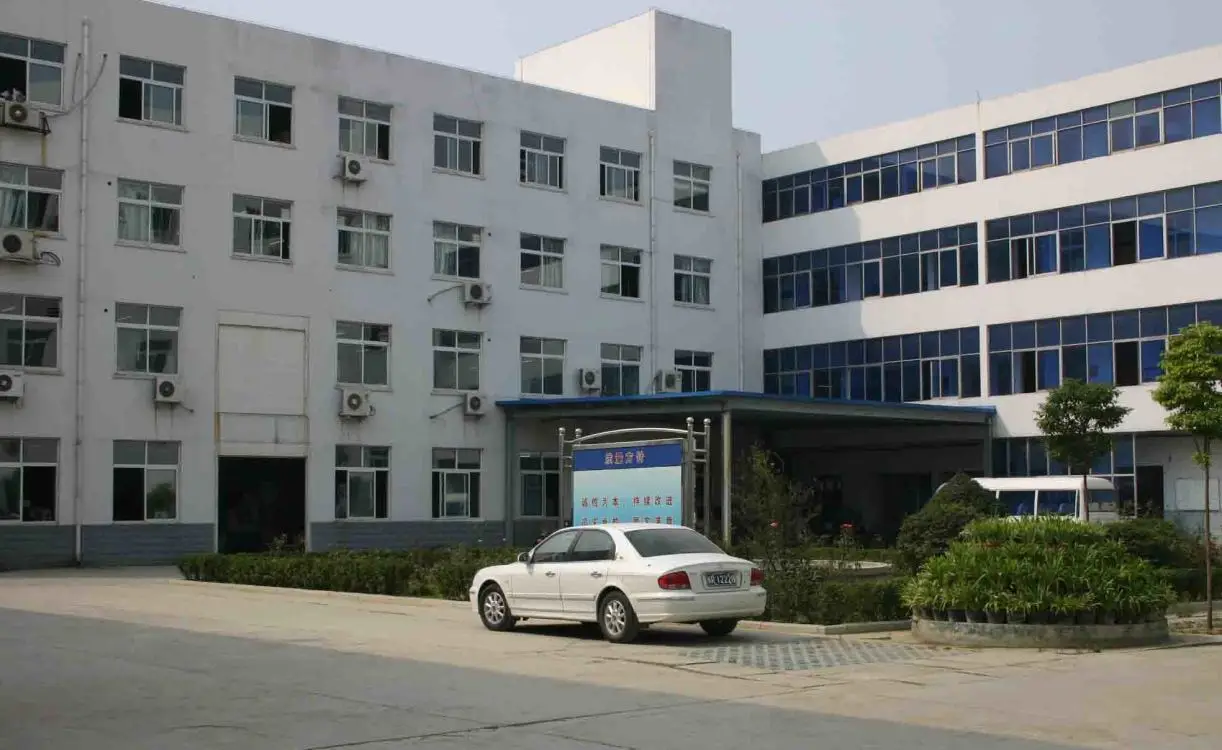
Ningbo Eleroyal Import & Export Co., Ltd.
- Trading Company
- Zhejiang, China
- Lead time20 days
- Avg. response≤ 8h
Main productsMagnifying Glass,Camping,Binoculars,Bug Viewer,Compass
Main marketsNorth America(30.00%), Eastern Europe(20.00%), Western Europe(20.00%), South America(10.00%), Northern Europe(5.00%), Southeast Asia(5.00%), Oceania(5.00%), Africa(5.00%)
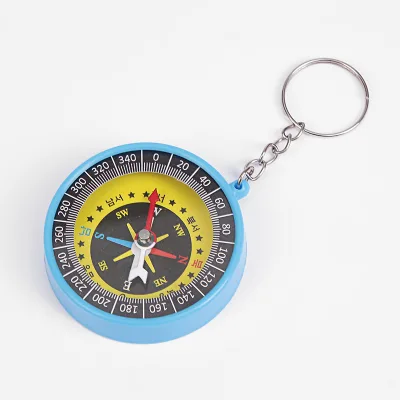
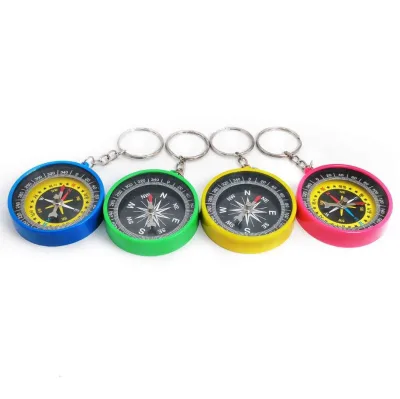
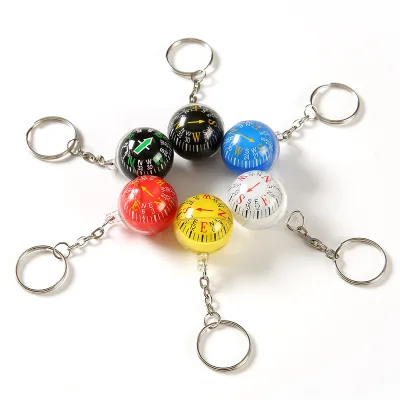
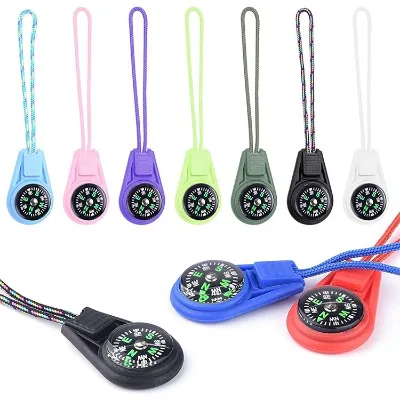
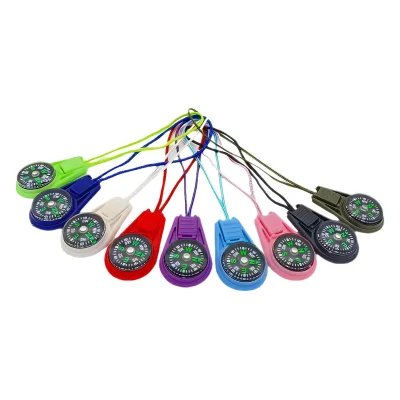
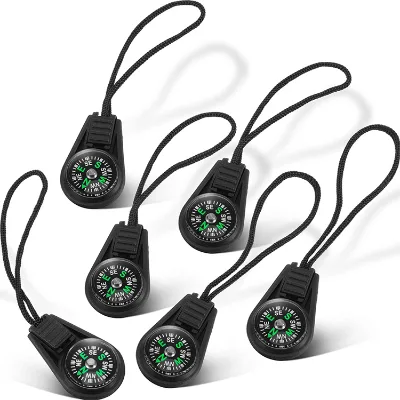
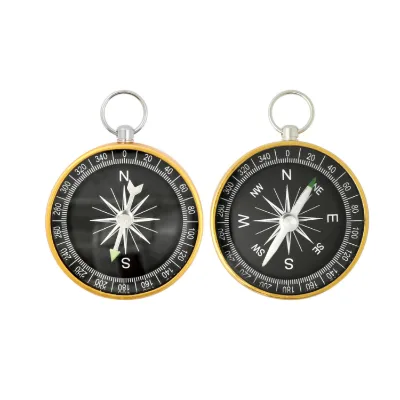
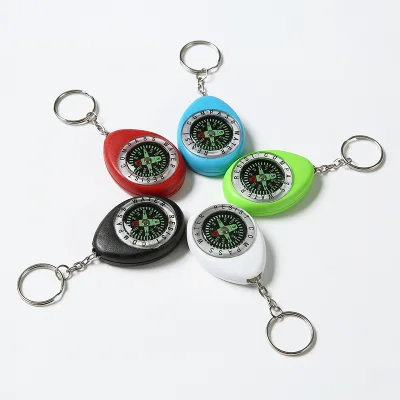
Mini Keychain Compass Outdoor Promotional Bulk Kid Toys Compass School Compass
$0.29 - $0.49
MOQ: 3000 pieces
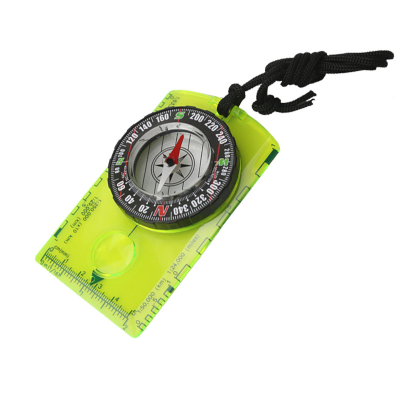
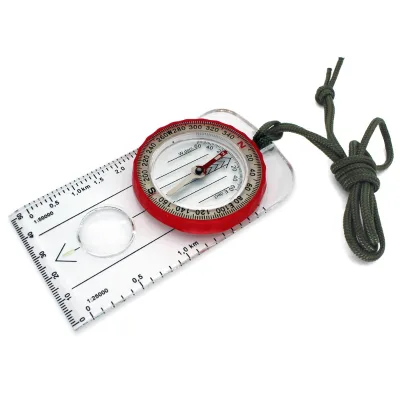
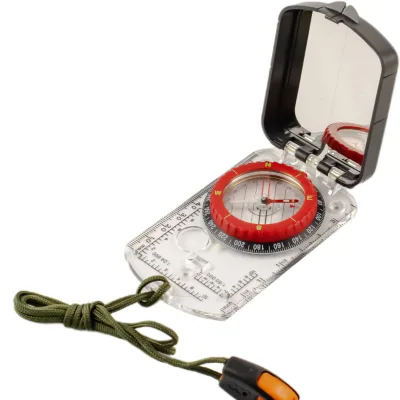
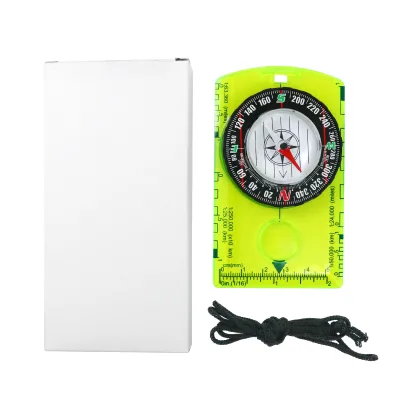
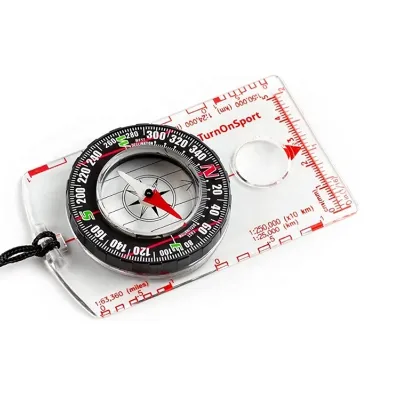
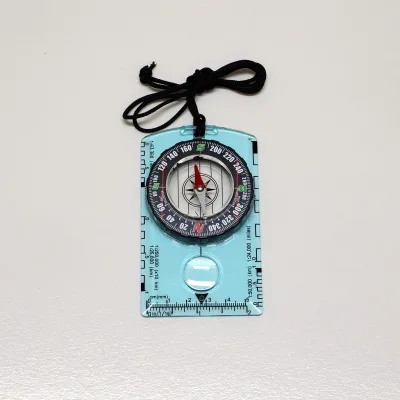
Professional Field Geological Compass Orienteering Compass for Map Reading
$0.77 - $1.22
MOQ: 62 pieces
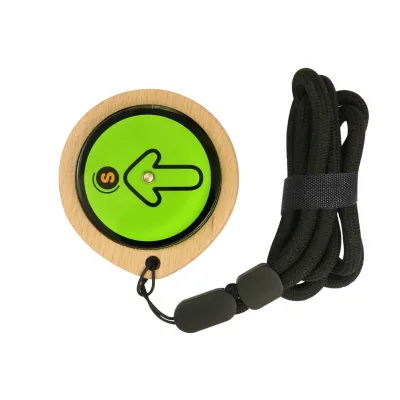

- Verified by SGS
- Trading Company
- China Zhejiang
- Lead time15 days
- Avg. response≤ 14h
Main productsTents, BBQ Grill, Folding Table and Chair, Cooler Bag, Outdoor Lamp, Beach Mat, Picnic Blanket, Sleeping Bag, Water Bottle, Hammock
Main marketsEurope,Australia

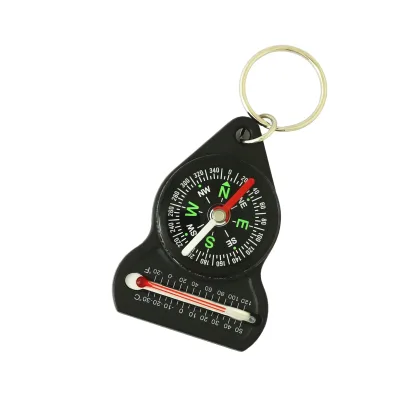
Key Ring Outdoors Camping Hiking Survival Sports Navigation Pocket Compass
$0.30 - $0.40
MOQ: 2500 Pieces


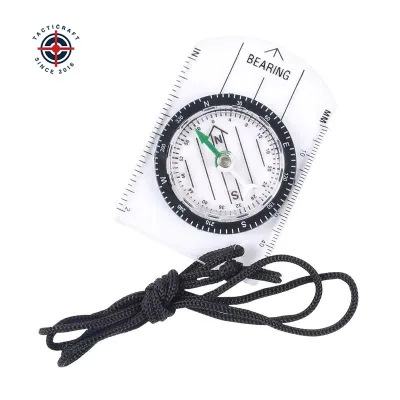
Kids Navigation Survival Lightweight Orienteering Map Reading Portable Professional Field Compass
$0.80 - $1.00
MOQ: 1000 Pieces

28 Pieces Kids Belt Clip Keychain Outdoors Adventure Party Camo Compass
$0.27 - $0.30
MOQ: 3000 Pieces

Orienteering Map Reading Camping Navigation Hiking Backpacking Trekking Compass
$0.80 - $1.00
MOQ: 1000 Pieces

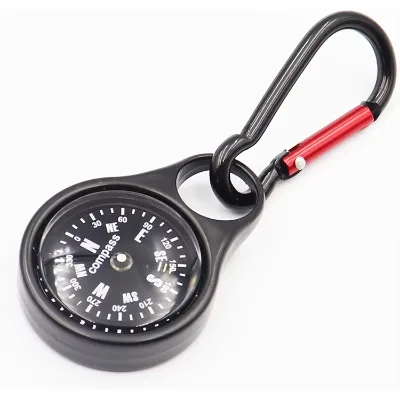
Keychain Kids Backpacks Hiking Compact Carabiner Clip-on Magnetic Compass
$0.25 - $0.40
MOQ: 2500 Pieces
Jinhua Kaiyue Photoelectric Technology Co., Ltd.
- Verified by SGS Group
- Manufacturer, Trading Company
- Lead time20 days
- Avg. response≤ 4h
Main productsInsect View Toys/Magnifier/Telescope And Binoculars/VR Box, Optical PMMA Lenses
Main marketsNorth America(45%), Eastern Europe(20%), Southeast Asia(10%)
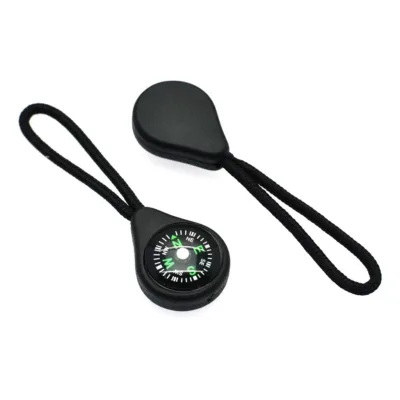
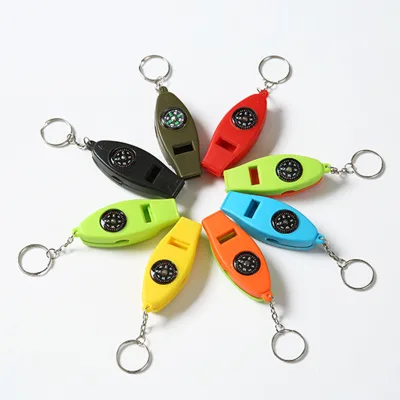
Outdoor Survival Compass Whistle Pendant Multifunctional Navigation Keychain
$0.38 - $0.60
MOQ: 50 pieces
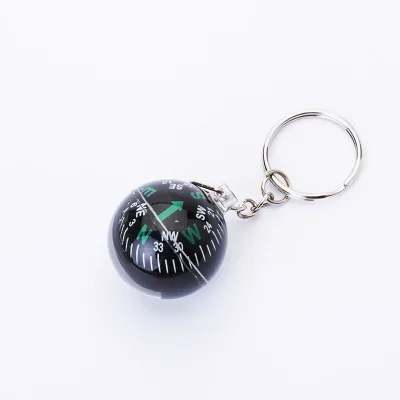
Yiwu Runson Outdoor Products Co., Ltd.
- Trading Company
- Zhejiang, China
- Lead time15 days
- Avg. response≤ 8h
Main productsOutdoor survival kit,Outdoor whistle,Outdoor compass,Outdoor poncho,Outdoor sleeping bag
Main marketsNorth America(50.00%), Western Europe(10.00%), Eastern Europe(10.00%), South America(10.00%), Central America(5.00%), Southern Europe(5.00%), South Asia(2.00%), Africa(2.00%), Eastern Asia(2.00%), Mid East(2.00%), Oceania(1.00%), Southeast Asia(1.00%)

- Verified by BV
- Trading Company
- China Fujian
- Lead time23 days
- Avg. response≤ 4h
Main productsMouth Care and Soap, Field Kitchen Trailer, Camping Tents, Boots and Shoes, Camo Uniform and Clothes, Outdoor Backpacks and Bags, Camouflage Net and Ghillie Suit, Blankets and Sleeping Bags, Canteens and Mess Tins, Tactical Helmet
Main marketsSouth America,Africa,Southeast Asia/ Mideast,East Asia(Japan/ South Korea),Europe,Australia,North America


Luminous Portable High-Precision American Multi-Functional Outdoor Camping Compass
$6.30 - $7.00
MOQ: 2 Pieces

YINGTAN CITY AOXIANG OPTICS CO., LTD.
- Verified by SGS
- Combined
- China Jiangxi
- Lead time15 days
- Avg. response≤ 3h
Main productsRiflescope, Binoculars, Astronomical Telescope, Range Finder, Magnifier, Compass, Night Vision, Gun Brush, DOT Sight, Spotting Scope
Main marketsSouth America,East Asia(Japan/ South Korea),Domestic,Europe,Australia,North America


Hot Sale Compass Outdoor Adventure DC30-1 Compass for Adults and Children
$0.70 - $1.00
MOQ: 100 Pieces

Outdoor Adventure Functional Map Compass Portable Ruler Compass for Adults and Kids
$0.90 - $1.50
MOQ: 100 Pieces

Multifunctional Outdoor Adventure Zinc Alloy Body Compass Waterproof Metal Compass
$1.50 - $2.50
MOQ: 100 Pieces

Map Outdoor Adventure Functional Compass Foldable Portable Compass for Travel
$0.70 - $1.30
MOQ: 100 Pieces

Portable Outdoor Adventure Compass Functional Clip Carabiner Compass for Travel
$1.00 - $1.60
MOQ: 100 Pieces

Ningbo Hongbo Optical Instrument Co., Ltd.
- Trading Company,Manufacturer/Factory
- China Zhejiang
- Lead time30 days
- Avg. response≤ 17h
Main productsMagnifier, Microscope, Magnifier Lamps, Binoculars, Reading Glass, Compass, Head Magnifier, Pocket Microscope, Jewellers Magnifier, Folding Magnifier
Main marketsSouth America,Eastern Europe,Mid East,North America,Southeast Asia,Eastern Asia,Oceania,Western Europe,Africa


Hot Selling Plastic Camping Compass Outdoor Exploration Luminous Multifunctional Compass
$0.86 - $1.23
MOQ: 12 Pieces

Custom Keychain Portable Hanging Buckle Carabiner Compass for Outdoor Hiking
$0.35 - $0.46
MOQ: 10 Pieces

Jaxy Optical Instrument Co., Ltd.
- Manufacturer, Trading Company
- Lead time旺季: "1 - 10":35,"> 10":"To be negotiated", 淡季: "1 - 10":35,"> 10":"To be negotiated"
- Avg. response≤ 3h
Main productsbinoculars,telescope,magnifier,campig survival tool,3d glasses
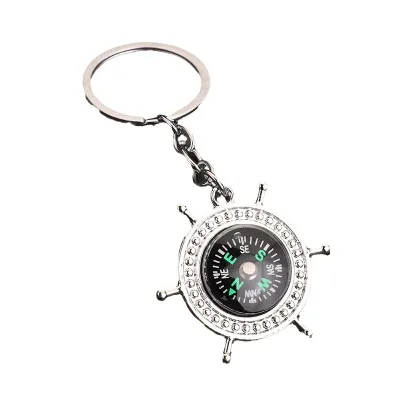
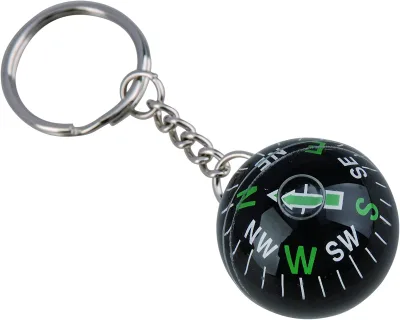
Waterdrop Compass with Metal Keychain for Outdoor Camping and Leisure Activities
$0.69 - $0.78
MOQ: 10 pieces

Jinjiang Jiaxing Supply Management Co., Ltd.
- Verified by TUVRHEINLAND
- Trading Company
- China Fujian
- Lead time30 days
- Avg. response≤ 1h
Main productsEVA Clogs, Flip Flop, Shoe Charms, Shopping Bags, Wristbands, Gifts, Promotional Gifts, Slipper, Sport Cap, Ball
Main marketsNorth America
Jaxy Optical Instrument Co., Ltd.
- Verified by SGS Group
- Manufacturer, Trading Company
- Lead time20 days
- Avg. response≤ 4h
Main productsBinoculars and Telescope, Magnifier, Whistle, Compass, 3D glasses
Main marketsWestern Europe(35%), North America(25%), Domestic Market(15%)
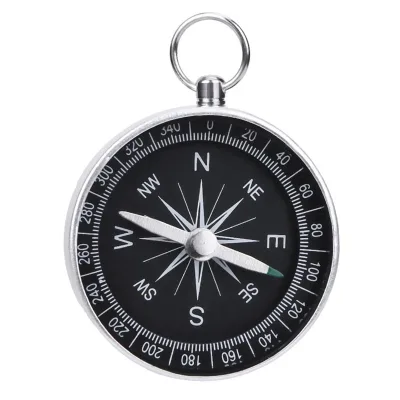
Kindergarten Early Education Educational Teaching Aids Outdoor Compass Plastic Compass
$0.42 - $0.50
MOQ: 200 pieces
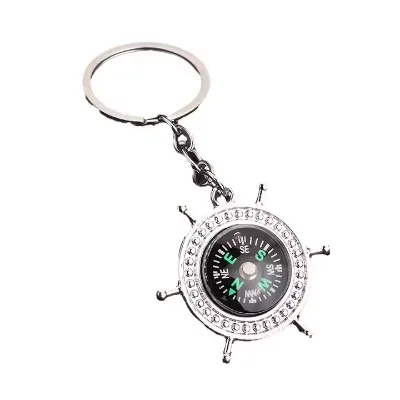
Multi-function Portable Waterdrop Compass with Metal Keychain for Outdoor Camping and Activities
$0.67 - $0.75
MOQ: 10 pieces
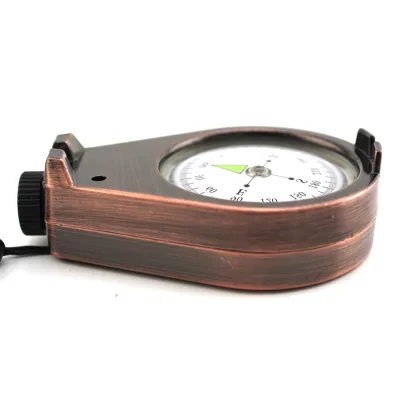
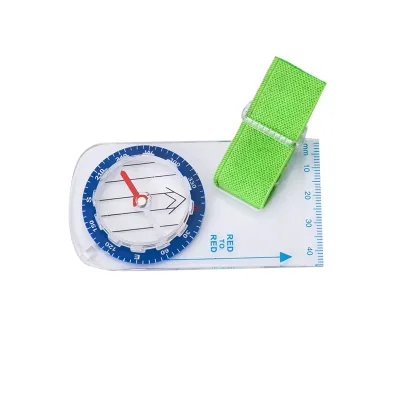
$0.85 - $0.99
MOQ: 500 pieces
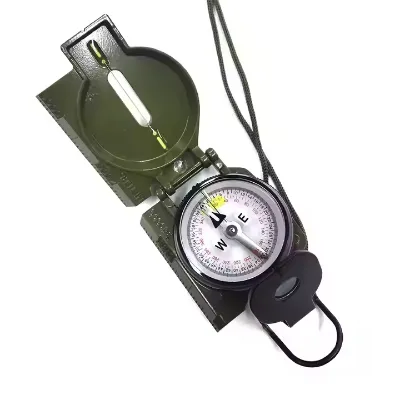
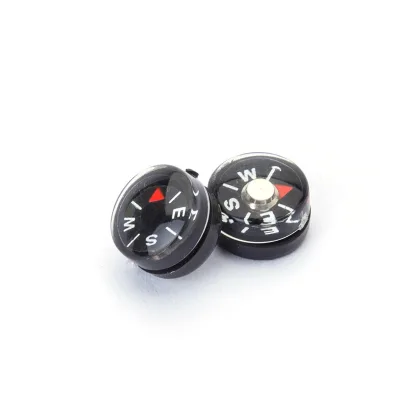
$0.11 - $0.30
MOQ: 5000 pieces

Jinjiang Lingyuan Suiquan Crafts Firm
- Verified by BV
- Trading Company
- China Fujian
- Lead time23 days
- Avg. response≤ 5h
Main productsPromotional Gift Products, Timing Belt, Diamond Tools
Main marketsSouth America,Eastern Europe,Mid East,North America,Southeast Asia,Eastern Asia,Oceania,Western Europe,Africa
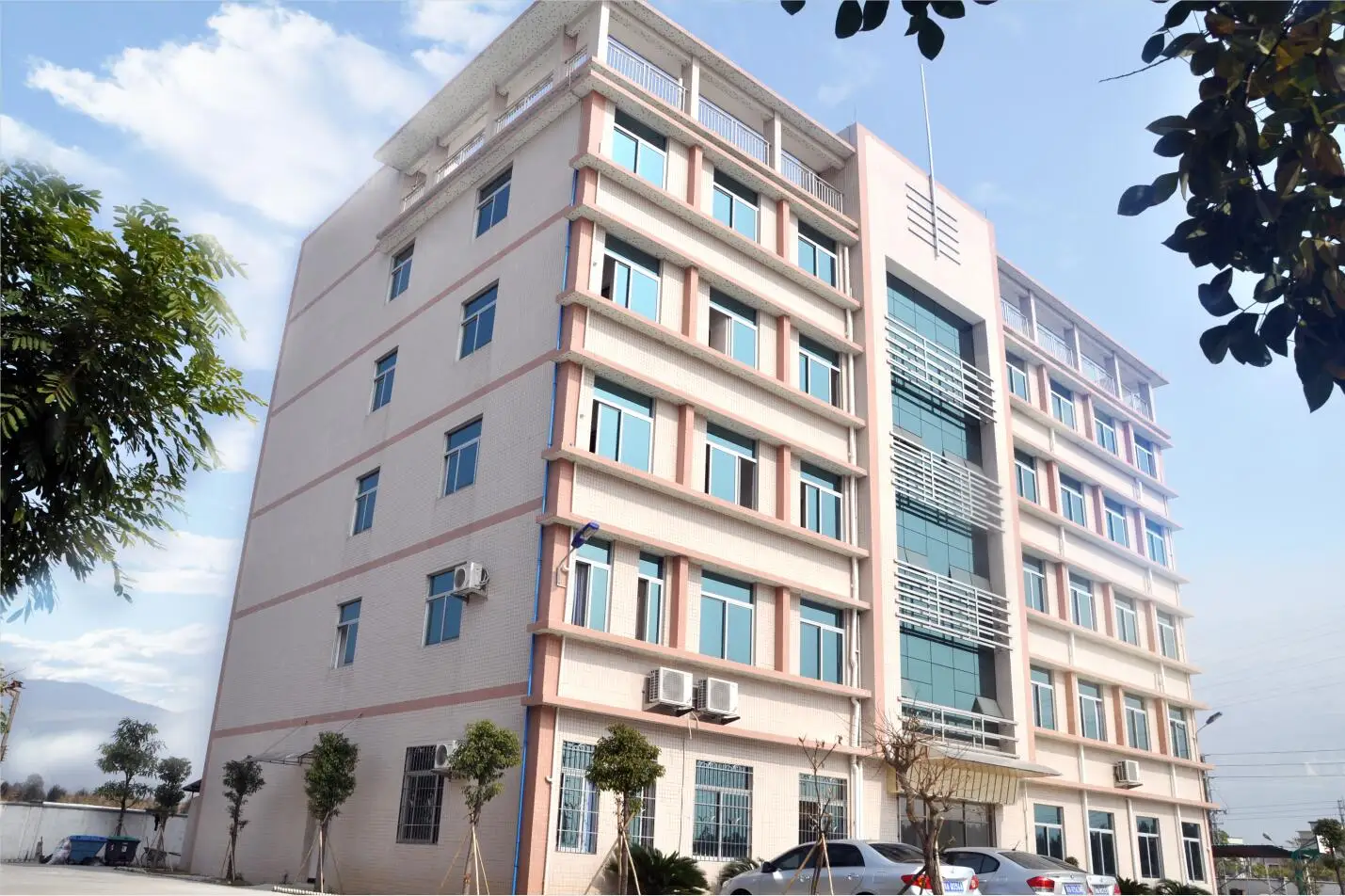
Yiwu Keynew E-Commerce Co., Ltd.
- Trading Company
- Zhejiang, China
- Lead time10 days
- Avg. response≤ 9h
Main productsCamping & Hiking,car accessories,Pet Products
Main marketsNorth America(60.00%), Western Europe(10.00%), Southeast Asia(10.00%), Eastern Europe(10.00%), South America(10.00%)

Shenzhen Kin Weirr Craft Co., Ltd.
- Manufacturer
- Guangdong, China
- Lead time12 days
- Avg. response≤ 7h
Main productsbag accessories,box accessories,Hair accessories,garment accessories,key chains
Main marketsDomestic Market(10.00%), South Asia(10.00%), Southern Europe(10.00%), Northern Europe(10.00%), Central America(10.00%), Western Europe(10.00%), Mid East(10.00%), Eastern Europe(10.00%), South America(10.00%), North America(10.00%)
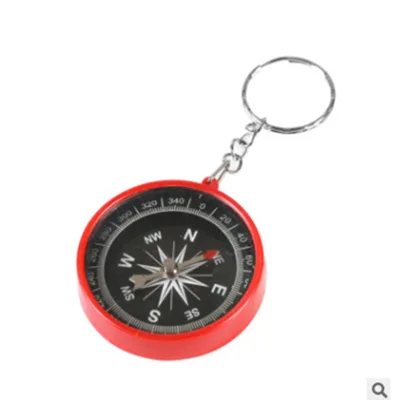
2026 Made in China Hot Selling Outdoor Toys Compass Key Ring American Compass
$0.72 - $0.74
MOQ: 1000 pieces
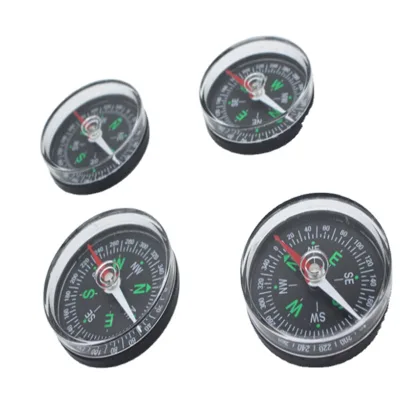

- Verified by SGS
- Trading Company
- China Zhejiang
- Lead time15 days
- Avg. response≤ 16h
Main productsBike, Bicycle
Main marketsEurope,Australia

Wholesale Portable Lanyard Keychain Plastic Outdoor Fashion Lanyard Compass Compass
$0.12 - $0.14
MOQ: 7300 Boxes

Cross-Border Direct Sale with Storage Protective Leather Case Hiking Camping Adventure Compass
$1.00 - $1.09
MOQ: 900 Boxes

$0.12 - $0.14
MOQ: 7300 Boxes

Ningbo Rainma Stationery Co., Limited.
- Verified by TUVRHEINLAND
- Trading Company,Manufacturer/Factory,Other
- China Zhejiang
- Lead time23 days
- Avg. response≤ 8h
Main productsPaper Notebook and Note Pad, School Stationery, Art Pigments, Ball Pen, Paint Canvas and Canvas Board, Office Stationery, Promotion Gift Stationery, Eraser and Ruler, Marker & Highlighter, Cutter Knife
Main marketsSouth America,Eastern Europe,Mid East,North America,Southeast Asia,Eastern Asia,Oceania,Western Europe,Africa

Chongqing Dontop Optics Co., Ltd.
- Trading Company,Manufacturer/Factory
- China Chongqing
- Lead time38 days
- Avg. response≤ 5h
Main productsBinoculars, Rifle Scope, Range Finder, Spotting Scope, Telescope, Lenses, Red DOT, Night Vision, Monoculars, Mount
Main marketsSouth America,Eastern Europe,Mid East,North America,Southeast Asia,Eastern Asia,Oceania,Western Europe,Africa
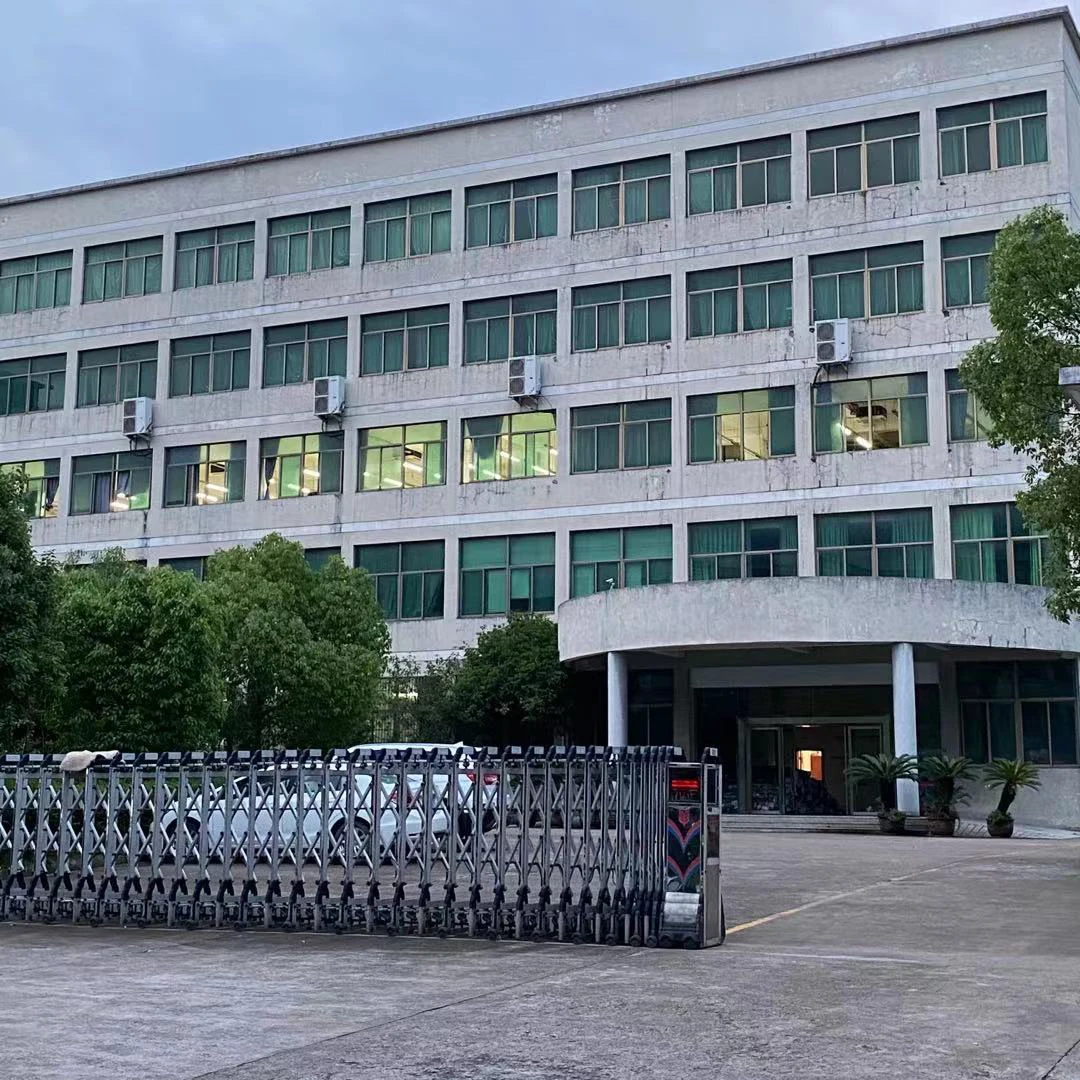
Betoyy (yiwu) Outdoor Supplies Co., Ltd.
- Trading Company
- Zhejiang, China
- Lead time20 days
- Avg. response≤ 2h
Main productsCamping accessories,survival kit,whistle,compass,travel bag
Main marketsNorth America(25.00%), Northern Europe(15.00%), South Asia(8.00%), Southeast Asia(8.00%), Oceania(8.00%), Eastern Europe(6.00%), Domestic Market(5.00%), Eastern Asia(5.00%), Mid East(5.00%), Southern Europe(4.00%), Central America(4.00%), South America(3.00%), Western Europe(2.00%), Africa(2.00%)
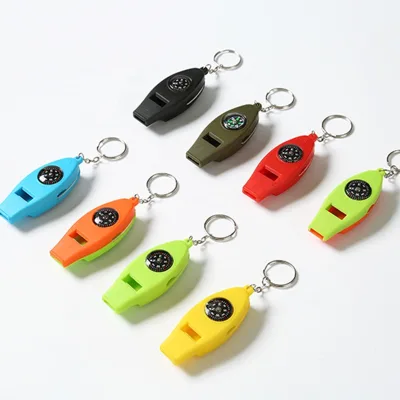
Outdoor Life-saving Compass Whistle Pendant Multi-functional Whistle Compass Key Chain
$0.52 - $0.75
MOQ: 200 pieces
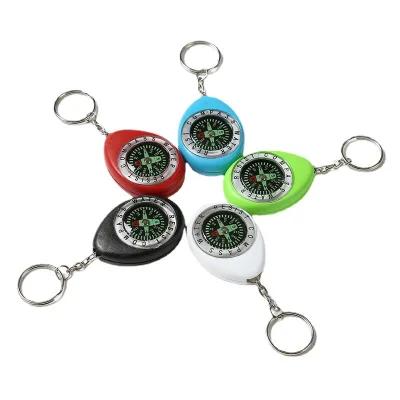
$0.45 - $0.65
MOQ: 1000 pieces
Hefei Johold Outdoor Products Co., Ltd.
- Trading Company
- Anhui, China
- Lead time15 days
- Avg. response≤ 3h
Main productsSurvival Kits,Flashlight,Emergency Whistle,Camping Tent,Tactical backpack
Main marketsNorth America(30.00%), Western Europe(20.00%), Northern Europe(15.00%), Eastern Europe(15.00%), Southeast Asia(5.00%), South America(5.00%), Eastern Asia(5.00%), Africa(5.00%)
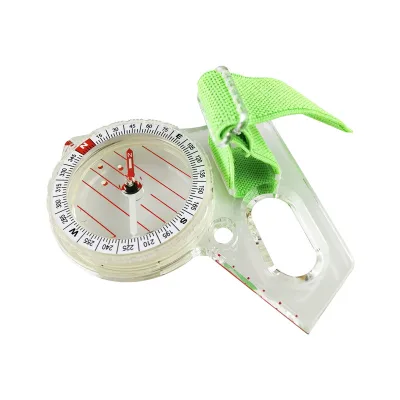
Outdoor Professional Thumb Compass Competition Orienteering Portable Map Scale Compass
$1.92 - $2.62
MOQ: 50 pieces
Daqin (luoyang) Supply Chain Co., Ltd.
- Manufacturer, Trading Company
- Henan, China
- Lead time0 days
- Avg. response≤ 2h
Main productsToy Gun,Toy Gun Model,Simulation Toy Weapons,Outdoor Sports,Stuffed Toys
Main marketsEastern Europe(20.00%), Southern Europe(20.00%), Western Europe(20.00%), South America(10.00%), Northern Europe(10.00%), Central America(10.00%), North America(10.00%)

- Verified by TUVRHEINLAND
- Trading Company,Manufacturer/Factory
- China Zhejiang
- Lead time23 days
- Avg. response≤ 5h
Main productsTent, Gazebo, Trampoline, Canopy, Camping, Luggage, Yoga Mat, Shade Sails, Climing, Hiking
Main marketsSouth America,Eastern Europe,Mid East,North America,Southeast Asia,Eastern Asia,Oceania,Western Europe

- Verified by SGS
- Trading Company
- China Fujian
- Lead time15 days
- Avg. response≤ 4h
Main productsPromotion Gift, Keychain, Timing Belt, Sport Gift, Worm, Reducer, Pulley, Tennis Gift, Pickleball Gift
Main marketsEast Asia(Japan/ South Korea),Europe,Australia,North America

- Verified by BV
- Manufacturer/Factory
- China Fujian
- Lead time15 days
- Avg. response≤ 25h
Main productsWater Bottle, Kitchen Ware, Shoes, Plastic Product, Bag, Toy
Main marketsSouth America,Eastern Europe,Mid East,North America,Southeast Asia,Eastern Asia,Oceania,Western Europe,Africa

- Verified by TUVRHEINLAND
- Trading Company
- China Zhejiang
- Lead time30 days
- Avg. response≤ 11h
Main productsSports and Outdoor
Main marketsSoutheast Asia/ Mideast,Europe
Cixi Mengkeyuan E-Commerce Co., Ltd.
- Trading Company
- Zhejiang, China
- Lead time0 days
- Avg. response≤ 4h
Main productsDream Catcher,Wind Chime,Hand-woven Boho Tapestry,Handmade Car Pendant,Crystal Pendant
Main marketsNorth America(20.00%), Northern Europe(10.00%), Western Europe(10.00%), Eastern Europe(10.00%), Mid East(10.00%), Southern Europe(5.00%), Africa(5.00%), Central America(5.00%), Southeast Asia(5.00%), Eastern Asia(5.00%), South America(5.00%), Oceania(5.00%)
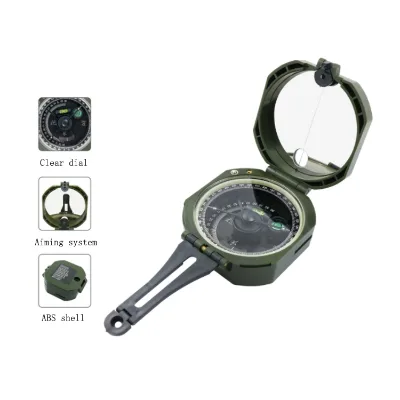
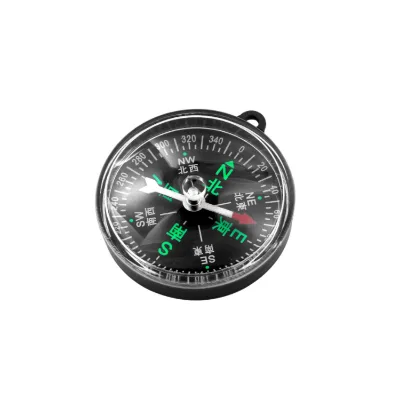
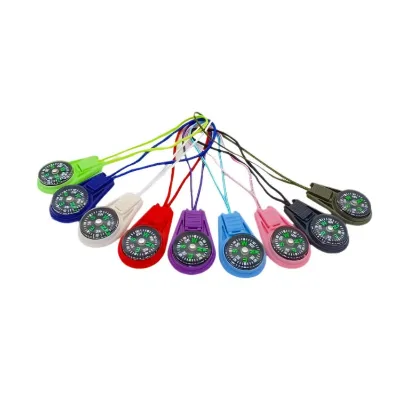
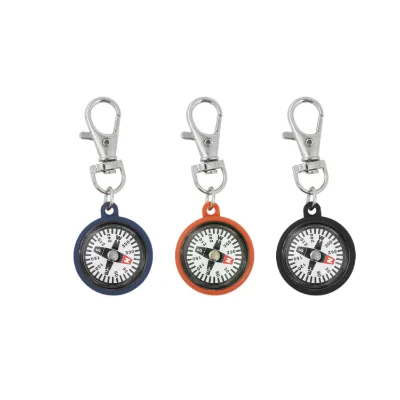
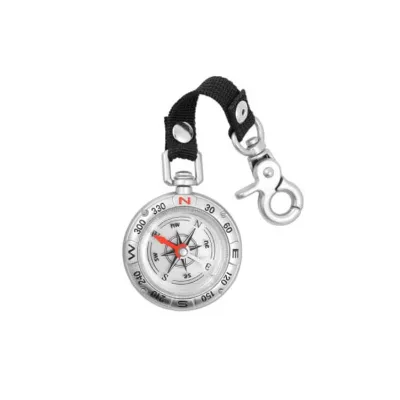
High-Precision Professional Outdoor Multi-Functional Geological Compass Novelty Gift
$8.98 - $11.93
MOQ: 1 Minimum
Yidulong International Trade (jiangxi) Co., Ltd.
- Trading Company
- Jiangxi, China
- Lead time0 days
- Avg. response≤ 1h
Main productsCamping tent,Beach tent,Outdoor tent,Inflatable tent,Automatic tent
Main marketsNorth America(39.00%), Western Europe(18.00%), Eastern Europe(10.00%), Eastern Asia(10.00%)
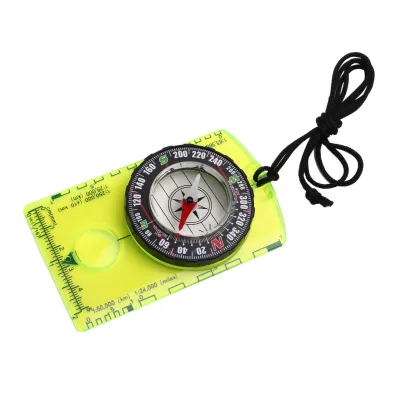
WholeSale Mini Acrylic Compass Outdoor Portable Ruler Compass for Map Reading
$0.72 - $0.80
MOQ: 2 pieces

Shaanxi Deruite Industry and Trade Co., Ltd.
- Verified by BV
- Trading Company
- China Shaanxi
- Lead time23 days
- Avg. response≤ 7h
Main productsSurveying Instrument, Accessories, Tripod, Staff, Prism, Prism Poles
Main marketsSouth America,Africa,Southeast Asia/ Mideast,East Asia(Japan/ South Korea),Europe,Australia,North America


Leisure Compass, Pocket Compass PC05
MOQ: 50 Pieces
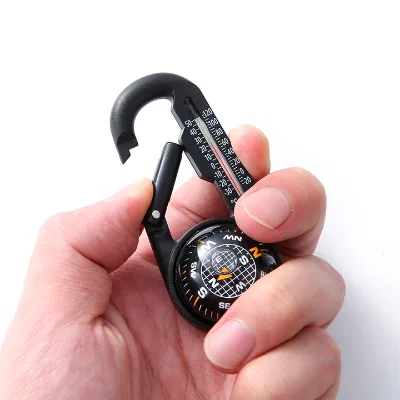
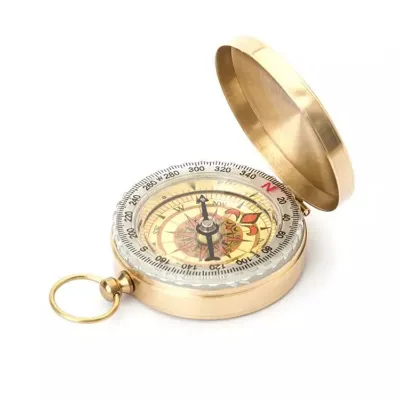
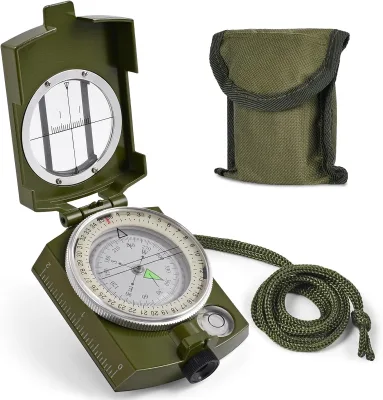
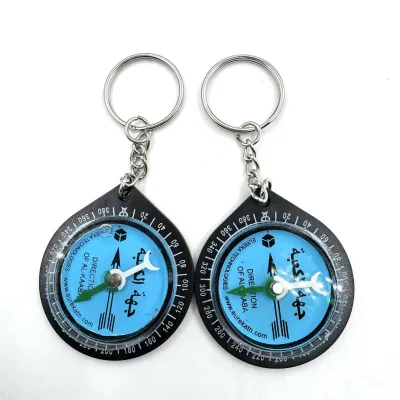




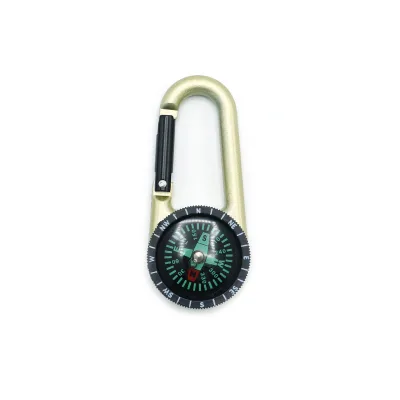


Comprehensive Sourcing Guide
Educational Outdoor Compass with Key Ring Supplier Concentration and Factory Types
Current data indicates a concentration of suppliers in Zhejiang, China, specifically within the trading company sector. This region appears to host manufacturers offering a diverse range of outdoor gear, including magnifying glasses, camping equipment, and binoculars alongside compass products. The presence of trading companies suggests a supply chain structure where intermediaries aggregate goods from various factories rather than operating as single-source manufacturing plants. Buyers should verify if the listed trading companies have direct factory partnerships or if they function purely as procurement agents. The main product lists often include tents, BBQ grills, and sleeping bags, indicating these suppliers may operate as general outdoor equipment traders rather than specialized compass manufacturers.
When assessing factory types, it is crucial to distinguish between pure trading entities and those with actual production capabilities. Some suppliers in the results list ODM and OEM capacities, which implies they can customize designs or manage production processes. However, the majority of the observed data points to trading companies that may not own the manufacturing facilities. Buyers must confirm whether the supplier can provide proof of factory ownership or exclusive agency agreements. If a supplier claims to be a factory but lists a broad range of unrelated products like beach mats and hammocks, this may indicate a general trading operation. Verifying the specific nature of the business entity is essential before committing to large orders for educational outdoor compasses with key rings.
How to Verify Educational Outdoor Compass with Key Ring Suppliers
Verification processes should begin by checking for specific certifications and verification badges provided in the supplier profile. One observed supplier holds an SGS verification status, which serves as a tangible indicator of third-party assessment. Buyers should prioritize suppliers displaying such credentials over those without visible verification marks. It is important to note that not all suppliers in the current results list display this specific badge, so the absence of a badge does not automatically disqualify a vendor but requires deeper due diligence. Buyers must request copies of relevant certificates to ensure the claims are current and valid for the specific product line being sourced.
Response time and communication speed are also critical metrics for verifying supplier reliability. The data shows response times ranging from 8 to 13.99 hours, which can vary significantly between different vendors. A faster response time often correlates with better operational efficiency and customer service readiness. Buyers should test communication channels before placing orders to gauge how quickly and professionally a supplier responds to inquiries. Additionally, checking the establishment year and company type helps assess long-term stability. While some suppliers may have established years, others might be newer entities. Cross-referencing these details with business registration documents can provide a clearer picture of the supplier's legitimacy and operational history.
What to Compare Across Educational Outdoor Compass with Key Ring Suppliers
Comparing suppliers requires a detailed analysis of key operational metrics such as lead time, minimum order quantity, and pricing structures. Lead times in the observed data range from 15 to 20 days, which is a significant factor for inventory planning. Buyers must align these timelines with their own production schedules and market demand forecasts. Minimum order quantities also vary widely, with some products requiring as few as 62 units while others demand 300 or even 3000 units. This variation impacts the initial capital investment and risk exposure for buyers entering the market. Understanding these thresholds is essential for determining which suppliers can accommodate small batch orders versus those requiring bulk commitments.
Pricing and product specifications are equally vital for making informed comparisons. The price range for similar compass products spans from approximately $0.19 to $1.99 per unit, depending on material and features. Some products are made of metal and PP, while others utilize acrylic or wood, directly influencing cost and durability. Buyers should compare the material composition, waterproof standards, and additional features like noctilucent displays or shockproof capabilities. A lower price point might indicate a lack of durability or missing features, whereas a higher price could reflect superior materials or advanced functionality. Evaluating the total value proposition, including customization options and packaging details, ensures the selected supplier meets specific quality and budget requirements.
Common Educational Outdoor Compass with Key Ring Sourcing Risks
One significant risk involves the discrepancy between product descriptions and actual specifications, particularly regarding durability and environmental resistance. Several observed products list a waterproof standard of "No," which contradicts the needs of outdoor educational activities where exposure to moisture is common. Buyers must carefully scrutinize product attributes to ensure the compasses can withstand the intended usage conditions. Relying solely on marketing keywords without verifying technical specifications can lead to product failures in the field. It is advisable to request physical samples to test waterproofing, shock resistance, and overall build quality before finalizing any purchase agreement.
Another risk stems from the variability in supplier capabilities and the potential for miscommunication regarding customization. While some suppliers accept customized logos and offer ODM services, others may have limited flexibility. The data shows varying carrying modes, such as hanging ring types or handheld types, which must match the specific educational requirements. If a supplier promises customization but lacks the necessary machinery or expertise, the final product may not meet design expectations. Additionally, the lack of standardized packaging across different suppliers can lead to logistical complications. Buyers should clearly define all customization and packaging requirements in writing to avoid misunderstandings and ensure the final delivery aligns with their brand and operational standards.
Educational Outdoor Compass with Key Ring Regional Sourcing and Logistics
Sourcing from Zhejiang, China, offers access to a robust manufacturing ecosystem but requires careful logistics planning. The concentration of suppliers in this region suggests a mature supply chain for outdoor equipment, yet buyers must account for shipping times and costs associated with international freight. The lead times observed, ranging from 15 to 20 days, do not include transit time, which can add significant duration to the overall delivery schedule. Buyers should calculate the total time from order placement to arrival at their destination to ensure timely inventory replenishment. Understanding the specific port of origin and shipping methods available from the supplier is crucial for accurate logistics forecasting.
Logistics challenges also include packaging standards and weight considerations, which affect shipping costs. Product weights vary from 10 grams to 37 grams per unit, with single package sizes ranging from 5x5x1 cm to 14x6x2 cm. These dimensions influence how many units can be packed into a standard container, directly impacting freight efficiency. Buyers should verify if the supplier uses standard packaging that optimizes space or if custom packaging is required, which might increase costs. Additionally, the presence of different packing methods, such as OPP bags or white boxes, can affect the protection of goods during transit. Ensuring that the packaging is robust enough to prevent damage during shipping is essential for maintaining product quality upon arrival.
Educational Outdoor Compass with Key Ring Commercial Terms and Order Planning
Commercial terms and order planning must be meticulously managed to mitigate financial and operational risks. The minimum order quantities observed range from 62 to 3000 units, requiring buyers to assess their cash flow and storage capacity before committing. High MOQs may necessitate larger upfront investments, while lower MOQs offer flexibility but potentially higher per-unit costs. Buyers should negotiate payment terms that align with their financial capabilities, such as using escrow services if available, to protect against non-delivery or quality issues. Understanding the supplier's payment structure and any potential hidden costs is vital for accurate budgeting and financial planning.
Order planning also involves coordinating production schedules with delivery expectations to avoid stockouts or overstock situations. With lead times varying between 15 and 20 days, buyers should place orders well in advance of peak seasons or promotional events. It is important to maintain open communication with the supplier regarding production progress and any potential delays. Buyers should also consider the scalability of the supplier's capacity, especially if they plan to increase order volumes in the future. Establishing a clear timeline for production, quality checks, and shipping ensures a smooth procurement process. Regularly reviewing and adjusting order plans based on market demand and supplier performance helps maintain a resilient supply chain for educational outdoor compasses with key rings.
FAQs
What is the minimum order quantity for educational compasses?
The minimum order quantity varies by product type. Some models require 300 units, while others need 3,000 units. Buyers should check specific product listings to confirm the exact MOQ before placing an order for bulk educational supplies.
Are these compasses waterproof for outdoor use?
Waterproof capabilities depend on the specific model selected. Some educational compasses are not waterproof, while others feature a waterproof standard suitable for outdoor activities. Verify the product attributes to ensure the item meets your environmental requirements.
How long does it take to receive the order?
Lead times for these products typically range from 15 to 20 days. This duration covers production and preparation for shipment. Buyers should confirm the exact lead time with the supplier to ensure it aligns with their project schedule.
Can I request a custom logo on the compass?
Yes, many suppliers accept customized logo requirements for these educational items. This allows for branding on the compass or packaging. Buyers should specify their logo design and placement details when negotiating the order terms with the supplier.
What materials are used to make these compasses?
Materials vary by product, including options like metal, PP, acrylic, and wood. Some models combine metal with plastic for durability. The specific material composition is listed in the product attributes to help buyers choose the right option for their needs.
Where are these compasses manufactured?
These products are manufactured in Zhejiang, China. This location is a common hub for outdoor and educational equipment. Buyers can verify the place of origin in the product details to confirm the manufacturing location before proceeding with the purchase.
What is the price range for bulk orders?
Prices range from approximately 0.20 to 1.99 USD per unit depending on the model and quantity. Lower prices often apply to higher volume orders. Buyers should review the specific price range listed for each product to budget accurately for their purchase.