Foldable Modern Baby Swing Suppliers and Manufacturers
Explore 16 verified suppliers offering Foldable Modern Baby Swing options with varying lead times, certifications, and response speeds. Compare specifications like load bearing and materials, then request quotes to finalize your sourcing decision; review the available evidence before requesting comparable quotations from suitable candidates.
Updated
Suppliers List
Henan Le Shu Electronic Commerce Limited
- Verified by TüVRheinland
- Trading Company
- Lead time25 days
- Avg. response≤ 1h
Main productsBaby Stroller, Baby Crib, Baby Dining Chair, Baby Rocker, Pet Stroller
Main marketsWestern Europe(35%), North America(31%), Southeast Asia(10%)
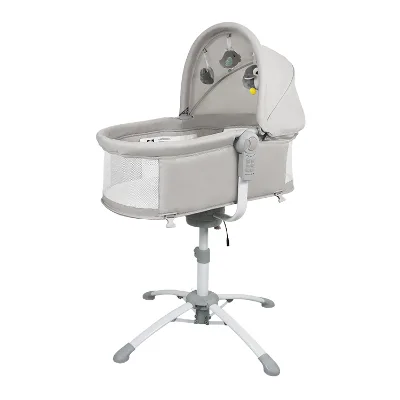
Modern Cheap Automatic Swing Baby Swing Baby Chair Baby Swing With Music
$75.8754 - $87.1553
MOQ: 50 pieces
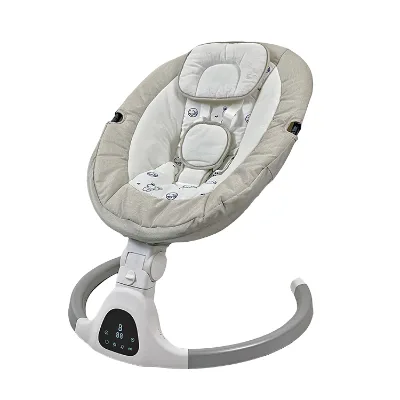
Factory Direct Sales Baby Indoor Swing Baby Electronic Swing Baby Automatic Swing
$52.2932 - $62.5462
MOQ: 2 pieces
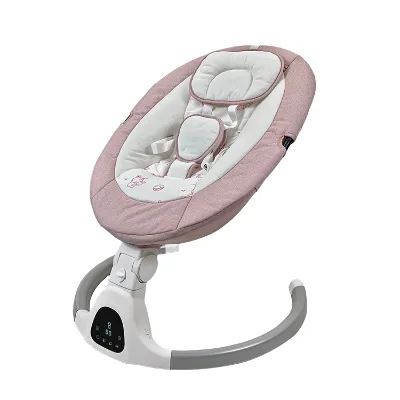
Factory Hot Selling Baby Swing Automatic Baby Swing Stroller Baby Bucket Swing
$51.00 - $61.00
MOQ: 2 pieces
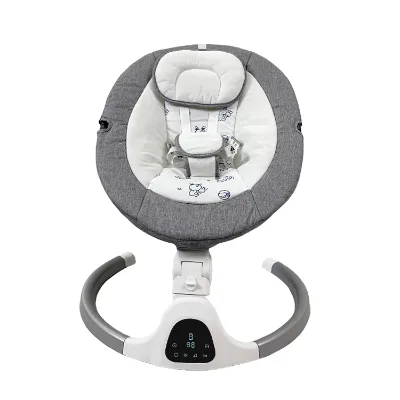
Baby Swing Outdoor Best Quality Baby Swing Seat Multi Function Baby Swing
$51.00 - $61.00
MOQ: 2 pieces
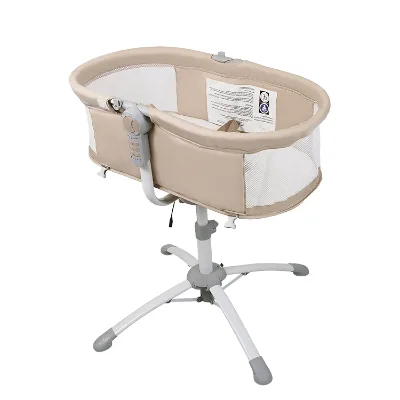
Automatic Electric Baby Chair Baby Bouncer With Adjustable Canopy Vibrating Baby Swing
$75.8754 - $87.1553
MOQ: 50 pieces
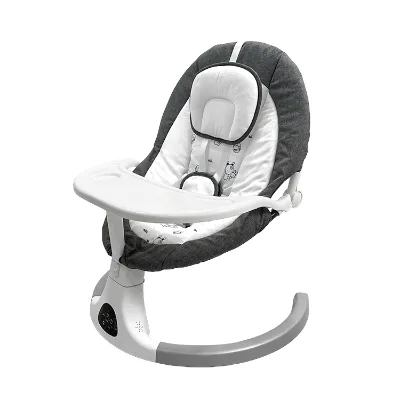
Most Popular Easy to Folding Baby Swing&Bouncer Automatic Baby Swing for Eating
$35.00 - $38.00
MOQ: 50 pieces
Zhejiang Kuhui Technology Co., Ltd.
- Manufacturer, Trading Company
- Lead time旺季: "1 - 50":7,"51 - 200":10,"201 - 500":15,"> 500":"To be negotiated", 淡季: "1 - 50":7,"51 - 200":10,"201 - 500":15,"> 500":"To be negotiated"
- Avg. response≤ 2h
Main productsMagnetic Blocks Toy, Magnetic Tiles Toy, Educational Toy, Plastic Blocks Toy, Baby Rocking Chair
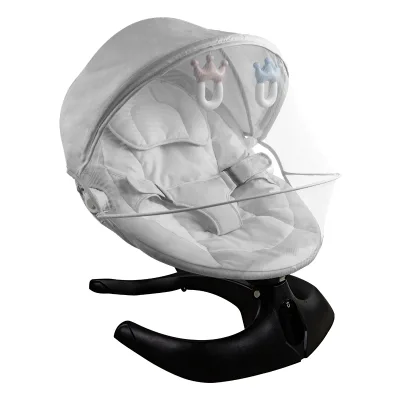
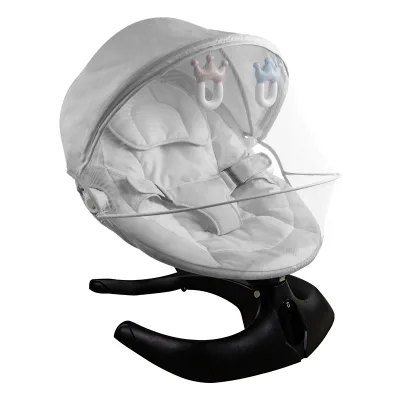
Hot Sale Functional Folding Baby Automatic Swing New Design Bassinet Baby Bouncer
$30.8696 - $35.1032
MOQ: 50 Minimum
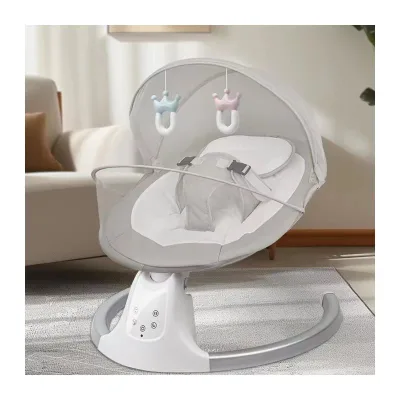
Accurate Quality Adjustable Speed Swing With Good Plate Baby Cradle Bed
$35.1032 - $37.1675
MOQ: 1 Minimum
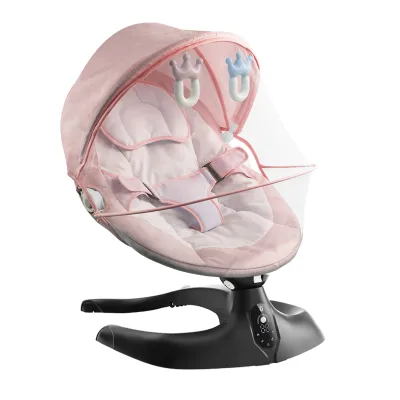
Good Reputation Folding Portable Ergonomic Baby Rocker
$31.00 - $34.00
- Manufacturer
- Guangdong, China
- Lead time50 days
- Avg. response≤ 11h
Main productsBaby Furniture/Swing/Bouncer/Rocker/Jumper/Activity Gym
Main marketsSoutheast Asia(30.00%), Northern Europe(10.00%), Mid East(10.00%), Eastern Europe(10.00%), South America(10.00%), Africa(5.00%), Central America(5.00%), Western Europe(5.00%), Eastern Asia(5.00%), Oceania(5.00%), North America(5.00%)
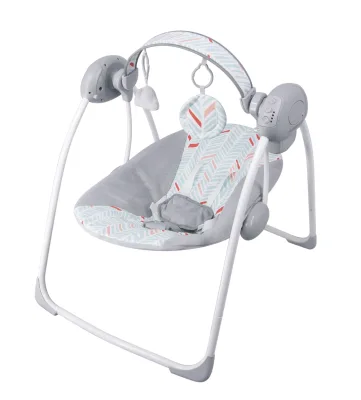
$26.0777 - $28.4924
MOQ: 100 pieces
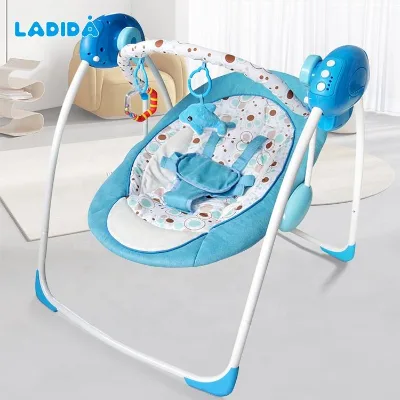
Baby Rocking Horse Chair New Style Electric Baby Swing Cradle Newborn Sleeping Indoor Bamboo
$27.705 - $32.3202
MOQ: 100 pieces
Ningbo Jintong Baby Products Co., Ltd.
- Trading Company
- Zhejiang, China
- Lead time30 days
- Avg. response≤ 3h
Main productsBaby Products
Main marketsNorth America(21.00%), Western Europe(16.00%), South America(10.00%), Mid East(9.00%), Southeast Asia(9.00%), Eastern Europe(8.00%), Eastern Asia(7.00%), Southern Europe(6.00%), Northern Europe(5.00%), Africa(3.00%), South Asia(2.00%), Oceania(2.00%), Central America(2.00%)
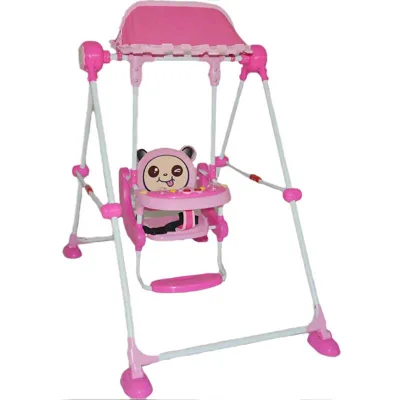
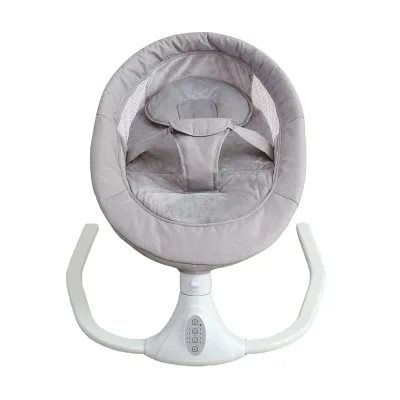
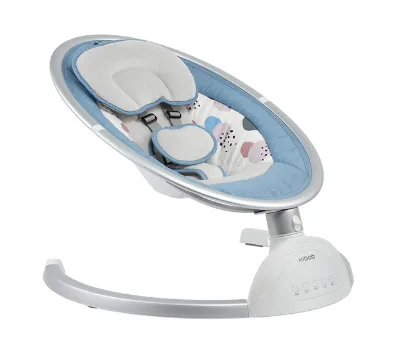
New Baby Swing Chair Lie Flat Rocking Chair Easy Install Portable Swing Chair for Babies
$37.0148
MOQ: 500 Minimum
Zhongshan Cooler Baby Product Co., Ltd.
- Verified by SGS Group
- Manufacturer, Trading Company
- Lead time20 days
- Avg. response≤ 1h
Main productsBed rail, Portable bed rail, Foldable bed rail, Baby rocking chair, Baby stroller
Main marketsDomestic Market(25%), Eastern Europe(20%), Western Europe(15%)
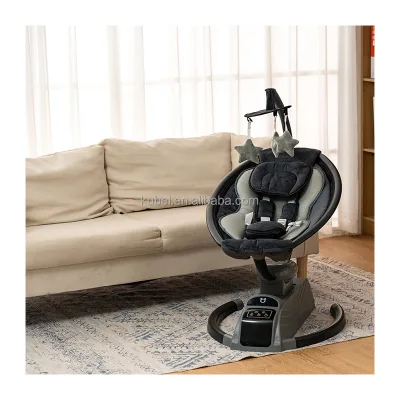
$46.99 - $59.99
MOQ: 100 pieces
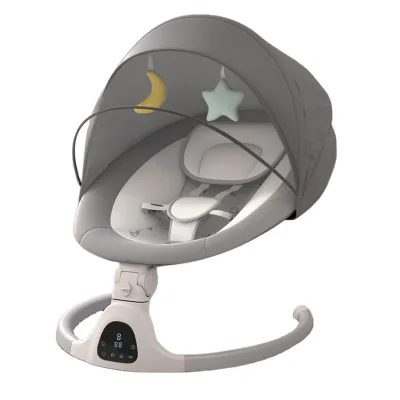
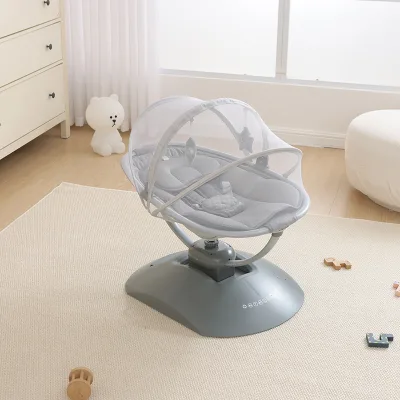
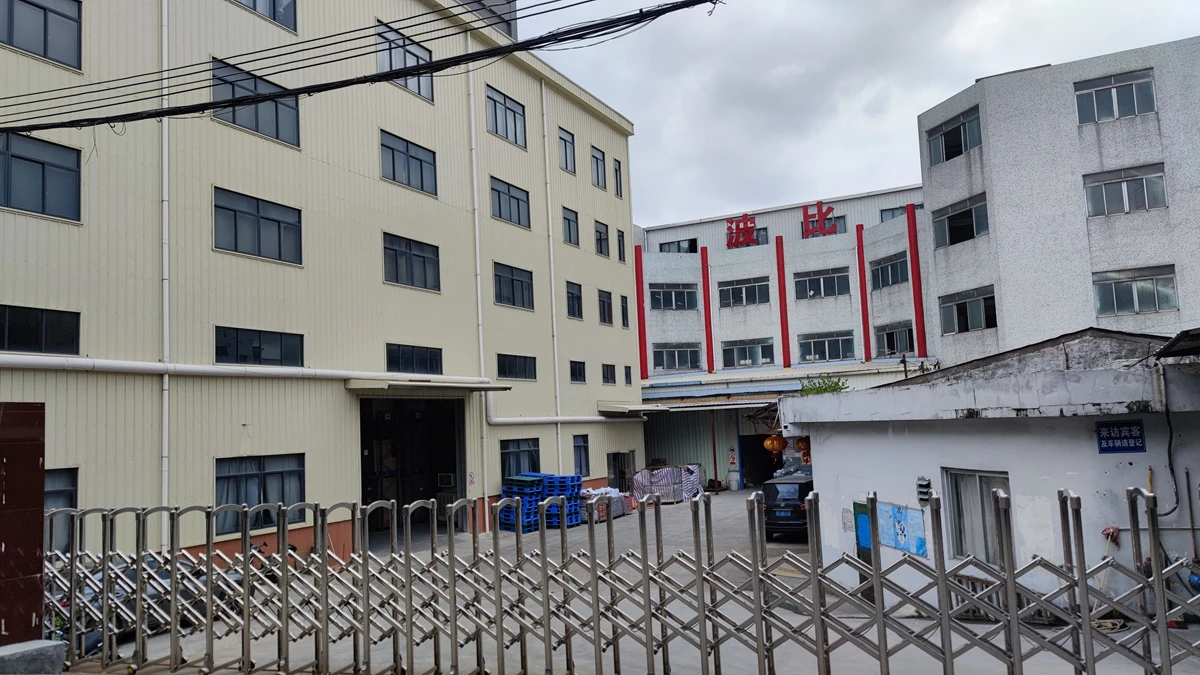
Zhongshan City Bobie Baby Product Co., Ltd.
- Manufacturer
- Guangdong, China
- Lead time25 days
- Avg. response≤ 6h
Main productsBABY SWING,Baby Bassinet,BABY BOUNCER,BABY ROCKER,BABY CRIB
Main marketsNorth America(30.00%), Western Europe(30.00%), Domestic Market(20.00%), Eastern Europe(5.00%), South America(5.00%), Mid East(5.00%), Southeast Asia(5.00%)

Hebei Miaoou Trading Co., Ltd.
- Trading Company,Manufacturer/Factory
- China Hebei
- Lead time23 days
- Avg. response≤ 8h
Main productsRoad Bike, Mountain Bike, Children Bicycle, Kids Balance Bike, Children Tricycle, Baby Stroller, Children's Electric Cars, Children Scooter, Tyre and Saddle, Snow Bike
Main marketsSouth America,Eastern Europe,Mid East,North America,Southeast Asia,Eastern Asia,Oceania,Western Europe,Africa

High Quality Multi-Function Baby Swing Leaf Bouncer Chairs Comfortable Folding Baby Rocker
$20.40 - $22.70
MOQ: 50 Pieces

$26.10 - $27.10
MOQ: 50 Pieces

Ningbo Artisan Import & Export Co., Ltd.
- Verified by TUVRHEINLAND
- Trading Company
- China Zhejiang
- Lead time30 days
- Avg. response≤ 25h
Main productsMailbox, Shaggy Blanket, Bathrobe, Furniture, Bill Counter, Book Stand, Bamboo Shoes Rack, Bar Tools
Main marketsEurope
Jinhua Dayongchuang Plastic Products Co., Ltd.
- Verified by TüVRheinland
- Manufacturer, Trading Company
- Lead time15 days
- Avg. response≤ 5h
Main productsPlastic Swing, Climbing Rock Holds, Plastic Daily Necessities, Garden Tools, Plastic Shoe Box And Slot
Main marketsNorth America(35%), Western Europe(20%), Eastern Europe(10%)

WENZHOU TIMES ARTS&CRAFTS CO., LTD.
- Verified by SGS
- Manufacturer/Factory
- China Zhejiang
- Lead time23 days
- Avg. response≤ 5h
Main productsToys, Montessori Toys, Wooden Toy, Educational Toy, Role Play Toys, Children Furniture, Puzzle, Kid Bike, Musical Toy, Wooden Blocks
Main marketsSouth America,Eastern Europe,Mid East,North America,Southeast Asia,Eastern Asia,Oceania,Western Europe,Africa


Indoor Outdoor Furniture Baby Wooden Hanging Swing Chair with Safety Belt W01d267
$10.00 - $18.00
MOQ: 1000 Pieces


Hot Selling Outdoor Garden Hanging Full Bucket Swing Chair for Kids W01d293
$12.00 - $18.00
MOQ: 1000 Pieces

Ningbo Yilong Outdoor Products Co., Ltd.
- Verified by TUVRHEINLAND
- Manufacturer/Factory
- China Zhejiang
- Lead time0 days
- Avg. response≤ 13h
Main productsAluminium Foldable Gazebo, Aluminium Umbrella, Wooden Umbrella, Beach Umbrella, Swing Chair, Steel Gazebo, Outdoor Furniture, Campling, Chair, Table
Main marketsSouth America,Eastern Europe,Mid East,North America,Southeast Asia,Eastern Asia,Oceania,Western Europe,Africa
Wenzhou Shengxin Amusement Equipment Co., Ltd.
- Verified by TUVRHEINLAND
- Combined
- China Zhejiang
- Lead time30 days
- Avg. response≤ 1h
Main marketsDomestic

High Quality Professional Manufacturing Outdoor Playground Equipment Garden Swing for Children
$246.43 - $289.29
MOQ: 1 Sets

High Quality Outdoor Playground Cheap Equipment Professional Manufacturing Garden Swing for Children
$246.43 - $289.29
MOQ: 1 Sets

Wenzhou Haoxiang Amusement Toys Co., Ltd.
- Verified by SGS
- Combined
- China Zhejiang
- Lead time15 days
- Avg. response≤ 18h
Main productsWooden Playground, Wooden Outdoor Playground, Plastic Outdoor Playground, Plastic Playground, Kindergarten Furniture, Wooden Furniture, Wooden Adventure Playground, Kindergarten Role Play Toys, Wooden Toys, Swing and Slide
Main marketsSouth America,Southeast Asia/ Mideast,East Asia(Japan/ South Korea),Domestic,Europe

Guangdong Family Of Childhood Industrial Co., Ltd.
- Manufacturer, Trading Company
- Guangdong, China
- Lead time15 days
- Avg. response≤ 3h
Main productsIndoor Playground Equipment,Outdoor Playground Equipment,Kindergarten Furniture Equipment,Trampoline Equipment,Water Park Equipment
Main marketsSoutheast Asia(35.00%), Mid East(20.00%), Western Europe(15.00%), North America(15.00%), South America(10.00%), Africa(5.00%)
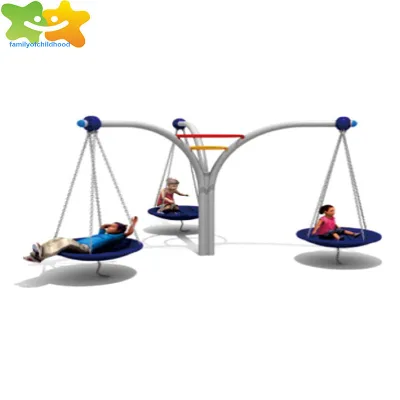
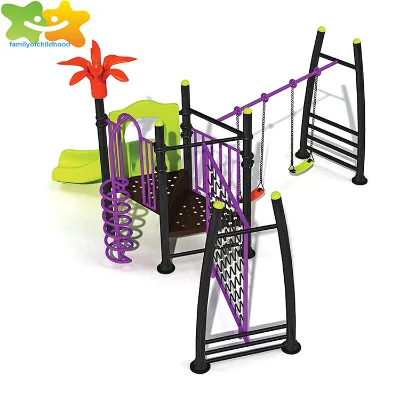
a frame swing set children two seat swing backyard swings for kids
$5500.00 - $6000.00

Ningbo High-Sunway Imp. & Exp. Co., Ltd.
- Verified by SGS
- Trading Company
- China Zhejiang
- Lead time30 days
- Avg. response≤ 22h
Main marketsSoutheast Asia/ Mideast,Europe,North America

Wenzhou Hello Amusement Equipment Co., Ltd
- Trading Company
- Zhejiang, China
- Lead time5 days
- Avg. response≤ 5h
Main productsplayground fitting parts,playground equipment,outdoor playground,playground accessories,sensory swing
Main marketsNorth America(24.00%), Domestic Market(13.00%), Southeast Asia(12.00%), South America(10.00%), Mid East(10.00%), Western Europe(10.00%), Eastern Europe(10.00%), South Asia(3.00%), Northern Europe(3.00%), Africa(3.00%), Eastern Asia(2.00%)


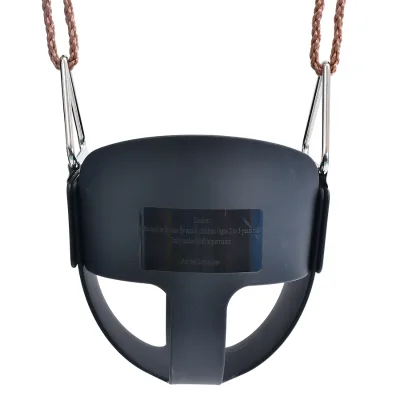
Garden Playground Games Eva Soft Home Hanging Swing Baby Swing Chairs on Sale
$18.88 - $25.99
MOQ: 200 Minimum




Comprehensive Sourcing Guide
Foldable Modern Baby Swing Supplier Concentration and Factory Types
The current supplier landscape for foldable modern baby swings reveals a mix of manufacturing capabilities and trading operations, requiring buyers to carefully distinguish between direct factories and intermediaries. Data indicates that some suppliers operate as pure trading companies, while others identify as both manufacturers and trading entities, offering a broader range of services including OEM and ODM support. This dual identity is particularly relevant for buyers seeking customized designs, as these suppliers often possess the internal graphic processing and sample processing capacities necessary to adapt products to specific market needs. The presence of suppliers with main products extending beyond baby swings to include items like magnetic blocks and educational toys suggests that some manufacturers have diversified production lines, which can impact their focus and quality control protocols for baby-specific items. Buyers should verify whether the supplier’s primary expertise lies in baby supplies or if it is a secondary category within a larger toy or plastic goods portfolio, as this distinction can influence the depth of their engineering knowledge regarding safety standards and ergonomic design for infant products.
Understanding the company type is crucial for negotiating terms and ensuring supply chain transparency. Trading companies may offer more flexible minimum order quantities and faster response times, as seen in some results where response times are recorded as low as one day, whereas manufacturers might provide better pricing structures for larger volumes but require longer lead times. The observed lead times vary significantly, with some suppliers indicating a standard twenty-five-day turnaround, while others provide detailed tiered schedules based on order volume and seasonal demand, such as seven to fifteen days depending on quantity brackets. This variability highlights the importance of aligning your order volume with the supplier’s capacity model. Additionally, the availability of customized options, including logo printing and color variations like khaki, gray, and pink, is often tied to the supplier’s production flexibility. Buyers should inquire about the specific nature of the customization process, whether it involves simple branding on existing molds or complex structural modifications, as this will affect both the unit price and the production timeline.
How to Verify Foldable Modern Baby Swing Suppliers
Verification is a critical step in mitigating risk when sourcing foldable modern baby swings, given the stringent safety requirements associated with infant products. Buyers should prioritize suppliers who have undergone third-party verification processes, such as those conducted by TüV Rheinland, which provides an additional layer of confidence in the supplier’s operational legitimacy and compliance capabilities. The presence of specific system certifications is a strong indicator of a supplier’s commitment to quality and safety standards. Relevant certifications observed in the market include EN 1888, EN 1130, EN 71, ASTM F833, and 16 CFR 1227, which are critical for ensuring that the swings meet international safety benchmarks. Additionally, certifications like CE, CPC, and EN 16232 further demonstrate compliance with European and American regulatory frameworks. Buyers should request copies of these certificates and verify their validity with the issuing bodies, ensuring that the certifications are current and cover the specific models of baby swings being considered. This due diligence is essential to avoid potential legal liabilities and ensure the safety of the end-users.
Beyond certifications, buyers should assess the supplier’s response time and communication efficiency, as these factors can significantly impact the sourcing process. A response time of one day, as noted in some supplier profiles, suggests a high level of operational readiness and customer service focus, which is beneficial for resolving queries quickly and maintaining project momentum. However, buyers should also evaluate the quality of the responses, looking for detailed and accurate information rather than generic replies. It is advisable to ask specific questions about the manufacturing process, material sourcing, and quality control measures to gauge the supplier’s expertise and transparency. Furthermore, buyers should verify the supplier’s ability to provide product evidence, such as detailed product attributes, including weight, dimensions, and material composition. For instance, knowing that a swing has a load bearing capacity of 12kg and is made from aviation aluminum alloy or cotton and polyester blends can help in assessing its durability and suitability for the target market. This comprehensive verification approach ensures that the selected supplier is not only compliant but also capable of delivering high-quality products consistently.
What to Compare Across Foldable Modern Baby Swing Suppliers
When evaluating multiple suppliers for foldable modern baby swings, buyers should compare key operational metrics such as lead times, minimum order quantities, and pricing structures to determine the best fit for their business needs. Lead times can vary significantly, with some suppliers offering a standard twenty-five-day production window, while others provide more granular timelines based on order volume and seasonal factors. For example, lead times might range from seven to fifteen days for smaller orders, with larger volumes requiring negotiation. This variability allows buyers to align their inventory planning with supplier capabilities, ensuring timely delivery to meet market demand. Minimum order quantities also differ, with some suppliers requiring as few as two units, making them suitable for small-scale testing or niche markets, while others set higher thresholds, such as fifty pieces, which may be more appropriate for bulk purchasing. Understanding these MOQs helps buyers optimize their initial investment and manage cash flow effectively, especially when introducing new products to the market.
Pricing is another critical factor, with observed price ranges for baby swings varying based on features, materials, and customization options. For instance, prices can range from approximately thirty-five dollars to over eighty dollars per unit, depending on the complexity of the design and the inclusion of additional features like music, vibration, or adjustable canopies. Buyers should request detailed quotations that break down costs for different components, such as the frame material, fabric, and electronic components, to ensure transparency and identify potential areas for cost reduction. Additionally, comparing the suppliers’ main products can provide insights into their specialization and expertise. Suppliers focusing primarily on baby supplies may offer more specialized and innovative designs compared to those with a broader product range. By systematically comparing these operational metrics, buyers can make informed decisions that balance cost, quality, and delivery speed, ultimately enhancing their competitive position in the market.
Common Foldable Modern Baby Swing Sourcing Risks
Sourcing foldable modern baby swings involves several inherent risks that buyers must proactively manage to ensure a successful procurement process. One significant risk is the variability in product quality and safety compliance, which can arise from differences in manufacturing standards and quality control practices among suppliers. Even with certifications in place, there is a risk that the actual products may not consistently meet the specified standards, particularly if the supplier lacks robust internal quality assurance mechanisms. Buyers should mitigate this risk by conducting thorough factory audits or requesting third-party inspection reports before placing large orders. Additionally, the risk of intellectual property infringement is a concern, especially when dealing with suppliers who offer OEM and ODM services. Buyers must ensure that their designs and branding are protected through proper legal agreements and that the supplier adheres to confidentiality clauses to prevent unauthorized replication or distribution of their products.
Another common risk is the potential for supply chain disruptions, which can be exacerbated by seasonal demand fluctuations and logistical challenges. Suppliers may experience delays during peak seasons, leading to extended lead times and missed delivery deadlines. Buyers should address this by establishing clear communication channels and maintaining regular contact with their suppliers to monitor production progress. It is also advisable to have contingency plans in place, such as identifying alternative suppliers or adjusting order quantities to accommodate potential delays. Furthermore, the risk of miscommunication regarding product specifications can lead to discrepancies between the ordered and delivered items. To minimize this, buyers should provide detailed and unambiguous product requirements, including dimensions, materials, colors, and functional features, and request samples for approval before mass production. By anticipating and addressing these risks, buyers can enhance the reliability and efficiency of their sourcing operations, ensuring a smoother and more successful procurement experience.
Foldable Modern Baby Swing Regional Sourcing and Logistics
Regional sourcing plays a pivotal role in determining the logistics and cost structure for foldable modern baby swings, with suppliers primarily located in key manufacturing hubs such as Guangdong and Zhejiang in China. These regions are known for their robust manufacturing ecosystems and specialized supply chains, which can offer advantages in terms of production efficiency and cost competitiveness. Buyers should consider the geographical proximity of suppliers to major ports and logistics hubs, as this can impact shipping times and freight costs. For instance, suppliers in Guangdong may have easier access to international shipping routes, potentially reducing transit times for overseas orders. Additionally, the regional concentration of suppliers can facilitate easier coordination and communication, allowing buyers to visit factories or conduct inspections more efficiently. However, buyers should also be aware of potential regional risks, such as local regulatory changes or environmental policies, which could affect production continuity.
Logistics planning is essential for managing the transportation of foldable modern baby swings, which are often bulky and require careful packaging to prevent damage during transit. The single package sizes observed for various models, ranging from approximately fifty-one centimeters to seventy-eight centimeters in length, highlight the need for optimized packaging solutions to maximize container space and reduce shipping costs. Buyers should work closely with their suppliers to determine the most efficient packaging methods, considering factors such as weight, dimensions, and material durability. Additionally, understanding the Incoterms and shipping responsibilities is crucial for managing costs and risks. Buyers should clarify whether the supplier is responsible for export documentation and customs clearance or if these tasks fall under the buyer’s jurisdiction. By carefully planning the logistics and leveraging the advantages of regional sourcing, buyers can streamline their supply chain and ensure timely delivery of products to their target markets.
Foldable Modern Baby Swing Commercial Terms and Order Planning
Effective order planning and negotiation of commercial terms are vital for securing favorable conditions when sourcing foldable modern baby swings. Buyers should focus on establishing clear agreements regarding payment terms, delivery schedules, and after-sales support to minimize financial risks and ensure operational smoothness. Payment terms often vary, with some suppliers requiring upfront deposits and others offering more flexible arrangements based on the order size and relationship history. Buyers should negotiate terms that align with their cash flow capabilities while ensuring that the supplier has sufficient incentive to prioritize their orders. Additionally, understanding the lead time structures is crucial for accurate inventory planning. Suppliers may offer different lead times based on order volume and seasonal demand, so buyers should request detailed timelines and incorporate buffer periods to account for potential delays. This proactive approach helps in maintaining stock levels and meeting customer demand without overstocking or understocking.
After-sales support and warranty policies are also key components of commercial terms that buyers should carefully evaluate. Given the safety-critical nature of baby products, suppliers should provide robust warranty coverage and responsive customer service to address any issues that may arise post-delivery. Buyers should inquire about the supplier’s policy for handling defective products, including replacement or refund procedures, and ensure that these terms are clearly documented in the contract. Furthermore, buyers should consider the potential for future orders and negotiate volume discounts or preferential pricing for repeat business. This can help in building a long-term partnership with the supplier, leading to better service levels and cost efficiencies over time. By meticulously planning orders and negotiating comprehensive commercial terms, buyers can enhance their supply chain resilience and achieve sustainable growth in the baby swing market.
FAQs
What certifications do modern baby swings have?
Suppliers offer EN 1888, EN 71, ASTM F833, and CPC certifications. These standards ensure safety for infants. Verify specific documents with the manufacturer before ordering to confirm compliance with your local market regulations and import requirements.
What is the typical lead time for orders?
Standard lead times are approximately 25 days. For larger quantities, production may take longer depending on the season. Peak seasons can extend timelines, so confirm specific delivery schedules with the supplier to ensure timely arrival for your launch.
What is the minimum order quantity for customization?
MOQs vary by product, typically ranging from 2 to 50 pieces. Some items require 50 units for custom logos or colors. Check the specific product page for exact MOQs to plan your inventory budget and order volume effectively.
How fast do suppliers respond to inquiries?
Response times are generally within one to two days. Quick replies help clarify technical details and pricing. Prompt communication ensures you receive accurate quotes and samples without significant delays in the sourcing process.
What materials are used in the frames?
Frames often use aviation aluminum alloy for durability and light weight. This material supports safe swinging while keeping the unit portable. Check specific product attributes to confirm frame construction and load-bearing capacity for your safety standards.
Can I get custom colors and logos?
OEM and ODM services are widely supported. Suppliers accept customized colors like pink, gray, or khaki. You can also add your logo to the product. Confirm design files and additional costs with the supplier before production begins.