Portable Mini Car Compass Suppliers and Manufacturers
Source 27 verified suppliers for Portable Mini Car Compass products. Compare key dimensions including location, response time, lead time, and MOQ to identify suitable partners. Review product specifications and pricing details to streamline your procurement process; review the available evidence before requesting comparable quotations from suitable candidates.
Suppliers List

- Verified by SGS
- Trading Company
- China Zhejiang
- Lead time15 days
- Avg. response≤ 15h
Main productsBike, Bicycle
Main marketsEurope,Australia

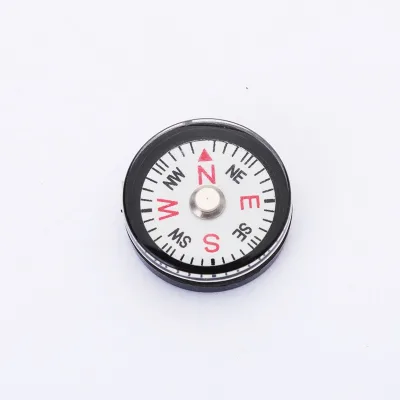
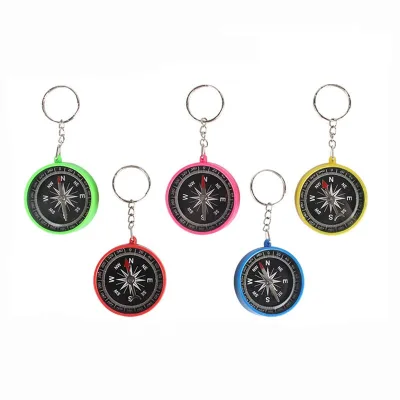
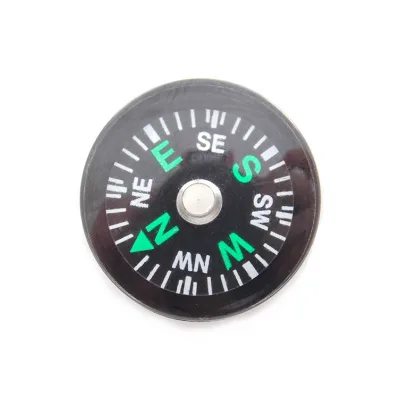
Hot Sale Car High Precision Outdoor Emergency Survival Portable Mini Compass Compass
$1.00 - $1.09
MOQ: 900 Boxes

Netflix Hot Selling Style Portable Outdoor Mini Direction Use Adventure Hiking Compass
$0.12 - $0.14
MOQ: 7300 Boxes

$0.12 - $0.14
MOQ: 7300 Boxes

Nanjing Sky Mems Technology Co., Ltd.
- Verified by BV
- Combined
- China Jiangsu
- Lead time15 days
- Avg. response≤ 3h
Main productsInertial Measurement Unit, Mems Accelerometer, Electronic Compass, Inclinometer, Fiber Optic Gyro, Gnss Ins Integrated Navigation System, Tilt Sensor, Imu
Main marketsSoutheast Asia/ Mideast,Europe
Jaxy Optical Instrument Co., Ltd.
- Manufacturer, Trading Company
- Lead time旺季: "1 - 100":35,"> 100":"To be negotiated", 淡季: "1 - 100":35,"> 100":"To be negotiated"
- Avg. response≤ 3h
Main productsbinoculars,telescope,magnifier,campig survival tool,3d glasses
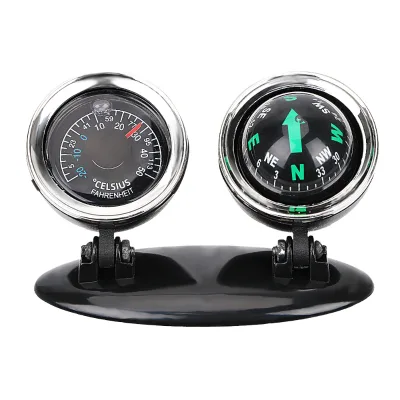
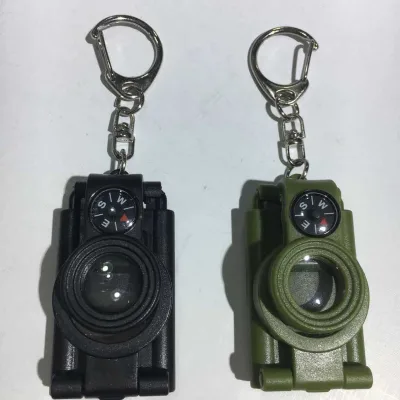
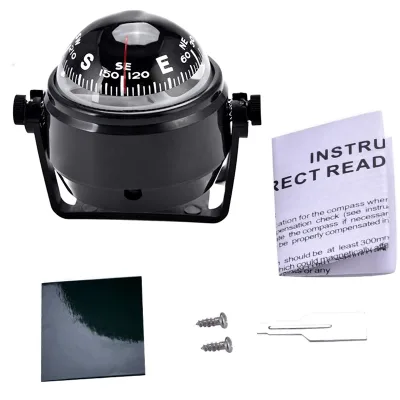
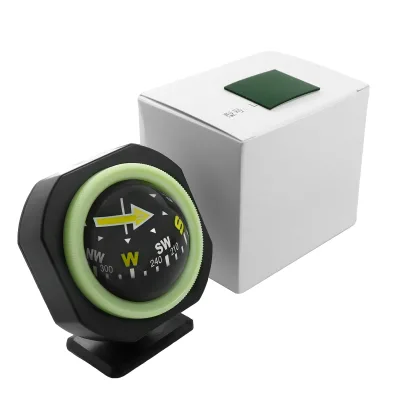
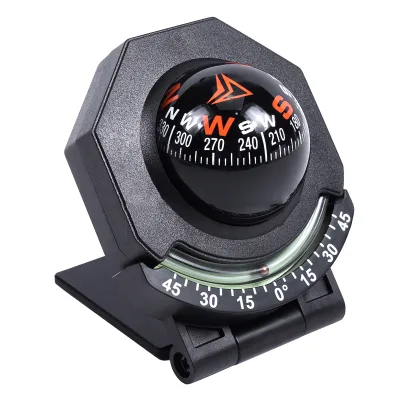
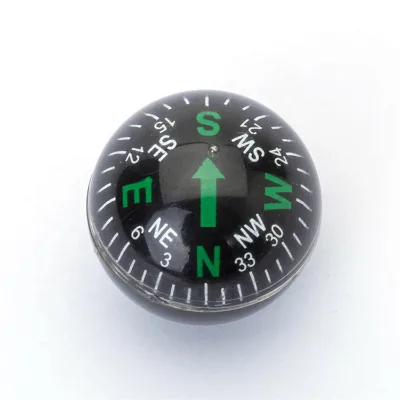
Navigation Boat White Oiling Car Vehicle Ball Compass for Outdoor Camping Hiking Mountaineering
$3.20 - $3.94
MOQ: 300 pieces
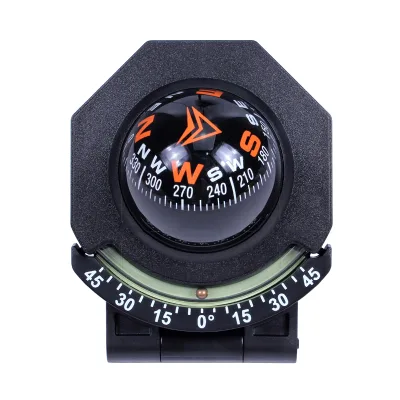
$2.15 - $2.74
MOQ: 100 pieces
Jinhua Kaiyue Photoelectric Technology Co., Ltd.
- Verified by SGS Group
- Manufacturer, Trading Company
- Lead time20 days
- Avg. response≤ 4h
Main productsInsect View Toys/Magnifier/Telescope And Binoculars/VR Box, Optical PMMA Lenses
Main marketsNorth America(45%), Eastern Europe(20%), Southeast Asia(10%)
Yingtan City Aoxiang Optics Co., Ltd.
- Manufacturer, Trading Company
- Jiangxi, China
- Lead time7 days
- Avg. response≤ 1h
Main productsBinoculars,Magnifier,Riflescope,Telescope,Night Vision
Main marketsDomestic Market(38.45%), Southern Europe(7.69%), Western Europe(7.69%), Eastern Europe(7.69%), Oceania(7.69%), Africa(3.85%), Northern Europe(3.85%), Central America(3.85%), Southeast Asia(3.85%), North America(3.85%), Mid East(3.85%), South America(3.85%), South Asia(2.31%), Eastern Asia(1.53%)

Shenzhen Kin Weirr Craft Co., Ltd.
- Manufacturer
- Guangdong, China
- Lead time12 days
- Avg. response≤ 7h
Main productsbag accessories,box accessories,Hair accessories,garment accessories,key chains
Main marketsDomestic Market(10.00%), South Asia(10.00%), Southern Europe(10.00%), Northern Europe(10.00%), Central America(10.00%), Western Europe(10.00%), Mid East(10.00%), Eastern Europe(10.00%), South America(10.00%), North America(10.00%)
$0.05 - $0.08
MOQ: 1 pieces
Jaxy Optical Instrument Co., Ltd.
- Verified by SGS Group
- Manufacturer, Trading Company
- Lead time20 days
- Avg. response≤ 4h
Main productsBinoculars and Telescope, Magnifier, Whistle, Compass, 3D glasses
Main marketsWestern Europe(35%), North America(25%), Domestic Market(15%)
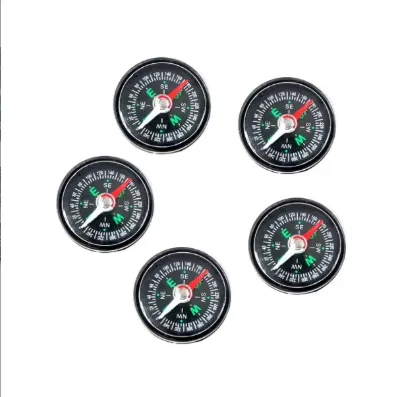
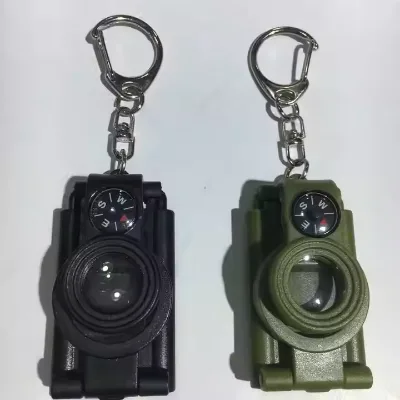
Portable Four-in-one Multi-Functional Mini Children's Compass for Outdoor Travel and Camping
$0.60 - $0.95
MOQ: 100 pieces
$3.14 - $3.71
MOQ: 500 pieces
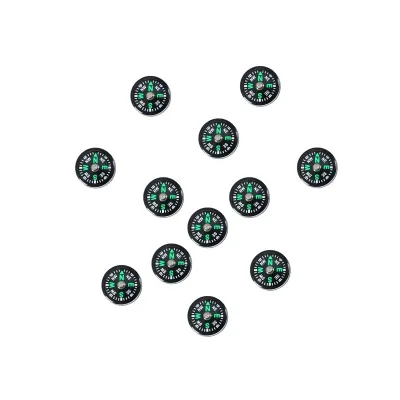
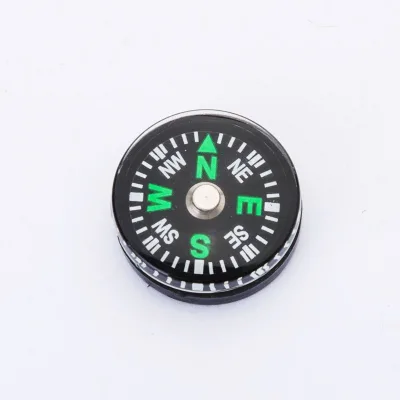
20mm Round Outdoor Compass with Pointer Dial Display Small Portable Navigation Tool
$0.10 - $0.12
MOQ: 500
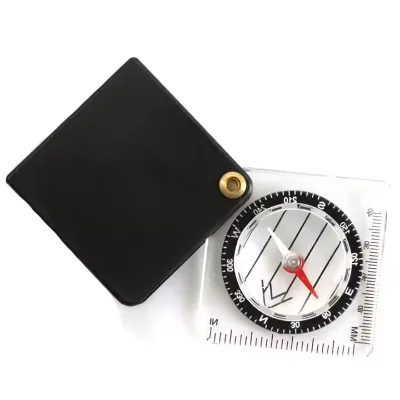
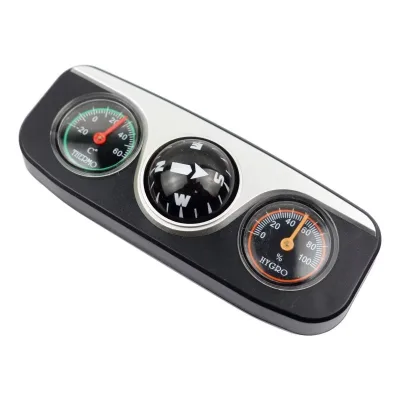
Ningbo Kelsun Int'l Trade Co., Ltd
- Verified by SGS Group
- Trading Company
- Lead time30 days
- Avg. response≤ 13h
Main productsEducational Apparatus, Laboratory Equipment, Stationery & Sports Equipment, Educational Toys
Main marketsSoutheast Asia(15%), Mid East(15%), North America(10%)
Shenzhen Hui Shi Da Technology Co., Ltd.
- Manufacturer, Trading Company, Agent
- Guangdong, China
- Lead time0 days
- Avg. response≤ 2h
Main productsComputer accessories,LED Series,Consumer Electronics,Auto and motorcycle parts,Cars motorcycles
Main marketsEastern Europe(22.10%), North America(20.50%), Western Europe(15.60%), South Asia(12.30%), South America(10.40%), Africa(9.50%), Northern Europe(8.60%), Southern Europe(1.00%)
Hefei Johold Outdoor Products Co., Ltd.
- Trading Company
- Anhui, China
- Lead time15 days
- Avg. response≤ 3h
Main productsSurvival Kits,Flashlight,Emergency Whistle,Camping Tent,Tactical backpack
Main marketsNorth America(30.00%), Western Europe(20.00%), Northern Europe(15.00%), Eastern Europe(15.00%), Southeast Asia(5.00%), South America(5.00%), Eastern Asia(5.00%), Africa(5.00%)
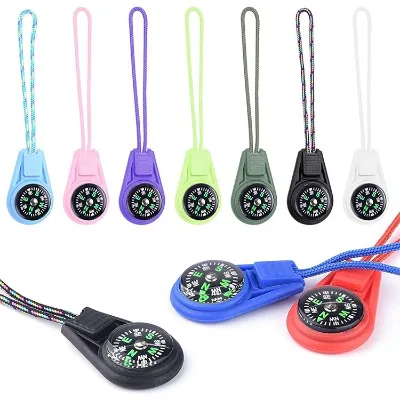
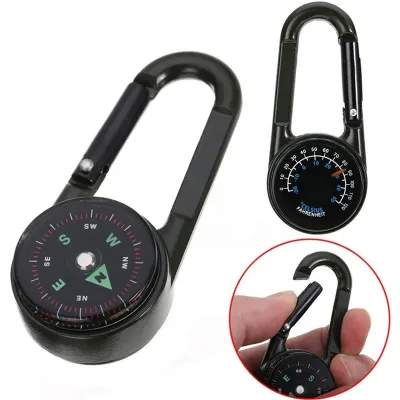
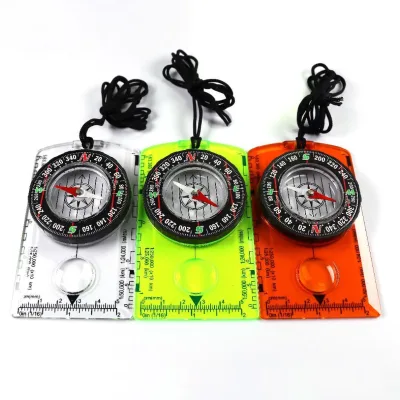
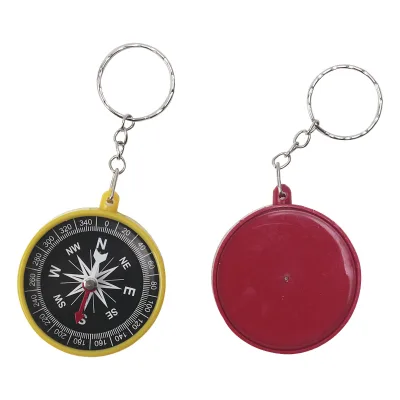
Multifunctional Smart Hiking Metal Compass Carabiner Mini Compass with Thermometer Keychain
$0.80 - $1.45
MOQ: 50 pieces
Yidulong International Trade (jiangxi) Co., Ltd.
- Trading Company
- Jiangxi, China
- Lead time0 days
- Avg. response≤ 1h
Main productsCamping tent,Beach tent,Outdoor tent,Inflatable tent,Automatic tent
Main marketsNorth America(39.00%), Western Europe(18.00%), Eastern Europe(10.00%), Eastern Asia(10.00%)
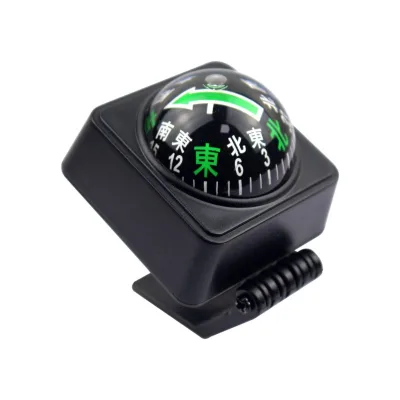
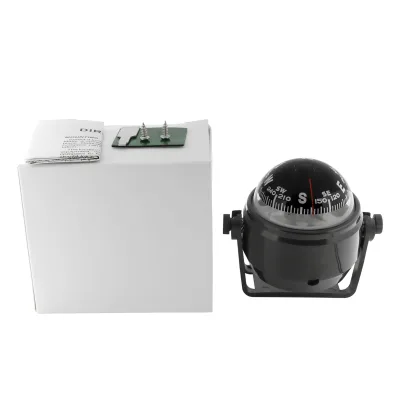
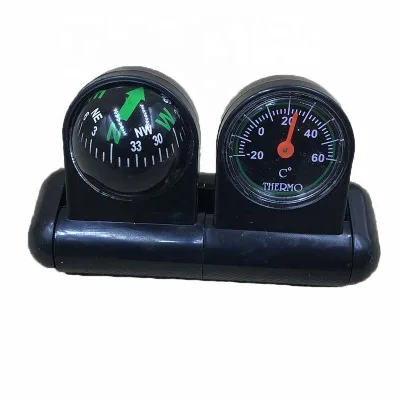
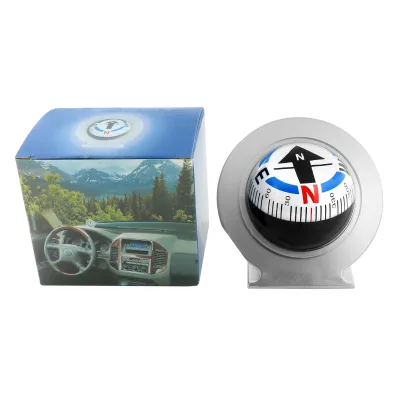
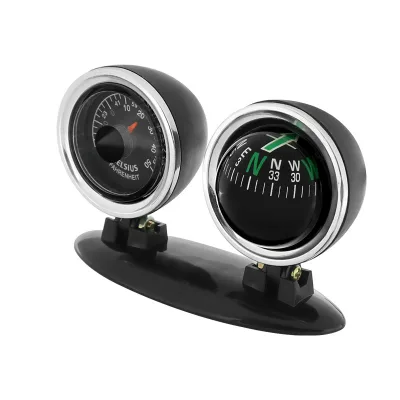
New Universal ABS Compass Car Accessory Portable Sphere Compass with Pointer Dial Display
$0.83 - $0.94
MOQ: 2 pieces
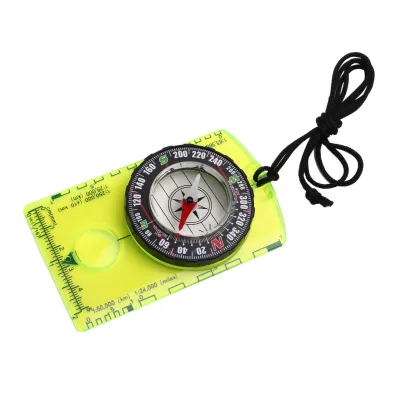
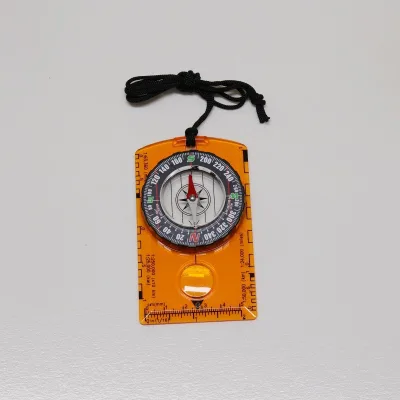
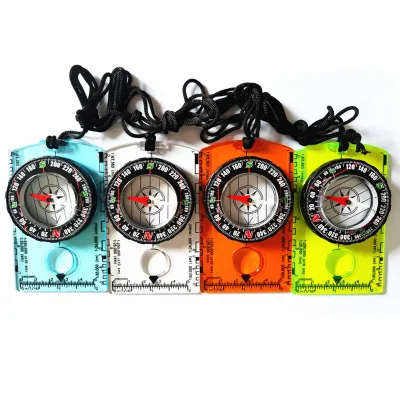
WholeSale Mini Acrylic Compass Outdoor Portable Ruler Compass for Map Reading
$0.72 - $0.80
MOQ: 2 pieces
Yiwu Runson Outdoor Products Co., Ltd.
- Trading Company
- Zhejiang, China
- Lead time15 days
- Avg. response≤ 10h
Main productsOutdoor survival kit,Outdoor whistle,Outdoor compass,Outdoor poncho,Outdoor sleeping bag
Main marketsNorth America(50.00%), Western Europe(10.00%), Eastern Europe(10.00%), South America(10.00%), Central America(5.00%), Southern Europe(5.00%), South Asia(2.00%), Africa(2.00%), Eastern Asia(2.00%), Mid East(2.00%), Oceania(1.00%), Southeast Asia(1.00%)
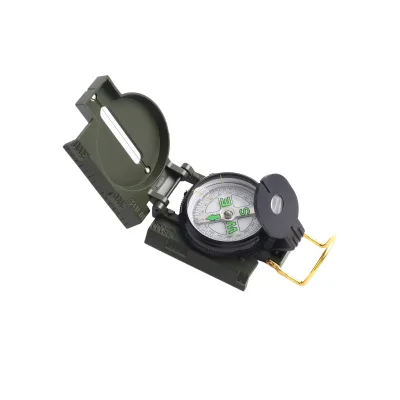
Camping Navigation Compass with Red LED Light Dual Map Scales Compass Mini Compass
$1.30 - $1.52
MOQ: 100
$1.20 - $1.48
MOQ: 2 pieces
Guangzhou Qike Technology Co., Ltd.
- Manufacturer, Trading Company
- Guangdong, China
- Lead time10 days
- Avg. response≤ 2h
Main productsmetal products,keychain,clutch pin back,heart lock,safety pin
Main marketsDomestic Market(50.00%), North America(10.00%), Northern Europe(10.00%), Western Europe(10.00%), Southeast Asia(10.00%), Eastern Europe(10.00%)
NINGBO KINGSTIC TRADING & INDUSTRIAL CO., LTD.
- Verified by Intertek
- Manufacturer, Trading Company
- Lead time15 days
- Avg. response≤ 6h
Main productsPhysics Instruments, Educational Models, Lab Equipments, Musical Instrument, General Lab Instruments
Main marketsSouth America(37%), Mid East(26%), North America(25%)
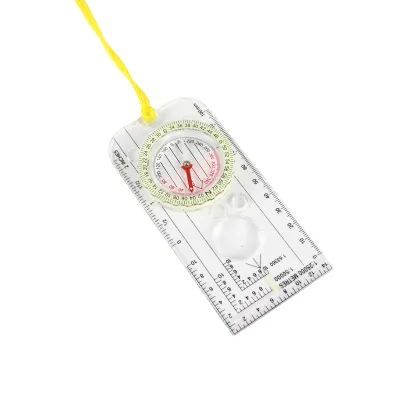
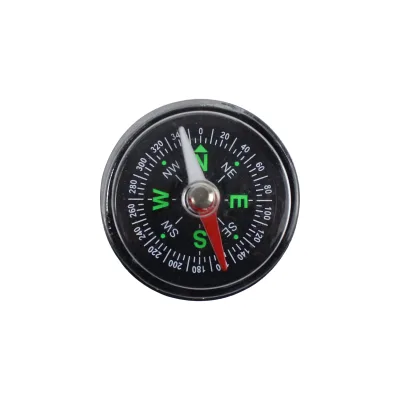
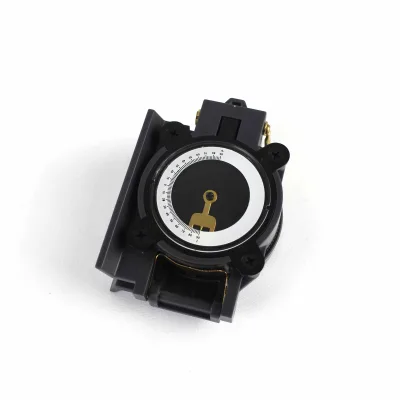
Wholesale Compass Navigation explorer Magnetic Compass for Expedition Map Reading
$0.92 - $1.22
MOQ: 1 pieces

Chongqing Jinfa Industrial Equipment Sales Co., Ltd.
- Verified by TUVRHEINLAND
- Trading Company
- China Chongqing
- Lead time30 days
- Avg. response≤ 4h
Main productsIndustrial Valves, Hydraulic Fluid Coupling, Heat Exchanger, Marine Propeller, Marine Pump, Water Sport Recreation Equipment
Main marketsSouth America,Africa,Southeast Asia/ Mideast,Europe,Australia,North America

- Verified by SGS
- Trading Company
- China Zhejiang
- Lead time15 days
- Avg. response≤ 14h
Main productsTents, BBQ Grill, Folding Table and Chair, Cooler Bag, Outdoor Lamp, Beach Mat, Picnic Blanket, Sleeping Bag, Water Bottle, Hammock
Main marketsEurope,Australia


Compact Accurate Simple Sighting Mirror Plastic Portable Exploration Compass
$0.80 - $1.00
MOQ: 1000 Pieces

Strap Sleeve Map Edge No Batteries Required Clipper Portable Micro Compass
$0.19 - $0.21
MOQ: 5000 Pieces

Camping Outdoor Activities Hiking Sports Navigation Survival Gifts Portable Pocket Compass
$0.30 - $0.50
MOQ: 2000 Pieces

Kids Navigation Survival Lightweight Orienteering Map Reading Portable Professional Field Compass
$0.80 - $1.00
MOQ: 1000 Pieces

Key Ring Outdoors Camping Hiking Survival Sports Navigation Pocket Compass
$0.30 - $0.40
MOQ: 2500 Pieces

- Verified by BV
- Trading Company,Manufacturer/Factory
- China Zhejiang
- Lead time23 days
- Avg. response≤ 5h
Main productsSpiral Slicer, Tent, Hammock, Garden Decoration, Garden Light, Kitchenware, Homeware, Camping, Travel Suitcase, Organizer
Main marketsSouth America,Eastern Europe,Mid East,North America,Southeast Asia,Eastern Asia,Oceania,Western Europe,Africa


Multifunctional Waterproof Compass, Durable Compass for Underwater Navigation Ci19058
$17.78 - $21.34
MOQ: 100 Pieces

Mirrored Compact Navigation Compass for Scout Backpackers Field Outdoor Ci16327
$4.00 - $4.80
MOQ: 100 Pieces

Handheld Survival Compass Classic Accurate Waterproof High Precision Outdoor Navigation Ci21693
$4.45 - $5.34
MOQ: 100 Pieces

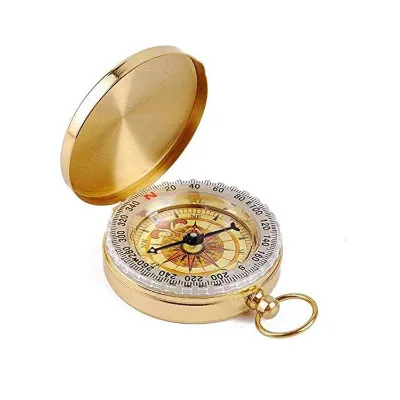
Outdoor Copper Compass Camping Hiking Survival GPS Locating Position Ci13246
$1.69 - $2.28
MOQ: 100 Pieces

Betoyy (yiwu) Outdoor Supplies Co., Ltd.
- Trading Company
- Zhejiang, China
- Lead time20 days
- Avg. response≤ 2h
Main productsCamping accessories,survival kit,whistle,compass,travel bag
Main marketsNorth America(25.00%), Northern Europe(15.00%), South Asia(8.00%), Southeast Asia(8.00%), Oceania(8.00%), Eastern Europe(6.00%), Domestic Market(5.00%), Eastern Asia(5.00%), Mid East(5.00%), Southern Europe(4.00%), Central America(4.00%), South America(3.00%), Western Europe(2.00%), Africa(2.00%)

YINGTAN CITY AOXIANG OPTICS CO., LTD.
- Verified by SGS
- Combined
- China Jiangxi
- Lead time15 days
- Avg. response≤ 3h
Main productsRiflescope, Binoculars, Astronomical Telescope, Range Finder, Magnifier, Compass, Night Vision, Gun Brush, DOT Sight, Spotting Scope
Main marketsSouth America,East Asia(Japan/ South Korea),Domestic,Europe,Australia,North America

Outdoor Adventure Functional Map Compass Portable Ruler Compass for Adults and Kids
$0.90 - $1.50
MOQ: 100 Pieces

Map Outdoor Adventure Functional Compass Foldable Portable Compass for Travel
$0.70 - $1.30
MOQ: 100 Pieces

Shanghai Claymore Industrial Co., Ltd.
- Trading Company,Manufacturer/Factory
- China Shanghai
- Lead time45 days
- Avg. response≤ 4h
Main productsMilitary Uniform, Body Armor, Combat Packs, Tent, Helmet, Camping, Knit Clothing, Boot, Belt, Military Caps
Main marketsSouth America,Eastern Europe,Mid East,North America,Southeast Asia,Eastern Asia,Oceania,Western Europe,Africa
Yiwu Keynew E-Commerce Co., Ltd.
- Trading Company
- Zhejiang, China
- Lead time10 days
- Avg. response≤ 9h
Main productsCamping & Hiking,car accessories,Pet Products
Main marketsNorth America(60.00%), Western Europe(10.00%), Southeast Asia(10.00%), Eastern Europe(10.00%), South America(10.00%)
Shenzhen Yarui Technology Co., Ltd.
- Trading Company
- Guangdong, China
- Lead time15 days
- Avg. response≤ 4h
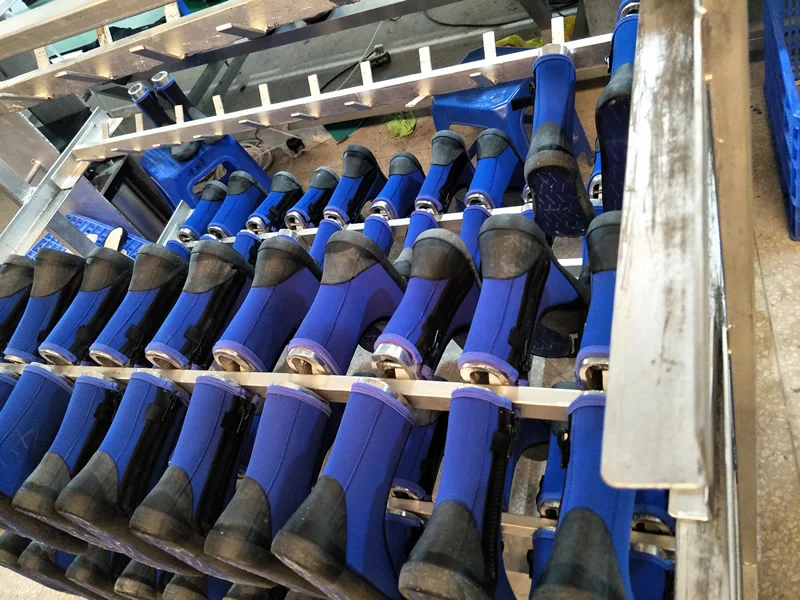
Main productsDiving Hard Boot,Diving Boots,Diving Upstream Boots,Neoprene Wader,Fishing Wader
Main marketsMid East(20.00%), North America(20.00%), Northern Europe(10.00%), Western Europe(10.00%), South America(10.00%), Southeast Asia(10.00%)
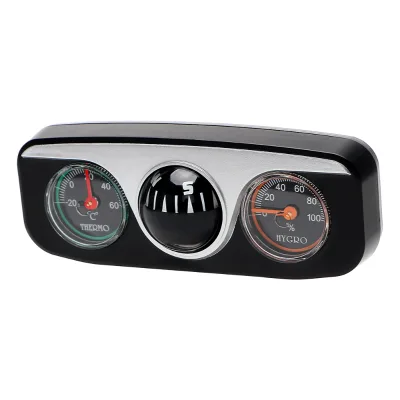
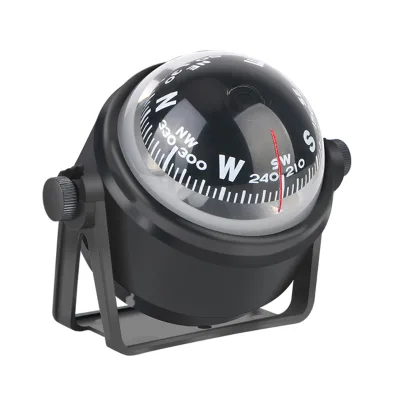
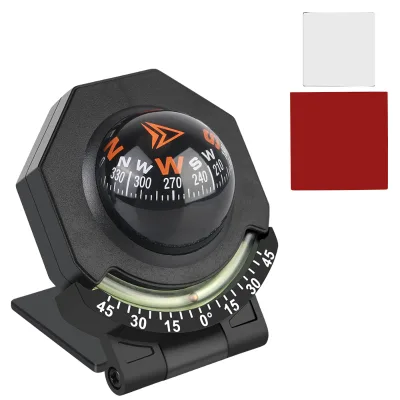
12V Boat Compass Nautical Compass With Electronic LED Light Navigation Positioning Auto Accessories
$3.89 - $4.44
MOQ: 1 pieces

Qingdao Tlead International Co., Ltd.
- Trading Company
- China Shandong
- Lead time23 days
- Avg. response≤ 25h
Main productspH Meters, Counter Meters, Arbor Press, Tools, Ddvp
Main marketsSouth America,Africa,Southeast Asia/ Mideast,East Asia(Japan/ South Korea),Europe,Australia,North America
Cixi Mengkeyuan E-Commerce Co., Ltd.
- Trading Company
- Zhejiang, China
- Lead time0 days
- Avg. response≤ 4h
Main productsDream Catcher,Wind Chime,Hand-woven Boho Tapestry,Handmade Car Pendant,Crystal Pendant
Main marketsNorth America(20.00%), Northern Europe(10.00%), Western Europe(10.00%), Eastern Europe(10.00%), Mid East(10.00%), Southern Europe(5.00%), Africa(5.00%), Central America(5.00%), Southeast Asia(5.00%), Eastern Asia(5.00%), South America(5.00%), Oceania(5.00%)
Yiwu Kongbo Outdoor Products Co., Ltd.
- Trading Company
- Zhejiang, China
- Lead time15 days
- Avg. response≤ 7h
Main productsParacord goods,Fire starter,Emergency items,Camping cookware,Tactical products
Main marketsNorth America(53.00%), Eastern Europe(19.00%), Western Europe(15.00%), Central America(5.00%), South America(5.00%), Northern Europe(3.00%)

Changzhou KB Instruments & Meter Co., Ltd.
- Trading Company
- China Jiangsu
- Lead time30 days
- Avg. response≤ 4h
Main productsPressure Gauge, Manometer, V Line Thermometer, Industrial Thermometer, Bimetal Thermometer, Exhaust Gas Thermometer, Digital Pressure Gauge, Digital Thermometer, Nautical Barometer, Nautical Quartz Clock
Main marketsAfrica,Southeast Asia/ Mideast,East Asia(Japan/ South Korea),Domestic,Europe,Australia

Shaanxi Deruite Industry and Trade Co., Ltd.
- Verified by BV
- Trading Company
- China Shaanxi
- Lead time23 days
- Avg. response≤ 7h
Main productsSurveying Instrument, Accessories, Tripod, Staff, Prism, Prism Poles
Main marketsSouth America,Africa,Southeast Asia/ Mideast,East Asia(Japan/ South Korea),Europe,Australia,North America


Clip Style Compass for GPS Pole CPC01
MOQ: 20 Pieces

MOQ: 50 Pieces

Leisure Compass, Pocket Compass PC05
MOQ: 50 Pieces

MOQ: 50 Pieces










Comprehensive Sourcing Guide
Portable Mini Car Compass Supplier Concentration and Factory Types
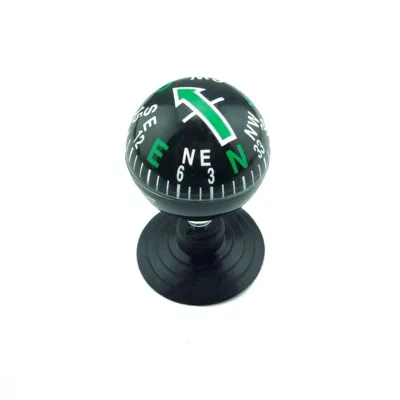
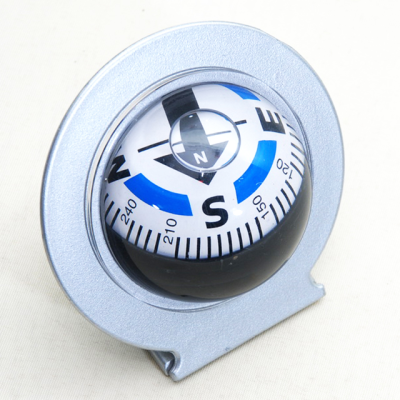
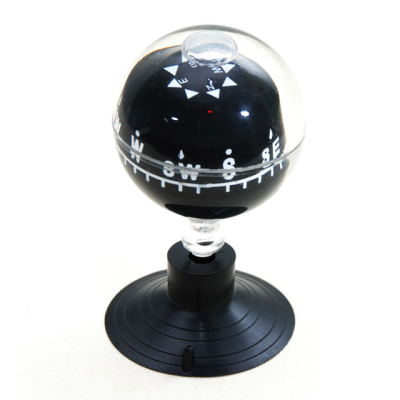
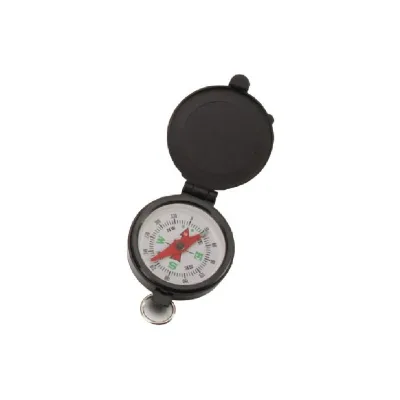
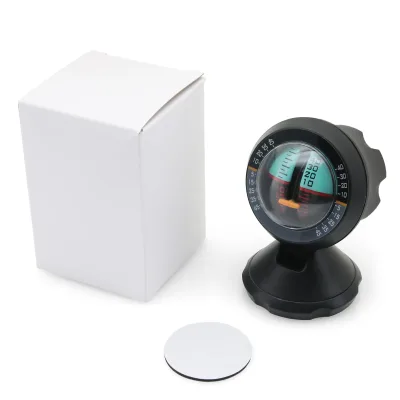
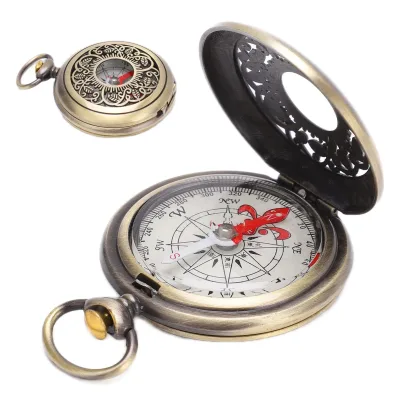
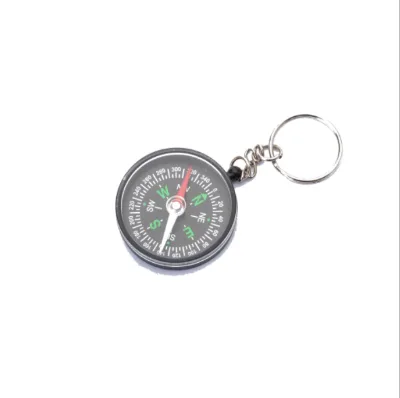
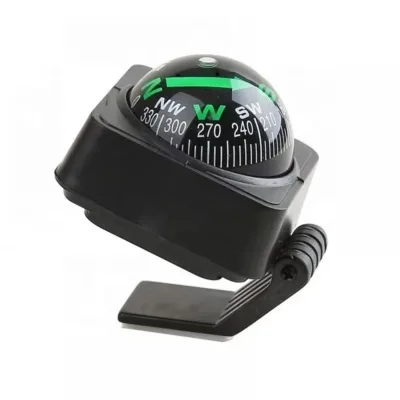
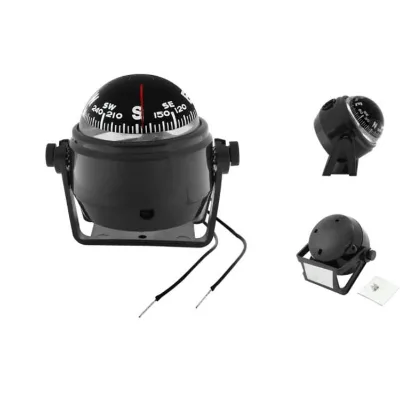
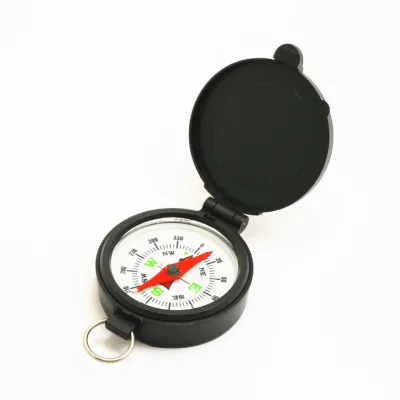
Portable Mini Car Compass listings on B2B platforms are dominated by suppliers based in China, and the current results show suppliers located in Zhejiang and Jiangsu provinces. Zhejiang-based results in this category list bikes and bicycles as main products, with compasses appearing as accessory items such as a portable mini compass for cars, outdoor emergency survival, and hiking use. This pattern suggests that some compass supply comes from diversified trading companies rather than dedicated instrument factories. Jiangsu-based results, by contrast, list electronic compasses, inertial measurement units, and related sensors as core products, indicating a more technical supplier profile for digital and electronic compass modules.
Supplier types also differ in ways that matter for sourcing. The observed results include pure trading companies, combined manufacturer-and-trading companies, and manufacturer-plus-trading hybrids. Trading companies may offer broader model ranges, such as analog vehicle-mounted compasses, but often source from underlying factories. Combined suppliers list in-house engineering capabilities including ODM and OEM services, and some add their own brands. When you screen candidates, check whether the company type label matches the product depth: a trading company listing a single low-value compass model is a different risk profile from a combined supplier with a documented electronic compass product line, published accuracy specifications, and warranty terms.
How to Verify Portable Mini Car Compass Suppliers
Verification should start with the third-party badges displayed on the platform. In the current results, one Zhejiang-based supplier carries SGS verification and one Jiangsu-based supplier carries BV verification, while another supplier shows no system certification at all. These badges indicate that an inspection body has reviewed company registration and scope, but they do not certify product quality, so treat them as a starting filter rather than proof. Cross-check the verified company name against business registry data, confirm the registered scope covers compasses or instruments, and request the verification report reference if it is not published.
Then verify product-level claims directly. For analog car compasses, ask for material specifications (the observed listings describe plastic housings and ABS construction), waterproof ratings, and whether models are quakeproof or luminous, since several observed listings explicitly state they are not waterproof, not quakeproof, and without noctilucence. For electronic compass modules, request the actual accuracy documentation: one observed listing states heading accuracy of 0.8 degrees RMS and another states 0.3 degrees RMS, with ISO referenced as a product certification. Ask for the certificate number and issuing body so you can validate it. Finally, test responsiveness before committing: observed response times in these results range from under three hours to nearly fifteen hours, which is a measurable signal of how communication will run during production.
What to Compare Across Portable Mini Car Compass Suppliers
Build a comparison table using the attributes suppliers actually display, and record blanks honestly rather than assuming every supplier publishes every field. In the observed results, comparable dimensions include location, company type, verification badge, main products, response time, lead time, and research capability (ODM, OEM, or own brand). For example, one supplier lists a fifteen-day lead time while another lists thirty-five days for orders of one to one hundred units with larger volumes negotiable. That spread alone can determine which supplier fits your launch calendar, especially for seasonal outdoor retail.
On the product side, compare MOQ, unit price bands, model numbers, and technical specifications side by side. Observed analog mini compasses run from roughly $0.12 to $1.09 per unit with MOQs from 900 to 7,300 pieces, while an electronic compass module is priced around $210 to $235 with an MOQ of one piece. These are different businesses entirely: high-volume gift and promotional compasses versus low-volume precision sensors. Also compare after-sales terms, warranty length (one listing states a one-year warranty), customization availability, packing format, and stated product dimensions. Weight the comparison by your channel: a promotional buyer cares most about price and MOQ, while an electronics integrator cares most about accuracy, interface type, and power supply specifications.
Common Portable Mini Car Compass Sourcing Risks
The most common risk in this category is specification ambiguity on low-cost analog compasses. Observed listings describe products as not waterproof, not quakeproof, and without luminous displays, yet the product names emphasize outdoor, survival, and adventure use. A buyer who orders based on the title alone may receive units unsuitable for the implied use case. Mitigate this by requesting written confirmation of every performance attribute in the purchase contract, including housing material, mounting method, and accuracy class, and by testing samples for bubble formation, needle sticking, and baseplate distortion before mass production.
A second risk is category mismatch. Several observed suppliers list compasses as a sideline to bicycles, binoculars, or 3D glasses, which raises questions about who actually manufactures the compass and whether consistent quality control exists. For electronic compass modules, risks concentrate on claimed accuracy and integration: a module advertising 0.1-degree pitch and roll accuracy at a low price warrants independent bench testing against a reference instrument. Additional risks include MOQ mismatch (thousands of pieces for promotional models when you need samples), price quotes that exclude packaging or carton markings, and customization requests that quietly extend lead times. Protect yourself with staged payments, a signed specification sheet, and a pre-shipment inspection tied to agreed acceptance criteria.
Portable Mini Car Compass Regional Sourcing and Logistics
The current results point to two Chinese provinces with distinct sourcing implications. Zhejiang suppliers in these results trade in general outdoor and sporting goods, which suits buyers seeking analog mini compasses bundled into broader camping or promotional assortments; consolidated shipments with other accessories can reduce freight per unit. Jiangsu suppliers focus on electronic compasses, sensors, and navigation systems, which suits technical buyers, though unit values are high enough that packaging, electrostatic protection, and insurance matter more than for $0.12 compasses. Do not generalize these provincial profiles to every listing, however; verify each supplier's actual role before assuming regional strengths.
Logistically, plan around the lead times suppliers publish. Observed lead times of fifteen days versus thirty-five days for small orders, with larger volumes subject to negotiation, create materially different replenishment cycles. Ask each supplier to confirm current lead time for your specific quantity and customization level, since published values may reflect standard models only. For analog compasses, confirm inner box and master carton dimensions—one observed listing states a single package size of 46 by 24.5 by 22.5 centimeters and a unit weight of 42 grams—so you can calculate container utilization accurately. For electronic modules, clarify shipping mode, moisture and shock protection, and export documentation. Always confirm which Incoterms the quote assumes before comparing freight quotes across suppliers.
Portable Mini Car Compass Commercial Terms and Order Planning
Commercial planning should begin with the price-to-MOQ structure rather than the unit price alone. In the observed results, promotional mini compasses sit between roughly $0.12 and $0.14 with MOQs around 7,300 pieces, a higher-featured analog model ranges from about $1.00 to $1.09 at an MOQ of 900, and an electronic compass module runs roughly $210 to $235 with an MOQ of one. Decide which tier matches your business model first, then negotiate within it. Request tiered price breaks at two or three volume points above the stated MOQ, and confirm whether tooling, printing, or customization costs are included in the quoted band.
Order planning should also cover payment protection, warranty, and scaling terms. One observed supplier offers after-sales service and a one-year warranty in writing; ask every candidate to match or explain their terms. Where platform escrow or trade assurance options exist, use them for first orders with new suppliers, especially when paying for custom tooling. Plan a pilot order at or slightly above MOQ, hold final payment until inspection passes, and negotiate a framework agreement covering unit prices, lead times, and capacity commitments for repeat volumes. For customized models, agree in advance on approval samples, revision limits, and who bears cost if a customized production run fails inspection. Document everything in the contract, not in chat messages.
Word count check: sections of ~113+113, ~115+117, ~112+117, ~115+114, ~113+117, ~112+116 plus headings. Total approximately 1350–1400 words. Compliant.
FAQs
What is the price range for portable mini car compasses?
Portable mini car compasses typically range from $0.12 to $1.09 per unit for basic models. Higher precision electronic versions cost between $210 and $330. Prices vary based on material, accuracy, and customization options available from suppliers.
What is the minimum order quantity for these compasses?
Minimum order quantities vary significantly by product type. Basic plastic models require orders of 900 units or more, while electronic sensors may have an MOQ of just one piece. Some suppliers offer lower MOQs of 100 pieces for specific vehicle-borne types.
How long does it take to manufacture and ship these items?
Standard lead times are approximately 15 days for many suppliers. However, peak season orders exceeding 100 units may require negotiation for longer delivery windows. Buyers should confirm specific timelines with suppliers before placing large orders to avoid delays.
Are these compasses waterproof and durable for outdoor use?
Basic plastic models are generally not waterproof and not quakeproof, making them suitable for travel gifts rather than harsh environments. In contrast, some vehicle-borne ABS compasses feature waterproof standards. Buyers must verify specific durability ratings for their intended application.
What certifications do electronic compass suppliers hold?
Electronic compass suppliers often hold ISO certifications for their manufacturing processes. Some suppliers are verified by SGS or BV for quality assurance. Buyers should request current certification documents to ensure compliance with international standards for electronic components and navigation devices.
Can I customize the design or branding of these compasses?
Customization is available for many portable mini compasses, including OEM and ODM services. Buyers can often modify materials, functions, and packaging. Electronic models also support interface and power supply customization. Confirm specific customization capabilities and associated costs with the supplier directly.