Modern Wooden Baby Bed Suppliers and Manufacturers
Explore 21 verified suppliers offering modern wooden baby beds with varying lead times, MOQs, and certifications. Compare response times, locations, and product specifications to find the right partner. Contact suppliers directly to request quotes; review the available evidence before requesting comparable quotations from suitable candidates.
Suppliers List
- Trading Company
- Hong Kong S.A.R.
- Lead time0 days
- Avg. response≤ 2h
Main productsBaby Cribs,Baby Chair,Baby Mattress,Changing Table,Baby Wardrobe
Main marketsNorth America(50.00%), Eastern Europe(20.00%), Mid East(10.00%), Southeast Asia(10.00%), South America(10.00%)
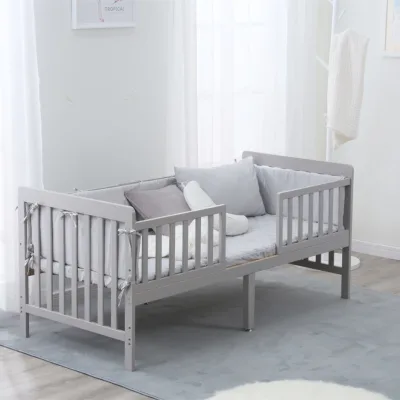
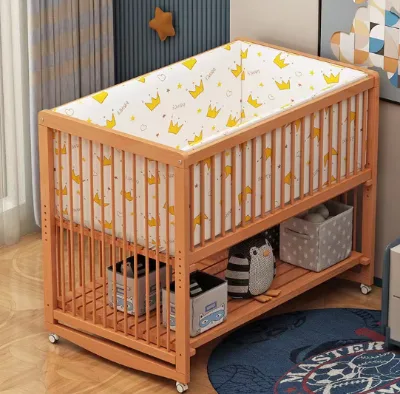
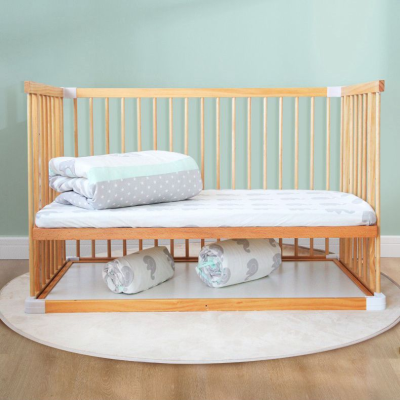
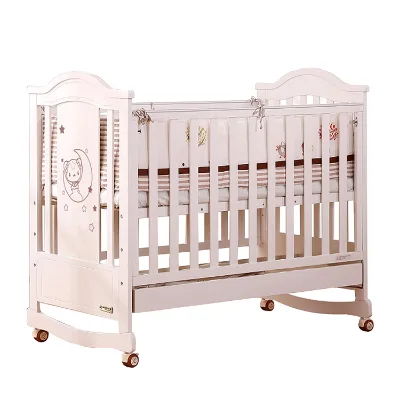
Modern Double Baby Crib Bed Solid Wood Mobile Rock Sleeper for Bedroom for Newborns & Infants
$42.10 - $47.60
MOQ: 200 pieces
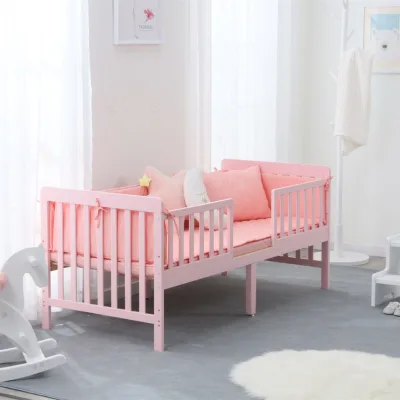
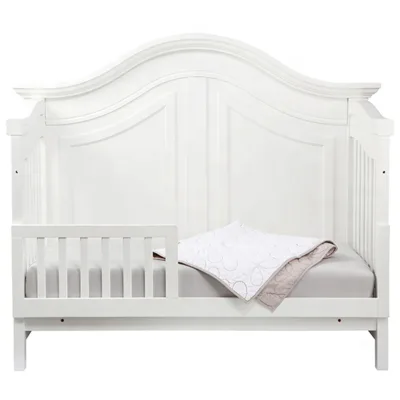
$126.96 - $140.17
MOQ: 50 cases

- Verified by BV
- Trading Company
- China Zhejiang
- Lead time30 days
- Avg. response≤ 14h
Main productsHousehold Products, Recreation& Game Products, Outdoor Products, Garden Products, Pet Products, Car Products, Daily Use Products
Main marketsSouth America,Africa,Southeast Asia/ Mideast,East Asia(Japan/ South Korea),Europe,Australia,North America

Qingdao Inurda Furniture Co., Ltd.
- Verified by CTI
- Trading Company,Manufacturer/Factory
- China Shandong
- Lead time30 days
- Avg. response≤ 10h
Main productsSingle Bed, Double Bed, Half Tall Bed, High Foot Bed, Coffee Table, Bunk Bed, Bookshelf, Dining Table, Baby Crib, Cabin Bed
Main marketsSouth America,Eastern Europe,Mid East,North America,Southeast Asia,Eastern Asia,Oceania,Western Europe,Africa

Foshan Riyuehe Furniture Co., Ltd.
- Verified by SGS
- Combined
- China Guangdong
- Lead time30 days
- Avg. response≤ 9h
Main productsFurniture, Dining Chair, Chair, Sofa Bed, Beach Chair, Sofa, Bed, Dining Table, Salon Furniture, Office Chair
Main marketsDomestic,North America


Modern Single Size Children's Bed Bedroom Furniture Wooden Baby's Crib with Barriers Kids Bed
$69.00 - $79.00
MOQ: 5 Sets

- Combined
- China Guangdong
- Lead time30 days
- Avg. response≤ 8h
Main productsCoffee Table, TV Cabinet, Kitchen Furniture, Dining Furniture, Living Room Cabinet, Storage Cabinet, Living Room Furniture, Bedroom Furniture, Wardrobe, Chest Drawers
Main marketsSouth America

Qingdao Lidu Furniture Co., Ltd.
- Trading Company,Manufacturer/Factory
- China Shandong
- Lead time45 days
- Avg. response≤ 9h
Main productsBed, Dining Table and Chairs, Wooden Bookcase/Shelf, Kids Furniture, Home Furniture
Main marketsSouth America,Mid East,North America,Southeast Asia,Eastern Asia,Oceania,Western Europe,Africa


Wooden Baby Tree Toddler Bed for Kids Storage Solid Wood King Size Wooden Bed
$49.00 - $79.00
MOQ: 50 Pieces


Modern Solid Wood Bedroom Furniture Bed Superior Quality Wooden Bed Kids Bed
$49.00 - $79.00
MOQ: 50 Pieces


Modern Wooden Bed Furniture Kids Bed for Child Solid Pine Wood Kids Furniture
$49.00 - $69.00
MOQ: 50 Pieces

Guangdong Family of Childhood Industrial Co., Ltd.
- Manufacturer
- China Guangdong
- Lead time0 days
- Avg. response≤ 9h
Main productsPlayground, Indoor Playground Equipment, Outdoor Playground, Trampoline Park, Water Park, Playground Equipment, Amusement Theme Park Equipment, Preschool Facility Equipment, Indoor Soft Play, Kids Table and Chair

Kunshan Cool Kids Business Co., Ltd.
- Trading Company
- China Jiangsu
- Lead time45 days
- Avg. response≤ 25h
Main productsBaby Stroller, Playard, Car Seat, Baby Buggy, Travel System, Baby Bed, Baby Dinner Chair, Cradle
Main marketsSouth America,Africa,Southeast Asia/ Mideast,East Asia(Japan/ South Korea),Domestic,Europe


2021 New Design Multi-Functional Solid Wooden Designs Baby Co Sleeper Bed
$115.00 - $120.00
MOQ: 100 Pieces


Zhangzhou More Star Furniture Co., Ltd.
- Verified by TUVRHEINLAND
- Manufacturer/Factory
- China Fujian
- Lead time60 days
- Avg. response≤ 12h
Main productsCoffee Table, Bunk Bed, Bookshelf, TV Stand, Computer Desk, Kitchen Cabinet, Wardrobe, Display Rack, Dining Table, Kitchen Cart
Main marketsMid East,North America,Southeast Asia,Western Europe

Huadong Entertainment Equipment Co., Ltd.
- Verified by TUVRHEINLAND
- Combined
- China Zhejiang
- Lead time15 days
- Avg. response≤ 9h
Main productsPlayground, Kids Playground, Plastic Toys, Indoor Playground, Outdoor Playground, Fitness Equipment, Bumper Car, Amusement Park Equipment, Playground Slide, Slide
Main marketsAustralia

- Combined
- China Guangdong
- Lead time30 days
- Avg. response≤ 6h
Main productsBedroom Furniture, Living Room Furniture, Dining Furniture, Hotel Furniture, Sofa Furniture, King&Queen Bed, Wardrobe, Chest Drawers, Coffee Table, TV Stand
Main marketsSouth America

Zhejiang Zhongyi Furniture Co., Ltd.
- Verified by BV
- Combined
- China Zhejiang
- Lead time30 days
- Avg. response≤ 3h
Main productsSchool Furniture, Classroom Furniture, School Desk, School Chair, Teacher Desk, Student Chair, Student Desk, Activity Table, Folding Canteen Table, School Desk and Chair
Main marketsSouth America,Africa,Southeast Asia/ Mideast,Europe,Australia,North America


Kindergarten Safe New Customized Wooden Children Beds Preschool Baby Bed
$19.90 - $22.90
MOQ: 100 Pieces
Cao County Luguoban Wood Industry Co., Ltd.
- Verified by SGS Group
- Manufacturer, Trading Company
- Lead time30 days
- Avg. response≤ 2h
Main productsChildrens bookshelf, Crib, Childrens storage cabinet, Furniture, Childrens furniture
Main marketsNorth America(50%), Western Europe(30%), Southeast Asia(10%)
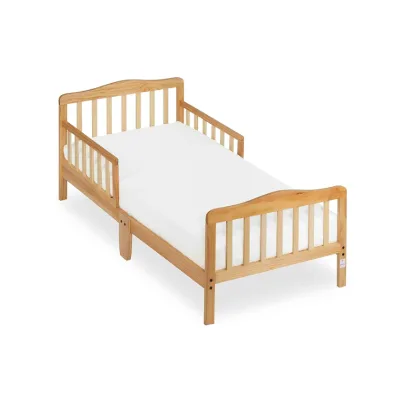
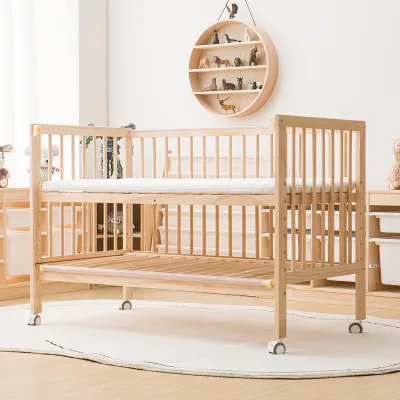
High Quality Modern Design Convertible Mini Crib and Twin Bed Custom Natural Wood Toddler Baby Bed
$96.49 - $110.71
MOQ: 50 pieces
Hefei Craft Tableware Co., Ltd.
- Verified by SGS Group
- Manufacturer, Trading Company
- Lead time30 days
- Avg. response≤ 2h
Main productsWooden Cutlery, Bamboo Skewers, Sugarcane Bagasse Containers, Wooden Stirrers, Bamboo Cutlery
Main marketsWestern Europe(30%), North America(16%), Oceania(12%)

FOSHAN BUDDYHOME HOUSEWARE CO., LTD.
- Verified by CTI
- Trading Company,Manufacturer/Factory
- China Guangdong
- Lead time23 days
- Avg. response≤ 4h
Main productsKids Bed, Kids Bunk Bed, Leather Bed, Car Bed, Kids Combine Bed, Leisure Chair, Sofa, Dining Chair, Bar Chair
Main marketsSouth America,Eastern Europe,Mid East,North America,Southeast Asia,Eastern Asia,Oceania,Western Europe,Africa


Children Bed Modern Kid Bed Kids Bunk Beds Bedroom Wooden Furniture Bed
$185.00 - $555.00
MOQ: 1 Pieces

Modern Kid Bedroom Furniture Bed Kids Bed Children House Wooden Bed for Girl
$230.00 - $260.00
MOQ: 5 Pieces

Kid Bed Design Pink Princess Bed Modern Bed Wooden Bed for Kids Furniture Bed
$230.00 - $260.00
MOQ: 5 Pieces


Foshan Ulink Furniture Limited
- Verified by TUVRHEINLAND
- Combined
- China Guangdong
- Lead time30 days
- Avg. response≤ 8h
Main productsOffice Furniture, Bedroom Furniture, Coffee Table and TV Stand, Living Room Furniture, Dining Furniture, Office Chair, Office Desk, Computer Desk
Main marketsAfrica,Others(foreignTradeCapacity.exportBusinessCapacityMarketOther),Domestic

Popular Design Multifunction Solid Wood Bedroom Furniture Children Baby Wooden Bed
$188.00
MOQ: 30 Pieces


Foshan Anjia Furniture Co., Ltd
- Verified by CTI
- Combined
- China Guangdong
- Lead time15 days
- Avg. response≤ 3h
Main productsSofa, Bed, Lounge Chair, Dining Set, Mattress, Table, Cabinet
Main marketsAfrica,Southeast Asia/ Mideast,Domestic,Europe,Australia,North America
Caoxian Dianshang Furniture Co., Ltd.
- Verified by SGS Group
- Manufacturer, Trading Company
- Lead time30 days
- Avg. response≤ 3h
Main productsBed Frame, Bunk Bed, Bed Slat, Wooden Shelf, Kid's Bed
Main marketsEastern Asia(30%), Domestic Market(20%), Oceania(15%)

Hebei Ximu Furniture Sales Co., Ltd.
- Trading Company,Manufacturer/Factory
- China Guangdong
- Lead time45 days
- Avg. response≤ 4h
Main productsFurniture, Home Furniture, Living Room Furniture., Ding Room Furniture, Bed Room Furniture, Coffee Table, TV Stand, Dining Table, Chairs, Bath Room Furniture
Main marketsSouth America,Eastern Europe,North America,Southeast Asia,Western Europe

European Style Newborn Baby Bed Solid Wood Baby Bed Multifunctional Cradle Bed
$90.00 - $100.00
MOQ: 50 Pieces


Shouguang Yamazon Home Materials Co., Ltd.
- Verified by BV
- Manufacturer/Factory
- China Shandong
- Lead time23 days
- Avg. response≤ 10h
Main productsWooden Furniture, Wood Beam, Glulam Beam, Wardrobe, Wooden Plywood Beams, Aluminum Alloy, Wooden Column, Log Cabins, Equestrian Jump Poles, Aluminum Car Pedals
Main marketsSouth America,Eastern Europe,Mid East,North America,Southeast Asia,Eastern Asia,Oceania,Western Europe,Africa

Foshan Qisheng Sponge Co., Ltd.
- Manufacturer
- China Guangdong
- Lead time30 days
- Avg. response≤ 7h
Main productsFoam Mattress
Main marketsSoutheast Asia/ Mideast,Europe,Australia,North America


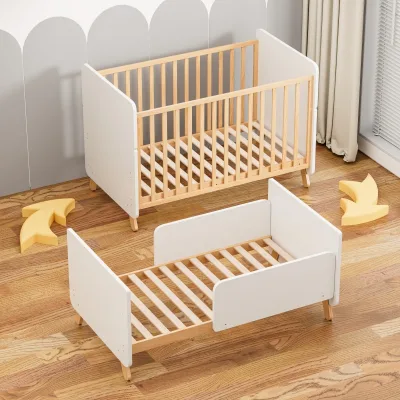
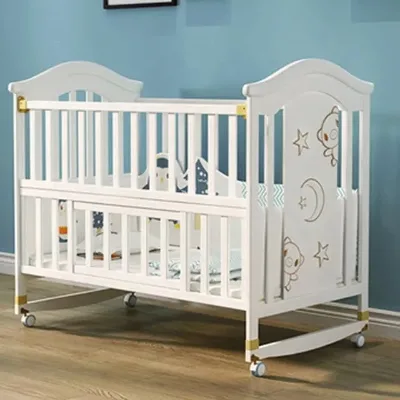
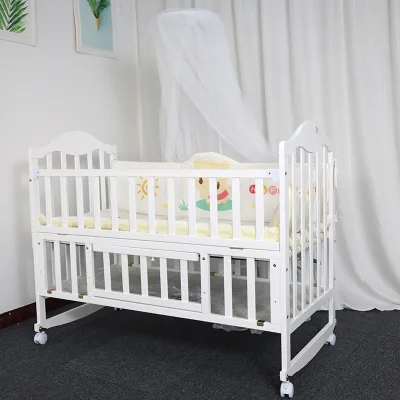
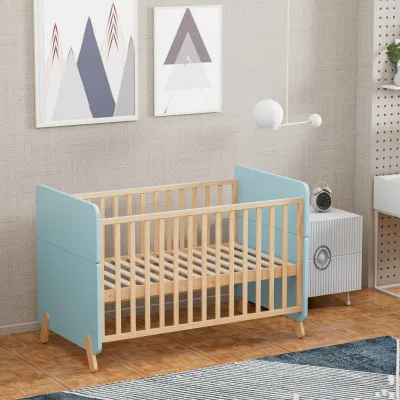


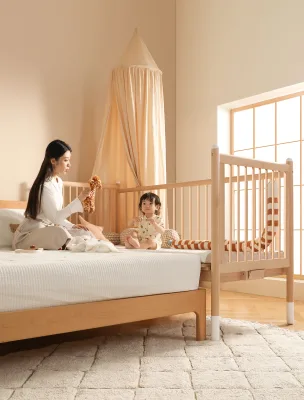
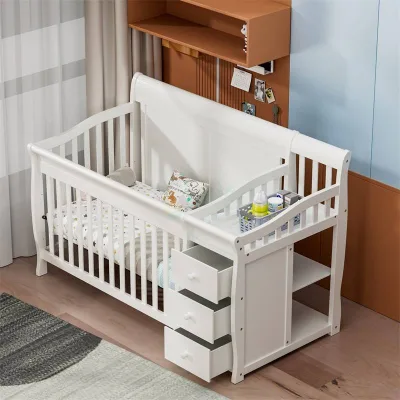
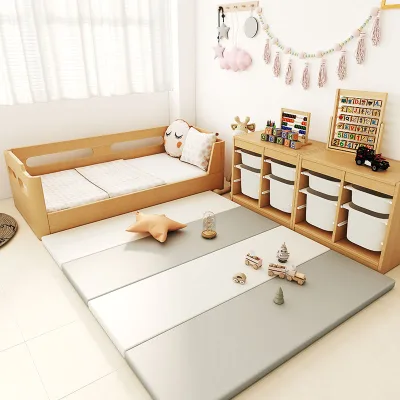


Comprehensive Sourcing Guide
Modern Wooden Baby Bed Supplier Concentration and Factory Types
The current supplier landscape for modern wooden baby beds reveals a distinct concentration of trading companies operating out of Hong Kong S.A.R. and manufacturing bases in Guangdong, China. These entities primarily list core products such as baby cribs, changing tables, and wardrobes, indicating a specialized focus on nursery furniture rather than general household goods. While some suppliers in Zhejiang, China, appear in broader categories like household and daily use products, the specific high-confidence data points to Guangdong as the primary origin for solid wood baby beds and convertible cribs. Buyers should note that the majority of these results identify as trading companies, which often implies a role in sourcing and logistics rather than direct factory ownership, though they may manage production relationships with local workshops.
When assessing the factory type, it is critical to distinguish between pure trading entities and manufacturers who may also operate as trading companies. The available data shows a mix of product attributes, with some items explicitly stating "solid wood" or "pine solid wood" origins, while others focus on design styles like modern or adjustable features. A supplier listing main products as recreation or garden items alongside baby furniture may indicate a diversified catalog rather than a dedicated nursery specialist. Buyers must verify if the supplier's primary business aligns with the specific material and safety requirements of wooden baby beds, as the presence of a trading company label does not guarantee direct control over the manufacturing process or the quality of the wood sourcing.
How to Verify Modern Wooden Baby Bed Suppliers
Verification of suppliers in this category requires a rigorous check of system certifications and business credentials, as safety standards are paramount for nursery furniture. The observed data includes specific certifications such as EPA and CPC, which are essential for products intended for infants and young children. Additionally, some suppliers display BV verification status, providing an external validation of their business operations. Buyers should prioritize suppliers who can demonstrate these specific certifications rather than relying on general claims, as the absence of EPA or CPC data in a product listing suggests a potential compliance gap for the target market. It is also necessary to confirm the validity of these certifications through official databases rather than accepting them solely as listed attributes.
Beyond certifications, buyers must scrutinize response times and verification status to gauge supplier reliability and engagement levels. The data indicates response times ranging from 2 hours to over 13 hours, with some suppliers showing a response time of 13.01 hours. A faster response time often correlates with better communication channels and a more active sales team, which is crucial for resolving technical queries about wood treatments or assembly instructions. Furthermore, the presence of a "BV" verification badge serves as a baseline trust signal, but it should be complemented by checking the supplier's establishment year and history. Buyers should request proof of these credentials directly, ensuring that the listed certifications are current and applicable to the specific model of the Modern Wooden Baby Bed being sourced.
What to Compare Across Modern Wooden Baby Bed Suppliers
Comparing suppliers requires a detailed analysis of key operational metrics such as minimum order quantities, lead times, and pricing structures. The observed data shows a wide variance in MOQs, ranging from as low as 10 pieces for certain convertible cribs to 200 pieces for specific wooden bed designs. Lead times also differ significantly, with some suppliers indicating a lead time of 0 days, while others specify a 30-day production window. Buyers must align these figures with their inventory needs and cash flow constraints, understanding that a lower MOQ might come with a higher unit price or longer lead time. It is essential to compare the price ranges, which span from approximately $9 to over $140, depending on the complexity of the design and the material used, such as solid wood versus other wood composites.
In addition to operational metrics, buyers should evaluate the product attributes and customization options offered by different suppliers. The data highlights features like adjustable designs, mobile rock sleepers, and multifunctional 4-in-1 beds, alongside specific material claims like "solid wood" or "pine." Some suppliers offer OEM and ODM services, allowing for brand customization, while others provide standard models with fixed specifications. Buyers must compare the design styles, such as modern or simple, and the application areas, which include bedrooms, living rooms, and hotels. The availability of customization, such as size adjustments or color options like white, should be weighed against the supplier's ability to maintain consistent quality and adhere to the stated lead times.
Common Modern Wooden Baby Bed Sourcing Risks
One significant risk in sourcing modern wooden baby beds involves the ambiguity of material claims and the potential for misrepresentation of wood quality. While many product listings explicitly state "solid wood" or "pine solid wood," buyers must verify the actual composition to ensure durability and safety. There is a risk that some suppliers may use lower-grade wood or composite materials that do not meet the advertised specifications, potentially leading to structural failures or safety hazards for infants. The presence of certifications like ISO9000 and CCC is a positive indicator, but buyers should not assume that all listed products meet these standards without direct verification. It is crucial to request material test reports to confirm that the wood used is free from harmful chemicals and meets the necessary safety thresholds for children's furniture.
Another critical risk relates to the variability in packaging and shipping conditions, which can affect the final condition of the wooden furniture. The data indicates that some products use mail packing, while others utilize paper cartons or packing bags, with varying degrees of protection. Inadequate packaging can lead to damage during transit, resulting in costly returns or replacements. Additionally, the lead time discrepancies observed, ranging from immediate availability to 30 days, can disrupt supply chain planning if not managed correctly. Buyers must assess the supplier's ability to meet delivery deadlines and ensure that the packaging is robust enough to protect the furniture during international shipping. Failure to address these risks can lead to financial losses and damage to the buyer's reputation with end consumers.
Modern Wooden Baby Bed Regional Sourcing and Logistics
Regional sourcing strategies for modern wooden baby beds are heavily influenced by the geographic concentration of suppliers in Guangdong, China, and Hong Kong S.A.R. These regions offer established logistics networks and access to raw materials, particularly for solid wood products. However, buyers must also consider the implications of sourcing from different locations, such as Zhejiang, where suppliers may have different logistical capabilities and cost structures. The data shows that some products originate from Guangdong, while others list China as the place of origin without specifying the province. Buyers should evaluate the proximity of the supplier to major ports to minimize shipping costs and transit times, ensuring that the logistics chain is efficient and reliable.
Logistics planning must also account for the specific requirements of shipping large, bulky items like baby beds and cribs. The dimensions of the products, such as the 14607741483MM size for certain double cot beds, impact freight costs and container utilization. Buyers should work with suppliers who have experience in handling oversized furniture and can provide accurate shipping estimates. Additionally, the response time of the supplier can affect the speed of logistics coordination, with faster responders potentially offering better support in resolving shipping issues. It is essential to confirm the packaging standards and whether the supplier offers door-to-door delivery services, as this can simplify the import process and reduce the risk of damage during transit.
Modern Wooden Baby Bed Commercial Terms and Order Planning
Commercial terms for modern wooden baby beds vary significantly based on the supplier's policies regarding payment, customization, and order volume. The data indicates that some suppliers accept OEM and ODM requests, allowing for brand customization, while others may have stricter terms regarding minimum order quantities. Buyers must carefully review the pricing structures, which can range from $42 to $140 per unit, and understand how these prices are affected by order size and customization requirements. It is also important to clarify the payment terms, such as whether escrow services are available to protect the buyer's funds until the goods are delivered and inspected.
Order planning should be aligned with the supplier's lead times and production capacity to ensure timely delivery. The observed lead times range from 0 to 30 days, and buyers must factor in these durations when planning their inventory and sales cycles. For suppliers with longer lead times, early ordering is essential to avoid stockouts, while those with shorter lead times may offer more flexibility for last-minute orders. Buyers should also consider the impact of seasonal demand on production schedules and negotiate terms that allow for adjustments in case of unexpected delays. By understanding the commercial terms and planning orders accordingly, buyers can mitigate risks and ensure a smooth procurement process for modern wooden baby beds.
FAQs
What is the price range for modern wooden baby beds?
Prices for modern wooden baby beds typically range from 9.00 to 140.17 USD per unit depending on the specific model and features. Some basic toddler floor beds start around 54.90 USD, while multifunctional solid wood cribs can reach up to 140.17 USD. Buyers should verify exact pricing based on their selected quantity and customization needs.
What are the minimum order quantities for these beds?
Minimum order quantities vary significantly across different product listings, ranging from 10 pieces to 200 pieces. Some convertible cribs require a minimum of 10 units, whereas other modern designs like single beds or double cots often require 200 pieces. Buyers must check the specific product details to confirm the exact MOQ before placing an order.
How long does it take to receive these wooden beds?
Lead times for modern wooden baby beds can vary, with some suppliers indicating a standard production time of 30 days. While certain listings show a lead time of zero days, others require a full month for manufacturing and preparation. Buyers should confirm the specific delivery schedule with the supplier to ensure it meets their project timeline requirements.
Are these baby beds available in solid wood materials?
Yes, many modern wooden baby beds are constructed from solid wood, including pine and other hardwood varieties. Specific product listings confirm materials such as solid wood for cribs and bedroom beds. Buyers looking for durable, natural materials will find several options that explicitly state solid wood construction in their product attributes.
What certifications do these baby beds hold?
Suppliers offering these beds may hold various certifications including EPA, CPC, ISO9000, ISO14001, and CCC. These certifications ensure compliance with safety and environmental standards for children's furniture. Buyers should verify the specific certification documents provided by the supplier to ensure the products meet the regulatory requirements of their target market.
Where are these modern baby beds manufactured?
These modern wooden baby beds are primarily manufactured in Guangdong, China, with some suppliers located in Hong Kong S.A.R. or Zhejiang, China. The place of origin is a key factor for shipping logistics and import duties. Buyers should confirm the specific manufacturing location for each product to understand the supply chain and potential shipping costs involved.
Do suppliers offer OEM or ODM services for these beds?
Many suppliers indicate that OEM and ODM services are acceptable for modern wooden baby beds. This allows buyers to customize designs, branding, and specifications to meet their specific market needs. Buyers interested in private labeling or custom designs should discuss these requirements directly with the supplier to confirm feasibility and additional costs.