Montessori Educational Sensory Board Suppliers and Manufacturers
Source 27 verified suppliers for Montessori Educational Sensory Board products. Compare key dimensions including Zhejiang and Hunan locations, CE and EN 71 certifications, and response times. Review pricing and MOQs to identify suitable partners for your procurement needs; review the available evidence before requesting comparable quotations from suitable candidates.
Suppliers List
- Manufacturer, Trading Company
- Zhejiang, China
- Lead time0 days
- Avg. response≤ 4h
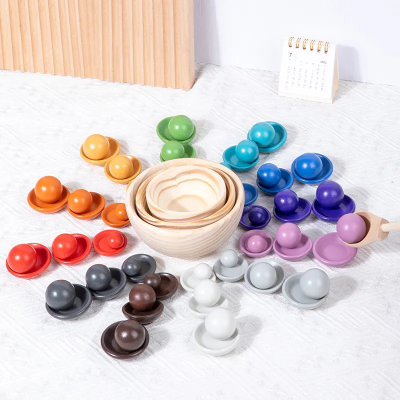
Montessori Sensory Toys Wooden Color Recognition Game Math Learning Toys Fine Motor Skills Training
$17.47 - $20.55
MOQ: 2 pieces



Yiwu B&T Crafts & Arts Co., Ltd.
- Trading Company
- Zhejiang, China
- Lead time12 days
- Avg. response≤ 3h
Main productsChildren Toys, Stationery, Singing Bowl
Main marketsNorth America(40.00%), Western Europe(10.00%), South Asia(5.00%), South America(5.00%), Oceania(5.00%), Southern Europe(5.00%), Eastern Asia(5.00%), Central America(5.00%), Northern Europe(5.00%), Eastern Europe(5.00%), Mid East(5.00%), Southeast Asia(5.00%)
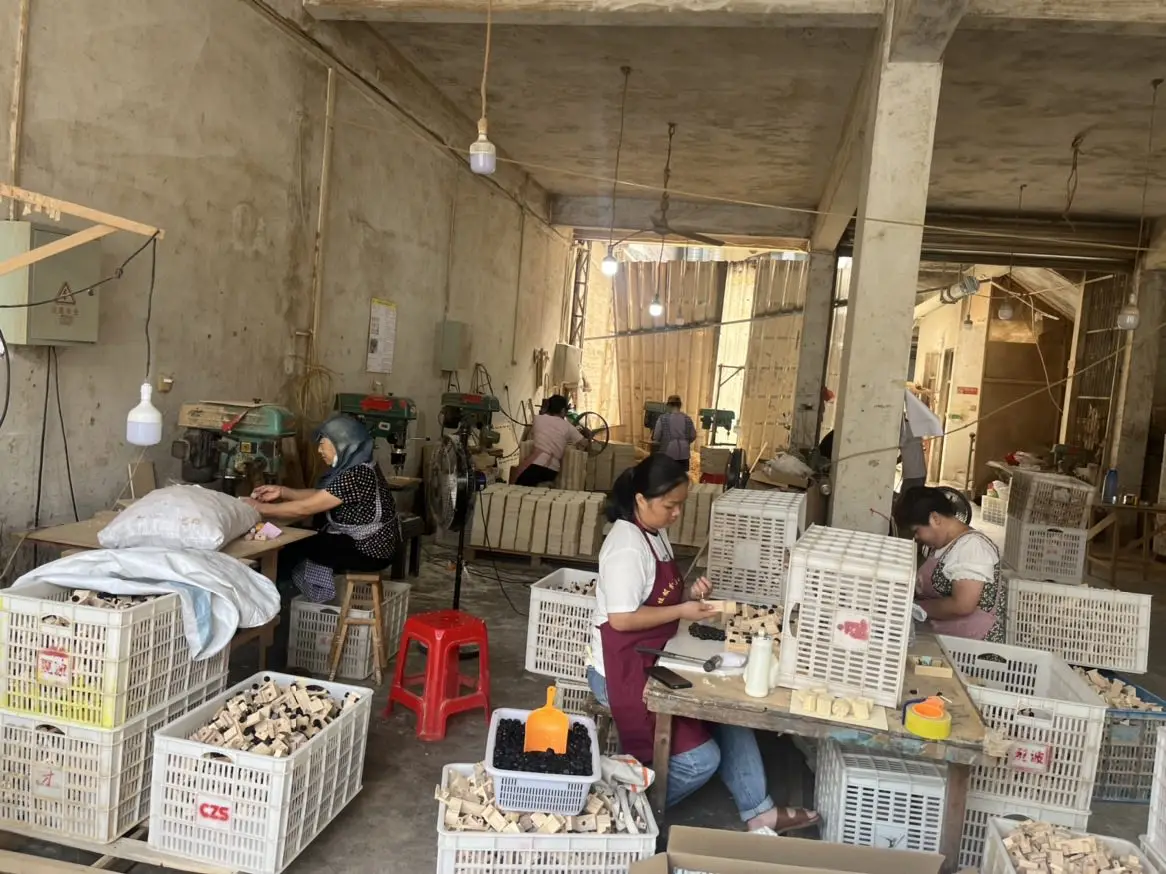
- Trading Company
- Zhejiang, China
- Lead time7 days
- Avg. response≤ 2h
Main productsKids Toy,Educational Toys,Wooden Toys,Baby Supplies,Stationery
Main marketsNorth America(40.00%), Eastern Europe(30.00%), Northern Europe(20.00%), South America(10.00%)
Joray International Trading Co., Ltd.
- Verified by SGS Group
- Manufacturer, Trading Company
- Hunan, China
- Lead time0 days
Main productsEducational Wooden Toys, Montessori Toy, Wooden Puzzles, Role Play Toys, Plastic Toys
Main marketsSouth America(30%), North America(20%), Southeast Asia(20%)
Hangzhou Xihuage Cultural Creativity Co., Ltd.
- Verified by Intertek
- Trading Company
- Lead time90 days
Main productsEducational Toys, Building Block, Role Play & Pretend Play Toy, Stress-Relief Toys, Pen
Main marketsNorth America(50%), Western Europe(20%), Eastern Europe(15%)

- Verified by TUVRHEINLAND
- Trading Company
- China Zhejiang
- Lead time15 days
- Avg. response≤ 14h
Main productsLED Solar Light, Festival Lights, Table Lamp, LED Grow Lights, LED Light Strip, Smart Lights, LED Light String, Decorative Light, LED Head Light, LED Professional Lights
Main marketsSouth America,Europe,North America

Electronic Learning Sensory Funny Cute Intelligence Educational Montessori Board Wooden for Kids
$3.65 - $3.73
MOQ: 200 Pieces


Hai Yang International Limited
- Verified by SGS
- Trading Company,Manufacturer/Factory
- China Zhejiang
- Lead time60 days
- Avg. response≤ 5h
Main productsWooden Toy, Montessori Material, Wooden Educational Toys, Wooden Puzzle, Wooden Blocks, Wooden Train Set, Wooden Nutcrackers, Wooden Crafts, Wooden Dolls, Wooden Chess
Main marketsEastern Europe,Mid East,North America,Southeast Asia,Eastern Asia,Oceania


Wholesale Custom Sensory Activity Double-Sided Design Montessori Kids Busy Board
$0.98 - $1.98
MOQ: 100 Pieces

Beijing Ulike Technology Co., Ltd.
- Trading Company,Manufacturer/Factory
- China Beijing
- Lead time23 days
- Avg. response≤ 7h
Main productsHome Storage, Laundry and Kitchen Products
Main marketsSouth America,Mid East,North America,Southeast Asia,Eastern Asia,Western Europe


Montessori Sensory Board Travel Toys Learning Educational Activity Felt Busy Board
$3.90
MOQ: 1000 Pieces


PIN INTERNATIONAL (NINGBO) LTD.
- Verified by TUVRHEINLAND
- Manufacturer/Factory
- China Zhejiang
- Lead time90 days
- Avg. response≤ 3h
Main productsWooden Toys Kids Toys Educational Toys, Arts and Crafts, Stem Toys, DIY Products, Subscription Box for Kids
Main marketsSouth America,Eastern Europe,North America,Eastern Asia,Western Europe

Educational Learning Toys Montessori Letter Tracing Board Alfabet Learning Writing Board
$5.27 - $6.45
MOQ: 500 Pieces

Baby Sensory Learning Toy Montessori Educational Felt Busy Activity Board for Toddler
$2.65 - $2.76
MOQ: 1000 Pieces


Educational Crack-Resistant Wooden Toddlers Montessori Activity Board for Skill Practice
$2.00 - $15.00
MOQ: 500 Pieces

WENZHOU TIMES ARTS&CRAFTS CO., LTD.
- Verified by SGS
- Manufacturer/Factory
- China Zhejiang
- Lead time23 days
- Avg. response≤ 5h
Main productsToys, Montessori Toys, Wooden Toy, Educational Toy, Role Play Toys, Children Furniture, Puzzle, Kid Bike, Musical Toy, Wooden Blocks
Main marketsSouth America,Eastern Europe,Mid East,North America,Southeast Asia,Eastern Asia,Oceania,Western Europe,Africa

Montessori Educational Activity Sensory Toy Soft Felt Busy Board for Kids W12D476b
$2.00 - $8.00
MOQ: 100 Pieces

Customize Educational Foldable Wooden Montessori Sensory Board for Toddlers W12D309
$10.00 - $20.00
MOQ: 100 Pieces

Customize Montessori Educational Busy Wooden Sensory Board for Toddlers W12D324
$10.00 - $20.00
MOQ: 100 Pieces

Customize Montessori Educational Wooden Montessori Activity Board for Kids W12D328
$8.00 - $15.00
MOQ: 100 Pieces

New Sale Busy Montessori Educational Wooden Sensory Board for Babies W12D323
$3.00 - $8.00
MOQ: 100 Pieces


- Verified by TUVRHEINLAND
- Trading Company
- China Zhejiang
- Lead time23 days
- Avg. response≤ 7h
Main productstoys
Main marketsSoutheast Asia/ Mideast,Europe,Australia


Wooden Busy Board Montessori Toy Activity Board with Button and Lace Toddler
$3.79 - $3.99
MOQ: 24 sets


Wooden Busy Board Toddler Activity Board with Locks and Latches Promotes Sensory Learning Travel Toy
$9.08 - $9.71
MOQ: 12 sets

Hebei Walutz Import and Export Trading Co., Ltd
- Verified by SGS
- Trading Company
- China Hebei
- Lead time15 days
- Avg. response≤ 1h
Main productsFelt Bags, Wool Dryer Balls, Felt Polishing Products, Felt Letter Board, Industrial Felt, Christmas Gifts, Felt Diaper Bags, Felt Storage Bags, Felt Organizer Bags, Household Felt
Main marketsSouth America

Felt Activity Toddler Busy Board Sensory Learning Felt Board for Kids Montessori Toys Busy Board
$3.75 - $4.92
MOQ: 500 Pieces


$3.75 - $4.92
MOQ: 500 Pieces


$3.75 - $4.92
MOQ: 500 Pieces

Lishui Zhangzhongbao Toys Co., Ltd.
- Trading Company,Manufacturer/Factory
- China Zhejiang
- Lead time30 days
- Avg. response≤ 2h
Main productsWooden Toys, Educational Toys, Doll House, Kitchen Toy, Wooden Bike
Main marketsSouth America,Eastern Europe,Mid East,North America,Southeast Asia,Eastern Asia,Oceania,Western Europe,Africa

Montessori Busy Board for Toddlers Activity Board for Kids Wooden Sensory Toys Z12341d
$4.00 - $10.00
MOQ: 1000 Pieces

Montessori Early Educational Toy Wooden Number Learning Board for Kids Z12164f
$15.00 - $20.00
MOQ: 1000 Pieces

Hot Selling Montessori Activity Sensory Toy Wooden Busy Board for Kids Z12605D
$8.00 - $15.00
MOQ: 1000 Pieces


High Quality Montessori Activity Learning Wooden Busy Board House for Kids Z12556D
$12.00 - $18.00
MOQ: 1000 Pieces
Wenzhou Magic Color Technology Co., Ltd.
- Manufacturer, Trading Company
- Zhejiang, China
- Lead time40 days
- Avg. response≤ 4h
Main productstoy,wooden toy,children toy,kids toy,baby toy
Main marketsNorthern Europe(30.00%), North America(10.00%), Eastern Europe(10.00%), Western Europe(10.00%), Southeast Asia(7.00%), Africa(7.00%), Domestic Market(6.00%), Mid East(6.00%), Eastern Asia(4.00%), South America(4.00%), Oceania(2.00%), South Asia(2.00%), Southern Europe(2.00%)
- Verified by SGS Group
- Manufacturer, Trading Company
- Lead time20 days
Main productsWooden Toys, Educational Toys, Montessori Toys, Jigsaw Puzzles, Kids Toys
Main marketsNorth America(20%), Eastern Europe(20%), South America(11%)

Ningbo Hardwork Art & Craft Co., Ltd.
- Verified by BV
- Combined
- China Zhejiang
- Lead time15 days
- Avg. response≤ 8h
Main productsDIY Kit, Stamp, Wooden Craft, Book
Main marketsEurope

- Verified by TUVRHEINLAND
- Trading Company
- China Zhejiang
- Lead time15 days
- Avg. response≤ 12h
Main productsWooden Toy, Outdoor Product, Kitchen Item, Personal Care Tool, Painting Set, Disk Rack, Yoga, Garden
Main marketsSouth America,Europe,North America
Hape International (ningbo) Ltd.
- Verified by TüVRheinland
- Manufacturer, Trading Company
- Lead time45 days
Main productsWooden Toys, Educational Toys, Montessoris, Plush Toys, Plastic Toys
Main marketsNorthern Europe(32%), Domestic Market(22%), North America(11%)
Nangong Kangnai Felt Products Co., Ltd.
- Verified by TüVRheinland
- Manufacturer, Trading Company
- Lead time0 days
Main productsFelt Children's Busy Board, Felt Bag, Felt Mat, Christmas Pendant, Felt
Main marketsDomestic Market(50%), North America(30%), Oceania(10%)


Montessori Free Felt Toddler Busy Board with Removable Zipper Sturdy Handle for Brain Develop
$4.50 - $4.80
MOQ: 200 pieces
- Verified by TüVRheinland
- Manufacturer, Trading Company
- Lead time18 days
Main productsWooden Toys
Main marketsDomestic Market(30%), Western Europe(25%), North America(20%)
NINGBO JIUCHUANG COMMODITY CO.,LTD
- Manufacturer
- Zhejiang, China
- Lead time15 days
- Avg. response≤ 16h
Main productsCat Cardboard House,Doodle Paper House,Paper Display Shelve,Greeting Card,Stationery Gifts
Main marketsDomestic Market(65.00%), Northern Europe(15.00%), North America(10.00%), Eastern Asia(10.00%)
Hebei New Future Trading Co.,Ltd.
- Trading Company
- Hebei, China
- Lead time10 days
- Avg. response≤ 1h
Main productsMontessori Toys Busy Board,Busy Book,Felt Story Board,Felt Grow Bag,Felt Festival Product
Main marketsNorth America(39.00%), Western Europe(35.00%), Oceania(5.00%), Eastern Europe(5.00%), Southeast Asia(3.00%), Africa(3.00%), Central America(2.00%), South America(2.00%), Northern Europe(2.00%), Mid East(2.00%), Southern Europe(1.00%), Eastern Asia(1.00%)


$2.78 - $5.76
MOQ: 5 pieces

Shantou Rong Yuan Toys Co., Limited
- Manufacturer
- Guangdong, China
- Lead time20 days
- Avg. response≤ 4h
Main productsBaby Activity Gym,Baby Educational Toys,Baby Music Toy,Baby Walker,Other Baby Toys
Main marketsNorth America(56.00%), Domestic Market(28.00%), South America(4.00%), Northern Europe(4.00%), Western Europe(4.00%), Eastern Europe(4.00%)
Wenzhou High And Long Co., Ltd.
- Trading Company
- Zejiang, China
- Lead time30 days
- Avg. response≤ 3h
Main productsKids Toys,Wall Clock,Gifts,Sticker
Main marketsWestern Europe(40.00%), Eastern Asia(40.00%), Mid East(10.00%), North America(10.00%)
BILLION ARTS (HUIZHOU) CO., LTD.
- Verified by TüVRheinland
- Manufacturer, Trading Company
- Guangdong, China
- Lead time45 days
Main productsKids Furniture, Climbing, Pet Furniture, Doll House, Play Kitchen
Main marketsNorth America(46%), Western Europe(28%), Southern Europe(9%)

Jiangxi Hand by Hand E-commerce Co., Ltd
- Verified by TUVRHEINLAND
- Trading Company
- China Jiangxi
- Lead time15 days
- Avg. response≤ 4h
Main productsPlastic Toys, Educational Toys, Baby Toys, RC Toys, Pretend Play Toys, Doll Toys, Robot Toys, Summer Toys, Sport Toys
Main marketsOthers(foreignTradeCapacity.exportBusinessCapacityMarketOther)

- Verified by CTI
- Trading Company
- China Guangdong
- Lead time23 days
- Avg. response≤ 7h
Main marketsSouth America,Africa,Southeast Asia/ Mideast,East Asia(Japan/ South Korea),Domestic,Europe,Australia,North America

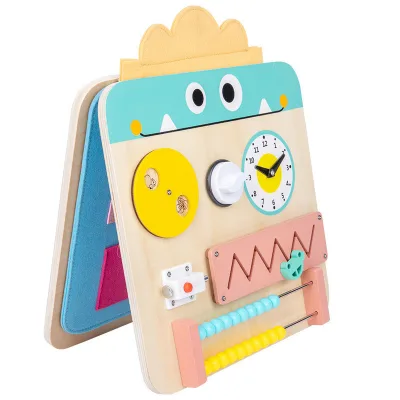


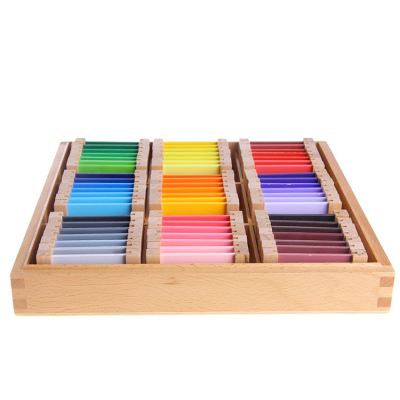

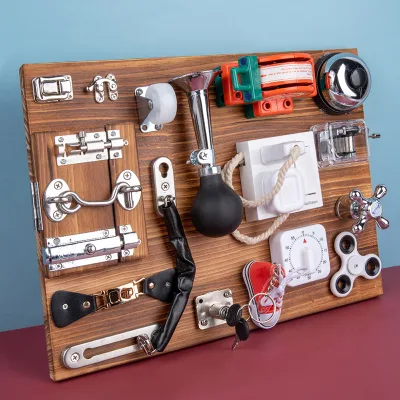


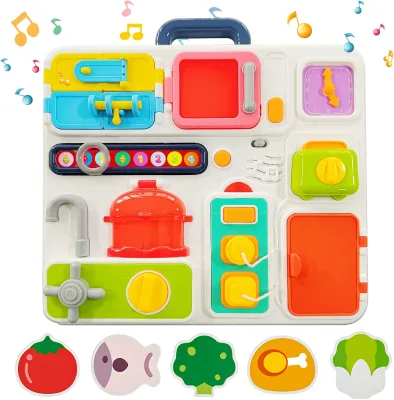


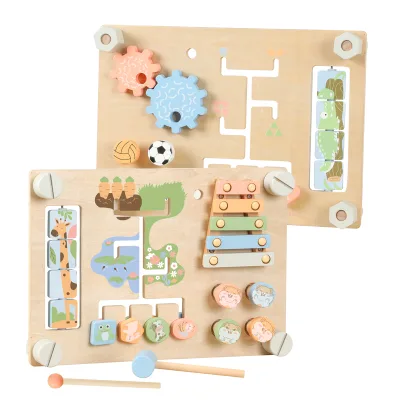
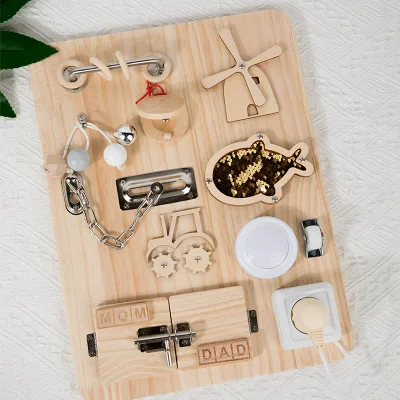


Comprehensive Sourcing Guide
Montessori Educational Sensory Board Supplier Concentration and Factory Types
The sourcing landscape for Montessori Educational Sensory Board products reveals a distinct concentration of manufacturing activity within specific industrial regions of China, with Zhejiang emerging as a primary hub for production. This geographic clustering suggests a mature supply chain ecosystem where raw material availability, specialized woodworking machinery, and skilled labor converge to support high-volume output. Buyers evaluating potential partners should recognize that suppliers located in this region often benefit from established logistics networks and competitive pricing structures driven by economies of scale. However, the presence of manufacturers in this area does not guarantee uniform quality, as the density of suppliers can vary significantly in terms of operational maturity and compliance standards. It is crucial for buyers to distinguish between pure manufacturing entities and trading companies that may operate out of the same industrial parks but offer different value propositions regarding inventory flexibility and product customization.
Company types in this sector are diverse, ranging from dedicated factories that control the entire production lifecycle to trading companies that aggregate products from multiple smaller workshops. Factories typically offer greater transparency regarding material sourcing and production processes, which is vital for products intended for young children where safety and non-toxic materials are paramount. Trading companies, on the other hand, may provide a broader catalog of Montessori Educational Sensory Board variations, including specialized items like busy boards with puzzle pictures or wall-mounted sensory activities. When assessing supplier types, buyers should look for evidence of in-house production capabilities, such as detailed product attributes specifying material composition and manufacturing origins. Understanding whether a supplier is a manufacturer or a trader helps in negotiating better terms, as manufacturers often have more control over lead times and cost structures, while traders might offer more flexible minimum order quantities for mixed product orders.
How to Verify Montessori Educational Sensory Board Suppliers
Verification of suppliers dealing in Montessori Educational Sensory Board products requires a rigorous approach to validating claims about safety, compliance, and operational reliability. Buyers must prioritize suppliers who display recognized international certifications, as these serve as critical indicators of adherence to strict safety standards for children's toys. For instance, the presence of CE and CPC certifications is a strong signal that a supplier’s products meet European and American safety requirements, respectively. Additionally, verification through third-party inspection services, such as SGS Group, adds an extra layer of credibility by confirming that the supplier’s operations and product quality have been independently assessed. Buyers should actively request and review these certification documents to ensure they are current and applicable to the specific product lines being considered, rather than accepting generic claims without proof. This due diligence is essential to mitigate risks associated with regulatory non-compliance, which can lead to costly recalls or legal issues in target markets.
Beyond certifications, verifying the responsiveness and operational efficiency of a supplier is equally important for a smooth sourcing experience. Buyers should evaluate the supplier’s response time, as quick and professional communication often reflects a well-organized internal process and a customer-centric approach. A supplier with a rapid response time is more likely to address queries about product specifications, customization options, and shipping details efficiently, reducing the potential for misunderstandings. Furthermore, checking the supplier’s verification status and historical performance data can provide insights into their reliability and consistency. Buyers should look for patterns in supplier behavior, such as consistent adherence to quoted lead times and accurate product descriptions. Engaging in direct communication to ask specific questions about production capabilities and quality control measures can also reveal the depth of a supplier’s expertise and their commitment to delivering high-quality Montessori Educational Sensory Board products.
What to Compare Across Montessori Educational Sensory Board Suppliers
When comparing suppliers for Montessori Educational Sensory Board products, buyers should focus on key operational metrics that directly impact cost, speed, and flexibility. Minimum order quantities (MOQ) vary significantly across the market, with some suppliers offering low MOQs suitable for small businesses or trial orders, while others require larger volumes to maintain profitability. For example, certain suppliers may have an MOQ of just two pieces for specific items, whereas others might require orders of over one hundred units. Understanding these thresholds is crucial for aligning supplier capabilities with the buyer’s inventory strategy and cash flow constraints. Additionally, comparing price ranges is essential, as costs can fluctuate based on material choices, complexity of design, and order volume. Buyers should analyze the price per unit across different suppliers to identify competitive rates without compromising on quality, keeping in mind that extremely low prices may indicate inferior materials or production shortcuts.
Lead times and response speeds are another critical dimension for comparison, as they influence supply chain agility and customer satisfaction. Suppliers with shorter lead times can help buyers respond more quickly to market demands and reduce inventory holding costs. For instance, some suppliers may offer lead times as short as seven days, while others might require up to twelve days for production and preparation. Response time, measured in hours, also plays a role in the overall efficiency of the sourcing process, with faster responses indicating a more proactive supplier. Buyers should also consider the main products offered by each supplier, as those specializing in educational toys or wooden crafts may have deeper expertise and better quality control in this niche. By systematically comparing these factors, buyers can identify suppliers that best match their specific operational needs and strategic goals, ensuring a balanced approach to cost, speed, and quality.
Common Montessori Educational Sensory Board Sourcing Risks
Sourcing Montessori Educational Sensory Board products involves several inherent risks that buyers must proactively manage to ensure a successful procurement process. One significant risk is the variability in product quality, particularly regarding the materials used and the finish of the wooden components. Since these toys are designed for young children, any defects in wood treatment, such as splinters or toxic finishes, can pose serious safety hazards. Buyers must be vigilant in verifying that suppliers adhere to strict quality control standards and use non-toxic, eco-friendly materials as claimed. Failure to do so can result in product failures, customer complaints, and potential legal liabilities. Additionally, the complexity of sensory boards, which often include multiple moving parts, puzzles, and interactive elements, increases the likelihood of mechanical failures or durability issues if not manufactured with precision.
Another common risk is the discrepancy between quoted terms and actual delivery, particularly concerning lead times and minimum order quantities. Suppliers may initially quote attractive prices and short lead times to secure orders, but later encounter production delays or impose higher MOQs than initially stated. This can disrupt the buyer’s supply chain and lead to stockouts or excess inventory. Furthermore, there is a risk of intellectual property infringement if suppliers use copyrighted designs or branding without authorization. Buyers should ensure that all products are original or properly licensed to avoid legal disputes. To mitigate these risks, buyers should establish clear contracts with specific clauses regarding quality standards, delivery schedules, and penalties for non-compliance. Regular communication and periodic quality inspections during production can also help identify and address issues before they escalate, ensuring a smoother sourcing experience.
Montessori Educational Sensory Board Regional Sourcing and Logistics
Regional sourcing plays a pivotal role in determining the efficiency and cost-effectiveness of procuring Montessori Educational Sensory Board products. Suppliers located in Zhejiang, China, benefit from a robust industrial infrastructure that supports the manufacturing and export of wooden toys and educational materials. This region’s proximity to major ports and logistics hubs facilitates faster and more reliable shipping, reducing transit times and associated costs. Buyers should consider the logistical advantages of sourcing from this region, as it can lead to more predictable delivery schedules and lower freight expenses. However, it is important to note that not all suppliers are located in this specific area, and buyers may find alternatives in other regions with different logistical profiles. Understanding the geographic distribution of suppliers helps buyers make informed decisions about where to source their products based on their specific logistical needs and target markets.
Logistics planning must also account for the packaging and weight of Montessori Educational Sensory Board products, which can vary significantly depending on the design and materials used. For example, some busy boards are designed to be foldable or compact, reducing shipping volume and costs, while others may be larger and heavier, requiring more robust packaging and higher freight rates. Buyers should work closely with suppliers to optimize packaging solutions that protect the products during transit while minimizing shipping costs. Additionally, considering the environmental impact of packaging materials is increasingly important, as many buyers and consumers prefer eco-friendly options. By aligning sourcing decisions with logistical realities, buyers can enhance their supply chain efficiency and reduce overall procurement costs. This involves not only selecting the right suppliers but also collaborating with them to develop sustainable and cost-effective logistics strategies.
Montessori Educational Sensory Board Commercial Terms and Order Planning
Effective order planning for Montessori Educational Sensory Board products requires a thorough understanding of commercial terms and their impact on the overall procurement strategy. Buyers should carefully review payment terms, such as the use of escrow services, to ensure secure transactions and protect against fraud. Escrow services provide a layer of security by holding funds until the buyer confirms receipt and satisfaction with the products, reducing financial risk. Additionally, buyers should negotiate clear terms regarding shipping responsibilities, such as Incoterms, to determine who bears the cost and risk of transportation. Understanding these commercial terms helps buyers avoid unexpected expenses and ensures a transparent and fair trading relationship. It is also advisable to establish a clear communication channel for addressing any issues that may arise during the order process, fostering a collaborative partnership with the supplier.
Order planning should also consider the lifecycle of the products and the potential for repeat orders or customization. Buyers should assess the supplier’s ability to handle volume increases and accommodate design changes, which is crucial for scaling operations. For instance, suppliers with flexible production capabilities can quickly adapt to new trends or customer preferences, providing a competitive advantage. Buyers should also plan for inventory management, considering factors such as lead times and MOQs to optimize stock levels and minimize holding costs. By integrating commercial terms and order planning into a cohesive strategy, buyers can enhance their operational efficiency and responsiveness to market changes. This involves not only selecting the right suppliers but also building long-term relationships that support continuous improvement and mutual growth in the Montessori Educational Sensory Board market.
FAQs
What is the price range for Montessori sensory boards?
Prices for Montessori sensory boards typically range from approximately 3.26 to 30.63 USD per unit. The final cost depends on the specific model, material quality, and order quantity. Buyers should check the minimum order quantity to determine the exact per-unit price for their specific procurement needs.
What materials are used in these educational toys?
Most Montessori sensory boards are constructed from wood or wooden materials. These eco-friendly options are designed for early childhood education and fine motor skill training. Some products feature specific colors like seven colors or interactive wooden clock calculation boxes to enhance the learning experience for children.
What are the minimum order quantities for these items?
Minimum order quantities vary significantly by supplier and product type. Some items require as few as two pieces, while others may demand 101 units or more. Buyers should verify the specific MOQ for each product listing to ensure it aligns with their inventory requirements and budget constraints.
Where are these manufacturers located?
Manufacturers of these educational toys are primarily located in Zhejiang and Hunan, China. These regions are known for producing wooden toys and educational materials. Buyers can filter suppliers by these locations to potentially reduce shipping costs and lead times when sourcing bulk orders of sensory boards.
What certifications do these suppliers hold?
Suppliers often hold certifications such as CE, CPC, EN 71, and ASTM F963. These standards ensure the toys meet safety requirements for children. Some suppliers are also verified by SGS Group. Buyers should request valid certificates to confirm compliance with international safety and quality standards for educational products.
How quickly do suppliers respond to inquiries?
Response times for these suppliers typically range from two to four hours. Fast response rates indicate active customer service teams ready to assist with sourcing questions. Buyers can expect prompt replies when inquiring about product details, pricing, or customization options for Montessori sensory boards and related educational toys.
What is the typical lead time for orders?
Lead times for these products vary, with some suppliers offering seven to twelve days for production and delivery. The exact timeline depends on the order volume and specific product requirements. Buyers should confirm the lead time with the supplier before placing an order to ensure timely delivery for their business needs.