Foldable Platform Trolley Cart Suppliers and Manufacturers
Source 18 verified suppliers for Foldable Platform Trolley Cart options. Compare grounded dimensions including lead times, MOQs, certifications, and response rates. Review product specs and request quotes to streamline your procurement process; review the available evidence before requesting comparable quotations from suitable candidates.
Suppliers List

Suzhou Highbright Enterprise Limited
- Combined
- China Jiangsu
- Lead time30 days
- Avg. response≤ 4h
Main productsShopping Trolley, Shopping Cart, Gondola Shelf, Display Shelf, Shop Fittings, Store Fixtures, Roll Container, Shopping Basket, Checkout Counter, Swing Gate
Main marketsSouth America,Africa,Southeast Asia/ Mideast,East Asia(Japan/ South Korea),Europe,Australia,North America
Shandong Phoenixking Group Co., Ltd
- Verified by SGS
- Trading Company
- China Shandong
- Lead time15 days
- Avg. response≤ 25h
Main productsWheelbarrow, Shelf
Main marketsDomestic

Hand Trolley Foldable Silence Wheels Trolley Platform Trolley Folding Cart
$14.00 - $17.00
MOQ: 500 Pieces


Heavy Duty Foldable Platform Trolley Hand Cart for Easy Transport of 200kg
$14.00 - $17.00
MOQ: 500 Pieces

Suzhou Jintu Metal Working Co., Limited
- Manufacturer/Factory
- China Jiangsu
- Lead time23 days
- Avg. response≤ 6h
Main productsSupermarket Shelf, Storage Rack, Shopping Trolley, Display Stand, Airport Trolley, Shop Fittings, Wire Shelving, Check out Counter, Supermarket Shopping Basket, Pallet Racking
Main marketsSouth America,Eastern Europe,Mid East,North America,Southeast Asia,Eastern Asia,Oceania,Western Europe,Africa
Shandong Wilk Kitchen Equipment Co., Ltd
- Verified by SGS
- Trading Company
- China Shandong
- Lead time15 days
- Avg. response≤ 1h
Main productsStainless Steel Worktable, Stainless Steel Sink, Stainless Steel Shelf, Commercial Rice Steamer, Commercial Gas Stove, Refrigeration Equipment, Western Kitchen Equipment, Bakery Equipment, Cleaning&Sterilizing Equipment, Changing Room Equipment
Main marketsSoutheast Asia/ Mideast


Foldable Stainless Steel Platform Hand Truck Trolley Cart Capacity 300kg
$50.00 - $140.00
MOQ: 10 Sets

Wholesale Heavy-Duty Stainless Steel Foldable Trolley Hand-Build Platform Cart
$50.00 - $140.00
MOQ: 10 Sets


Wuxi Buytool Industrial Equipment Co., Ltd.
- Verified by SGS
- Trading Company,Manufacturer/Factory
- China Jiangsu
- Lead time30 days
- Avg. response≤ 5h
Main productsHydraulic Lift Table, Electric Lift Table, Stackers, Pallet Truck/Pallet Jack, Drum Handling Equipment, Drum Truck, Packaging Machine, Forklift, Oil Drum Carrier, Roller Lifter
Main marketsSouth America,Eastern Europe,Mid East,North America,Southeast Asia,Eastern Asia,Oceania,Western Europe,Africa

Difanmax Tech Lianyungang Co., Ltd.
- Verified by BV
- Manufacturer/Factory
- China Jiangsu
- Lead time23 days
- Avg. response≤ 4h
Main productsConsumer Electronics, Kinesiology Tape Adhesive Tapes, Industrial Tools, Home & Garden, Gifts & Crafts, Sport Products Entertainment, Health & Medical, Auto Parts E-Bike Auto Tools & Components, Clothes Apparel, Bicycle Hardware Laboratory Measuring Protective
Main marketsSouth America,North America,Southeast Asia,Oceania,Western Europe

- Trading Company,Manufacturer/Factory
- China Guangdong
- Lead time45 days
- Avg. response≤ 6h
Main productsStainless Steel Trolley, Mobile Trolley, Flatform Trolley, Bakery Trolley, Trash Bag Holder, Insulated Container, Stock Pot, Worktable, Kitchen Sink, Buffet
Main marketsSouth America,Eastern Europe,Mid East,North America,Southeast Asia,Eastern Asia,Oceania,Western Europe,Africa

Stainless Steel Hand Pushed Foldable Platform Trolley Cart for Transport
$39.50 - $43.00
MOQ: 30 Pieces


Foshan Yougu Storage Equipment Co., Ltd
- Verified by BV
- Combined
- China Guangdong
- Lead time15 days
- Avg. response≤ 2h
Main productsMetal Pallet, Rack, Steel Container, Stillage, Roll Container, Metal Storage Equipment, Metal Cage, Trolley, Steel Pallet, Wire Mesh Container
Main marketsAustralia,North America

Suzhou Shunhong Metallic Products Co., Ltd.
- Trading Company,Manufacturer/Factory
- China Jiangsu
- Lead time23 days
- Avg. response≤ 11h
Main productsShopping Cart, Roll Container, Warehouse Trolley, Storage Cage, Shopping Basket, Shopping Trolley, Supermarket Cart, Hand Push Cart, Wire Mesh Cages, Checkout Counter
Main marketsSouth America,Eastern Europe,Mid East,North America,Southeast Asia,Eastern Asia,Oceania,Western Europe,Africa

Flat Trolley Folded Cart Foldable Hand Platform Cart Movable Trolley Industrial Trolley Push Cart
$45.00 - $55.00
MOQ: 100 Pieces


Warehouse Logistic Metal Trolley Warehouse Hand Cart Platform Truck Supermarket Logistics Trolley
$45.00 - $55.00
MOQ: 100 Pieces

Yongkang Fushi Household Products Co., Ltd.
- Combined
- China Zhejiang
- Lead time30 days
- Avg. response≤ 6h
Main productsLadder, Single Straight Telescopic Ladder, Roof Top Tent Ladder, a Type Used Ladder, Multi-Purpose Ladder, Little Giant Ladder, Household Ladder, Magic Folding Ladder, Double Used Ladder, Fast Foling Ladder
Main marketsEast Asia(Japan/ South Korea),Australia,North America
Guangzhou Orda Logistics System Co., Ltd
- Verified by CTI
- Combined
- China Guangdong
- Lead time30 days
- Avg. response≤ 1h
Main productsTrolley, Roll Container, Hand Cart, Auto Parts Pallet, Wire Mesh Container, Metal Container, Stack Rack, Steel Pallets, Bicycle Rack
Main marketsEast Asia(Japan/ South Korea),Domestic,Europe,North America

Hubei Space Double Rhombus Logistics Technology Co., Ltd.
- Manufacturer/Factory,Group Corporation
- China Hubei
- Lead time23 days
- Avg. response≤ 9h
Main productsCaster, Wheel, Airport Trolley, Check-in Counter, Queue Stand, Airport Chair, Wheelchair, Commode Chair, Walker, Walking Sticker
Main marketsSouth America,Eastern Europe,Mid East,North America,Southeast Asia,Eastern Asia,Oceania,Western Europe,Africa
Nanjing Toutru Trading Co., Ltd.
- Trading Company,Manufacturer/Factory
- China Jiangsu
- Lead time45 days
- Avg. response≤ 22h
Main productsHand Tool
Main marketsSouth America,Eastern Europe,Western Europe,Africa

- Manufacturer
- China Zhejiang
- Lead time0 days
- Avg. response≤ 8h
Main productsLadder, Multi-Purpose Ladder, Telescopic Ladder, Householder Ladder, Work Platfrom, Scaffolding Ladder, Multi-Functional Ladder, Steel Ladder, Aluminum Ladder, Step Ladder

Collapsible Folding Trolley Cart with Wheels for Easy Transport and Storage
$21.58 - $22.98
MOQ: 100 Pieces

Heavy-Duty Folding Platform Truck Trolley with Plastic Deck (150kg Capacity)
$27.78 - $28.98
MOQ: 100 Pieces
Dongguan Baoyu Hardware Products Co., Ltd.
- Manufacturer, Trading Company
- Guangdong, China
- Lead time25 days
- Avg. response≤ 3h
Main productsShopping Cart; Flatbed Trolley; Luggage Cart; Storage Box; Hand Cart
Main marketsDomestic Market(60.00%), North America(20.00%), Western Europe(10.00%), Mid East(5.00%), Eastern Asia(5.00%)

Dongguan Simply Metal Products Co., Ltd.
- Trading Company
- China Guangdong
- Lead time23 days
- Avg. response≤ 8h
Main productsWire Shelving, Wire Shelving Units, Shelving, Shelf, Wire Wall Shelf, Wire Rack Shelving, Wire Storage Racks, Wire Racks, Metal Wire Shelving, Wire Storage Shelves
Main marketsSouth America,Africa,Southeast Asia/ Mideast,Europe,Australia,North America
Yichu (Qingdao) Kitchen Equipment Co., Ltd
- Verified by SGS
- Trading Company
- China Shandong
- Lead time45 days
- Avg. response≤ 4h
Main productsShowcase, Commercial Refrigerator, Neutral Stainless Steel, Gn Pan, Gas Range, Ice Maker, Meat Ager, Working Table, Wine Cooler, Bottle Cooler
Main marketsSoutheast Asia/ Mideast,Europe,North America
Suzhou Sigmetal Business Equipment Co., Ltd.
- Verified by SGS
- Trading Company
- China Jiangsu
- Lead time30 days
- Avg. response≤ 11h
Main productsDisplay Rack, Gondola Shelving, Store Fixtures, Shop Fitting, Checkout Counter, Shopping Trolley, Display Hook, Shopping Basket, Furniture Accessories, Supermarket Supporting Facilities
Main marketsEurope,Australia


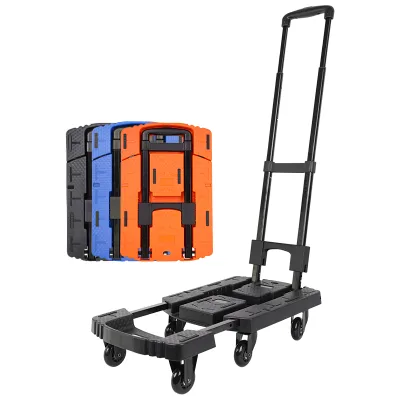
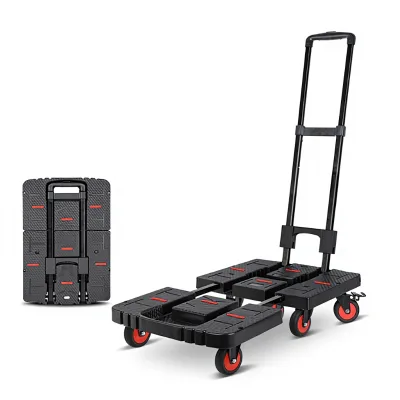


Comprehensive Sourcing Guide
Foldable Platform Trolley Cart Supplier Concentration and Factory Types
Current data indicates a concentration of manufacturing activity in China Jiangsu, where suppliers offer combined company types capable of providing both own-brand and OEM services. These facilities frequently list main products including shopping trolleys, gondola shelves, and various display fixtures alongside the specific foldable platform trolley carts required. The presence of ISO9001:2015 certification among these entities suggests a standardized approach to quality management within the region. Buyers should note that while Jiangsu is a confirmed location for these specific results, other regions like China Shandong also appear in the dataset with different product focuses such as wheelbarrows and shelves.
When evaluating factory types, the distinction between combined entities and trading companies is critical for sourcing strategy. The Jiangsu-based suppliers identified operate as combined entities, meaning they possess direct manufacturing capabilities for items like the Highbright model or the HBE-W-26F platform truck. In contrast, suppliers in other locations may function primarily as trading companies, which can affect lead times and direct communication with the production floor. Buyers must verify if a supplier claims to be a factory or a trading partner, as this influences the ability to customize materials, handle types, and wheel configurations for specific industrial or retail applications.
How to Verify Foldable Platform Trolley Cart Suppliers
Verification begins with checking for established system certifications such as ISO9001:2015, which appears in the current supplier results for Jiangsu-based manufacturers. This certification serves as a baseline indicator that the supplier maintains documented quality control processes for their folding platform carts and related store fixtures. Buyers should also look for specific product certifications like CE, ROHS, and TUV, which are listed for certain plastic folding trolley models. These standards are essential for ensuring that the materials used, such as plastic or steel, meet international safety and environmental requirements for the intended market.
Beyond certifications, buyers must assess the verification status of the supplier itself, such as SGS verification, which is noted for some trading companies in the dataset. This external validation adds a layer of trust regarding the company's business legitimacy and operational history. It is equally important to examine the response time metrics provided, as a response time of 3.69 hours indicates a highly active supplier, whereas a time of 25.00 hours suggests a slower communication cycle. Buyers should prioritize suppliers with faster response times to ensure timely resolution of technical queries regarding load capacities, wheel types, and customization options before placing any orders.
What to Compare Across Foldable Platform Trolley Cart Suppliers
When comparing suppliers, the minimum order quantity (MOQ) is a primary differentiator that significantly impacts procurement planning. Current data shows a wide range, with some suppliers requiring an MOQ of 20 units for specific steel models, while others demand 500 or even 1000 units for plastic folding carts. This variance requires buyers to align their order volume with supplier capabilities to avoid unnecessary inventory costs or production delays. Additionally, the price range varies considerably, with some models listed between $35 and $37, while others are priced as low as $6.50 to $7.90 depending on material and complexity.
Lead time and response speed are also critical comparison points that affect supply chain reliability. The observed lead times range from 15 days to 30 days, which directly influences inventory management and delivery schedules. A supplier with a 15-day lead time may be preferable for urgent restocking needs, whereas a 30-day lead time might be acceptable for planned seasonal orders. Furthermore, the customization availability varies, with some suppliers offering flexible options for handle types, wheel amounts, and surface handling like zinc plating. Buyers must compare these specific attributes to ensure the selected supplier can meet the exact technical specifications required for their unique operational environment.
Common Foldable Platform Trolley Cart Sourcing Risks
One significant risk involves the discrepancy between product descriptions and actual manufacturing capabilities, particularly regarding foldability and material composition. Some listings describe foldable carts with solid wheels, while others specify pneumatic wheels or non-foldable steel structures. Buyers must carefully verify the specific product attributes, such as the "Foldability" status or "Wheel Type," to ensure the received goods match the intended use case. Misalignment in these details can lead to operational inefficiencies, especially if a buyer requires a heavy-duty cart for industrial use but receives a lightweight plastic model designed for retail.
Another risk stems from inconsistent lead times and response speeds across different supplier types. A trading company might have a longer response time of 25 hours compared to a factory with a 3.69-hour response, potentially delaying critical order confirmations. Additionally, the variation in MOQs can create financial risks if a buyer is forced to purchase more inventory than needed to meet a high threshold. Buyers should also be cautious of warranty terms, as some products offer a 1-year warranty while others may have limited or undefined coverage. Verifying these terms directly with the supplier is essential to mitigate the risk of post-purchase disputes or unexpected costs.
Foldable Platform Trolley Cart Regional Sourcing and Logistics
Sourcing from China Jiangsu offers access to a dense cluster of manufacturers specializing in shopping trolleys, gondola shelves, and roll containers. This region is noted for its combined company types that can handle both OEM and ODM requests, providing flexibility for buyers seeking custom branding or specific design modifications. The proximity of these suppliers to major logistics hubs in Jiangsu can facilitate efficient shipping for large orders, particularly for items like the Highbright model or the HBE-W-26F platform truck. Buyers should consider the logistical advantages of this cluster when planning for bulk shipments of heavy-duty carts.
In contrast, sourcing from regions like China Shandong may involve different logistical considerations due to the presence of trading companies and different product focuses. While these suppliers may offer competitive pricing for items like wheelbarrows or specific shelf units, the supply chain for foldable platform trolleys might differ in terms of packaging and shipping efficiency. Buyers should verify the origin details, such as "Jiangsu, China" or "Shandong, China," to understand the specific logistics network involved. Understanding the regional strengths helps in selecting the right partner for specific product requirements, ensuring that the chosen supplier can deliver the goods within the expected timeframe and cost structure.
Foldable Platform Trolley Cart Commercial Terms and Order Planning
Commercial terms regarding pricing and payment structures vary significantly based on the product model and order volume. Current data indicates price points ranging from approximately $6.50 to $37.00, with specific models like the HBE-JC-1 or SB-FP-2 having distinct pricing tiers. Buyers must plan their orders to align with these price brackets, considering that higher volumes often secure better unit costs but require higher upfront capital due to MOQs. The availability of customization options, such as logo printing or specific color choices, may also influence the final commercial terms and should be clarified before finalizing the purchase agreement.
Order planning must also account for the specific packing and delivery requirements associated with different suppliers. Some products are packed individually in color boxes with six pieces per carton, while others may use standard carton packaging for steel trolleys. Buyers should verify the packing details to ensure compatibility with their storage and distribution channels. Additionally, the warranty terms, such as the 1-year warranty offered on certain models, should be integrated into the risk management strategy. By carefully reviewing these commercial terms and aligning them with the supplier's lead time and response capabilities, buyers can create a robust procurement plan that minimizes delays and maximizes value.
FAQs
What is the typical lead time for foldable platform trolley carts?
The typical lead time for these carts is 30 days from order confirmation. Some suppliers in Jiangsu offer a 15-day lead time for specific models. Buyers should verify the exact delivery schedule with the manufacturer before finalizing the purchase to ensure it meets project deadlines.
What are the minimum order quantities for these trolleys?
Minimum order quantities vary significantly by product model and supplier. Some folding carts require a minimum of 20 units, while others need 50 or even 1000 units. Plastic shopping trolleys often have higher MOQs around 500 units compared to heavy-duty steel platforms.
Are these trolleys available with ISO certification?
Yes, many suppliers provide products with ISO9001:2015 system certification. Specific models also carry CE, ROHS, and TUV certifications. Buyers should request the specific certificate documents for the chosen model to confirm compliance with international safety and quality standards before placing an order.
What materials are used for foldable platform trolleys?
These trolleys are commonly manufactured using steel or plastic materials. Steel models often feature zinc-plated surfaces for durability and corrosion resistance. Plastic variants are lightweight and suitable for retail or home storage, with some models offering customized colors and specific load capacities.
What is the price range for these folding carts?
Prices for foldable platform trolleys range from approximately 6.50 to 37.00 USD per unit. The cost depends on the material, load capacity, and customization options. Heavy-duty steel carts with pneumatic wheels generally cost more than lightweight plastic utility carts designed for shopping or office use.
Can these trolleys be customized for specific needs?
Customization is available for many models, including logo printing and color selection. Suppliers offer OEM and ODM services to meet specific design requirements. Buyers can request custom sizes, handle types, and wheel configurations, though minimum order quantities may apply for personalized production runs.
Where are these suppliers located?
Suppliers for these trolleys are primarily located in Jiangsu and Shandong provinces in China. These regions are known for manufacturing industrial equipment and shopping fixtures. Buyers should verify the specific factory location to assess shipping logistics and potential tariffs for their destination market.