Foldable Polyester Bra and Panties Organizer Suppliers and Manufacturers
Source 28 verified suppliers for Foldable Polyester Bra and Panties Organizer products. Compare key dimensions including Zhejiang origin, 15-30 day lead times, and REACH certifications. Request quotes directly to evaluate pricing and MOQs; review the available evidence before requesting comparable quotations from suitable candidates.
Suppliers List
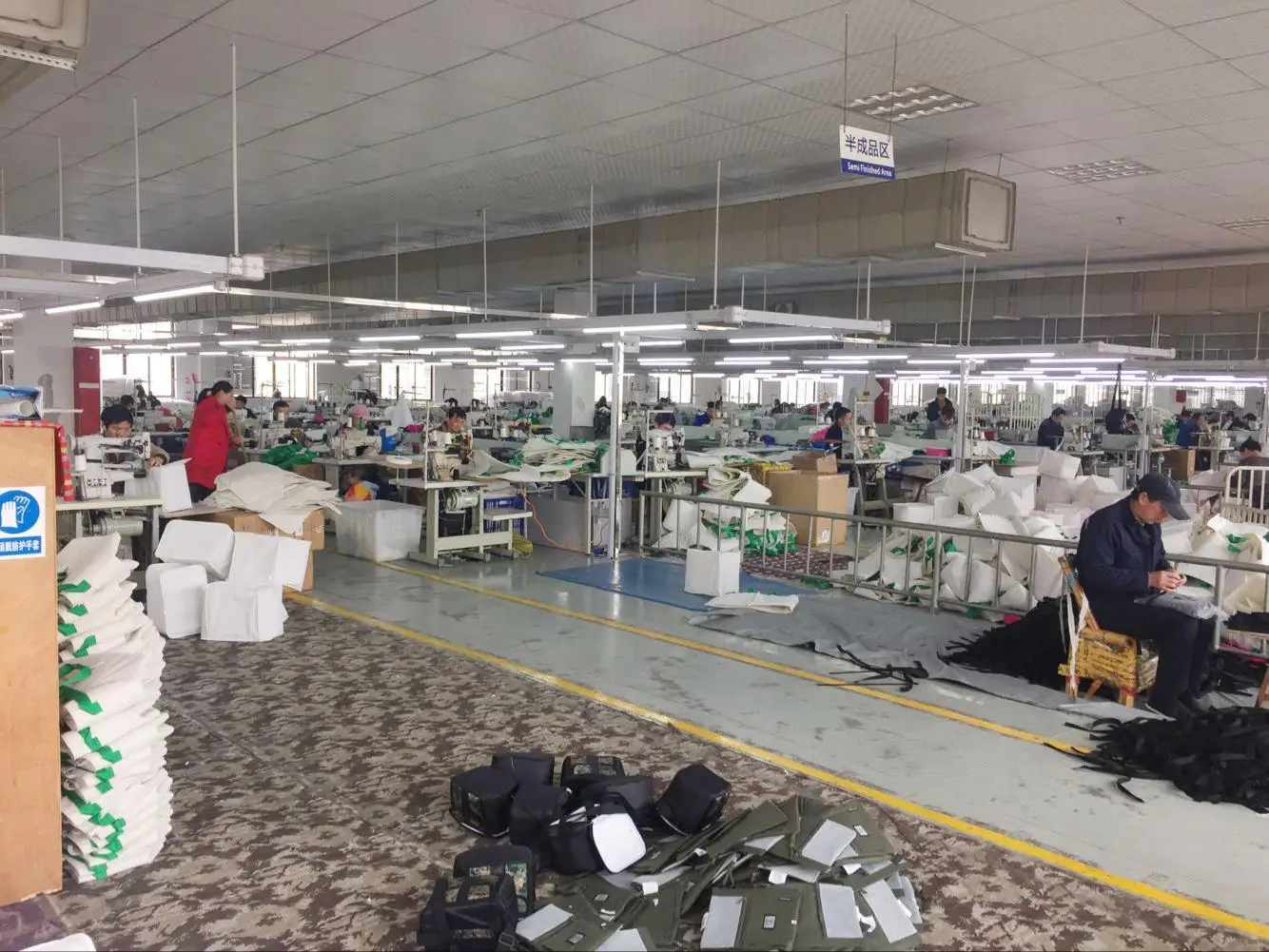
Ningbo Kingdom Home Fashion Co., Ltd.
- Manufacturer, Trading Company
- Zhejiang, China
- Lead time30 days
- Avg. response≤ 1h
Main productsShopping bags,closet organizer,Storage stool,over the door hanging storage bag,suit cover
Main marketsNorth America(40.00%), Central America(20.00%), Northern Europe(20.00%), Domestic Market(10.00%), Eastern Europe(5.00%), Southern Europe(5.00%)
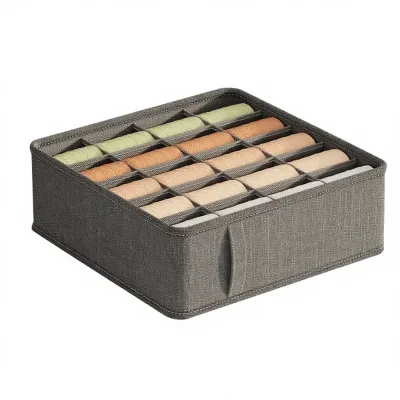
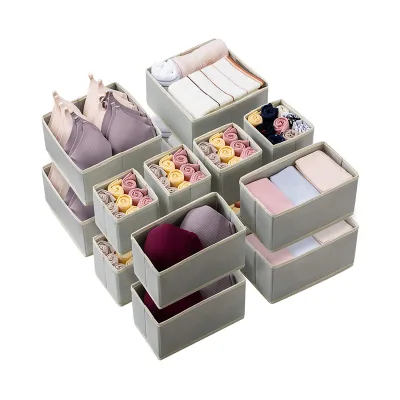
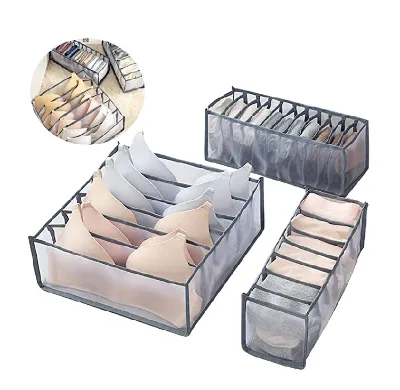
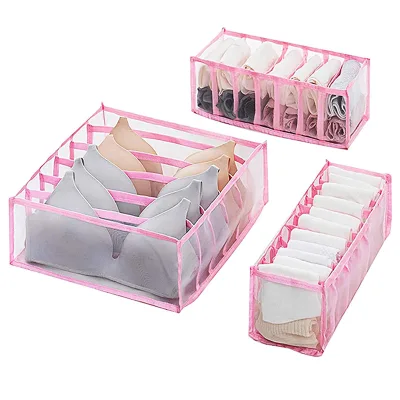
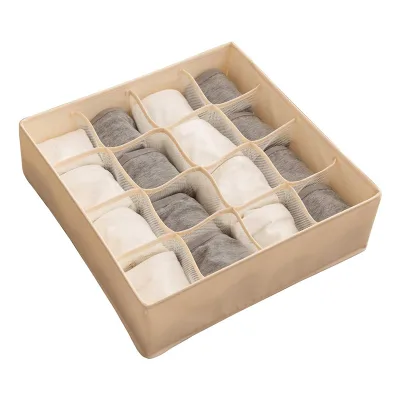
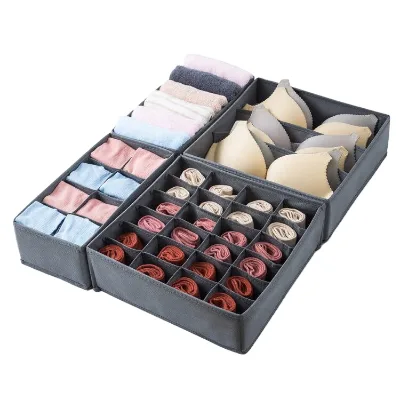
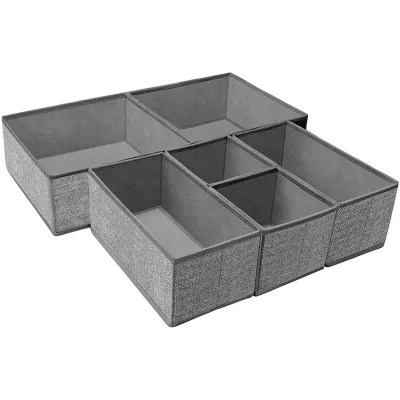
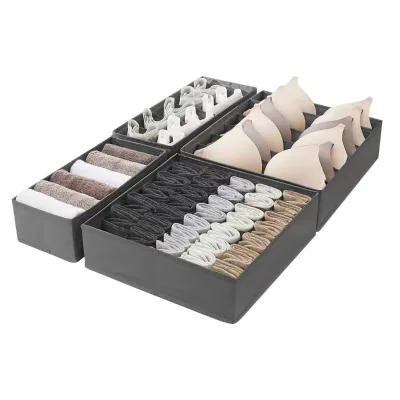
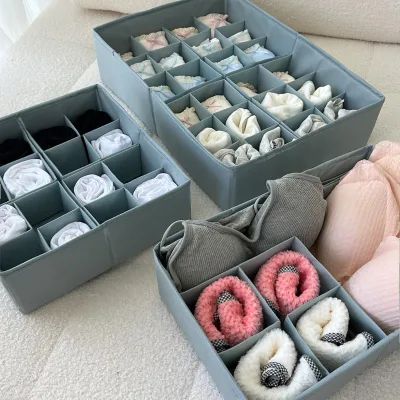
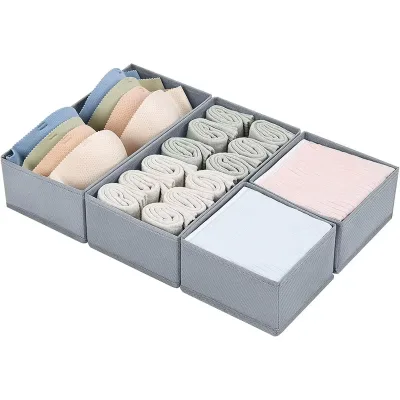
Closet Collapsible Fabric Drawer Organizer Divider for Panties,Underwear, Ties,Bras, Socks, Lingerie
$1.99 - $2.99
MOQ: 1500 pieces
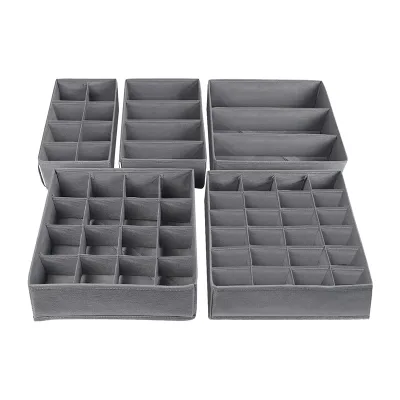
5pc Multifunctional Sock Bra and Underwear Organizer Divider Set for Closet Storage
$3.05 - $4.07
MOQ: 1500 pieces
Henan Jingyu Network Technology Co., Ltd.
- Verified by TüVRheinland
- Trading Company
- Lead time15 days
Main productsHome Gardening Products, Sports And Entertainment Products, Mother And Baby Toys, Consumer Electronics Products
Main marketsNorth America(42%), Western Europe(15%), Mid East(10%)

Tongcheng Wuchuang Household Products Co., Ltd.
- Verified by SGS
- Combined
- China Anhui
- Lead time30 days
- Avg. response≤ 1h
Main productsStorage Bag, Garment Bag, Suit Bag, Storage Box, Cloth Bag
Main marketsEurope,North America

Jinhua Saving Industry and Trade Co. Ltd
- Verified by SGS
- Manufacturer
- China Zhejiang
- Lead time15 days
- Avg. response≤ 4h
Main productsNon-Woven Storage Box, Non-Woven Storage Bag, Laundry Bag, Cloth Storage Box, Foldable Storage Box, Storages Basket


Foldable Underwear Drawer Organizers Dividers Closet Dresser Clothes Storage Organizer Box
$0.71 - $0.92
MOQ: 2000 Pieces

Foldable Bra Organizer Rectangle Folding Storage Box with Handle Organizer for Clothing Storage
$2.60 - $3.08
MOQ: 2000 Pieces

Jinhua Huaxuan Daily Necessities Co., Ltd.
- Verified by SGS Group
- Manufacturer, Trading Company
- Lead time15 days
Main productsStorage Boxes & Bins, Storage Ottoman, Storage Organizer, , Storage Bag, OEM Brand Labeling
Main marketsMid East(30%), North America(20%), Western Europe(20%)
Dongguan Everwave Houseware Co., Ltd.
- Manufacturer, Trading Company
- Guangdong, China
- Lead time30 days
- Avg. response≤ 9h
Main productsHanging Organizer/ Storage Box/ Storage Basket/ Storage Bag/ Laundry Hamper
Main marketsNorth America(50.00%), Domestic Market(20.00%), Western Europe(10.00%), Oceania(5.00%), Southern Europe(5.00%), Southeast Asia(5.00%), Eastern Asia(5.00%)
Wuyuan County Huiyuan Home Furnishings Co., Ltd.
- Verified by TüVRheinland
- Manufacturer, Trading Company
- Lead time0 days
Main productsHollow Board Box, Multi-piece Set Of Storage Box, Shoe Pocket, Storage Basket, Hollow Board
Main marketsNorth America(30%), South America(15%), Eastern Europe(10%)
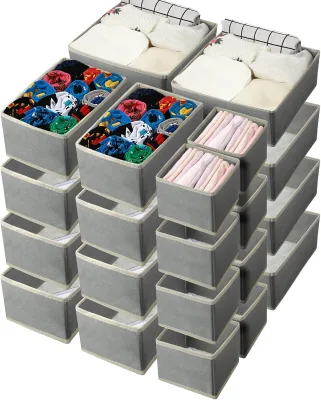
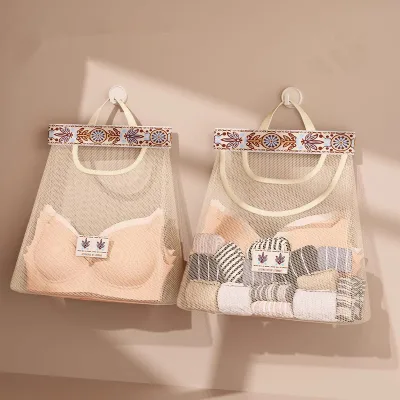
$0.60 - $0.80
MOQ: 2 pieces
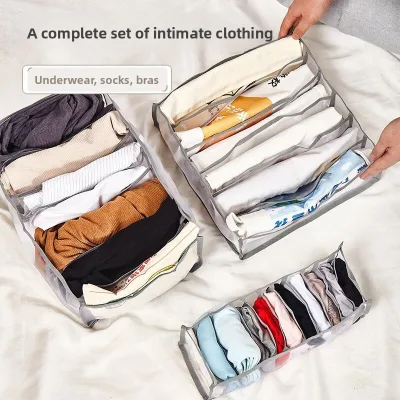
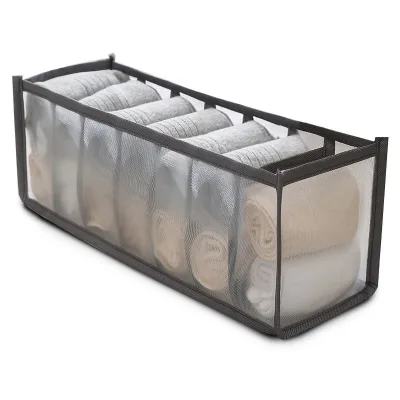

ANHUI GOOD LUCK INDUSTRIAL CO., LTD.
- Verified by BV
- Trading Company
- China Anhui
- Lead time15 days
- Avg. response≤ 3h
Main productsCosmetic Bag, Backpack, Lunch Bag, Cooler Bag, Shopping Bag, Diaper Bag, Sports Bag, Handbag, Beach Bag, Make up Bag
Main marketsSouth America,Africa,Southeast Asia/ Mideast,East Asia(Japan/ South Korea),Domestic,Europe,Australia,North America

Jinjiang Jiaxing Import and Export Co., Ltd.
- Verified by CTI
- Manufacturer/Factory
- China Fujian
- Lead time120 days
- Avg. response≤ 1h
Main productsShoes, Slipper, Clothes, Promotion Gifts, Silicone Products, Outdoor Sports Products, Bags, Fashion Accessories, Consumer Electronics
Main marketsSouth America,Eastern Europe,Mid East,North America,Southeast Asia,Eastern Asia,Oceania,Western Europe,Africa

Taizhou Shangyi Plastic Co., Ltd.
- Verified by TUVRHEINLAND
- Trading Company
- China Zhejiang
- Lead time23 days
- Avg. response≤ 22h
Main productsFood Container, Storage Container, Lunch Box, Bento Box, Plastic Laundry Basket, Plastic Storage Container, Plastic Cutting Board
Main marketsSouth America,Southeast Asia/ Mideast

Household Underwear Socks Bras Ties Belts Scarves Drawer Divider Storage Organizer
$0.85 - $0.90
MOQ: 3000 Pieces

5 Cells Plastic Storage Box Tie Bra Socks Drawer Divider Tidy Organizer
$0.23 - $0.29
MOQ: 2000 Pieces


YIWU SHIYONG Trading Co., Ltd.
- Verified by TUVRHEINLAND
- Trading Company
- China Zhejiang
- Lead time15 days
- Avg. response≤ 8h
Main productsHanger, Couple
Main marketsSoutheast Asia/ Mideast,East Asia(Japan/ South Korea),Europe

Guangzhou Modicci Fashion Co., Limited
- Verified by SGS
- Trading Company,Manufacturer/Factory
- China Guangdong
- Lead time45 days
- Avg. response≤ 17h
Main productsHandbag, Backpack, Crossbody, Wallet, Clutch, Purse, Keyring, Jewellery Box, Card Holder, Laptop Backpack
Main marketsSouth America,Eastern Europe,Mid East,North America,Southeast Asia,Eastern Asia,Oceania,Western Europe,Africa


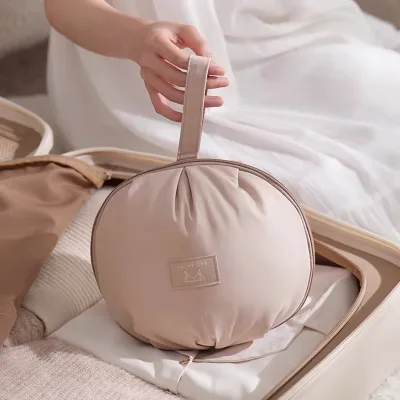
Wholesale Logo Custom Solid Color Portable Bras Underwear Organizer in Storage Bag for Travel
$2.00 - $7.00
MOQ: 200 Pieces
Dongguan Wanze Household Product Co., Ltd.
- Manufacturer, Trading Company
- Guangdong, China
- Lead time30 days
- Avg. response≤ 2h
Main productsHome Storage Products,Luggage and Bag
Main marketsDomestic Market(25.14%), North America(16.01%), Eastern Europe(11.21%), Western Europe(10.89%), Central America(7.69%), Northern Europe(7.21%), South America(7.21%), Southern Europe(4.48%), Southeast Asia(4.00%), Mid East(1.92%), Oceania(1.60%), Eastern Asia(1.12%), Africa(0.80%), South Asia(0.72%)
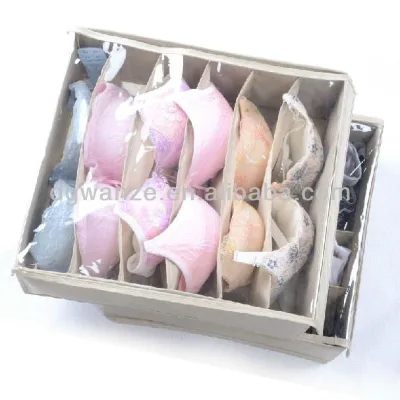
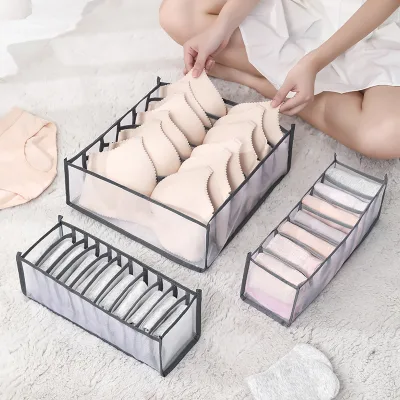
Collapsible Storage Boxes Bra Underwear Closet Organizer Drawer Divider 3 Set
$0.60 - $1.40
MOQ: 1000 pieces
Henan Songkun Import And Export Co., Ltd.
- Trading Company
- Henan, China
- Lead time7 days
- Avg. response≤ 4h
Main productsSexy lingerie,sexy sleepwear,women underwear/panty,pajamas& Loungewear,Women Bra Set
Main marketsNorth America(23.00%), South America(21.00%), Eastern Europe(11.00%), Southeast Asia(10.00%), Africa(6.00%), Oceania(5.00%), Domestic Market(3.00%), South Asia(3.00%), Southern Europe(3.00%), Northern Europe(3.00%), Central America(3.00%), Western Europe(3.00%), Eastern Asia(3.00%), Mid East(3.00%)
Suqian Anshe Home Technology Co., Ltd.
- Verified by TüVRheinland
- Trading Company
- Lead time10 days
Main productsSpice Rack, Magnetic Suction Rack, Storage Rack, Refrigerator Storage Rack

Ningbo General Union Co., Ltd.
- Verified by BV
- Trading Company
- China Zhejiang
- Lead time30 days
- Avg. response≤ 11h
Main productsCleaning Brush, Bottle, Kitchenware, Storage Box, Outdoor, Pet, Fitness Equipment, Digital Devices, Camping, Pet Bottle
Main marketsSouth America,Africa,Southeast Asia/ Mideast,East Asia(Japan/ South Korea),Europe,Australia,North America


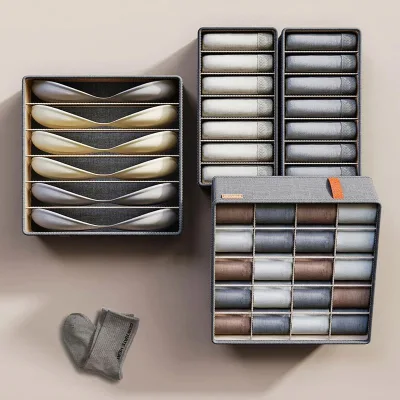
13 Grid Bra Underwear Socks Storage Box Wardrobestorage Foldable Oxford Cloth Organizer
$1.35 - $1.88
MOQ: 500 Pieces

Guilin Sumanda Trading Co., Ltd.
- Verified by SGS
- Trading Company
- China Guangxi
- Lead time30 days
- Avg. response≤ 3h
Main productsHanger, Plastic Hanger, Clothing Hanger, Clothes Hanger, Coat Hanger, Suit Hanger, Pants Hanger, Trouser Hangers, Shirt Hanger, Children' Hangers
Main marketsSouth America,Eastern Europe,Mid East,North America,Southeast Asia,Eastern Asia,Oceania,Western Europe,Africa

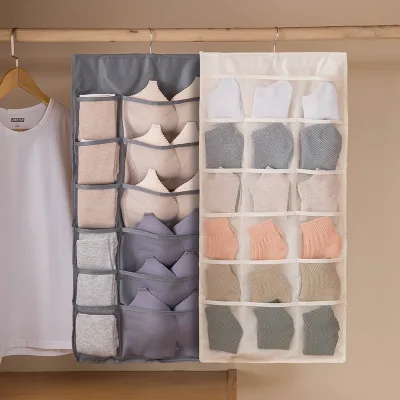
Wholesale Dustproof Underwear Organizer - Closet Storage Rack for Bras, Panties & Socks
$0.10 - $0.15
MOQ: 1000 Pieces

Bulk Underwear Hangers Storage Rack - Dustproof Closet Organizer for Bras, Panties & Socks
$0.10 - $0.15
MOQ: 1000 Pieces

Wholesale Linen Foldable Underwear Storage Box 3-in-1 Divided Organizer for Bra Socks Panties
$0.30 - $0.80
MOQ: 50 Pieces

- Verified by TUVRHEINLAND
- Trading Company
- China Zhejiang
- Lead time15 days
- Avg. response≤ 12h
Main productsWooden Toy, Outdoor Product, Kitchen Item, Personal Care Tool, Painting Set, Disk Rack, Yoga, Garden
Main marketsSouth America,Europe,North America

Foldable Dustproof Fabric Washable Underwear Storage Organizer with a Lid
$2.36 - $2.71
MOQ: 1000 Pieces


Hebei Baicaoyuan Non-Woven Products Co., Ltd.
- Manufacturer, Trading Company
- Hebei, China
- Lead time20 days
- Avg. response≤ 2h
Main productsReceive articles,Bathroom products,Cleaning supplies,Disposable articles
Main marketsDomestic Market(55.00%), Eastern Asia(20.00%), North America(20.00%), Eastern Europe(5.00%)
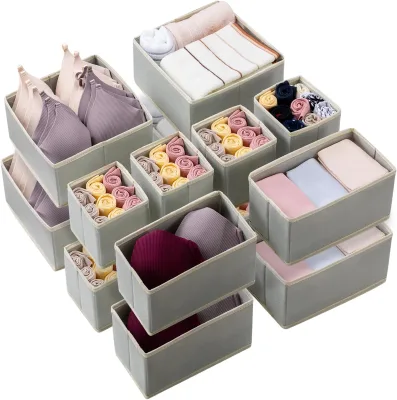
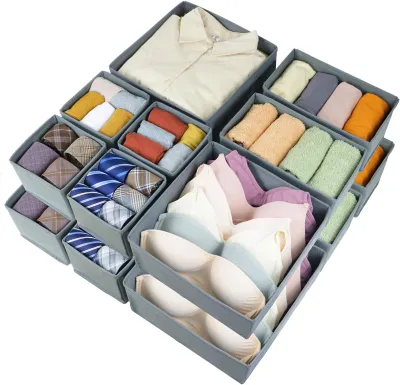
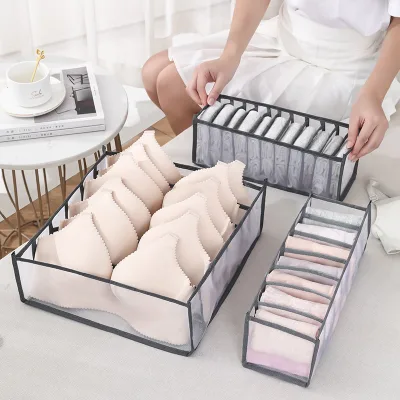
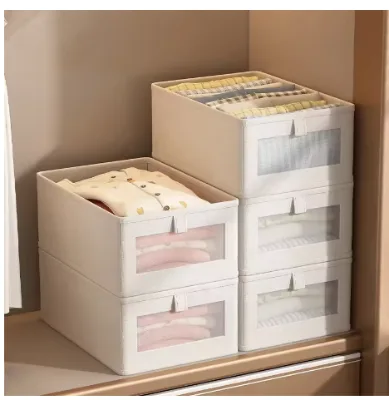
Factory Heavy Duty 16 PCS Clothes Non Woven Fabric Folding Storage Drawer Organizer
$4.29 - $4.50
MOQ: 50 pieces

Wenzhou Guanmin Import and Export Co., Ltd.
- Verified by BV
- Trading Company,Manufacturer/Factory
- China Zhejiang
- Lead time120 days
- Avg. response≤ 6h
Main productsShopping Bag, Cooler Bag, Notebook, Pen, Color Pencil, Lanyard, Beach Ball, Umbrella, Sunshade, Air Freshener
Main marketsSouth America,Eastern Europe,Mid East,North America,Southeast Asia,Eastern Asia,Western Europe
Anhui Xianwei E-Commerce Co., Ltd
- Verified by TUVRHEINLAND
- Manufacturer/Factory
- China Anhui
- Lead time0 days
- Avg. response≤ 4h
Main productsLamp, Cup, Tent
Main marketsSouth America,Eastern Europe,Mid East,North America,Southeast Asia,Eastern Asia,Oceania,Western Europe,Africa

4PCS Set Closet Organizer Storage Drawer Divider Underwear Organizer Box for Underwear
$0.39 - $1.67
MOQ: 100 Pieces


YIWU JINYE IMPORT AND EXPORT CO., LTD
- Verified by SGS
- Trading Company
- China Zhejiang
- Lead time15 days
- Avg. response≤ 24h
Main productsBangle, Wrist Band, Bracelet, Fashion Jewelry
Main marketsNorth America

- Verified by CTI
- Trading Company
- China Anhui
- Lead time23 days
- Avg. response≤ 4h
Main productsBackpack, School Bag, Cosmetic Bag, Lunch Bag, Travel Bag, Hiking Pack
Main marketsSouth America,Africa,Southeast Asia/ Mideast,East Asia(Japan/ South Korea),Europe,Australia,North America

Lightweight Frosted Polyester Lingerie Organizer for Travel Storage Bag
$1.77 - $1.91
MOQ: 5000 Pieces

Multifunctional Underwear Organizer with Elastic Pockets Travel Storage Bag
$1.77 - $1.91
MOQ: 5000 Pieces

Multi-Compartment Underwear Sock Organizer with Portable Handle Storage Bag
$1.77 - $1.91
MOQ: 5000 Pieces

Portable Underwear Sock Storage Organizer with Multiple Compartments Storage Bag
$1.77 - $1.91
MOQ: 5000 Pieces

Durable Travel Underwear Organizer with Zipper & Elastic Pockets Storage Bag
$1.77 - $1.91
MOQ: 5000 Pieces

Underwear Multi-Functional Large Capacity Travel Bra and Panties Separate Storage Bag
$2.49 - $2.67
MOQ: 500 Pieces
Shanghai Shengyada Houseware Co., Ltd.
- Verified by SGS
- Combined
- China Shanghai
- Lead time30 days
- Avg. response≤ 1h
Main productsfoldable storage box
Main marketsEurope

Cloth Collapsible Storage Box Set Dresser Drawer Organizer for Bra & Socks
$1.53 - $1.66
MOQ: 2000 Pieces

3-Piece Collapsible Cloth Storage Box Set Drawer Organizer for Bra, Socks & Underwear
$1.53 - $1.66
MOQ: 2000 Pieces

Collapsible Cloth Drawer Storage Set 3-Piece Organizer for Underwear, Bra & Socks
$1.53 - $1.66
MOQ: 2000 Pieces

Foldable Underwear Drawer Organizer Set 3-Piece Cloth Storage Boxes for Closet Dresser
$1.53 - $1.66
MOQ: 2000 Pieces

3 Sets Collapsible Cloth Storage Box Closet Sock Foldable Underwear Organizer Drawers
$1.53 - $1.66
MOQ: 2000 Pieces
Zhejiang Runjiang New Material Technology Co., Ltd.
- Verified by Intertek
- Manufacturer, Trading Company
- Lead time10 days
Main productsNon-woven Fabric, Stroage Bag, Shopping Bag, Cooler Bag
Main marketsNorth America(40%), Western Europe(30%), South America(15%)

Ningbo Sv Plastic Hardware Co., Ltd.
- Verified by SGS
- Manufacturer/Factory
- China Zhejiang
- Lead time30 days
- Avg. response≤ 14h
Main productsInjection Molding, Mould, Plastic Injection, Plastic Tooling, OEM Plastic, Injection Mold, Peek Injection, Medical Injection, Ts16949 Injection, OEM Injection
Main marketsSouth America,Eastern Europe,Mid East,North America,Southeast Asia,Eastern Asia,Oceania,Western Europe,Africa

Multi-Drawer Socks and Panties Storage Organizer Thickened Covered Bra Storage Basket
$8.00 - $10.00
MOQ: 100 Pieces


Ningbo V. K. Industry and Trading Co., Ltd.
- Verified by BV
- Trading Company
- China Zhejiang
- Lead time30 days
- Avg. response≤ 5h
Main productsIce Bath Tub, Cosmetic Glass Bottle, Hydroponics Grow Box, Baby Bottle, Inflatable Tent, Cream Jar, Reed Diffuser Bottle, Jewish Products, Mezuzah Case
Main marketsSouth America,Europe,Australia,North America

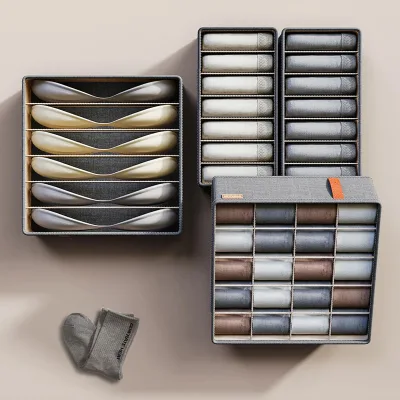
Wholesale Household Storage Box Organizer for Underwear Packing Foldable Drawer Dividers Organizer
$0.93 - $1.93
MOQ: 1000 Pieces


$0.74 - $1.74
MOQ: 1000 Pieces

Jiangxi Chengleke Leather Co., Ltd
- Verified by BV
- Combined
- China Jiangxi
- Lead time23 days
- Avg. response≤ 2h
Main productsLuggage, Luggage Set, Suitcase, Carry on, PC Luggage, SKD, OEM/ODM Luggage, Trunk, Valise, Travel Bag
Main marketsSouth America,Southeast Asia/ Mideast,Europe








Comprehensive Sourcing Guide
Foldable Polyester Bra and Panties Organizer Supplier Concentration and Factory Types
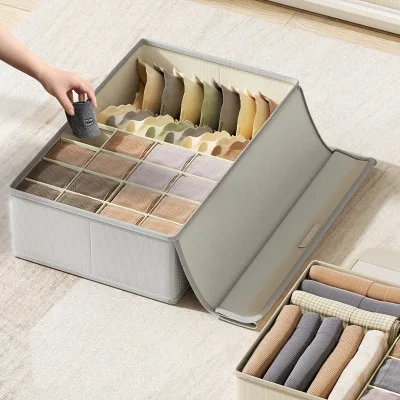
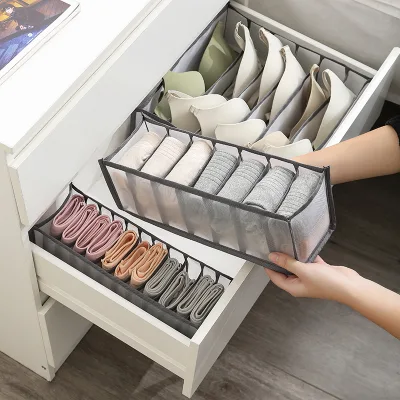
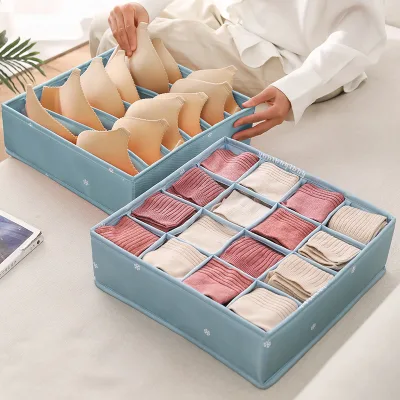
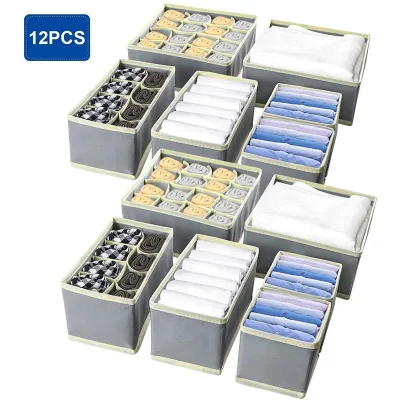
The sourcing landscape for foldable polyester bra and panties organizers reveals a distinct concentration of manufacturing capabilities within specific industrial regions, with Zhejiang, China, emerging as a primary hub for these textile-based storage solutions. This geographic clustering is not arbitrary but stems from established supply chains for fabric processing, sewing, and packaging materials that are essential for producing items like mesh stockings, bras, and minimalist cabinet storage boxes. Buyers evaluating suppliers should recognize that this region offers a dense network of both manufacturers and trading companies, each serving different procurement needs. Manufacturers in this area often possess the direct control over production lines required for customizing features such as foldable designs, handle integrations, and specific dimensional tolerances, which are critical for the functionality of underwear storage products. The presence of these factories indicates a mature ecosystem where raw material sourcing, such as polyester and non-woven fabrics, is readily available, allowing for rapid prototyping and efficient mass production cycles.
Conversely, trading companies operating within or sourcing from these clusters provide a different value proposition, often aggregating products from multiple smaller workshops to offer a broader catalog of home storage and organization items. These entities may specialize in categories ranging from shopping bags to closet organizers, leveraging their logistical networks to consolidate shipments and simplify the buying process for international clients. While they may not own the sewing machines, their expertise lies in quality control, export documentation, and customer service, which can be crucial for buyers who lack the resources to manage direct factory relationships. The distinction between these two company types is vital for procurement strategies, as manufacturers typically offer better pricing for large volumes and custom OEM/ODM projects, whereas trading companies might provide more flexibility for mixed orders or faster response times for smaller, urgent requests. Understanding this dynamic helps buyers align their supplier selection with their specific operational goals, whether they prioritize cost efficiency through direct manufacturing or convenience through aggregated trading services.
How to Verify Foldable Polyester Bra and Panties Organizer Suppliers
Verifying the legitimacy and capability of suppliers requires a multi-layered approach that goes beyond simple profile reviews, focusing on tangible evidence of production capacity and compliance standards. Buyers should prioritize suppliers who display third-party verification badges, such as those from TÜV Rheinland, which indicate that an independent auditor has inspected the facility’s operations and business licenses. This verification is particularly important for textile products, as it confirms that the supplier is a legitimate entity capable of fulfilling contracts and adhering to international trade regulations. Additionally, examining the supplier’s response time is a practical metric for assessing their operational efficiency; a rapid response, such as within one day, often correlates with a well-staffed sales team and streamlined internal communication processes. This speed is crucial for negotiating technical details like material specifications, color options, and packaging requirements, ensuring that the final product meets the buyer’s exact standards for foldable polyester organizers.
Beyond verification badges and response metrics, buyers must scrutinize the supplier’s certification portfolio and product-specific attributes to ensure compliance and quality. Certifications such as REACH, BS EN71, and CE are critical indicators of a supplier’s commitment to safety and environmental standards, particularly for products that may come into direct contact with consumers or are marketed as eco-friendly. These certifications suggest that the materials used, such as polyester fabrics, have been tested for harmful substances and meet regulatory requirements in key markets like Europe and North America. Furthermore, buyers should request detailed product specifications, including dimensional tolerances, weight limits, and functional design features like foldability and ease of cleaning. By comparing these technical details across different suppliers, buyers can assess the precision and quality of the manufacturing processes. This due diligence ensures that the selected supplier not only exists as a verified entity but also possesses the technical competence to produce high-quality, compliant foldable organizers that meet specific market demands.
What to Compare Across Foldable Polyester Bra and Panties Organizer Suppliers
When evaluating multiple suppliers for foldable polyester bra and panties organizers, buyers must systematically compare key commercial and operational metrics to identify the most suitable partner for their specific needs. One of the most critical factors is the Minimum Order Quantity (MOQ), which can vary significantly between manufacturers and trading companies. For instance, some suppliers may require an MOQ of 1500 pieces, which is suitable for larger orders but may be prohibitive for startups or small retailers. Buyers should also compare lead times, which indicate how quickly an order can be fulfilled; a lead time of 15 to 30 days is common, but shorter times may be available for stock items or through expedited production services. Additionally, response times serve as a proxy for customer service quality, with faster responses often indicating a more responsive and attentive supplier. By creating a comparison matrix of these metrics, buyers can objectively assess which suppliers align best with their inventory requirements and timeline constraints.
Price and product features are equally important dimensions for comparison, as they directly impact profitability and customer satisfaction. Buyers should analyze the price range for similar products, noting that costs can vary based on material quality, design complexity, and order volume. For example, prices for foldable organizers may range from approximately $1.39 to $4.07 per unit, depending on factors such as the inclusion of handles, specific fabric types, and packaging options. It is also essential to compare product attributes, such as load capacity, dimensions, and functional designs like eco-friendly materials or specific styles (e.g., American or Modern). Suppliers offering OEM/ODM services may provide greater flexibility for customization, allowing buyers to brand products or modify designs to stand out in the market. By thoroughly comparing these commercial terms and product specifications, buyers can make informed decisions that balance cost, quality, and customization needs, ensuring they select a supplier that offers the best overall value for their business.
Common Foldable Polyester Bra and Panties Organizer Sourcing Risks
Sourcing foldable polyester bra and panties organizers from international suppliers introduces several risks that buyers must proactively manage to ensure a smooth procurement process. One significant risk is the discrepancy between sample quality and mass production output, which can occur if the supplier lacks rigorous quality control measures. Buyers should be cautious of suppliers who do not provide detailed specifications for dimensional tolerances, weight limits, or material compositions, as these ambiguities can lead to products that do not meet expected standards. For instance, a foldable organizer might be advertised as having a specific load capacity, but without clear testing data, the actual performance may fall short, leading to customer dissatisfaction and returns. Additionally, the risk of intellectual property infringement is present, especially when working with suppliers who offer OEM/ODM services, as designs may be replicated or sold to competitors without authorization. Buyers must ensure that their designs are protected through proper legal agreements and that suppliers adhere to confidentiality clauses.
Another common risk is logistical delays and communication breakdowns, which can disrupt supply chains and impact inventory levels. Suppliers with longer lead times or slower response rates may struggle to meet urgent deadlines, particularly during peak seasons or when facing raw material shortages. Buyers should also be aware of the potential for hidden costs, such as shipping fees, customs duties, and packaging expenses, which can erode profit margins if not accounted for in the initial pricing analysis. Furthermore, the risk of non-compliance with international standards is a concern, particularly for products marketed as eco-friendly or safe for household use. Buyers must verify that suppliers hold relevant certifications, such as REACH or CE, to ensure that their products meet regulatory requirements in target markets. By identifying and mitigating these risks through thorough due diligence, clear contracts, and ongoing communication, buyers can protect their interests and ensure a successful sourcing experience for foldable polyester bra and panties organizers.
Foldable Polyester Bra and Panties Organizer Regional Sourcing and Logistics
Regional sourcing plays a pivotal role in determining the efficiency and cost-effectiveness of procuring foldable polyester bra and panties organizers, with certain areas offering distinct advantages in terms of infrastructure and supply chain maturity. Sourcing from regions like Zhejiang, China, provides access to a well-developed manufacturing ecosystem that supports rapid production and efficient logistics. This region’s proximity to major ports and transportation networks facilitates smoother export processes, reducing transit times and associated costs for international buyers. Additionally, the concentration of suppliers in this area fosters competition, which can drive down prices and improve service quality. Buyers should consider the logistical implications of sourcing from these hubs, as they often offer integrated services that include packaging, labeling, and documentation, streamlining the export process. However, buyers must also account for potential regional risks, such as seasonal weather disruptions or local policy changes, which could impact production schedules and shipping availability.
Logistics planning is equally critical, as the physical characteristics of foldable organizers, such as their compact size and lightweight nature, can influence shipping strategies. Buyers should evaluate whether suppliers offer optimized packaging solutions that maximize container space, thereby reducing per-unit shipping costs. For instance, products with foldable designs and minimal packaging dimensions can be packed more efficiently, allowing for larger quantities to be shipped in a single container. Additionally, buyers should consider the impact of lead times on inventory management, as longer production periods may require earlier ordering and higher safety stock levels. Collaborating with suppliers who have experience in international logistics can help mitigate these challenges, as they can provide insights into optimal shipping routes, customs clearance procedures, and documentation requirements. By carefully planning regional sourcing and logistics strategies, buyers can enhance supply chain resilience, reduce costs, and ensure timely delivery of foldable polyester bra and panties organizers to their target markets.
Foldable Polyester Bra and Panties Organizer Commercial Terms and Order Planning
Effective order planning for foldable polyester bra and panties organizers requires a strategic approach to commercial terms, ensuring that buyers align their procurement activities with business objectives and market demands. One key aspect is negotiating flexible payment terms, such as partial upfront payments and balance upon shipment, which can help manage cash flow and mitigate financial risks. Buyers should also consider the implications of MOQs on inventory management, as high minimum orders may tie up capital in stock that takes time to sell. For smaller businesses, seeking suppliers with lower MOQs or stock items can provide greater flexibility and reduce the risk of overstocking. Additionally, buyers should evaluate the supplier’s capacity for customization, as OEM/ODM services may involve additional costs and longer lead times. Understanding these commercial dynamics allows buyers to structure orders that balance cost efficiency with operational agility, ensuring that they can respond quickly to market trends and customer preferences.
Furthermore, buyers must plan for post-order activities, including quality inspection, shipping coordination, and after-sales support, to ensure a seamless supply chain experience. Establishing clear communication channels with suppliers for regular updates on production status and potential delays is essential for proactive risk management. Buyers should also consider the long-term relationship with suppliers, as consistent ordering and reliable performance can lead to better pricing, priority production slots, and improved service levels. By integrating commercial terms with strategic order planning, buyers can create a robust sourcing framework that supports sustainable growth and competitive advantage in the home storage and organization market. This holistic approach ensures that every aspect of the procurement process, from initial negotiation to final delivery, is optimized for efficiency, cost-effectiveness, and quality assurance.
FAQs
What is the typical lead time for these organizers?
Manufacturers in Zhejiang, China typically require 30 days for production, while verified trading companies may offer faster turnaround times of around 15 days. Buyers should confirm specific delivery schedules with suppliers before placing orders to ensure alignment with inventory needs.
What is the minimum order quantity for these items?
The standard minimum order quantity is 1500 pieces for many fabric storage boxes. Some suppliers may have different thresholds, so buyers must verify the exact MOQ requirements directly with the manufacturer to ensure the order meets their specific procurement volume.
Are these organizers made from polyester material?
Yes, many portable organizers are constructed from polyester fabric, which is durable and suitable for travel or wardrobe use. Some drawer dividers use non-woven fabric or mesh materials. Buyers should check the specific material specifications listed in the product details to confirm.
What certifications do these suppliers hold?
Verified suppliers often hold certifications such as REACH, BS EN71, and CE, ensuring compliance with safety and environmental standards. These credentials are verified by third-party inspection agencies like TüV Rheinland. Buyers should request certification documents to verify compliance for their market.
What is the price range for these organizers?
Prices typically range from $1.39 to $4.07 per unit depending on the material, size, and quantity ordered. Basic fabric boxes start around $1.39, while multi-piece sets or premium mesh organizers may cost up to $4.07. Bulk orders often reduce the unit price.
Can suppliers provide OEM or ODM services?
Many manufacturers accept OEM and ODM requests, allowing for customized designs, logos, and packaging. Buyers should inquire about customization options, including minimum order quantities for custom items, to ensure the supplier can meet their specific branding and design requirements effectively.
How quickly do suppliers respond to inquiries?
Suppliers on the platform typically respond within one day to buyer inquiries. Fast response times indicate active engagement and reliable communication channels. Buyers should expect prompt replies when contacting manufacturers or trading companies for quotes or product specifications.