Folding 300L Trolley Liner Suppliers and Manufacturers
Find 17 verified Folding 300L Trolley Liner suppliers in China for comparison. Buyers can evaluate response times, lead times, certifications, and load capacities. Contact suppliers directly to request quotes and verify customization options; review the available evidence before requesting comparable quotations from suitable candidates.
Suppliers List

Qingdao Guanyu Plastic Co., Ltd.
- Verified by SGS
- Combined
- China Shandong
- Lead time15 days
- Avg. response≤ 5h
Main productsPlastic Container, Plastic Storage Bin, Plastic Storage Box, Plastic Crate, Plastic Pallet, Plastic Moving Crate, Plastic Pick Bins, Storage Rack, Plastic Shelf Bin, Louvered Panel Rack
Main marketsEurope,North America
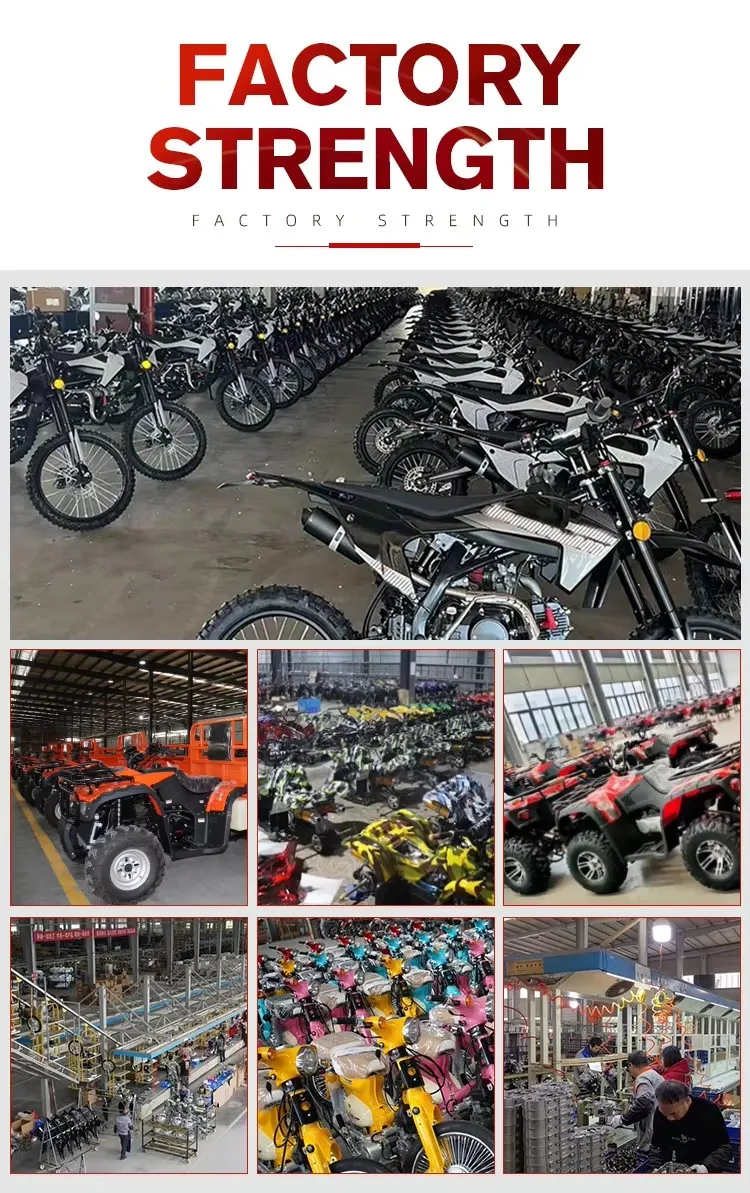
Suzhou Linwen International Trade Co., Ltd.
- Trading Company
- Jiangsu, China
- Lead time15 days
- Avg. response≤ 8h
Main productsDirt bike,Electric bicycles,Motorcycle,ATV
Main marketsSouth America(35.00%), Southeast Asia(10.00%), Central America(10.00%), North America(10.00%), Southern Europe(5.00%), Northern Europe(5.00%), Eastern Asia(5.00%), Domestic Market(5.00%), South Asia(5.00%), Eastern Europe(3.00%), Western Europe(3.00%), Oceania(2.00%), Africa(2.00%)

Wuxi Fuping Metal Products Co., Ltd.
- Combined
- China Jiangsu
- Lead time15 days
- Avg. response≤ 11h
Main productsStorage Cage Trolly
Main marketsDomestic


Folding Trolley High Quality Table Trolley for Logistics and Storage Use
$43.00 - $52.00
MOQ: 10 Pieces

Qingdao Quhongxiang Logistics Equipment Co., Ltd.
- Verified by BV
- Combined
- China Shandong
- Lead time30 days
- Avg. response≤ 1h
Main marketsEast Asia(Japan/ South Korea)

Eco Friendly Material Folding Logistics Trolley Comply with Export Standards
$100.00 - $120.00
MOQ: 1 Pieces


Outdoor Applicable Folding Logistics Trolley Resist Changing Weather Conditions
$130.00 - $150.00
MOQ: 1 Pieces

Folding Logistics Trolley Roll Container Light Alloy Trolleys with Movable Bottom for Logistics
$100.00 - $120.00
MOQ: 1 Pieces


Suzhou Highbright Enterprise Limited
- Combined
- China Jiangsu
- Lead time30 days
- Avg. response≤ 4h
Main productsShopping Trolley, Shopping Cart, Gondola Shelf, Display Shelf, Shop Fittings, Store Fixtures, Roll Container, Shopping Basket, Checkout Counter, Swing Gate
Main marketsSouth America,Africa,Southeast Asia/ Mideast,East Asia(Japan/ South Korea),Europe,Australia,North America
YONGKANG JEK INDUSTRY AND TRADE CO., LTD
- Verified by SGS
- Combined
- China Zhejiang
- Lead time30 days
- Avg. response≤ 5h
Main marketsSouth America,Southeast Asia/ Mideast,Europe

Foldable Design for Easy Storage and Transport 200kg Folding Hand Trolley
$15.88 - $19.88
MOQ: 200 Pieces

Heavy Duty 200kg Load Capacity for Industrial Use Folding Hand Trolley
$15.88 - $19.88
MOQ: 200 Pieces


200kg Heavy Duty with Solid Rubber Tires for Long Life Folding Hand Trolley
$15.88 - $19.88
MOQ: 200 Pieces

Dalian Huamao Logistics Equipment Group Co., Ltd.
- Verified by BV
- Trading Company
- China Liaoning
- Lead time30 days
- Avg. response≤ 3h
Main productsWire Mesh Container, Post Pallet, Roll Container, Tire Rack, Wire Decking, Cage Pallet, Pet Preform Container, IBC, Stillage, Metal Pallet
Main marketsSouth America,Southeast Asia/ Mideast,East Asia(Japan/ South Korea),Europe,Australia,North America

Customized Heavy Duty Trolley 500kg Industrial Foldable Rolltainer for Sale
$76.00 - $94.00
MOQ: 50 Pieces

Logistic Material Handling Industrial Storage Foldable Roller Cart Trolley
$76.00 - $94.00
MOQ: 50 Pieces

3 Side Galvanized Metal Durable Foldable Storage Industrial Transport Trolley
$57.00 - $71.00
MOQ: 50 Pieces

Customized Foldable Logistics Storage Metal Roll Container Trolley for Sale
$78.00 - $98.00
MOQ: 50 Pieces

500kg Capacity Customized Foldable Galvanized Steel Industrial Storage Mesh Trolley
$63.00 - $78.00
MOQ: 50 Pieces

Medium Duty Roll Container Cargo Collapsible Foldable Trolley with Wheels
$78.00 - $98.00
MOQ: 50 Pieces

Suzhou Yuanda Commercial Products Co., Ltd.
- Verified by SGS
- Combined
- China Jiangsu
- Lead time15 days
- Avg. response≤ 6h
Main productsShelf, Warehouse Duty Rack, Shopping Trolley, Shopping Basket, Logistic Cart, Stacking Storage Cage, Cashier, Locker, Vegetable Rack, Promotion Table
Main marketsNorth America

Foshan Yougu Storage Equipment Co., Ltd
- Verified by BV
- Combined
- China Guangdong
- Lead time15 days
- Avg. response≤ 2h
Main productsMetal Pallet, Rack, Steel Container, Stillage, Roll Container, Metal Storage Equipment, Metal Cage, Trolley, Steel Pallet, Wire Mesh Container
Main marketsAustralia,North America

Foldable Roll Container Logistics Trolley Warehouse Roll Cage Trolley
$125.00 - $135.00
MOQ: 10 Pieces


Suzhou Shunhong Metallic Products Co., Ltd.
- Trading Company,Manufacturer/Factory
- China Jiangsu
- Lead time23 days
- Avg. response≤ 8h
Main productsShopping Cart, Roll Container, Warehouse Trolley, Storage Cage, Shopping Basket, Shopping Trolley, Supermarket Cart, Hand Push Cart, Wire Mesh Cages, Checkout Counter
Main marketsSouth America,Eastern Europe,Mid East,North America,Southeast Asia,Eastern Asia,Oceania,Western Europe,Africa

Easton Hotel Supplies Co., Ltd.
- Verified by TUVRHEINLAND
- Trading Company
- China Guangdong
- Lead time15 days
- Avg. response≤ 4h
Main productsHotel Accessories, Hotel Amenity, Hotel Supplies, Wall Mounted Hair Dryer, Magnifying Mirror, Ironing Board, Welcome Tray, Wooden Hanger, Digital Safe, Luggage Rack
Main marketsSoutheast Asia/ Mideast

Yichu (Qingdao) Kitchen Equipment Co., Ltd
- Verified by SGS
- Trading Company
- China Shandong
- Lead time45 days
- Avg. response≤ 3h
Main productsShowcase, Commercial Refrigerator, Neutral Stainless Steel, Gn Pan, Gas Range, Ice Maker, Meat Ager, Working Table, Wine Cooler, Bottle Cooler
Main marketsSoutheast Asia/ Mideast,Europe,North America

- Manufacturer
- China Zhejiang
- Lead time0 days
- Avg. response≤ 6h
Main productsLadder, Multi-Purpose Ladder, Telescopic Ladder, Householder Ladder, Work Platfrom, Scaffolding Ladder, Multi-Functional Ladder, Steel Ladder, Aluminum Ladder, Step Ladder

Four Wheels Double Layers Storage Sturdy Plastic Folding Trolley with Folding Boxes
$64.08 - $65.98
MOQ: 200 Pieces


XINGTAI REITERSTON VEHICLE CO., LTD.
- Combined
- China Hebei
- Lead time23 days
- Avg. response≤ 3h
Main productsChildrens Scooters, Kick Scooter, Bike, Children's Electric Cars, Mountain Biking, Scooter, Children's Balancing Car, Electric Motorcycle, Electric Car Toys, Juguetes Para Vehiculos Electricos
Main marketsDomestic

- Combined
- China Jiangsu
- Lead time30 days
- Avg. response≤ 2h
Main productsCarbon Fiber Sucker Rod and Well Logging Cable, Chiller and Freezer Room, Pallet Truck, Stacker, Chain Hoist, Lift Table, Drum Lifter, Industrial Rolling Ladder, Jack
Main marketsSouth America,Africa,Southeast Asia/ Mideast,East Asia(Japan/ South Korea),Europe,Australia,North America

- Verified by BV
- Combined
- China Jiangsu
- Lead time15 days
- Avg. response≤ 10h
Main productsHoist, Electric Chain Hoist, Electric Hoist, Electric Wire Rope Hoist, Wire Rope Hoist, Manual Chain Hoist, Chain Hoist, Lever Hoist, Chain Block, Overhead Crane
Main marketsSouth America,Africa,Southeast Asia/ Mideast,East Asia(Japan/ South Korea),Domestic,Europe,Australia,North America

- Manufacturer/Factory
- China Beijing
- Lead time0 days
- Avg. response≤ 19h
Main productsOverhead Travelling Crane, Gantry Crane, Winches, Rigging
Main marketsSouth America,Eastern Europe,Mid East,North America,Southeast Asia,Eastern Asia,Oceania,Western Europe,Africa


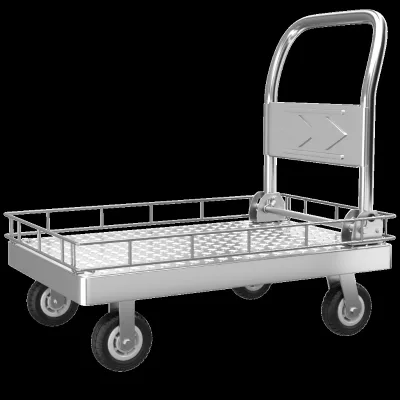
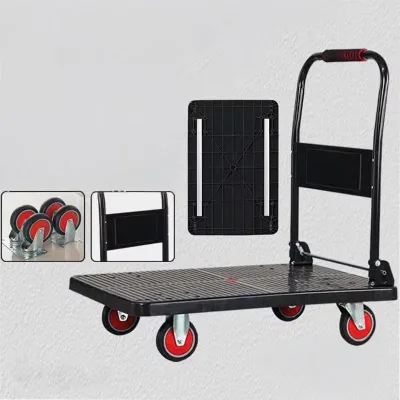


Comprehensive Sourcing Guide
Folding 300L Trolley Liner Supplier Concentration and Factory Types
Current data indicates a concentration of manufacturing capabilities in China, specifically within the Shandong and Jiangsu provinces. Suppliers in these regions often operate as combined entities or trading companies, offering a mix of direct manufacturing and sourcing services. The Shandong location is associated with a verified supplier holding SGS certification, suggesting a baseline for quality assurance in that specific cluster. In contrast, Jiangsu-based suppliers display a broader range of company types, including trading firms that may source from various factories rather than owning production lines directly. This distinction is critical when evaluating the origin of the Folding 300L Trolley Liner, as the factory type influences production control and customization flexibility.
The product evidence reveals that manufacturers in these clusters often possess ODM and OEM capabilities, allowing for significant customization of the trolley liner specifications. Some suppliers list main products that include plastic containers, storage bins, and crates, which aligns with the material requirements for a 300L liner. However, other suppliers in the same regions focus on different categories like dirt bikes or electric bicycles, indicating that a single supplier may offer diverse product lines. Buyers must verify if the specific Folding 300L Trolley Liner is a core competency or a secondary offering. The presence of combined company types suggests that some entities can manage the entire supply chain, while others rely on external networks, which impacts the consistency of the final product delivered to the buyer.
How to Verify Folding 300L Trolley Liner Suppliers
Verification of suppliers requires a rigorous check of their stated credentials against independent audit reports. The available data shows that some suppliers hold SGS verification, which serves as a tangible proof point for their operational legitimacy. Buyers should prioritize suppliers who can provide similar third-party verification documents, as this reduces the risk of dealing with unverified intermediaries. It is essential to confirm that the verification covers the specific manufacturing facility where the Folding 300L Trolley Liner will be produced, rather than just the corporate entity. Without such evidence, the buyer cannot be certain that the supplier has the actual capacity to meet quality standards or that the facility adheres to the claimed safety protocols.
Response time is another critical metric for verifying supplier reliability and engagement levels. The observed data includes response times ranging from approximately 4 hours to over 10 hours, which indicates varying levels of operational efficiency. A supplier with a response time under five hours may demonstrate a more active sales team and better communication channels, which is vital for resolving issues during the production of custom liners. Buyers should test the responsiveness of potential suppliers before placing an order to gauge their commitment. Additionally, checking the establishment year and the scope of their main products helps confirm their experience in the specific niche. If a supplier lists unrelated products as their primary focus, their expertise in the Folding 300L Trolley Liner may be limited, necessitating further due diligence.
What to Compare Across Folding 300L Trolley Liner Suppliers
When comparing suppliers, the lead time is a primary factor that dictates project scheduling and inventory management. The data indicates a standard lead time of 15 days for certain verified suppliers, which provides a benchmark for planning. However, buyers must recognize that this figure may vary based on order volume and customization requirements. Some suppliers may offer expedited services, while others might require longer periods for complex OEM orders. It is crucial to confirm the specific lead time for the Folding 300L Trolley Liner before finalizing the contract, as delays can disrupt downstream logistics. Comparing these timelines across multiple vendors helps identify the most efficient partners for urgent or time-sensitive projects.
Minimum Order Quantity (MOQ) and pricing structures are equally important for financial planning and risk assessment. The observed product data shows MOQs ranging from 20 units to 50 units, with prices varying significantly based on material and specifications. Some listings indicate prices as low as $3.71, while others reach up to $18.61, reflecting differences in material quality, such as plastic versus metal components, and feature sets like folding mechanisms. Buyers should compare these figures to ensure they are receiving a competitive rate for the specific 300L capacity required. Additionally, the availability of customization options, such as color or branding, often influences the final cost. A supplier offering a lower MOQ might be more suitable for testing the market, whereas a higher MOQ could offer better economies of scale for large-scale deployments.
Common Folding 300L Trolley Liner Sourcing Risks
One significant risk involves the discrepancy between the claimed product specifications and the actual delivered goods. The product evidence lists various attributes, including load capacities ranging from 75kg to 200kg and different wheel types, which may not all apply to a standard 300L liner. Buyers face the risk of receiving a product that does not meet their specific operational needs if they do not explicitly define the requirements. For instance, a supplier might offer a liner with a 75kg capacity when the buyer requires 200kg, leading to potential failure in industrial applications. It is imperative to request detailed technical drawings and material certificates to ensure the product matches the intended use case before production begins.
Another risk is the inconsistency in certification and compliance standards across different suppliers. While some products are listed with ISO, CE, and RoHS certifications, others may only have partial compliance or none at all. The absence of clear certification data for the specific Folding 300L Trolley Liner model creates a compliance gap that could result in regulatory issues in the buyer's target market. Buyers must verify that the supplier can provide valid certification documents for the specific batch of goods. Relying on general claims without specific proof can lead to rejected shipments or legal liabilities. Ensuring that the supplier adheres to the necessary international standards is essential for maintaining product safety and market access.
Folding 300L Trolley Liner Regional Sourcing and Logistics
Sourcing from China, particularly from the Shandong and Jiangsu provinces, offers access to established manufacturing hubs but introduces specific logistical considerations. The distance between these regions and major ports can impact shipping costs and transit times. Buyers should calculate the total landed cost, including freight, insurance, and customs duties, rather than focusing solely on the unit price. The location of the factory also affects the lead time for raw material procurement and final assembly. Suppliers in Jiangsu may have different logistical advantages compared to those in Shandong, depending on their proximity to shipping lanes and infrastructure. Understanding these regional nuances helps in selecting a supplier that aligns with the buyer's delivery schedule and budget constraints.
Logistics planning must also account for the packaging and handling requirements of the Folding 300L Trolley Liner. The product evidence suggests that items are often packed in cartons, but the specific packaging dimensions and weight will influence container loading efficiency. Buyers should confirm the packing details to optimize space utilization and minimize shipping costs. Additionally, the fragility of certain components, such as wheels or folding mechanisms, requires careful handling instructions to prevent damage during transit. Working with suppliers who have experience in international shipping ensures that the goods arrive in good condition. Clear communication regarding packaging standards and delivery terms is essential to avoid unexpected costs or delays in the supply chain.
Folding 300L Trolley Liner Commercial Terms and Order Planning
Commercial terms, including payment methods and warranty provisions, play a vital role in securing a successful transaction. The data indicates that some suppliers offer warranty periods, such as 12 months, which provides a safety net for product defects. Buyers should negotiate clear warranty terms that cover the specific Folding 300L Trolley Liner model and define the process for claims. Escrow services can further protect the buyer's funds until the goods are verified and accepted. It is crucial to establish a detailed agreement that outlines the responsibilities of both parties regarding quality control, delivery timelines, and after-sales support. A well-defined contract minimizes disputes and ensures that both the buyer and supplier are aligned on the project expectations.
Order planning requires a strategic approach to managing inventory and production cycles. Buyers should consider the lead time and MOQ when placing orders to avoid stockouts or overstocking. The ability to customize the product, such as adjusting the load capacity or material, allows for tailored solutions but may extend the production timeline. Buyers must communicate their customization needs early to ensure the supplier can accommodate them within the desired timeframe. Additionally, planning for potential fluctuations in raw material costs or supply chain disruptions is essential for maintaining a stable supply. By integrating these factors into the order planning process, buyers can mitigate risks and ensure a steady flow of folding 300L trolley liners to meet their operational demands.
FAQs
What is the price range for folding trolleys?
Prices for folding trolleys typically range from $3.71 to $18.61 per unit. The final cost depends on the specific model, material composition, and customization requirements. Buyers should verify exact pricing with suppliers based on their order volume and specific design needs.
What is the minimum order quantity for these trolleys?
The minimum order quantity varies by supplier, with common requirements starting at 20 units or 50 units. Some suppliers may offer customized MOQs for specific models. Buyers should confirm the exact MOQ with the supplier before placing an order to ensure it fits their budget.
How long does delivery take for these trolleys?
Standard lead times for folding trolleys are approximately 15 days. This timeframe may vary depending on the supplier's current production schedule and the complexity of the order. Buyers should confirm the exact delivery timeline with the supplier to plan their inventory effectively.
Are these trolleys customizable for branding?
Yes, customization is available for many folding trolley models. Suppliers offer OEM and ODM services, allowing buyers to customize materials, colors, and designs. Buyers should discuss their specific branding requirements with the supplier to ensure the customization meets their needs and quality standards.
What certifications do these trolleys have?
Many folding trolleys come with ISO, CE, and RoHS certifications. These certifications ensure that the products meet international safety and environmental standards. Buyers should verify the specific certifications required for their market and confirm them with the supplier before making a purchase decision.
Where are these trolleys manufactured?
These trolleys are primarily manufactured in China, with suppliers located in regions like Shandong and Jiangsu. The origin ensures access to established manufacturing hubs with competitive pricing. Buyers should confirm the exact manufacturing location with the supplier to assess logistics and shipping costs.