Foldable Steel Wheelchair Ramp Suppliers and Manufacturers
Explore 27 verified suppliers offering foldable steel wheelchair ramps with varying lead times, certifications, and response speeds. Compare dimensions, MOQs, and pricing to select the right partner for your needs; review the available evidence before requesting comparable quotations from suitable candidates.
Updated
Suppliers List

Jinhua Yongqiang Vehicles Factory
- Verified by BV
- Combined
- China Zhejiang
- Lead time30 days
- Avg. response≤ 9h
Main productsTrailer, Box Trailer, Cage Trailer, ATV Trailer, Utility Trailer, Car Trailer, Tandem Trailer, Boat Trailer, Jet Ski Trailer, Hydraulic Trailer
Main marketsSouth America,Southeast Asia/ Mideast,Europe,Australia,North America

Tormays Technology (Hebei) Co., Ltd.
- Verified by SGS
- Trading Company,Manufacturer/Factory
- China Hebei
- Lead time0 days
- Avg. response≤ 3h
Main productsL Track, E Track, Track Fitting, Ratchets, Forged Hook, Flat Hook, Wire Hook, Pan Fitting, Cargo Bar
Main marketsSouth America,Eastern Europe,Mid East,North America,Southeast Asia,Eastern Asia,Oceania,Western Europe,Africa

Shandong Jincheng Building Materials Co., Ltd
- Verified by TUVRHEINLAND
- Manufacturer/Factory
- China Shandong
- Lead time23 days
- Avg. response≤ 3h
Main productsHospital Handrail, Wall Protection Guard, Wall Protection Sheet, Bathroom Grab Bar, Hospital Curtain, Tactile Indicator, Stair Nosing, Bedhead Unit, Medical Products, Wall Skirting
Main marketsEastern Europe,Mid East,North America,Western Europe,Africa

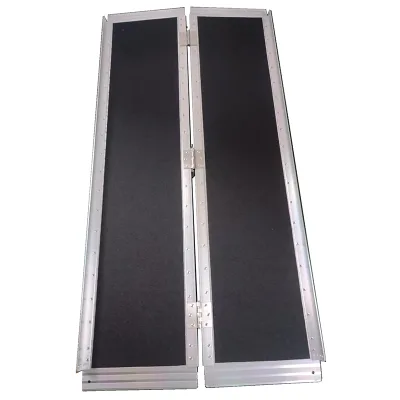
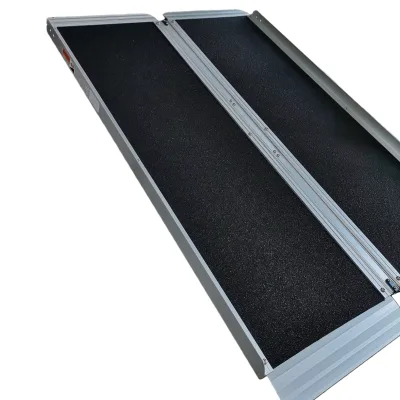
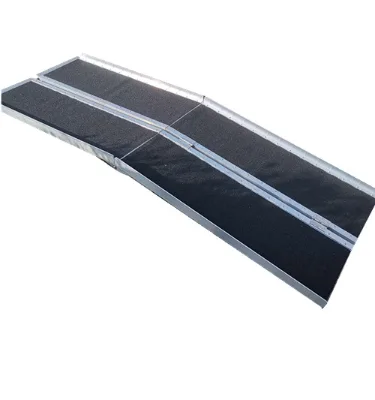
Heavy-Duty Aluminum Wheelchair Ramp Multi-Fold Mobility Ramp Portable Foldable Access Ramp
$80.00 - $180.00
MOQ: 250 Sets

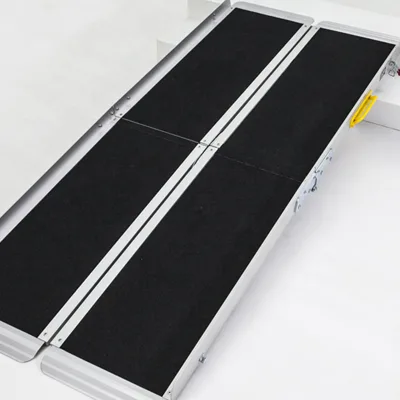
Foldable Aluminum Wheelchair Ramp Portable Mobility Ramp Lightweight Handicap Ramp
$80.00 - $180.00
MOQ: 250 Sets

Aluminum Mobility Ramp Foldable Wheelchair Ramp Portable Handicap Ramp Anti-Slip Design
$80.00 - $180.00
MOQ: 250 Sets

$80.00 - $180.00
MOQ: 250 Sets

Wholesale Aluminum Wheelchair Ramp Foldable Mobility Ramp Portable Handicap Ramp Supplier
$80.00 - $180.00
MOQ: 250 Sets

Foldable Aluminum Wheelchair Ramp Portable Mobility Access Ramp Lightweight Non-Slip Handicap Ramp
$80.00 - $180.00
MOQ: 250 Sets

Ningbo Yinzhou Hishen Hardware Co., Ltd.
- Manufacturer, Trading Company
- Zhejiang, China
- Lead time30 days
- Avg. response≤ 15h
Main productslaser cutting parts,brass fitting,welding parts,sheet metal fabrication,cnc machining parts
Main marketsWestern Europe(20.00%), Northern Europe(17.00%), Eastern Europe(12.00%), Southeast Asia(10.00%), South America(8.00%), Oceania(6.00%), South Asia(6.00%), Mid East(6.00%), Domestic Market(5.00%), North America(5.00%), Southern Europe(5.00%)

QINGDAO ANTAI HENGXIN MACHINERY TECHNOLOGY CO., LTD.
- Verified by TUVRHEINLAND
- Manufacturer/Factory
- China Shandong
- Lead time23 days
- Avg. response≤ 3h
Main productsHeavy Duty Ramp, Motorcycle Ramp, Mini Excavator, Skid Steer Loader, Wheelchair Ramp, Pet Ramp, Track, Skid Steer Loader Attachments, Mini Excavator Attachments
Main marketsSouth America,Eastern Europe,North America,Southeast Asia

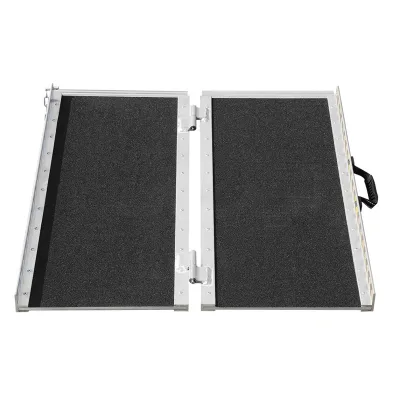
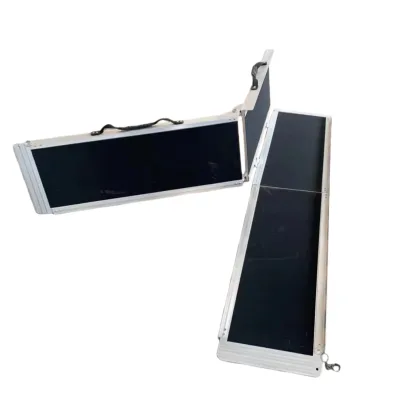
Aluminum Portable Folding Disabled Ramp Wheelchair Ramp with Carrying Handles
$27.00 - $82.00
MOQ: 100 Pieces

Aluminum Handicap Ramp Adjustable Telescopic Wheelchair Ramp Foldable Ramps for Wheelchairs Portable
$30.00 - $34.00
MOQ: 100 Pieces

Aluminum Ramp Adjustable Telescopic Wheelchair Ramp Foldable Ramps for Wheelchairs Portable
$30.00 - $34.00
MOQ: 100 Pieces

Anti-Slip Design Durable and Portable Foldable Aluminum Wheelchair Ramp for The Disabled
$31.00 - $35.00
MOQ: 20 Pieces

Aluminum Manual Folding Wheelchair Ramp 270kg Capacity for Disabled Users
$72.00 - $76.00
MOQ: 100 Pieces


Changzhou Xinder-Tech Electronics Co., Ltd.
- Verified by SGS
- Combined
- China Jiangsu
- Lead time30 days
- Avg. response≤ 4h
Main productsWheelchair Lift, Electric Wheelchair Ramp, Hydraulic Scissor Lift, Manual Wheelchair Ramps, Electric Steps, Electric Folding Steps, Manual Folding Steps, Wheelchair Restraint System, Manual Driveing System, Seat Fixing System
Main marketsSoutheast Asia/ Mideast,East Asia(Japan/ South Korea)
Sanmen Aroad Traffic Facility Factory
- Verified by TüVRheinland
- Manufacturer, Trading Company
- Lead time5 days
- Avg. response≤ 6h
Main productsCable protector, Rubber speed hump, Traffic cone, Anti-impacted block, Rubber wheel stopper
Main marketsSoutheast Asia(30%), Domestic Market(30%), South America(15%)
- Manufacturer, Trading Company
- Jiangsu, China
- Lead time25 days
- Avg. response≤ 5h
Main productsWheelchair,wheelchair power attachment,electric wheelchair,Electric Wheelchair Handcycle,Electric Bicycle Battery
Main marketsNorth America(35.00%), Western Europe(30.00%), Oceania(5.00%), Africa(5.00%), Eastern Europe(5.00%), Southern Europe(4.00%), Northern Europe(4.00%), Domestic Market(3.00%), South America(3.00%), Central America(2.00%), Eastern Asia(2.00%), Mid East(2.00%)
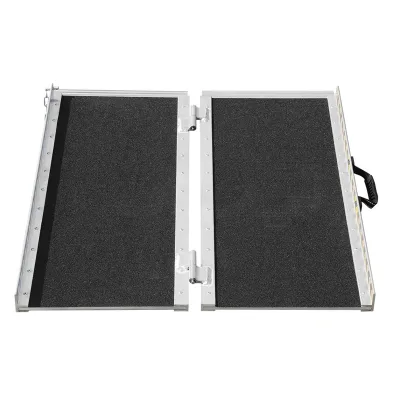
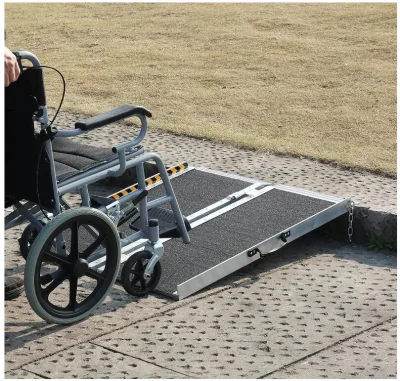
$46.2049 - $51.3381
MOQ: 2 pieces
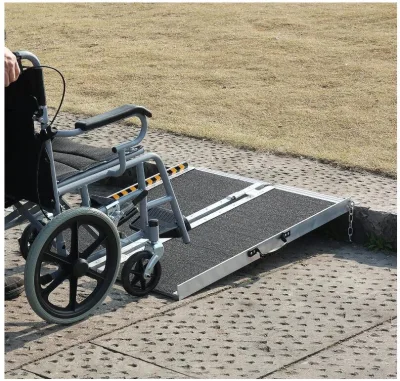
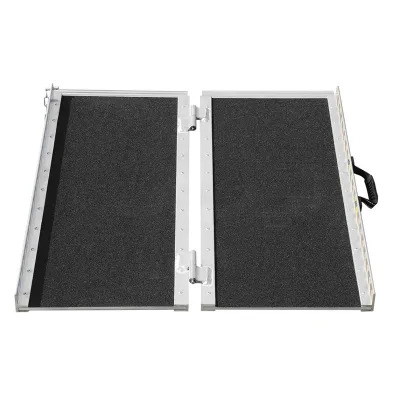
Professional Manufacture Nice Price Wheelchair Ramp Loading Aluminium Ramp
$46.2049 - $51.3381
MOQ: 2 pieces
Shanghai Brother Medical Products Manufacturer Co., Ltd.
- Verified by Intertek
- Trading Company
- Lead time25 days
- Avg. response≤ 12h
Main productsWheelchair, Commode Chair, Shower Chair, Walker, Crutch
Main marketsSouth America(35%), North America(20%), Eastern Europe(10%)
Shanghai Eroson Traffic Facility Co., Ltd.
- Verified by SGS Group
- Trading Company
- Lead time7 days
- Avg. response≤ 7h
Main productsSpeed Bump, Traffic Cone, Convex Mirror, Warning Post, Road Stud
Main marketsSoutheast Asia(18%), Western Europe(12%), Oceania(11%)
Zhejiang Altertool Technology Inc.
- Manufacturer, Trading Company
- Zhejiang, China
- Lead time30 days
- Avg. response≤ 2h
Main productsCar Jack, Car Lift, Shop Press, Motorcycle Tools, Tyre Repair Tools
Main marketsWestern Europe(32.00%), Eastern Europe(32.00%), South America(21.00%), North America(8.00%), Southeast Asia(4.00%), Africa(2.00%), Oceania(1.00%)
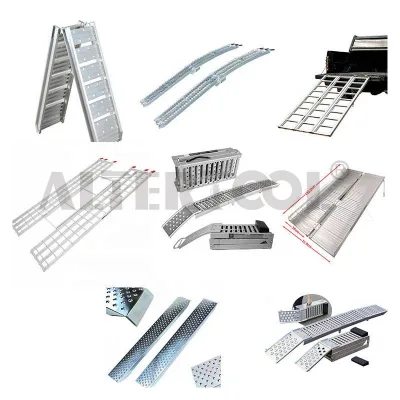
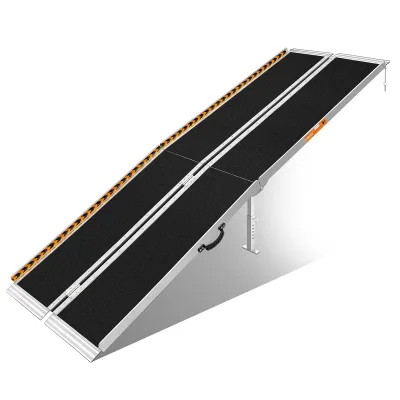
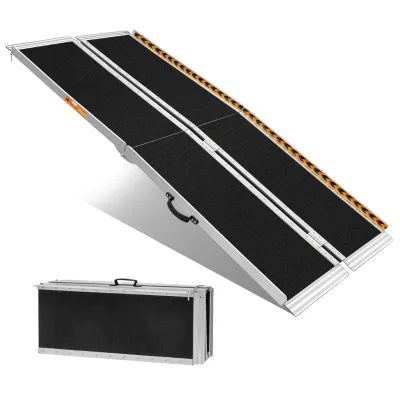
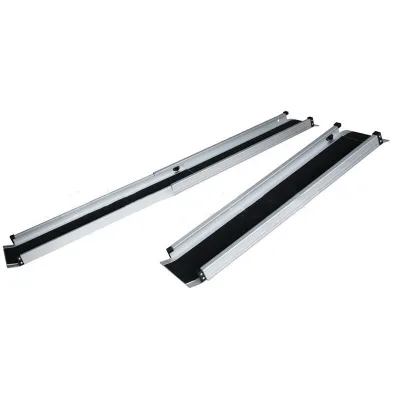
Hot Sale Multifunction Heavy Duty Foldable Long Steel Loading Ramp Wheelchair Trailer Ramps
$47.05 - $54.89
MOQ: 500

Hangzhou Justry Technology Co., Ltd.
- Trading Company
- Zhejiang, China
- Lead time30 days
- Avg. response≤ 8h
Main productsOutdoor bench & table,Bike rack,Speed bump,Expandable barrier,Street bollard
Main marketsOceania(54.95%), Western Europe(40.11%), North America(4.94%)
Chongqing Muniu Power Technology Co., Ltd.
- Verified by SGS Group
- Trading Company
- Lead time30 days
- Avg. response≤ 3h
Main productsWheelchair, Wheelchair Parts , Mobility Scooter, Patient Lift, Hand Control
Main marketsOceania(30%), South America(20%), Eastern Europe(15%)
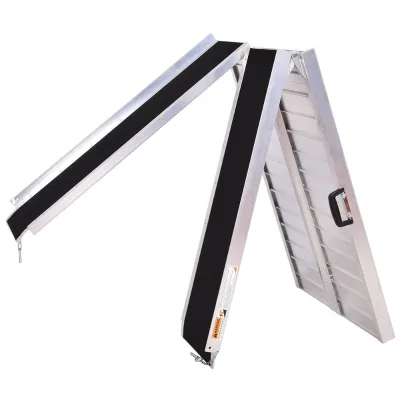
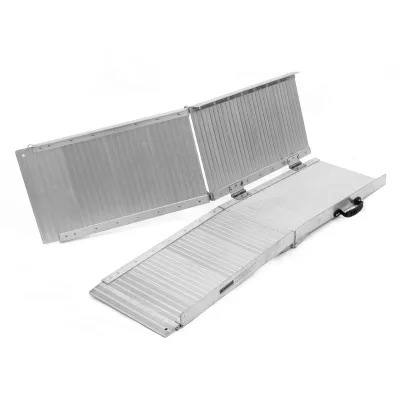
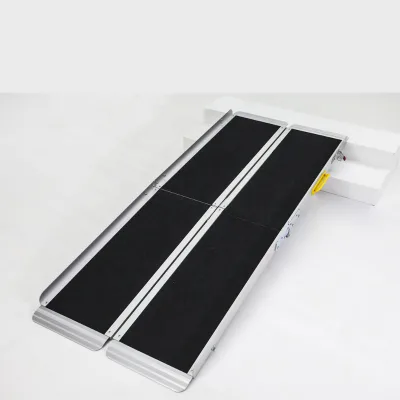
High Quality Aluminium Folding Wheelchair Ramp for Wheel Chair Access
$86.561 - $117.1133
MOQ: 10 pieces

Guangdong Baosong Industry Technology Co., Ltd.
- Verified by TUVRHEINLAND
- Trading Company,Manufacturer/Factory
- China Guangdong
- Lead time45 days
- Avg. response≤ 5h
Main productsAluminum Extrusion, Podwer Coating Aluminium Profile, Aluminum Pool Fence, Aluminum Windows and Doors, Aluminum Die Casting, Fabricated Aluminum Products, CNC Machined Aluminium Parts, Aluminium Frame, Aluminium Curtain Wall, LED Aluminium Profile
Main marketsSouth America,Eastern Europe,Mid East,North America,Southeast Asia,Eastern Asia,Oceania,Western Europe,Africa

Safety Portable Aluminium Scooter Wheelchair Ramp Foldable Loading Ramp for Disabled
$70.00 - $80.00
MOQ: 50 Pieces

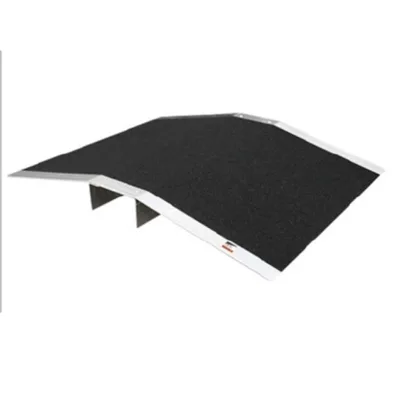
Durable Portable Aluminium Folding Threshold Ramp Non-Slip Wheelchair Access Ramp
$70.00 - $80.00
MOQ: 50 Pieces
Jiangsu Depai Hydraulic Co., Ltd.
- Manufacturer, Trading Company
- Jiangsu, China
- Lead time15 days
- Avg. response≤ 2h
Main productstail lift,Forklift,Manual Pallet Trucks,Dock Leveler,Hydraulic power unit
Main marketsNorth America(10.00%), South America(10.00%), Southeast Asia(10.00%), Mid East(10.00%), Central America(10.00%), South Asia(10.00%), Eastern Europe(5.00%), Africa(5.00%), Oceania(5.00%), Eastern Asia(5.00%), Western Europe(5.00%), Northern Europe(5.00%), Southern Europe(5.00%), Domestic Market(5.00%)

Zhejiang Enze Vehicle Co., Ltd.
- Verified by BV
- Combined
- China Zhejiang
- Lead time45 days
- Avg. response≤ 3h
Main productsE-Bike, Road Bike, MTB, Electric Bicycle, Folding Bike, City Bike, Bike Frame, ATV Ramps, Aluminum Ramp, Adult
Main marketsSouth America,North America


Non-Slip Wheelchair Ramp, Portable Aluminum Ramp for Wheelchairs Single Fold 600lbs
$65.00 - $90.00
MOQ: 50 Pieces


Qingdao Antai Hengye Machinery Technology Co., Ltd.
- Manufacturer, Trading Company
- Shandong, China
- Lead time35 days
- Avg. response≤ 3h
Main productsAluminum ramp,Garden tools,Lawn roller,Fishing cart
Main marketsNorth America(35.00%), Western Europe(15.00%), Southern Europe(15.00%), Eastern Europe(15.00%), Oceania(10.00%), Southeast Asia(5.00%), Northern Europe(5.00%)
Ningbo Jinchi Machinery Company
- Manufacturer, Trading Company
- Zhejiang, China
- Lead time45 days
- Avg. response≤ 3h
Main productscar bike carrier,wheelchair ramp,motorcycle carrier,cargo carrier,roof rack
Main marketsNorth America(70.00%), Oceania(10.00%), Northern Europe(10.00%), South America(5.00%), Western Europe(5.00%)
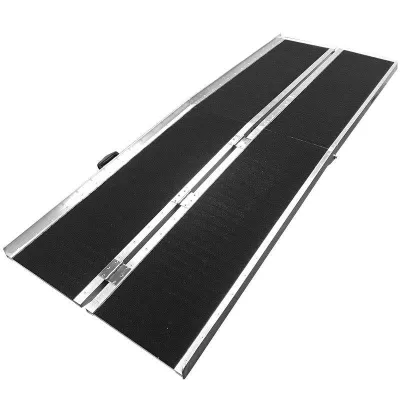
$65.1764 - $70.2677
MOQ: 100 pieces
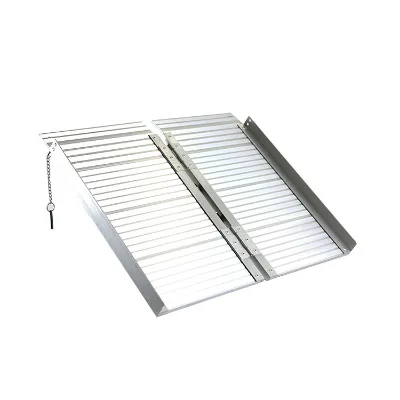
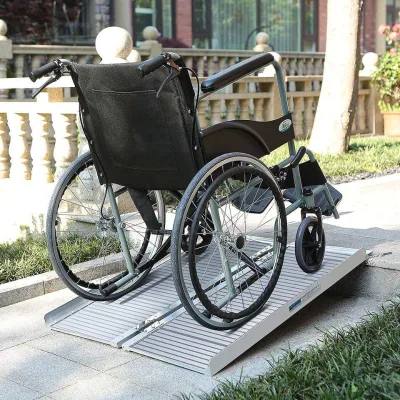
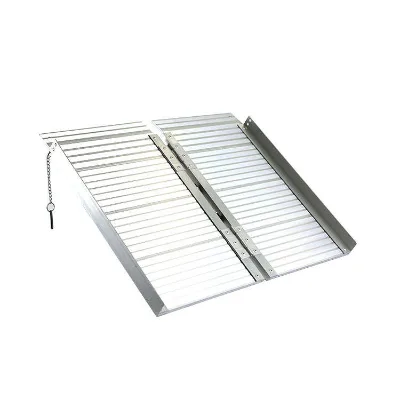
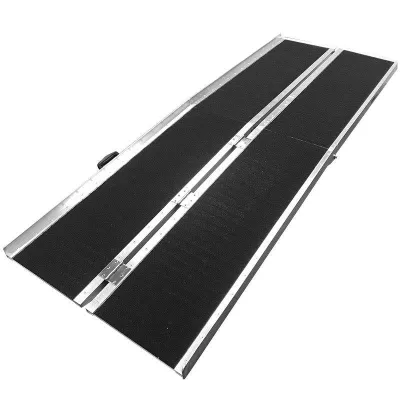
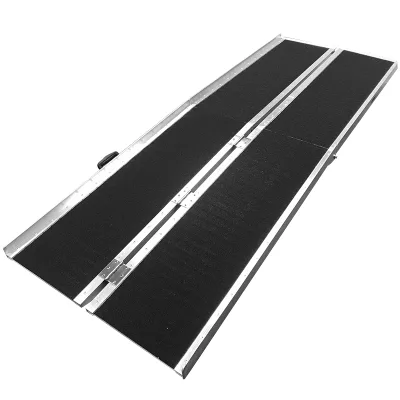
Manufacturer Supply Aluminium Multi-folding Car Loading Wheelchair Access Ramps
$64.00 - $69.00
MOQ: 100

Henan Eminent Medical Devices Co., Ltd.
- Trading Company
- Henan, China
- Lead time15 days
- Avg. response≤ 1h
Main productsMedical Consumables,Medical Disinfection and Sterilization Equipment,Rehabilitation Equipment,ICU Equipment,Hospital Furniture
Main marketsWestern Europe(35.00%), South America(20.00%), Mid East(15.00%), North America(10.00%), Eastern Asia(10.00%), Eastern Europe(10.00%)
Qingdao Ecosino Industry Co., Ltd.
- Verified by Intertek
- Manufacturer, Trading Company
- Lead time25 days
- Avg. response≤ 2h
Main productsFolding Wagon, Shelf, Lawn Mower, Tool Cart Wheel, Kids Cart
Main marketsEastern Asia(22%), Oceania(18%), North America(15%)
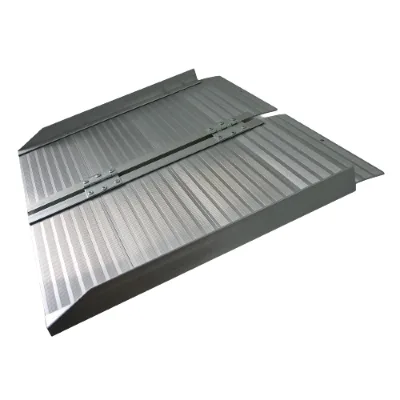
$22.729 - $25.8292
MOQ: 200 pieces

Suzhou Quanhao Metal Products Technology Co., Ltd.
- Verified by SGS
- Trading Company
- China Jiangsu
- Lead time15 days
- Avg. response≤ 2h
Main productsOutdoor Furniture, Camping Products, Impellers, Garden Tools, Bollards, Brackets, Dog Kennels, Manhole Covers, Bike Racks, Metal Fabrication Services
Main marketsAfrica,Southeast Asia/ Mideast,Europe,North America

JIANGYIN NUOHENG METAL PRODUCTS CO., LTD
- Trading Company,Manufacturer/Factory
- China Jiangsu
- Lead time23 days
- Avg. response≤ 2h
Main productsAluminium Profile, Solar Frame&Bracket, Assembly Line Profile, Exhibition Profile, Elevator Profile, CNC Machining, Solar Mounting Structure, LED Lighting Profle, Aluminium Radiator, Auto Parts
Main marketsSouth America,Eastern Europe,Mid East,North America,Southeast Asia,Eastern Asia,Oceania,Western Europe


Lightweight Folding Aluminium Threshold Wheelchair Ramp for Safe Mobility Access
$3.22 - $3.77
MOQ: 500 kg

Heavy-Duty Folding Aluminium Threshold Wheelchair Ramp for Indoor and Outdoor Use
$3.22 - $3.77
MOQ: 500 kg


YONGKANG JEK INDUSTRY AND TRADE CO., LTD
- Verified by SGS
- Combined
- China Zhejiang
- Lead time30 days
- Avg. response≤ 3h
Main marketsSouth America,Southeast Asia/ Mideast,Europe

1360kg max load anti slip wheelchair aluminum foldable Folding Ramp, Aluminium Ramp, Loading Ramp
$35.88 - $38.88
MOQ: 100 Pieces

$35.88 - $38.88
MOQ: 100 Pieces

$35.88 - $38.88
MOQ: 100 Pieces

$35.88 - $38.88
MOQ: 100 Pieces

Changzhou Hao Lan Import & Export Trading Co., LTD.
- Verified by TUVRHEINLAND
- Manufacturer/Factory
- China Jiangsu
- Lead time15 days
- Avg. response≤ 6h
Main productsTonneau Cover, Side Step, Fender Flare, Mudflap, Head Light, Bumper, Bedmat, Grille
Main marketsSouth America,Eastern Europe,Mid East,North America,Southeast Asia,Africa

Handicapped Disabled Aluminium Folding Wheelchair Ramps. Ramps for Motorcycle
$58.00 - $158.00
MOQ: 1 Pieces

Factory Wholesale Non-Slip Folding Portable Wheelchair Ramps, Road Safety Ramps
$58.00 - $158.00
MOQ: 1 Pieces
Tiantai Yongsheng Traffic Facilities Co.,ltd.
- Verified by Intertek
- Manufacturer, Trading Company
- Lead time20 days
- Avg. response≤ 7h
Main productsSpeed Bump, Wheel Stopper, Curb Ramp, Dock Bumper, Cable Protector
Main marketsNorth America(30%), Oceania(25%), Mid East(10%)
Hangzhou Rannuo Technology Co., Ltd.
- Trading Company
- zhejiang, China
- Lead time0 days
- Avg. response≤ 5h
Main productsAluminum ATV loading ramp,Steel ATV Loading Ramp,Wheelchair Ramps,Heavy Duty Ramps,Pet Ramps
Main marketsNorthern Europe(50.00%), North America(50.00%)
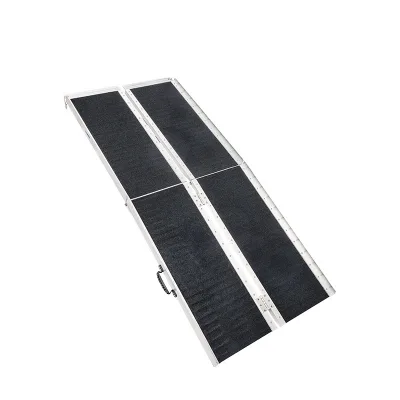
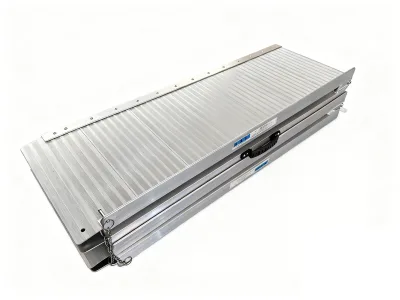
$164.3931 - $179.8047
MOQ: 50 sets
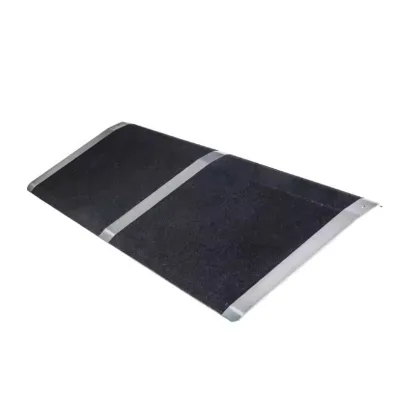
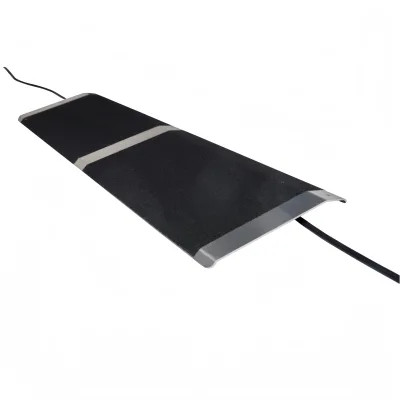
$15.3802 - $20.5074
MOQ: 100 pieces
Qingdao Hvsun Industy Co., Ltd.
- Trading Company
- Shandong, China
- Lead time5 days
- Avg. response≤ 8h
Main productsrubber flooring,rubber tiles,rubber mat,gym flooring,custom rubber
Main marketsOceania(10.00%), South Asia(10.00%), Southern Europe(10.00%), Western Europe(10.00%), South America(10.00%), North America(10.00%), Domestic Market(5.00%), Africa(5.00%), Southeast Asia(5.00%), Northern Europe(5.00%), Central America(5.00%), Eastern Europe(5.00%), Eastern Asia(5.00%), Mid East(5.00%)
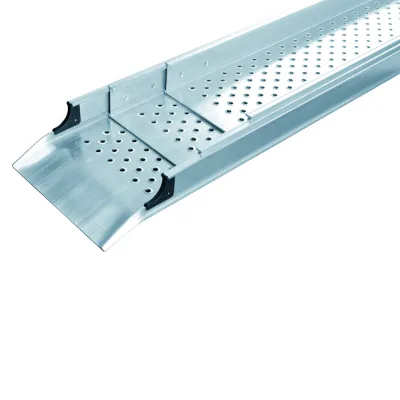
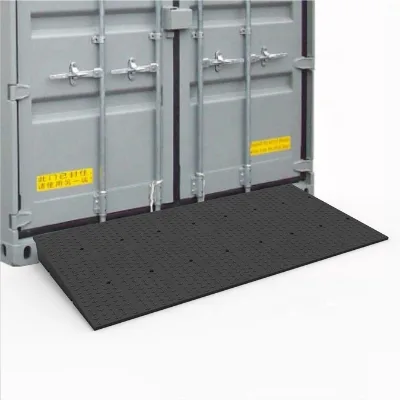
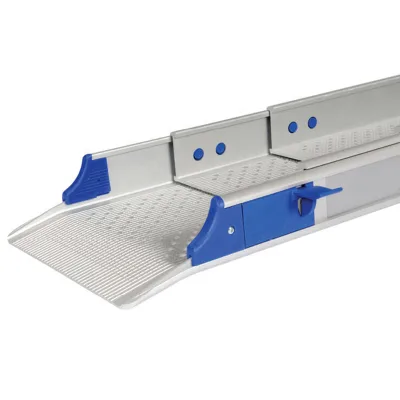
10' Adjustable Wheelchair Telescoping Track Ramps
$85.00 - $95.00






Comprehensive Sourcing Guide
Foldable Steel Wheelchair Ramp Supplier Concentration and Factory Types
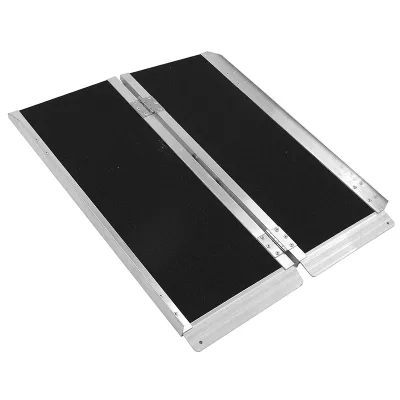
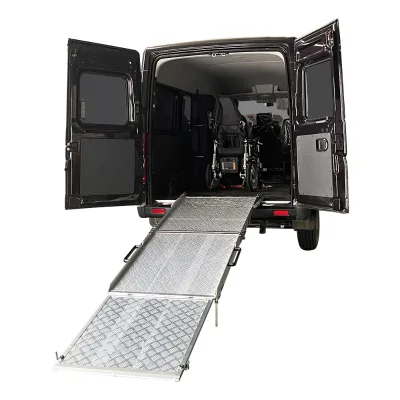
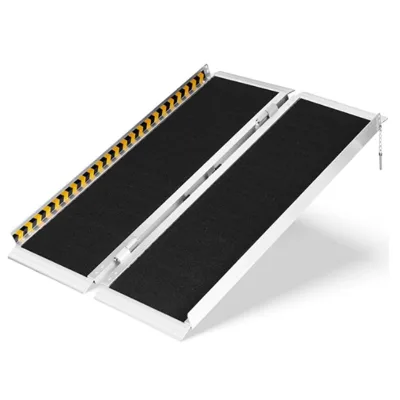
The current supplier landscape for foldable wheelchair ramps reveals a distinct concentration of manufacturing activity within specific Chinese provinces, primarily Zhejiang and Hebei, with additional presence in Shandong. These regions serve as key industrial hubs for metal fabrication and mobility aid production, offering buyers access to established supply chains for aluminum and steel components. In Zhejiang, suppliers often operate as combined entities that blend trading capabilities with manufacturing resources, allowing for greater flexibility in order sizes and customization options. This dual nature is particularly evident in companies that list diverse main products ranging from trailers to specialized medical accessories, indicating a broad industrial base that can pivot to meet specific ramp requirements. The presence of ISO9001:2015 certification among these Zhejiang-based firms suggests a standardized approach to quality management, which is crucial for ensuring the structural integrity of foldable mechanisms. Buyers should note that while the keyword specifies steel, many current results highlight aluminum construction, necessitating a careful review of material specifications to ensure the desired steel composition is available.
In contrast, suppliers located in Hebei and Shandong often present as pure manufacturers or trading companies with distinct operational focuses. Hebei-based factories may emphasize heavy-duty cargo control and track fittings, suggesting a robust capability in handling high-strength metal applications that could translate to durable steel ramp production. Shandong manufacturers, often verified by international bodies like TÜV Rheinland, tend to focus on hospital-grade accessories and wall protection, indicating a specialized approach to safety and durability standards. These regional differences imply that sourcing from Hebei might yield more industrial-grade solutions, while Shandong suppliers could offer higher-end medical compliance features. The variation in company types, from combined enterprises to dedicated factories, means that buyers must assess whether they need a partner for large-scale OEM production or a trading company for quicker access to stock items. Understanding these regional specializations helps in targeting the right supplier profile, whether the priority is cost-effective mass production or specialized medical-grade certification.
How to Verify Foldable Steel Wheelchair Ramp Suppliers
Verification is a critical step in ensuring that a supplier can deliver safe and reliable foldable wheelchair ramps, particularly when dealing with structural metal components. Buyers should prioritize suppliers who hold recognized third-party verification badges, such as BV, SGS, or TÜV Rheinland, as these indicate that an independent agency has audited the company’s business legitimacy and operational capabilities. For instance, some Zhejiang suppliers display BV verification, while Shandong manufacturers may carry TÜV Rheinland credentials, signaling different levels of scrutiny and compliance. Beyond basic verification, it is essential to check for specific system certifications like ISO9001:2015, which demonstrates a commitment to consistent quality management processes. This certification is particularly relevant for foldable ramps, where the reliability of hinges and locking mechanisms is paramount. Buyers should request copies of these certificates and verify their validity through the issuing bodies, ensuring that the supplier’s claims align with documented standards. Additionally, looking for evidence of product-specific testing or compliance with regional safety standards can provide further assurance of product quality.
Response time and communication efficiency are also key indicators of a supplier’s reliability and professionalism. Suppliers with faster response times, such as those averaging under three hours, often demonstrate a more agile and customer-centric operation, which can be crucial for resolving technical queries about steel specifications or custom dimensions. In the current results, response times vary significantly, with some suppliers averaging around 2.01 hours and others taking over eight hours. This disparity can impact the speed of quotation and negotiation, especially for complex orders requiring detailed engineering drawings. Buyers should also assess the supplier’s capacity for OEM and ODM services, as indicated by their listed capabilities. Suppliers offering both OEM and ODM options, such as those in Zhejiang, may be more flexible in adapting existing designs to meet specific steel requirements. Conversely, suppliers with only OEM capabilities might be better suited for buyers with proprietary designs. By combining verification badges, certification checks, and communication assessments, buyers can build a comprehensive profile of a supplier’s trustworthiness and operational competence.
What to Compare Across Foldable Steel Wheelchair Ramp Suppliers
When evaluating multiple suppliers for foldable steel wheelchair ramps, several key dimensions must be compared to determine the best fit for specific procurement needs. Lead time is a critical factor, as it directly impacts inventory management and delivery schedules. Current data shows significant variation, with some suppliers listing lead times of zero days, suggesting ready stock, while others indicate times of 30 or 23 days, typical for custom manufacturing. Buyers should clarify whether these lead times include production, testing, and shipping, and whether expedited options are available for urgent orders. Minimum Order Quantity (MOQ) is another vital comparison point, as it affects cost efficiency and risk exposure. MOQs range widely, from as low as one unit for sample testing to 200 units for bulk production. Suppliers with lower MOQs, such as those in Hebei, may be more accessible for small businesses or initial market testing, while higher MOQs might offer better per-unit pricing for large-scale distributors. Understanding these thresholds helps in aligning supplier capabilities with order volume expectations.
Price and customization options also play a significant role in supplier selection. Price ranges vary considerably, with some products starting at $23.00 and others reaching up to $199.99, reflecting differences in material quality, dimensions, and feature sets. Buyers should request detailed quotations that break down costs for materials, labor, and shipping, ensuring transparency in pricing. Customization availability is another key differentiator, with many suppliers offering options for specific steel grades, surface finishes, or dimensional adjustments. For example, some suppliers provide anodized or coated finishes, which may be relevant for corrosion resistance in steel ramps. Additionally, comparing the main products listed by each supplier can reveal their expertise; those focusing on trailers or cargo tracks may have more experience with heavy-duty metal fabrication. Response time should also be factored into the comparison, as faster communication can streamline the negotiation and specification process. By systematically comparing lead times, MOQs, prices, and customization capabilities, buyers can identify suppliers that offer the best balance of cost, speed, and flexibility for their specific requirements.
Common Foldable Steel Wheelchair Ramp Sourcing Risks
One of the primary risks in sourcing foldable wheelchair ramps is the potential mismatch between advertised materials and actual product composition. While the search keyword specifies steel, many current supplier results highlight aluminum construction, which offers different weight and strength characteristics. Buyers must explicitly confirm whether the supplier can produce steel variants, as aluminum and steel have distinct manufacturing processes and cost structures. Assuming availability based on general product listings can lead to delays or unsuitable products. Another significant risk involves the quality of foldable mechanisms, which are critical for safety and durability. Suppliers may list products as "foldable" without providing detailed engineering specifications for hinges, locks, or load-bearing capacities. Without clear evidence of stress testing or compliance with specific safety standards, buyers risk receiving ramps that may fail under weight or repeated use. It is essential to request technical datasheets and test reports that validate the structural integrity of the folding components, particularly for steel models which may be heavier and subject to different stress patterns.
Shipping and logistics pose another set of risks, especially for heavy steel ramps that incur higher freight costs. Some suppliers list Ningbo as the shipping port, which is a major hub, but buyers must verify if this applies to all products or only specific models. Inconsistent shipping terms can lead to unexpected costs or delays, particularly if the supplier uses different logistics partners for different product lines. Additionally, the risk of intellectual property infringement exists when working with suppliers offering OEM services. Buyers must ensure that their proprietary designs are protected through clear contractual agreements and non-disclosure clauses. Suppliers with a history of ODM services may have existing designs that could conflict with unique buyer requirements. Furthermore, variations in response times can indicate underlying operational issues, such as staffing shortages or inefficient communication channels, which may affect order tracking and issue resolution. By proactively addressing these material, mechanical, logistical, and intellectual property risks, buyers can mitigate potential disruptions and ensure a smoother sourcing experience.
Foldable Steel Wheelchair Ramp Regional Sourcing and Logistics
Sourcing from specific Chinese regions offers distinct logistical advantages and challenges that buyers must consider when planning their supply chain. Zhejiang-based suppliers, often located near major ports like Ningbo, benefit from established export infrastructure, which can facilitate faster and more cost-effective shipping for international orders. This proximity to logistics hubs is particularly advantageous for buyers seeking efficient delivery to global markets. However, buyers should verify if the listed shipping port applies to all product variants, as some suppliers may use different ports for different item types. Hebei-based suppliers, while potentially offering competitive pricing for heavy-duty metal products, may be located further from major coastal ports, potentially increasing inland transportation costs. Buyers should factor in these logistical nuances when comparing total landed costs, as lower unit prices may be offset by higher shipping expenses. Additionally, the regional concentration of suppliers in these areas can lead to economies of scale, but it also means that buyers should diversify their supplier base to mitigate risks associated with regional disruptions, such as weather events or local policy changes.
Logistics planning should also account for the specific dimensions and weight of foldable steel ramps, which can impact packaging and container utilization. Suppliers often list standard packing methods, such as carton packaging, but buyers should confirm if this is suitable for steel products, which may require more robust protection to prevent damage during transit. Custom packaging options may be available for an additional cost, which could be justified for high-value or fragile components. Furthermore, buyers should consider the impact of seasonal demand on logistics capacity, as peak seasons can lead to container shortages and increased freight rates. Establishing clear communication with suppliers regarding shipping schedules and documentation requirements is essential to avoid delays at customs. For suppliers in Shandong, which may focus on medical-grade products, buyers should ensure that all necessary certifications and compliance documents are prepared in advance to facilitate smooth customs clearance. By carefully evaluating regional logistics capabilities and packaging requirements, buyers can optimize their supply chain efficiency and reduce the risk of delivery delays.
Foldable Steel Wheelchair Ramp Commercial Terms and Order Planning
Effective order planning for foldable steel wheelchair ramps requires a thorough understanding of commercial terms, including payment structures, warranty policies, and after-sales support. Buyers should negotiate clear payment terms that align with their cash flow needs, such as partial upfront payments with the balance due upon shipment or completion of quality inspections. Suppliers with established verification badges and certifications may offer more flexible payment options, reflecting their financial stability and trustworthiness. It is also crucial to clarify warranty coverage for structural components, particularly the foldable mechanisms, to ensure that any defects are addressed promptly. Suppliers should provide detailed warranty terms that specify the duration, coverage scope, and process for claiming replacements or repairs. Additionally, buyers should inquire about the availability of spare parts, such as hinges or locking pins, to extend the lifespan of the ramps and reduce long-term maintenance costs. Understanding these commercial terms helps in building a sustainable partnership with suppliers and minimizing financial risks.
Customization and branding options are also key considerations in order planning, especially for buyers seeking to differentiate their products in the market. Suppliers offering OEM services can help buyers create unique product lines with custom branding, packaging, and specifications. However, buyers must ensure that the supplier has the capability to handle steel-specific customization, such as different alloy compositions or surface treatments. Clear communication of design requirements and approval processes is essential to avoid misunderstandings and ensure that the final product meets expectations. Buyers should also plan for quality control measures, such as pre-shipment inspections, to verify that the ramps meet all specified standards before dispatch. Establishing a robust quality assurance process helps in maintaining product consistency and customer satisfaction. By carefully planning commercial terms, customization options
FAQs
What is the price range for aluminum wheelchair ramps?
Prices for aluminum wheelchair ramps typically range from $23 to $199.99 depending on the model and size. Smaller units start around $23, while larger or specialized configurations can reach nearly $200. Buyers should check specific product listings for exact pricing based on dimensions and customization options.
What is the minimum order quantity for these ramps?
Minimum order quantities vary significantly by supplier and product model. Some manufacturers require a minimum of 100 or 200 units, while others accept orders as low as one piece. Buyers must verify the specific MOQ for each product listing to ensure it aligns with their procurement volume requirements.
How long does production take for these ramps?
Lead times for manufacturing these ramps generally range from zero to thirty days. Some suppliers offer immediate availability or very short turnaround times, while others require up to thirty days for production. Buyers should confirm the specific lead time with the supplier before placing an order to manage inventory effectively.
Are these ramps made from aluminum or steel?
The available products are primarily constructed from aluminum, not steel. Listings specify aluminum material for features like lightweight portability and durability. Buyers seeking steel ramps should verify material specifications carefully, as the current results focus on aluminum folding ramps with anti-slip surfaces and foldable designs.
What certifications do these suppliers hold?
Suppliers offering these ramps hold various certifications including ISO9001:2015, ISO 9001, and verification from BV, SGS, and TÜV Rheinland. These credentials indicate adherence to quality management systems and independent verification processes. Buyers should request specific certificate copies to ensure compliance with their regional safety and quality standards.
Where are these wheelchair ramps manufactured?
Manufacturing locations for these ramps include Zhejiang, Hebei, and Shandong provinces in China. Suppliers in these regions offer various models with different dimensions and features. Buyers can filter results by location to prioritize suppliers based on logistical preferences or regional trade requirements for their specific sourcing needs.
Can these ramps be customized for specific needs?
Customization is available for many of the listed aluminum wheelchair ramps. Suppliers offer options for specific dimensions, finishes, and branding through OEM or ODM services. Buyers should contact suppliers directly to discuss custom requirements such as specific lengths, widths, or packaging needs to ensure the product meets their exact specifications.