G4 Synthetic Fiber Air Filter Suppliers and Manufacturers
Explore 17 verified suppliers offering G4 Synthetic Fiber Air Filter options with varying lead times, certifications, and response speeds. Compare dimensions, MOQs, and prices to select the right factory for your needs and request quotes today; review the available evidence before requesting comparable quotations from suitable candidates.
Suppliers List

Guangdong Fresh Filter Co., Ltd.
- Verified by BV
- Manufacturer/Factory
- China Guangdong
- Lead time23 days
- Avg. response≤ 7h
Main productsHEPA Filter, Panel Filter, Pocket Filter, Ceiling Filter, Industrial Dust Collector, Blue and White Filter, Activated Carbon Filter, Washable Filter, Paper Filter, High Temperature Filter
Main marketsSouth America,Eastern Europe,Mid East,North America,Southeast Asia,Eastern Asia,Oceania,Western Europe,Africa

Vitto Filter (Zhongshan) Co., Ltd.
- Combined
- China Guangdong
- Lead time15 days
- Avg. response≤ 21h
Main productsSpray Booth Filter Media, Ceiling Filter, Coarse Pre-Filter, Paint Stop/Arrestor Media, Air Filter, HEPA Filter, Cabin Air Filter, Motorcycle Air Filter, Air Filter Cotton, Air Conditioner Filter
Main marketsSoutheast Asia/ Mideast,Europe,North America

MOQ: 1 Pieces

MOQ: 10 Pieces

MOQ: 200 Square Meters

MOQ: 200 Square Meters

MOQ: 200 Square Meters

MOQ: 1 Pieces

Sichuan Huajie Purification Equipment Co., Ltd
- Verified by TUVRHEINLAND
- Trading Company,Manufacturer/Factory
- China Sichuan
- Lead time0 days
- Avg. response≤ 9h
Main productsPre Air Filter, Filter Media, Water Filter, HEPA Filter, FFU, Medium Air Filter, Filter Bag, Pocket Air Filter, V Bank Air Filter, Gel Seal HEPA Filter
Main marketsSouth America,Eastern Europe,Mid East,North America,Southeast Asia,Eastern Asia,Oceania,Western Europe,Africa


High Quality Synthetic Fiber G4 Filters Media Primary Efficient Pre Coarse Air Filter Cotton
$0.92 - $1.40
MOQ: 50 Square Meters

Jinan Shinsung Environmental Technology Co., Ltd.
- Verified by TUVRHEINLAND
- Trading Company,Manufacturer/Factory
- China Shandong
- Lead time15 days
- Avg. response≤ 3h
Main productsHEPA Filter, Air Filter, FFU, ULPA Filter, Sub HEPA Filter, Nylon Mesh Filter, V Bank Filter, Mini-Pleat Filter, High Temperature Resistant HEPA Filter, Filter Bag
Main marketsSouth America,Eastern Europe,Mid East,North America,Southeast Asia,Eastern Asia,Oceania,Western Europe,Africa


Wholesale Air Filter G3 G4 High Temperature Resistant Synthetic Fiber Filter
$5.00 - $30.00
MOQ: 1 Pieces

(G4, F5) Washable Synthetic Fiber Pocket Air Filter Pre Filter Secondary Filter
$6.50 - $35.00
MOQ: 1 Pieces


G4 Primary Washable Pleated Panel Air Filters Pre Filter with Synthetic Fiber
$6.50 - $75.00
MOQ: 1 Pieces


Filter Industry Solution Co., Ltd
- Verified by BV
- Trading Company
- China Shanghai
- Lead time15 days
- Avg. response≤ 3h
Main productsFilter Cloth, Filter Bag, Filter Fabrics, Conveyor Belt, Wire Screen Mesh Roll, Needle Felt, Dust Filter Bag, Filter Sock, Nylon Mesh, Filter Housing
Main marketsSouth America,Africa,Southeast Asia/ Mideast,East Asia(Japan/ South Korea),Domestic,Europe,Australia,North America

Synthetic Fiber Bag Air Filter High Filter Surface Area Offers for HVAC System G4
$15.00 - $20.00
MOQ: 100 Pieces


Suzhou National Purification Technology Co., Ltd.
- Verified by BV
- Combined
- China Jiangsu
- Lead time15 days
- Avg. response≤ 9h
Main productsFFU Filter HEPA Filter, Primary Filter Pocket Filter, High Temperature Filter Gel Seal HEPA Filter, Fan Filter Unit, V Bank Filter Seperated HEPA Filter, Deep Pleated HEPA Filter, HEPA Filter for Air Purifier, PTFE Filter, HEPA Module
Main marketsSoutheast Asia/ Mideast,Domestic,Europe,North America


G3 G4 Primary Efficiency Synthetic Fiber Bag/Pocket Air Filters for Semiconductor Plants
$5.50 - $6.20
MOQ: 50 Pieces

Guangzhou RT Air Filtech Co., Ltd.
- Verified by SGS
- Combined
- China Guangdong
- Lead time15 days
- Avg. response≤ 3h
Main productsAir Filter, Spray Booth Filter, Filter Housing, Industrial Filter, Clean Room Filter, HEPA Filter, Pocket Filter, Compact Filter, Paint Stop Filter, Ceiling Filter
Main marketsSouth America,Africa,Southeast Asia/ Mideast,East Asia(Japan/ South Korea),Domestic,Europe,Australia,North America

Guangzhou Xincheng New Materials Co., Limited
- Combined
- China Guangdong
- Lead time23 days
- Avg. response≤ 10h
Main productsAir Filters, Sandwich Board, HEPA Filters, Sandwich Panel, Air Cleaner, Air Purifier, Container House
Main marketsAfrica,Southeast Asia/ Mideast,Australia

Shijiazhuang Gezi Filtech Manufacturing Co., Ltd
- Verified by SGS
- Combined
- China Hebei
- Lead time15 days
- Avg. response≤ 4h
Main productsFilter Housing, Filter Cartridge, Filter Bag, Filter Element, Nylon Filter Mesh, Insect Screen, Polyester Mesh Belt, Knitted Wire Mesh, Wedge Wire Screen, Screen Printing Mesh
Main marketsAfrica,Southeast Asia/ Mideast,Europe

G4 to F9 Medium Efficiency Synthetic Fiber Bag Air Filter for HVAC and Intake Air Systems
$7.14 - $85.71
MOQ: 10 Pieces

Synthetic Fiber 8-Pocket Air Filter - Customized G2 Through F9 Efficiency
$7.14 - $85.71
MOQ: 10 Pieces

Shandong Tierun Electrical & Mechanical Equipment Co., Ltd.
- Verified by TUVRHEINLAND
- Combined
- China Shandong
- Lead time15 days
- Avg. response≤ 5h
Main productsFilters, Lube Filters, Air Filters, Oil Filters, Ge Filters, Train Filters
Main marketsAfrica,Southeast Asia/ Mideast,East Asia(Japan/ South Korea),North America

Guangzhou Clean-Link Filtration Technology Co., Ltd.
- Verified by CTI
- Combined
- China Guangdong
- Lead time15 days
- Avg. response≤ 10h
Main productsFilters, Spray Booths, Paint Booths, Paint Stop, HEPA Filter, Fiber, Pre Filter, Dust, Activated Carbon, Bag
Main marketsSoutheast Asia/ Mideast,Domestic,Europe


Clean-Link Pleated Synthetic Fiber Panel G4 Air Filter with High Dust Holding Capacity
$7.00 - $10.00
MOQ: 1 Pieces

Guangzhou ZN Filter Material Co., Ltd.
- Verified by TUVRHEINLAND
- Trading Company
- China Guangdong
- Lead time15 days
- Avg. response≤ 3h
Main productsFilter Media, Filter Material, Air Filter, HEPA Air Filter, Pleated Filter, Fiberglass Filter, Synthetic Filter Fiber, Paint Stop Filter, Ceiling Filter, Pocket Filter
Main marketsDomestic

Jinglan-Hainan Trading Co., Ltd
- Trading Company
- China Hainan
- Lead time0 days
- Avg. response≤ 3h
Main productsCleanroomequipment

Shanghai Thenow Purification Technology Co., Ltd.
- Combined
- China Shanghai
- Lead time23 days
- Avg. response≤ 4h
Main productsHVAC Filters, Industrial Air Filters, HEPA Filters, Air Filter Cartridges
Main marketsSouth America,Africa,Southeast Asia/ Mideast,East Asia(Japan/ South Korea),Europe,Australia,North America

Nantong Junde Industrial Technology Co., Ltd.
- Verified by BV
- Combined
- China Jiangsu
- Lead time15 days
- Avg. response≤ 4h
Main productsIndustrial Spray Nozzle, Water Spray Nozzle, Washing Machine Part, Cleaning Nozzle, Plastic Nozzle, Spray Nozzle, Spray Jet, Air Filter, Filter, Cartridge Filter
Main marketsSoutheast Asia/ Mideast,Domestic,Australia,North America
Shanghai Filterbag Factory Co., Ltd
- Manufacturer, Trading Company
- Shanghai, China
- Lead time5 days
- Avg. response≤ 2h
Main productsLiquid Filter Bag,Dust Collection Bag,Liquid Filter Housing,Air Filter,Filter Fabric
Main marketsDomestic Market(22.00%), North America(20.00%), Southeast Asia(10.00%), Eastern Europe(10.00%), Northern Europe(5.00%), South America(5.00%), Western Europe(5.00%), Eastern Asia(5.00%), Mid East(5.00%), Southern Europe(5.00%), Africa(5.00%), Central America(1.00%), South Asia(1.00%), Oceania(1.00%)

Anhui Light Filter Technology Co., Ltd.
- Verified by SGS
- Combined
- China Anhui
- Lead time23 days
- Avg. response≤ 5h
Main productsN/Aindustrial Filter Cloth, Paper Forming Net, Nylon Monofilament Filter Cloth, Polypropylene Filter Fabric, Chemical Filter Fabrics, High and Medium Temperature Needled Felt, Dust Bag, Stainless Steel Screen, Polyurethane
Main marketsDomestic

High Efficiency and Low Resistance Selected Filter Material Air Filter Element
$3.80 - $108.00
MOQ: 100 Pieces

High Quality Air Filter Air Filter Element Hydraulic Oil Filter Element
$3.80 - $108.00
MOQ: 100 Pieces


Comprehensive Sourcing Guide
G4 Synthetic Fiber Air Filter Supplier Concentration and Factory Types
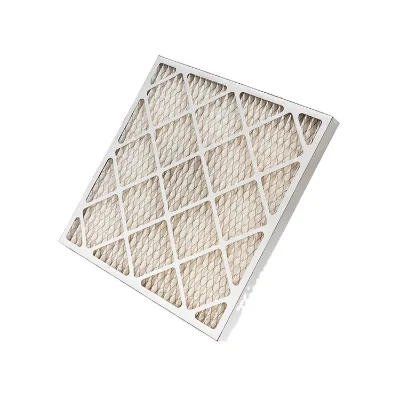
The available data indicates a concentration of manufacturing capabilities within China, specifically in the Guangdong province, with Foshan City appearing as a documented origin for specific product models. This regional clustering suggests a mature industrial ecosystem where raw material supply chains for synthetic fibers and aluminum frames are readily accessible. Buyers should prioritize verifying the specific city of operation, as facilities in Foshan may offer distinct logistical advantages compared to other regions in Guangdong. The supplier types observed include dedicated manufacturers and factories, alongside combined entities that may blend trading and production functions. Understanding this distinction is critical, as a pure manufacturer often provides more direct control over the production process for custom G4 synthetic fiber air filters, whereas combined suppliers might offer broader product ranges including HEPA filters or cabin air filters.
When assessing the factory type, buyers must look for evidence of in-house research and development capabilities, such as the ability to handle Own Brand, OEM, and ODM projects. The presence of specific product models like FRS-PWF or FRS-BS suggests established production lines capable of meeting standard dimensions like 595x595x46mm. However, not all suppliers will possess the same depth of manufacturing capacity; some may focus primarily on pre-filters while others offer a wider array of filtration equipment. Buyers should verify if the supplier's main products align with their specific needs, ensuring they are not dealing with a generalist trader when a specialized factory is required for complex customization. The distinction between a manufacturer and a combined entity directly impacts the ability to negotiate technical specifications and manage quality control for synthetic fiber media.
How to Verify G4 Synthetic Fiber Air Filter Suppliers
Verification of supplier credentials requires a rigorous check against the specific certifications and verification badges provided in the search results. The data confirms that certain suppliers hold ISO 9001, ISO 14001, and TS 16949 certifications, which are essential for ensuring consistent quality management and environmental compliance in the production of G4 synthetic fiber air filters. Additionally, the presence of BV verification indicates that a third-party body has assessed the supplier's business legitimacy. Buyers must explicitly request to see the current certificates for these standards, as the mere presence of a badge in a search result does not guarantee the validity of the documents for the specific factory being engaged. It is crucial to confirm that the certification covers the specific manufacturing site where the G4 filters will be produced.
Beyond certifications, buyers should verify the supplier's response time and lead time capabilities to ensure they can meet project deadlines. The observed response times vary, with some suppliers showing a response time of 7.00 hours while others may take significantly longer, such as 20.06 hours. A faster response time often correlates with better communication channels and a more active sales team, which is vital for resolving technical queries regarding filter media or frame materials. Lead times also differ, with some suppliers indicating a 15-day lead time and others suggesting 23 days. Buyers should not assume all suppliers can meet a specific deadline; instead, they must confirm the current production schedule and capacity availability. Verifying these operational metrics helps mitigate the risk of delays in receiving critical filtration components for industrial or commercial applications.
What to Compare Across G4 Synthetic Fiber Air Filter Suppliers
Comparing suppliers requires a detailed analysis of product attributes, specifically focusing on the filtration grade, media material, and frame construction. The search results highlight G4 efficiency filters made from synthetic fiber, with options for washable or disposable variants. Buyers must compare the specific technical specifications, such as the final resistance, which is suggested at 200PA or 250PA depending on the model, and the maximum air flow capacity, which can reach 125% of the rated air flow. The frame material is another critical differentiator, with options ranging from aluminum or GI frames to cardboard frames. Selecting the correct frame material is essential for durability and compatibility with existing HVAC systems, as cardboard frames may not withstand high humidity or repeated washing cycles.
In addition to technical specs, buyers should compare the Minimum Order Quantity (MOQ) and pricing structures to determine the most cost-effective option for their volume requirements. The data shows MOQs varying significantly, with some suppliers requiring 20 pieces while others mandate 50 or even 100 pieces. Pricing also fluctuates based on the product type, with prices ranging from approximately 1.00 to 12.00 per unit depending on the specific model and customization level. Buyers must calculate the total cost of ownership, including shipping and potential customization fees, rather than focusing solely on the unit price. Furthermore, the availability of customization, such as custom sizes or specific media weights like 120G/M2, should be evaluated against the supplier's flexibility. A supplier with a lower MOQ might be more suitable for trial orders, while a supplier with higher capacity might offer better economies of scale for large projects.
Common G4 Synthetic Fiber Air Filter Sourcing Risks
One significant risk in sourcing G4 synthetic fiber air filters is the potential mismatch between the claimed filtration grade and the actual performance of the product. While the search results indicate G4 classification, buyers must verify that the supplier can consistently meet the En779 Class G4 standard through independent testing. There is a risk that some suppliers might label products as G4 without rigorous quality control, leading to suboptimal filtration efficiency in the field. Additionally, the media material, described as synthetic fiber or aluminum mesh, must be verified for its actual porosity and weight, as variations in these parameters can drastically affect the filter's lifespan and resistance. Buyers should request test reports to confirm that the medium material matches the specified weight, such as 120G/M2 or 200G/M2, and that the porosity is consistent with the claimed 5um rating.
Another critical risk involves the reliability of the supply chain and the ability to maintain consistent quality over time. The observed lead times and response times suggest variability in supplier operations, which could lead to delays or communication breakdowns. If a supplier has a long lead time of 23 days, it may impact production schedules, especially if the buyer requires urgent replacements. Furthermore, the risk of receiving products with incorrect dimensions, such as the standard 595x595x46mm versus custom sizes, is present if the order specifications are not clearly communicated and confirmed. Buyers should also be wary of suppliers who do not offer clear return policies or quality guarantees, as this can leave them vulnerable to defective batches. Establishing a clear contract with defined quality standards and penalties for non-compliance is essential to mitigate these risks.
G4 Synthetic Fiber Air Filter Regional Sourcing and Logistics
Sourcing from the Guangdong region, particularly Foshan City, offers logistical advantages due to the established infrastructure for exporting industrial goods. The concentration of manufacturers in this area facilitates efficient shipping and reduces transit times for international buyers. However, buyers must verify the specific port of origin and the packaging standards used by the supplier to ensure the filters arrive in good condition. The data indicates that products are often packed in cartons, PE bags, or boxes, but the specific packaging method can vary by supplier. Buyers should confirm that the packaging is robust enough to protect the synthetic fiber media and frame during transit, especially for long-distance shipping. Proper packaging is crucial to prevent damage to the filter media, which could compromise the filtration efficiency upon installation.
Logistics planning also involves understanding the customs and import regulations of the destination country, as these can impact the total cost and delivery time. Buyers should verify if the supplier provides necessary documentation, such as certificates of origin and compliance with international standards like ISO 9001. The presence of certifications like ISO 14001 and TS 16949 can simplify the customs clearance process by demonstrating adherence to environmental and quality standards. Additionally, buyers should consider the impact of seasonal fluctuations on shipping rates and availability, as these can affect the overall lead time. It is advisable to discuss shipping terms, such as FOB or CIF, with the supplier to clarify who is responsible for freight costs and insurance. Clear communication regarding logistics ensures that the G4 synthetic fiber air filters are delivered on time and within budget.
G4 Synthetic Fiber Air Filter Commercial Terms and Order Planning
Commercial terms for G4 synthetic fiber air filters often include specific conditions regarding payment, customization, and delivery. The data shows that customization is available for many products, allowing buyers to specify dimensions, media weight, and frame type. However, buyers must confirm the lead time for customized orders, as these may take longer than standard stock items. The observed lead times range from 15 to 23 days, but custom orders could extend this period. Buyers should also verify the payment terms, such as whether escrow services are available to protect their funds until the goods are delivered and inspected. Understanding the payment structure is crucial for managing cash flow and ensuring that the supplier is compensated fairly for their work.
Order planning requires a strategic approach to inventory management and demand forecasting. Buyers should consider the MOQ requirements, which can range from 20 to 100 pieces, and plan their orders accordingly to avoid overstocking or stockouts. The price range of 1.00 to 12.00 per unit suggests that volume discounts may be available for larger orders, so buyers should negotiate based on their projected annual usage. Additionally, buyers should establish a relationship with the supplier for ongoing support, including technical assistance and after-sales service. This ensures that any issues with the G4 synthetic fiber air filters can be resolved quickly. By carefully planning orders and understanding the commercial terms, buyers can optimize their procurement process and ensure a steady supply of high-quality filtration products.
FAQs
What is the typical lead time for G4 synthetic fiber air filters?
Manufacturers in Guangdong, China, generally require 15 to 23 days for production and delivery. This timeframe applies to standard orders of pre-filters and panel units. Buyers should confirm specific schedules with suppliers, as capacity and order volume may affect the final delivery date.
What is the minimum order quantity for G4 washable air filters?
The minimum order quantity varies by product type, typically ranging from 20 to 200 pieces. Specific washable models often require 50 pieces, while synthetic media rolls may need 200 units. Buyers must verify the exact MOQ for their chosen model and size requirements.
What certifications do G4 Synthetic Fiber Air Filter suppliers hold?
Suppliers commonly hold ISO 9001, ISO 14001, and TS 16949 certifications. These credentials verify quality management and environmental standards for manufacturing processes. Buyers should request valid certificates to ensure compliance with industry requirements and confirm the supplier's operational standards before placing orders.
What is the price range for G4 synthetic fiber air filters?
Prices for G4 filters typically range from $1.00 to $12.00 per unit. Costs depend on the filter type, such as washable panels or synthetic media rolls. Buyers should compare quotes based on specific dimensions, material weight, and order volume to determine the most competitive pricing.
What is the response time for G4 air filter suppliers?
Supplier response times generally range from 7 to 20 hours. Faster responses indicate active sales teams ready to assist with inquiries. Buyers should expect replies within this window and contact multiple suppliers to ensure timely communication and accurate quotation delivery for their sourcing needs.
Can G4 synthetic fiber air filters be customized?
Yes, customization is available for most G4 synthetic fiber air filters. Suppliers offer OEM and ODM services to meet specific size and performance requirements. Buyers can request custom dimensions, frame materials, and media weights to ensure the filters fit their specific HVAC or industrial equipment applications.
What is the temperature resistance of G4 synthetic fiber air filters?
G4 synthetic fiber air filters typically resist temperatures up to 100 degrees Celsius. This resistance applies to both washable and standard panel filters. Buyers should verify specific temperature limits for their application, as extreme conditions may require specialized materials or additional cooling solutions for optimal performance.