G Class Steering Wheel Balls Suppliers and Manufacturers
Explore 26 verified options for G Class Steering Wheel Balls from Guangdong, Jiangsu, and Zhejiang. Compare response times, lead times, MOQs, certifications, and prices to find the right partner. Contact suppliers directly to request quotes; review the available evidence before requesting comparable quotations from suitable candidates.
Suppliers List
Pengjiang District Huazhe Auto Product Firm
- Trading Company
- Guangdong, China
- Lead time0 days
- Avg. response≤ 1h
Main productsCar floor mat,Car Seat cushion,car steering wheel cover,Car security lock,Car throw pillow
Main marketsAfrica(20.00%), Southeast Asia(20.00%), Eastern Europe(20.00%), South America(20.00%), North America(20.00%)
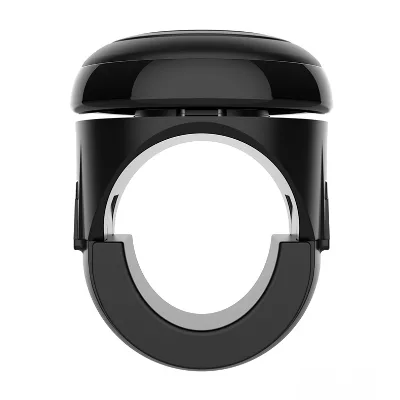
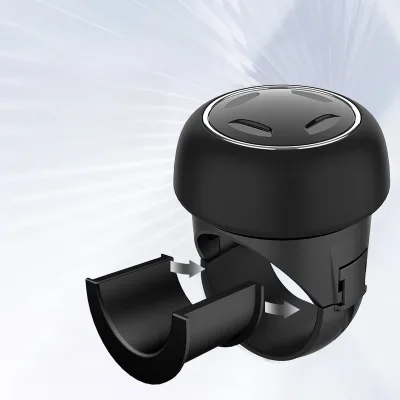
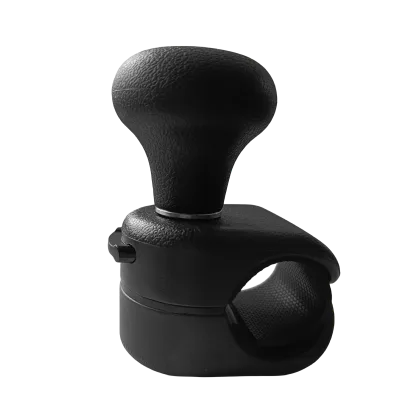
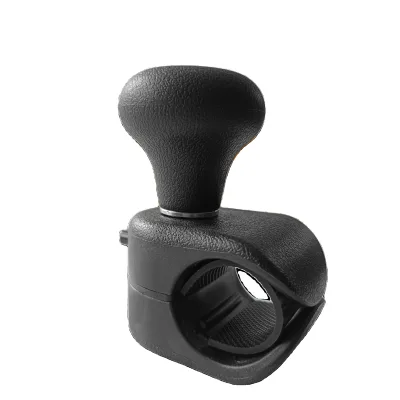
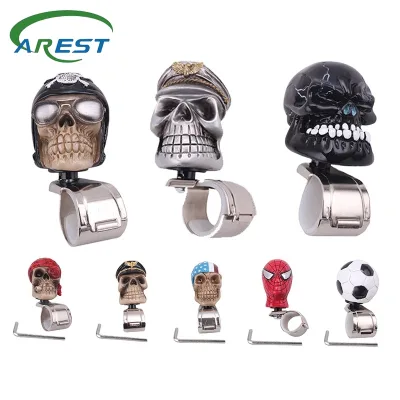
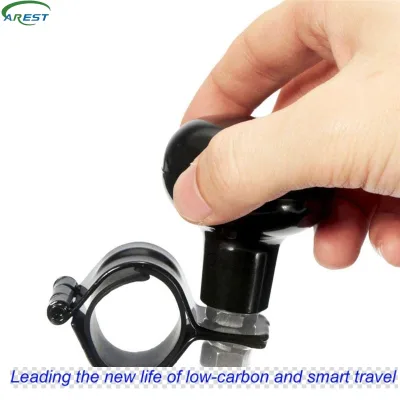
Multi Functional One Handed Steering Assist Driving Car Steering Wheel Power Ball
$1.69 - $2.29
MOQ: 60 pieces

Changzhou Huari Steel Ball Co., Ltd.
- Verified by BV
- Combined
- China Jiangsu
- Lead time30 days
- Avg. response≤ 7h
Main productsSteel Ball, Chrome Steel Ball, Stainless Steel Ball, Carbon Steel Ball, Deep Groove Ball Bearing, Aluminium Ball, Copper Ball, Brass Ball, Plated Balls, Retainer
Main marketsDomestic
Jinhua Darren Trading Co., Ltd.
- Trading Company
- Zhejiang, China
- Lead time0 days
- Avg. response≤ 1h
Main productsaction figure,plush toys,anime product
Main marketsSouthern Europe(20.00%), South America(20.00%), North America(20.00%), Western Europe(10.00%), Northern Europe(10.00%)

Shanghai Anma Industry Co., Ltd.
- Trading Company
- China Shanghai
- Lead time30 days
- Avg. response≤ 4h
Main productsCar Accessories, Car Spare Parts, Car Tools, Car Interior Accessories, Car Exterior Accessories, Car Electrical Accessories, Car Lights, Car Mirror, Car Emergency Kits, Car Care Products
Main marketsSouth America,Others(foreignTradeCapacity.exportBusinessCapacityMarketOther),Southeast Asia/ Mideast,Europe,North America
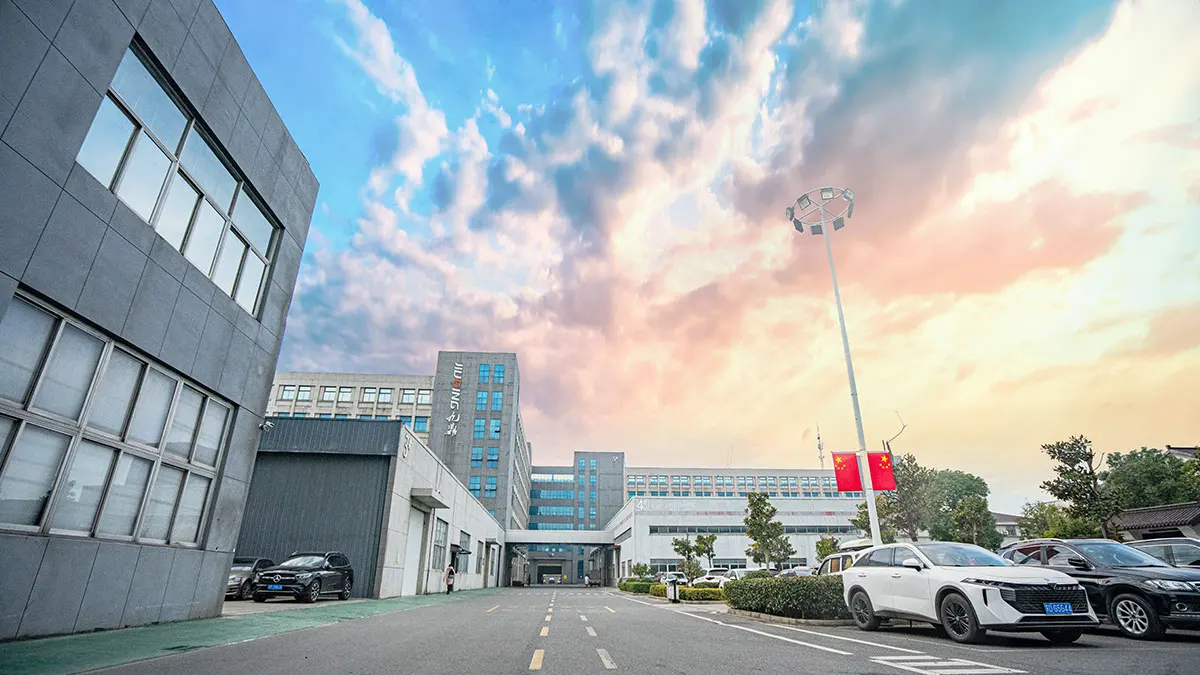
CHANGZHOU JIUDING AUTO PARTS CO., LTD.
- Manufacturer
- Jiangsu, China
- Lead time15 days
- Avg. response≤ 7h
Main productsG Class Interior Upgrade Kit, S Class Interior Upgrade Kit, SUV / MPV Interior Upgrade Kit, Automotive Lamps
Main marketsDomestic Market(90.00%), North America(2.00%), Mid East(2.00%), South Asia(1.00%), Western Europe(1.00%), Eastern Asia(1.00%), Africa(1.00%), Eastern Europe(1.00%), Southeast Asia(1.00%)
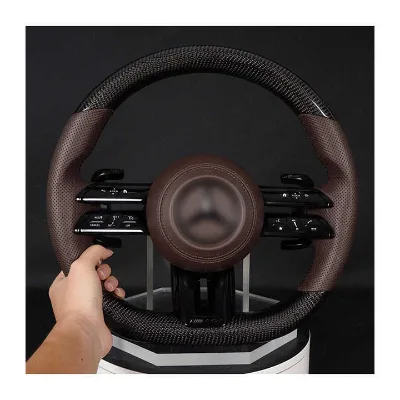
$950.00 - $1100.00
MOQ: 1 pieces
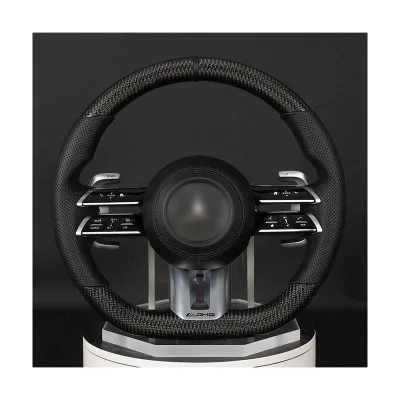
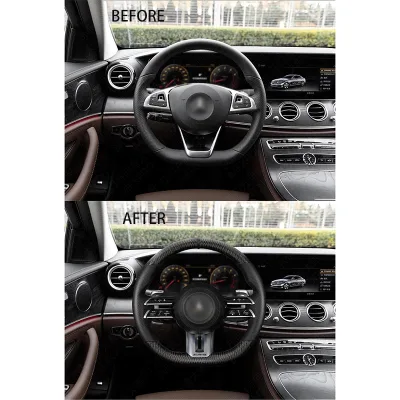
$968.87 - $1121.85
MOQ: 1 pieces
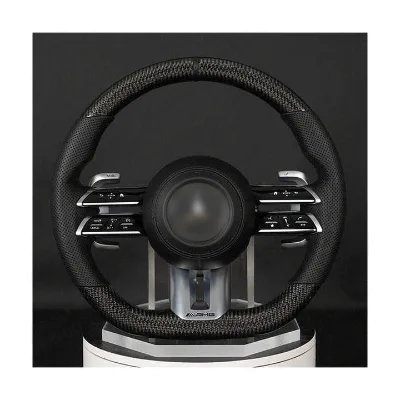
$968.87 - $1121.85
MOQ: 1 pieces
Hefei Yuai Machinery Equipment Co., Ltd.
- Trading Company
- Anhui, China
- Lead time7 days
- Avg. response≤ 2h
Main productsSteering wheel,Car seat,auto parts,Interior upgrade
Main marketsEastern Europe(30.00%), North America(30.00%), Northern Europe(10.00%), Western Europe(10.00%), Southern Europe(10.00%), South Asia(5.00%), Southeast Asia(5.00%)
Chongqing Muniu Power Technology Co., Ltd.
- Verified by SGS Group
- Trading Company
- Lead time30 days
- Avg. response≤ 2h
Main productsWheelchair, Wheelchair Parts , Mobility Scooter, Patient Lift, Hand Control
Main marketsOceania(30%), South America(20%), Eastern Europe(15%)

Wudi Xinxiangju Metal Technology Co., Ltd.
- Verified by SGS
- Manufacturer/Factory
- China Shandong
- Lead time60 days
- Avg. response≤ 2h
Main productsStainless Steel Rigging Series, Stainless Steel Yacht Accessories Range Serie, Stainless Steel Quick Connection Series, Stainless Steel Valve Series, Stainless Steel Water Meter Series., Equipment Accessories Series, Auto Parts & Accessories, Stainless Steel Furniture Hardware, Custom Products
Main marketsSouth America,Mid East,North America,Southeast Asia,Eastern Asia,Western Europe,Africa


Steering Wheel Assist Handle with Knob Direction Ball Grip Round Ball Bottom
$0.10 - $10.00
MOQ: 10 Pieces

Marine Steering Wheel Energy Saving Ball Stainless Steel Hardware Accessories
$0.10 - $10.00
MOQ: 10 Pieces

Shandong Haosong New Material Technology Co., Ltd.
- Verified by BV
- Combined
- China Shandong
- Lead time30 days
- Avg. response≤ 5h
Main productsPolyurethane Foam, Car Seat, PU Foam, PU Armrest
Main marketsDomestic

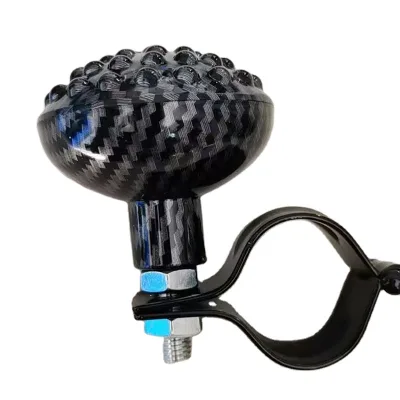
Universal 360 Degree Car Steering Wheel Knob Booster Ball Steering Handle
$17.00 - $25.00
MOQ: 100 Pieces


Yiwu Xieqian Auto Accessories Co., Ltd.
- Verified by TüVRheinland
- Trading Company
- Lead time14 days
- Avg. response≤ 5h
Main productsCar Floor Mats, Car Steering Wheel Covers, Car Wiper Blades, Car Seat Covers, Car Accessories
Main marketsAfrica(30%), Mid East(25%), Southeast Asia(20%)
Shenzhen Wenchuangfu Electronic Plastic Product Co., Ltd.
- Verified by SGS Group
- Manufacturer, Trading Company
- Lead time5 days
- Avg. response≤ 6h
Main productsChicken Coop Door; Egg Incubator; Pet Toys; Mini Sealer; Phone Holder

Yiwu Shengying Auto Accessory Co., Ltd.
- Verified by SGS
- Trading Company
- China Zhejiang
- Lead time15 days
- Avg. response≤ 4h
Main productsSteering Wheel, Car Seat, Gear Knob, License Plate Frame, Auto Filter
Main marketsSouth America,Southeast Asia/ Mideast,East Asia(Japan/ South Korea),Europe,Australia,North America


Universal Orange Sports Car Steering Wheel Acrylic Car Games Steering Wheel
$29.90 - $39.90
MOQ: 1 pieces


Racing Sport Steering Wheel 320mm PU Game Competitive Universal Steering Wheel
$6.99 - $7.99
MOQ: 1 pieces

350mm Steering Wheel Multi-Color Steering Wheel Racing Sport Steering Wheel
$31.00 - $36.99
MOQ: 5 pieces
Jinhua Lvduan Artwares Co., Ltd.
- Trading Company
- Zhejiang, China
- Lead time15 days
- Avg. response≤ 6h
Main productsCar interior accessory,Car exterior accessory,Car cleaning supplies,Emergency accessory,gift products
Main marketsWestern Europe(12.50%), Eastern Asia(12.50%), Mid East(12.50%), Africa(12.50%), Southeast Asia(12.50%), Eastern Europe(12.50%), South America(12.50%), North America(12.50%)
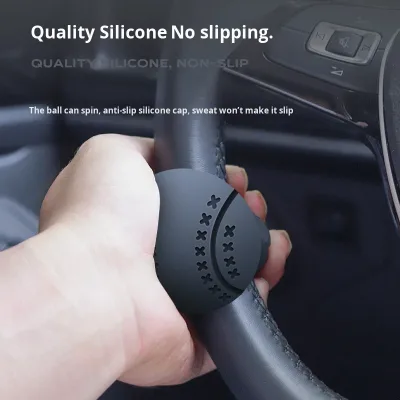
$1.38 - $1.58
MOQ: 20 pieces
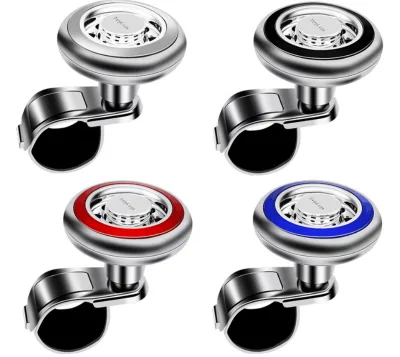
$1.49 - $1.69
MOQ: 100 pieces
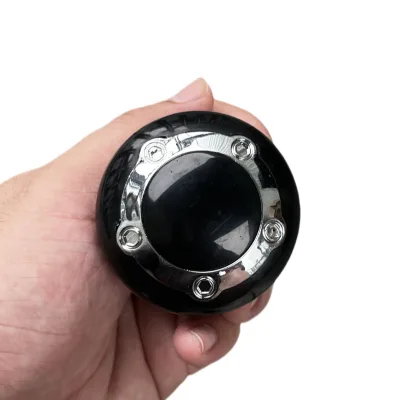
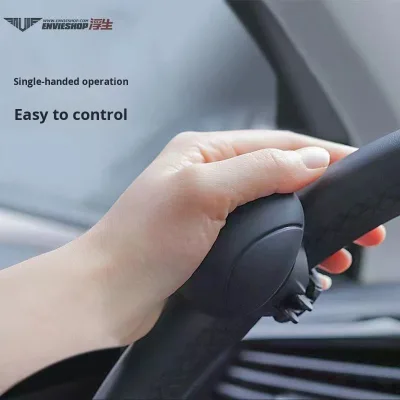
Guangzhou Honghui Auto Parts Co., Ltd.
- Trading Company
- Guangdong, China
- Lead time0 days
- Avg. response≤ 4h
Main productsEngine, Front bumper, Steering rack, Rim, Short block
Main marketsAfrica(30.00%), Domestic Market(20.00%), North America(15.00%), Eastern Asia(10.00%), Southeast Asia(10.00%), Western Europe(5.00%), Southern Europe(5.00%), Central America(5.00%)

Dongguan Julisheng New Material Technology Co., Ltd.
- Verified by BV
- Combined
- China Guangdong
- Lead time30 days
- Avg. response≤ 3h
Main productsPU Foam, PU Corner Guard, Accessories PU Armrest, PU Self-Skinning, PU High Rebound, PU Slow Rebound, PU Imitation Wood Hard Foam, PU Foam Rugby, PU Traction Pillow, PU Foam Wheel
Main marketsDomestic
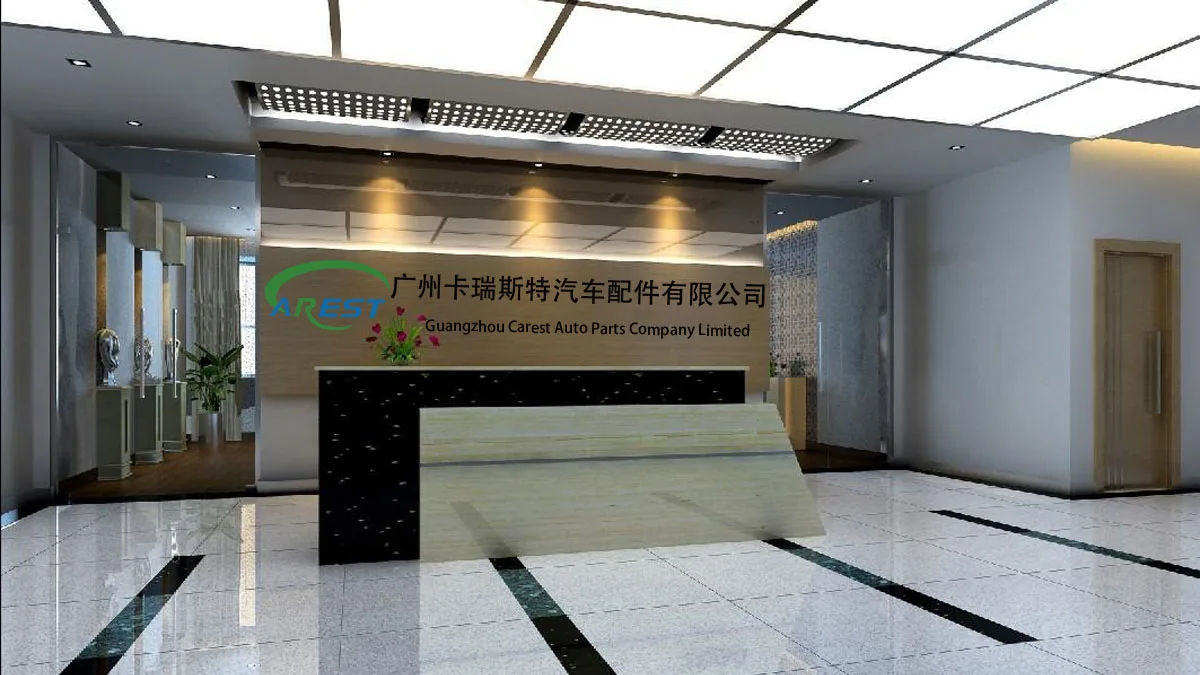
Guangzhou Carest Auto Parts Co., Ltd.
- Manufacturer, Distributor/Wholesaler, Business Service (Transportation, finance, travel, Ads, etc)
- guangdong, China
- Lead time10 days
- Avg. response≤ 7h
Main productsCar Conditioning sysytem,Automobile braking system,Car decoration parts,Auto lighting system,Automotive electronics
Main marketsEastern Europe(30.00%), North America(20.00%), Mid East(15.00%), South America(15.00%), South Asia(12.00%), Southeast Asia(5.00%), Africa(3.00%)
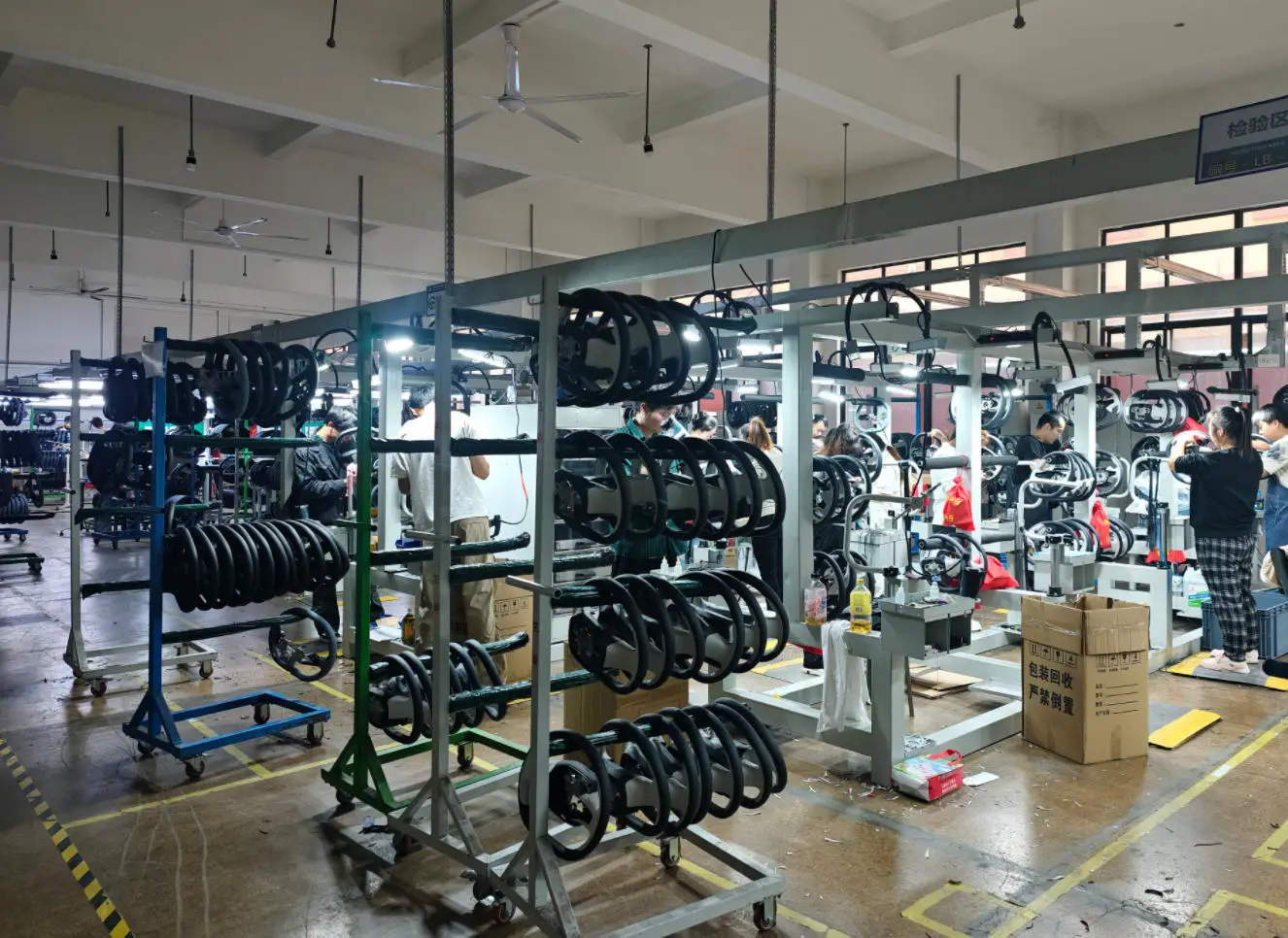
Jiangsu Marvel New Energy Technology Co., Ltd.
- Trading Company
- Jiangsu, China
- Lead time10 days
- Avg. response≤ 4h
Main productsSteering Wheel,Car Film,Body Kit,Car Display,Headlight Assembly
Main marketsNorth America(40.00%), Mid East(20.00%), Western Europe(14.00%), Southeast Asia(13.00%), Eastern Europe(12.00%)
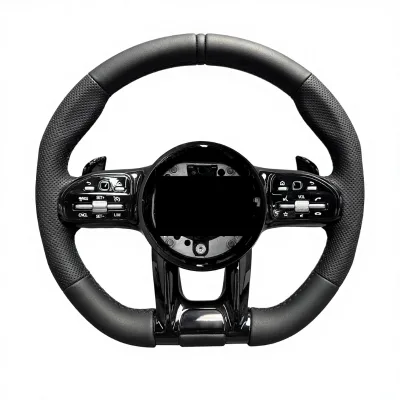
$387.59 - $408.04
MOQ: 1 pieces
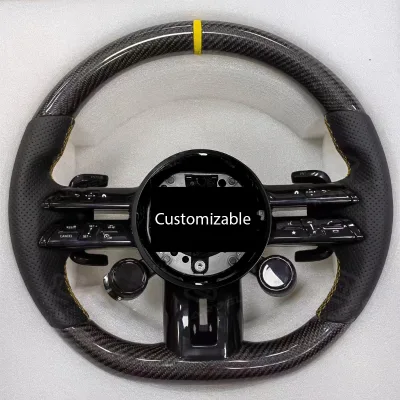
$1450.00 - $1500.00
MOQ: 1 pieces
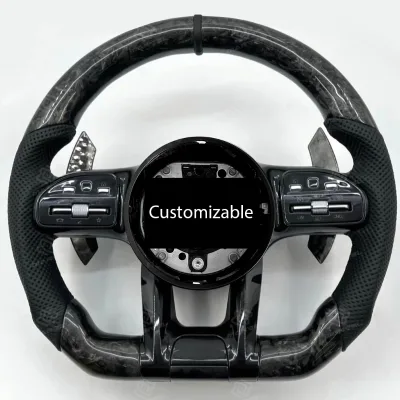

Ningbo Yinzhou Henglu Plastic Industry&Trading Co., Ltd.
- Verified by BV
- Trading Company,Manufacturer/Factory
- China Zhejiang
- Lead time23 days
- Avg. response≤ 16h
Main productsBumper, Fender, Dock Cleat, Marine Hardwares, Marine Steering Wheel, Boat Seat, Boat Accessories, Dock Wheel, Auto Steering Wheel, OEM Plastic Parts
Main marketsNorth America,Southeast Asia,Eastern Asia,Oceania,Western Europe

Ningbo Joy International Trade Co., Ltd.
- Verified by BV
- Trading Company
- China Zhejiang
- Lead time30 days
- Avg. response≤ 6h
Main marketsEurope
Guangzhou Good Surprise Technology Co., Ltd.
- Verified by Intertek
- Manufacturer, Trading Company
- Lead time0 days
- Avg. response≤ 6h
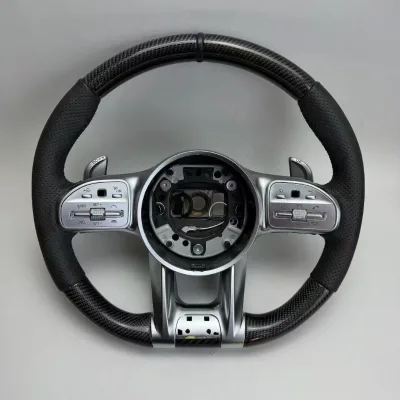
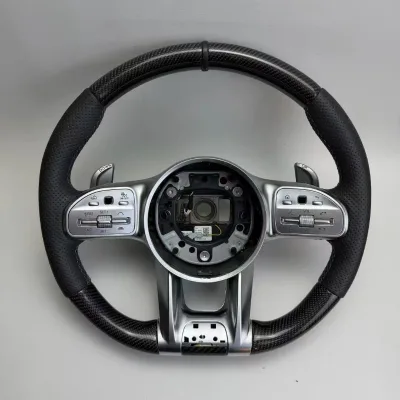
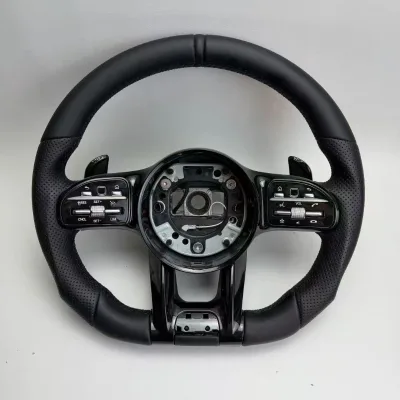
Main productsSteering Wheel, Carbon Fiber Modified Steering Wheel, Leather Modified Steering Wheel, Mahogany Modified Steering Wheel
Main marketsDomestic Market(50%), Southeast Asia(15%), Eastern Europe(15%)

Guangzhou Fangyuyuan Product Design Service Co., Ltd.
- Manufacturer
- Guangdong, China
- Lead time0 days
- Avg. response≤ 2h
Main productsCarbon Fiber Kit,Automobile Parts,Carbon Fiber Steering Wheel,Carbon Fiber Spoiler Wing,Carbon Fiber Mirror Shell
Main marketsWestern Europe(35.00%), Mid East(20.00%), Eastern Europe(20.00%), North America(15.00%), Southeast Asia(10.00%)
Guangzhou Insell Auto Parts Co., Ltd.
- Manufacturer, Trading Company
- Guangdong, China
- Lead time30 days
- Avg. response≤ 9h
Main productsCar Gear Shift Knob,Car steering wheel,Car Antenna,Aluminum alloy,Carbon fiber products
Main marketsNorth America(40.00%), Central America(8.00%), Mid East(8.00%), Oceania(8.00%), Africa(8.00%), Southeast Asia(8.00%), Eastern Europe(8.00%), South America(8.00%), Eastern Asia(4.00%)

JM Aluminum Profile Accessories Co., Limited
- Trading Company
- China Guangdong
- Lead time15 days
- Avg. response≤ 4h
Main productsIndustrial Aluminum Profile Aluminum Profiles, Aluminum Profiles / Extrusions, Aluminum Profile Modular Assembly, Aluminum Profile Accessories, Caster/Footmaster Caster/Adjustable Feet, Feet, T Nuts/Hammer Head Nut/T Bolt, Brackets Elements/Joint/Degree Bracket, End Cap/ Nylon Hinge/Handles, Spring Block/Aluminum Profile
Main marketsSouth America,Africa,Southeast Asia/ Mideast,East Asia(Japan/ South Korea),Domestic,Europe,Australia,North America
Nanchang JiYiDa Automotive Parts Co., Ltd.
- Verified by TüVRheinland
- Trading Company
- Lead time0 days
- Avg. response≤ 3h
Main productsExhaust System
Main marketsNorth America(55%), Western Europe(20%), Southeast Asia(15%)

Ningbo Kangyang Technology Co., Ltd.
- Verified by SGS
- Combined
- China Zhejiang
- Lead time60 days
- Avg. response≤ 3h
Main productsSteel Wheel
Main marketsEurope,North America
Hefei Baikuo Machinery Equipment Co., Ltd.
- Trading Company
- Anhui, China
- Lead time0 days
- Avg. response≤ 2h
Main productscar seat cover,Car cushion,Car cushion
Main marketsSouth America(25.00%), Eastern Europe(20.00%), North America(20.00%)


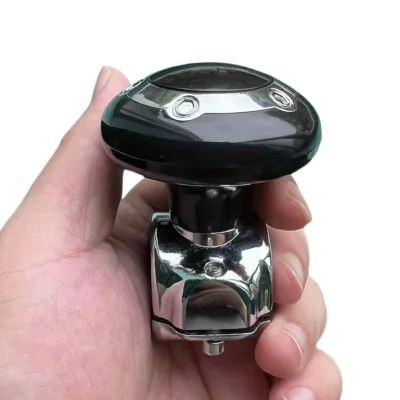
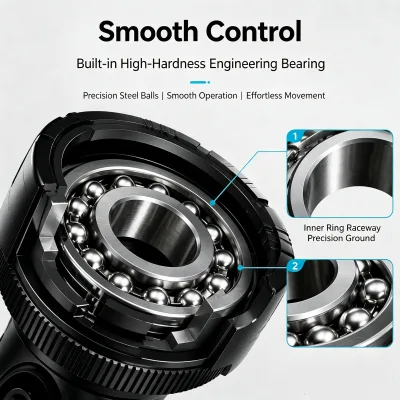








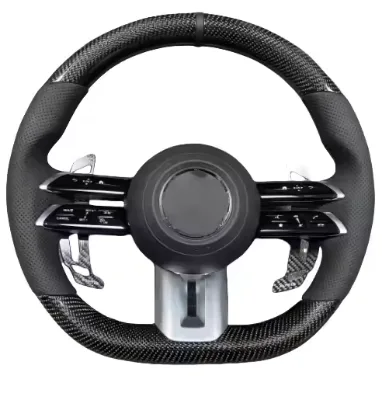
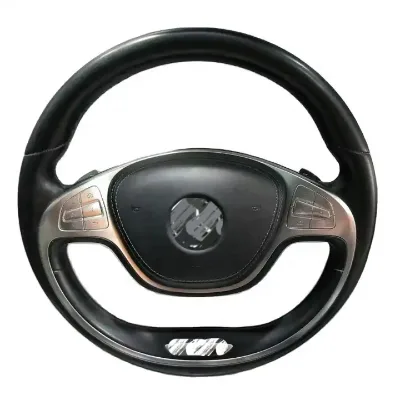


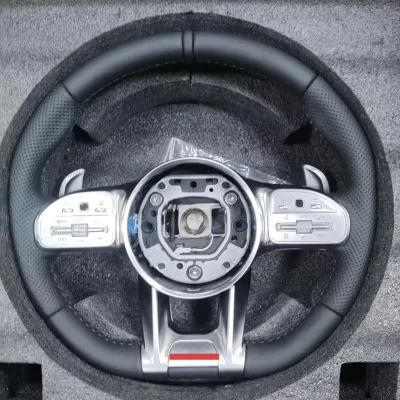
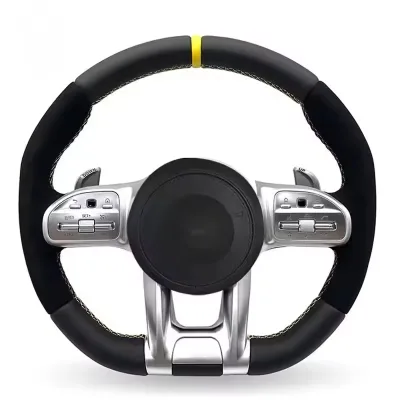
Comprehensive Sourcing Guide
G Class Steering Wheel Balls Supplier Concentration and Factory Types
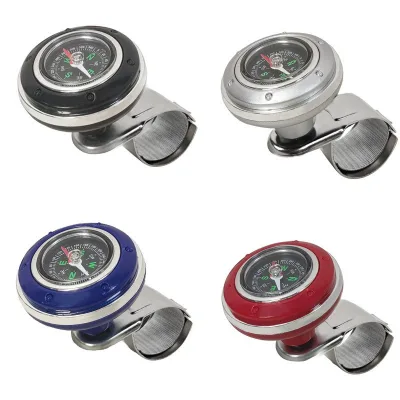
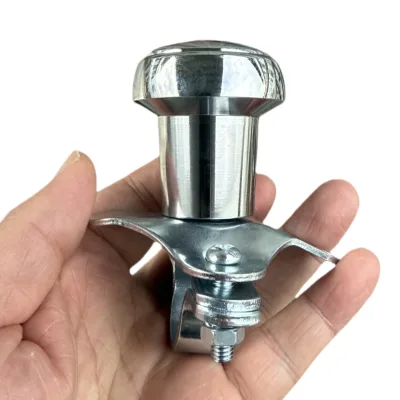
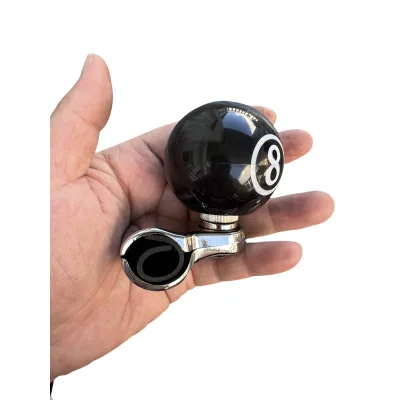
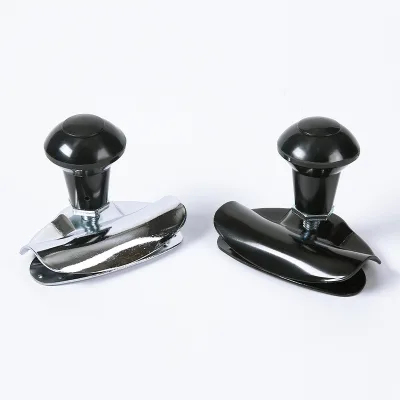
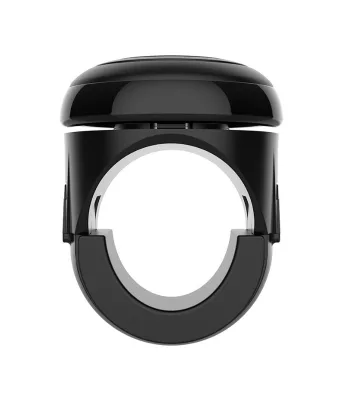
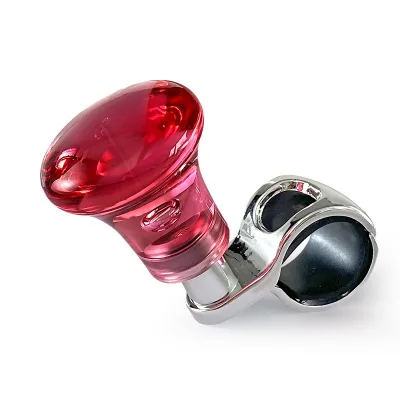
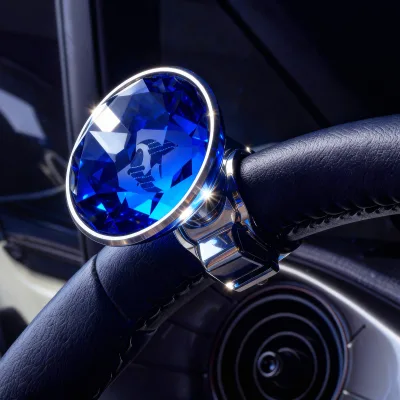
Current data indicates that suppliers offering steering wheel assist balls and related interior accessories are concentrated in Guangdong, China, with additional presence in Zhejiang and Jiangsu provinces. The Guangdong cluster specifically lists trading companies as the primary company type for products like car steering wheel power balls and illuminated assist balls. These entities often source from local manufacturers but operate as intermediaries, which can influence pricing structures and communication flows. The main products in this region include car floor mats, seat cushions, and various steering wheel accessories, suggesting a specialized ecosystem for automotive interior components. Buyers should note that while some suppliers in this cluster focus on trading, others may have direct manufacturing capabilities for specific plastic or ABS components used in these steering aids.
In contrast, suppliers located in Jiangsu, China, present a different profile, often categorized as combined entities with capabilities in ODM and OEM services. These suppliers frequently list steel balls, bearing accessories, and precision metal components as their main products, indicating a potential upstream supply chain for the internal mechanisms of steering assist balls. The presence of ISO9001:2015 certification and BV verification among Jiangsu-based suppliers suggests a higher emphasis on industrial standards and quality control for metal components. Buyers evaluating this region should distinguish between trading companies focused on finished interior accessories and combined suppliers capable of producing the raw steel balls or bearings required for the assembly of these steering devices.
How to Verify G Class Steering Wheel Balls Suppliers
Verification of suppliers requires a careful examination of their stated company type and certification status, as these factors directly impact reliability. For instance, suppliers in Jiangsu have been observed to hold ISO9001:2015 certificates and BV verification, which are critical indicators for manufacturers of precision steel balls and bearing components. When evaluating trading companies in Guangdong, buyers should look for specific product evidence that aligns with the supplier's claimed capabilities, such as detailed specifications for ABS materials or electronic features in illuminated steering balls. It is essential to confirm that the supplier's main products match the specific G Class steering wheel ball requirements, as some vendors may offer a broad range of car accessories without specialized expertise in steering assist mechanisms.
Response time and lead time data provide further insight into a supplier's operational readiness and communication efficiency. Suppliers with a response time of one day demonstrate high availability, which is crucial for resolving technical queries regarding installation or compatibility with specific vehicle models. Conversely, lead times can vary significantly, with some suppliers indicating a thirty-day production window for custom orders while others may offer immediate shipping for standard items. Buyers must verify these metrics against their own project timelines, ensuring that the supplier can meet delivery deadlines without compromising on quality. Additionally, checking for established verification badges or third-party audit reports can help confirm the legitimacy of the supplier's claims regarding their manufacturing capacity and business history.
What to Compare Across G Class Steering Wheel Balls Suppliers
Comparing suppliers requires a systematic analysis of key commercial and operational dimensions, including minimum order quantities, pricing tiers, and response speeds. Data shows that MOQs for steering wheel assist balls can range from a single piece to sixty units, depending on the specific product configuration and supplier type. For example, some listings indicate an MOQ of one piece for plastic-based assist balls, while others require a minimum of sixty units for standard ABS models. Pricing also varies, with ranges observed from approximately $1.69 to $5.99 per unit, reflecting differences in material quality, feature sets like illumination, and the complexity of the manufacturing process. Buyers should prioritize suppliers whose MOQs align with their inventory strategy to avoid overstocking or excessive per-unit costs.
Lead times and response times are equally critical factors when comparing potential partners. A supplier with a response time of one day offers a significant advantage in communication speed, allowing for quicker resolution of design or specification issues. In contrast, a lead time of thirty days may be acceptable for custom orders but could delay urgent restocking needs. Buyers should also evaluate the supplier's main product focus; those specializing in steel balls and bearing components may offer better technical support for the internal mechanics of steering assist balls compared to general trading companies. By cross-referencing these metrics, buyers can identify suppliers that balance cost efficiency with the operational flexibility required for their specific sourcing needs.
Common G Class Steering Wheel Balls Sourcing Risks
One significant risk in sourcing steering wheel assist balls is the potential mismatch between a supplier's claimed capabilities and their actual product offerings. Trading companies may list a wide array of car accessories, including floor mats and seat cushions, without possessing the specialized knowledge required for steering wheel components. This lack of focus can lead to quality inconsistencies or incorrect specifications, particularly for products requiring precise engineering like illuminated power balls or heavy-duty assist mechanisms. Buyers must verify that the supplier's main products explicitly include steering wheel accessories and that they can provide detailed technical documentation for the specific models they offer.
Another risk involves the variability in lead times and the potential for delays in custom manufacturing processes. While some suppliers may advertise short lead times for standard items, custom orders involving specific materials or designs can extend production schedules significantly. For instance, a thirty-day lead time for custom steel balls or bearing components may not align with tight project deadlines. Additionally, the absence of clear certification details for certain product lines can pose compliance risks, especially if the buyer requires specific standards like ISO or CE for their market. Buyers should request concrete evidence of certifications and production timelines before committing to an order to mitigate these potential disruptions.
G Class Steering Wheel Balls Regional Sourcing and Logistics
Regional sourcing strategies should account for the distinct manufacturing clusters identified in the data, such as Guangdong, Zhejiang, and Jiangsu. Guangdong-based suppliers often focus on trading and finished interior accessories, making them suitable for buyers seeking a wide variety of car accessories with quick turnaround times for standard items. In contrast, Jiangsu suppliers, with their emphasis on steel balls and bearing components, may offer better value for buyers requiring high-precision metal parts or custom manufacturing services. Understanding these regional specializations allows buyers to select suppliers that align with their specific product requirements, whether they need plastic assist balls or precision steel components.
Logistics planning must consider the origin of the products and the associated shipping times. Suppliers in Guangdong and Zhejiang typically offer shorter transit times to major ports, which can be advantageous for buyers needing rapid delivery. However, for custom orders involving complex manufacturing processes, the lead time may extend regardless of the region. Buyers should verify the single package size and gross weight of the products, as these factors influence shipping costs and container utilization. For example, a single package size of 68x55x18 cm and a gross weight of 8.5 kg for certain steering assist balls will impact freight calculations. By aligning regional sourcing with logistical constraints, buyers can optimize their supply chain efficiency and reduce overall procurement costs.
G Class Steering Wheel Balls Commercial Terms and Order Planning
Commercial terms for G Class Steering Wheel Balls vary significantly based on the supplier's location and product type. MOQs can range from one piece to sixty units, with pricing tiers reflecting the complexity of the product and the materials used. Buyers should carefully review the price ranges, which can span from $1.69 to $5.99 per unit, to ensure they are receiving competitive rates for the specific features required. Additionally, the availability of customization options, such as specific colors or branding, should be confirmed, as this can affect both the MOQ and the final unit cost. Understanding these commercial terms is essential for accurate budgeting and inventory planning.
Order planning must also account for the supplier's response time and lead time to ensure timely delivery. A supplier with a one-day response time can facilitate quick decision-making and issue resolution, while a thirty-day lead time may require advanced planning for custom orders. Buyers should verify the supplier's capacity for ODM and OEM services, as this can influence the flexibility of the order process. Furthermore, checking for escrow options or other payment security measures can protect the buyer's financial interests. By integrating these commercial and logistical factors into their order planning, buyers can establish a robust sourcing strategy that minimizes risks and maximizes efficiency.
FAQs
What is the minimum order quantity for steering wheel power balls?
Minimum order quantities vary by product type. Some listings require 60 pieces, while others accept orders as low as 10 or even 1 piece. Buyers should check specific product details to confirm the exact MOQ before placing an order.
Where are these steering wheel assist balls manufactured?
Manufacturing locations include Guangdong, Jiangsu, and Zhejiang in China. Specific products originate from these regions, with materials like ABS or stainless steel. Buyers can verify the place of origin listed on each product page for accurate sourcing.
What is the price range for car steering wheel power balls?
Prices range from approximately 0.001 to 5.99 per unit depending on material and features. Basic ABS models start near 1.69, while illuminated or high-end versions may cost up to 5.99. Bulk orders often influence the final unit price significantly.
How long does it take to receive these steering wheel accessories?
Lead times vary by supplier and product complexity. Some suppliers indicate a lead time of 30 days, while others may have shorter or unspecified durations. Buyers should confirm the estimated delivery window directly with the supplier before finalizing the purchase.
Are these steering wheel balls compatible with most car models?
Many products are designed for universal use across 99% of car models. Features like easy installation and portable positioning support broad compatibility. Buyers should verify the specific application details listed on the product page to ensure fit for their vehicle.
What certifications do steel ball suppliers typically hold?
Suppliers often hold ISO9001:2015 and ISO certifications. Some listings also mention CE compliance for specific stainless steel products. Verification badges like BV may appear on supplier profiles, but buyers should confirm current certification status directly with the vendor.
What materials are used to make steering wheel assist balls?
Common materials include ABS plastic and stainless steel. Some products feature chrome steel or carbon steel for durability. The material choice affects hardness and corrosion resistance, so buyers should review product specifications to select the best option for their needs.