GABA Powder Suppliers and Manufacturers in China
Explore 25 verified options for GABA Powder from factories in Shaanxi, Shanghai, and Henan. Compare lead times, certifications like ISO and GMP, and pricing ranges to find suitable partners. Contact suppliers directly to request samples or custom orders; review the available evidence before requesting comparable quotations from suitable candidates.
Suppliers List
- Verified by SGS
- Manufacturer/Factory
- China Shaanxi
- Lead time120 days
Main productsNatural Plant Extracts, Nutritional Supplements, Natural Fruit Powder, Viatmin Powder, Amino Acid, Active Pharmaceutical Ingredients, PQQ, Nmn, Hyaluronic Acid, Resveratrol
Main marketsSouth America,Eastern Europe,Mid East,North America,Southeast Asia,Eastern Asia,Oceania,Western Europe,Africa


Wellgreen Free Sample Amino Acid Aminobutyric Acid High Quality GABA Supplements
$10.00 - $20.00
MOQ: 1 kg
Shanghai Beimoo Biotechnology Co., Ltd.
- Verified by SGS
- Trading Company
- China Shanghai
- Lead time15 days
Main productsFood Additive, Sweetener, Cosmetic Raw Material, Dietary Fiber, Sodium Hyaluronate, Nutritional Supplements, Stevia Sugar, Monk Fruit, Thaumatin, Inositol / Myo-Inositol
Main marketsSouth America,Southeast Asia/ Mideast,East Asia(Japan/ South Korea),Europe,Australia,North America


High Quality Natural GABA 98% Gamma-Aminobutyric GABA Powder GABA Raw Material
$8.00 - $15.00
MOQ: 100 kg


Xi'an Sheerherb Biological Technology Co., Ltd.
- Verified by BV
- Manufacturer/Factory
- China Shaanxi
- Lead time15 days
Main productsNmn, Collagen, Nicotinamide Ribose, Liposomes, Plant Extract, Chemicals Product, Pharmaceutical Intermediates
Main marketsSouth America,Eastern Europe,Mid East,North America,Southeast Asia,Eastern Asia,Oceania,Western Europe,Africa

Zhengzhou Delong Chemical Co., Ltd.
- Manufacturer/Factory
- China Henan
- Lead time15 days
Main productsPesticide, Plant Growth Regulator, Insecticide, Fungicide, Herbicide, Fertilizers, Veterinary Medicine, Gibberellic Acid, Auxin, Brassinolide
Main marketsSouth America,Eastern Europe,Mid East,North America,Southeast Asia,Eastern Asia,Oceania,Western Europe,Africa

GABA Bulk Powder Anti-Aging Supplement Gamma Aminobutyric Acid 99% Purity GABA Powder
$7.00 - $20.00
MOQ: 25 kg


High Quality Agrochemical Gamma-Aminobutyric Acid GABA 98%Tc Organic Chemicals
$7.00 - $20.00
MOQ: 25 kg

Shaanxi Bieyouth Biotech Co., Ltd.
- Verified by SGS Group
- Trading Company
- Lead time15 days
- Avg. response≤ 2h
Main productsFood Additives, Health Care Products Raw Materials, Cosmetic Raw Material
Main marketsMid East(25%), Eastern Europe(20%), Africa(10%)

- Verified by BV
- Combined
- China Shaanxi
- Lead time15 days
Main productsBroccli Extract, Yucca Extract, Plant Extract
Main marketsEurope
Shandong Deshang Chemical Co., Ltd.
- Verified by SGS
- Trading Company
- China Shandong
- Lead time15 days
Main productsOrganic Intermediate, Inorganic Chemical Industry, Chemical Reagent, Chemical Additives and Catalysts, Daily Chemicals, Probiotics, Pigment Dyes, Flavors and Fragrances, Additive, Chemical Pharmaceutical Intermediate
Main marketsSouth America,East Asia(Japan/ South Korea),Europe,North America
Xi'an Haoze Biotechnology Co., Ltd.
- Verified by BV
- Manufacturer/Factory
- China Shaanxi
- Lead time15 days
Main productsNmn, Pharmaceutical Intermediates, Melatonin, Lidocaine, Coenzyme Q10, L-Carnitine, Plant Extract, Alpha Arbutin, Resveratrol, Quercetin
Main marketsSouth America,Eastern Europe,Mid East,North America,Southeast Asia,Eastern Asia,Oceania,Western Europe,Africa

- Verified by SGS
- Trading Company,Manufacturer/Factory
- China Anhui
- Lead time15 days
Main productsNootropics, Vitmians, Herbal Extract, Amino Acids
Main marketsSouth America,Eastern Europe,Mid East,North America,Southeast Asia,Eastern Asia,Oceania,Western Europe,Africa
Tianjin Zhuofeng Biotechnology Co., Ltd.
- Verified by BV
- Trading Company
- China Tianjin
- Lead time15 days
Main productsFood Additives, Plant Extract, Amino Acid, Nutrient Supplements, Feed Additives, Vitamin, Water Treatment, Coffee Bean/Cacao Beans, Cocoa Butter Cocoa Powder, Plastic Particle
Main marketsSoutheast Asia/ Mideast


Wholesale GABA 99% Gamma Aminobutyric Acid High Purity GABA Powder for Sale
$4.00 - $7.00
MOQ: 1000 kg


Xi'an Heiner Supplement Co., Ltd.
- Verified by Intertek
- Manufacturer, Trading Company
- Lead time10 days
- Avg. response≤ 1h
Main productsCompound Whitening Powder, Compound Anti-wrinkle Powder, Healthcare Products, Herbal Extract, Solid Drink
Main marketsNorth America(30%), Southeast Asia(20%), South America(10%)

Xi'an Tongze Biotech Co., Ltd.
- Verified by BV
- Manufacturer/Factory
- China Shaanxi
- Lead time15 days
Main productsPlant Extract, Nutritional Supplements, Ivermectin, Weight Loss, Peptide, Glutathione, Nmn, Chemical Product, Veterinary Medicine, Pharmaceutical
Main marketsSouth America,Eastern Europe,Mid East,North America,Southeast Asia,Eastern Asia,Oceania,Western Europe,Africa

Hangzhou Kindherb Biotechnology Co., Ltd.
- Verified by SGS
- Trading Company
- China Zhejiang
- Lead time15 days
Main productsGreen Tea Extract, Ginseng Extract, Cranberry Extract, Bilberry Extract, Ginkgo Biloba Extract, Rosehip Extract, Acerola Extract, Grape Seed Extract
Main marketsSoutheast Asia/ Mideast,Europe,North America
Xi'an Sentian Biotechnology Co., Ltd.
- Verified by SGS
- Manufacturer/Factory
- China Shaanxi
- Lead time0 days
Main productsBenfotiamine, Rennet, Chymosin, Alpha Lipoic Acid, Olmesartana Medoxomil, Rosuvastatin Calcium
Main marketsSouth America,Eastern Europe,North America,Western Europe
Xi'an Kangherb Bio-Tech Co., Ltd.
- Trading Company
- Shaanxi, China
- Lead time10 days
- Avg. response≤ 5h
Main productsPlant Extract, Food Additives, Comstic Material, Herbal Supplements, Fruit & Vegetable Powder
Main marketsNorth America(49.00%), Western Europe(18.00%), Eastern Asia(12.00%), Southeast Asia(8.00%), South America(7.00%), Oceania(6.00%)
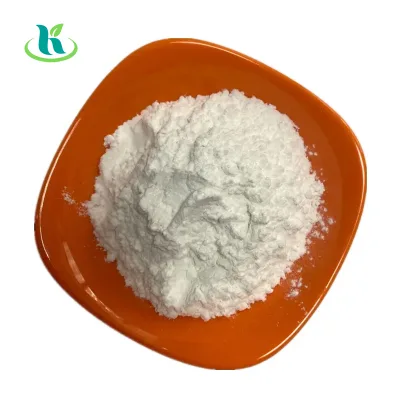
$30.00 - $35.00
MOQ: 1 kilograms
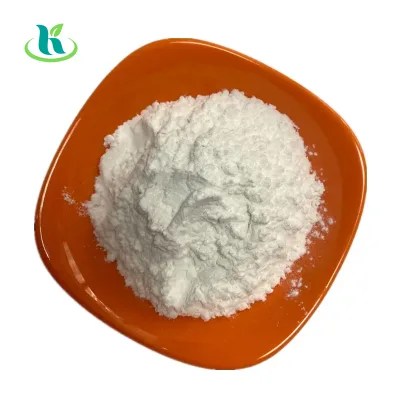
Bulk GABA Raw Material 98% Food Grade Gamma Aminobutyric Acid for Nutraceuticals Cosmetics Gaba
$30.00 - $35.00
MOQ: 1 kilograms

Xi'an Tian Guangyuan Biotech Co., Ltd.
- Verified by BV
- Manufacturer/Factory
- China Shaanxi
- Lead time15 days
Main productsMelatonin Supplement, Ivermectin Tablets, Coenzyme Q10 Capsules, Alpha Lipoic Acid, Nad+Resveratrol Capsules, Minoxidil Liquid Solution, Tudca Capsules, Turmectin Curcumin Capsules, Shilajit Gummies, Pumpkin Oil Seed Softgel
Main marketsSouth America,Eastern Europe,Mid East,North America,Southeast Asia,Eastern Asia,Oceania,Western Europe,Africa
Qingdao Songwal Biotech Co., Ltd.
- Manufacturer/Factory
- China Shandong
- Lead time23 days
Main productsAmino Acid, Food Additives, Feed Additives, Chemicals, Pharmaceutical Intermediates, Vitamin, Water Reducing Agent, Pharm Raw Materials
Main marketsSouth America,Eastern Europe,Mid East,North America,Southeast Asia,Eastern Asia,Oceania,Western Europe,Africa
- Verified by TUVRHEINLAND
- Trading Company
- China Shanxi
- Lead time30 days
Main productsPotassium Humate, Calcium Ammonium Nitrate, Urea, Uan, Ammonium Sulfate, Potassium Carbonate, Calcium Magnesium Nitrate, Calcium Salt, Map, EDTA
Main marketsEast Asia(Japan/ South Korea),Australia

- Verified by SGS
- Manufacturer/Factory
- China Hubei
- Lead time15 days
Main productsNmn/Nrc, Carbomer, Orlistat/Cetilistat, Customized Fine Chemicals, 4-Methoxycinnamic Acid, Pharmaceutical Ingredients
Main marketsSouth America,Eastern Europe,Mid East,North America,Southeast Asia,Eastern Asia,Oceania,Western Europe,Africa

Suzhou Greenway Biotech Co., Ltd.
- Verified by BV
- Trading Company,Manufacturer/Factory
- China Jiangsu
- Lead time15 days
Main productsGlutathione, Nmn, Pharmaceutical Intermediates, Cosmetic Materials, Nutritional Supplements
Main marketsSouth America,Eastern Europe,Mid East,North America,Southeast Asia,Eastern Asia,Oceania,Western Europe,Africa

Manufacturer Supply Top Quality Cosmetic Grade Giga White Powder /Gigawhite Powder
$28.00 - $31.00
MOQ: 1 kg

Health Foods CAS 56-12-2 Bulk 99% Powder 4-Aminobutyric Acid/GABA Gamma-Aminobutyric Acid
$24.00 - $28.00
MOQ: 1 kg
Xian Changsheng Jiuyuan Biotech Co., Ltd.
- Trading Company
- Shaaxi, China
- Lead time3 days
- Avg. response≤ 1h
Main productsNMN,Capsaicin,Garlic Oil,Fish Oil,5-htp
Main marketsSouth Asia(60.00%)

YUNNAN LITTO CHEMICALS CORPORATION
- Verified by TUVRHEINLAND
- Manufacturer/Factory
- China Yunnan
- Lead time15 days
Main productsFertilizer, Insecticide, Herbicide, Plant Growth Regulator, Organic Fertilizer, Cosmetic Raw Materials, PVC Additive
Main marketsSouth America,Mid East,North America,Southeast Asia,Western Europe

Shanghai Bosman Industrial Co., Ltd.
- Verified by BV
- Trading Company
- China Shanghai
- Lead time30 days
Main productsAgrochemicals Bosman, Herbicide Hot Sale, Insecticide, Pesticide, Fungicide, Disinfectant, Fertilizer, Glyphosate, Propiconazole, Plant Growth Regulator
Main marketsSouth America,Africa,Southeast Asia/ Mideast

Jinan Fusen Bio-Chemicals Co., Ltd.
- Manufacturer/Factory
- China Shandong
- Lead time23 days
Main productsSpinosad, Biological Pesticides, Biological Fungicides, Bacillus Thuringiensis, Bacillus Subtilis, Polyoxin, Kasugamycin, Gibberellic Acid, Bti, Streptomycin Sulfate
Main marketsSouth America,Mid East,Southeast Asia

Hangzhou Jinlan Pharm-Drugs Technology Co., Ltd.
- Verified by TUVRHEINLAND
- Trading Company
- China Zhejiang
- Lead time15 days
Main productsContrast Agent, Anti- HCV, Custom Chemicals, Organic Intermediate, API Intermediates, Pharmaceutical Intermediates, Pharmaceutical Machinery, Chemical Machinery, Water Purification System Equipment
Main marketsEurope








Comprehensive Sourcing Guide
GABA Powder Supplier Concentration and Factory Types
The current supplier landscape for GABA Powder reveals distinct manufacturing clusters, with verified production facilities located in China Shaanxi and China Shanghai. Suppliers in Shaanxi operate as Manufacturer/Factory entities, often possessing their own brands and offering OEM and ODM services alongside standard production. These facilities typically list extensive product ranges including natural plant extracts, nutritional supplements, and active pharmaceutical ingredients, indicating a broad capacity to handle complex amino acid synthesis. In contrast, suppliers based in China Shanghai are identified as Trading Companies, which may source from various manufacturers to aggregate inventory for buyers. This distinction is critical for buyers seeking direct factory pricing versus those prioritizing a consolidated supply chain with faster turnover.
Beyond the specific locations of Shaanxi and Shanghai, buyers must assess the company type to align with their procurement strategy. Manufacturer/Factory entities often provide greater control over production parameters and customization, as evidenced by the availability of specific product models and chemical synthesis methods like chemosynthesis or natural resource extraction. Trading companies, while potentially offering faster lead times for smaller orders, may not have direct oversight over the manufacturing process. Buyers should verify if a supplier claims to be a manufacturer by checking for specific certifications like ISO 9001 or GMP, which are more commonly associated with production facilities. Understanding whether the source is a factory or a trader helps determine the depth of technical support and the flexibility available for custom formulations.
How to Verify GABA Powder Suppliers
Verification of GABA Powder suppliers requires a rigorous check of third-party credentials and system certifications to ensure product integrity and operational compliance. Several suppliers in the current results display verification from recognized agencies such as SGS and BV, which adds a layer of trust regarding their business legitimacy. Furthermore, system certifications like ISO 9001, ISO 22000, GMP, and HACCP are frequently cited, indicating adherence to international quality management and food safety standards. Buyers should prioritize suppliers who explicitly list these certifications, as they demonstrate a commitment to maintaining consistent quality control throughout the production and packaging processes. The presence of these credentials is a strong indicator that the supplier has undergone external audits and meets specific regulatory requirements for food and pharmaceutical ingredients.
In addition to certifications, buyers must scrutinize the specific product attributes and chemical specifications provided in the supplier listings. Evidence shows that GABA Powder suppliers often detail the nutrient composition, resource type (such as chemosynthesis or natural extraction), and the content of active substances, which is frequently listed as greater than 90% or 99%. Buyers should verify that the stated purity matches the product standard, such as 99% or 98%, and confirm the CAS number, which is 56-12-2 for Gamma-Aminobutyric Acid. It is essential to cross-reference the chemical name, synonyms, and physical properties like appearance and solubility to ensure the product meets the specific technical requirements of the buyer's application. Relying solely on marketing terms without verifying these technical data points can lead to discrepancies in product performance and regulatory compliance.
What to Compare Across GABA Powder Suppliers
When evaluating multiple sources for GABA Powder, buyers should systematically compare lead times, minimum order quantities, and pricing structures to optimize their supply chain efficiency. The data indicates significant variation in lead times, with some suppliers offering a 15-day turnaround while others require up to 120 days. This disparity often correlates with the supplier type and production capacity; manufacturers may have longer lead times due to batch processing, whereas trading companies might offer faster delivery from existing stock. Buyers must also examine the minimum order quantity, which ranges from as low as 1 unit to 100 units depending on the supplier. Understanding these thresholds is vital for managing inventory costs and ensuring that the order volume aligns with the buyer's production schedule and storage capabilities.
Pricing and capacity are equally critical dimensions for comparison, as they directly impact the total cost of ownership and supply reliability. Price ranges for GABA Powder vary widely, with some listings showing minimums around 4.90 and maximums up to 35.00, reflecting differences in purity, packaging, and supplier positioning. Buyers should analyze the price per unit against the stated capacity, such as 3000kg per month, to gauge whether the supplier can scale with demand. Additionally, the availability of customization services and the type of packaging offered, such as 1kg foil bags or 25kg drums, should be compared. A supplier with a lower price but limited capacity or rigid packaging options may not be suitable for large-scale operations, whereas a higher-priced supplier with flexible terms might offer better long-term value.
Common GABA Powder Sourcing Risks
One of the primary risks in sourcing GABA Powder involves the discrepancy between claimed purity and actual chemical composition, which can affect product efficacy and regulatory approval. While many suppliers advertise 99% purity, the actual content of active substances is sometimes listed as greater than 90%, creating a potential gap between expectation and delivery. Buyers must be vigilant in requesting detailed test reports that confirm the specific percentage of Gamma-Aminobutyric Acid and verify the absence of contaminants. Relying on general product descriptions without demanding independent laboratory analysis can lead to the receipt of substandard materials that fail to meet the strict requirements of health care or pharmaceutical applications. This risk is particularly acute when dealing with suppliers who do not provide clear evidence of their quality control processes.
Another significant risk is the inconsistency in storage conditions and shelf life, which can compromise the stability of the amino acid powder during transit and storage. Some product attributes specify storage in a cool, dry, well-ventilated area, while others simply state "normal" storage methods. If a supplier does not adhere to strict storage protocols, the GABA Powder may degrade, lose potency, or become contaminated before reaching the buyer. Additionally, the resource type, whether chemosynthesis or natural extraction, can influence the product's stability and compatibility with other ingredients. Buyers should verify that the supplier has robust logistics and storage capabilities to maintain product integrity from the factory gate to the final destination, ensuring that the shelf life of over 12 months is preserved throughout the supply chain.
GABA Powder Regional Sourcing and Logistics
Regional sourcing strategies for GABA Powder are heavily influenced by the geographic location of the suppliers, with China Shaanxi and China Shanghai emerging as key hubs. Suppliers in Shaanxi are often manufacturers with deep roots in chemical synthesis and natural extract production, offering a direct link to the source of raw materials. In contrast, suppliers in Shanghai operate as trading companies, leveraging their proximity to major ports and logistics networks to facilitate faster distribution. Buyers should consider the logistical advantages of each region; Shaanxi may offer cost-effective manufacturing but potentially longer transit times, while Shanghai provides streamlined export processes and quicker response times for urgent orders. Understanding these regional dynamics allows buyers to balance cost efficiency with delivery speed based on their specific operational needs.
Logistics planning must also account for the specific packaging and shipping requirements associated with GABA Powder to ensure safe and compliant transport. Product attributes indicate that packaging can range from 1kg foil bags to 25kg fiber drums with inner liners, each requiring different handling procedures. Buyers need to verify that the supplier's packaging is suitable for long-distance shipping and meets international safety standards for chemical and food ingredients. Furthermore, the origin of the product, whether from Shaanxi, Shanghai, or other regions like Henan, impacts the customs clearance process and potential tariffs. Buyers should work with suppliers who have experience in exporting to their target market to navigate these logistical complexities, ensuring that the product arrives in optimal condition and within the expected timeframe.
GABA Powder Commercial Terms and Order Planning
Commercial terms for GABA Powder orders are defined by a range of factors including pricing tiers, payment structures, and customization availability. The current market data shows price ranges from 4.90 to 35.00, with minimum order quantities varying from 1 to 100 units. Buyers should negotiate terms that align with their volume requirements, as larger orders may qualify for more favorable pricing or flexible payment schedules. The availability of customization is another key commercial term, with many suppliers offering options for specific product models and packaging configurations. Understanding these terms is essential for planning the financial aspects of the procurement, ensuring that the total cost, including shipping and duties, fits within the budget constraints of the project.
Order planning for GABA Powder requires careful consideration of lead times and production capacity to avoid supply chain disruptions. With lead times ranging from 15 to 120 days, buyers must schedule their orders well in advance to ensure timely delivery. Suppliers with higher capacities, such as 3000kg per month, are better equipped to handle large or recurring orders, while those with lower capacities may be suitable for trial runs or small batches. Buyers should also plan for the sample process, as many suppliers offer samples ranging from 10g to 20g for quality verification before committing to a full order. By aligning order planning with the supplier's production schedule and capacity, buyers can mitigate the risk of delays and ensure a steady supply of high-quality GABA Powder for their operations.
FAQs
What is the typical lead time for GABA Powder orders?
Lead times vary by supplier location and capacity. Some manufacturers in Shaanxi report a 120-day lead time, while trading companies in Shanghai may offer faster 15-day delivery. Buyers should verify specific timelines based on their chosen supplier and order volume before finalizing contracts.
What certifications do GABA Powder suppliers typically hold?
Many suppliers hold ISO 9001, ISO 22000, GMP, and HACCP certifications to ensure quality and safety. Some manufacturers also undergo third-party verification by agencies like SGS or BV. Buyers should request current certificates to confirm compliance with international food and pharmaceutical standards.
What is the minimum order quantity for GABA Powder?
Minimum order quantities differ significantly among suppliers. Some vendors accept orders as low as 1 kilogram, while others require a minimum of 100 kilograms. Buyers must check the specific MOQ listed for each product to ensure it aligns with their procurement needs and budget.
What is the price range for high purity GABA Powder?
Prices for GABA Powder generally range from 4.90 to 35.00 per unit depending on purity and supplier. Some listings show prices between 8.00 and 14.50, while others range from 10.00 to 20.00. Buyers should compare multiple quotes to find the best value for their specific requirements.
Where are GABA Powder manufacturers located?
Manufacturers and suppliers are primarily located in China, specifically in provinces like Shaanxi, Shanghai, and Henan. Shaanxi hosts manufacturers with large production capacities, while Shanghai-based trading companies offer different logistics advantages. Buyers should verify the exact origin to assess shipping costs and lead times.
What is the purity level of GABA Powder available?
High purity GABA Powder is widely available with purity levels reaching 99%. Some products specify active substance content greater than 90%, while others guarantee 98% or 99% purity. Buyers should review product specifications to confirm the exact purity percentage required for their application.
What packaging options are available for GABA Powder?
Packaging options include 1kg foil bags, 25kg drums, and cartons depending on the supplier. Some manufacturers use plastic bags for smaller quantities, while larger orders often come in fiber drums with inner liners. Buyers should specify their preferred packaging to ensure product safety during transit.