Yellow Aluminum Standoff for Motherboard Suppliers And Manufacturers
Source Yellow Aluminum Standoff for Motherboard components from 34 verified suppliers. Compare lead times, certifications, and MOQs to find the right partner. Contact suppliers directly to request quotes and verify production capabilities; review the available evidence before requesting comparable quotations from suitable candidates.
Suppliers List

ShenZhen Nova Semiconductor Co., Ltd.
- Verified by TUVRHEINLAND
- Trading Company
- China Guangdong
- Lead time15 days
Main productsIC, Resistor, Capacitor, Sensor, Transistor, Diode, Triode, Passive Components, Drive IC, PCBA
Main marketsSouth America,Southeast Asia/ Mideast,East Asia(Japan/ South Korea),Europe,Australia,North America

Shenzhen Grandtop Electronics Co., Ltd.
- Trading Company,Manufacturer/Factory
- China Guangdong
- Lead time30 days
Main productsPCB Assembly, Robotic Control PCB Assembly, Industrial Control PCBA, Medical PCBA, Financial PCBA, Contract Manufacturer, Automatic Control PCB Assembly, OEM &ODM PCBA, Turnkey Service PCBA, One Stop PCB Assembly
Main marketsSouth America,Eastern Europe,Mid East,North America,Southeast Asia,Eastern Asia,Western Europe,Africa

China Dragon Electronic Industrial Co., Limited
- Verified by BV
- Combined
- China Guangdong
- Lead time23 days
Main productsPCB, PCBA, LED Grow Light, PCB Design, Industrial Control, Smart Home, Communications Equipment, Medical Hairdressing, Multilayer PCB
Main marketsEurope,North America

Jiangxi Heying Technology Co., Ltd.
- Verified by SGS
- Combined
- China Jiangxi
- Lead time15 days
Main productsRotary Damper, Push Latch, Rivet, Auto Clips and Retainers, Plastic Screw and Nut, Book Screw, PCB Support, Wire Mount, Cable Clamp, Foot Pad
Main marketsEast Asia(Japan/ South Korea)

Plastic Metric Female Male Hexagonal Standoff Hex Column Standoff for PCB Motherboard
$0.05 - $0.06
MOQ: 1000 Pieces

Hex Standoff Htpm319 Female-Female Motherboard Standoff PCB Standoff Spacers
$0.05 - $0.06
MOQ: 1000 Pieces

Miniature PCB Snap Spacer Plastic Standoff Spacer for PC Case and Motherboard
$0.05 - $0.06
MOQ: 1000 Pieces

Nylon Male Female Hex Standoff Plastic Threaded Hex Standoff for PC Board
$0.05 - $0.06
MOQ: 1000 Pieces

Circuit Board Support Spacer Plastic PCB Spacer Standoff for Circuit Board Mounting
$0.05 - $0.06
MOQ: 1000 Pieces

Dongguan Gooduse Hardware Parts Co., Ltd.
- Verified by BV
- Manufacturer/Factory
- China Guangdong
- Lead time23 days
Main productsCNC Parts Stamping Parts Extructions, Bracket Screws Nuts Washers Springs Rivets, Pins Tools Standoffs Spacer Metal Shank, Drill Tap Drill Bits Hex Key Wrenches Collars, Aluminum Heatsink Leg Adjustable Screens, Metal Strips Eyelets, Furniture Accessory
Main marketsSouth America,Eastern Europe,Mid East,North America,Southeast Asia,Eastern Asia,Oceania,Western Europe

Hebei Rui Lex Engineering Equipment Co., Limited.
- Manufacturer/Factory
- China Hebei
- Lead time45 days
Main productsElectrolytic Copper Equipment, Copper Electrolytic Tank, Stainless Steel Mother Board, Titanium Heating Tube, Cathode Copper Production Equipment, Solid Waste Crushing Treatment Equipment, Shredder, Solid Waste Treatment Equipment, Waste Metal Treatment Equipment, Intelligent Environmental Protection Processing
Main marketsSouth America,Eastern Europe,Mid East,North America,Southeast Asia,Eastern Asia,Oceania,Western Europe,Africa
Beijing Pinghe Chuangye Technology Development Co., Ltd.
- Combined
- China Beijing
- Lead time15 days
Main productsIsolated Safety Barriers, Signal Conditioners, Signal Isolator, Surge Protective Devices, Safety Relays, Isolated I/O Modules, Signal Converter
Main marketsSouth America,Europe,North America


Analog Input Isolated Redundant Terminal Motherboard Isolation Backplane
$96.00 - $103.00
MOQ: 1 Pieces

- Verified by TUVRHEINLAND
- Combined
- China Fujian
- Lead time30 days
Main productsRF Remote Control, Remote Control Duplicator, RF Receiver, Gate Opener, Auto Gate Door Motor, Remote Control, Rolling Code, Motorcycle Alarm System, Sliding Gate Opener, Car Remote Alarm
Main marketsEurope,Australia,North America
Dongguan Luojindun Hardware Technology Co., Ltd.
- Manufacturer, Trading Company
- Guangdong, China
- Lead time15 days
- Avg. response≤ 3h
Main productsSelf Clinching Fastener; Welding Hardware Fastener; All Non-Standard Customized Nut; Machine Screw; Bolt Washer And Nut
Main marketsDomestic Market(25.00%), North America(20.00%), Western Europe(10.00%), Southeast Asia(10.00%), Eastern Asia(5.00%), South America(5.00%), Oceania(5.00%), Eastern Europe(5.00%), Central America(3.00%), Northern Europe(3.00%), Mid East(3.00%), South Asia(2.00%), Southern Europe(2.00%), Africa(2.00%)

Tianchang Guer Fastener Trading Co., Ltd.
- Verified by TUVRHEINLAND
- Trading Company
- China Anhui
- Lead time15 days
Main productsScrew, Fastener, Bolt, Nut, Stainless Steel Screw, Carbon Steel Screw, Connector, Auto Parts, Electronic Screws, Motorcycle Parts
Main marketsSouth America,Southeast Asia/ Mideast,East Asia(Japan/ South Korea),Europe,North America

M3 M4 Brass Pillar Female-Female Motherboard Standoff PCB Standoff Spacers
$0.00 - $0.01
MOQ: 10000 Pieces

Hex Brass Standoff Bolts M3 Round Male Female PCB Computer Motherboard Standoff Spacer
$0.00 - $0.01
MOQ: 10000 Pieces

Shenzhen Okey Circuit Co., Ltd.
- Verified by TUVRHEINLAND
- Manufacturer/Factory
- China Guangdong
- Lead time23 days
Main productsPCB, PCB Board, Circuit Board, Printed Circuit Board, PCB Assembly, PCB Manufactory, Aluminum PCB, LED PCB, LED Board, Flexible PCB
Main marketsSouth America,Eastern Europe,Mid East,North America,Southeast Asia,Eastern Asia,Oceania,Western Europe,Africa

Low Cost PCBA Manufacturing Electronic Design Service Circuit Board Motherboard
$0.03 - $0.42
MOQ: 1 Pieces

Professional Motherboard High Quality Turn-Key PCB Assembly of SMT and PCBA
$0.03 - $0.41
MOQ: 1 Pieces
Ningbo Anbor Hardware Co., Ltd.
- Verified by BV
- Trading Company,Manufacturer/Factory
- China Zhejiang
- Lead time23 days
Main productsRoofing Screw, Drywall Screw, Thread Rod/B7 Thread Rod, Blind Rivet, Anchors, Bolts, Nuts/2h Hex Nut, Washers, Stainless Steel Fasteners, Stampings
Main marketsSouth America,Eastern Europe,Mid East,North America,Southeast Asia,Eastern Asia,Oceania,Western Europe,Africa

Hex Brass Copper Male Female Standoff Spacer PCB Motherboard Support Stud
$0.10 - $0.50
MOQ: 5000 Pieces


$0.10 - $1.00
MOQ: 10000 Pieces

Shenzhen Conghui Precision Hardware Co., Ltd.
- Verified by TUVRHEINLAND
- Trading Company,Manufacturer/Factory
- China Guangdong
- Lead time75 days
Main productsFasteners, CNC Parts, Hex Bolts, Squre Nuts, Stamping Parts, Wrench, Furniture Insert Nut, Flat Washers, Self Tapping Screws, Security Screws
Main marketsSouth America,Eastern Europe,Mid East,North America,Southeast Asia,Oceania,Africa

M3 Male/Female Hex Nylon Standoff Spacer Column for PCB Motherboard Fixed Plastic Spacing Screws
$0.01 - $0.06
MOQ: 1000 Pieces

$0.01 - $0.06
MOQ: 1000 Pieces


M3 Hex Brass Male Female Standoff Board Rack Stud Hexagon Threaded PCB Motherboard Spacer Bolt Screw
$0.01 - $0.10
MOQ: 1000 Pieces
- Verified by SGS
- Trading Company
- China Guangdong
- Lead time15 days
Main productsPCB, PCBA, Printed Circuit Board, FPC, PCB Assembly, High Frequency PCB, HDI PCB, Rigid-Flex PCB, Flex PCB, Mutilayer PCB
Main marketsSoutheast Asia/ Mideast
NINGBO DONGJU MACHINERY CO., LTD
- Verified by SGS
- Manufacturer
- China Zhejiang
- Lead time60 days
Shenzhen Huateng Technology Intelligence Information Co., Ltd.
- Manufacturer, Trading Company, Distributor/Wholesaler
- Guangdong, China
- Lead time3 days
- Avg. response≤ 5h
Main productsGraphics Card,Server,ai server,Rig case Chassis,deepseek products
Main marketsSouth America(15.00%), Africa(15.00%), Northern Europe(10.00%), North America(10.00%), Western Europe(10.00%), Eastern Europe(10.00%), Oceania(5.00%), Central America(5.00%), Southeast Asia(5.00%), South Asia(5.00%), Southern Europe(5.00%), Mid East(3.00%), Eastern Asia(2.00%)
Guangdong Global Well Electronic Limited
- Verified by CTI
- Trading Company
- China Guangdong
- Lead time15 days
Main productsOEM/ODM PCB+PCBA+Chip, Wire Harness OEM/ODM, Connector OEM/ODM, Assembly Finished Products, PCB Board OEM/ODM, PCB Assembly OEM/ODM, Electronic Components IC Chips
Main marketsSouth America,Southeast Asia/ Mideast,East Asia(Japan/ South Korea),Europe,North America
Shenzhen Cooyear Technology Co., Ltd.
- Manufacturer, Trading Company, Buying Office
- Lead time旺季: "1 - 1000":3,"1001 - 5000":3,"5001 - 10000":3,"> 10000":"To be negotiated", 淡季: "1 - 1000":3,"1001 - 5000":3,"5001 - 10000":3,"> 10000":"To be negotiated"
- Avg. response≤ 7h
Main productsphone parts and accessories,laptop accessories,car accessories,cable adapter,cctv accessories

- Manufacturer/Factory
- China Guangdong
- Lead time15 days
Main productsPCB, PCBA, Electronic Manufacturing Service, OEM Service, Circuit Board
Main marketsSouth America,Eastern Europe,Mid East,North America,Southeast Asia,Eastern Asia,Oceania,Western Europe,Africa

Shenzhen STHL Technology Co., Ltd.
- Verified by TUVRHEINLAND
- Combined
- China Guangdong
- Lead time15 days
Main productsPCBA, PCB, PCB Board, PCB Assembly, Circuit Board, PCB Design, PCB Layout, Printed Circuit Board, LED Circuit Board, Electronic Components
Main marketsSouth America

Electronic Component Circuit PCB Board Industrial Control Computer Parts Motherboard
$10.00 - $30.00
MOQ: 1 pcs


Motherboard Assembly PCB Circuit Board Assembly Service PCBA Custom SMT PCB Board Assembly Service
$5.00 - $20.00
MOQ: 10 pcs


Shenzhen Core Hecheng Electronic Technology Co., Ltd.
- Verified by CTI
- Manufacturer/Factory,Group Corporation
- China Guangdong
- Lead time15 days
Main productsPCBA Assembly, PCBA, PCB, Quick Turn PCB Assembly, Turnkey PCB Assembly, Cheap PCB Assembly, Prototype PCB Assembly, Volume PCB Assembly, Low Cost PCB
Main marketsSouth America,Eastern Europe,North America,Southeast Asia,Eastern Asia,Western Europe
Shenzhen Hongfa Shunda Mould Co., Ltd
- Manufacturer/Factory
- China Guangdong
- Lead time23 days
Main productsPlastic Enclosure, Sheet Metal Case, Aluminum Extruded Enclsoure, Die Casting Aluminum Case, CNC Millded Parts, Chassis Enclosure, Metal Enclosure, Waterproof Enclusures, Junction Box, Electronic Enclosure
Main marketsSouth America,Eastern Europe,Mid East,North America,Southeast Asia,Eastern Asia,Oceania,Western Europe,Africa
Shenzhen Mingxingyuan Industrial Interconnection Co., Ltd.
- Verified by SGS
- Trading Company
- China Guangdong
- Lead time15 days
Main marketsOthers(foreignTradeCapacity.exportBusinessCapacityMarketOther)


Custom Computer Motherboard PCBA Assembly One Stop SMT DIP Soldering Turnkey Service
$13.99 - $19.99
MOQ: 1 Pieces

- Trading Company,Manufacturer/Factory,Group Corporation
- China Guangdong
- Lead time15 days
Main productsPCBA/PCB Assembly, Cable/Wire Harness Assemb, Sheet Metal Fabrication, Kiosk Machine OEM/ODM, Order Machine OEM/ODM, Product Assembly, LED Industrial Lights
Main marketsSouth America,Eastern Europe,Mid East,North America,Southeast Asia,Eastern Asia,Oceania,Western Europe,Africa
Shenzhen Gang Shun Microelectronics Co., Ltd.
- Manufacturer, Trading Company, Distributor/Wholesaler
- Guangdong, China
- Lead time15 days
- Avg. response≤ 1h
Main productsasd
Main marketsCentral America(10.00%), Western Europe(10.00%), Eastern Asia(10.00%), Mid East(10.00%), Oceania(10.00%), Africa(10.00%), Southeast Asia(10.00%), Eastern Europe(10.00%), South America(10.00%), North America(10.00%)
Shenzhen New Chip international Ltd
- Verified by TUVRHEINLAND
- Combined
- China Guangdong
- Lead time30 days
Main productsPCB, PCBA, IC
Main marketsSoutheast Asia/ Mideast

Guangdong Yubiao Hardware Co., Ltd.
- Verified by BV
- Combined
- China Guangdong
- Lead time15 days
Main productsStamping Part, Spring, CNC Milling Part, CNC Turning Part, Auto Lathe Part, Fastener
Main marketsSoutheast Asia/ Mideast,Europe

Dongguan Zhengchen Hardware Co., Ltd.
- Verified by BV
- Combined
- China Guangdong
- Lead time15 days
Main productsSpring Plunger, Ball Plunger, Indexing Plunger, Ball Lock Pin, Ball Transfer Unit, Screw, Nut, Washer, Captive Screw, Dowel Pin
Main marketsSouth America,Africa,Southeast Asia/ Mideast,East Asia(Japan/ South Korea),Europe,Australia,North America

High Rated M3 Brass Studbolt Copper Double Hex PCB Motherboard Standoff Spacer
$0.10 - $1.20
MOQ: 200 Pieces

Good Quality M3 Brass Studbolt Copper Double Hex PCB Motherboard Standoff Spacer
$0.01 - $0.10
MOQ: 500 Pieces

EXCEEDING ELECTRONICS GROUP LIMITED
- Verified by TUVRHEINLAND
- Manufacturer/Factory
- China Guangdong
- Lead time15 days
Main productsPCB FPC PCB Assembly LED PCB Aluminum PCB HDI, High Frequency Board, High Frequency PCB
Main marketsSouth America,North America,Western Europe

Professional Circuit Board Motherboard with Lots of Routing Double-Sided PCB Solutions
$0.10 - $10.00
MOQ: 1 Pieces

One-Stop Printed Circuit Board Motherboard PCBA with SMT+DIP Welding Service
$1.00 - $30.00
MOQ: 1 Pieces

Electronics Motherboard One Stop Service Prototype Multi-Layer PCB Solutions
$0.10 - $10.00
MOQ: 1 Pieces

Electronics Printed Circuit Board Motherboard Prototype Rigid Multi-Layer PCB Solutions
$0.10 - $10.00
MOQ: 1 Pieces

Ningbo Micro Precision Machining Manufacturing Co., Ltd.
- Verified by BV
- Combined
- China Zhejiang
- Lead time15 days
Main productsPrecision Shaft, Micro Shaft, Motor Shaft, Custom Shaft, Stainless Steel Shaft, Precision Pin, Dowel Pin, Spacer, CNC Turned Parts, Custom CNC Machining Parts
Main marketsSouth America,Africa,Southeast Asia/ Mideast,East Asia(Japan/ South Korea),Europe,Australia,North America

High Precision Threaded Aluminum Standoff for Industrial Control Panel Systems
$0.50 - $1.00
MOQ: 2000 Pieces

Stainless Steel Standoff for Communication Equipment Circuit Board Support
$0.04 - $4.00
MOQ: 2000 Pieces


CNC Machined Anti Corrosion Stainless Steel Standoff for Server Rack Mounting
$0.50 - $1.00
MOQ: 2000 Pieces

SUNYON Industry Co., Ltd. Dongguan China
- Manufacturer, Trading Company
- Guangdong, China
- Lead time20 days
- Avg. response≤ 14h
Main productsheat sink,cooling fan,CNC parts,cpu cooler,TEC
Main marketsDomestic Market(30.00%), South America(15.00%), Central America(10.00%), Western Europe(10.00%), Southern Europe(10.00%), Southeast Asia(8.00%), North America(5.00%), Eastern Asia(5.00%), Mid East(2.00%), South Asia(2.00%), Eastern Europe(2.00%)
Shenzhen Changliu Global Trading Co., Ltd.
- Verified by TüVRheinland
- Trading Company
- Lead time4 days
- Avg. response≤ 5h
Main productsCPU, RAM, HDD, Server, Audio
Main marketsNorth America(30%), Domestic Market(20%), South America(10%)
Shenzhen Ireesen Industrial Co., Ltd.
- Manufacturer, Trading Company
- Guangdong, China
- Lead time5 days
- Avg. response≤ 3h
Main productsthermal pad,thermal tape,thermal grease,graphite sheet,aluminum heatsink
Main marketsWestern Europe(10.00%), Eastern Europe(10.00%), South America(10.00%), North America(10.00%), Southern Europe(9.00%), Central America(8.00%), Northern Europe(7.00%), Southeast Asia(6.00%), Eastern Asia(6.00%), South Asia(5.00%), Africa(5.00%), Mid East(5.00%), Oceania(5.00%), Domestic Market(4.00%)

Shenzhen Sandum Precision Parts Co., Ltd.
- Manufacturer/Factory
- China Guangdong
- Lead time23 days
Main productsThread Inserts, CNC Machining, Power Elements, Pogo Pin, Presss Fit Connectors, Self Clinching Standoff Nut
Main marketsSouth America,Eastern Europe,North America

Smtsob-M4-6et Smtsob-M4-8et Smtsob-M4-10et SMT PCB Standoff for Electronic Machine
$0.20 - $0.23
MOQ: 1000 Pieces

Durable SMT Standoff for Electronics Assembly - Multiple Sizes Available2.
$0.20 - $0.23
MOQ: 1000 Pieces

Hot Sale Matal Spacer Standoff for Electronic Component Th-0.8-M1.4 Th-1.6-M1.6
$0.20 - $0.23
MOQ: 1000 Pieces


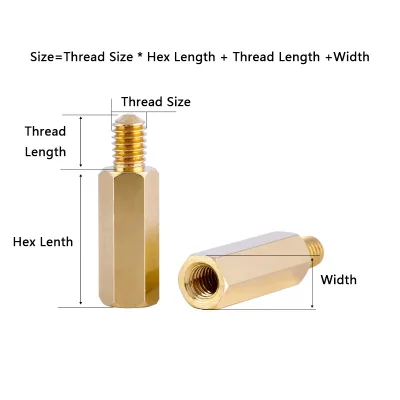
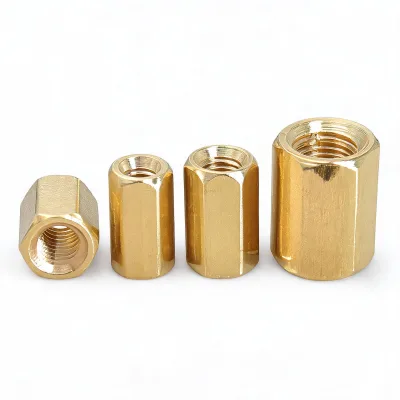
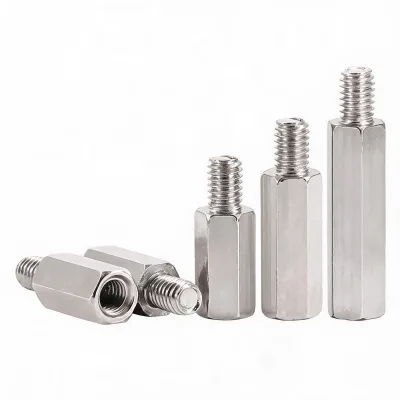


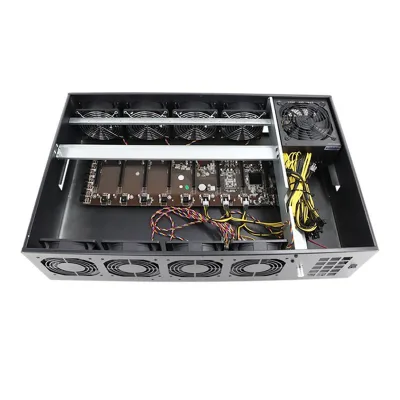






Comprehensive Sourcing Guide
Yellow Aluminum Standoff for Motherboard Supplier Concentration and Factory Types
The current search results indicate a concentration of suppliers located in China Guangdong, a region known for its dense electronics manufacturing ecosystem. While specific factory clusters for yellow aluminum standoffs are not explicitly detailed in the provided data, the presence of numerous entities listing PCBA, PCB assembly, and electronic components suggests a robust supply chain infrastructure in this area. Buyers should prioritize verifying if a supplier's physical facility aligns with the specific mechanical hardware needs of standoff production, as many listed companies operate primarily as trading companies or offer combined services. The distinction between a pure trading company and a manufacturer is critical, as trading companies may source standoffs from third parties while manufacturers might integrate them into broader PCBA solutions.
Supplier types observed in the results vary significantly, ranging from pure trading companies to manufacturers offering ODM and OEM capabilities. Some entities are verified by third-party agencies like TÜV Rheinland or BV, which adds a layer of credibility to their operational claims. When evaluating these suppliers, buyers must look beyond the general listing of main products like ICs, resistors, or capacitors to confirm if the specific mechanical component, the yellow aluminum standoff, is a core competency or a secondary item. The presence of ODM capacity suggests some suppliers can customize designs, but this does not guarantee they produce the raw standoff hardware in-house. Verification of the actual production source is necessary to ensure quality control over the aluminum material and anodizing process required for the yellow finish.
How to Verify Yellow Aluminum Standoff for Motherboard Suppliers
Verification of supplier credentials is essential when sourcing specialized hardware like yellow aluminum standoffs, as the provided data shows varying levels of third-party validation. Some suppliers in the results hold certifications such as ISO 9000, ISO 13485, TS 16949, and ISO 14001, which indicate adherence to quality management and environmental standards. However, these certifications often apply to the broader PCBA or assembly services rather than the specific mechanical hardware. Buyers should explicitly request evidence that these quality systems cover the production of aluminum standoffs, including material traceability and surface treatment processes. The presence of a TÜV Rheinland or BV verification badge is a positive indicator, but it should be cross-referenced with the specific scope of the certification to ensure it encompasses the hardware components being purchased.
Beyond certifications, buyers must verify the supplier's ability to deliver the specific product attributes required for motherboard applications. The search results list various product attributes such as base materials, layer counts, and production modes like SMT or DIP, but these often refer to circuit boards rather than mechanical standoffs. It is crucial to confirm that the supplier can provide samples that match the exact specifications, such as the yellow anodized finish and precise thread dimensions. Buyers should also check for response times and lead times, as the data shows variations ranging from 15 to 30 days for general PCBA services. A supplier with a short lead time for circuit boards may not have the same agility for custom mechanical parts. Direct communication to confirm the availability of the specific standoff model and the ability to meet tight deadlines is a necessary step before placing an order.
What to Compare Across Yellow Aluminum Standoff for Motherboard Suppliers
When comparing suppliers, buyers should focus on key operational metrics such as lead time, minimum order quantity (MOQ), and pricing structures found in the search results. The data indicates lead times can vary from 15 to 30 days, with some suppliers offering faster turnaround options for specific services. MOQs also differ significantly, with some listings showing a minimum of 1 unit while others require 10 or 100 units. For a specialized component like a yellow aluminum standoff, a high MOQ might be a barrier for prototyping, whereas a low MOQ could indicate a trading company rather than a direct factory. Buyers must weigh these factors against their production volume needs, ensuring the supplier can scale without compromising on the consistency of the aluminum material or the quality of the anodizing process.
Pricing and customization capabilities are another critical area for comparison. The results show price ranges for various PCBA products, but specific pricing for standoffs is not explicitly detailed in the provided facts. Buyers should request detailed quotes that break down the cost of the aluminum material, the anodizing process, and any assembly services. Some suppliers list customization as available, which is vital if the standoff requires specific thread pitches or lengths for unique motherboard designs. Additionally, the condition of the product, whether new or used, should be verified, as the data includes listings for both. Buyers should prioritize suppliers who offer clear customization options and transparent pricing models, ensuring that the total cost of ownership includes any potential tooling or setup fees for custom mechanical parts.
Common Yellow Aluminum Standoff for Motherboard Sourcing Risks
One significant risk in sourcing yellow aluminum standoffs is the potential mismatch between the supplier's primary product focus and the specific hardware requirements. Many suppliers in the results are listed as trading companies or manufacturers of PCBA, PCB assembly, and electronic components, which may not include the production of mechanical hardware like standoffs. This discrepancy can lead to delays or quality issues if the supplier subcontracts the production without adequate oversight. Buyers must verify that the supplier has direct control over the manufacturing process for the standoffs, including the aluminum extrusion and anodizing steps. Relying on a supplier whose main products are circuit boards without confirming their mechanical capabilities can result in receiving components that do not meet the necessary structural or aesthetic standards.
Another risk involves the variability in product conditions and certifications listed in the search results. Some entries indicate products as "used" or "new," which creates ambiguity for a critical hardware component like a standoff. Buyers must ensure that the standoffs are brand new and meet the required industrial standards, such as RoHS or ISO certifications, which are mentioned in the data but may not apply to the specific mechanical item. Additionally, the lack of specific test results for the aluminum material or the anodized finish in the provided facts means buyers cannot assume compliance with industry standards without further verification. It is essential to request material test reports and finish specifications to mitigate the risk of receiving substandard components that could compromise the integrity of the motherboard assembly.
Yellow Aluminum Standoff for Motherboard Regional Sourcing and Logistics
The search results highlight a concentration of suppliers in China Guangdong, which is a major hub for electronics manufacturing and logistics. This regional concentration offers advantages in terms of supply chain efficiency and access to a wide network of component manufacturers. However, buyers must consider the logistical implications of sourcing from this region, including shipping times and potential customs delays. The data shows lead times ranging from 15 to 30 days, which may vary depending on the specific product and the supplier's location within the region. Buyers should factor in these transit times when planning their production schedules and ensure that the supplier has reliable shipping partners to handle the delivery of mechanical hardware.
Logistics also involve the packaging and handling of the standoffs to prevent damage during transit. The results mention various packing methods, such as standard packing, EXW terms, and bubble bags, which may not be sufficient for protecting delicate mechanical components. Buyers should specify packaging requirements that ensure the standoffs arrive in perfect condition, especially if they are being shipped internationally. Additionally, the supplier's location in China Guangdong may offer cost-effective shipping options, but buyers must verify the Incoterms and who is responsible for freight costs. Clear communication regarding logistics is essential to avoid unexpected expenses or delays, ensuring that the yellow aluminum standoffs are delivered on time and in the required condition for assembly.
Yellow Aluminum Standoff for Motherboard Commercial Terms and Order Planning
Commercial terms and order planning are critical when dealing with suppliers that offer a mix of PCBA and mechanical components. The data indicates various delivery terms, such as EXW and specific delivery windows of 7-15 days, which buyers must align with their production timelines. It is important to clarify whether the quoted prices include all costs or if there are additional charges for packaging, shipping, or customs duties. Some suppliers list prices as low as $0.10 to $20.00, but these figures often apply to circuit boards rather than mechanical standoffs. Buyers should negotiate clear commercial terms that cover the specific hardware, ensuring that the pricing model is transparent and includes all necessary fees for the yellow aluminum standoffs.
Order planning should also account for the supplier's capacity to handle custom orders and the flexibility of their production schedule. The results show that some suppliers offer ODM and OEM services, which can be beneficial for customizing standoffs to specific motherboard designs. However, buyers must confirm the supplier's ability to meet the required quantities and lead times, especially if the order involves custom specifications. The presence of certifications like ISO 9001 and ISO 14001 suggests a commitment to quality, but buyers should verify that these standards apply to the mechanical production process. Effective order planning involves establishing a clear timeline for production, quality checks, and delivery, ensuring that the yellow aluminum standoffs are ready for integration into the motherboard assembly without disrupting the overall production schedule.
FAQs
What certifications do PCBA motherboard suppliers hold?
Suppliers offer RoHS and ISO certifications for their electronic components. Some manufacturers also hold ISO 9001, ISO 13485, TS 16949, and ISO 14001 system certifications. These credentials ensure quality management and environmental standards are met during production. Buyers should verify specific certificates for their industry requirements before placing orders.
What is the typical lead time for PCBA orders?
Lead times vary by supplier, ranging from 15 to 30 days for standard production runs. Some providers offer faster delivery terms of 7-15 days for specific models. Buyers should confirm exact timelines based on order complexity and customization needs. Quick-turnaround services may be available for urgent prototypes or small batch requirements.
What is the minimum order quantity for PCBA services?
Minimum order quantities typically start at 10 units for customized PCBA solutions. Some suppliers accept orders with no required minimum for specific models. Others set MOQs at 100 units for standard assemblies. Buyers can often find acceptable small order options depending on the product type and supplier capacity.
What is the price range for PCBA motherboard assembly?
Prices for PCBA services range from $0.10 to $20.00 per unit depending on complexity. Basic assemblies may cost around $0.10 to $0.60, while multi-layer boards can reach $20.00. Aluminum PCBs and complex designs often fall between $2.50 and $15.50. Final pricing depends on layer count, materials, and testing requirements.
What production modes are available for PCBA assembly?
Manufacturers offer SMT and DIP production modes for circuit board assembly. SMT is used for surface mount technology components, while DIP handles through-hole installations. Some suppliers provide combined rigid circuit board solutions. Buyers can choose based on component types and design specifications for optimal assembly quality.
What testing methods are used for PCBA quality control?
PCBA testing includes X-ray inspection and AOI (Automated Optical Inspection) methods. These techniques ensure component placement accuracy and solder joint integrity. Suppliers verify quality through standardized testing protocols. Buyers should request test reports to confirm compliance with their specific quality standards and reliability requirements.