GMO-Free Wildflower Seeds Suppliers and Manufacturers
Compare 13 verified suppliers offering GMO-Free Wildflower Seeds with varying lead times, response speeds, and certifications. Review product attributes like shelf life and origin before contacting factories for quotes; review the available evidence before requesting comparable quotations from suitable candidates.
Suppliers List
Changchun Golden Seed Agricultural Products Co., Ltd.
- Verified by SGS Group
- Manufacturer, Trading Company
- Lead time10 days
- Avg. response≤ 2h
Main productsGinseng, Extract, Pine Nut, Black Fungus, Herbal Tea
Main marketsNorth America(15%), Eastern Europe(15%), Southeast Asia(15%)

- Verified by TUVRHEINLAND
- Trading Company,Manufacturer/Factory
- China Fujian
- Lead time23 days
- Avg. response≤ 4h
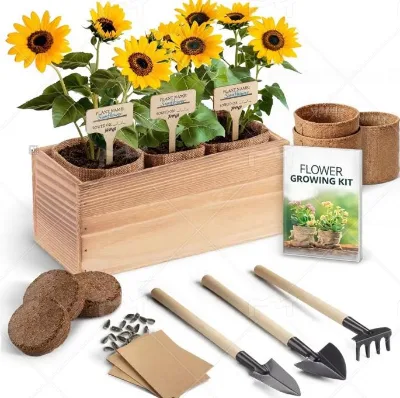
Main productsBonsai Kit, Herb Kit, Succulent Kit, Flower Kit, Microgreens Kit, Terrarium Kit, Chia Pet, Mushroom Kit, Seed Paper & Seed Bomb, Kids Garden Kit
Main marketsSouth America,Eastern Europe,Mid East,North America,Southeast Asia,Eastern Asia,Oceania,Western Europe,Africa


45 Premium Non-GMO Heirloom Vegetable Seeds for Indoor and Outdoor Gardens
$8.30 - $12.50
MOQ: 1000 Bags

$4.90 - $6.90
MOQ: 5000 Sets


Yantai Lvye Tianyuan Seed Industry Co., Ltd
- Verified by TUVRHEINLAND
- Combined
- China Shandong
- Lead time30 days
- Avg. response≤ 13h
Main productsCabbage Seeds, Cauliflower Seeds, Tomato Seeds, Watermelon Seeds, Melon Seeds
Main marketsSouth America,Africa,Southeast Asia/ Mideast,Europe,Australia,North America


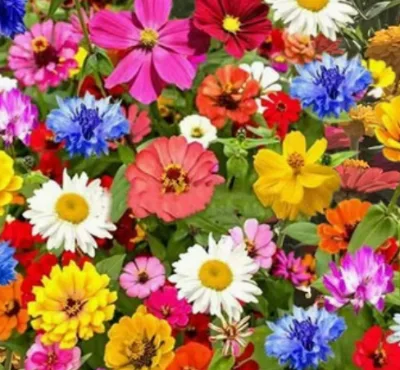
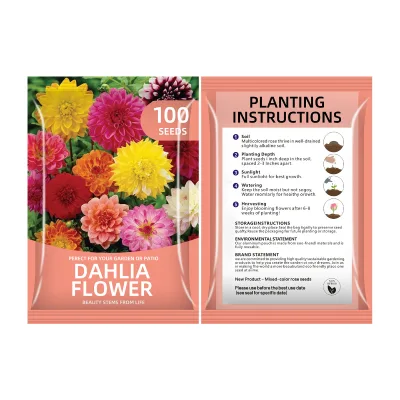
Open-Pollinated Seeds Bright Flower, Decorative Flower, Annual Herb Dahlia Flower Seeds
$1.00 - $100.00
MOQ: 1 g


Inner Mongolia Ousun Import&Export Co, . Ltd
- Verified by SGS
- Trading Company
- China InnerMongolia
- Lead time15 days
- Avg. response≤ 8h
Main productsChili, Walnut, Chili Powder, Walnut Kernel, Paprika Powder, Paprika Seeds, Frozen French Fries, Frozen Fries, Potato Chips, Snack Food
Main marketsSoutheast Asia/ Mideast,Europe

Inner Mongolia Xuanda Food Co., Ltd.
- Verified by SGS
- Combined
- China InnerMongolia
- Lead time15 days
- Avg. response≤ 12h
Main productsRoasted Sunflower Seeds, Pumpkin Kernels, Sunflower Seeds, Sunflower Kernels, Pumpkin Seeds, Watermelon Seeds, Watermelon Kernel
Main marketsOthers(foreignTradeCapacity.exportBusinessCapacityMarketOther),Southeast Asia/ Mideast,East Asia(Japan/ South Korea),Europe

Hebei Shuangxing Seeds Co., Ltd.
- Manufacturer
- China Hebei
- Lead time15 days
- Avg. response≤ 14h
Main productsWatermelon Seeds, Melon Seeds, Pumpkin Seeds, Sunflower Seeds, Squash Seeds, Tomato Seeds, Vegetable Seeds
Main marketsAfrica,Southeast Asia/ Mideast,North America

Anhui Highkey Import&Export Co., Ltd.
- Verified by TUVRHEINLAND
- Trading Company
- China Anhui
- Lead time15 days
- Avg. response≤ 5h
Main productsHerbal Medicine, Herbal Tea, Herbal Seed, Empty Tea Bag, Rhodiola Rosea, Panax Ginseng, Loofah Sponge, Healthcare Product, Planting Seed, Traditional Chinese Herbs
Main marketsSouth America,Africa,Southeast Asia/ Mideast,East Asia(Japan/ South Korea),Europe,Australia,North America

Shandong Guanghua Agricultural Product Co., Ltd.
- Combined
- China Shandong
- Lead time15 days
- Avg. response≤ 22h
Main productsPeanut, Peanut Butter, Pumpkin Seeds, Sunflower Seeds, Dried Fruits, Beans, Spices, Foods, Peanuts, Peanut in Shell
Main marketsSouth America,Africa,Southeast Asia/ Mideast,East Asia(Japan/ South Korea),Domestic,Europe,Australia,North America

- Verified by CTI
- Trading Company
- China Anhui
- Lead time15 days
- Avg. response≤ 6h
Main productsHerbal Medicine, Blue Lotus Flower, Red Ginseng Root, Chinese Herbal
Main marketsSouth America,Africa,Southeast Asia/ Mideast,East Asia(Japan/ South Korea),Europe,Australia,North America
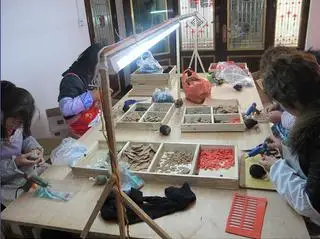
- Manufacturer, Trading Company
- zhejiang, China
- Lead time25 days
- Avg. response≤ 11h
Main productsdiy toy china,promotion gift item,souvernir,grass head,kids toy
Main marketsSouth Asia(7.69%), Southern Europe(7.69%), Northern Europe(7.69%), Central America(7.69%), Western Europe(7.69%), Eastern Asia(7.69%), Oceania(7.69%), Africa(7.69%), Southeast Asia(7.69%), Eastern Europe(7.69%), South America(7.69%), North America(7.69%)

Shanghai Touchhealthy Biotechnology Co., Ltd
- Verified by SGS
- Trading Company
- China Shanghai
- Lead time15 days
- Avg. response≤ 18h
Main productsVegetable Seeds, Flower Seeds, Stevia Seeds, Marigold Seeds, Tree Seeds, Forage Seeds, Lawn Seeds, Fruit Seeds, Sprout Vegetable Seeds, Afforestation Tree Seeds
Main marketsSoutheast Asia/ Mideast

Inner Mongolia Mengxin Food Co., Ltd.
- Verified by SGS
- Manufacturer/Factory
- China InnerMongolia
- Lead time15 days
- Avg. response≤ 20h
Main productsWatermelon Seeds, Sunflower Seeds, Oil Sunflower Seeds and Gourd Seeds, and Sell Chemical Fertilizers, Mulching Films and Seeds., Pumpkin Seeds Shine Skin, Snow White Pumpkin Seeds, Pumpkin Seeds Kernels
Main marketsEastern Europe,Mid East,Southeast Asia,Oceania

Shouguang Pueudo Agricultural Co., Ltd.
- Trading Company
- China Shandong
- Lead time30 days
- Avg. response≤ 1h
Main productsSeed, Tomato Seed, Melon Seed, Watermelon Seed, Flower Seed
Main marketsAfrica,Southeast Asia/ Mideast




Comprehensive Sourcing Guide
GMO-Free Wildflower Seeds Supplier Concentration and Factory Types
The current supplier landscape for GMO-Free Wildflower Seeds reveals a mix of manufacturer and trading company entities operating primarily within China. Specific product evidence indicates that manufacturers such as Changchun Jinzi Agricultural Products Co., Ltd. are actively listing wildflower seeds with attributes like a one-year shelf life and dry storage requirements. These suppliers often define their main product portfolios to include diverse agricultural items ranging from ginseng and pine nuts to specialized kits like bonsai and succulent collections. The presence of trading companies alongside factories suggests a supply chain where some entities focus on aggregation while others manage direct cultivation or processing.
When evaluating the concentration of these suppliers, buyers should note that specific locations like Fujian are explicitly linked to certain trading operations, while other manufacturers may be based in different regions such as Changchun. The data shows that some suppliers offer OEM and ODM capabilities, indicating a capacity for customization beyond standard off-the-shelf products. However, the exact geographic clustering of all gmo free wildflower seed producers is not fully defined by the available facts, requiring buyers to verify specific factory addresses during due diligence. Understanding whether a supplier is a direct manufacturer or a trading intermediary is crucial, as this distinction impacts the ability to verify production standards and control over the gmo-free status of the seeds.
How to Verify GMO-Free Wildflower Seeds Suppliers
Verification of GMO-Free Wildflower Seeds suppliers relies heavily on third-party certifications and specific product attribute declarations found in the supplier data. Several listings explicitly state material features such as "GMO Free," "Heirloom," and "Non-Hybrid," which are critical indicators for buyers seeking authentic non-genetically modified products. Some suppliers display certifications like ISO, while others are verified by major groups such as SGS Group or TÜV Rheinland. These verification badges serve as a primary layer of trust, confirming that the supplier has undergone external audits regarding their business practices and product claims. Buyers must cross-reference these verification statuses with the specific product listings to ensure the certification applies to the wildflower seed inventory in question.
Beyond general company verification, buyers should scrutinize the detailed product attributes provided in the supplier catalog to confirm gmo-free claims. Evidence shows that specific products list attributes like "Material Feature: GMO Free" and "Brand: Organo Republic" or "Plant Fun," which helps in tracing the origin of the seeds. However, not all suppliers in the current results display these specific attributes, and some listings lack explicit gmo-free labeling despite being categorized under agriculture. It is essential to request direct proof of gmo-free testing or certification documents from the supplier before placing an order, as the presence of a general company verification does not automatically guarantee the specific seed batch meets non-gmo standards.
What to Compare Across GMO-Free Wildflower Seeds Suppliers
Comparing suppliers requires a systematic analysis of key operational metrics such as lead time, minimum order quantity, and response speed to determine the best fit for your procurement needs. The available data indicates significant variation in lead times, with some suppliers offering a ten-day turnaround while others require up to twenty-three days. Minimum order quantities also differ substantially, ranging from three thousand units for certain seed varieties to five thousand units for others. Response times are another critical differentiator, with some suppliers demonstrating a response time of two days and others taking over three days to reply to inquiries. These operational differences directly impact inventory planning and the ability to meet tight market deadlines.
In addition to logistical metrics, buyers must compare the scope of main products and customization capabilities offered by each supplier. Some entities specialize in a broad range of agricultural goods including herbal teas and black fungus, while others focus on specific gardening kits and seed varieties. The ability to customize packaging or branding is listed as available by several suppliers, which is a vital factor for private label projects. However, the extent of this customization and the associated costs are not uniformly detailed in the initial data. Buyers should request specific quotes comparing the total cost of ownership, including shipping and customization fees, to make an informed decision that balances price, volume, and delivery speed.
Common GMO-Free Wildflower Seeds Sourcing Risks
One of the primary risks in sourcing GMO-Free Wildflower Seeds involves the potential discrepancy between claimed product attributes and actual supply chain realities. While product listings may explicitly state "GMO Free" and "Heirloom," the lack of detailed test results or specific certification documents for every batch creates a vulnerability. Some suppliers list attributes like "Single volume: 0 cm³" or "Single gross weight: 0.0 kg," which may indicate incomplete or placeholder data that requires immediate clarification. Relying solely on the text descriptions without verifying the physical quality and genetic purity of the seeds can lead to receiving products that do not meet the intended gmo-free standards, potentially causing crop failure or market rejection.
Another significant risk is the inconsistency in shelf life and storage requirements across different suppliers. The data shows shelf life claims ranging from one year to greater than twelve months, with storage methods varying from dry to normal conditions. If a supplier fails to maintain the specified storage conditions during transit, the viability of the seeds could be compromised before they reach the buyer. Furthermore, the variation in minimum order quantities means that smaller buyers might face higher per-unit costs or be forced to purchase more inventory than needed, increasing the risk of spoilage. Buyers must ensure that the supplier has robust quality control measures in place to maintain seed viability and adhere to the stated gmo-free guarantees throughout the entire supply chain.
GMO-Free Wildflower Seeds Regional Sourcing and Logistics
Regional sourcing for GMO-Free Wildflower Seeds is heavily influenced by the location of the manufacturing base, with China emerging as a primary hub in the current supplier results. Specific evidence points to suppliers operating in regions like Fujian and Changchun, which suggests that logistics planning must account for the specific origin of the goods. The place of origin is consistently listed as China for the wildflower seed products, indicating that international shipping will be required for buyers outside of this region. Understanding the specific port of loading and the transit time from these Chinese locations is essential for accurate delivery forecasting and cost estimation.
Logistics planning must also consider the packaging specifications provided by the suppliers, which vary from plastic sealed bags to customized options. Some products list dimensions such as 5.4 x 0.5 x 8.4 inches, while others have different specifications that affect container loading efficiency. The storage type, often listed as "DRY," implies that shipping conditions must be controlled to prevent moisture damage during transit. Buyers should verify the supplier's experience with international shipping and their ability to handle customs documentation for agricultural products. Ensuring that the logistics partner is familiar with the specific requirements for importing seeds, including phytosanitary certificates, is a critical step to avoid delays at the border.
GMO-Free Wildflower Seeds Commercial Terms and Order Planning
Commercial terms for GMO-Free Wildflower Seeds vary significantly based on the supplier's pricing structure and order volume requirements. The data indicates price ranges from approximately 2.83 to 12.50 per unit, depending on the specific product and minimum order quantity. Some suppliers set a minimum order of one thousand units, while others require five thousand, which directly impacts the initial capital outlay. Buyers must carefully calculate the total landed cost, including the base price, shipping fees, and any potential tariffs, to ensure the project remains profitable. The availability of customization options may also introduce additional costs that need to be factored into the budget before finalizing the order.
Order planning should also account for the response times and lead times provided by the suppliers to ensure timely delivery. With response times ranging from two to over three days and lead times between ten and twenty-three days, the procurement timeline can vary widely. Buyers should establish a clear communication schedule with the supplier to track production progress and shipping status. It is also important to verify the payment terms and whether escrow services are available to protect the transaction. Planning for potential delays by building buffer time into the schedule is advisable, especially when dealing with agricultural products that may be subject to seasonal variations or regulatory inspections.
FAQs
Are the wildflower seeds non-GMO?
Yes, the available wildflower seeds are certified non-GMO. These seeds are suitable for organic gardening and safe for pollinators. Buyers can verify the GMO-free status through the product attributes listed on the supplier page before placing an order.
What is the minimum order quantity?
The minimum order quantity varies by supplier. Some suppliers require a minimum of 1000 units, while others may set the threshold at 3000 or 5000 units. Buyers should check the specific product listing to confirm the exact MOQ for their needs.
How long does shipping take?
Lead times typically range from 10 to 23 days depending on the supplier. Faster response times are available from some manufacturers, but buyers should confirm the exact delivery schedule with the supplier to ensure it aligns with their planting or sales timeline.
Where are the seeds manufactured?
The wildflower seeds are manufactured in China. Specific locations include Fujian and other regions. Buyers can verify the place of origin and address details in the product attributes to ensure the supply chain meets their regional sourcing requirements.
What certifications do suppliers have?
Suppliers hold various certifications including ISO, SGS Group, and TÜV Rheinland. These verifications indicate quality management and safety standards. Buyers should review the specific certification details on the supplier profile to ensure compliance with their industry regulations.
What is the shelf life?
The shelf life for these seeds is generally one year or more than twelve months. Proper storage in dry conditions is recommended to maintain viability. Buyers should check the specific storage method and shelf life details provided in the product attributes.