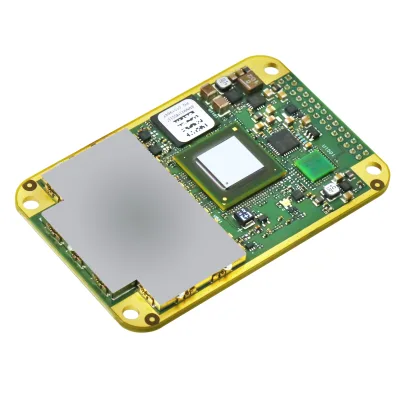
GNSS JAVAD TR-G2 Board Suppliers and Manufacturers
Browse 21 suppliers of GNSS JAVAD TR-G2 Board and related GNSS RTK receivers on SourcingX. Compare grounded dimensions such as location, response time, lead time, certifications, warranty, and channel specifications before committing. Request quotes and verify details with shortlisted suppliers directly.
Suppliers List

Shaanxi Deruite Industry and Trade Co., Ltd.
- Verified by BV
- Trading Company
- China Shaanxi
- Lead time23 days
- Avg. response≤ 8h
Main productsSurveying Instrument, Accessories, Tripod, Staff, Prism, Prism Poles
Main marketsSouth America,Africa,Southeast Asia/ Mideast,East Asia(Japan/ South Korea),Europe,Australia,North America

Shanghai Hexin Survey Instrument Co., Ltd.
- Verified by BV
- Trading Company
- China Shanghai
- Lead time30 days
- Avg. response≤ 10h
Main productsRtk GPS, Total Station, Theodolite, Auto Level, Tripod, Prism, Prism Pole, Leveling Staff, Collimator, Tribrach
Main marketsSouth America,Africa,Southeast Asia/ Mideast


Good Quality Foif A80 Trimble Board 336 Channels Internal 7W GPS Gnss Receiver Rtk
$1730.00 - $2220.00
Moq: 1

Trimble Board South Kolida K1PRO Trimble 336 Channels Internal UHF GPS Gnss System Receiver Rtk
$2320.00 - $2460.00
Moq: 1

SHANGRAO HAODI IMP&EXP TRADING CO., LTD.
- Verified by BV
- Trading Company
- China Jiangxi
- Lead time15 days
- Avg. response≤ 4h
Main productsGnss Rtk, Total Station, Slam Scanner, Optical Level & Laser Plummet, Theodolite, Level Staff&Tripod, Measuring Wheel, Prism Pole&Prism Set, Tribrach and Adapter, Surveying Accessories
Main marketsSouth America,Africa,Southeast Asia/ Mideast

Trimble Board Gnss I80 Gnss Receiver Survey Handheld C H C I80 GPS Rtk Gnss
$9200.00 - $9300.00
Moq: 1


Foif N90 Dgps Rtk Surveying Instruments Inside H Board GPS Gnss Receiver Rtk
$2998.00 - $3098.00
Moq: 1


Tianjin Unique Technology Co., Ltd.
- Verified by TUVRHEINLAND
- Trading Company,Manufacturer/Factory
- China Tianjin
- Lead time0 days
- Avg. response≤ 7h
Main productsGPS Rtk, Gnss Rtk, Handheld GPS, Handheld Gnss Rtk, Gnss Board, Gnss Antenna, Total Station, Theodolite, Machine Control, Cors Receiver

Shanghai Newdi Navigation Technology Co., Ltd.
- Verified by BV
- Manufacturer/Factory
- China Shanghai
- Lead time0 days
- Avg. response≤ 6h
Main productsGnss Receiver, Total Station, Level, Theodolite, Uav, Echo Sounder, Usv, Survey Accessory

Nanjing Jinma Surveying Instrument Co., Ltd.
- Verified by BV
- Trading Company
- China Jiangsu
- Lead time15 days
- Avg. response≤ 12h
Main productsGPS Rtk, Total Station., Auto/Digital Level, Optical /Electronic Theodolite, Land Survey Instrument, Surveying Instrument, Laser Distance Meter, Drone/Uav, Dps / Gnss Receiver, Surveying Accessories
Main marketsSouth America,North America


High Efficiency Trimble Mainboard South Gnss GPS South Galaxy G1plus/G1 GPS (G1plus)
$5780.00 - $6500.00
Moq: 1

Ruide Gnss Base and Rover Multi Protocol 965 Channels Ruide Rtk GPS R90I Gnss Rtk
$3500.00 - $3600.00
Moq: 1


Shenzhen Baizhou Weiye Electronic Technology Co., Ltd.
- Trading Company, Buying Office, Agent
- Guangdong, China
- Lead time15 days
- Avg. response≤ 1h
Main productsic,Electronic components,connector,pcb
Main marketsOceania(20.0%), Africa(20.0%), Southeast Asia(20.0%), South America(20.0%), North America(20.0%)
Hunan Bynav Technogy Co., Ltd.
- Manufacturer, Trading Company
- Hunan, China
- Lead time7 days
- Avg. response≤ 14h
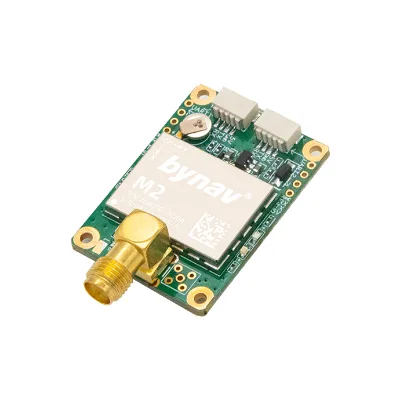
Main productsGNSS OEM board,GNSS receiver,GNSS/INS receiver,GNSS chipset,GPS RTK receiver
Main marketsDomestic Market(60.0%), North America(10.0%), Western Europe(10.0%), Eastern Asia(10.0%), Southeast Asia(10.0%)
Shandong Tongyuan Surveying And Mapping Technology Co., Ltd.
- Trading Company
- Shandong, China
- Lead time10 days
- Avg. response≤ 2h
Main productstotal station,GNSS RTK,GPS receiver,Level,range finder
Main marketsAfrica(20.0%), South Asia(15.0%), Central America(10.0%), Domestic Market(10.0%), South America(10.0%), North America(10.0%), Southeast Asia(10.0%), Eastern Asia(5.0%), Mid East(5.0%), Northern Europe(5.0%)
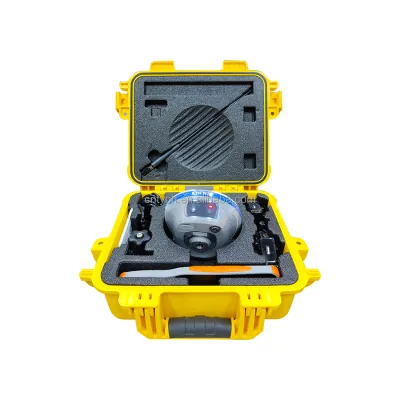
Low Price Chc High Precision Chcnav I89 / X15 Visual Rtk Um980 Board Hce700 Landstar8 Gnss Receiver
$3602.41 - $3654.62
Moq: 1
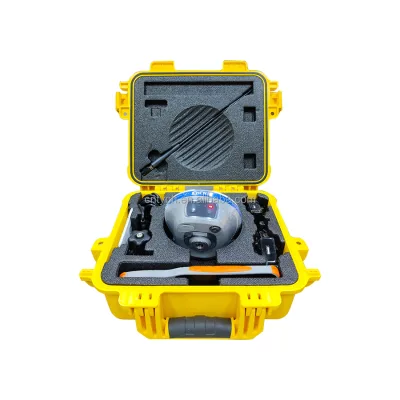
High Precision CHCNAV 189/X15 Visual RTK UM980 Board HCE700 Landstar8 Gnss Receiver and Base
$3450.00 - $3500.00
Moq: 1
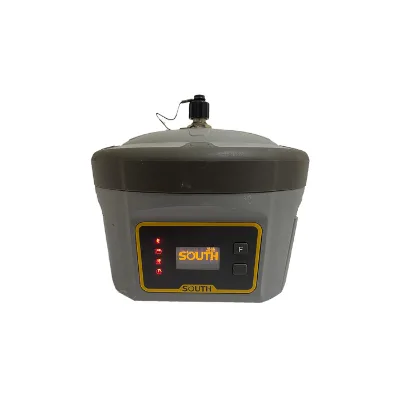
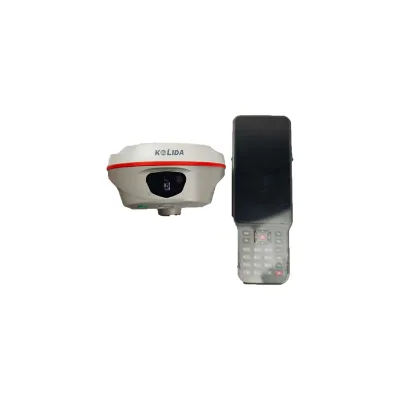
Shanghai Hexin Survey Instrument Co., Ltd.
- Trading Company
- Shanghai, China
- Lead time7 days
- Avg. response≤ 4h
Main productsRTK GPS,Total station,Automatic levels,tripod prism staff pole,all battery charger cables
Main marketsAfrica(40.0%), Eastern Asia(25.0%), Mid East(10.0%)
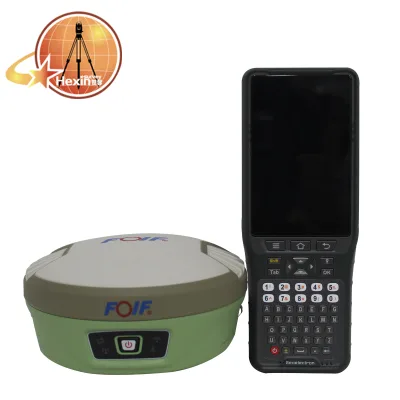
Hemisphere Board P40 Board 800 Channels FOIF A90 Gps Gnss Rtk Support IMU 60 Degree Tilt Survey
$1433.70 - $1566.83
Moq: 1
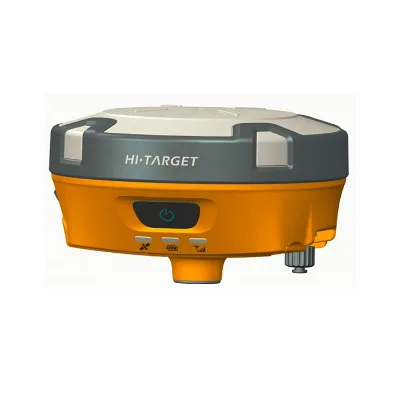
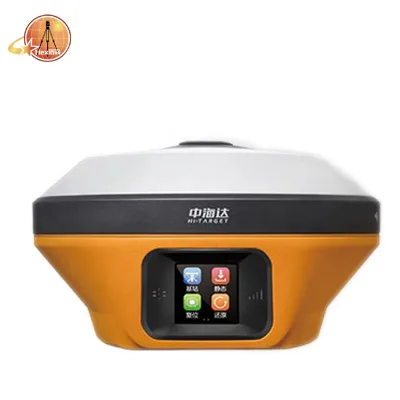
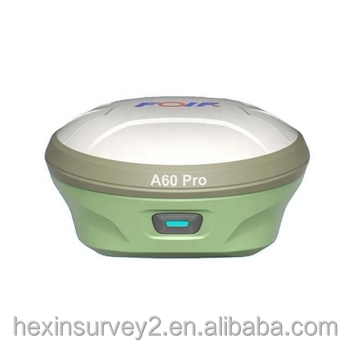
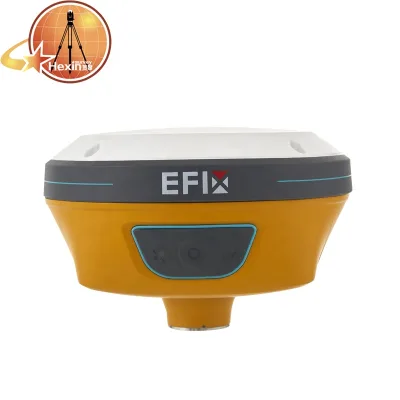
Jiangbei District Qianlixing Surveying And Mapping Instruments Business Department
- Trading Company
- Chongqing, China
- Lead time0 days
- Avg. response≤ 3h
Main productsRTK,total station
Main marketsAfrica(30.0%), South Asia(20.0%), South America(20.0%), North America(15.0%), Western Europe(15.0%)

Shanghai Apekstool Optoelectronic Technology Co., Ltd.
- Trading Company
- Shanghai, China
- Lead time3 days
- Avg. response≤ 2h
Main productsGNSS RTK GPS Receiver,Total station,Electronic theodolite,Auto level,Laser level
Main marketsSouth America(20.0%), Africa(20.0%), Southeast Asia(18.0%), Mid East(15.0%), Eastern Asia(10.0%), Domestic Market(5.0%), North America(5.0%), Eastern Europe(1.0%), South Asia(1.0%), Southern Europe(1.0%), Northern Europe(1.0%), Central America(1.0%), Western Europe(1.0%), Oceania(1.0%)
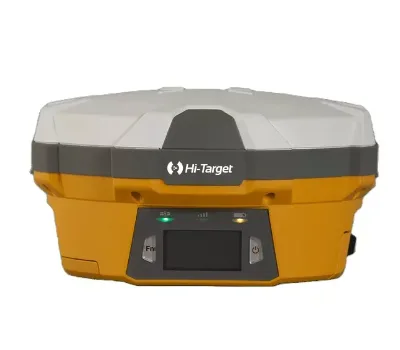
Trimble Board BD970 RTK GNSS GPS Receiver Hi-target V30 V60 Ihand Hi Target
$2657.10 - $2963.68
Moq: 1
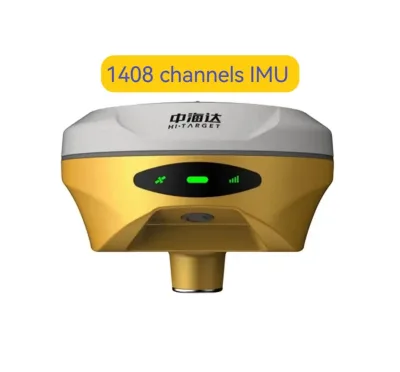
Hi-Target Data Logger Coors Hi Target Used Dgps Gnss Surveying Rtk Main Board Hi Target V500 V300
$2100.00 - $2200.00
Moq: 1
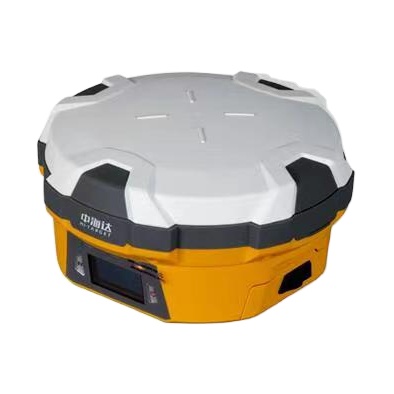
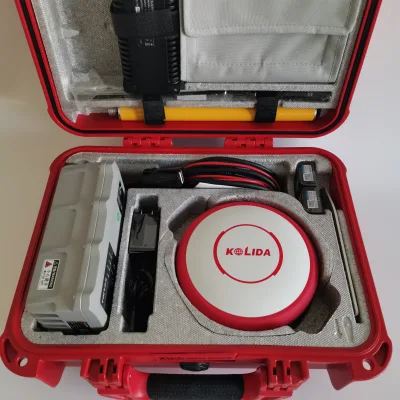
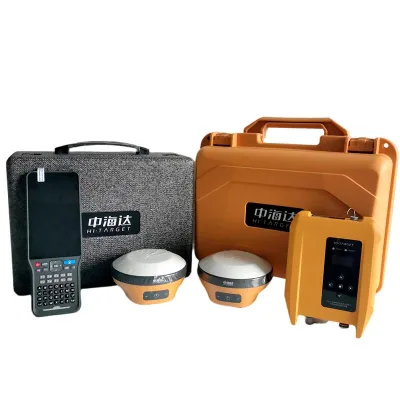
Intricate Design1408 Channels Um980 Board Ihand55 Data Collector Gnss Receiver V200 Hi Target
$1941.72 - $2043.92
Moq: 1
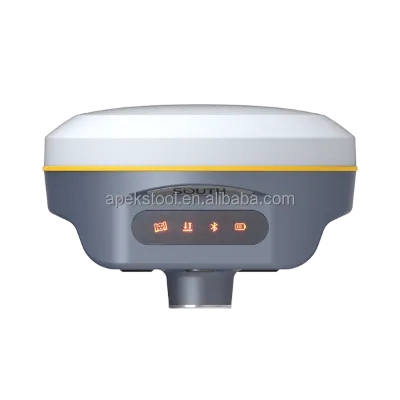
New Board K803 Galaxy G2 Farlink Protocol 8-10Km Gnss Gps Survey Equipment South Differential Gps
$3560.00 - $3598.00
Moq: 1
Shanghai Hexin Survey Instrument Company Ltd.
- Trading Company
- Shanghai, China
- Lead time3 days
- Avg. response≤ 5h
Main productsTotal station,GNSS products,Theodolite,Automatic level,Survey accessory
Main marketsSouth America(30.0%), Africa(25.0%), Southeast Asia(10.0%), South Asia(5.0%), Western Europe(5.0%), Eastern Asia(5.0%), Mid East(5.0%), Oceania(5.0%), North America(5.0%), Eastern Europe(5.0%)
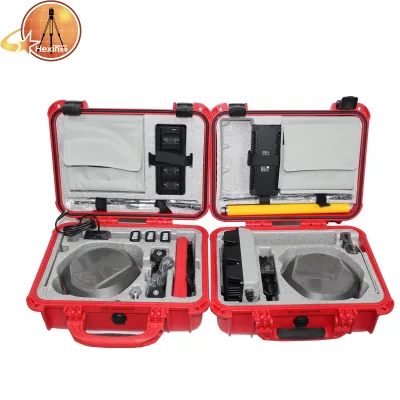
Cheap Gnss Receiver Kolida K1Pro K5 IMU South G1 Rtk Gps with Compact Design More Productive
$2039.72 - $2855.61
Moq: 1
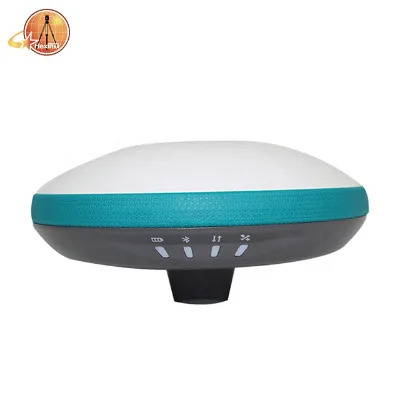
Hot Selling Land Survey Trimble BD900 Board UFO U5 Rtk Gps Gnss with 8G Internal Memory
$3918.42 - $4124.65
Moq: 1

Shanghai Apekstool Optoelectronic Technology Co., Ltd.
- Verified by TUVRHEINLAND
- Trading Company
- China Shanghai
- Lead time15 days
- Avg. response≤ 2h
Main productsGnss Rtk, Total Station, Gnss Receiver, Auto Level, Rotary Laser Level, Land Surveying Equipment, Laser Distance Meter, GPS, Hi Target Gnss, Chcnav Gnss
Main marketsSouth America,Eastern Europe,Mid East,North America,Southeast Asia,Eastern Asia,Oceania,Western Europe,Africa


Excellent Design 1598 Channels Imu Ruide R93I GPS Gnss Rtk Survey Instrument
$3600.00 - $3800.00
Moq: 1

New Board 8-10km Working Range Dgps Survey Rtk Gnss GPS Antennas Topographic Equipment South G2
$3400.00 - $3550.00
Moq: 1

Ap10 1408 Channels Gnss Rtk Receiver Um980 Board Imu Tilt 120° Land Survey Equipment Gnss Rtk Apeks
$2300.00 - $2500.00
Moq: 1

Suzhou Zeland Electronic Technology Co., Ltd.
- Verified by SGS
- Trading Company
- China Jiangsu
- Lead time15 days
- Avg. response≤ 6h
Main productsTotal Station, Mini Prism, High Pressure Washer, Rtk Gnss, Aluminum Tripod, Battery and Charger for Total Station, Fogger Machine, Auto Level, Self Levelling Staff, Tribrach
Main marketsSouth America,Eastern Europe,Mid East,North America,Southeast Asia,Eastern Asia,Oceania,Western Europe,Africa

Shenzhen Anzewei Technology Co., Ltd.
- Verified by SGS
- Trading Company
- China Guangdong
- Lead time15 days
- Avg. response≤ 1h
Main productsGnss Module, Rtk Module, Gnss Antenna, Gnss Development Board, Rtk Development Board, Gnss Receiver, Gnss Tracker, Gnss Customized Solution
Main marketsAfrica,Others(foreignTradeCapacity.exportBusinessCapacityMarketOther),Domestic,Europe,Australia,North America


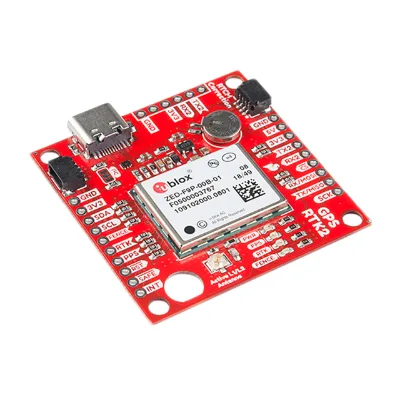
Otw High Precision Zed-F9t Rtk Gnss Development Board with Sm a and USB Connectors
$120.80 - $128.80
Moq: 1


China Moneypro Group Corporation Limited.
- Verified by TUVRHEINLAND
- Manufacturer/Factory
- China Guangdong
- Lead time23 days
- Avg. response≤ 21h
Main productsUav & Drone Platforms, Eo/IR Gimbal Camera Payloads, Inertial Navigation Systems (Imus)/Gyroscope, Infrared Thermal & Laser Sensing Module, Thermal Imaging Binocular & Observer, Night Vision Fusion Monocular & Optic Scope, Anti Jamming & Rtk Gnss Antenna, Anti Drone Radar Detector Systems, Turbojet & Turbofan & Turboshaft Engines, MIMO Nlos Manet Mesh Radio Datalink
Main marketsSouth America,Eastern Europe,Mid East,North America

Shanghai Esurvey Gnss Co., Ltd.
- Verified by SGS
- Trading Company
- China Shanghai
- Lead time30 days
- Avg. response≤ 21h
Main productsRtk, Total Station, GPS, Cors, Agricultural Machinery, Antennas
Main marketsSoutheast Asia/ Mideast,Domestic,Europe
Shangrao Haodi Imp & Exp Trading Co., Ltd.
- Trading Company
- Lead time旺季: "1 - 5":12,"> 5":"To be negotiated", 淡季: "1 - 5":12,"> 5":"To be negotiated"
Main productsGPS RTK, Total Station, Auto Level, SLAM Scanner, Survey Accessories
Shenzhen Beitian Communication Co., Ltd.
- 14
- Guangdong, China
- Lead time15 days
- Avg. response≤ 2h
Main productsGPS module,GPS antenna,GNSS module,GNSS antenna,GNSS receiver
Main marketsMid East(10.0%), Eastern Asia(10.0%), Africa(10.0%), Southeast Asia(10.0%), Central America(10.0%), South America(10.0%), North America(10.0%), South Asia(8.0%), Southern Europe(5.0%), Northern Europe(5.0%), Eastern Europe(5.0%), Western Europe(5.0%), Oceania(2.0%)

Shenzhen Lxyee Electronics Technology Co.,Ltd
- Verified by SGS
- Trading Company
- China Guangdong
- Lead time45 days
- Avg. response≤ 7h
Main productsAgricultrual Drones, Fire Extinguishing and Cleaning Drones, Uav, Drones, Robots, Cobots, Parts of Drones
Main marketsSoutheast Asia/ Mideast,Domestic


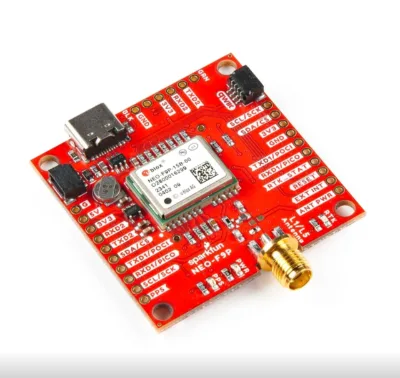
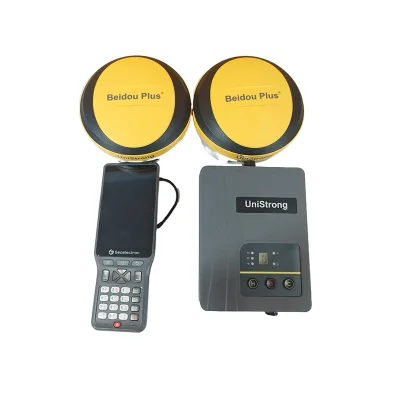
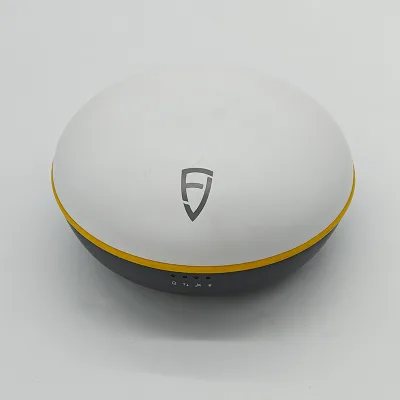



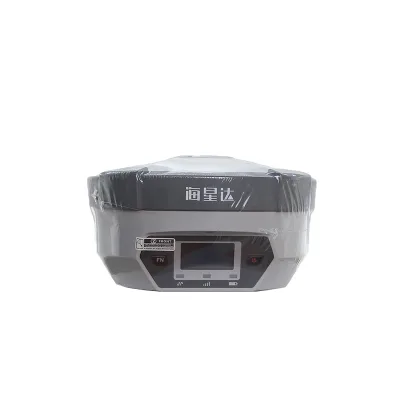
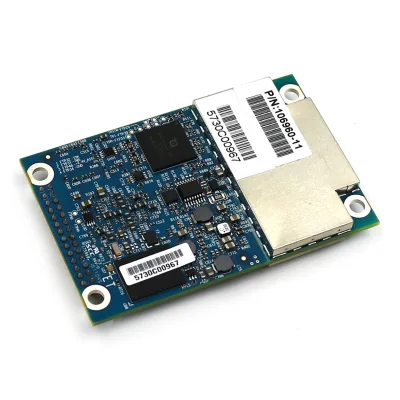


Comprehensive Sourcing Guide
GNSS JAVAD TR-G2 Board Supplier Concentration and Factory Types
The current supplier landscape for GNSS surveying equipment reveals a concentration of manufacturing and trading entities primarily located in China, with specific operational hubs identified in Shaanxi, Shanghai, and Jiangxi provinces. These regions serve as critical nodes for the production and distribution of high-precision surveying instruments, including GNSS receivers, RTK systems, and associated accessories such as tripods, prisms, and staffs. The presence of suppliers in these distinct geographic areas suggests a fragmented but active market where specialized manufacturing capabilities are distributed across different industrial zones. Buyers evaluating potential partners should note that the supply chain for components like the Javad TR G2 board is often integrated within broader product lines that include total stations, optical levels, and SLAM scanners, indicating that many suppliers operate as comprehensive solution providers rather than niche component manufacturers. This geographic distribution allows for varied logistical advantages, though it also requires careful verification of the actual manufacturing origin versus the trading company’s registered address to ensure quality control and supply chain transparency.
Company types in this sector vary significantly, with a notable presence of trading companies that facilitate international sales and logistics for domestic manufacturers. These trading entities often act as intermediaries, offering a wider range of product models and customization options, such as OEM and ODM services, which can be beneficial for buyers seeking specific configurations or branding. However, the distinction between a pure trading company and a manufacturer with a trading arm is crucial for assessing direct factory pricing and technical support capabilities. Some suppliers list main products that include surveying instruments and accessories, suggesting a focus on complete surveying kits rather than isolated board components. Buyers must therefore scrutinize the supplier’s profile to determine if they are a direct source of hardware or a reseller, as this impacts lead times, warranty handling, and the depth of technical expertise available for complex GNSS board integrations. The verification status of these entities, such as BV certification, provides an additional layer of due diligence, though it does not guarantee the specific technical specifications of every product listed.
How to Verify GNSS JAVAD TR-G2 Board Suppliers
Verifying the legitimacy and capability of GNSS suppliers requires a multi-layered approach that goes beyond basic company registration checks. Buyers should prioritize suppliers with third-party verification badges, such as BV certification, which indicates that an independent agency has audited the company’s business operations and legal standing. However, verification of the entity does not automatically verify the technical performance of specific products like the Javad TR G2 board or its equivalents. It is essential to request detailed product datasheets that match the exact model numbers and specifications required for your project. For instance, if you are sourcing a receiver with a specific board type, you must confirm that the product evidence includes accurate details on carrier frequencies, channel counts, and satellite signal support, such as L1, L2, L5, or L6 bands. Discrepancies between the advertised board type and the actual receiver model can lead to compatibility issues with existing surveying software or base station configurations, so cross-referencing the product keywords and attributes with your technical requirements is a critical step in the verification process.
Response time and lead time metrics offer valuable insights into a supplier’s operational efficiency and reliability. A supplier with a rapid response time, such as under four hours, may indicate a dedicated sales team that can quickly address technical queries or negotiate terms, which is vital for time-sensitive projects. Conversely, lead times ranging from fifteen to thirty days suggest varying production capacities and inventory levels. Buyers should inquire whether the quoted lead time applies to stock items or requires manufacturing, especially for customized orders involving OEM or ODM services. Additionally, checking the supplier’s warranty terms is crucial; while some products offer a one-year warranty, others may provide three years, reflecting confidence in product durability. It is also important to verify if the supplier provides after-sales service support, including software updates and technical troubleshooting, as GNSS equipment often requires ongoing maintenance and calibration. By combining verification of company credentials with an analysis of operational metrics and product-specific details, buyers can build a more accurate profile of a supplier’s ability to deliver high-quality GNSS components.
What to Compare Across GNSS JAVAD TR-G2 Board Suppliers
When comparing suppliers, buyers should focus on key commercial and technical dimensions such as price, minimum order quantity (MOQ), and product specifications. Price ranges for GNSS receivers and related equipment can vary significantly, with some models listed around $7,288 and others as low as $1,730, depending on the board type, channel count, and accuracy specifications. It is important to note that the price of a complete receiver system may not directly correlate with the cost of the internal board, so buyers must clarify whether the quoted price includes the antenna, battery, and software licenses. MOQs are often flexible, with some suppliers accepting orders as low as one unit, which is beneficial for small-scale projects or sampling purposes. However, bulk orders may offer better pricing tiers, so buyers should calculate the total cost of ownership, including shipping and customs duties, to determine the most cost-effective option. Comparing these financial terms across multiple suppliers helps in negotiating better deals and understanding the market rate for specific GNSS configurations.
Technical specifications are another critical area for comparison, particularly when evaluating the performance of GNSS receivers. Key attributes to compare include the number of tracking channels, static accuracy, and protection ratings such as IP67 or IP68. For example, some receivers offer 336 channels with horizontal accuracy of 2.5mm + 1ppm, while others may provide 672 channels with similar or improved accuracy. The operating principle, whether code-related or mixed type, also affects performance in challenging environments like urban canyons or dense forests. Buyers should also compare the data collection software compatibility, as some suppliers bundle their hardware with specific software like Fieldgenius9, which may influence workflow efficiency. Additionally, the power consumption and battery life, such as 12 hours for static mode versus 8-10 hours for RTK mode, are important factors for field operations. By systematically comparing these technical and commercial attributes, buyers can identify suppliers that offer the best balance of performance, reliability, and value for their specific surveying needs.
Common GNSS JAVAD TR-G2 Board Sourcing Risks
One of the primary risks in sourcing GNSS equipment is the potential mismatch between advertised specifications and actual product performance. Suppliers may list generic keywords such as "GNSS RTK GPS" or "Surveying Instrument" without specifying the exact board type or chipset used, leading to confusion about the receiver’s capabilities. For instance, a product described as having a "Trimble Board" might actually use a different chipset or have limited signal support compared to a true Javad TR G2 board. This discrepancy can result in receivers that do not meet the required accuracy or signal availability standards for precise surveying tasks. Buyers must carefully review the product attributes and request detailed technical documentation to verify the internal components. Additionally, the risk of receiving counterfeit or refurbished units as new is present in the market, so verifying the product origin and manufacturing process is essential. Suppliers claiming "China" as the origin should be asked for specific factory details to ensure the product is genuinely manufactured and not merely assembled or rebranded.
Another significant risk is the variability in after-sales support and warranty enforcement. While some suppliers offer a one-year or three-year warranty, the practical implementation of these warranties can vary widely. Buyers may encounter difficulties in obtaining replacement parts or technical support if the supplier is a trading company with limited technical expertise. The risk is compounded if the supplier is located in a different region, making it challenging to resolve issues quickly. Furthermore, the lack of standardized certifications for some products, indicated by "NIL" system certification in some profiles, raises concerns about quality control and compliance with international standards. Buyers should verify if the products have relevant certifications, such as CE, which indicates compliance with European health, safety, and environmental protection standards. Without proper certification, the equipment may face regulatory hurdles in certain markets. Additionally, the risk of software incompatibility is high, as GNSS receivers often require specific firmware and software updates that may not be provided or supported by the supplier. Mitigating these risks requires thorough due diligence and clear contractual agreements regarding support and warranty terms.
GNSS JAVAD TR-G2 Board Regional Sourcing and Logistics
Sourcing GNSS equipment from China offers logistical advantages due to the country’s established manufacturing infrastructure and export capabilities. Suppliers located in provinces like Shaanxi, Shanghai, and Jiangxi benefit from proximity to major ports and logistics hubs, which can facilitate faster shipping and lower freight costs. However, the specific location of the supplier can impact lead times and shipping options. For example, suppliers in Shanghai may have easier access to international shipping routes, potentially reducing transit times to global destinations. Buyers should consider the supplier’s location when planning their logistics strategy, as it can affect the overall delivery schedule and cost. Additionally, the type of packaging used by suppliers, such as carton or hard plastic cases, can influence the protection of the equipment during transit. Proper packaging is crucial for sensitive GNSS receivers to prevent damage from shock or moisture, so buyers should verify the packaging standards and request additional protection if necessary.
Customs and import regulations vary by destination country, and buyers must ensure that the supplier provides accurate documentation for customs clearance. This includes commercial invoices, packing lists, and certificates of origin. Suppliers with experience in international trade are more likely to handle these documents correctly, reducing the risk of delays at customs. Buyers should also consider the impact of tariffs and duties on the total cost of the equipment, as these can vary significantly depending on the product classification and the trade agreements between the exporting and importing countries. It is advisable to consult with a customs broker to determine the exact costs and requirements for importing GNSS equipment. Furthermore, the supplier’s ability to provide tracking information and insurance for the shipment is important for risk management. Buyers should confirm whether the supplier offers door-to-door delivery or if they are responsible for delivering the goods to a local port. By understanding the logistical implications of sourcing from different regions, buyers can optimize their supply chain and minimize potential disruptions.
GNSS JAVAD TR-G2 Board Commercial Terms and Order Planning
Effective order planning for GNSS equipment requires careful consideration of commercial terms such as payment methods, delivery schedules, and return policies. Buyers should negotiate clear payment terms, such as a deposit followed by balance payment upon shipment, to mitigate financial risk. It is also important to verify if the supplier accepts secure payment methods like escrow, which can provide an additional layer of protection for both parties. Delivery schedules should be aligned with project timelines, and buyers should account for potential delays due to manufacturing or logistics issues. Suppliers with shorter lead times, such as fifteen days, may be preferable for urgent projects, while those with longer lead times, such as thirty days, may offer better pricing for planned orders. Buyers should also inquire about the supplier’s policy for handling defective or non-conforming goods, including the process for returns and refunds. Clear communication of these terms in the purchase agreement is essential to avoid disputes and ensure a smooth transaction.
Customization options, such as OEM and ODM services, can be valuable for buyers seeking specific branding or technical configurations. However, customization often involves higher MOQs and longer lead times, so buyers should plan accordingly. It is important to provide detailed specifications to the supplier to ensure that the customized product meets the required standards. Buyers should also consider the long-term support and maintenance requirements of the equipment, as customized products may have limited availability of spare parts or software updates. Suppliers that offer comprehensive after-sales service, including technical training and software
FAQs
What is the price range for GNSS RTK receivers?
Prices for GNSS RTK receivers vary significantly based on specifications and board type. Available units range from approximately $1,730 to over $9,300. Lower-cost options often feature standard Trimble boards, while high-precision models with advanced IMU and multi-channel capabilities command higher prices. Buyers should compare specific channel counts and accuracy ratings to determine the best value for their surveying needs.
What is the typical lead time for these instruments?
Lead times for GNSS RTK systems generally range from 15 to 30 days depending on the supplier location and order volume. Suppliers in Jiangxi often offer faster turnaround times around 15 days, while those in Shanghai or Shaanxi may require up to 30 days. Buyers should confirm specific delivery schedules with the supplier before placing orders to ensure project timelines are met.
What warranty periods are offered for GNSS receivers?
Warranty periods for GNSS receivers typically range from one to three years. Standard models often include a one-year warranty covering manufacturing defects, while higher-end geodesic types may offer three-year coverage. Buyers should verify the specific warranty terms for each model, as coverage details can vary between trading companies and manufacturers based on the product's complexity and intended use.
What is the minimum order quantity for these devices?
The minimum order quantity for GNSS RTK receivers is typically one unit, allowing buyers to purchase single devices for immediate use or testing. This low MOQ facilitates easy procurement for small surveying teams or individual professionals. Buyers can order single units without needing to meet bulk purchase thresholds, making it easier to acquire specific models like the M8 or Kolida K1PRO.
What certifications do these GNSS receivers have?
Many GNSS RTK receivers carry CE certification, indicating compliance with European health, safety, and environmental protection standards. Some suppliers may also hold BV verification for their trading operations. Buyers should request specific certification documents for each model to ensure they meet local regulatory requirements, as not all units may display the same certification marks on their product listings.
What is the accuracy of these GNSS RTK systems?
Static accuracy for these GNSS RTK systems typically ranges from 2.5mm + 1ppm horizontally and 5mm + 1ppm vertically. High-end models with IMU functions and 336 or 672 channels offer enhanced precision for topographic and construction surveys. Buyers should verify the specific accuracy ratings for each model, as performance can vary based on satellite signal quality and environmental conditions.