Crop Heavyweight Hoodie Suppliers and Manufacturers
Source 18 verified suppliers for Crop Heavyweight Hoodie production across China. Compare key dimensions including lead times, MOQs, and response speeds to identify the right partner. Review detailed product specifications and pricing tiers to streamline your sourcing workflow; review the available evidence before requesting comparable quotations from suitable candidates.
Suppliers List

Hangzhou Yuanzhe Clothing Technology Co., Ltd.
- Verified by SGS
- Combined
- China Zhejiang
- Lead time15 days
- Avg. response≤ 4h
Main marketsSouth America,Europe,Australia,North America

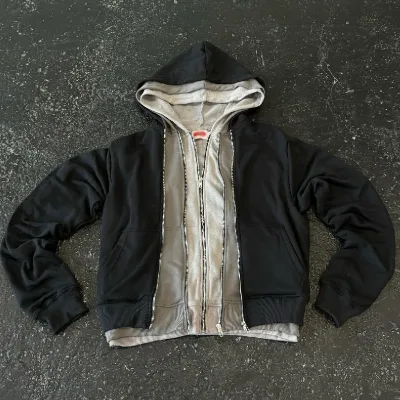
Hoodie Manufacturer Custom Heavyweight Cotton Streetwear Cropped Zip up Hoodie
$10.99 - $15.99
MOQ: 500 pieces

$11.99 - $15.99
MOQ: 100 pieces
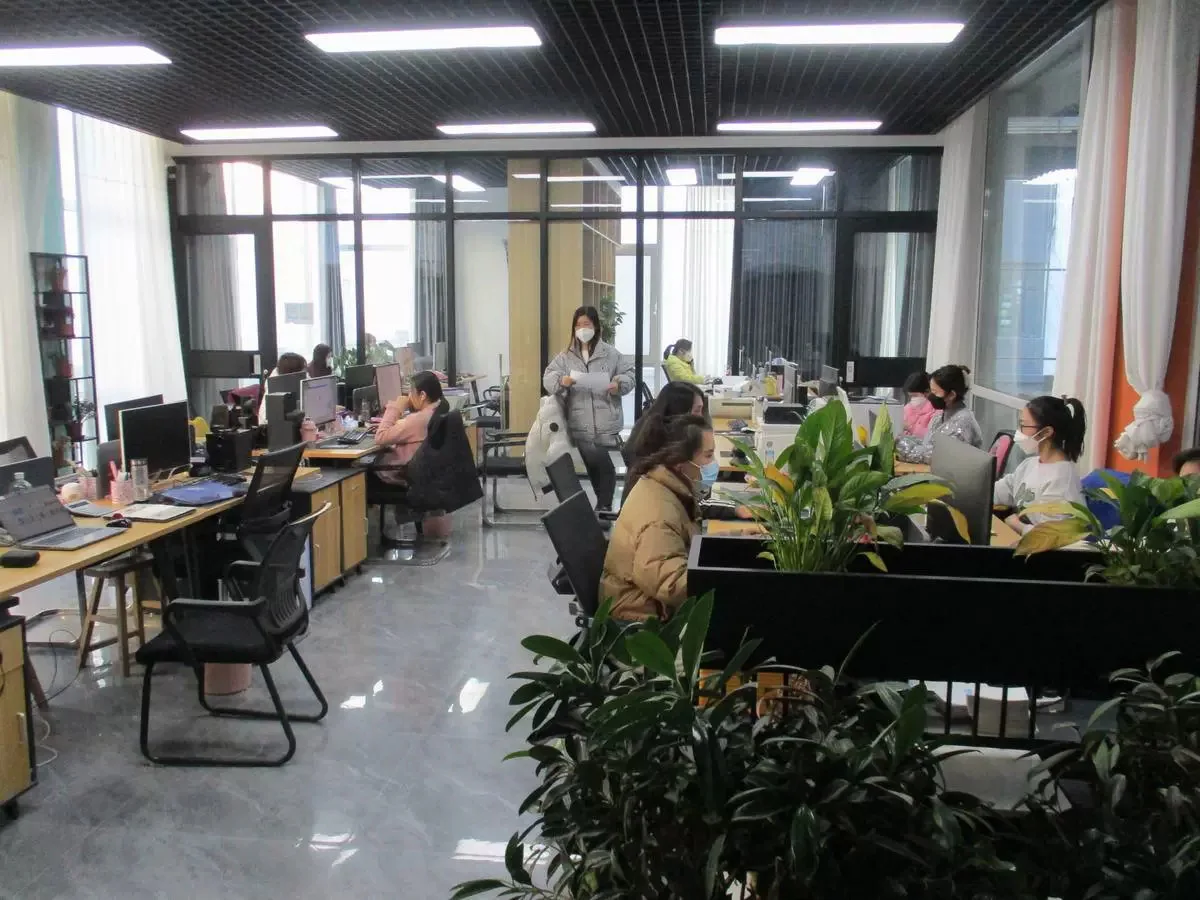
Dongguan Xingyaoda Trading Co., Ltd.
- Trading Company
- Guangdong, China
- Lead time7 days
- Avg. response≤ 7h
Main productsMen's Clothing,Women's Clothing,Sportswear,Customize Garment,Hats & Caps
Main marketsNorth America(40.00%), Eastern Europe(10.00%), Oceania(10.00%), Southern Europe(5.00%), Northern Europe(5.00%), Central America(5.00%), Western Europe(5.00%), Mid East(5.00%), South America(5.00%), Africa(5.00%), Southeast Asia(5.00%)

Shanghai Easun Group Imp & Exp Co., Ltd.
- Verified by BV
- Trading Company
- China Shanghai
- Lead time15 days
- Avg. response≤ 19h
Main productsHoodies, Pajamas, T-Shirt, Bath Robe, Sleepwear, Polo Shirts, Safety Shoes
Main marketsAfrica

Yancheng Yunqian Apparel Co.,Ltd
- Verified by CTI
- Trading Company
- China Jiangsu
- Lead time30 days
- Avg. response≤ 4h
Main productsT Shirt, Hawaiian Shirt, Flannel Shirt, Hoodies, Dress Shirt, Leggings, Pants, Polo Shirt, Jacket
Main marketsSouth America,Europe,Australia,North America

Bulk Black Acid Wash Cropped Fashion Cotton Oversized Heavyweight Hoodie
$4.00 - $8.00
MOQ: 100 Pieces


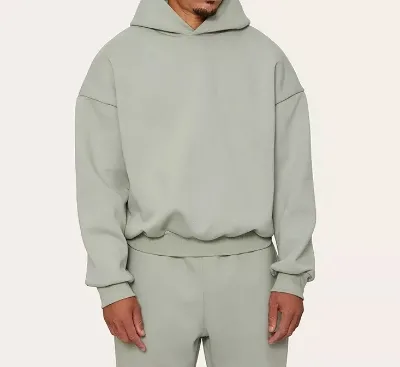
OEM Oversize Logo Custom Streetwear Heavyweight Oversized Hoodie for Men
$4.00 - $8.00
MOQ: 100 Pieces

- Verified by CTI
- Trading Company
- China Beijing
- Lead time23 days
- Avg. response≤ 8h
Main productsMerino Wool Underwear, Sweatproof Undershirt, Briefs & Boxer, Socks, Thermal Underwear
Main marketsSoutheast Asia/ Mideast,Domestic,Europe,Australia,North America

Guangzhou Jialifa Trading Co., Ltd.
- Trading Company
- China Guangdong
- Lead time0 days
- Avg. response≤ 3h
Main productstshirt
- Trading Company
- Lead time旺季: "1 - 50":7,"51 - 500":15,"> 500":"To be negotiated", 淡季: "1 - 50":7,"51 - 500":15,"> 500":"To be negotiated"
- Avg. response≤ 10h
Main productsApparel,Fashion Accessories,UHMWPE Fiber,Fabric,webbing

Yancheng Chimei Apparel Co., Ltd.
- Verified by CTI
- Trading Company
- China Jiangsu
- Lead time30 days
- Avg. response≤ 3h
Main productsT Shirt, Hoodie, Jacket
Main marketsSouth America,Europe,Australia,North America

Autumn Casual Style 100% Cotton Heavyweight Oversized Custom Logo Print Hoodie
$5.00 - $13.00
MOQ: 100 Pieces


- Verified by SGS
- Trading Company
- China Zhejiang
- Lead time15 days
- Avg. response≤ 2h
Main productsT-Shirt, Hoodie, Shorts, Baseball Cap, Sweatshirt, Pants, Gym Wear, Football Jersey, Waistcoat, Hat
Main marketsSouth America,Southeast Asia/ Mideast,East Asia(Japan/ South Korea),Domestic,Europe,Australia,North America

High Quality Heavyweight Hoodie Custom Fleece Sweatshirt Men's Hoody Oversized Pullover Hoodie
$9.91 - $13.65
MOQ: 50 Pieces

High Quality Men's Pullover Hoodies Oversized Hoodie Custom Plain Heavyweight Sweatshirts Hoodie
$9.12 - $13.62
MOQ: 100 Pieces

Men's Pullover High Quality Hoodies Sweatshirts Streetwear Hoodie Heavyweight Oversized Blank Hoody
$9.68 - $13.83
MOQ: 100 Pieces

- Verified by CTI
- Trading Company
- China Anhui
- Lead time23 days
- Avg. response≤ 1h
Main productsFurniture, Home Furniture
Main marketsSoutheast Asia/ Mideast

Jiangxi Flower Garment Co., Ltd
- Manufacturer, Trading Company
- Jiangxi, China
- Lead time20 days
- Avg. response≤ 4h
Main productspolo t shirt,t shirt,hoodie,pants,tank top
Main marketsNorth America(25.00%), Central America(20.00%), Northern Europe(10.00%), Eastern Europe(8.00%), South America(5.00%), South Asia(5.00%), Southeast Asia(5.00%), Mid East(5.00%), Oceania(5.00%), Africa(5.00%), Western Europe(2.00%), Southern Europe(2.00%), Eastern Asia(2.00%), Domestic Market(1.00%)

Guangzhou Tianyuan Clothing Co., Ltd
- Verified by SGS
- Combined
- China Guangdong
- Lead time30 days
- Avg. response≤ 2h
Main productsPolo Shirt, Shirt, Suit, T-Shirt, School Uniform, Hooded Sweatshirt, Medical Uniform, Chef's Uniform, Trousers, Work Clothes
Main marketsDomestic

Jurong Mujie Apparel Co., Ltd.
- Verified by TUVRHEINLAND
- Combined
- China Jiangsu
- Lead time23 days
- Avg. response≤ 10h
Main productsJersey Beanie, Knitting Beanie, Knitting Scarf, Bandana
Main marketsDomestic

Times Chensheng (Xiamen) Trading Co., Ltd.
- Trading Company,Manufacturer/Factory
- China Fujian
- Lead time45 days
- Avg. response≤ 6h
Main productsJacket, Beach Shorts, Hoodies, Sports Wear, T-Shirt, Kids Wear, Casual Shorts, Swimming Wear, Sweater, Sport Bar
Main marketsSouth America,Eastern Europe,Mid East,North America,Southeast Asia,Eastern Asia,Oceania,Western Europe,Africa

Guangzhou Nolai Garment Co., Ltd.
- Verified by TUVRHEINLAND
- Combined
- China Guangdong
- Lead time30 days
- Avg. response≤ 1h
Main productsT Shirt, School Uniform
Main marketsDomestic
Guangzhou Etai Apparel Co., Ltd.
- Verified by SGS Group
- Manufacturer, Trading Company
- Lead time15 days
- Avg. response≤ 4h
Main productsT-shirt, Shorts, Hoodie, Team Uniform, Jogger Pants
Main marketsNorth America(30%), South America(20%), South Asia(7%)

Guangzhou Yuchen Clothing Co., Ltd
- Verified by TUVRHEINLAND
- Combined
- China Guangdong
- Lead time30 days
- Avg. response≤ 3h
Main productsCustom Made; Custom-Tailor; , T-Shirt, Polo Shirt, Uniforme, Wholeale T-Shirt, Hoody, Sportswear, Shool Uniform, Workclothes, Medical Scrubs
Main marketsDomestic

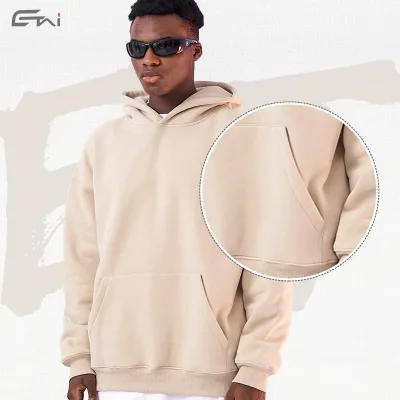
Classic Heavy Cotton for Lasting Warmth Comfortable Regular Fit Pullover Hoodie
$9.80 - $30.50
MOQ: 100 Pieces

Heavy Weight Oversized Solid Color Factory Custom for Women Spring Daily Hoodie
$6.60 - $13.60
MOQ: 100 Pieces

Answers Import & Export Co., Ltd.
- Verified by SGS
- Trading Company,Manufacturer/Factory,Other
- China Fujian
- Lead time15 days
- Avg. response≤ 2h
Main productsT Shirt, Polo Shirt, Hoodie and Sweatshirt, Outdoor Jacket, Uniforms & Workwear, Industrial Safety Wear, Sublimation T-Shirt
Main marketsSouth America,Eastern Europe,Mid East,North America,Southeast Asia,Eastern Asia,Oceania,Western Europe,Africa








Comprehensive Sourcing Guide
Crop Heavyweight Hoodie Supplier Concentration and Factory Types
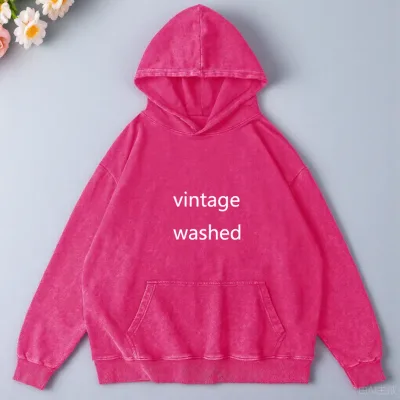
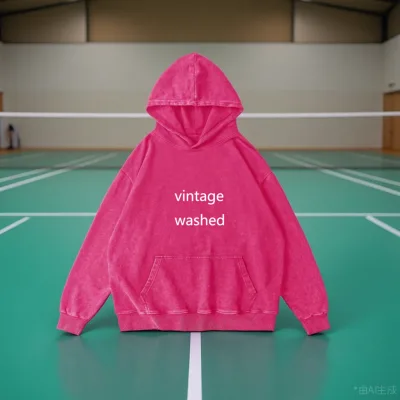
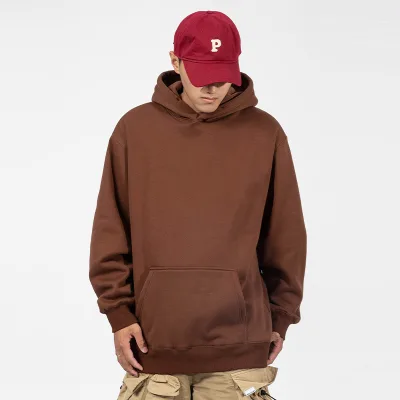
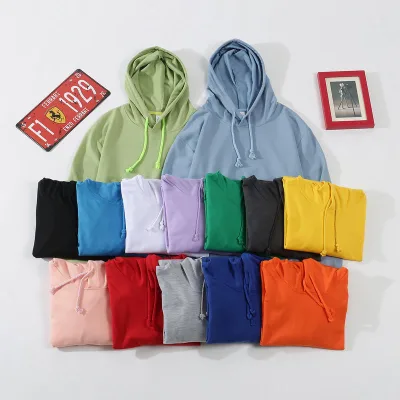
Supplier results for Crop Heavyweight Hoodie sourcing point to three Chinese provinces as the active sourcing bases in this category: Zhejiang, Guangdong and Shanghai. A Zhejiang-based combined manufacturer and trader lists SGS verification, an ODM research-and-development capability, a response time of roughly 3.94 hours, a 15-day lead time, and heavyweight cotton streetwear hoodies priced from about 10.99 to 15.99 with a 500-piece MOQ. A Guangdong trading company covering men's and women's clothing, sportswear and custom garments shows a 7-day lead time, a 7-hour response window, and washed cotton hoodies from 7.00 to 13.80 with an MOQ as low as 2 pieces. A Shanghai supplier verified by BV offers ODM and OEM capacity, though a much slower response time near 19 hours.
Company type matters as much as location. Combined manufacturers and traders can handle both production and export coordination, while pure trading companies may broker factory capacity and add a margin. Check the displayed company type, verification badge, main product lines and R&D capability (ODM, OEM or both) on each listing. Where a listing does not state a factory location beyond province level, ask directly whether production happens in-house or is subcontracted, because heavyweight fleece construction and cropping, wash treatments and boxy pattern-making are process-intensive steps that determine whether a supplier can actually deliver the garment you sampled.
How to Verify Crop Heavyweight Hoodie Suppliers
Start with the signals already displayed on the listing and treat them as claims to confirm, not guarantees. In the current results, verification comes from third-party inspection bodies such as SGS for one Zhejiang supplier and BV for one Shanghai supplier, while other listings show no system certification at all. Where a certification field is empty, ask the supplier for the underlying audit report, the audit date and the scope covered. Confirm the legal company name on the report matches the entity named on the quotation and the bank account you will pay, since mismatched names are a common route to disputes in apparel sourcing.
Then verify capability against the product itself. Ask each candidate for a physical sample of a cropped, heavyweight hoodie rather than a generic pullover, and check fabric weight, stitch density, rib recovery after stretch, and whether the crop length sits where your spec requires. For customization claims, request photos of previous print or embroidery work on comparable fleece, since one Shanghai listing offers print or embroidery logos and one Zhejiang listing advertises full customization on heavyweight streetwear hoodies. Ask who performs cutting, sewing and finishing — in-house or at a subcontractor — and whether you can audit or video-tour the actual line. Finally, test communication under load: send a technical question and measure how quickly and specifically the supplier answers. Response times displayed on the platform range from under 4 hours to nearly 19 hours among these listings, and real behavior during quoting is your best confirmation.
What to Compare Across Crop Heavyweight Hoodie Suppliers
Build a side-by-side matrix using the dimensions displayed on supplier listings, noting that not every supplier shows every attribute. Practical columns include: location (Zhejiang, Guangdong and Shanghai appear in current results), company type (combined versus trading company), verification badge, R&D capacity (ODM, OEM or both), response time, lead time, MOQ and price band. Comparing the current results illustrates the trade-offs: one supplier pairs a 15-day lead time and a 500-piece MOQ with prices above 10.99, another offers a 7-day lead time and a 2-piece MOQ at 7.00 to 13.80, and a third lists 3.00 to 7.50 with a 300-piece MOQ but the slowest response time. Cheap unit prices with high MOQs and slow replies carry hidden costs in sampling cycles and cash tied up in inventory.
Also compare product-level evidence, not just company labels. Examine stated fabric weight ranges, available sizes, logo placement options, packing formats (for example, polybag per piece with a fixed carton count, or customized packing) and whether wash treatments, cropped lengths or boxy fits are explicitly listed. Weight the matrix by what your order actually needs: a small test order favors the low-MOQ trader, a branded streetwear program favors the ODM with customization depth, and a price-driven restock favors the lower-cost manufacturer — provided verification and sample quality hold up.
Common Crop Heavyweight Hoodie Sourcing Risks
The most frequent risk in this category is weight misrepresentation. "Heavyweight" is a marketing term unless it is tied to a stated grams-per-square-meter figure and confirmed on a received sample or lab report. Some listings display an unusually wide fabric weight range — one Guangdong result spans from 100 to 500 grams — which may indicate flexible sourcing rather than a defined product spec. Lock the exact fabric weight, composition and finishing (washed, brushed, French terry or fleece-lined) into the purchase contract, and state that shipped goods must match the approved sample, with a defined tolerance.
Second is fit and construction risk specific to cropped styles. Crop length, boxy silhouettes and drop shoulders are pattern-dependent; a supplier strong in standard pullovers may not hold tolerances on a cropped block. Add measurement charts with acceptable tolerances for body length, sleeve length and rib width. Third, watch for lead-time and response gaps: a supplier quoting a 7-day lead time may assume blank stock rather than custom dyeing, while a 15-day quote may already include production of your custom color. Clarify what the quoted lead time covers — sampling, production, or both. Fourth, empty certification fields mean you have no third-party quality or compliance assurance; some listings show no system certification, so plan independent inspection before shipment. Finally, low MOQs of 2 to 100 pieces usually signal sample or small-batch programs; confirm whether production-scale pricing, fabric lot consistency and repeat-order availability actually hold at your target volume before committing.
Crop Heavyweight Hoodie Regional Sourcing and Logistics
All three sourcing bases visible in current results are in eastern and southern China, which shapes both logistics and product focus. Zhejiang and Shanghai sit adjacent to major Yangtze Delta ports with dense knitwear and fleece supply chains, while Guangdong serves the Pearl Delta manufacturing corridor with strong export forwarding infrastructure. Because these regions concentrate fabric mills, wash houses and garment factories, inland freight to port is short, which supports the shorter quoted lead times seen in the results — 7 to 15 days among current listings. Ask each supplier which port they ship from and whether the quoted lead time includes booking and cut-off compliance, since roll-on capacity during peak season can add a week or more.
Region also influences specialization. Guangdong results emphasize women's washed cotton hoodies with extensive logo-position and printing-method options, suggesting depth in decoration and finishing; Zhejiang results emphasize heavyweight streetwear constructions with cropped and zip-up variants; Shanghai results emphasize unisex heavyweight cotton basics in ODM and OEM formats. Match the region to your program: decoration-heavy women's lines may suit Guangdong partners, while heavyweight streetwear blocks align with Zhejiang capability. For logistics, compare packing specs on each listing — one states 1 piece per polybag with 40 pieces per carton or customized packing, another uses paper cartons — and calculate carton dimensions and gross weights into your freight cost. Confirm whether the supplier handles export documentation directly or works through an agent, and require the packing list and carton marks before production closes.
Crop Heavyweight Hoodie Commercial Terms and Order Planning
Structure your commercial terms around the verified gaps in supplier data. Where a listing shows a verified inspection badge, you still need your own pre-shipment inspection, since verification typically covers company legitimacy rather than each shipment's quality. Negotiate payment in staged tranches — a deposit against production start and the balance after inspection passes — and use a payment method that offers traceability. Where escrow-style protection is available through your sourcing channel, use it for first orders with an unverified supplier; where it is not, a letter of credit or third-party inspection release clause substitutes some protection. Put the approved golden sample, fabric weight, crop-length tolerances and packing spec into a signed annex before paying any deposit.
Plan orders around the MOQ and lead-time profiles in the results. A 2-piece MOQ supports fit testing and market validation before committing; a 300-piece or 500-piece MOQ fits a production run but requires confirmed sizing ratios and color splits up front, because heavyweight fleece is often produced in fabric lots where re-dyeing small quantities is costly. Sequence your program: sample at low MOQ, run a pilot batch, then scale with the same fabric lot source. Confirm whether quoted prices — which in current listings range from roughly 3.00 to 15.99 — are based on your actual customization level, fabric weight and order quantity, and get the price validity window in writing so fabric cost movements do not invalidate your landed-cost model mid-season.
FAQs
What is the price range for heavyweight cotton hoodies?
Prices for heavyweight cotton hoodies typically range from $3.00 to $15.99 per unit. The final cost depends on material weight, customization options, and order volume. Buyers should expect lower prices for larger quantities, with minimum order quantities starting as low as two units for some suppliers.
What are the minimum order quantities for custom hoodies?
Minimum order quantities vary significantly by supplier, ranging from two units to five hundred units. Some manufacturers accept small trial orders, while others require bulk purchases for custom branding. Buyers should verify specific MOQs with suppliers to ensure alignment with their inventory needs and budget constraints.
How long does production take for custom orders?
Standard lead times for production are generally seven to fifteen days. Some suppliers offer seven-day sample order lead times for quick prototyping. Buyers should confirm exact timelines with their chosen supplier, as rush orders or complex customizations may extend the production schedule beyond standard estimates.
Where are these hoodie manufacturers located?
Manufacturers are primarily located in China, specifically in Zhejiang, Guangdong, and Shanghai provinces. These regions are known for strong apparel supply chains. Buyers can filter suppliers by location to reduce shipping costs or align with specific regional logistics preferences for their import operations.
What customization options are available for hoodies?
Customization options include logo printing, embroidery, and specific packaging requirements. Suppliers offer various printing methods such as digital, heat-transfer, and puff printing. Buyers can choose from solid colors, patterns, and different fabric weights, ensuring the final product matches their brand identity and quality standards.
Are suppliers verified for quality assurance?
Several suppliers hold third-party verification badges such as SGS and BV. These verifications indicate that the suppliers have undergone specific quality and operational audits. Buyers should look for these badges to ensure a baseline level of reliability and compliance with international trade standards.