Gold Catholic Necklace Suppliers and Manufacturers
Explore 27 verified options for Gold Catholic Necklace products from Zhejiang, Guangdong, and Shandong. Compare response times, lead times, certifications like REACH and GCC, and pricing ranges to find the right partner. Contact suppliers directly to request samples or custom designs.
Suppliers List
Yiwu Fansheng Trading Co., Ltd.
- Trading Company
- Zhejiang, China
- Lead time7 days
- Avg. response≤ 1h
Main productsGifts & Crafts,Jewelry accessories,Crown tiaras,Fashion jewelry,Headwear
Main marketsNorth America(30.00%), Western Europe(25.00%), Mid East(15.00%), Oceania(6.00%), Northern Europe(5.00%), South America(5.00%), Southern Europe(5.00%), Africa(5.00%), Eastern Europe(4.00%)
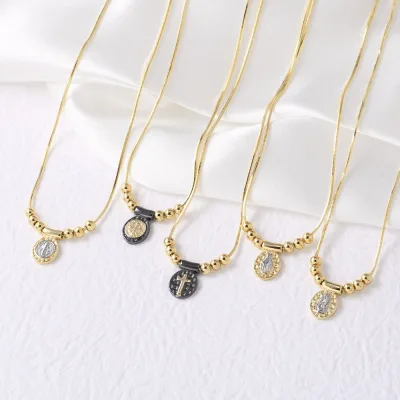
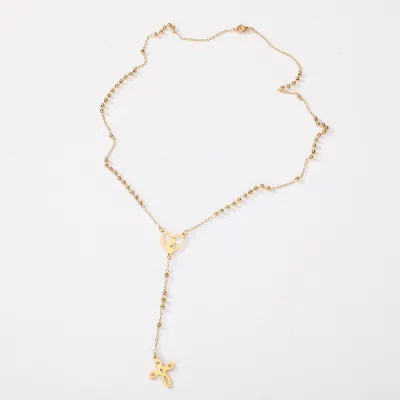
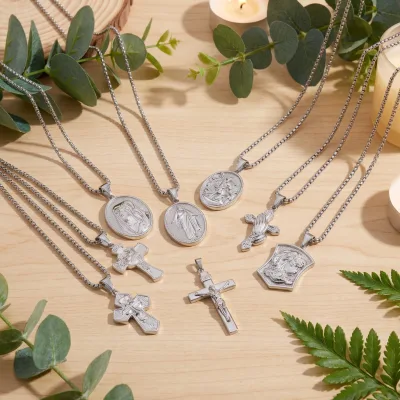
Hot Selling ReligionJewelry Necklace Cross Saint Benedict Madonna Pendant Necklace
$1.61 - $1.78
MOQ: 12 pieces
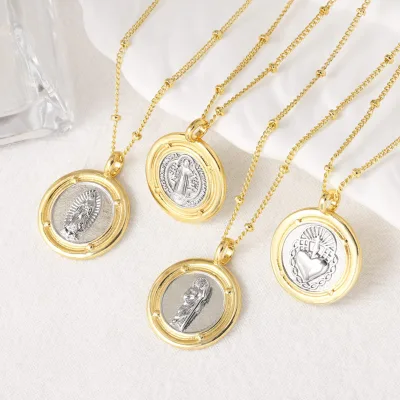
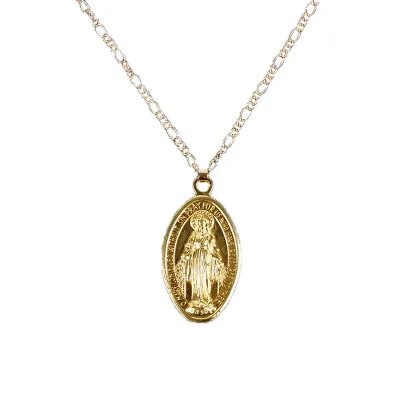
Guangzhou Chuanglida Jewelry Co., Ltd.
- Verified by Intertek
- Trading Company
- Lead time5 days
- Avg. response≤ 4h
Main productsEarring, Bracelet, Jewelry Set, Ring, Necklace
Main marketsNorth America(15%), Southeast Asia(15%), South America(12%)
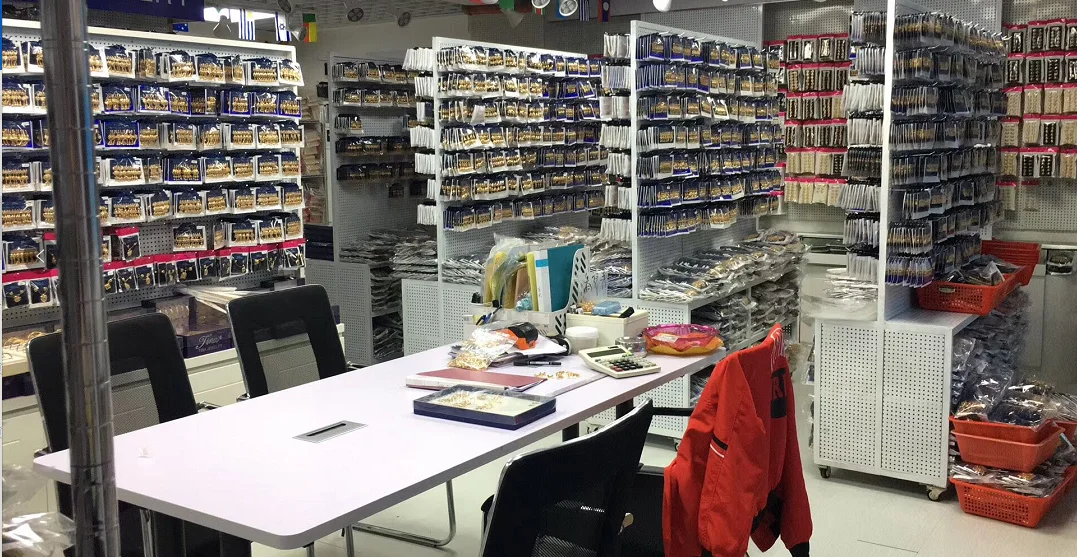
Guangzhou Yiming Jewelry Trading Co., Ltd.
- Trading Company
- Guangdong, China
- Lead time15 days
- Avg. response≤ 7h
Main productsJewerly,Necklace,Earrings,Ring,Pendant
Main marketsSouth America(30.00%), North America(30.00%), Mid East(10.00%), South Asia(5.00%), Northern Europe(5.00%), Western Europe(5.00%), Eastern Europe(5.00%), Africa(5.00%), Southeast Asia(5.00%)
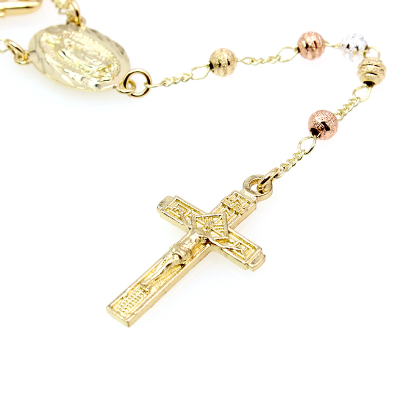
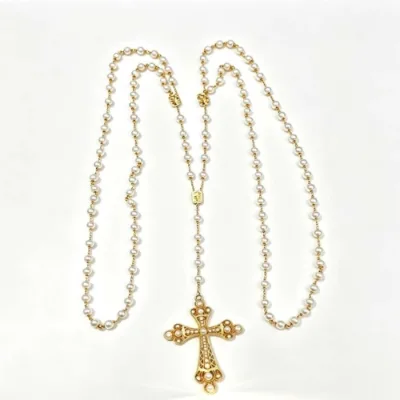
Cross Necklace Ancient Silver Rosary Necklace Religious Christian Prayer Rosary Necklace
$3.33 - $3.70
MOQ: 12 sets

Qingdao Gemopia Jewelry Co., Ltd.
- Combined
- China Shandong
- Lead time30 days
- Avg. response≤ 4h
Main productsGold Jewelry, Silver Ring
Main marketsSouth America,Africa,Southeast Asia/ Mideast,East Asia(Japan/ South Korea),Domestic,Europe,Australia,North America

Guangzhou Peishang Jewelry Co., Ltd.
- Verified by BV
- Combined
- China Guangdong
- Lead time30 days
- Avg. response≤ 5h
Main productsEarring, Ring, Necklace, Bracelet, Anklet, Jewelry Set, Silver Jewelry, Brass Jewelry, CZ Jewelry, Natural Stone Jewelry
Main marketsSoutheast Asia/ Mideast,Europe,Australia,North America

$10.98 - $11.88
MOQ: 30 Pieces


$17.50 - $30.20
MOQ: 20 Pieces

Guangzhou Huifu Jewelry Co., Ltd.
- Verified by BV
- Manufacturer/Factory
- China Guangdong
- Lead time90 days
- Avg. response≤ 3h
Main productsJewelry, Stainless Steel Jewelry, Stainless Steel Ring, Stainless Steel Pendant, Stainless Steel Earring, Fashion Jewelry, Ring, Necklace, Pendant, Bracelet
Main marketsEastern Europe,Mid East,North America,Western Europe,Africa
Guangzhou Byron Jewelry Co., Ltd
- Verified by Intertek
- Trading Company
- Lead time15 days
- Avg. response≤ 2h
Main productsStainless Steel Lobster Clasp, Jewelry Making Finddings, Necklace, Bracelet, Earrings
Main marketsNorth America(40%), Western Europe(30%), Southern Europe(20%)

- Verified by CTI
- Trading Company
- China Zhejiang
- Lead time15 days
- Avg. response≤ 7h
Main productsJewelry, Brooch, Belt, Necklace, Agent, Bracelet, China Trim, China Ring, China Hair Accessory, China Earring
Main marketsSouth America

Shenzhen Hengda Xin Jewelry Co., Ltd.
- Verified by BV
- Combined
- China Guangdong
- Lead time15 days
- Avg. response≤ 3h
Main productsJewelry, Stainless Steel Fittings, Stainless Steel Jewelry, Necklace, Bracelet, Stud Earrings, Ring, Pendant, Fashion Jewelry, Fashion Accessories
Main marketsSoutheast Asia/ Mideast,East Asia(Japan/ South Korea),Domestic,Europe,Australia,North America


Stainless Steel Round Bead Cross Necklace Virgin Mary Pendant Jesus Necklace
$2.50 - $3.50
MOQ: 100 Pieces
- Trading Company
- Zhejiang, China
- Lead time25 days
- Avg. response≤ 2h
Main productsEarring,Bracelet,Ring,Necklace,Pins
Main marketsNorth America(18.00%), South America(17.00%), Western Europe(11.00%), Mid East(9.00%), Central America(8.00%), Eastern Asia(7.00%), Africa(5.00%), Domestic Market(5.00%), Eastern Europe(5.00%), Oceania(5.00%), Southern Europe(4.00%), Northern Europe(3.00%), South Asia(2.00%), Southeast Asia(1.00%)
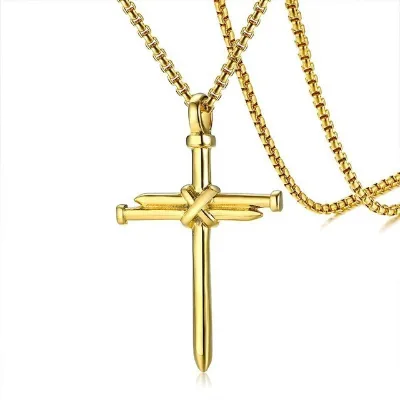
European Hot Sale Religious Christian Jewelry Necklace Gold 18k Necklace Religion Lucky Necklace
$0.55 - $0.85
MOQ: 12 pieces
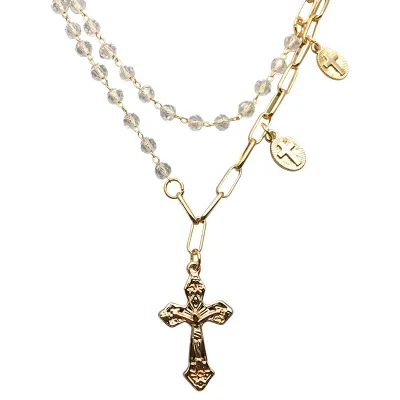

Guangzhou Govolon Trade Co., Ltd.
- Trading Company,Manufacturer/Factory
- China Guangdong
- Lead time15 days
- Avg. response≤ 24h
Main productsGarment Accessories, Lace, Button, Zipper, Fringe and Tassels, Belt Ribbon, Garment Trimming, Patch Badge, Buckle, Hotfix
Main marketsSouth America,Mid East,North America,Southeast Asia,Western Europe,Africa


Women's Alloy Jewelry Necklace
MOQ: 1000 Pieces

Shenzhen Marvel Electronic Co., Ltd.
- Verified by TUVRHEINLAND
- Trading Company
- China Guangdong
- Lead time15 days
- Avg. response≤ 8h
Main productsCustom Jewelry, Silver Jewelry, Earring, Necklace, Bracelet, Nose Ring, Jewelry Set, Fashion Jewelry, Brooch
Main marketsEurope,North America

Shenzhen Right Grand Jewelry Co., Ltd.
- Verified by SGS
- Manufacturer
- China Guangdong
- Lead time15 days
- Avg. response≤ 6h
Main productsNecklace, Bracelet, Earring, Ring, Nose Ring, Ear Piercing, Belly Ring, Nipple Ring
Main marketsSouth America,Europe,North America

Stainless Steel Womans Prayer Necklace Christian Gold Plated Rosary Necklace
$2.56 - $3.23
MOQ: 10 Pieces

Religious Jewelry Gold Plated Stainless Steel Waterproof CZ Cross Pendant Necklace
$1.67 - $3.00
MOQ: 8 Pieces

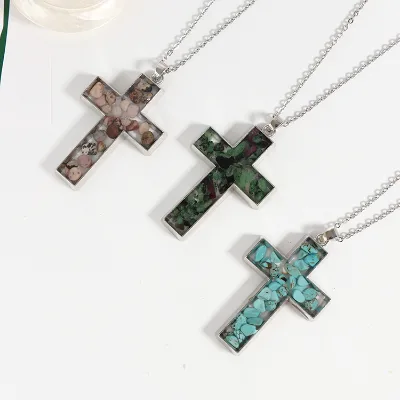
Stainless Steel Gold Religious Christian Cross Dangel Pendant Rossary Necklace with Gemstone
$1.00 - $3.50
MOQ: 50 Pieces

Wholesale Fashion Religious Stainless Steel Jewelry Gold Plated Angel Wing Pendant Necklace
$0.29 - $1.03
MOQ: 30 Pieces


Shenzhen Jinshengrun Technology Co., Ltd.
- Manufacturer/Factory
- China Guangdong
- Lead time0 days
- Avg. response≤ 2h
Main productsStainless Steel Bracelets and Necklaces, Tungsten Steel Ring, Tungsten Ring, Smartwatch(Activity Tracker), Smart Ring, Titanium Steel Necklace, Necklace Pendant, Smart Glasses

Longyuan (Guangzhou) Industrial Development Co., Ltd.
- Verified by TUVRHEINLAND
- Manufacturer/Factory
- China Guangdong
- Lead time23 days
- Avg. response≤ 9h
Main productsJewelry, Fashion Watch, Hair Accessories, Men Jewelry, Women Jewelry, Pendants, Brooches, Bracelets, Crowns, Necklaces
Main marketsSouth America,Eastern Europe,Mid East,North America,Western Europe
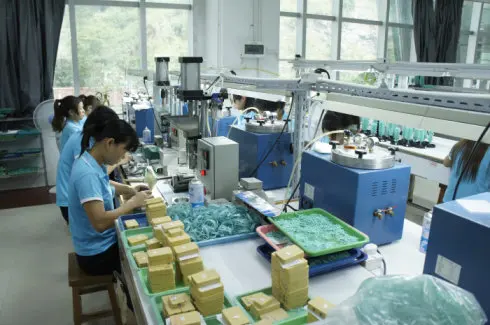
Guangzhou Bangmingwei Jewelry Co., Ltd.
- Trading Company
- Guangdong, China
- Lead time5 days
- Avg. response≤ 3h
Main productsBracelet/ Necklace/ Ring/ Earring/ Jewelry accessories
Main marketsNorth America(50.00%), South America(20.00%), Mid East(15.00%), Eastern Europe(10.00%), Africa(5.00%)
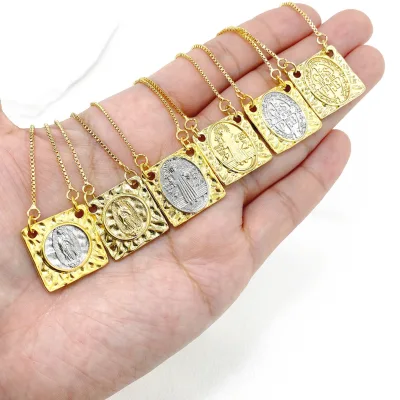
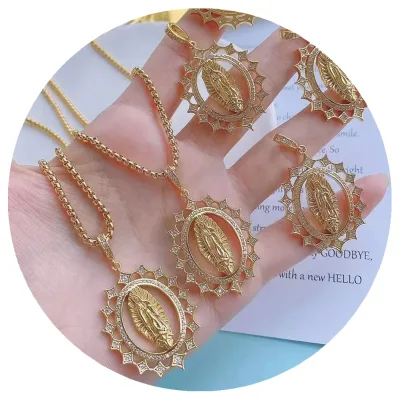
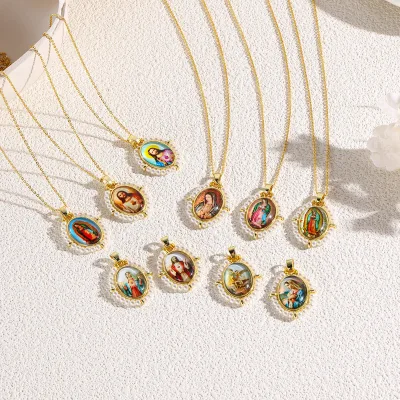
Virgin Mary Necklace, Holy Pendant Necklace, Mary Gold Filled Necklace Gift for Her
$1.00 - $10.00
MOQ: 20 Minimum
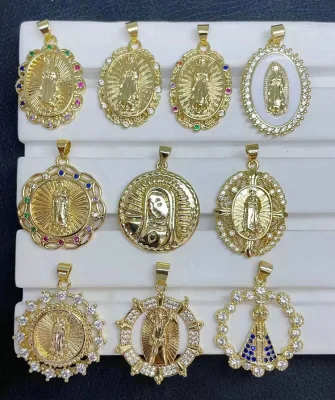

Yiwu Phonbon Import & Export Co., Ltd.
- Trading Company
- Zhejiang, China
- Lead time15 days
- Avg. response≤ 6h
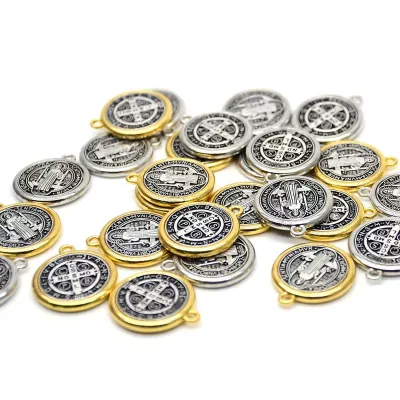
Main productsmedal,lapel pin,metal coins,cross,rosary
Main marketsWestern Europe(16.67%), Southeast Asia(16.67%), Southern Europe(15.00%), Eastern Europe(15.00%), South America(10.00%), Africa(5.00%), Northern Europe(5.00%), Central America(5.00%), North America(5.00%), Mid East(3.00%), Eastern Asia(2.00%), South Asia(1.00%), Oceania(0.66%)
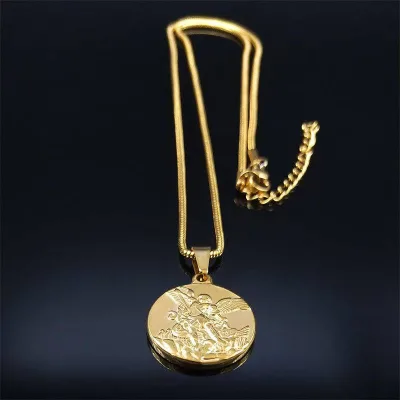
$1.58 - $2.02
MOQ: 500 Minimum
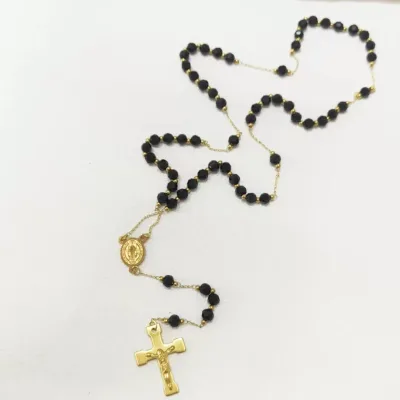
- Verified by SGS
- Combined
- China Guangdong
- Lead time23 days
- Avg. response≤ 7h
Main marketsOthers(foreignTradeCapacity.exportBusinessCapacityMarketOther),Southeast Asia/ Mideast,East Asia(Japan/ South Korea),Domestic,Europe,Australia,North America


$5.37 - $5.75
MOQ: 10 Pieces


GOODLINESS JEWELLERY CO., LIMITED
- Verified by SGS
- Manufacturer
- China Guangdong
- Lead time23 days
- Avg. response≤ 7h
Main products925 Silver Ring, Brass Jewelry, 925 Silver Earring, 925 Silver Necklace, 925 Silver Set, 925 Silver Bangle, Customer's Design, 925 Silver Bracelet, Silver Accessory, Brass Accessory
Main marketsSoutheast Asia/ Mideast,Europe,North America


Double Gold Plated Necklace Gold Filled Religious Virgin Mary Necklace Jewellery
$2.50 - $3.00
MOQ: 20 Pieces


Guangzhou Mimier Jewelry, Co, Ltd.
- Manufacturer/Factory
- China Guangdong
- Lead time120 days
- Avg. response≤ 10h
Main productsFashion Jewelry, Fashion Earrings, Fashion Bracelets, Fashion Rings, Fashion Necklace, Stainless Steel Jewelry, Jewellery Accessories, Jewellery Set
Main marketsEastern Europe,North America,Western Europe,Africa
- Trading Company
- Zhejiang, China
- Lead time30 days
- Avg. response≤ 6h
Main productsReligion Crafts,Religion Products,Jewith products,Christian products,Catholic Products
Main marketsNorth America(30.00%), Western Europe(17.00%), Central America(9.00%), Africa(9.00%), South America(8.00%), Mid East(6.00%), Southern Europe(5.00%), Southeast Asia(3.00%), Oceania(3.00%), Domestic Market(3.00%), South Asia(2.00%), Eastern Europe(2.00%), Northern Europe(2.00%), Eastern Asia(1.00%)

- Verified by BV
- Trading Company,Manufacturer/Factory
- China Guangdong
- Lead time0 days
- Avg. response≤ 11h
Main productsSilver Jewelry, Brass Jewelry, Fashion Jewelry, Semi-Precious
Main marketsSouth America,Eastern Europe,Mid East,Southeast Asia,Eastern Asia,Oceania,Western Europe,Africa

Jinjiang Jiaxing Supply Management Co., Ltd.
- Verified by TUVRHEINLAND
- Trading Company
- China Fujian
- Lead time30 days
- Avg. response≤ 1h
Main productsEVA Clogs, Flip Flop, Shoe Charms, Shopping Bags, Wristbands, Gifts, Promotional Gifts, Slipper, Sport Cap, Ball
Main marketsNorth America
- Verified by SGS Group
- Manufacturer, Trading Company
- Lead time15 days
- Avg. response≤ 2h
Main productsnecklaces,rings,, insect resin crafts,flowers resin crafts
Main marketsNorth America(40%), Eastern Europe(30%), Southeast Asia(20%)

Shenzhen Amengwei Jewelry Co., Ltd.
- Trading Company,Manufacturer/Factory
- China Guangdong
- Lead time23 days
- Avg. response≤ 22h
Main productsBody Piercing Jewelry, Hinged Segment Ring, Nose Ring Belly Ring, Stainless Steel Jewelry, Labret Lip Ring, Earring, Necklace, Bracelet, Ring
Main marketsSouth America,Eastern Europe,Mid East,North America,Southeast Asia,Eastern Asia,Oceania,Western Europe,Africa


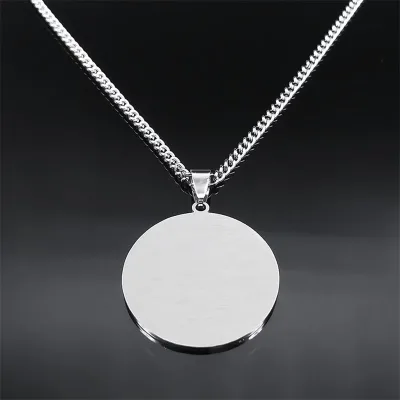
Stainless Steel Pendant Chain Necklace-Masonic Charm Chain Necklace Link Chains
$2.65 - $3.50
MOQ: 10 Pieces
- Manufacturer, Trading Company
- Zhejiang, China
- Lead time20 days
- Avg. response≤ 9h
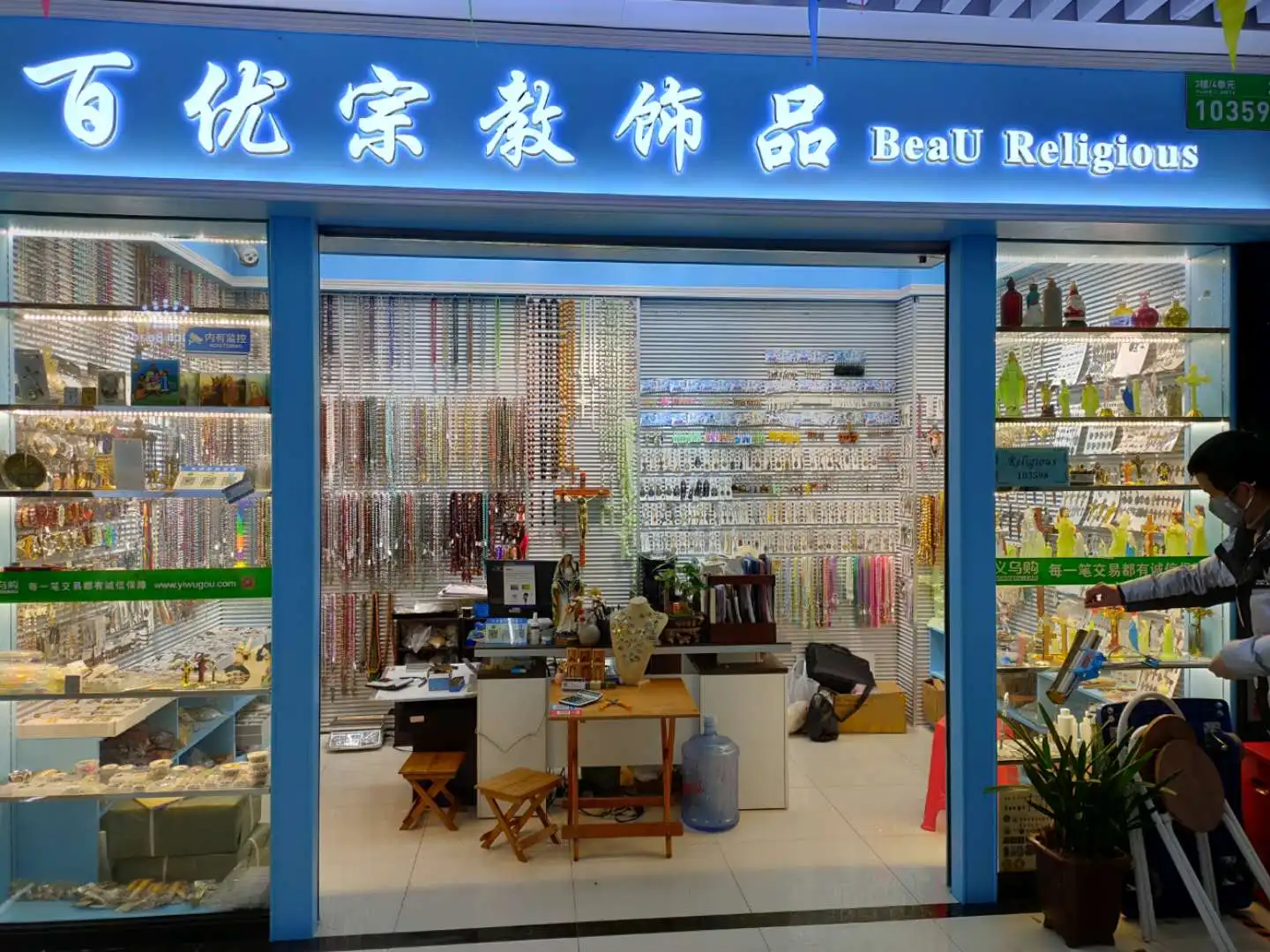
Main productsReligious gift,Catholic,Rosary,Crucifix,Alloy Craft
Main marketsNorth America(20.00%), Central America(15.00%), Western Europe(15.00%), Eastern Europe(10.00%), South America(10.00%), Southern Europe(5.00%), Northern Europe(5.00%), Africa(5.00%), Southeast Asia(5.00%), Mid East(5.00%), Oceania(5.00%)
Shenzhen Alin Accessory Co., Ltd.
- Trading Company
- Guangdong, China
- Lead time0 days
- Avg. response≤ 4h
Main productsStainless Steel Jewelry, Tungsten Jewelry, Black Titanium Jewelry, Tantalum Jewelry, Titanium Jewelry
Main marketsNorth America(30.00%), Oceania(20.00%), Eastern Europe(20.00%), Western Europe(10.00%), Southern Europe(10.00%), Northern Europe(10.00%)






Comprehensive Sourcing Guide
Gold Catholic Necklace Supplier Concentration and Factory Types
Current data indicates that suppliers for gold Catholic necklaces are concentrated in specific Chinese provinces, with Zhejiang and Guangdong emerging as primary manufacturing hubs. Factories in these regions often specialize in fashion jewelry, religious accessories, and crown tiaras, leveraging established supply chains for copper alloys and plating materials. Some suppliers operate as trading companies, acting as intermediaries that aggregate products from various workshops, while others function as combined entities offering both manufacturing and trading services. This structural diversity means buyers must distinguish between direct factories and trading firms to understand the true source of production capabilities. The presence of specialized clusters allows for efficient sourcing of specific religious motifs like the Virgin Mary, Saint Benedict, and cross pendants, which are frequently listed as main products alongside general jewelry items.
When evaluating the factory type, buyers should note that some entities offer customized on-demand services, including light customization and graphic processing, which is critical for unique religious designs. Others may focus on standardized items with fixed model numbers, such as specific rosary styles or coin charms. The distinction between a trading company and a manufacturer impacts the ability to request customizations like specific plating thicknesses or chain types. Buyers should verify if the supplier possesses in-house R&D capacity for ODM or OEM projects, as this determines flexibility in adapting designs. Understanding whether a supplier is a pure trader or a combined manufacturer-trader helps in assessing their ability to handle complex orders involving specific religious iconography and material requirements like 925 sterling silver or gold plating.
How to Verify Gold Catholic Necklace Suppliers
Verification of suppliers requires a rigorous check of their stated credentials and third-party audit results. Some suppliers in the current dataset display Intertek verification status, which serves as a tangible indicator of quality control processes and business legitimacy. Buyers should prioritize suppliers who have undergone such external audits to ensure that their claims regarding production capacity and material quality are substantiated. Additionally, checking for system certifications like REACH and General Certificate of Conformity (GCC) is essential, as these standards confirm compliance with international safety and environmental regulations. These certifications are particularly relevant for jewelry items that may come into direct contact with skin, ensuring that materials used in gold plating and copper alloys do not contain harmful substances.
Beyond certifications, buyers must assess the responsiveness and reliability of the supplier through their communication metrics. Response times vary significantly, with some suppliers indicating a one-day turnaround while others may take up to seven days. A faster response time often correlates with a more active sales team and better project management, which is crucial for resolving issues related to religious product specifications. Buyers should also examine the supplier's main product list to ensure it aligns with their specific needs, such as a focus on necklaces, earrings, or complete jewelry sets. Verifying that the supplier explicitly lists religious jewelry as a core competency helps avoid engaging with generalist traders who may lack the specific expertise required for Catholic-themed designs.
What to Compare Across Gold Catholic Necklace Suppliers
Comparing suppliers involves analyzing key operational metrics such as lead times, minimum order quantities, and pricing structures. Lead times in the current market range from as little as five days to as much as thirty days, depending on the complexity of the order and the supplier's current workload. Buyers must weigh these timelines against their own inventory needs, as longer lead times may be necessary for customized items involving specific religious symbols or intricate plating processes. Minimum order quantities also vary, with some suppliers requiring orders in multiples of twelve items, while others may have different thresholds based on the product type. Understanding these constraints is vital for planning production schedules and managing cash flow effectively.
Pricing is another critical factor, with unit costs fluctuating based on material quality, plating thickness, and design complexity. Prices for gold-plated religious necklaces can range from under one dollar to over three dollars per unit, reflecting differences in materials like copper alloy versus sterling silver. Buyers should compare the price ranges provided for specific product attributes, such as chain length and color options, to ensure they are receiving competitive quotes. It is also important to consider the total cost of ownership, including shipping and potential tariffs, rather than focusing solely on the unit price. By systematically comparing these variables across multiple suppliers, buyers can identify the most cost-effective partners that meet their quality and delivery requirements without compromising on the integrity of the religious designs.
Common Gold Catholic Necklace Sourcing Risks
One significant risk in sourcing gold Catholic necklaces is the inconsistency in material quality and plating durability. While some products are advertised with gold plating, the underlying material may vary from copper alloy to other metals, affecting the longevity and appearance of the jewelry. Buyers must verify the specific material composition, such as whether the item is made of 925 sterling silver or a base metal, to avoid receiving products that tarnish quickly or cause skin irritation. The lack of standardized testing for religious jewelry can lead to discrepancies between the advertised specifications and the actual product received, particularly regarding the thickness of the gold plating and the accuracy of the religious iconography.
Another risk involves the reliability of the supply chain and the potential for delays in production or shipping. Suppliers with longer lead times, such as those requiring thirty days, may face bottlenecks that delay order fulfillment, especially during peak seasons. Additionally, the complexity of religious designs, which often require precise detailing, can lead to production errors if the supplier lacks the necessary craftsmanship or quality control measures. Buyers should be cautious of suppliers who do not provide clear information about their production processes or who fail to offer samples for verification. Ensuring that the supplier has a robust quality assurance system in place is essential to mitigate these risks and guarantee that the final products meet the expected standards of religious significance and aesthetic quality.
Gold Catholic Necklace Regional Sourcing and Logistics
Regional sourcing plays a pivotal role in determining the efficiency and cost-effectiveness of the supply chain. Suppliers located in Zhejiang and Guangdong offer distinct advantages due to their proximity to raw material sources and established logistics networks. These regions are known for their specialized clusters in jewelry manufacturing, which facilitate faster production times and lower shipping costs. Buyers should consider the geographical location of the supplier when evaluating potential partners, as proximity to major ports can significantly reduce transit times and associated freight expenses. Additionally, regional clusters often foster a competitive environment that drives innovation and quality improvements, benefiting buyers who seek high-standard religious jewelry.
Logistics considerations extend beyond just the location of the factory to include the packaging and shipping methods employed by the supplier. Some suppliers provide detailed packaging specifications, such as batch sizes and gross weights, which are crucial for calculating shipping costs and optimizing container utilization. Buyers should verify that the packaging is secure enough to protect delicate religious items during transit, especially for products with intricate designs or fragile components. Furthermore, understanding the shipping terms and Incoterms offered by the supplier is essential for managing customs clearance and ensuring that the goods arrive on time and in good condition. By carefully evaluating regional logistics capabilities, buyers can streamline their supply chain and minimize the risks associated with international shipping.
Gold Catholic Necklace Commercial Terms and Order Planning
Commercial terms and order planning are fundamental to establishing a successful partnership with a Gold Catholic Necklace supplier. Buyers must clearly define the payment terms, delivery schedules, and quality assurance protocols before placing an order. Some suppliers offer flexible payment options, while others may require full payment upfront or a deposit followed by the balance upon shipment. Understanding these terms is crucial for managing financial risk and ensuring that both parties are aligned on the expectations for the transaction. Additionally, buyers should establish clear communication channels to discuss any changes in order specifications or delivery timelines, as this can help prevent misunderstandings and ensure a smooth procurement process.
Order planning involves determining the appropriate quantity and timing of orders to meet market demand while maintaining inventory efficiency. Buyers should consider the minimum order quantities and lead times when planning their production schedules, as these factors can impact the overall cost and availability of the products. For customized orders, it is essential to allow sufficient time for the supplier to complete the design and production phases, especially if the order involves complex religious motifs or specific material requirements. By developing a comprehensive order plan that accounts for these variables, buyers can optimize their inventory levels and ensure a steady supply of high-quality gold Catholic necklaces for their customers.
FAQs
What is the typical lead time for gold catholic necklaces?
Lead times vary by supplier, ranging from 5 to 30 days. Some manufacturers in Guangdong offer a 5-day turnaround, while others in Zhejiang require 7 days. Suppliers in Shandong may need up to 30 days for customized orders. Always confirm the specific timeline with the vendor before placing an order.
What are the minimum order quantities for religious jewelry?
Minimum order quantities typically start at 12 items for fashion necklaces. Some listings require purchasing in multiples of 12 items. Specific products like rosary necklaces may have different thresholds. Buyers should verify the exact MOQ for each specific design and material before finalizing their purchase agreement.
Which certifications do Gold Catholic Necklace suppliers hold?
Some suppliers hold REACH and General Certificate of Conformity certifications. Verification services like Intertek are available for certain vendors. Not all products list specific certificate types, so buyers must check individual product details. Ensure the supplier provides valid documentation for compliance with your local market regulations.
What materials are used for gold plated religious necklaces?
Materials include copper alloy, 925 sterling silver, and gold plating. Some items feature stainless steel with gold plating for durability. The main material often determines the price and weight. Buyers should check product attributes to confirm if the item is made of copper, silver, or other alloys.
How fast do suppliers typically respond to inquiries?
Response times vary significantly, ranging from 1 to 7 days. Some trading companies respond within a single day, while others may take up to a week. Faster response times are often associated with suppliers in Zhejiang or Guangdong. Buyers should prioritize vendors with shorter response windows for urgent sourcing needs.
What is the price range for wholesale religious necklaces?
Prices range from approximately 0.45 to 3.70 per unit depending on the design. Basic gold plated chains start near 0.45, while intricate 14k gold rosaries cost around 3.33. Customization and material quality significantly impact the final cost. Buyers should compare multiple listings to find the best value for their specific budget.
Where are the main manufacturing locations for these products?
Manufacturing hubs include Zhejiang, Guangdong, and Shandong provinces in China. Most fashion jewelry originates from Zhejiang or Guangdong, while specialized gold items may come from Shandong. The location affects shipping costs and lead times. Buyers should filter results by province to align with their logistics strategy.