GMPC Certified Whitening Cream Suppliers and Manufacturers
Find 25 GMPC Certified Whitening Cream suppliers offering GMPC, ISO 22716, and Halal certifications with response times from 7 to 23 days. Compare lead times, MOQs, and customization options to source private label face creams from Guangdong or Jiangsu factories.
Updated
Suppliers List
Ausmetics Daily Chemicals (Guangzhou) Co., Ltd.
- Verified by TüVRheinland
- Manufacturer, Trading Company
- Lead time40 days
- Avg. response≤ 7h
Main productsSkin Care, Bath & Body Care, Hair Care, Mom & Baby Care, Disinfectant
Main marketsDomestic Market(40%), Eastern Europe(10%), Western Europe(8%)
NANTONG TIANLAN COSMETICS CO., LTD.
- Combined
- China Jiangsu
- Lead time30 days
- Avg. response≤ 23h
Main productsSkin Whitening Cream, Toothpaste, Shampoo, Essential Balm, Balm, Cosmetics, Cream, Baby Powder, Inhaler, Hair Relaxer
Main marketsSouth America,Africa,Southeast Asia/ Mideast
Huangshan Heasure Biotechnology Co., Ltd.
- Manufacturer, Trading Company
- Anhui, China
- Lead time0 days
- Avg. response≤ 4h
Main productsfacial mask,face cream,shampoo,face serum,body wash
Main marketsDomestic Market(30.00%), Eastern Asia(20.00%), South America(10.00%), North America(10.00%), Southeast Asia(10.00%), Mid East(7.00%), Northern Europe(5.00%), Oceania(5.00%), Western Europe(3.00%)
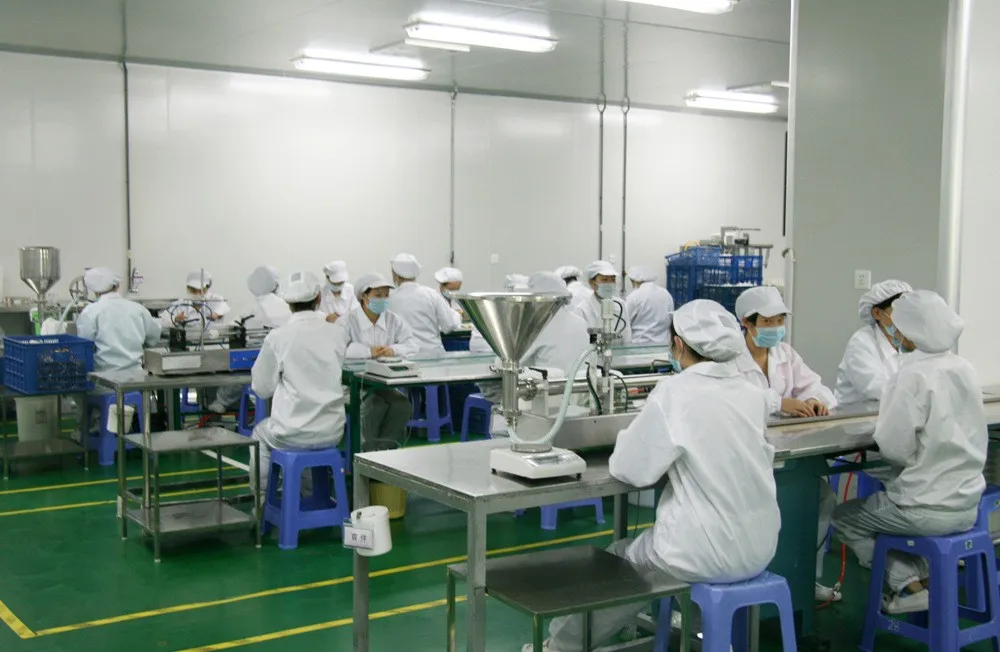
Guangzhou Qingrun Cosmetics Co., Ltd.
- Manufacturer, Distributor/Wholesaler, Other
- Guangdong, China
- Lead time0 days
- Avg. response≤ 2h
Main productsskin care products,color cosmetics,7/2000 milk cleanser,5/2000 emulsion,5/2000 face cream
Main marketsSouth America(30.00%), North America(30.00%), Southeast Asia(20.00%), Eastern Europe(20.00%)

Guangzhou Mebamy Cosmetics Co., Ltd.
- Verified by TUVRHEINLAND
- Manufacturer/Factory
- China Guangdong
- Lead time15 days
- Avg. response≤ 2h
Main productsFace Serum, Soap, Face Cream, Sunscreen, Eyelash Growth Serum, Teeth Whitening, Face Mask, Facial Cleanser, Essential Oil, Hair Care Series
Main marketsNorth America,Western Europe
Shanxi Ashley Bio-Tech Co., Ltd.
- Verified by Intertek
- Trading Company
- Lead time0 days
- Avg. response≤ 8h
Main productsUnderwear
Main marketsNorth America(70%), Mid East(15%), South Asia(15%)
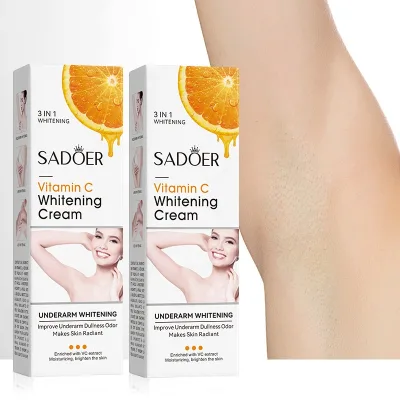
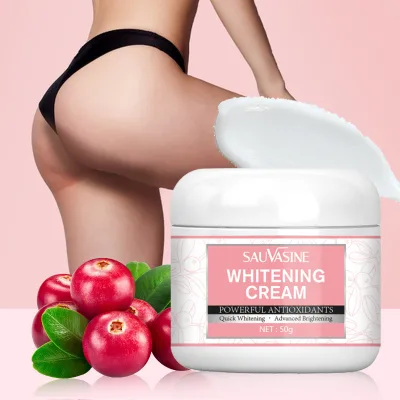
High Quality Deep Moisturizing Nourishing Brightening and Sensitive Body Whitening Cream
$0.9236 - $1.2725
MOQ: 10 pieces
Jiaxing Brugge Supply Chain Management Co., Ltd.
- Trading Company
- Zhejiang, China
- Lead time2 days
- Avg. response≤ 2h
Main productsFace cream
Main marketsMid East(50.00%), Western Europe(40.00%), Africa(10.00%)
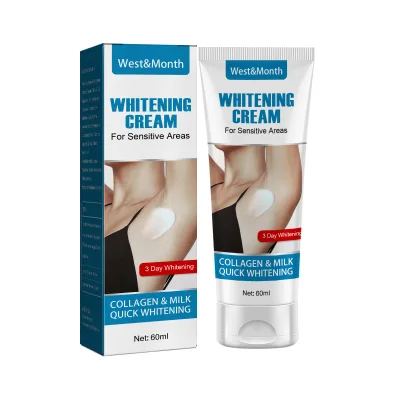
West Month 3 Days Quick Whitening Cream for Sensitive Cream Top Selling Whitening Cream
$0.524 - $0.8922
MOQ: 20 pieces
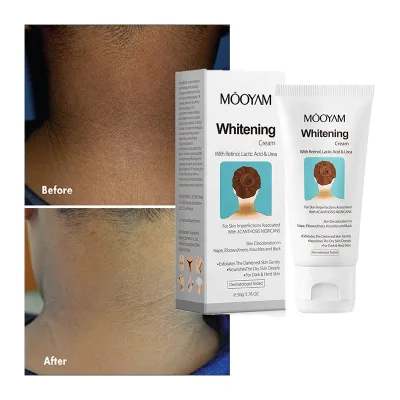
$0.7006 - $1.0599
MOQ: 3 pieces
Guangzhou Jinzuo Biotechnology Co., Ltd.
- Verified by SGS Group
- Manufacturer, Trading Company
- Lead time0 days
- Avg. response≤ 2h
Main productshair growth serum, grey hair treatment serum, hairline airbrush Ink , pink cream, skin cream
Main marketsNorth America(35%), Northern Europe(25%), Western Europe(15%)
Guangzhou BiRou Biotechnology Co., Ltd.
- Manufacturer, Trading Company
- Guangdong, China
- Lead time20 days
- Avg. response≤ 14h
Main productsshampoo,Shower Gel,Hair mask,pomade,Facial Cleanser
Main marketsNorth America(30.00%), South America(20.00%), Western Europe(15.00%), Eastern Europe(15.00%), Africa(10.00%), Mid East(10.00%)
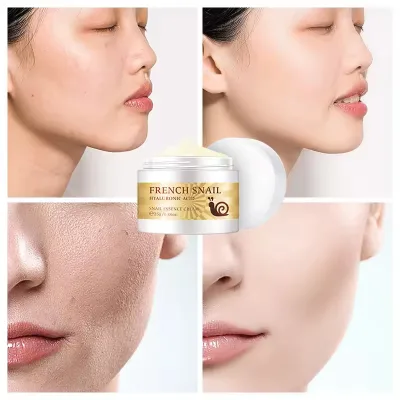
$1.80 - $3.00
MOQ: 1000 pieces
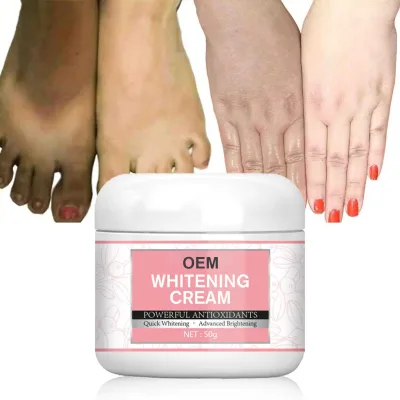
Powerful Whitening Body Cream Lightening Brightening Body and Face Whitening Cream Customization
$2.0494 - $3.5868
MOQ: 1 pieces
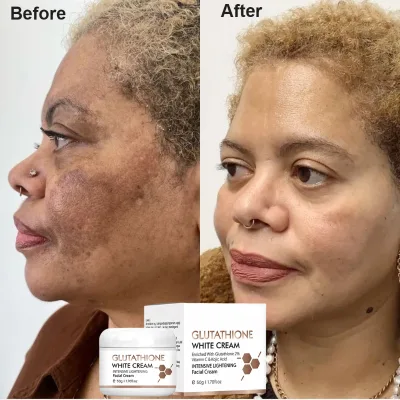
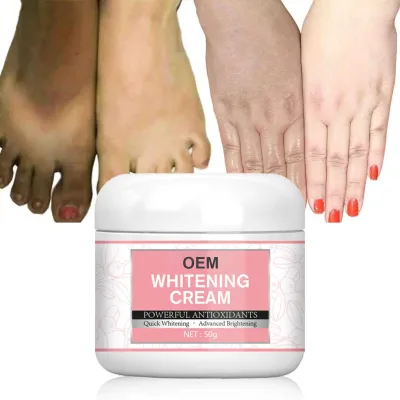
$2.0494 - $3.5868
MOQ: 1 pieces
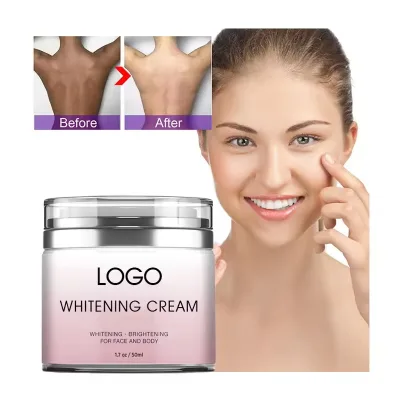
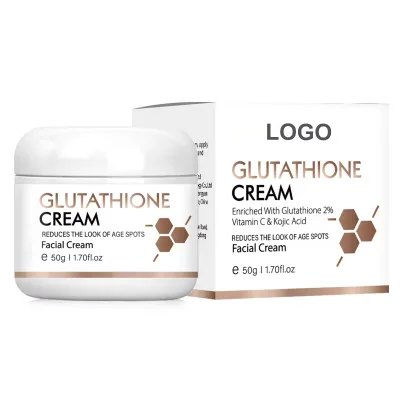
Face Whitening Cream Face Glutathio Skin Brightening Remove Dark Spots Organic Hydrating Face Cream
$3.80 - $5.50
MOQ: 1000 pieces

Hangzhou Yimai Biotech Co., Ltd.
- Verified by SGS
- Trading Company
- China Zhejiang
- Lead time0 days
- Avg. response≤ 8h
Main productsGluthatione Injection, Cosmetic Vitamin C Injection, Thioctic Acid Injection, Vitamin B12 Injection, Vitamin B Complex Injection, Vitamin B Complex Powder, Cannula, Gluthatione Capsule, Syringe, Multi Vitamin Injection
Main marketsSouth America,Eastern Europe,Mid East,North America,Southeast Asia,Eastern Asia,Oceania,Western Europe,Africa


Popular Factory Price Skin Whitening Cream Effective for Skin Brightening
$5.00 - $10.00
MOQ: 1 Pieces

Guangzhou Pallas Cosmetics Co., Ltd.
- Verified by Intertek
- Trading Company
- Lead time10 days
- Avg. response≤ 3h
Main productsFacial Mask, Face Cream, Shampoo, Sunscreen, Serum
Main marketsNorth America(30%), Eastern Europe(25%), Southeast Asia(20%)
$1.70 - $2.30
MOQ: 1000 pieces

Guangzhou Angel Cosmetics Co., Ltd.
- Manufacturer
- Guangdong, China
- Lead time10 days
- Avg. response≤ 4h
Main productsshampoo,shower gel,hair conditioner,body care,hair care
Main marketsWestern Europe(30.00%), North America(28.00%), South Asia(10.00%), Mid East(10.00%), Africa(5.00%), Eastern Asia(5.00%), Eastern Europe(3.00%), Northern Europe(3.00%), South America(2.00%), Domestic Market(1.00%), Southern Europe(1.00%), Central America(1.00%), Oceania(1.00%)
Guangzhou Yunshen Pharmaceutical Technology Co., Ltd.
- Manufacturer, Trading Company
- Guangdong, China
- Lead time0 days
- Avg. response≤ 3h
Main productsSkin Care Product, Beauty Product, Household Chemicals
Main marketsDomestic Market(55.00%), North America(10.00%), South Asia(5.00%), Western Europe(5.00%), Southern Europe(5.00%), Central America(5.00%), Northern Europe(5.00%), Eastern Europe(5.00%), Southeast Asia(5.00%)

Reina Cosmetics (Guangzhou) Co., Ltd.
- Manufacturer/Factory
- China Guangdong
- Lead time30 days
- Avg. response≤ 25h
Main productsSkin Care Products, Hair Care Products, Personal Care Products, Hair Color and Perm Products, Sunscreen Products, Minoxidil, Suncare Products, Body Care Products, OTC Personal Care, Aerosol Personal Care
Main marketsSouth America,Eastern Europe,Mid East,North America,Southeast Asia,Eastern Asia,Oceania,Western Europe


OEM ODM Available Vitamin C Facial Skin Care Whitening Moisturizing Face Cream
$1.00 - $1.20
MOQ: 10000 Pieces

OEM ODM Available Vitamin C Facial Skin Care Whitening Moisturizing Face Cream
$1.00 - $1.20
MOQ: 10000 Pieces

OEM ODM Available Vitamin C Facial Skin Care Whitening Moisturizing Face Cream
$1.00 - $1.20
MOQ: 10000 Pieces


$1.00 - $1.20
MOQ: 10000 Pieces
Guangzhou Yichuang Cosmetics Co., Ltd.
- Verified by TüVRheinland
- Manufacturer, Trading Company
- Lead time15 days
- Avg. response≤ 4h
Main productsMake Up Remove, Scar Gel, Coconut Oil, Sunscreen, Niacinamide Serum
Main marketsNorth America(35%), South America(25%), Eastern Asia(6%)
Sichuan Kangmei Xinrui Health Management Co., Ltd.
- Trading Company
- Sichuan, China
- Lead time0 days
- Avg. response≤ 1h
Main productstoothbrush,Wet wipes,electric toothbrush,teeth whitening strips,Hand cream
Main marketsEastern Asia(20.00%), Oceania(9.00%), Western Europe(8.00%), South America(8.00%), Central America(6.00%), North America(4.00%)

Guangzhou EmbAroma Cosmetics Co., Ltd.
- Verified by BV
- Trading Company
- China Guangdong
- Lead time30 days
- Avg. response≤ 3h
Main productsSkincare, Cleanser, Moisturizer, Sunscreen, Toner, Serum, Exfoliant, Body Lotion, Hand Cream, Essential Oil
Main marketsDomestic

Whitening Cream Skin Brightening Moisturizing Sensitive Area 3 Days Whitening Lotion
$0.60 - $0.87
MOQ: 384 Pieces


Effective Armpit & Joint Fast Whitening Cream Dark Knees and Body Whitening Cream
$0.60 - $0.85
MOQ: 192 Pieces


Guangzhou Aifujia Biotechnology Co., Ltd.
- Trading Company
- China Guangdong
- Lead time15 days
- Avg. response≤ 5h
Main productsFace Cream, Face Serum, 24K Serum, Rose Spray, Vitamin C Serum, Skin Care Set, Essential Oil, Facial Mask, Face Lotion, Anti Aging Whitening Face Cream
Main marketsSoutheast Asia/ Mideast,Europe,North America


Whitening Cream for Acne-Prone & Sensitive Skin Calming & Brightening Treatment
$24.27 - $30.27
MOQ: 2 Pieces

1kg Body Whitening Cream Moisturizing Skin Whitening Cream Private Label
$23.00 - $25.00
MOQ: 2 Pieces


Private Label Glutathione Whitening Cream OEM/ODM Stock Customizing Whole Sale
$1.20 - $1.50
MOQ: 199 Pieces

Hotsales Brightening Face Cream Anti-Aging Whitening for Dark Spots Effective for Face
$4.35 - $5.24
MOQ: 300 Pieces
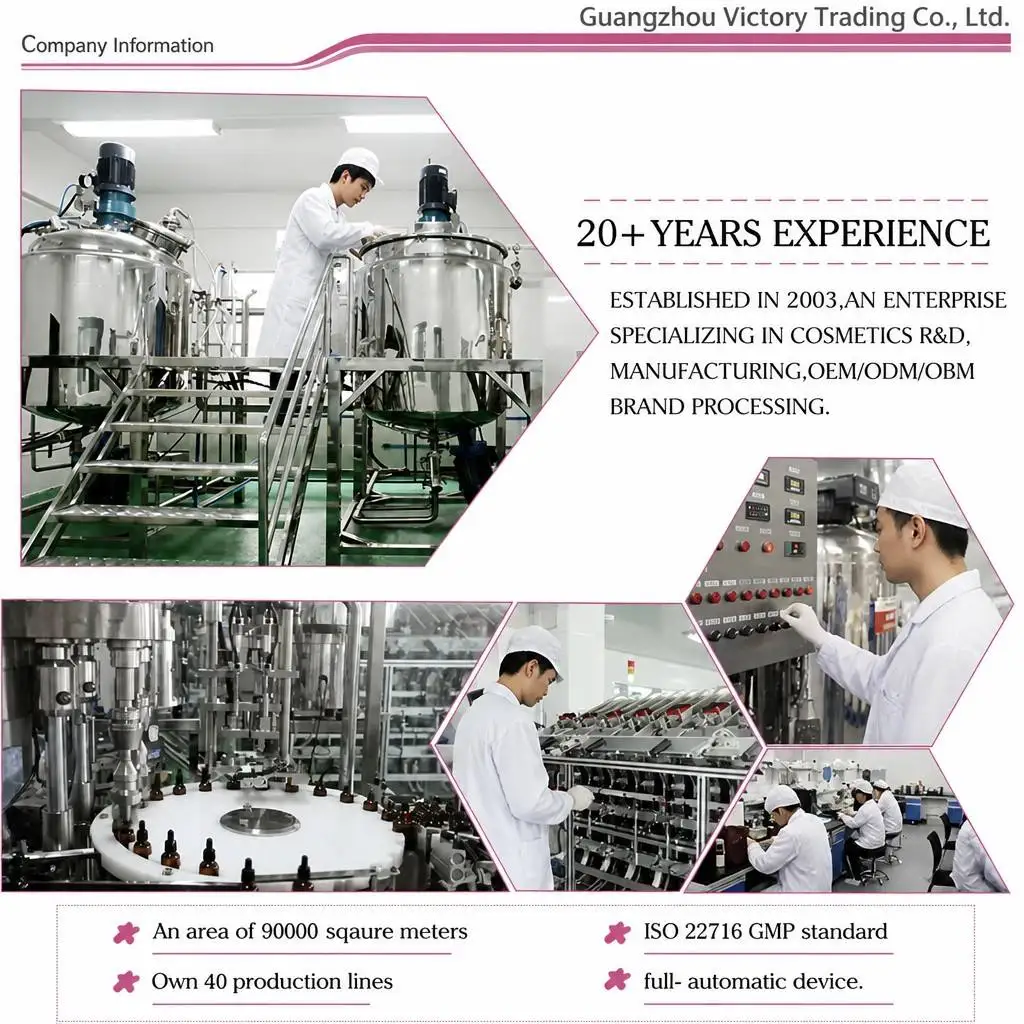
Guangzhou Victory Trading Co., Ltd.
- Trading Company
- Guangdong, China
- Lead time0 days
- Avg. response≤ 3h
Main productsCosmetics,facial essence,face cream,Personal care products
Main marketsSoutheast Asia(20.00%), South Asia(15.00%), Eastern Asia(10.00%), Domestic Market(5.00%), South America(5.00%), Southern Europe(5.00%), Northern Europe(5.00%), Central America(5.00%), Western Europe(5.00%), Eastern Europe(5.00%), Mid East(5.00%), Oceania(5.00%), Africa(5.00%), North America(5.00%)
Guangdong Aopei Cosmetics Co., Ltd.
- Manufacturer, Trading Company
- Lead time旺季: "1 - 10000":15,"> 10000":"To be negotiated", 淡季: "1 - 10000":15,"> 10000":"To be negotiated"
- Avg. response≤ 8h
Main productsFace Care, Body Care, Makeup, Eyes Care, Skin Care Set

Sanli Biotechnology (Dalian) Co., Ltd
- Verified by SGS
- Combined
- China Liaoning
- Lead time15 days
- Avg. response≤ 6h
Main productsSkin Care Product
Main marketsDomestic
Guangzhou Beauty Key Cosmetics Co., Ltd.
- Verified by TüVRheinland
- Manufacturer, Trading Company
- Guangdong, China
- Lead time3 days
- Avg. response≤ 2h
Main productsSkin Care Products, Skin Care Sets, Lip Makeup, Eye Makeup, Foundation
Main marketsNorth America(30%), Western Europe(20%), Oceania(10%)
HK BISUTANG COSMETICE CO., LIMITED
- Verified by SGS Group
- Manufacturer, Trading Company
- Lead time25 days
- Avg. response≤ 11h
Main productsFace Mask, Face Cream, Body Lotion, Essential Oil, Body Scrub
Main marketsSoutheast Asia(50%), Mid East(20%), Eastern Europe(8%)

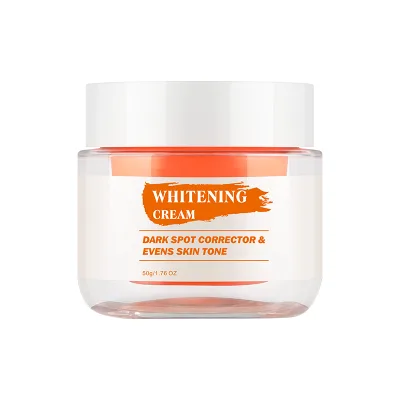
$1.1542 - $1.3787
MOQ: 2 pieces
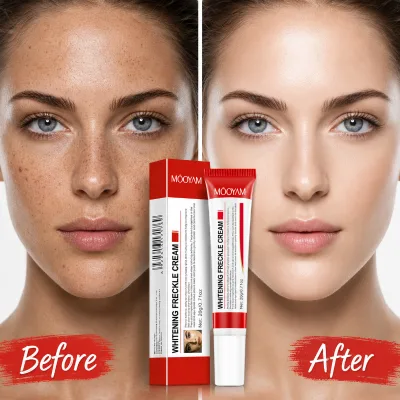

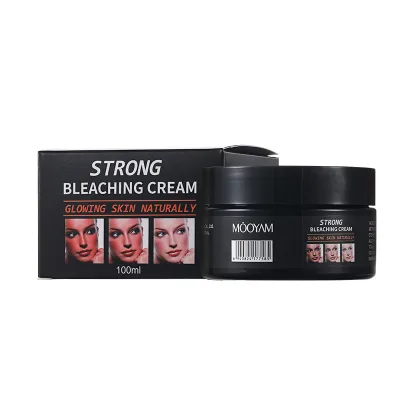
$0.9716 - $1.226
MOQ: 3 pieces
- Trading Company
- Hong Kong S.A.R.
- Lead time3 days
- Avg. response≤ 4h
Main productsfacial mask,Essence liquid,emulsion,Facial cleanser,Skincare products
Main marketsDomestic Market(40.00%), North America(12.00%), Western Europe(10.00%), Mid East(8.00%), Southern Europe(8.00%), Eastern Europe(5.00%), South Asia(5.00%), Southeast Asia(5.00%), South America(2.00%), Africa(1.00%), Eastern Asia(1.00%), Northern Europe(1.00%), Oceania(1.00%), Central America(1.00%)
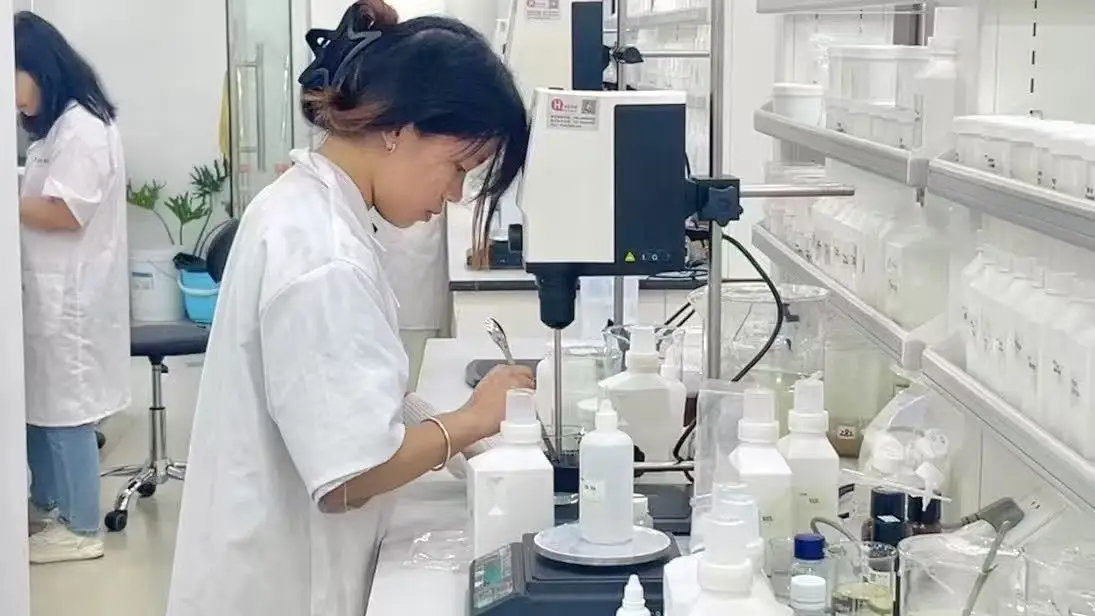
Guangzhou Youyan Intelligent Manufacturing Cosmetics Co., Ltd.
- Manufacturer
- Guangdong Province, China
- Lead time0 days
- Avg. response≤ 5h
Main productsskin care set,face body mask,skin care serum,face cream &Lotion,skin toner
Main marketsNorth America(25.00%), Western Europe(20.00%), Southeast Asia(15.00%), Eastern Europe(10.00%), Mid East(10.00%), South Asia(10.00%), Africa(5.00%), Northern Europe(5.00%)

$20.937 - $25.1256
MOQ: 1 kilograms


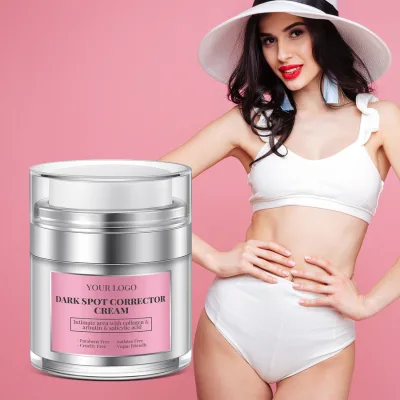






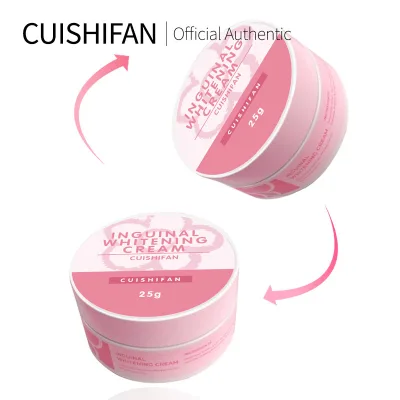
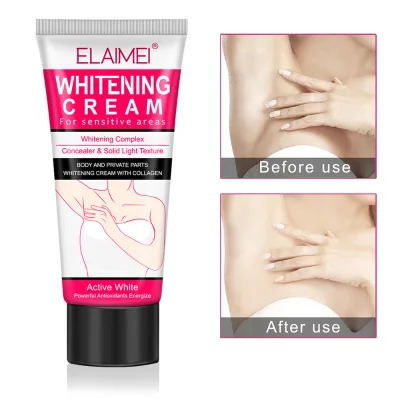
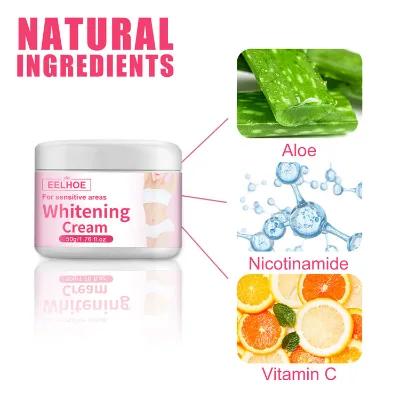


Comprehensive Sourcing Guide
GMPC Certified Whitening Cream Supplier Concentration and Factory Types
The landscape for sourcing GMPC Certified Whitening Cream involves a mix of manufacturing entities and trading companies, each offering distinct advantages for different procurement strategies. Current data indicates that the primary supplier types include both Manufacturers and Trading Companies, with some entities operating as Combined firms that blend these roles. This diversity allows buyers to choose between direct factory engagement for cost control and trading partners for logistical ease. Manufacturers typically provide deeper control over the production process, including the ability to customize formulas and packaging, which is critical for whitening products where ingredient integrity is paramount. Trading companies, on the other hand, may offer a broader portfolio of related items, such as bath and body care or hair care products, allowing for consolidated shipping and simplified vendor management. Understanding this distinction is the first step in aligning your sourcing strategy with your business model, whether you prioritize margin optimization or operational flexibility.
Location data points to specific regional hubs, with one observed supplier location listed as China Jiangsu, while product attributes frequently cite Guangdong, China, as the place of origin. This concentration in China suggests a mature supply chain ecosystem for cosmetics, particularly for skin care and face care products. Buyers should verify if the supplier’s physical address matches their claimed manufacturing capabilities, especially when dealing with Combined entities. The presence of GMPC, ISO 22716, and other certifications in the product evidence reinforces the likelihood of established production facilities in these regions. However, buyers must not assume all suppliers in these regions hold identical standards. It is essential to confirm that the specific factory producing your whitening cream adheres to the certified standards listed, as certification validity can vary between different production lines or subsidiaries within a larger corporate group.
How to Verify GMPC Certified Whitening Cream Suppliers
Verification is the cornerstone of mitigating risk when sourcing GMPC Certified Whitening Cream, as the efficacy and safety of whitening agents depend heavily on manufacturing compliance. The first step is to validate the specific certifications listed in the product evidence, such as GMPC, ISO 22716, SGS, MSDS, COA, and CPSR. These documents are not merely badges but proof of adherence to Good Manufacturing Practices and safety standards. Buyers should request copies of these certificates and verify their expiration dates and scope. For instance, ISO 22716 is the international standard for cosmetics GMP, ensuring that the facility maintains proper hygiene and quality control. Additionally, the presence of Sedex and CPNP certifications indicates compliance with ethical trade practices and European notification requirements, which is crucial if you plan to sell in those markets. Do not rely solely on the supplier’s claim; cross-reference these documents with the issuing bodies or use third-party verification services to ensure authenticity.
Beyond documentation, physical and operational verification is necessary to assess the supplier’s actual capabilities. Look for indicators such as TüVRheinland verification, which adds a layer of third-party trust to the supplier’s profile. This verification often involves audits of the factory’s infrastructure, quality management systems, and social responsibility practices. Buyers should also inquire about the supplier’s response time, as a quick and professional reply can indicate a mature customer service infrastructure. In the observed data, response times vary, with some suppliers showing a response time of 7 hours and others taking up to 22.90 hours. A faster response time often correlates with better communication during the customization and troubleshooting phases of production. Furthermore, check if the supplier offers free samples, as this allows you to physically test the product’s texture, scent, and initial efficacy before committing to a large order. This hands-on verification is irreplaceable in the competitive whitening cream market.
What to Compare Across GMPC Certified Whitening Cream Suppliers
When evaluating multiple suppliers for GMPC Certified Whitening Cream, it is crucial to compare key operational metrics to determine the best fit for your business needs. One of the most significant factors is the lead time, which dictates how quickly you can replenish stock. Observed data shows lead times ranging from 30 to 40 days, a variance that can impact your inventory planning and cash flow. Suppliers with shorter lead times may offer faster turnaround for urgent orders, but this should be balanced against their capacity to maintain quality under pressure. Another critical metric is the Minimum Order Quantity (MOQ), which varies significantly across suppliers. For example, one supplier lists an MOQ of 30,000 units, which may be suitable for large-scale distributors but prohibitive for smaller brands. Buyers with lower volume requirements should seek suppliers with flexible MOQs or those who support smaller pilot runs through their sample processing capabilities.
Price and customization options are also vital comparison points. The price range for whitening creams in the observed data spans from $0.30 to $2.17 per unit, reflecting differences in ingredient quality, packaging, and brand positioning. While lower prices are attractive, they must be weighed against the cost of compliance and the potential risk of substandard ingredients. Suppliers offering private label support and customized formulas provide greater flexibility for brand differentiation. Look for suppliers who explicitly state support for private labeling and offer a wide range of net weights, from 15 ml to 200 ml, to accommodate various product lines. Additionally, compare the main products offered by each supplier. Some focus exclusively on skin whitening, while others offer a broader range including toothpaste, shampoo, and essential balms. A supplier with a diverse product portfolio may offer better cross-selling opportunities and more stable production schedules, whereas a specialized supplier may provide deeper expertise in whitening formulations.
Common GMPC Certified Whitening Cream Sourcing Risks
Sourcing GMPC Certified Whitening Cream carries inherent risks related to product efficacy, regulatory compliance, and supply chain reliability. One major risk is the discrepancy between claimed certifications and actual manufacturing practices. While suppliers may list GMPC and ISO 22716 certifications, these do not guarantee that every batch meets the same standards. Buyers must be vigilant about batch-to-batch consistency, especially for whitening creams that contain active ingredients like arbutin, niacinamide, or kojic acid. Inconsistent formulation can lead to ineffective products or, worse, skin irritation, damaging your brand’s reputation. To mitigate this, request detailed Certificates of Analysis (COA) for each batch and consider third-party testing to verify ingredient concentrations. Additionally, be aware of the shelf life of the product, which is listed as 3 years in some cases, but ensure that the storage conditions during transit do not compromise the product’s stability.
Another significant risk is the variability in supplier response and support capabilities. The observed response times, ranging from 7 to 22.90 hours, highlight the importance of choosing a supplier with reliable communication channels. Slow response times can delay critical decisions regarding design approvals, sample revisions, or issue resolution. Furthermore, the complexity of customization, such as private labeling and formula adjustments, requires a supplier with robust R&D capacity. Suppliers claiming capabilities in sample processing and graphic processing should be evaluated on their ability to deliver high-quality prototypes quickly. Buyers should also be cautious of suppliers who do not clearly disclose their main ingredients or who use vague terms like "Other" in their ingredient lists. Transparency in formulation is essential for regulatory compliance and consumer trust. Finally, ensure that the supplier’s packaging options, such as jars, bottles, or tubes, meet your branding and logistical needs, as poor packaging can lead to product leakage or contamination.
GMPC Certified Whitening Cream Regional Sourcing and Logistics
Regional sourcing decisions for GMPC Certified Whitening Cream are heavily influenced by the location of manufacturing hubs and the associated logistics infrastructure. The observed data indicates that many suppliers are located in China, with specific mentions of Guangdong and Jiangsu provinces. These regions are known for their robust cosmetics manufacturing ecosystems, offering access to raw materials, skilled labor, and efficient shipping routes. Sourcing from these areas can reduce lead times and shipping costs, particularly for buyers in Asia, Europe, and North America. However, buyers must consider the logistical implications of importing from China, including customs clearance, import duties, and potential delays due to port congestion. It is advisable to work with suppliers who have experience in international shipping and can provide accurate documentation to facilitate smooth customs processes.
Logistics planning should also account for the product’s physical characteristics, such as weight and packaging. The observed single gross weight of 0.5 kg and net weights ranging from 15 ml to 200 ml suggest that shipping costs will be influenced by the volume and weight of the order. Buyers should calculate the total landed cost, including freight, insurance, and tariffs, to determine the true profitability of the sourcing decision. Additionally, consider the supplier’s packaging options, such as jar packages or OEM solutions, as these can affect palletization and container utilization. Efficient packaging design can maximize container space, reducing per-unit shipping costs. For buyers in regions with strict cosmetic regulations, such as the EU or the US, ensure that the supplier can provide the necessary documentation, such as CPNP notifications or FDA compliance records, to facilitate market entry. Understanding these logistical nuances is key to building a resilient supply chain for whitening creams.
GMPC Certified Whitening Cream Commercial Terms and Order Planning
Commercial terms and order planning are critical components of a successful sourcing strategy for GMPC Certified Whitening Cream. Buyers should negotiate clear payment terms, such as escrow services or letters of credit, to protect their financial interests. The observed price points, ranging from $0.30 to $2.17, provide a baseline for budgeting, but buyers should also account for additional costs such as mold fees for custom packaging or sample shipping fees. While some suppliers offer free samples, others may charge for them, so clarify this upfront. Additionally, discuss the terms for order modifications and cancellations, as changes in design or quantity can incur penalties. Establishing a clear agreement on these terms helps avoid disputes and ensures a smooth transaction process.
Order planning should also consider the supplier’s production capacity and lead times. With lead times ranging from 30 to 40 days, buyers need to plan their inventory replenishment cycles carefully to avoid stockouts. For large orders, consider placing partial shipments to manage cash flow and reduce storage costs. Suppliers with OEM/ODM capabilities can offer flexibility in production scheduling, allowing for staggered deliveries based on market demand. Furthermore, evaluate the supplier’s after-sales support, including their willingness to handle quality issues or provide technical assistance. A reliable supplier will stand behind their product and work collaboratively to resolve any problems that arise. By aligning commercial terms with realistic order planning, buyers can optimize their supply chain efficiency and maximize the return on investment for their GMPC Certified Whitening Cream products.
FAQs
What certifications do these whitening creams hold?
Suppliers offer GMPC, ISO 22716, Sedex, CPNP, and Halal certifications. Products also display SGS, MSDS, COA, and CPSR credentials. These standards ensure manufacturing quality and regulatory compliance for international markets. Buyers should verify specific certificates for their target regions to ensure full legal compliance.
What is the typical lead time for orders?
Lead times generally range from 30 to 40 days depending on the supplier and order volume. Some manufacturers list a standard 40-day production window. Others may offer faster 30-day turnaround for specific items. Buyers should confirm exact timelines with suppliers before placing bulk orders to manage inventory effectively.
Are private label and OEM services available?
Yes, most suppliers support private labeling, OEM, and ODM services. Customization includes formula development, packaging design, and branding. Many factories offer graphic processing and on-demand customization. Buyers can request free samples to test quality before committing to large production runs for their specific brand requirements.
What are the price ranges for these creams?
Prices vary significantly based on formulation and packaging. Basic whitening creams start around $0.30 per unit. Specialized jelly creams or complex formulations may cost approximately $2.17 per unit. Some standard products are listed at $0.70. Buyers should request detailed quotes to understand cost implications for their specific volume.
What is the minimum order quantity required?
MOQs vary by supplier and product type. Some manufacturers require a minimum of 30,000 units for certain whitening creams. Others may have lower thresholds for standard items. Buyers should check specific product listings for exact MOQ requirements. Custom formulations often have higher minimums than standard stock products.
Where are these manufacturers located?
Manufacturers are primarily located in China, including regions like Guangdong and Jiangsu. These areas are known for cosmetics production capabilities. Buyers can filter suppliers by location to reduce shipping costs or meet regional sourcing preferences. Verify specific factory addresses during due diligence to ensure operational legitimacy.
How quickly do suppliers respond to inquiries?
Response times vary, with some suppliers responding within 7 hours. Others may take up to 22.9 hours to reply. Faster response times often indicate higher operational efficiency. Buyers should prioritize suppliers with quick response rates for better communication during the sourcing and negotiation process.