Gradient Rhinestone Maxi Dress Suppliers and Manufacturers
Compare 12 verified suppliers offering gradient rhinestone maxi dresses with ODM capabilities and response times under 15 hours. Review product specifications like material and customization options to select the right factory for your needs; review the available evidence before requesting comparable quotations from suitable candidates.
Suppliers List

Guangzhou Mingyu Manufacturing Co., Ltd
- Verified by SGS
- Trading Company
- China Guangdong
- Lead time15 days
- Avg. response≤ 1h
Main productsCoat, Dress, Trousers
Main marketsDomestic
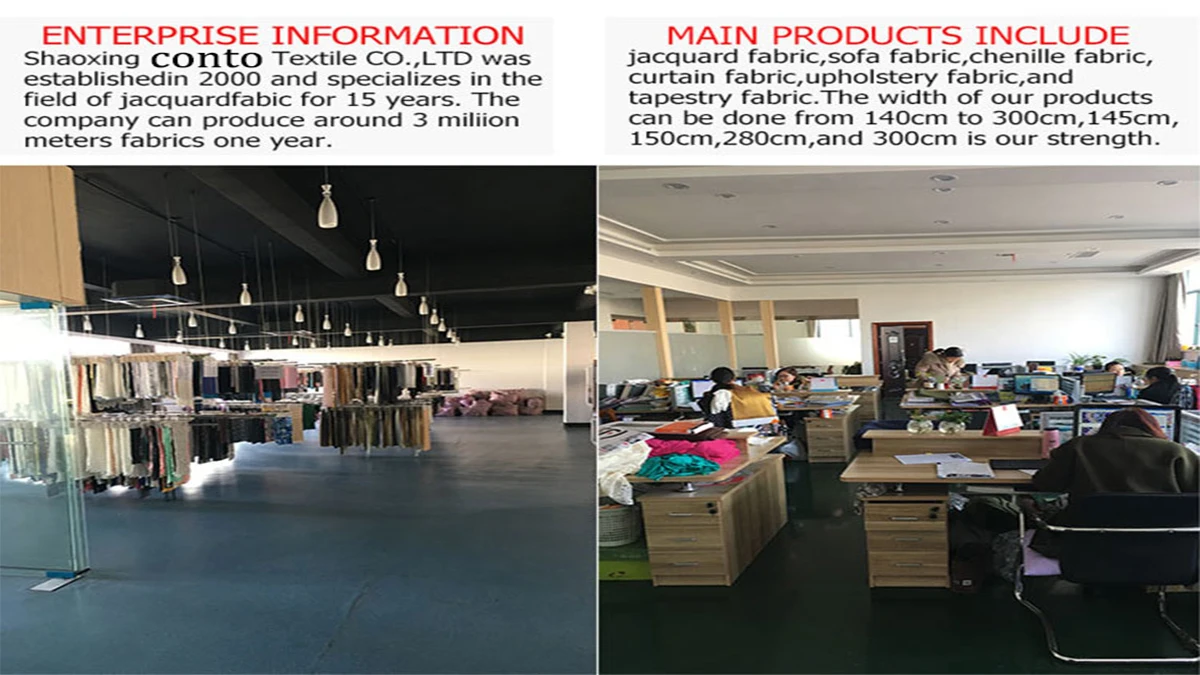
Shaoxing Keqiao Conto Textile Co., Ltd.
- Trading Company
- Zhejiang, China
- Lead time60 days
- Avg. response≤ 7h
Main productssofa fabric,garment fabric,flannel blanket,pu/pvc fabric,curtain
Main marketsSouth Asia(15.0%), Southern Europe(10.0%), North America(10.0%), Eastern Europe(10.0%), Northern Europe(10.0%), Domestic Market(5.0%), Africa(5.0%), Southeast Asia(5.0%), South America(5.0%), Central America(5.0%), Western Europe(5.0%), Eastern Asia(5.0%), Mid East(5.0%), Oceania(5.0%)
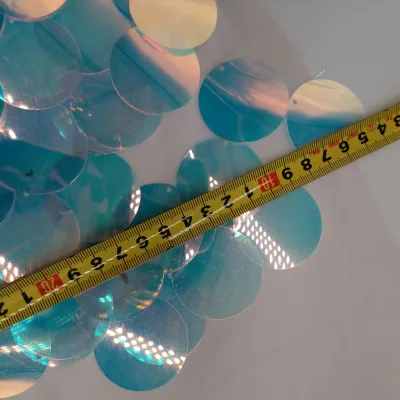
China Factory Tulle Sequin Stretch Lace Rhinestone Fabric Dress
Contact supplier
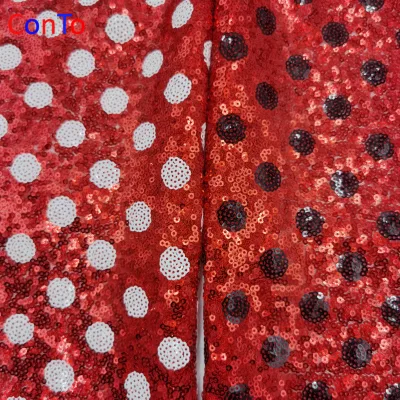
Hot Selling Black and White Sequence Sequin Fabric Dress
Contact supplier

Dongguan Qidu Apparel Co., Ltd.
- Verified by BV
- Manufacturer/Factory
- China Guangdong
- Lead time23 days
- Avg. response≤ 3h
Main productsDress, Top, Blouse, Sweatwear, Bottom, Shorts, Jacket, Coat, Pajamas, Denim
Main marketsSouth America,Eastern Europe,Mid East,North America,Southeast Asia,Eastern Asia,Oceania,Western Europe
Xinxiang Baiyin Clothing Co., Ltd.
- Trading Company
- Henan, China
- Lead time15 days
- Avg. response≤ 3h
Main productsGarment making,Costume printing,Clothing sales
Main marketsSouth America(35.0%), Domestic Market(5.0%), North America(5.0%), South Asia(5.0%), Southern Europe(5.0%), Northern Europe(5.0%), Central America(5.0%), Western Europe(5.0%), Eastern Asia(5.0%), Mid East(5.0%), Oceania(5.0%), Africa(5.0%), Southeast Asia(5.0%), Eastern Europe(5.0%)

- Verified by CTI
- Trading Company
- China Anhui
- Lead time23 days
- Avg. response≤ 1h
Main productsFurniture, Home Furniture
Main marketsSoutheast Asia/ Mideast

Guangzhou Vincenia Trading Co., Ltd.
- Trading Company
- China Guangdong
- Lead time23 days
- Avg. response≤ 4h
Main productsUnderwear, Lingerie, Shapewear, Legging, Lace, Bra, Briefs, Yoga, Fabrics
Main marketsSouth America,Southeast Asia/ Mideast,East Asia(Japan/ South Korea),Europe,North America

New Design Ladies Long Casual Dress Straight Maxi Long Dresses Women Dress
$9.90 - $10.00
MOQ: 100 Pieces


Factory Customization Fashionable New Design Slim-Fitting Long-Sleeved Dress
$7.30 - $7.53
MOQ: 100 Pieces

High Quality Fashion Strapless Dresses Ladies Summer Slim Fit Black Dress
$5.50 - $5.76
MOQ: 100 Pieces
Hengshui Liou Import And Export Trade Co., Ltd.
- Verified by SGS Group
- Trading Company
- Lead time15 days
- Avg. response≤ 3h
Main productsClothing, Camping Cart, Wallet and bags, Watch, Sport Brace
Main marketsNorth America(50%), South America(10%), Oceania(10%)

- Verified by SGS
- Trading Company
- China Zhejiang
- Lead time30 days
- Avg. response≤ 2h
Main productsBlazers, Dress, Jumpsuits&Bodysuits, Bottoms&Pants, Blouses, Sportswear, Skirts, Tops, T-Shirts, Coats&Jackets
Main marketsEurope,Australia,North America

Zhongshan K & P Knitting Co., Ltd.
- Verified by SGS
- Combined
- China Guangdong
- Lead time15 days
- Avg. response≤ 1h
Main productsSweater, Knitwear
Main marketsEurope,Australia,North America


Women Fashionable Long Dress for Summer Evenings with Custom Pattern Choices
$20.90 - $22.90
MOQ: 100 pieces

Dongguan Jianyang Garment Co., Ltd.
- Verified by TUVRHEINLAND
- Manufacturer
- China Guangdong
- Lead time15 days
- Avg. response≤ 13h
Main productsGarment, Underwear/Lingerine, Apparel, Thong, Boxer, Swimwear, Underwear, Lingerine, Short, Bra

Guangzhou Yifu Clothing Co., Ltd.
- Verified by SGS
- Combined
- China Guangdong
- Lead time15 days
- Avg. response≤ 15h
Main marketsDomestic

Shaoxing Zhongzhe Textile Import & Export Co., Ltd.
- Verified by SGS
- Trading Company
- China Zhejiang
- Lead time30 days
- Avg. response≤ 13h
Main productsPolyester Fabric, Satin Silk, cotton Voile, Pajama Satin, Acetate Satin, Crepe Chiffon, Tr Yard Dyed, Milk DTY, Super Soft, French Terry
Main marketsSouth America,Southeast Asia/ Mideast,Europe,Australia,North America


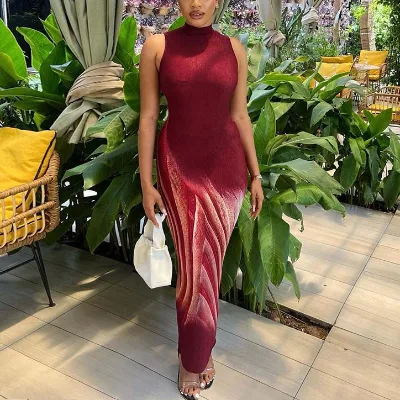

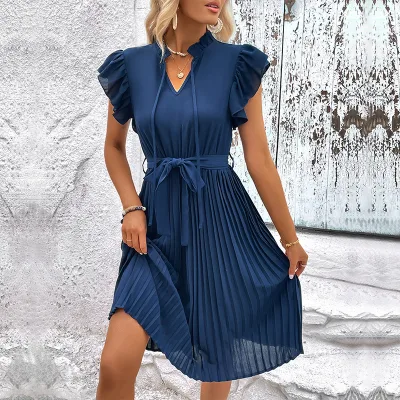


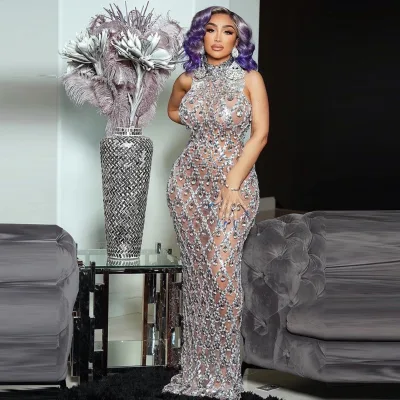
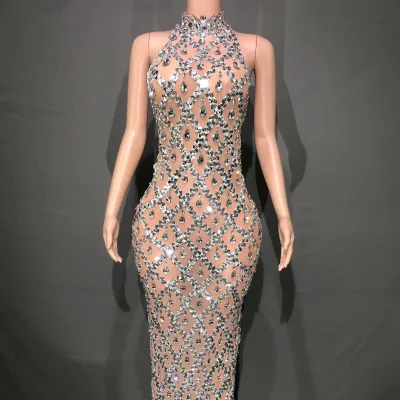


Comprehensive Sourcing Guide
Gradient Rhinestone Maxi Dress Supplier Concentration and Factory Types
Sourcing for gradient rhinestone maxi dresses often reveals a concentration of manufacturing activity in specific Chinese provinces, with Guangdong emerging as a primary hub for apparel production. Fact-based observations indicate that suppliers in this region frequently list main products including coats, dresses, and trousers, suggesting a robust ecosystem for garment assembly. When evaluating potential partners, buyers should look for companies explicitly stating their location as Guangdong, China, as this often correlates with established supply chains for fashion items. However, if a specific location is not confirmed in the supplier profile, buyers must verify the factory's physical address rather than assuming a cluster exists. The presence of a Trading Company type is also common, which may imply a different operational model compared to direct manufacturers.
Factory types vary significantly among the available results, with some entities identified as Trading Companies while others may possess ODM capabilities. The data shows that certain suppliers offer ODM (Original Design Manufacturing) capacity, allowing for custom design work on items like elegant beaded midi dresses. This distinction is critical because a trading company might source from multiple factories, whereas an ODM-capable entity likely manages the design and production process internally. Buyers should scrutinize the company type field to understand the supply chain structure. If the profile lists Zhejiang, China, as the location, the focus may shift toward fabric production, such as tulle sequin stretch lace, which serves as a raw material for the final dress. Understanding whether the supplier is a direct factory or a trading intermediary is essential for negotiating terms and ensuring quality control.
How to Verify Gradient Rhinestone Maxi Dress Suppliers
Verification is a critical step when sourcing gradient rhinestone maxi dresses, and buyers should prioritize suppliers with recognized third-party validation. In the current results, one supplier is explicitly marked as verified by SGS, a standard that provides a baseline for trust regarding their business operations. Buyers should look for similar verification badges or certificates in supplier profiles, as this indicates that an independent agency has assessed their legitimacy. If a supplier lacks a visible verification status, it is advisable to request proof of business registration or ask for a video tour of the facility before proceeding. Relying solely on platform ratings without external verification can be risky, especially when dealing with high-value fashion items that require precise craftsmanship.
Beyond verification badges, response time serves as a practical metric for assessing supplier reliability and communication efficiency. The observed data includes response times ranging from 0.48 to 7, with faster responses often indicating a more active and responsive sales team. A supplier with a response time of 0.48 is likely to be highly engaged, whereas a time of 7 might suggest a slower workflow or a larger volume of inquiries. Buyers should test communication channels early in the process to gauge how quickly the supplier addresses specific questions about the Gradient Rhinestone Maxi Dress. Additionally, checking the main products listed can confirm if the supplier specializes in dresses or if they are a generalist. A supplier listing coats, dresses, and trousers as main products is more likely to have the specific expertise needed for this category than one listing unrelated items.
What to Compare Across Gradient Rhinestone Maxi Dress Suppliers
When comparing suppliers, lead time is a primary factor that directly impacts inventory planning and market readiness. The available data shows lead times varying from 15 days to 60 days, a significant difference that buyers must account for in their supply chain strategy. A 15-day lead time suggests a more agile production line, potentially suitable for smaller batches or urgent orders, while a 60-day lead time indicates a longer production cycle, which might be necessary for complex fabric sourcing or large-scale manufacturing. Buyers should align their order timelines with these capabilities to avoid stockouts or delays. It is important to note that not every supplier will display a lead time, so buyers must explicitly request this information if it is missing from the profile.
Minimum Order Quantity (MOQ) and pricing structures are equally vital for financial planning and risk management. Current observations indicate MOQs starting at 100 pieces, with price ranges varying from approximately $11.00 to $25.00 per unit depending on the specific design and material. For instance, a polyester dress with sequins might have a different price point compared to a cotton floral option. Buyers should compare these figures against their budget and sales projections to determine feasibility. Additionally, customization availability is a key differentiator; some suppliers explicitly state that customization is available, while others may not. This flexibility allows buyers to tailor the Gradient Rhinestone Maxi Dress to their brand's specific needs. Evaluating these commercial terms side-by-side helps in selecting a partner that balances cost, volume, and flexibility effectively.
Common Gradient Rhinestone Maxi Dress Sourcing Risks
One significant risk in sourcing gradient rhinestone maxi dresses involves the discrepancy between product descriptions and actual manufacturing capabilities. While some suppliers list detailed attributes like "Rhinestone Beaded Dress" or "Chiffon Women Dress," the actual production might rely on generic templates rather than custom designs. Buyers must verify that the specific features, such as the gradient effect or the type of rhinestone application, are explicitly supported by the supplier's ODM or OEM services. If a supplier claims customization is available but does not provide a clear process for design approval, the final product may not match the intended aesthetic. This risk is heightened when dealing with trading companies that may not have direct control over the manufacturing details.
Another critical risk is the potential for inconsistent quality in materials and finishing, particularly regarding the embellishments. The data shows various materials like polyester and cotton, but the durability of the rhinestone attachment is not always detailed in the initial product attributes. Buyers should be wary of suppliers who do not specify the weight or thickness of the fabric, as this can affect the drape and the security of the beads. For example, a "Medium Weight" fabric might be suitable for some styles but insufficient for others. Without clear standards or test results provided in the supplier profile, buyers face the risk of receiving goods that do not meet quality expectations. It is essential to request samples and verify the physical quality of the embellishments before committing to a large order.
Gradient Rhinestone Maxi Dress Regional Sourcing and Logistics
Regional sourcing decisions should be guided by the specific location data provided in supplier profiles, as this influences logistics costs and lead times. The current results highlight suppliers located in Guangdong and Zhejiang, China, each offering distinct advantages. Guangdong is often associated with a mature garment industry, potentially offering faster turnaround times for finished dresses, while Zhejiang suppliers may specialize in fabric production, such as tulle and sequin lace, which are crucial for the dress's construction. Buyers should match their sourcing needs with these regional strengths; for instance, if the priority is fabric quality, a Zhejiang-based supplier might be preferable, whereas a Guangdong supplier might offer better overall garment assembly. If a location is not specified, buyers must request this information to estimate shipping times accurately.
Logistics planning must also account for the packaging details and shipping units provided by the supplier. Observations indicate that products are often packed in cardboard boxes or clear plastic bags, with specific dimensions like 40303 cm noted for some items. These details are crucial for calculating freight costs and determining the number of units that can fit in a container. A supplier listing a single gross weight of 0.500kg per piece allows for precise weight calculations, which is essential for air freight or sea freight quotes. Buyers should ensure that the packaging is robust enough to protect the delicate rhinestone embellishments during transit. If the packaging details are vague, buyers should negotiate specific packaging requirements to prevent damage. Understanding these logistical nuances helps in optimizing the supply chain and reducing unexpected costs.
Gradient Rhinestone Maxi Dress Commercial Terms and Order Planning
Commercial terms regarding payment and customization support are fundamental to successful order planning for gradient rhinestone maxi dresses. The data indicates that some suppliers offer 7-day sample customization support, which is a valuable asset for buyers looking to validate designs before mass production. This capability allows for a quicker iteration cycle, ensuring that the final product meets the buyer's specifications. However, buyers must confirm the cost and timeline associated with these samples, as they are not always free. Additionally, the availability of OEM services suggests that suppliers can produce under the buyer's brand, which is essential for building a unique product line. Buyers should clarify the terms for sample fees and production deposits to avoid financial surprises.
Order planning must also consider the supply ability and production capacity of the supplier to ensure timely delivery. Some suppliers list a supply ability of 50,000 pieces per month, which indicates a high-volume capacity suitable for large orders. However, buyers should verify if this capacity is consistent or if it fluctuates based on seasonal demand. For instance, a supplier might have a high capacity during off-peak seasons but face delays during peak times. Buyers should align their order quantities with the supplier's stated capacity to avoid bottlenecks. Furthermore, the selling units, typically listed as pieces, should be confirmed to ensure accurate pricing and inventory management. By carefully reviewing these commercial terms and capacity details, buyers can create a robust order plan that minimizes risks and maximizes efficiency.
FAQs
What is the price range for gradient rhinestone maxi dresses?
Prices for these dresses typically range from $11.00 to $25.00 per unit. The final cost depends on specific customization options, material choices, and order volume. Buyers should request detailed quotes to confirm exact pricing for their specific requirements and quantity targets.
What is the minimum order quantity for these dresses?
The minimum order quantity is generally set at 100 pieces. This threshold allows suppliers to cover production and customization costs effectively. Buyers seeking smaller quantities may need to pay higher unit prices or look for ready-to-ship stock options available from specific vendors.
How long does production take for these dresses?
Standard lead times for production range from 15 to 60 days. The exact duration depends on the supplier's location and current workload. Suppliers in Guangdong often offer faster turnaround times compared to those in Zhejiang. Buyers should confirm specific timelines before placing orders.
Are these dresses available for customization?
Yes, customization is widely available for these dresses. Suppliers offer OEM and ODM services, allowing for specific pattern, color, and size adjustments. Buyers can request custom packaging and branding. It is advisable to discuss specific design requirements and sample approval processes with the supplier.
What materials are used for these dresses?
Common materials include polyester, cotton, and chiffon. Some dresses feature rhinestone beading or sequin embellishments for a glamorous look. Buyers should verify material specifications, such as weight and stretch properties, to ensure the fabric meets their quality standards and comfort requirements for the target market.
Where are these dresses manufactured?
These dresses are primarily manufactured in China, specifically in Guangdong and Zhejiang provinces. Guangdong suppliers often specialize in finished garments, while Zhejiang suppliers may focus on fabric and textile raw materials. Buyers should verify the exact origin to understand logistics and supply chain dynamics.