Grade A Used Clothes Suppliers and Manufacturers
Compare 14 verified suppliers offering Grade A Used Clothes with details on location, lead times, and certifications. Review response times and MOQs to select a partner, then contact them directly for pricing; review the available evidence before requesting comparable quotations from suitable candidates.
Suppliers List

Wuhan Haisen Renewable Resources Co., Ltd.
- Verified by SGS
- Combined
- China Guangdong
- Lead time30 days
- Avg. response≤ 5h
Main productsUsed Clothes, Second Hand Clothes, Used Summer Clothes, Used Winter Clothes, Used Brand Clothes, Used Brand Shoes, Used Mixed Shoes, Used Mixed Bags, Used Brand Bags, Cotton Rags
Main marketsSouth America


Wholesale Grade a Second Hand Clothing Australia 50kg 100kg Used Clothes Bales
$700.00 - $1500.00
Moq: 10

Hot Selling Used Clothes Bales Fashion Clothing Ladies Dresses Second Hand Grade a
$700.00 - $1500.00
Moq: 10


HASUN Mechanical & Electrical Equipment Co., Ltd.
- Verified by BV
- Trading Company,Manufacturer/Factory,Group Corporation
- China Guangdong
- Lead time23 days
- Avg. response≤ 20h
Main productsOptical Fiber Cable Machine, Fiber Optical Cable Machine, Indoor Optical Fiber Cable Machine, Outdoor Optical Fiber Cable Machine, Premise Optical Fiber Cable Machine, FTTH Fiber Cable Sheathing Line, Fiber Tight Buffering Line, Fiber Cable Secondary Coating Line, Optical Fiber Cable Sz Stranding Line, Fiber Cable Outer Sheathing Line
Main marketsSouth America,Eastern Europe,Mid East,North America,Southeast Asia,Eastern Asia,Oceania,Western Europe

Guangzhou Riching Renewable Resources Co., Ltd.
- Verified by SGS
- Combined
- China Guangdong
- Lead time30 days
- Avg. response≤ 7h
Main productsUsed Summer Clothes, Used Winter Clothes, Used Brand Clothes, Used Mixed Shoes, Used Brand Shoes, Used Kids Shoes, Used Football Shoes, Used Basketball Shoes, Used Mixed Bags, Used School Bags
Main marketsAfrica

A Grade Used Clothes in Bales UK Mixed Used Clothing Second Hand Clothing Bales
$1.30 - $1.50
Moq: 450


Singapore of Mixed Clothing Sale in New Zeala Used Clothes Bales for Jeans A Grade
$1.30 - $1.50
Moq: 450

Guangzhou Hissen International Trade Limited Company
- Verified by BV
- Combined
- China Guangdong
- Lead time15 days
- Avg. response≤ 4h
Main productsUsed Clothes, Second Hand Clothes, Used Shoes, Second Hand Shoes, Used Brand Clothes, Used Brand Shoes, Used Bags, Second Hand Bags, Cotton Rags, Used Sneaker
Main marketsSouth America,Africa,Southeast Asia/ Mideast,Europe,North America

Used-Clothes-in-Europe Mitumba Second Hand A Grade Used Clothing in Bales with Reviews
$700.00 - $1500.00
Moq: 10


Senegal Dress Bale Mixed Used Clothing A Grade Second Hand Clothes Traditional
$700.00 - $1500.00
Moq: 10


Guangzhou Gracer Renewable Resources Co., Ltd.
- Verified by SGS Group
- Manufacturer, Trading Company
- Lead time3 days
- Avg. response≤ 3h
Main productsUsed Summer Clothes, Used Winter Clothes, Used Bags, Used Shoes, Recycled Textile Material
Main marketsAfrica(40%), Southeast Asia(35%), South America(10%)
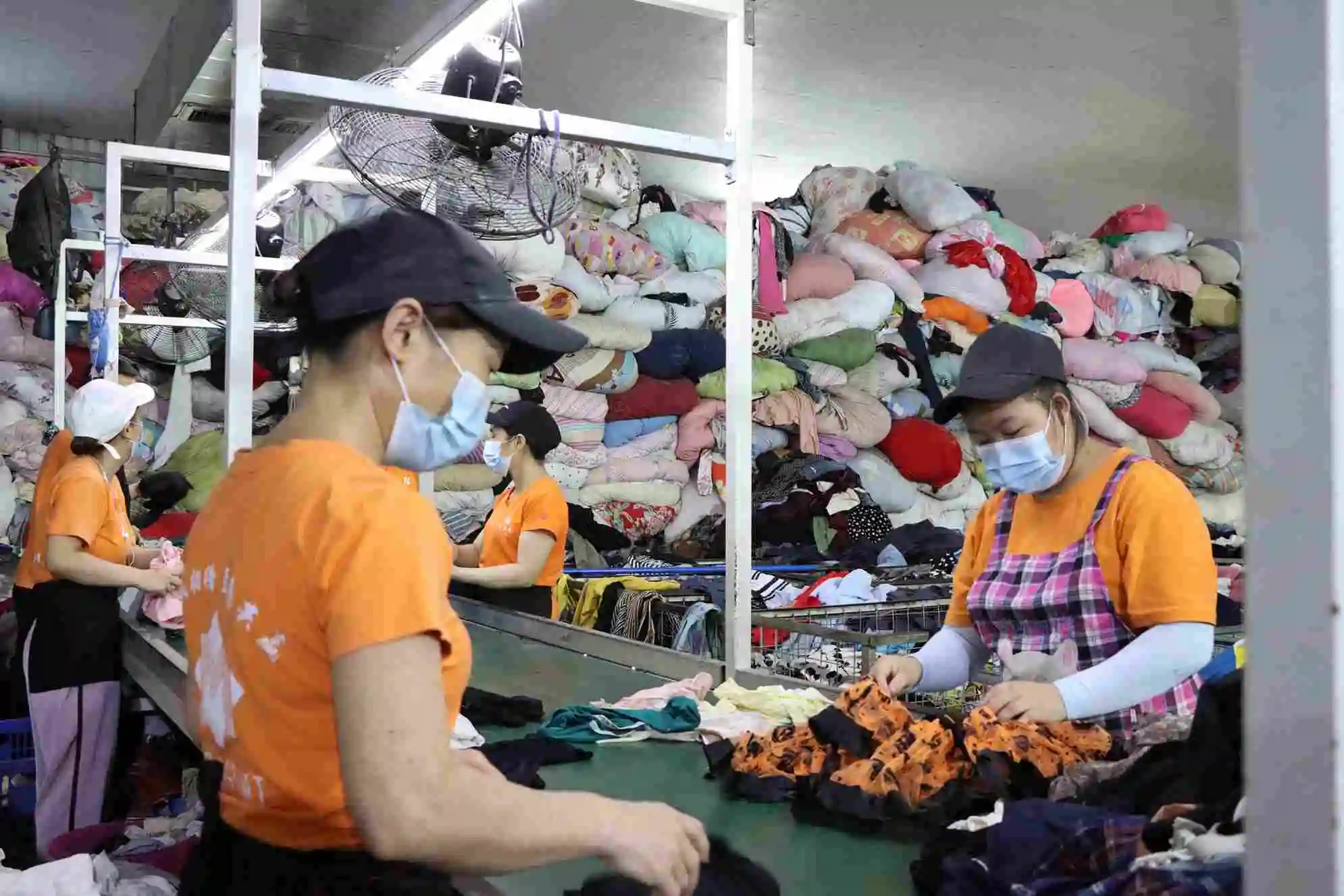
GUANGZHOU ZAGUMI TRADING CO., LIMITED
- Trading Company
- Hong Kong S.A.R.
- Lead time5 days
- Avg. response≤ 13h
Main productsUsed Clothes,Used Shoes,Used Bags,Mixed Rags,Credential Clothing
Main marketsAfrica(55.00000000000001%), Southeast Asia(15.0%), Mid East(10.0%), South America(10.0%), North America(5.0%), Eastern Europe(5.0%)
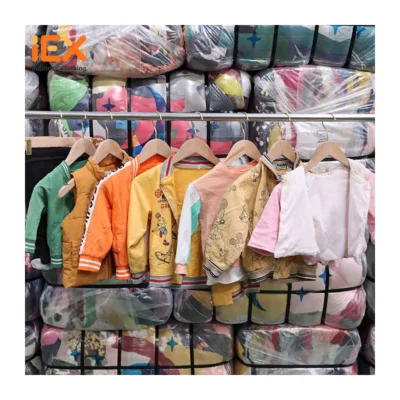
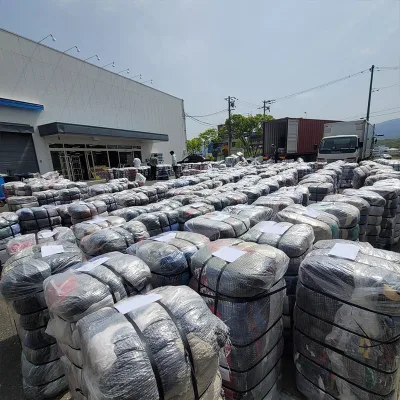
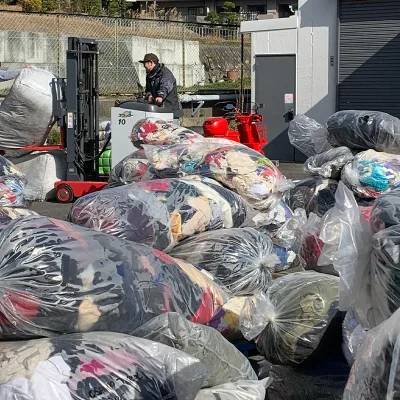
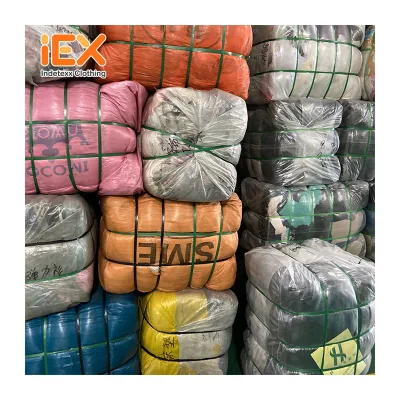
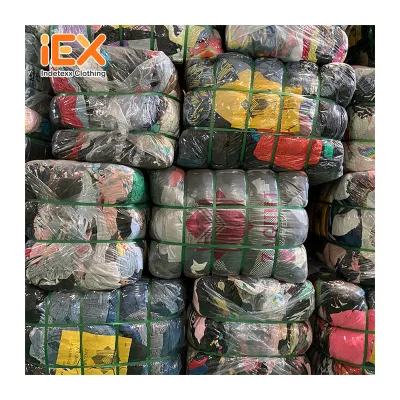
Friperie Phones an Gro Bales of Mixed Used Clothing in London Bolsones De Ropa Usada
$0.50 - $1.50
Moq: 1000
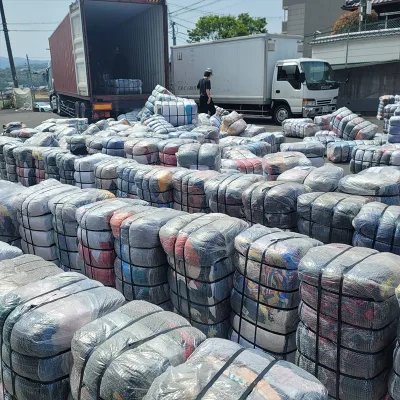
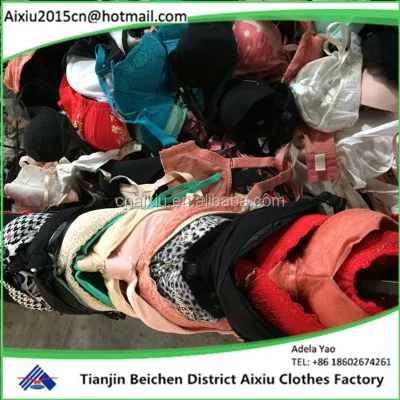
Tianjin Beichen District Aixiu Clothes Factory
- Manufacturer
- Lead time旺季: , 淡季:
- Avg. response≤ 18h
Main productsused clothes,used shoes,used bags,used summer clothing,summer shoes
- Trading Company
- Taiwan, China
- Lead time15 days
- Avg. response≤ 13h
Main productsused clothes,secondhand clothing,used clothing,used grament,second hand clothes
Main marketsAfrica(70.0%), South Asia(5.0%), Central America(5.0%), Mid East(5.0%), South America(5.0%), Southeast Asia(5.0%), Eastern Europe(5.0%)
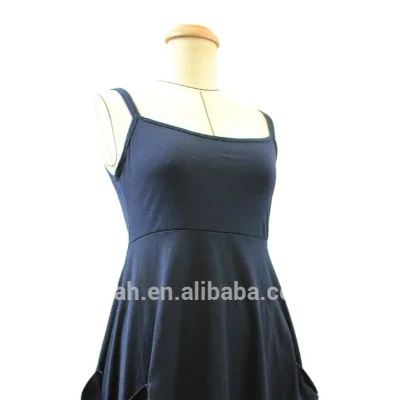
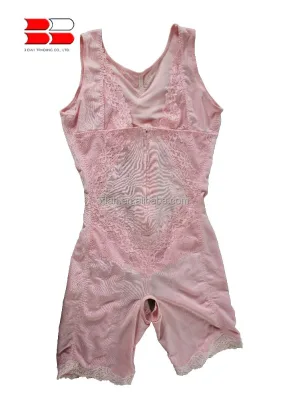
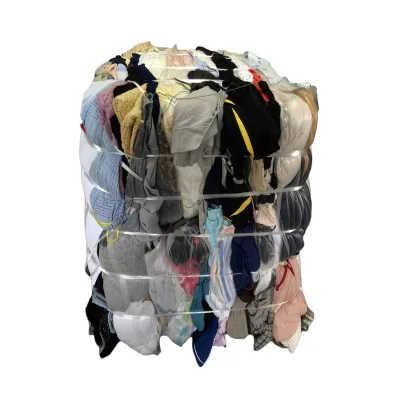
3 DAH Unsorted Used Clothing Mixed Size Made in Taiwan
Contact supplier

Wenzhou Hongyang Trading Co., Ltd.
- Verified by TUVRHEINLAND
- Manufacturer/Factory
- China Zhejiang
- Lead time23 days
- Avg. response≤ 10h
Main productsUsed Clothes, Used Shoes, Used Bags
Main marketsSoutheast Asia,Africa
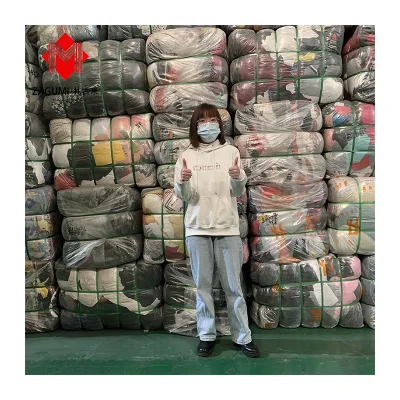
Guangdong Zagumi Renewable Resources Co., Ltd.
- Verified by SGS Group
- Manufacturer, Trading Company
- Lead time5 days
- Avg. response≤ 5h
Main productsUsed Clothes, Used Shoes, Used Bags, Mixed Rags, Used Toys
Zibo Changteng International Trading Co., Ltd.
- Verified by SGS Group
- Manufacturer, Trading Company
- Shandong, China
- Lead time15 days
- Avg. response≤ 3h
Main productsHome Furniture, Photography Services, Used Clothes

Sichuan Yidaiyi Road Trade Co., Ltd.
- Verified by SGS
- Trading Company
- China Sichuan
- Lead time15 days
- Avg. response≤ 3h
Main productsShoes, Bags, Clothes, Used Bags, Used Shoes, Used Clothes, Brand Bags, Brand Shoes
Main marketsSouth America,Africa,Southeast Asia/ Mideast,Europe,North America


Branded Bales Mixed Used Clothing Used Clothes Bales for Children Only First A Grade
$1.50 - $3.22
Moq: 100

A1-1 Used Mix Brand Wholesale Bags Best Style Partially Coded High Quality Bag
$15.00 - $16.00
Moq: 33

Guangdong Hissen Resources Recycling Co., Ltd.
- Verified by SGS
- Manufacturer/Factory
- China Guangdong
- Lead time15 days
- Avg. response≤ 8h
Main productsUsed Clothes, Used Shoes, Used Bags, Cotton Rags, Used Brand Shoes, Used Brand Bags, Used Summer Clothing, Used Winter Clothing, Second Hand Clothes, Used Brand Clothes
Main marketsSouth America,Mid East,Southeast Asia,Oceania,Africa


High Quality Top Grade Used Used-Clothing-in-Bales-for-The-Us Sorted Second Hand Clothes
$700.00 - $1500.00
Moq: 10

Secondhand First Grade Container-of-Used-Clothes Bales of Used Summer Clothes
$700.00 - $1500.00
Moq: 10


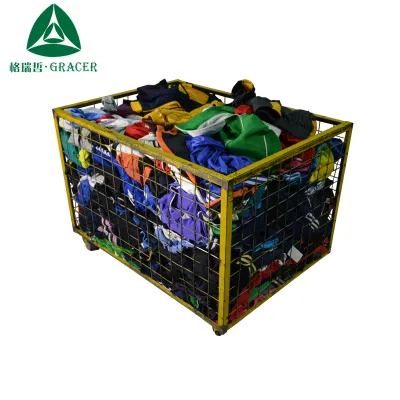
Guangzhou Gracer Renewable Resources Co., Ltd.
- Manufacturer, Trading Company
- Lead time旺季: "1 - 28500":10,"> 28500":"To be negotiated", 淡季: "1 - 28500":10,"> 28500":"To be negotiated"
Main productsUsed Summer Clothes, Used Winter Clothes, Used Bags, Used Shoes, Recycled Textile Material


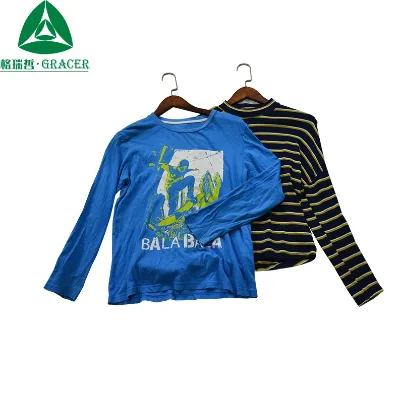
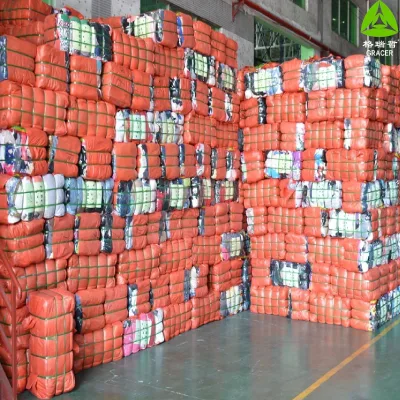
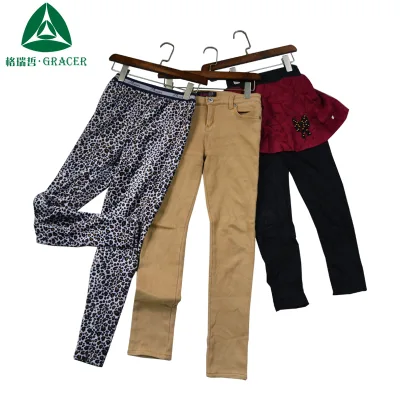
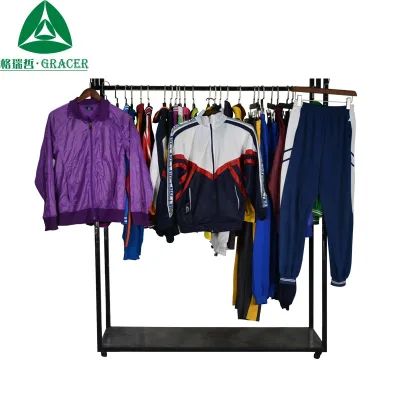
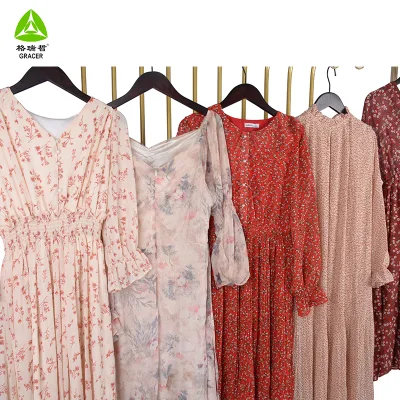
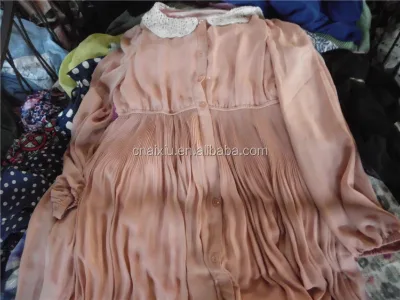
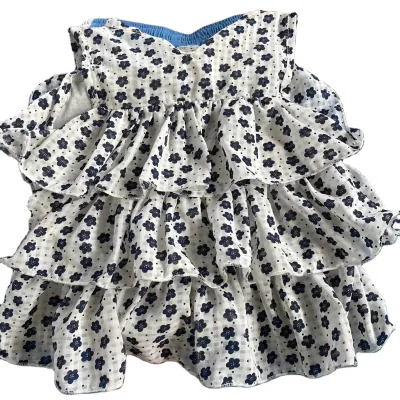


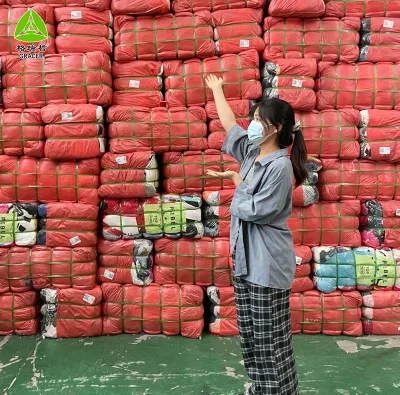
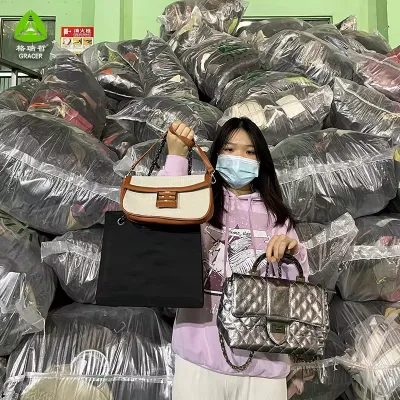
Comprehensive Sourcing Guide
Grade A Used Clothes Supplier Concentration and Factory Types
Current data indicates a concentration of suppliers in China Guangdong, where combined company types operate alongside trading companies and manufacturers. These entities often list main products including used summer clothes, used winter clothes, and mixed brand items alongside optical fiber cable machinery, suggesting diversified industrial portfolios. Buyers should verify if a supplier's primary focus aligns with apparel sourcing, as some listings show mixed product categories that may indicate a trading company rather than a specialized factory. The presence of "Own Brand" capacity and OEM/ODM services suggests some facilities handle customization, but this varies significantly across the supplier pool.
When evaluating factory types, look for specific verification badges like SGS or BV to confirm operational legitimacy. A supplier claiming to be a manufacturer should demonstrate clear production capabilities, whereas a trading company might offer broader sourcing options but less direct control over quality. The distinction matters because combined entities may outsource production, affecting lead times and consistency. Buyers must check if the listed location matches the actual factory site, as some suppliers operate from first-tier cities while listing Guangdong as their base. This verification step ensures the buyer understands the supply chain structure before committing to an order.
How to Verify Grade A Used Clothes Suppliers
Verification is critical when sourcing used clothing, as the market contains varied quality standards and potential compliance risks. Look for suppliers displaying third-party verification badges such as SGS or BV, which provide an external audit of business practices. These credentials do not guarantee product quality but confirm the entity exists and has undergone a basic assessment. Buyers should request current certification documents rather than relying solely on platform badges, as these can be outdated or generic. The presence of ISO 9001 or ISO 14001 certifications indicates a commitment to quality management and environmental standards, which is essential for international trade compliance.
Response time and verification status are key indicators of supplier reliability. A response time under five hours suggests active engagement, while delays may indicate a lack of dedicated staff or poor communication channels. Buyers should test communication by asking specific questions about product condition, such as the percentage of clean items or sorting criteria. Suppliers claiming "Top Grade A" status must provide evidence of their sorting process, as this term is not universally standardized. Always ask for recent photos or videos of the actual stock to confirm the condition matches the description. This due diligence prevents misunderstandings regarding the quality of the used garments received.
What to Compare Across Grade A Used Clothes Suppliers
Comparing suppliers requires analyzing specific operational metrics like lead time, minimum order quantity, and response speed. Lead times in the current data range from 23 to 30 days, which impacts inventory planning and cash flow. Buyers should calculate the total time from order placement to shipment, including any customization or packaging delays. Minimum order quantities often require a full 20FT or 40FT container, which is a significant commitment for new buyers. Some suppliers list lower MOQs, but these may apply to specific items rather than the entire product line. Understanding these thresholds helps buyers determine if a supplier fits their volume requirements and financial capacity.
Product attributes and pricing structures also vary widely across the supplier pool. Prices can range from competitive rates to higher tiers depending on the grade and sorting method. Buyers must compare the cost per kilogram or per container to ensure accurate budgeting. Packaging standards differ, with some suppliers offering 38kg to 100kg per sack while others use 25kg boxes. These variations affect shipping costs and handling efficiency at the destination. Additionally, payment terms like 40% deposit and 60% before loading are common, but buyers should negotiate based on their risk tolerance. Comparing these factors side-by-side allows for a more informed selection process that balances cost, volume, and logistics.
Common Grade A Used Clothes Sourcing Risks
One significant risk involves the ambiguity of quality grades, as terms like "Grade A" or "AAA" lack universal definition. Suppliers may claim high grades while delivering mixed or lower-quality items, leading to financial loss and reputational damage. Buyers must explicitly define quality expectations in the contract, specifying the percentage of clean items and the absence of defects. Without clear definitions, disputes over product condition are difficult to resolve. It is essential to request detailed sorting reports or third-party inspection results before shipment to mitigate this risk. Relying solely on marketing claims without verification exposes the buyer to potential fraud or misrepresentation.
Logistical and compliance risks are also prevalent in the used clothing trade, particularly regarding import regulations. Different countries have varying restrictions on second-hand goods, and non-compliance can result in seized shipments or heavy fines. Buyers must verify that the supplier understands the destination country's specific requirements for used apparel. Shipping terms like "Pil/Msk/Cma" indicate specific carriers, but buyers should confirm the reliability of these logistics partners. Additionally, payment risks exist if escrow services are not used, as funds may be lost if the supplier fails to deliver. Establishing clear communication channels and using secure payment methods are vital steps to protect the buyer's investment.
Grade A Used Clothes Regional Sourcing and Logistics
Regional sourcing from China Guangdong offers access to a dense network of suppliers, but logistics planning is crucial for success. The location provides proximity to major ports, facilitating efficient export to markets in Africa, South America, and the Middle East. Buyers should assess the supplier's experience with these specific shipping routes to ensure reliable transit times. Some suppliers mention a 21-day rent-free period, which can reduce costs if delays occur. However, buyers must verify if this applies to their specific container type and destination port. Understanding the local infrastructure helps in predicting potential bottlenecks and planning for contingencies.
Shipping areas and methods vary, with some suppliers offering worldwide services while others focus on specific regions. Buyers should confirm the supplier's ability to handle the required shipping method, whether by sea or air. The use of specific carriers like Pil, Msk, or Cma indicates established relationships, but buyers should check current capacity and reliability. Packaging standards also impact logistics, as improper packing can lead to damage during transit. Suppliers offering 38kg to 100kg per sack provide flexibility, but buyers must ensure the packaging meets destination requirements. Coordinating with the supplier on logistics details ensures a smoother supply chain and reduces the risk of delays or damage.
Grade A Used Clothes Commercial Terms and Order Planning
Commercial terms for Grade A Used Clothes often include specific payment structures like 40% deposit and 60% before loading. These terms balance risk between buyer and seller but require careful financial planning. Buyers should negotiate terms that align with their cash flow, potentially seeking escrow services for added security. The minimum order quantity of one full container is a standard requirement, which necessitates accurate demand forecasting. Buyers must calculate the total cost, including shipping, insurance, and customs duties, to ensure profitability. Understanding these financial obligations prevents unexpected expenses that could erode margins.
Order planning must account for lead times and production capacity to avoid stockouts. With lead times ranging from 23 to 30 days, buyers should place orders well in advance of peak seasons. Customization options are available, but these may extend the production timeline. Buyers should confirm the supplier's ability to meet deadlines, especially for large orders. The availability of full-range sizes and various styles allows for diverse inventory, but buyers must specify their needs clearly. Planning for potential delays and maintaining open communication with the supplier ensures a steady supply of goods. Effective order management is key to maintaining a competitive edge in the used clothing market.
FAQs
What is the minimum order quantity for Grade A Used Clothes?
The minimum order quantity is typically one full 20FT or 40FT container. Some listings specify a minimum of ten units, but bulk container orders are standard for wholesale buyers seeking competitive pricing on second-hand apparel.
How long does it take to receive the shipment?
Lead times generally range from 23 to 30 days depending on the supplier. Shipping to global markets like Africa or South America may take approximately 21 days with rent-free periods available for certain logistics providers.
What payment terms are accepted for these orders?
Most suppliers require a 40% deposit via TT followed by the remaining 60% before loading. This standard payment structure ensures security for both parties while facilitating the movement of large volumes of used clothing bales.
Are the used clothes sorted by gender and style?
Yes, products are available in unisex, male, and female categories with styles ranging from European to Korean fashion. Buyers can find options specifically for children or adults with features like vintage looks or hip-hop styles.
What is the condition and quality standard of the clothes?
Items are graded as Top Grade A or AAA with conditions ranging from 90% to 98% clean. Packaging usually consists of bales weighing between 38kg and 100kg, ensuring high-quality sorted apparel for resale markets.
Where are the suppliers located and how fast do they respond?
Suppliers are primarily located in Guangdong, China, with some sourcing from first-tier cities. Response times vary, with some suppliers replying within 4.95 hours while others may take up to 19.68 hours to address inquiries.
Do suppliers offer customization for packaging and branding?
Customization is available for logos and packaging materials to meet specific buyer requirements. Buyers can request specific sack weights or box sizes, ensuring the final product aligns with their local market preferences and branding strategies.