GTC Certified Moonstone Bracelet Suppliers and Manufacturers
Explore 24 verified options for GTC Certified Moonstone Bracelet from Guangdong and Zhejiang factories. Compare response times, lead times, and certifications like SGS or STS before requesting samples or customizing orders; review the available evidence before requesting comparable quotations from suitable candidates.
Suppliers List

- Verified by SGS
- Combined
- China Guangdong
- Lead time23 days
- Avg. response≤ 7h
Main marketsOthers(foreignTradeCapacity.exportBusinessCapacityMarketOther),Southeast Asia/ Mideast,East Asia(Japan/ South Korea),Domestic,Europe,Australia,North America

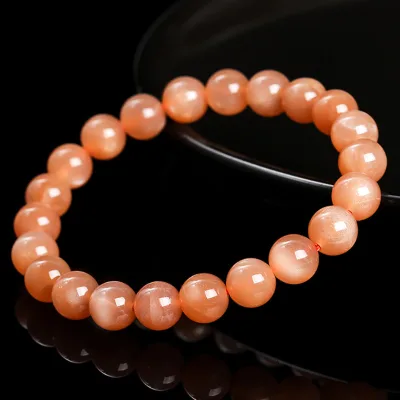
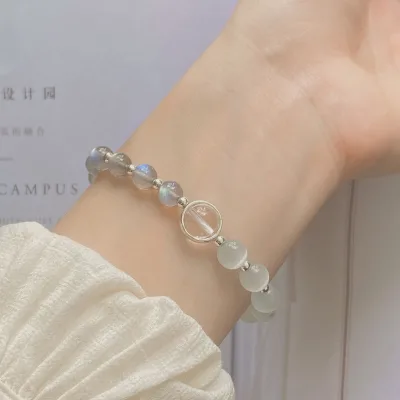
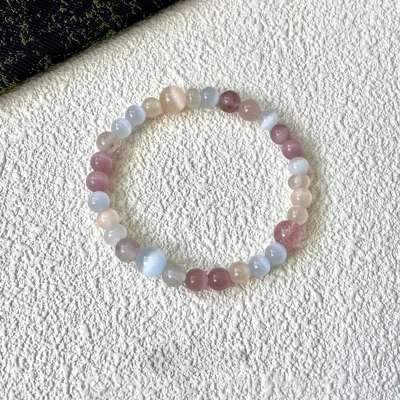
Natural Stone Healing Crystal Stone Bracelet Moonstone Gemstone Elastic Bracelet
$1.85 - $2.46
Moq: 60


- Trading Company
- Zhejiang, China
- Lead time7 days
- Avg. response≤ 10h
Main productsGemstone Jewelry,Stainless Steel Jewelry,CZ Jewelry,Pearl Jewelry,Alloy Jewelry
Main marketsWestern Europe(25.0%), Northern Europe(15.0%), North America(5.0%), Eastern Europe(5.0%), South America(5.0%), Southeast Asia(5.0%), Africa(5.0%), Oceania(5.0%), Mid East(5.0%), Eastern Asia(5.0%), Central America(5.0%), Southern Europe(5.0%), South Asia(5.0%), Domestic Market(5.0%)

YIWU JINYE IMPORT AND EXPORT CO., LTD
- Verified by SGS
- Trading Company
- China Zhejiang
- Lead time15 days
- Avg. response≤ 24h
Main productsBangle, Wrist Band, Bracelet, Fashion Jewelry
Main marketsNorth America
Lianyungang Duanshu Trading Co., Ltd.
- Trading Company
- Jiangsu, China
- Lead time3 days
- Avg. response≤ 2h
Main productsCrystal Bracelets,Crystal Raw Stone,Crystal Bangles,Crystal Healing Stone,Gravels/Chips
Main marketsNorth America(40.0%), Southeast Asia(20.0%), South America(10.0%), Oceania(10.0%), Western Europe(5.0%), Eastern Europe(5.0%), South Asia(5.0%), Northern Europe(3.0%), Africa(2.0%)
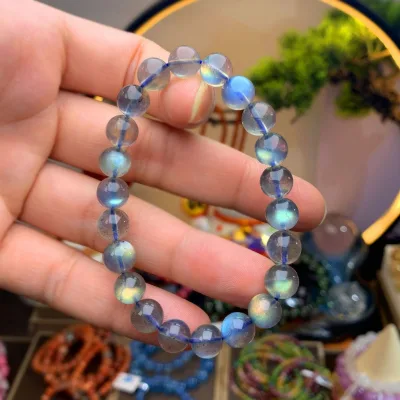
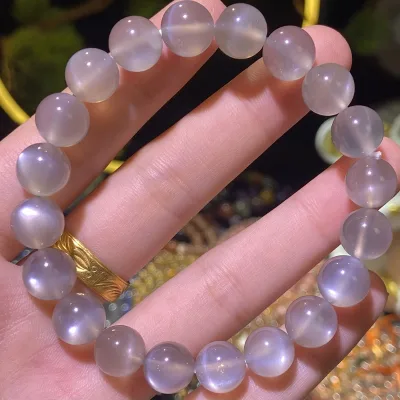
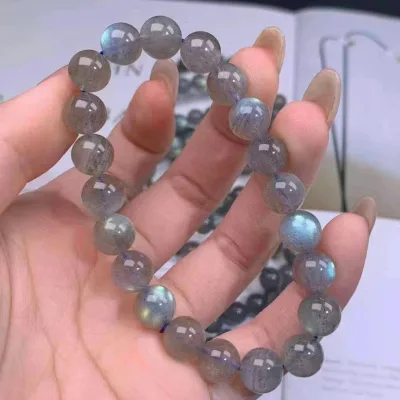
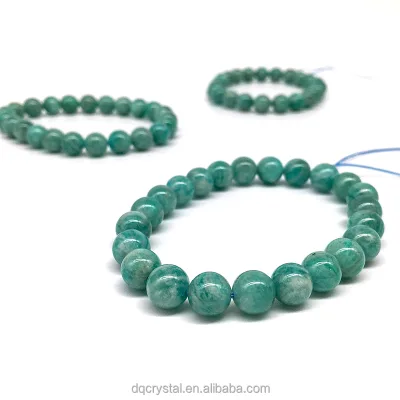
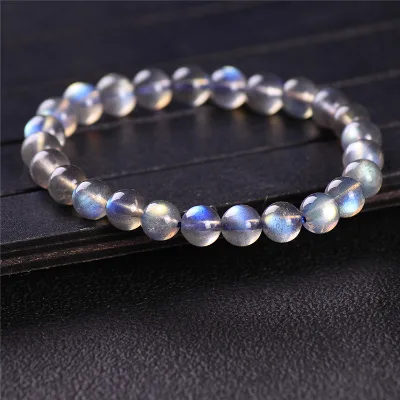
High Quality Gray Moonstone Bracelets Wholesale Crystal Gray Moonstone Bracelet
Contact supplier
Moq: 5
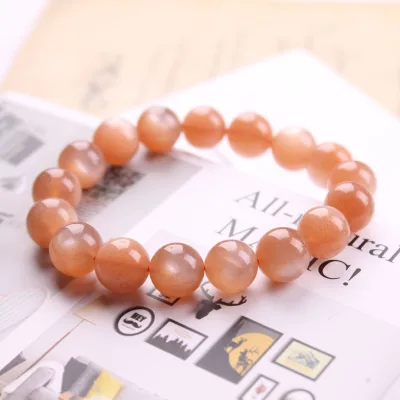
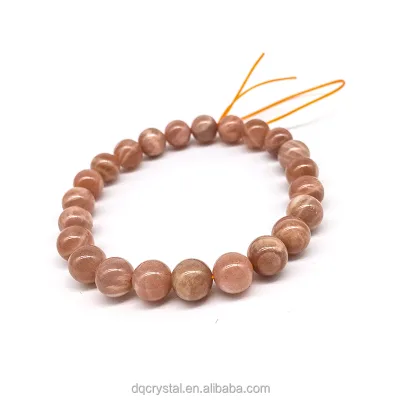
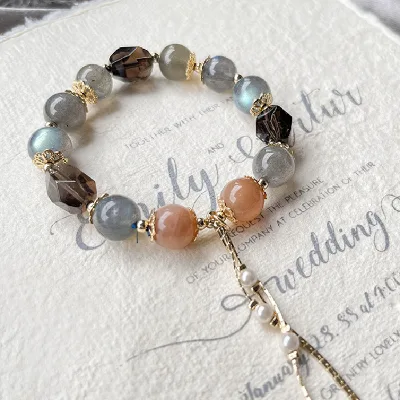
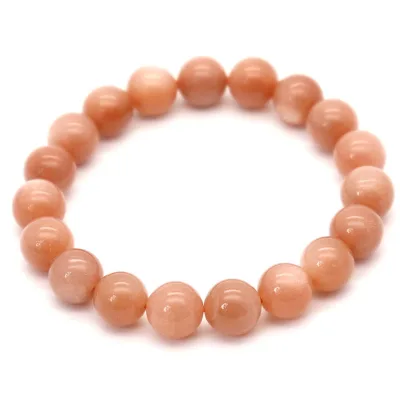
Natural Moonstone Bracelets Wholesale High Quality Orange Moonstone Crystal Bracelet
Contact supplier
Moq: 5

East Sunrise Jewelry Co., Limited
- Verified by SGS
- Manufacturer/Factory
- China Guangdong
- Lead time23 days
- Avg. response≤ 15h
Main productsPendant, Necklace, Bracelet, Ring, Earring, Carving, Ornament, Loose Bead, Jewelry, Semi-Precious Stones
Main marketsSouth America,Eastern Europe,Mid East,North America,Southeast Asia,Eastern Asia,Oceania,Western Europe,Africa
Donghai County Dongqing Crystal Products Co., Ltd.
- Manufacturer, Trading Company
- Jiangsu, China
- Lead time15 days
- Avg. response≤ 2h
Main productsCrystal Crafts,crystal ball,crystaltower,skull,agate
Main marketsNorth America(50.0%), Oceania(22.0%), Southeast Asia(7.000000000000001%), Domestic Market(4.0%), Eastern Europe(3.0%), South America(3.0%), Central America(2.0%), Western Europe(2.0%), South Asia(2.0%), Mid East(2.0%), Northern Europe(1.0%), Eastern Asia(1.0%), Southern Europe(1.0%)
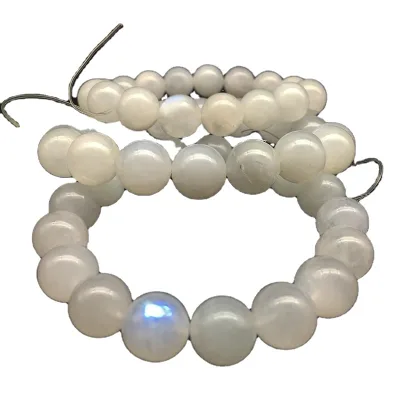
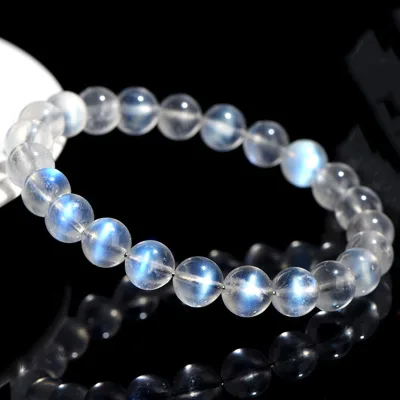
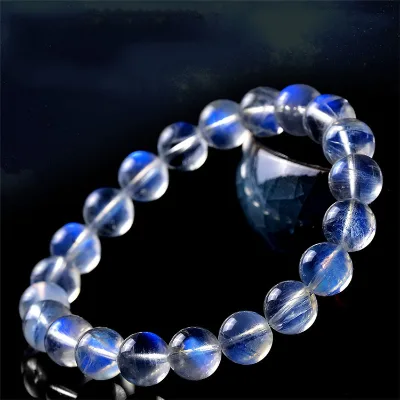
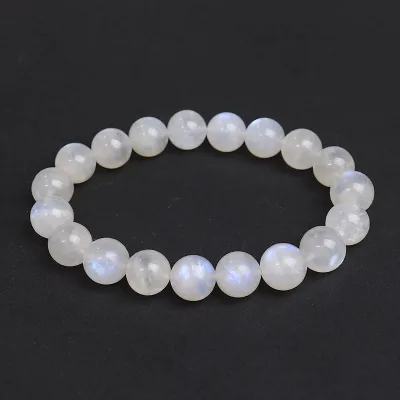
Wholesale Natural White Moonstone Bracelets Gemstone Jewelry Bracelet for Woman and Gifts
$145.17 - $150.35
Moq: 1
- Verified by SGS Group
- Trading Company
- Lead time25 days
Main productsNecklace; Bracelet; Earring; Rings; Fashion Jewelry
Main marketsCentral America(35%), South America(12%), Domestic Market(12%)
Guangzhou Liwan Jingcai Jewelry Firm
- Distributor/Wholesaler
- Guangdong, China
- Lead time7 days
- Avg. response≤ 6h
Main productsJewelry,Body Jewelry,Bracelets & Bangles,Loose Gemstone,Necklaces
Main marketsNorth America(40.0%), Western Europe(20.0%), Eastern Asia(20.0%), Eastern Europe(10.0%), Northern Europe(5.0%), Oceania(5.0%)
- Verified by TüVRheinland
- Manufacturer, Trading Company
- Zhejiang, China
- Lead time5 days
- Avg. response≤ 2h
Main productsFashion Jewelry
Main marketsNorth America(50%), Domestic Market(30%), South America(10%)
Yiwu Dibishi Jewelry Co., Ltd.
- Trading Company
- Zhejiang, China
- Lead time旺季: "1 - 200":7,"> 200":"To be negotiated", 淡季: "1 - 200":7,"> 200":"To be negotiated"
- Avg. response≤ 3h
Main productsBeads,Bracelets,Crystal,Gemstone,Loose Beads
Main marketsNorth America(40.0%), Western Europe(20.0%), Northern Europe(10.0%), Eastern Europe(10.0%), Southeast Asia(5.0%), Central America(5.0%), South America(5.0%), Oceania(5.0%)
Shenzhen Hengfeng Technology Co., Ltd.
- Verified by Intertek
- Manufacturer, Trading Company
- Lead time7 days
- Avg. response≤ 1h
Main productsNecklaces, Earrings, Rings, Bracelets, Anklets
Main marketsEastern Europe(30%), North America(20%), South America(10%)

- Manufacturer, Trading Company
- Zhejiang, China
- Lead time20 days
- Avg. response≤ 6h
Main productsBracelet,Necklace,Anklet,Key Ring
Main marketsNorth America(59.599999999999994%), Western Europe(37.8%), Africa(1.6%), Northern Europe(0.5%), Oceania(0.5%)
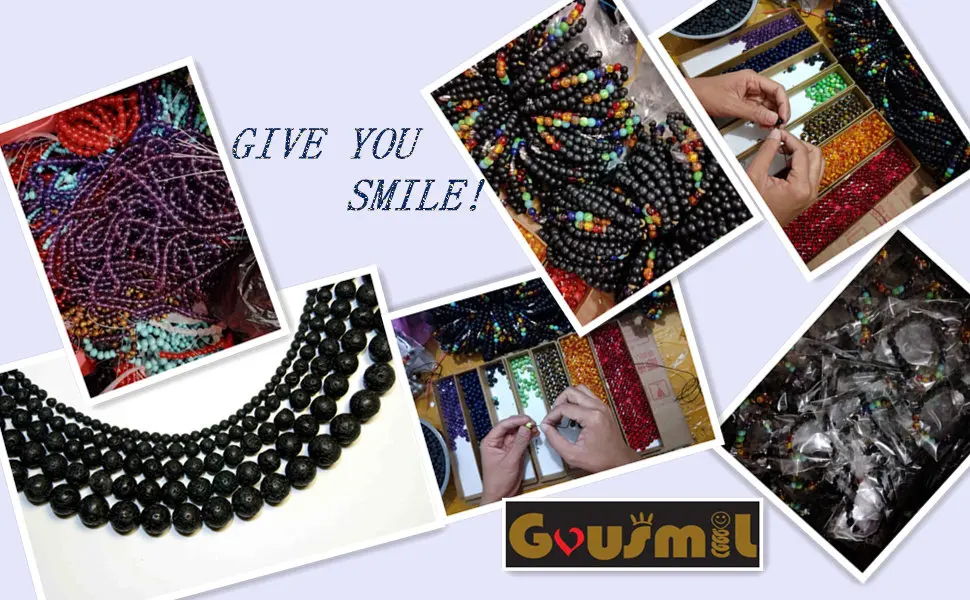
- Trading Company
- Zhejiang, China
- Lead time14 days
- Avg. response≤ 6h
Main productsBracelet,Necklace,Keychain,Lanyard,Earrings
Main marketsNorth America(30.0%), Southeast Asia(20.0%), Eastern Europe(20.0%), South America(20.0%), Africa(5.0%), Mid East(2.0%), Western Europe(1.0%), Eastern Asia(1.0%), Oceania(1.0%)
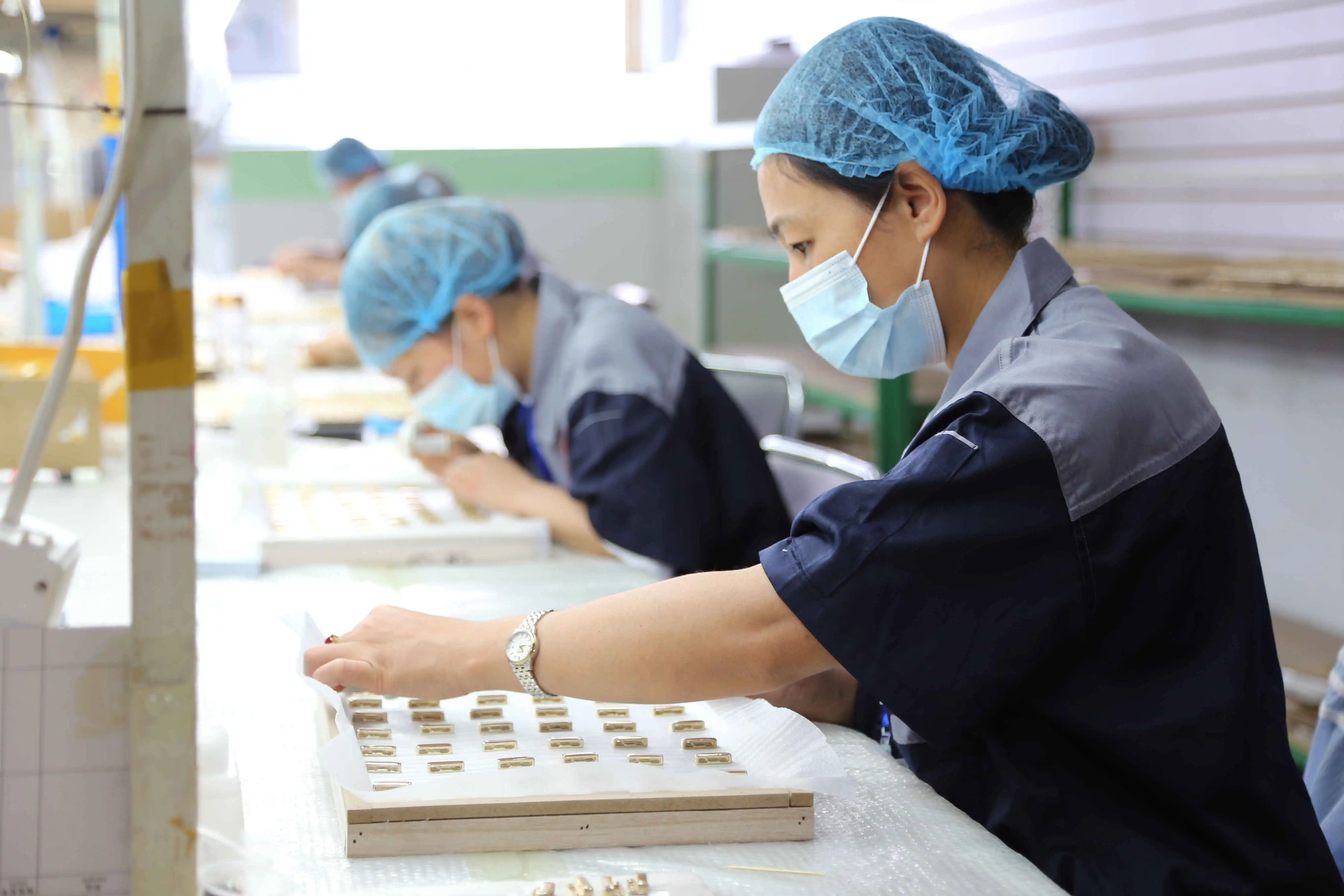
Qingdao Amelia Jewelry Co., Ltd.
- Trading Company
- Shandong, China
- Lead time30 days
- Avg. response≤ 3h
Main productsJewelry, Earrings, Necklace, Bracelet, Ring
Main marketsNorth America(30.0%), Southeast Asia(20.0%), Western Europe(10.0%), Southern Europe(10.0%), Northern Europe(10.0%), Eastern Europe(10.0%), Oceania(5.0%), Eastern Asia(5.0%)

Yiwu Phonbon Import & Export Co., Ltd.
- Trading Company
- Zhejiang, China
- Lead time15 days
- Avg. response≤ 7h
Main productsmedal,lapel pin,metal coins,cross,rosary
Main marketsWestern Europe(16.67%), Southeast Asia(16.67%), Southern Europe(15.0%), Eastern Europe(15.0%), South America(10.0%), Africa(5.0%), Northern Europe(5.0%), Central America(5.0%), North America(5.0%), Mid East(3.0%), Eastern Asia(2.0%), South Asia(1.0%), Oceania(0.66%)

GOODLINESS JEWELLERY CO., LIMITED
- Verified by SGS
- Manufacturer
- China Guangdong
- Lead time23 days
- Avg. response≤ 6h
Main products925 Silver Ring, Brass Jewelry, 925 Silver Earring, 925 Silver Necklace, 925 Silver Set, 925 Silver Bangle, Customer's Design, 925 Silver Bracelet, Silver Accessory, Brass Accessory
Main marketsSoutheast Asia/ Mideast,Europe,North America

- Verified by CTI
- Trading Company
- China Zhejiang
- Lead time15 days
- Avg. response≤ 7h
Main productsJewelry, Brooch, Belt, Necklace, Agent, Bracelet, China Trim, China Ring, China Hair Accessory, China Earring
Main marketsSouth America
Dongguan Huiying Art&crafts Co., Ltd.
- Manufacturer, Trading Company
- Guangdong, China
- Lead time20 days
- Avg. response≤ 6h
Main productsgifts,crafts,skin care products,face rollers,gua sha massagers
Main marketsWestern Europe(25.0%), North America(25.0%), Northern Europe(10.0%), Oceania(10.0%), Mid East(5.0%), Eastern Europe(5.0%), Central America(5.0%), Southeast Asia(3.0%), Eastern Asia(3.0%), South Asia(2.0%), Southern Europe(2.0%), South America(2.0%), Africa(2.0%), Domestic Market(1.0%)
- Verified by Intertek
- Manufacturer, Trading Company
- Lead time7 days
Main productsBeaded Jewelry, Natural Stone Bracelet, Fashion Necklace, Crystal Bracelets, Pearl Necklace
Main marketsNorth America(40%), Western Europe(35%), Oceania(10%)
- Trading Company
- Hong Kong S.A.R.
- Lead time15 days
- Avg. response≤ 3h
Main productsPromotional gift set,Election Gifts,Events Gifts,keychain,silicone bracelet
Main marketsNorth America(80.0%), South America(10.0%), Mid East(10.0%)
Yiwu Feiling Jewelry Co., Ltd.
- Trading Company
- Zhejiang, China
- Lead time15 days
- Avg. response≤ 3h
Main productsbracelet,necklace,earring,rings,sunglasses
Main marketsNorth America(30.0%), South America(15.0%), Central America(10.0%), Western Europe(8.0%), Eastern Europe(7.000000000000001%), Southern Europe(6.0%), Northern Europe(5.0%), Africa(5.0%), Southeast Asia(5.0%), Mid East(5.0%), South Asia(2.0%), Eastern Asia(2.0%)

Xiamen Yuxiang Magnetic Materials Technology Co., Ltd.
- Trading Company
- China Fujian
- Lead time23 days
- Avg. response≤ 6h
Main productsNdFeB Magnet, SmCo Magnet, AlNiCo Magnet, Ferrite Magnet, Rubber Magnet, Fridge Magnet, Magnetic Powder, Magnetic Compound, Magnetic Core, Magnetic Materials
Main marketsSouth America,Africa,Southeast Asia/ Mideast,East Asia(Japan/ South Korea),Europe,Australia,North America

- Verified by SGS
- Manufacturer/Factory
- China Zhejiang
- Lead time30 days
- Avg. response≤ 1h
Main productsNecklace, Bracelets, Earring, Ring, Brooch, Phone Lanyard, Key Chain, Body Jewelry, Hair Clip, Hair Band
Main marketsSouth America,Eastern Europe,Mid East,North America,Southeast Asia,Eastern Asia,Oceania,Western Europe,Africa
Donghai Pao Pao Mouse Jewelry Co., Ltd.
- Manufacturer, Trading Company
- Jiangsu, China
- Lead time15 days
- Avg. response≤ 1h
Main productsCrystal Jewelry Design, Crystal Carving, Crystal Sphere Tower, Crystal Chips Tumbled, Crystal Raw Specimen
Main marketsNorth America(34.0%), Eastern Europe(20.0%), Southeast Asia(14.000000000000002%), Africa(11.0%), South America(8.0%), Mid East(8.0%), Oceania(5.0%)


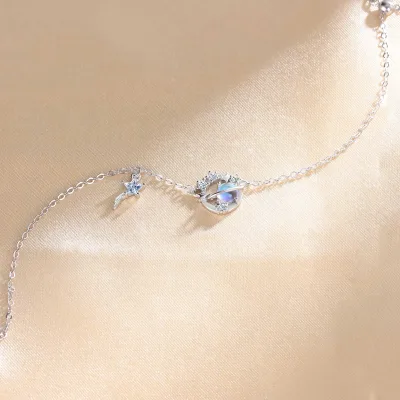
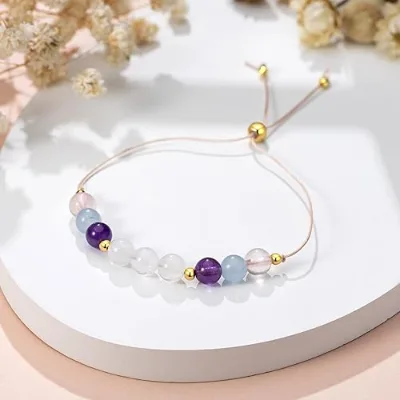
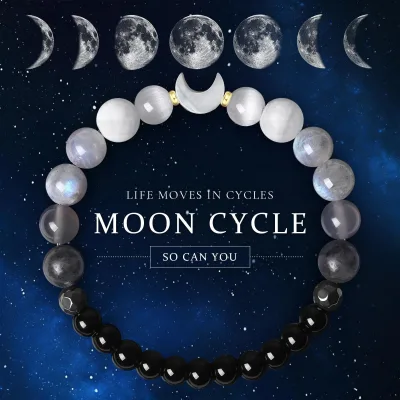
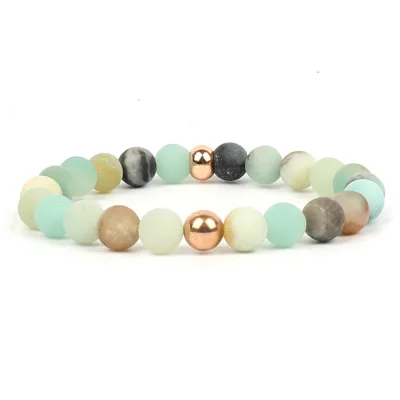
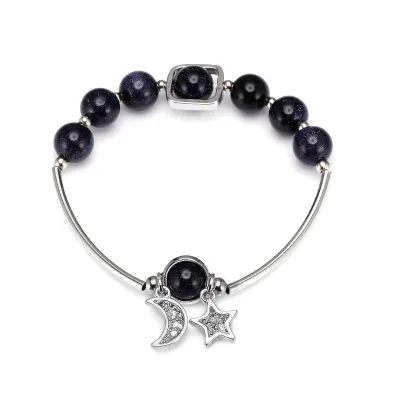
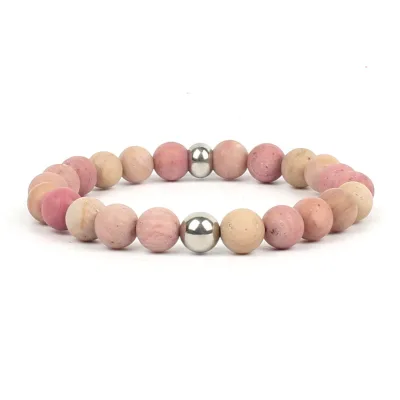
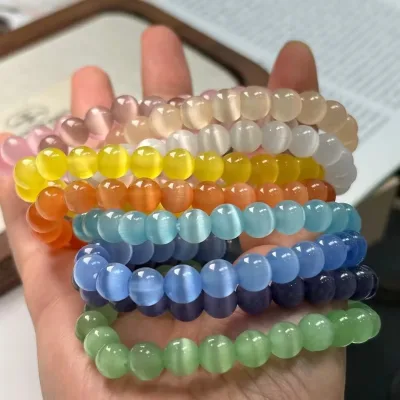
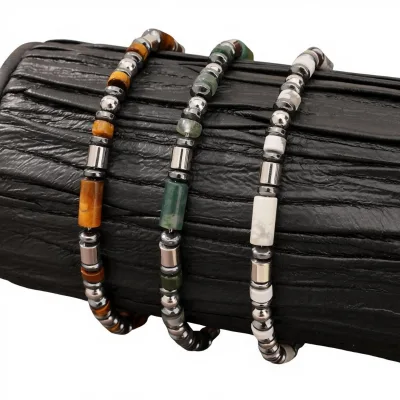
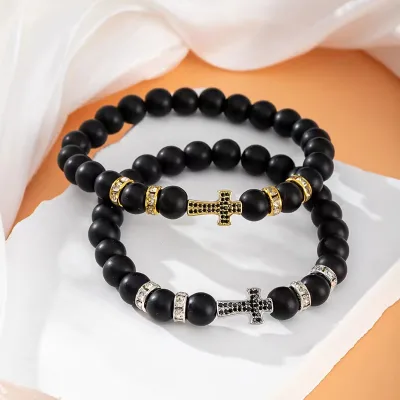
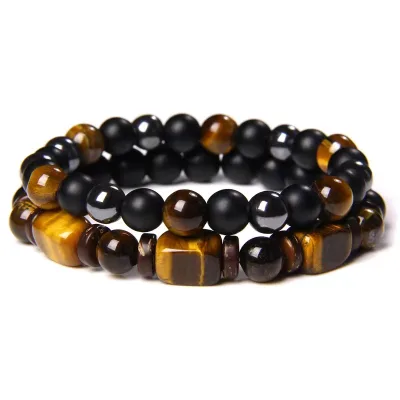


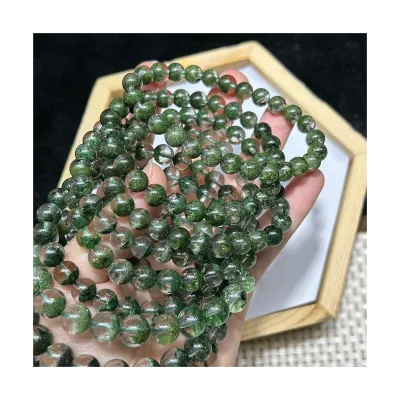
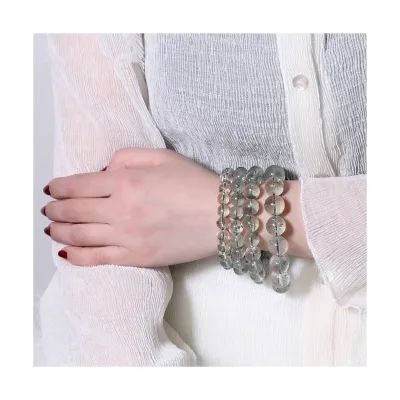
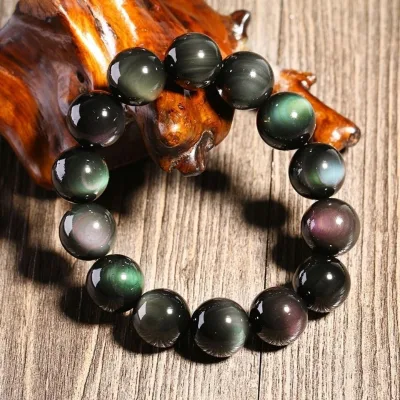
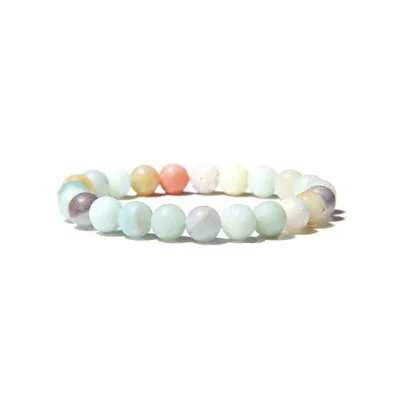
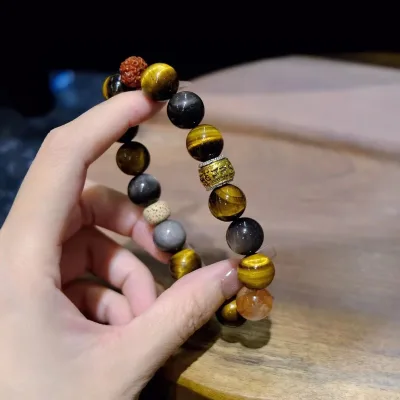
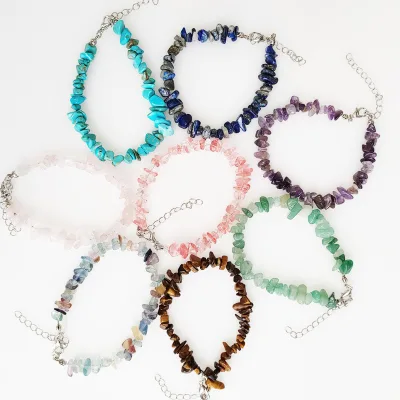


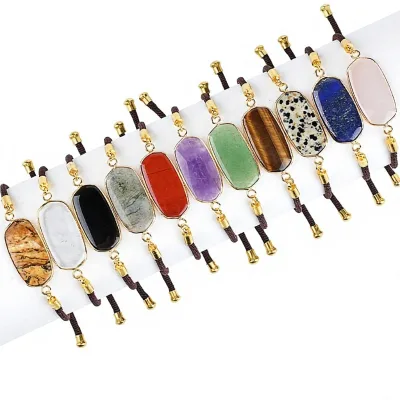
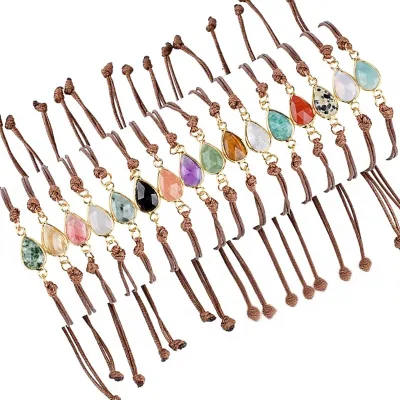
Comprehensive Sourcing Guide
GTC Certified Moonstone Bracelet Supplier Concentration and Factory Types
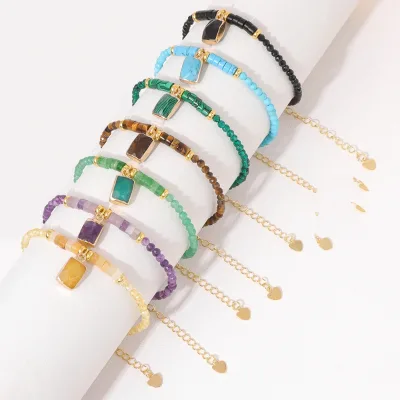
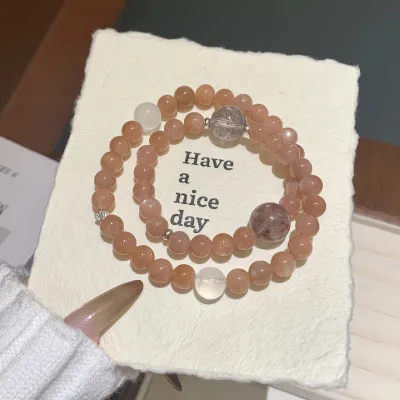
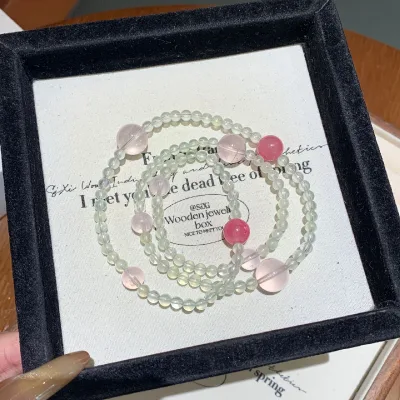
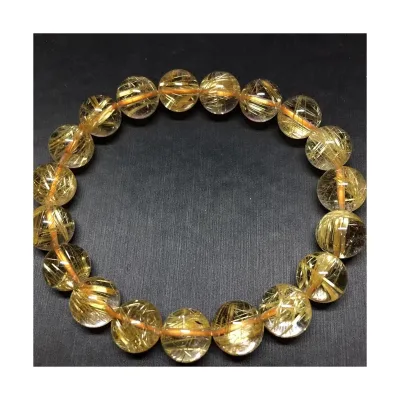
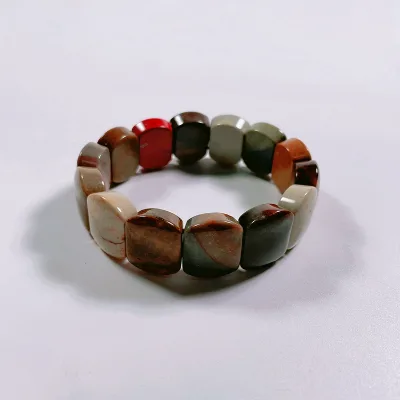
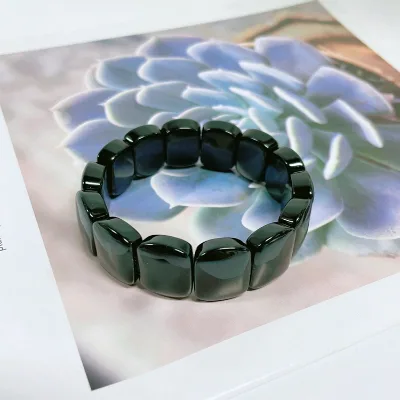
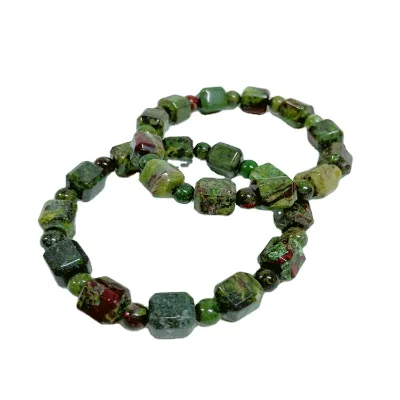
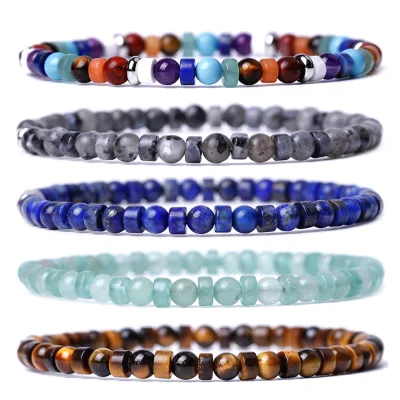
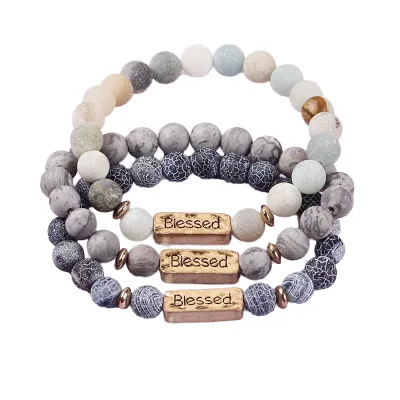
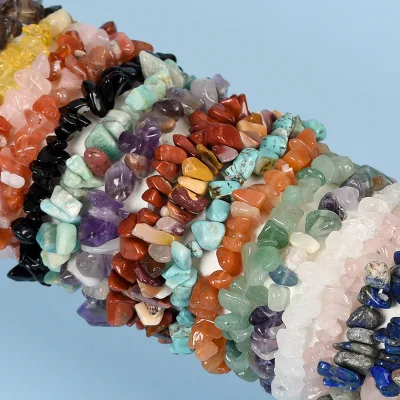
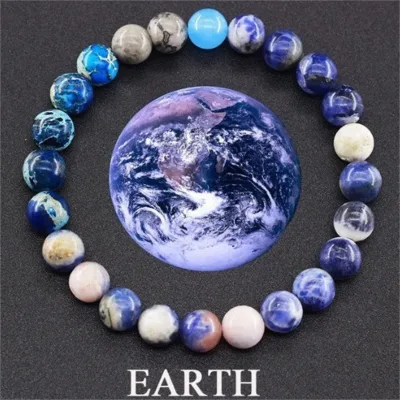
Buyers searching for gemstone bracelets on B2B platforms will encounter suppliers concentrated in a small number of Chinese provinces, and the current results point to two of them: Guangdong and Zhejiang. Guangdong-based listings in this set include natural stone healing crystal bracelets and 18K gold plated adjustable designs, with the products themselves recorded as originating in Guangdong, China. Zhejiang-based listings include handmade rainbow moonstone friendship bracelets, amethyst square pendant yoga bracelets, and baroque-style moonstone pieces. Both provinces appear repeatedly across the product records, which makes them the practical starting regions when filtering by origin on any sourcing platform.
The supplier mix is also worth noting. The visible company types include a trading company specializing in gemstone, stainless steel, CZ, pearl and alloy jewelry, as well as combined-type operations that list bangles, wrist bands, bracelets and fashion jewelry as main products. One listing carries an ODM research-and-development capability label, indicating design-for-manufacture support rather than pure catalog resale. Buyers should treat company type as a screening dimension: a trading company may aggregate designs from multiple workshops, while a combined or manufacturer-type operation may control production directly. Because the certification field for at least one supplier shows no system certification on record, buyers cannot assume factory-level quality systems are in place and should verify independently before committing to tooling or exclusive designs.
How to Verify GTC Certified Moonstone Bracelet Suppliers
Verification should begin with whatever the platform displays and continue with evidence the buyer requests directly. In this result set, one supplier carries an SGS verification badge, which is a third-party verification signal rather than a product certification. At least one product listing cites certificate type STS in its attributes, while another references BSCI, SGS, BV and Intertek certificates in its specification block, and a separate record notes nickel and lead free testing. These are listing-level claims, not audited facts about your order, so ask each supplier for copies of the certificates named and check certificate numbers against the issuing body where possible.
For a gemstone bracelet, material claims deserve special scrutiny because "moonstone," "cat's eye stone" and "natural crystal" can describe anything from genuine gem material to dyed glass. Request material composition details in writing, ask whether the stones are natural or treated, and consider commissioning an independent gemological test on pre-production samples. Also verify the operational basics: response time in the results ranges from roughly 7 hours to more than 23 hours, which signals large differences in communication speed that will affect every later step. Ask for a sample before bulk production, confirm the sample matches the listed specification such as the 19cm length or 45cm+5cm standard shown in current records, and confirm that any certification language you plan to print on packaging is one the supplier can actually document.
What to Compare Across GTC Certified Moonstone Bracelet Suppliers
Build a comparison sheet using the attributes actually displayed on supplier profiles, then fill gaps through direct questions. The current records expose usable dimensions: lead time, minimum order quantity, response speed, location, main products, company type and verification status. Lead times in this set run from 7 days to 15 days to 23 days, a spread wide enough to change your restocking calendar materially. Minimum order quantities vary too: one cat's eye stone bracelet lists an MOQ of 50 pieces, a stainless steel gold-plated design lists 100 pieces, a moonstone bracelet lists 200 pieces, and another record shows 60 pieces at a price of roughly $1.85 to $2.46 per unit, with a lower-priced crystal bracelet band at about $1.25 to $2.96.
Response time is a second high-signal metric: recorded figures range from about 7 hours to about 10 hours to over 23 hours. Location matters for consolidation if you plan to source complementary jewelry from multiple suppliers in the same province. Main products tell you whether gemstone bracelets are a core line or a side catalog entry; one supplier lists gemstone, stainless steel, CZ, pearl and alloy jewelry, while another lists bangles, wrist bands and fashion jewelry generally. Do not assume every supplier displays every attribute, and never compare an establishment year that is not shown. Where a field is blank, treat it as an open question for the supplier rather than a weakness or a strength.
Common GTC Certified Moonstone Bracelet Sourcing Risks
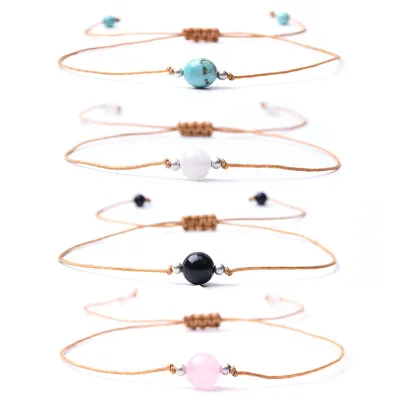
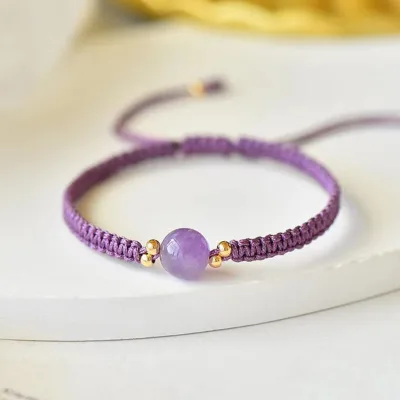
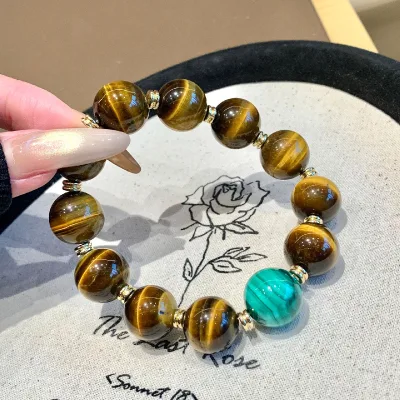
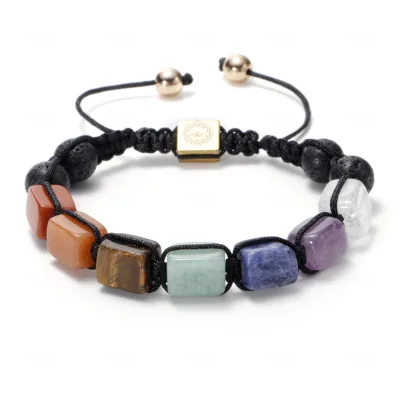
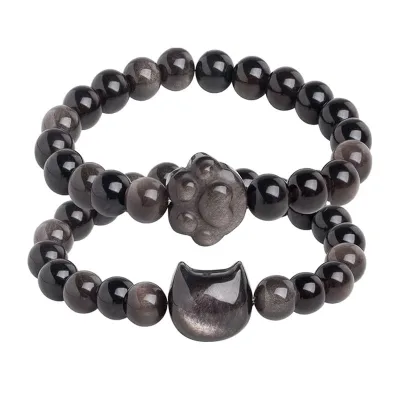
The most significant risk in this category is stone authenticity. Listings use terms such as natural stone, rainbow moonstone, cat's eye stone, moonlight charm and natural crystal, but a product name is not a gemological guarantee. Some records describe main stones as rainbow moonstone, black onyx or rose quartz and offer color variants including amethyst, garnet, lapis lazuli, blue turquoise, blue jade and freshwater pearl. A supplier substituting treated or synthetic material at the same price point is a realistic scenario, so require written material declarations and reserve the right to test received goods.
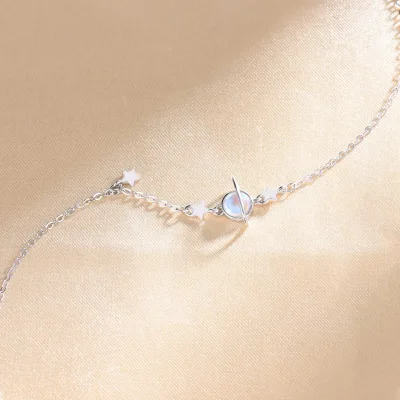
A second cluster of risks sits in specification drift. Current listings show selling units of a single item in one case and a multiple of 10 items in another, plating described as antique silver or silver plated in one record and 18K gold plated in another, and materials listed variously as stainless steel, jade and alloy. One product title mentions earrings while its attributes describe a bracelet, which is exactly the kind of listing inconsistency that leads to wrong goods. Pricing spreads are wide, from about $1.25 to $9.96 across the visible records, so a low quote may reflect a different material, plating thickness or construction. Also note that a listing citing nickel and lead free testing still requires documentation for your target market, and that system certification showing NIL on one profile means no audited management system should be presumed.
GTC Certified Moonstone Bracelet Regional Sourcing and Logistics
The confirmed sourcing regions in the current results are Guangdong and Zhejiang, and both appear as the stated place of origin on individual product records as well as in supplier location fields. Guangdong records include the natural stone healing crystal bracelet and the 18K gold plated adjustable bracelet, while Zhejiang records include the handmade rainbow moonstone bracelet, the amethyst yoga bracelet, the blue and white moonstone designs and the baroque-style piece. Zhejiang also appears as the origin for a trading company whose main products span gemstone, stainless steel, CZ, pearl and alloy jewelry, which suggests the province hosts both makers and aggregators.
For logistics planning, use the recorded lead times as a baseline: 7 days, 15 days and 23 days appear across the current suppliers, so even domestic Chinese production windows differ by more than three weeks between vendors. Add sample transit, your inspection time and international freight on top of these figures, and ask each supplier to state the lead time that applies specifically to your quantity, color variants and any customized logo work, since customization is listed as available on several records. Packaging details matter for gemstone jewelry: one listing specifies each piece in an OPP bag with a batch package of 8 by 8 by 1 cm and a gross weight of 0.060 kg per batch, figures you should confirm against your own freight calculations rather than reuse blindly.
GTC Certified Moonstone Bracelet Commercial Terms and Order Planning
Order planning should start from the MOQ and pricing data visible on listings, then be renegotiated for your specific configuration. Current records show MOQs of 50, 60, 100 and 200 pieces, and unit prices spanning roughly $1.25 to $2.96 for cat's eye and crystal designs, $1.85 to $2.46 for an elastic moonstone bracelet, $1.86 to $3.85 for a stainless steel gold-plated bangle-style piece, and $3.89 to $9.96 for a higher-spec moonstone bracelet. Several records state that customization is available with a customized logo, and samples are listed as available, so budget for sample fees and confirm whether sample cost is credited against a later bulk order.
On commercial terms, prefer payment structures that keep funds protected until inspection, and ask each supplier what escrow or trade-assurance arrangements they support rather than assuming coverage. Confirm Incoterms, who arranges freight, and how the multiple-of-10 selling unit on one Zhejiang listing affects your invoice quantity. Record every agreed specification in a purchase order appendix: stone type and treatment, plating, length such as 19cm or 18cm or 45cm+5cm as shown in current records, packaging per OPP bag, and certificate copies. Finally, align order timing with the quoted lead time of 7 to 23 days plus shipping, and build in buffer for color-variant production, since listings here advertise many stone colors that may not all be stocked at equal depth.
FAQs
What is the typical lead time for moonstone bracelets?
Manufacturers in China report lead times ranging from 7 to 23 days depending on order volume and customization needs. Suppliers in Zhejiang often offer faster turnaround times around 7 days, while Guangdong-based factories may require up to 23 days for production. Buyers should confirm specific timelines with their chosen supplier before placing bulk orders to ensure timely delivery.
What is the minimum order quantity for these bracelets?
Minimum order quantities vary significantly across suppliers, typically ranging from 50 to 200 pieces. Some manufacturers accept orders as low as 50 pieces, while others require a minimum of 100 or 200 units. Buyers should verify the specific MOQ with each supplier, as it directly impacts pricing tiers and production scheduling for custom or standard moonstone bracelet orders.
Are samples available for moonstone bracelet orders?
Yes, many suppliers indicate that samples are available for quality verification before bulk production. Buyers can request samples to check material quality, such as natural stone or stainless steel, and plating finishes. Sample availability allows buyers to assess craftsmanship and ensure the product meets their specific design requirements before committing to larger wholesale orders.
What certifications do these suppliers hold?
Supplier certifications vary, with some holding SGS verification and others possessing BSCI, BV, or Intertek certificates. Specific products may also carry STS certificate types. Buyers should request current certification documents to verify compliance with international standards, especially for jewelry containing metals or gemstones, to ensure ethical sourcing and material safety for their target markets.
What is the price range for moonstone bracelets?
Prices for moonstone bracelets generally range from $1.25 to $9.96 per unit, depending on materials and complexity. Simple elastic bracelets may cost around $1.25 to $2.96, while more intricate designs with gold plating or specific gemstones can reach higher price points. Buyers should compare quotes based on their desired material, customization level, and order quantity to find the best value.
Can I customize the logo on these bracelets?
Customization is available from many suppliers, including options for customized logos on the bracelets or packaging. Buyers can often request specific styles, materials, and packaging solutions to match their brand identity. It is important to discuss customization details, such as logo placement and method, with the supplier to ensure feasibility and understand any additional costs or minimum order requirements.