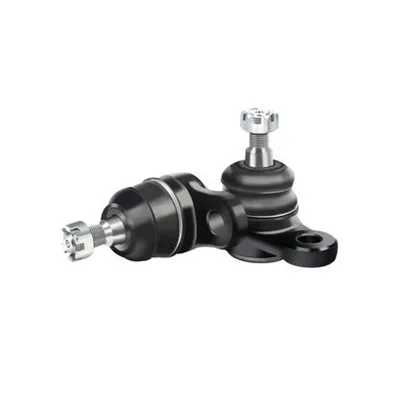
GWM Poer Ball Joint Assembly Suppliers and Manufacturers
Source 16 verified suppliers for GWM Poer Ball Joint Assembly. Compare locations in China, certifications like ISO and TS 16949, lead times, and MOQs. Contact suppliers directly to request quotes and verify OEM specifications; review the available evidence before requesting comparable quotations from suitable candidates.
Suppliers List

Guangzhou Lingyue Auto Parts Co., Ltd.
- Verified by TUVRHEINLAND
- Trading Company,Manufacturer/Factory
- China Guangdong
- Lead time15 days
- Avg. response≤ 6h
Main productsJapanese Car Auto Parts, Auto Lamp, Bumper, Auto Parts, Brake Pads, Shock Absorbers, Bearing, Control Arm, Steering Pump, Turbo
Main marketsSouth America,Eastern Europe,Mid East,North America,Southeast Asia,Eastern Asia,Oceania,Western Europe,Africa

Anhui Heshun Automobile Parts Co., Ltd.
- Verified by SGS
- Combined
- China Anhui
- Lead time30 days
- Avg. response≤ 5h
Main productsBall Joint
Main marketsDomestic

Ningbo Joy International Trade Co., Ltd.
- Verified by BV
- Trading Company
- China Zhejiang
- Lead time30 days
- Avg. response≤ 6h
Main marketsEurope

Guangzhou PSQ Auto Parts Co.,Ltd.
- Verified by SGS
- Trading Company
- China Guangdong
- Lead time30 days
- Avg. response≤ 6h
Main productsAuto Parts, Car Shock Absorber, Exterior Parts, Car Wheel Hub Bearing, Chassis Parts, Car Spare Parts, Control Arms, Air Suspension, CV Joints, Drive Shafts
Main marketsAfrica

Bengbu Smk Auto Parts Co., Ltd.
- Verified by BV
- Trading Company,Manufacturer/Factory
- China Anhui
- Lead time45 days
- Avg. response≤ 8h
Main productsTesla Parts, Control Arm, Suspension Parts, Steering Parts, Tie Rod End, Sway Bar Link, Steering Knuckle, BMW Parts
Main marketsSouth America,Eastern Europe,North America

Chongqing Kisda Technology Co., Ltd.
- Verified by SGS
- Trading Company
- China Chongqing
- Lead time15 days
- Avg. response≤ 3h
Main productsCar Parts, Auto Parts, Car Spare Parts, Auto Spare Parts
Main marketsAfrica,Domestic

John Fu import and export trading Baoding Co., Ltd
- Trading Company
- Hebei, China
- Lead time30 days
- Avg. response≤ 4h
Main productsGreat Wall Auto Parts,WINGLE 5 Auto Parts,HAVAL JOLION Auto Parts,GWM POER Auto Parts,HAVAL H6 Auto Parts
Main marketsSoutheast Asia(40.00%), South America(20.00%), Eastern Europe(20.00%), Mid East(10.00%), Africa(10.00%)

Guangzhou Tianren Import and Export Co., Ltd.
- Verified by SGS
- Trading Company
- China Guangdong
- Lead time15 days
- Avg. response≤ 20h
Main productsAuto Part
Main marketsSoutheast Asia/ Mideast,Europe,North America

Ningbo Tsy Auto Parts Co., Ltd.
- Manufacturer/Factory
- China Zhejiang
- Lead time45 days
- Avg. response≤ 5h
Main productsSuspension Parts, Tie Rod End, Stabilizer Link, Rack End, Ball Joint, Control Arm, Shock Absorber, Drive Shaft, Bushing, Strut Mounting
Main marketsSouth America,Eastern Europe,North America,Western Europe,Africa

TAIZHOU DONGNA MECHANICAL&ELECTRICAL CO., LTD
- Combined
- China Zhejiang
- Lead time30 days
- Avg. response≤ 4h
Main productsBall Joint, Tie Rod End, Axial Joint Rack End, Stabilizer Link Sway Bar Link, Control Arm, Steering Rack, Shock Absorber
Main marketsAfrica,Southeast Asia/ Mideast,Domestic,Europe,Australia,North America

Micro Ball Joint for GM Chevrolet K6344, K6454
MOQ: 300 Pieces


Suspension Ball Joint for VW Polo Fox OEM 6q0 407 365 E
MOQ: 300 Pieces

Suspension Parts Ball Joint for Land Rover OEM K500059
MOQ: 300 Pieces

Guangzhou Gangzheng Automobile Parts Co.,Ltd.
- Verified by BV
- Manufacturer/Factory
- China Guangdong
- Lead time15 days
- Avg. response≤ 3h
Main productsShock Absorber, Clutches, Brake Disc, Brake Pads, Electronic Fuel Injection System Parts, Engine Assembly, Headlamp, Aluminium Wheel
Main marketsSouth America,Eastern Europe,Mid East,North America,Southeast Asia,Eastern Asia,Oceania,Western Europe,Africa

$6.00 - $7.00
MOQ: 10 Pieces

$1.75 - $2.15
MOQ: 100 Pieces
Biste (Guangzhou) Auto Parts Co., Ltd.
- Manufacturer, Trading Company, Buying Office
- Guangdong, China
- Lead time0 days
- Avg. response≤ 4h
Main productsCar chassis transmission system,Auto body covering,Car lighting system,Car overlay system,Car exterior trim system
Main marketsNorth America(30.00%), Southeast Asia(20.00%), South Asia(10.00%), Western Europe(10.00%), Mid East(10.00%), South America(10.00%), Eastern Europe(10.00%)
Hebei Haolu Auto Parts Co., Ltd.
- Manufacturer, Trading Company
- Hebei, China
- Lead time10 days
- Avg. response≤ 2h
Main productsGreat Wall All Spare Parts,Chery All Spare Parts,Geely All Spare Parts,Zxauto All Spare Parts,JAC All Spare Parts
Main marketsMid East(30.00%), South America(30.00%), Eastern Europe(20.00%), Domestic Market(5.00%), South Asia(5.00%), Africa(5.00%), Oceania(5.00%)

Sichuan Mighty Machinery Co., Ltd.
- Verified by BV
- Trading Company
- China Sichuan
- Lead time23 days
- Avg. response≤ 4h
Main productsShock Absorber, Control Arm, Ball Joint, Tie Rod End, Steering Rack, Wheel Hub Bearing, Car Radiators, Condensers, Car Air Filters Oil Filters, Car Sensors
Main marketsSouth America,Southeast Asia/ Mideast,Europe,Australia,North America

Guangzhou Brace Auto Parts Co., Ltd.
- Verified by BV
- Trading Company
- China Guangdong
- Lead time23 days
- Avg. response≤ 9h
Main productsAuto Parts, Engine, Radiator, Brakeswindshield, Taillights, Headlights, Shock Absorber, Resonator, Rear Axle, Alternator
Main marketsSouth America,Eastern Europe,Mid East,North America,Southeast Asia,Eastern Asia,Oceania,Western Europe,Africa
Guangzhou Gangzheng Automobile Parts Co., Ltd.
- Trading Company
- Guangdong, China
- Lead time7 days
- Avg. response≤ 4h
Main productsCar Engine, Car Gearbox, Car Door, Car Bumper, Car Headlamp
Main marketsDomestic Market(80.00%), Southeast Asia(6.00%), Africa(5.00%), South America(4.00%), Mid East(4.00%), Eastern Europe(1.00%)




Comprehensive Sourcing Guide
GWM Poer Ball Joint Assembly Supplier Concentration and Factory Types
When sourcing GWM Poer ball joint assemblies, buyers should first map the geographic distribution of potential partners. Current data indicates a significant presence in Guangdong, China, where suppliers often operate as trading companies or manufacturers. This region is known for its dense automotive supply chain, facilitating easier access to related components like steering pumps and brake pads. However, other regions, such as Anhui, also host specialized manufacturers focusing on suspension systems. It is crucial to distinguish between pure manufacturers and trading companies, as the latter may offer broader product ranges but less direct control over production quality. Buyers should verify the actual production site if the listed entity is a trading company, ensuring that the factory holds the necessary certifications for automotive-grade steel components.
Understanding the factory type is essential for assessing long-term reliability. Manufacturers typically offer OEM and ODM capabilities, allowing for custom specifications tailored to specific vehicle models. In contrast, trading companies may aggregate products from various factories, which can complicate quality consistency. For GWM Poer specific parts, such as upper and lower arm ball joints, direct manufacturer engagement often yields better technical support and faster response to design changes. Buyers should request factory audits or video tours to confirm production capabilities. Additionally, checking if the supplier handles other suspension components like control arms or tie rods can indicate their specialization depth. A supplier focused solely on ball joints may have deeper expertise in joint geometry and material fatigue testing, which is critical for heavy-duty pickup trucks like the Poer.
How to Verify GWM Poer Ball Joint Assembly Suppliers
Verification begins with checking third-party audit reports. Suppliers in this category often hold certifications such as ISO 9001, ISO 14001, and TS 16949, which are standard for automotive parts. However, the presence of a certificate alone is insufficient; buyers must verify the scope of the certification to ensure it covers ball joint manufacturing. Some suppliers may display multiple certifications, including BSCI or OHSAS 18001, indicating broader compliance with social and environmental standards. Buyers should request copies of these certificates and cross-reference them with issuing bodies. If a supplier claims verification by entities like TUV Rheinland or SGS, the buyer should confirm the validity of the report and the date of the last audit. Outdated reports may not reflect current production conditions.
Beyond paperwork, physical verification is critical. Buyers should request sample units for destructive testing, including torque resistance and fatigue cycles, to ensure the steel material meets automotive standards. Since GWM Poer vehicles operate under heavy loads, the ball joints must withstand significant stress. Buyers can also verify the supplier’s response time and lead time through trial orders. A response time of around five hours suggests active sales support, while a lead time of fifteen days indicates efficient production scheduling. If the supplier offers escrow services, this adds a layer of financial security. Buyers should also check if the supplier has a history of exporting to similar markets, as this indicates familiarity with international logistics and documentation requirements.
What to Compare Across GWM Poer Ball Joint Assembly Suppliers
When comparing suppliers, lead time is a primary differentiator. Some suppliers offer lead times as short as fifteen days, while others may require thirty days or more. This variance depends on inventory levels and production capacity. Buyers with urgent restocking needs should prioritize suppliers with shorter lead times, even if the unit price is slightly higher. Conversely, buyers planning large-volume orders may negotiate longer lead times in exchange for better pricing. MOQ is another critical factor; some suppliers set MOQs at 20 units, while others require 100 units. Lower MOQs are beneficial for testing new suppliers or small-batch orders, whereas higher MOQs may offer lower per-unit costs for established buyers.
Response speed and communication efficiency also impact the sourcing experience. Suppliers with response times under five hours are generally more responsive to inquiries and issues. Buyers should evaluate the clarity and technical depth of supplier responses during the initial negotiation phase. Additionally, comparing the range of main products can reveal a supplier’s specialization. A supplier listing only ball joints may have deeper expertise in this component, while a broader supplier might offer one-stop shopping for multiple suspension parts. Buyers should also consider the supplier’s location, as proximity to ports can reduce shipping costs and transit times. Finally, checking if the supplier offers customization options, such as specific packaging or labeling, can be important for brand consistency.
Common GWM Poer Ball Joint Assembly Sourcing Risks
One significant risk is material inconsistency. Ball joints are typically made from steel, but the grade and heat treatment can vary between suppliers. Using inferior steel can lead to premature failure, especially in heavy-duty applications like the GWM Poer. Buyers should request material test reports and verify the steel grade against automotive standards. Another risk is counterfeit or non-OEM parts. Some suppliers may sell parts that look similar to OEM components but lack the precise tolerances and durability. Buyers should verify the OEM part numbers, such as 2904100XPW01A, to ensure compatibility. Mislabeling can lead to fitment issues and safety hazards.
Logistical risks also play a role in sourcing. Delays in shipping or customs clearance can disrupt supply chains. Buyers should confirm the supplier’s experience with international shipping and their ability to provide complete documentation, including certificates of origin and inspection reports. Additionally, currency fluctuations can impact pricing, especially for long-term contracts. Buyers should consider locking in exchange rates or using hedging strategies. Another risk is supplier insolvency or production disruptions. Diversifying the supplier base can mitigate this risk. Buyers should maintain relationships with multiple suppliers to ensure continuity. Finally, intellectual property risks should be considered, especially if custom designs are involved. Buyers should ensure that their designs are protected and that suppliers agree to confidentiality terms.
GWM Poer Ball Joint Assembly Regional Sourcing and Logistics
Regional sourcing impacts both cost and logistics. Suppliers in Guangdong, China, benefit from a well-developed automotive supply chain, which can reduce component sourcing costs. However, shipping from Guangdong to certain destinations may be longer than from other regions. Buyers should calculate total landed costs, including freight, insurance, and duties, to determine the most cost-effective sourcing region. Suppliers in Anhui may offer competitive pricing due to lower labor costs, but logistics may be more complex. Buyers should evaluate the proximity of suppliers to major ports, as this affects shipping times and costs. For example, suppliers near Guangzhou or Shanghai may have easier access to international shipping routes.
Logistics planning should include buffer times for potential delays. Buyers should work with suppliers to establish clear delivery schedules and penalty clauses for late deliveries. Additionally, buyers should consider the packaging requirements for ball joints, as these components are sensitive to damage during transit. Standard export packing is common, but buyers may require additional protective packaging for high-value orders. Buyers should also verify the supplier’s ability to handle partial shipments or split orders, which can be useful for managing inventory levels. Finally, buyers should consider the environmental impact of logistics, as some regions may have stricter regulations on emissions and waste. Choosing suppliers with sustainable logistics practices can align with corporate social responsibility goals.
GWM Poer Ball Joint Assembly Commercial Terms and Order Planning
Commercial terms should be clearly defined to avoid disputes. Payment terms, such as T/T, are common in this industry, but buyers should negotiate terms that balance risk and cash flow. For example, a 30% deposit and 70% balance before shipment is a standard structure. Buyers should also consider using escrow services for additional security, especially when dealing with new suppliers. Pricing should be based on quantity, with discounts for larger orders. Buyers should request detailed price lists that include unit prices, MOQs, and any additional fees for customization or packaging. It is important to clarify whether prices are FOB, CIF, or DDP, as this affects who bears the shipping and insurance costs.
Order planning should align with production schedules and inventory levels. Buyers should forecast demand based on sales data and seasonal trends. For GWM Poer ball joints, demand may fluctuate with vehicle production cycles. Buyers should maintain safety stock to buffer against supply disruptions. Additionally, buyers should establish a quality control plan, including incoming inspection and periodic audits. This ensures that each batch meets the required specifications. Buyers should also plan for after-sales support, such as warranty claims and technical assistance. A clear communication channel with the supplier is essential for resolving issues quickly. Finally, buyers should review and update commercial terms annually to reflect market changes and evolving business needs.
FAQs
What is the typical MOQ for GWM Poer ball joint assemblies?
MOQs vary by supplier and product listing. Some listings for Great Wall Poer ball joints and tie rod assemblies show a minimum order of 100 pieces, while one tie rod end listing lists an MOQ of 20 pieces. Confirm the exact quantity with each supplier before ordering, since custom or OE-number-specific parts may carry different minimums than stock items.
How long does production and delivery usually take?
Lead times in current supplier results range from about 15 days to 30 days depending on the supplier. In-stock items such as some tie rod assemblies marked as available in stock can ship sooner. For customized ball joints or large orders, expect the longer end of that range and confirm the schedule in writing before placing a deposit.
Which certifications should I check before ordering?
Look for ISO 9001 quality management certification and, for automotive components, TS 16949 as a strong indicator of consistent production. Some listings also reference ISO and CE marks, and product attributes mention standards like DOT, GB, and JIS. Several suppliers in the results are third-party verified through TUV Rheinland or SGS, so request current certificate copies directly.
Can suppliers produce custom or OE-number ball joints for the Poer?
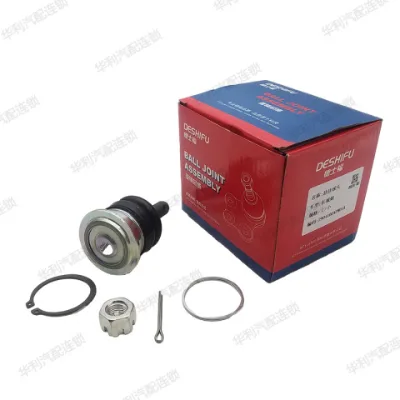
Yes, customization is available on multiple listings, and suppliers in the results list OEM and ODM capability. Listings for Great Wall Poer ball joints carry specific OE numbers such as 2904100XPW01A, 2904109XPW01A, and 3411111XPW01A. Share your required OE number, drawings, or samples with the supplier and confirm tooling costs, tolerance requirements, and approval samples before mass production.
What materials and specifications are common for these ball joints?
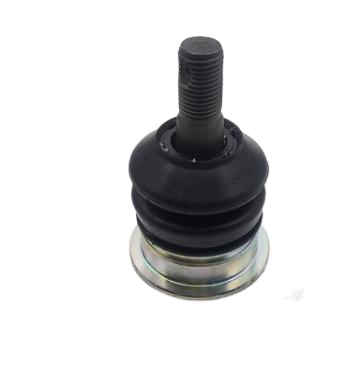
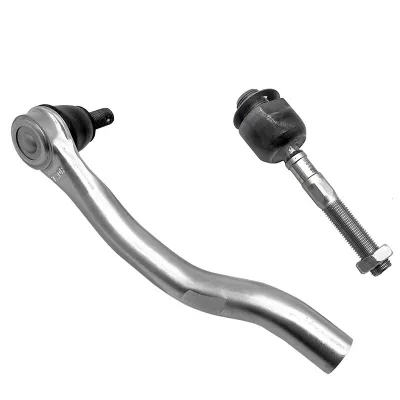
Steel is the standard material across the relevant listings, with black or silver finishes and standard production specifications. Upper and lower arm ball joints, inner steering rack ball joints, and tie rod assemblies are all represented, with weights around 0.73 to 0.85 kilograms for comparable suspension ball joints. Always verify material grade and hardness test reports against your Poer application.
What price range can I expect per unit?
Listed unit prices in the results range roughly from 1.85 to 3.70 US dollars depending on the part and supplier. Some Great Wall Poer listings state that unit price depends on order quantity. Ball joint assemblies for other vehicle brands fall between about 1.94 and 3.53 dollars. Treat these as indicative and request quotations against your exact OE number and volume.
How quickly do suppliers respond to inquiries?
Average response times in the current results are about 4.10 hours to 5.35 hours. Response speed can vary with time zones in Guangdong and Anhui, where the listed suppliers are based. Send a detailed inquiry with your OE number, target quantity, and destination port, and evaluate responsiveness as part of your supplier shortlisting process.
Where are the listed suppliers located and how do they ship?
The suppliers appear in Guangdong and Anhui provinces in China, with Guangzhou noted as the origin on several Poer ball joint listings. Goods are packed in standard export packing, and some tie rod assemblies are listed as in stock for faster dispatch. Confirm shipping terms, port of loading, and freight options with each supplier when requesting your quotation.