Find 3 Gallon Aluminum Air Tank Suppliers and Manufacturers
Compare 10 verified suppliers of the 3 Gallon Aluminum Air Tank across location, supplier type, response time, lead time, certifications, and customization options. Review the grounded profiles here, then contact shortlisted factories to request samples and quotes; review the available evidence before requesting comparable quotations from suitable candidates.
Suppliers List

Xiamen Lahoo Auto Parts Co., Ltd.
- Verified by SGS
- Trading Company
- China Fujian
- Lead time15 days
- Avg. response≤ 5h
Main productsLeaf Spring, Trailer Axle, Trailer Suspension, Air Tank, Trailer Jack, Landing Gear, Wheel Rim, Trailer Turntable, Towing Eye, Twist Lock
Main marketsSouth America,East Asia(Japan/ South Korea),Europe,Australia,North America

Ningbo Alita Pneumatic Co., Ltd.
- Verified by TUVRHEINLAND
- Manufacturer/Factory
- China Zhejiang
- Lead time15 days
- Avg. response≤ 18h
Main productsPneumatic Cylinder, Solenoid Valve, Air Suspension Valve, Directional Valve, Air Preparation Unit, Pneumatic Fittings, PU PA PE Hose, Air Suspension Compressor, Pressure Gauge, Air Tank
Main marketsSouth America,Eastern Europe,Mid East,North America,Southeast Asia,Eastern Asia,Oceania,Western Europe,Africa
Huizhou Cartee Electric & Machinery Co., Ltd.
- Verified by Intertek
- Manufacturer, Trading Company
- Lead time45 days
- Avg. response≤ 10h
Main productsPortable Air Compressors, Hard mount Air Compressors, Air Accessories
Main marketsNorth America(40%), Western Europe(30%), South America(15%)
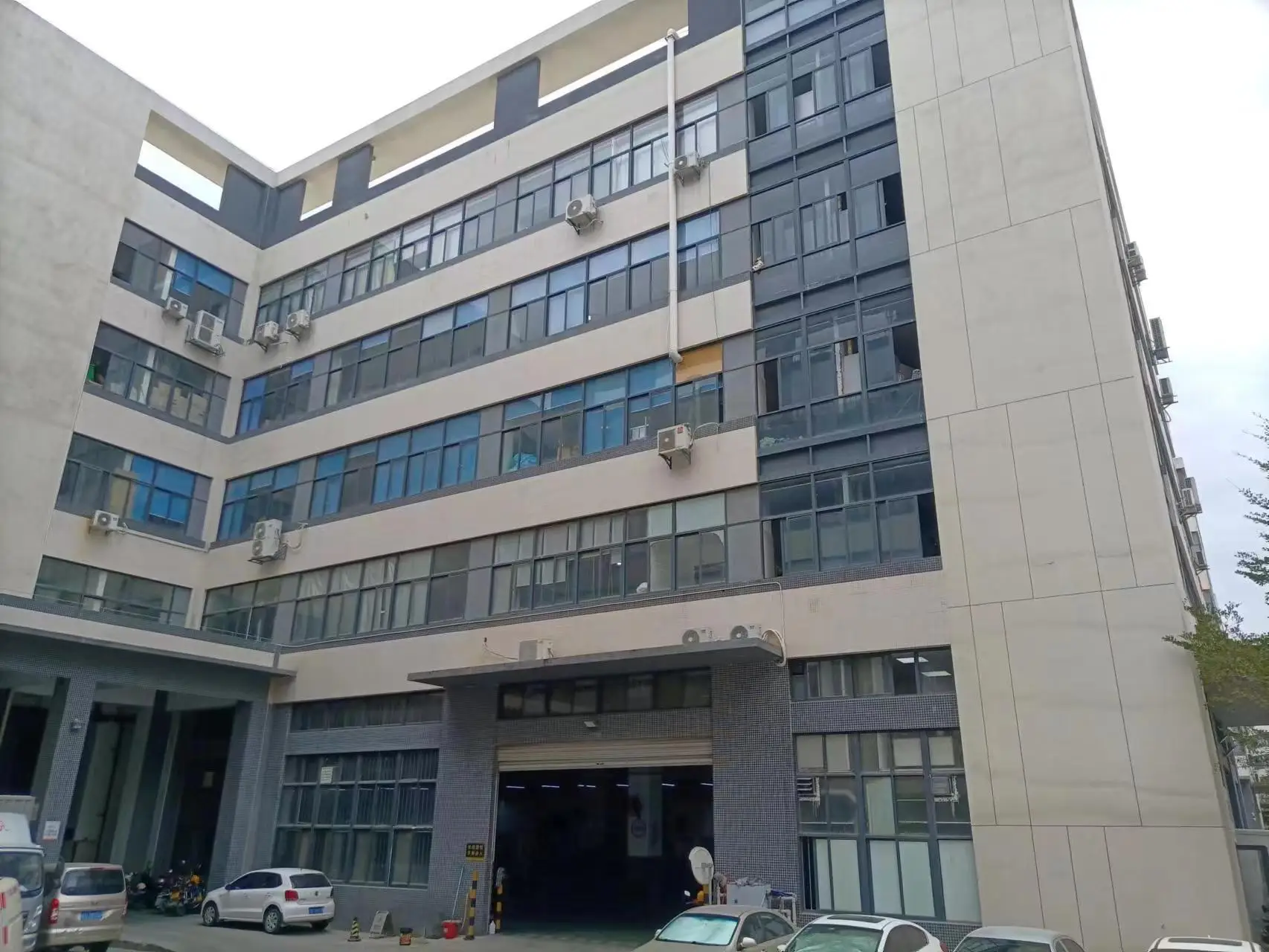
Xiamen Daytop Industrial Co., Ltd.
- Manufacturer, Trading Company
- Fujian, China
- Lead time25 days
- Avg. response≤ 2h
Main productsTrailer Axle,Leaf Spring,Suspension Parts,Air Tank,Trailer Jack
Main marketsNorth America(15.00%), Oceania(10.00%), Southeast Asia(10.00%), Eastern Europe(10.00%), South America(10.00%), Domestic Market(5.00%), South Asia(5.00%), Southern Europe(5.00%), Northern Europe(5.00%), Central America(5.00%), Western Europe(5.00%), Eastern Asia(5.00%), Mid East(5.00%), Africa(5.00%)
Shenzhen Depcon Auto Electronic Technology Co., Ltd.
- Verified by Intertek
- Manufacturer, Trading Company
- Lead time60 days
- Avg. response≤ 4h
Main productsAir Suspension, Motorcycle ABS, Automobile ABS
Main marketsNorth America(20%), South America(19%), Western Europe(12%)

Guangzhou Xiang Wei Automotive Equipment Co., Ltd.
- Verified by SGS
- Combined
- China Guangdong
- Lead time60 days
- Avg. response≤ 6h
Main productsTire Bead Seater, Tire Demounting Mounting Tool, Tire Inflator, Tire Service
Main marketsEast Asia(Japan/ South Korea),Europe
Xiamen Canglan Technology Co., Ltd.
- Verified by TüVRheinland
- Manufacturer, Trading Company
- Lead time0 days
- Avg. response≤ 3h
Main productsAluminium Air Tank, Fuel Tank, Muffler
Main marketsDomestic Market(60%), Southeast Asia(20%), North America(12%)
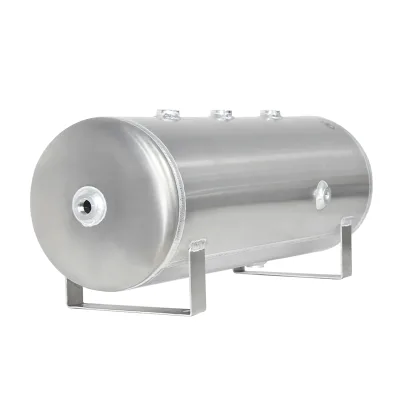
Custom Compressed & Aluminum&steel Compressor air tank Portable tank Customized Aluminum air tank
$16.32 - $20.40
MOQ: 10 pieces
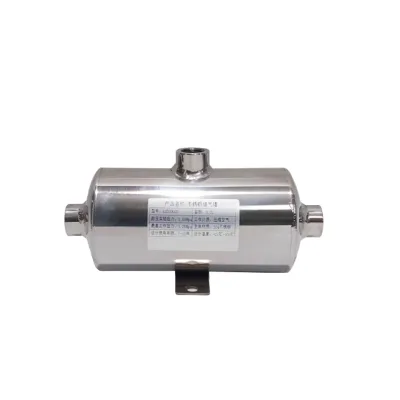
High-Pressure Stainless Steel Air Tank, Mini Air tank 0.3L, Customizable Designs Available
$12.36 - $17.36
MOQ: 10 pieces
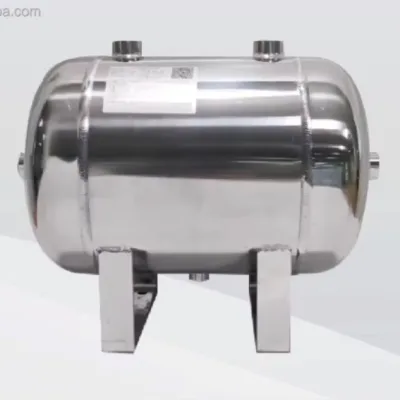
Durable SUS304 Stainless Steel Air Tank, 5L Capacity, Perfect for Various Applications
$19.47 - $27.70
MOQ: 10 pieces

Ningbo VPC Pneumatic Co., Ltd.
- Verified by CTI
- Combined
- China Zhejiang
- Lead time15 days
- Avg. response≤ 3h
Main productsPneumatic Cylinder, Solenoid Valves, Filter Lubrication and Regulator, Pneumatic Fitting, Air Hose, PU Tube, Metal Fitting, Pneumatic Components, Pneumatic, Air Cylinder
Main marketsSouth America,Africa,Southeast Asia/ Mideast,East Asia(Japan/ South Korea),Domestic,Europe,Australia,North America
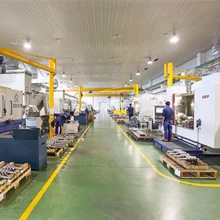
Guangzhou Aeomachine Equipment Co., Ltd.
- Manufacturer, Trading Company
- Guangdong, China
- Lead time10 days
- Avg. response≤ 1h
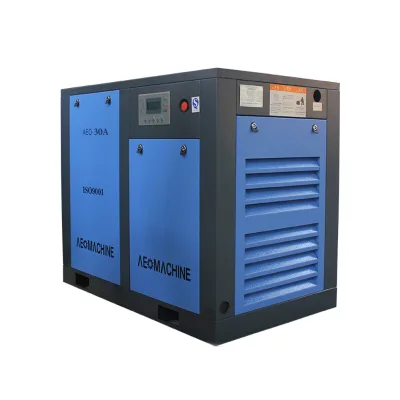
Main productsAir compressor,Screw air compressor,Air tank,Refrigerated compressed air dryer,Air filter
Main marketsDomestic Market(18.00%), Southeast Asia(14.00%), South Asia(13.00%), South America(11.00%), Mid East(9.00%), Eastern Asia(7.00%), Central America(5.00%), Southern Europe(5.00%), North America(5.00%), Africa(5.00%), Oceania(3.00%), Western Europe(2.00%), Eastern Europe(2.00%), Northern Europe(1.00%)

Olymtech Technology Development Co., Ltd.
- Verified by SGS
- Trading Company
- China Guangdong
- Lead time30 days
- Avg. response≤ 4h
Main productsAir Compressor, Screw Compressor, Compressor, Air Dryer, Oil Free Compressor, Rotary Air Compressor, Air Filter, High Pressure Air Compressor, Oxygen Generator, Nitrogen Generator
Main marketsAfrica,Others(foreignTradeCapacity.exportBusinessCapacityMarketOther),Southeast Asia/ Mideast,Domestic,Europe,Australia,North America






Comprehensive Sourcing Guide
3 Gallon Aluminum Air Tank Supplier Concentration and Factory Types
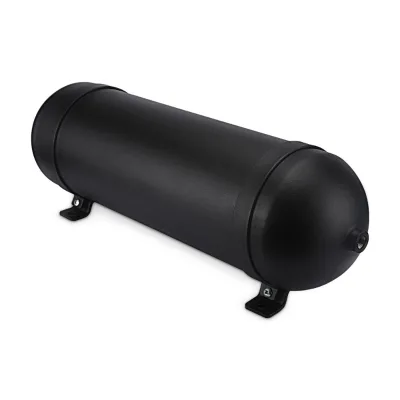
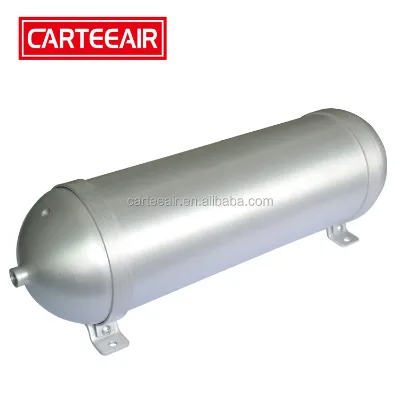
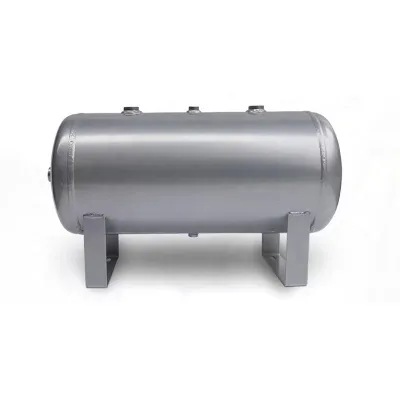
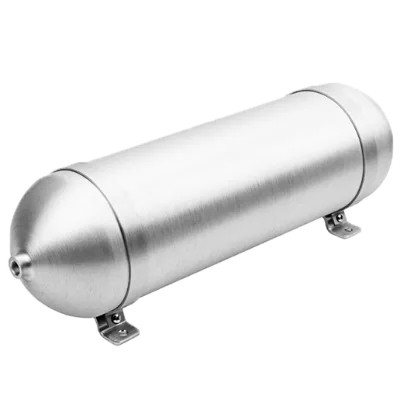
Sourcing for a 3 Gallon Aluminum Air Tank tends to cluster in China's coastal manufacturing provinces, where aluminum fabrication, welding capacity and trailer-component supply chains overlap. Results in this category show suppliers based in Fujian and Zhejiang, two provinces with established export infrastructure. Fujian-based sellers in these results list trailer parts as their main product range, including leaf springs, trailer axles, suspension components, landing gear and air tanks, which suggests the air tank is one item within a broader trailer-parts portfolio. Zhejiang-based suppliers, by contrast, list pneumatic products, air suspension compressors, valves, fittings and air tanks, positioning the tank as part of a pneumatic or air-suspension system line. Recognizing this difference helps you judge which supplier profile fits your need.
Company type is the second structural dimension. The Fujian profile in these results is labeled a trading company, meaning it aggregates or brokers products rather than manufacturing them directly, which can broaden catalog choice but adds a layer between you and the factory floor. The Zhejiang profile is labeled a manufacturer or factory with ISO 9001 system certification and OEM, ODM and own-brand capability. When you screen listings, always check whether the page states trading company or factory, because it changes who controls tooling, welding quality and production scheduling. If cluster information is not displayed, identify manufacturing regions by triangulating product catalogs, shipping ports and company type rather than assuming a location from product photos alone.
How to Verify 3 Gallon Aluminum Air Tank Suppliers
Verification starts with the platform's own signals, but none should be accepted as proof of manufacturing competence. In these results, one supplier carries SGS verification and another carries TÜV Rheinland verification; these are on-site inspection or audit bodies, and the scope of what was checked should be confirmed directly. System certifications also differ: one supplier shows ISO 9001 while another shows no system certification listed. For a pressure-bearing aluminum tank, absence of a displayed quality management certificate is a meaningful screening flag, not a disqualifier, but it means you must compensate with factory audits, sample testing and reference checks before committing volume.
Pressure vessels carry higher stakes than cosmetic trailer parts, so go beyond listing badges. Ask each supplier for welding procedure specifications, material certificates for the aluminum stock, and leak or burst test reports for the specific tank model. Request evidence of how welds are inspected, since a 3 gallon seamless or welded aluminum tank's failure mode is usually at a port or seam. Confirm the factory actually produces tanks by asking for a live video walkthrough of the welding and testing stations, not just finished-goods photos. Check business license scope to confirm pressure-vessel activity, and ask whether the tank design complies with the destination market's applicable pressure-equipment rules. Verify claimed certifications against the issuing body's database where possible, and record everything in your supplier file so that verification is repeatable across candidates.
What to Compare Across 3 Gallon Aluminum Air Tank Suppliers
Build a comparison sheet using only attributes actually displayed, and treat missing fields as questions to ask rather than facts to assume. Useful dimensions visible in this category include lead time, MOQ, response speed, verification status, system certification, company type, location and main product lines. One listing shows a 15-day lead time and low MOQ with samples accepted; another product line in the same results shows MOQs of 20 and 50 units with prices ranging from roughly the mid-twenties to mid-thirties per unit and lower price points on other variants. Response time also varies sharply between the two profiled suppliers, so log quoted first-response speed alongside the platform's displayed metric before drawing conclusions.
Product-level attributes deserve their own columns. Compare tank diameter and length options, volume ranges, working pressure ratings, port quantities, wall thickness options, surface treatments such as polishing, painting or anodizing, temperature ratings, and whether seamless or welded construction is offered. Note customization depth: some listings advertise custom diameters, custom lengths, logo printing and OEM or ODM work, while one supplier advertises ODM capability and another OEM, ODM and own-brand capacity. Also weigh portfolio fit. A supplier whose main products are trailer hardware may handle a tank as an accessory item; a pneumatic specialist may offer better system-level compatibility with compressors and valves. Score each supplier on the same weighted criteria so that differences in lead time, certification and customization translate into a defensible shortlist rather than gut feel.
Common 3 Gallon Aluminum Air Tank Sourcing Risks
The dominant risk is pressure-vessel quality masked by attractive pricing. Aluminum tanks that look identical in photos can differ in wall thickness, weld penetration, port thread quality and sealing method. Listings in these results show thickness options of 2.0mm, 2.5mm and 2.7mm and working pressures from 150 to 200 psi, so a supplier quoting the cheapest build may be shipping the thinnest wall. There is also an internal contradiction to resolve: one product listing states a low-pressure classification while another field in the same listing shows an extreme pressure figure. Discrepancies like this are common in marketplace data and must be settled in writing with the supplier before any order.
Second-tier risks involve data credibility and mismatched expectations. Displayed lead times are often best-case for stock items, not for custom diameters, anodized finishes or logo work. Low or single-unit MOQs may apply only to sample orders, with different thresholds for production runs. A trading company may quote fast lead times it does not control. Certification claims in listing text, such as broadly stated ISO family references, may not correspond to a certificate covering your specific product. Temperature ranges of roughly -10°C to 60°C shown in listings may not match your application's duty cycle. Mitigate by insisting on pre-shipment leak testing, photographic inspection records, defined acceptance criteria in the purchase contract, and a first article inspection for any custom tank before mass production begins.
3 Gallon Aluminum Air Tank Regional Sourcing and Logistics
These results place the profiled suppliers in Fujian and Zhejiang, both coastal provinces with direct access to major Chinese export ports, which matters for a bulky, mostly air-filled product that ships inefficiently. Aluminum air tanks are typically palletized, and at least one listing specifies pallet packing, so confirm pallet dimensions, stacking limits and whether crates are available for mixed container loads. Because tanks are rigid aluminum with welded ports, they are vulnerable to dented shells and damaged threads; require protective caps on ports, individual bagging or foam wrapping, and clear loading plans for full container versus LCL shipments.
Plan logistics around the product's dimensions and your destination requirements. Tank diameters in the displayed range run from roughly 88mm to 330mm with lengths up to about 590mm, so a container holds a calculable quantity — ask each supplier for a loading plan per your order mix rather than accepting estimates. Confirm Incoterms early, since freight responsibility shifts costs significantly on heavy metal goods, and ask whether the supplier exports regularly to your market, including familiarity with documentation for pressure-related goods. Lead times interact with production mode: a 15-day quoted lead time is plausible for standard stocked models, but customization, surface treatment and holiday shutdowns in the manufacturing cluster will extend it. Build buffer time for sea freight schedules and customs inspection, and keep a small safety stock of finished tanks if your own production line depends on continuous supply.
3 Gallon Aluminum Air Tank Commercial Terms and Order Planning
Commercial terms should be negotiated in proportion to risk. Start with samples: at least one listing explicitly accepts sample orders, which lets you validate welding, ports and finish before volume. Expect tiered pricing — displayed figures in these results span from single-digit dollars on one listing to the mid-twenties through mid-thirties on others, reflecting differences in volume, specification and possibly listing accuracy — so always request a written quotation tied to a named model number, thickness, finish and port configuration. Clarify what payment terms are offered, whether escrow or platform-protected payment is available, and what deposit-versus-balance split applies to custom orders. Never pay a custom tank order entirely upfront.
Order planning should sequence risk reduction. Place a sample or small trial order, run your own leak and pressure checks, then scale with defined inspection gates: first article for custom tooling, in-process checks for welding, and pre-shipment inspection against an agreed AQL. Lock specifications in a drawing or datasheet covering diameter, length, thickness, port size and count, working pressure and surface treatment, since displayed "customized" fields leave every one of those open. Confirm packaging standards, warranty terms and how nonconforming units are replaced or credited. Plan reorder cycles against the supplier's realistic lead time, not the listing figure, and maintain a second qualified supplier if your volumes justify it. Finally, keep all specification changes in written amendments so that unit price, MOQ and lead time adjust on documented terms rather than informal chat messages.
FAQs
What is the price range for a 3 Gallon Aluminum Air Tank?
Prices typically range from $6.00 to $30.00 per unit depending on specifications. Custom seamless aluminum tanks often cost between $24.00 and $30.00, while standard options may start as low as $6.00. Buyers should verify exact pricing based on volume, surface treatment, and customization requirements before placing orders.
What is the minimum order quantity for these tanks?
Minimum order quantities vary significantly by supplier and product type. Some manufacturers offer low MOQs starting at just one unit for samples or small batches. Others require minimums of 20 or 50 units for standard production runs. Buyers must check specific product listings to confirm the applicable MOQ for their order size.
Where are these aluminum air tanks manufactured?
Manufacturing locations primarily include China, specifically in the Fujian and Zhejiang provinces. Suppliers in these regions specialize in trailer parts and pneumatic components. Buyers should verify the exact origin on product pages, as some listings specify Fujian while others simply state China as the place of origin.
What certifications do these air tanks hold?
Certification status varies by supplier. Some manufacturers hold ISO 9001 system certifications and are verified by TÜV Rheinland. Other suppliers may list ISO/TS standards or have no specific system certifications recorded. Buyers should request current certification documents directly from suppliers to ensure compliance with their regional safety and quality requirements.
How long does production take for these tanks?
Lead times depend on the supplier and order volume. One supplier indicates a lead time of 15 days for production. Response times also vary, with some suppliers responding within 4.83 hours and others taking up to 17.61 hours. Buyers should confirm production schedules and response speeds directly with suppliers before finalizing purchase agreements.
Can I customize the size and pressure of these tanks?
Customization is widely available for aluminum air tanks. Suppliers offer options for customized tank diameters, lengths, and volumes ranging from 1 to 100 liters. Working pressures typically range from 150 PSI to 200 PSI. Buyers can request specific dimensions, port quantities, and surface treatments like polishing or anodizing to meet their exact application needs.