For Mitsubishi Suspension Shock Mount Suppliers and Manufacturers
Explore 16 verified options for For Mitsubishi Suspension Shock Mount from Zhejiang and Fujian factories. Compare response times, lead times, certifications like ISO 9001, and pricing to find the right partner. Review product details and request quotes today; review the available evidence before requesting comparable quotations from suitable candidates.
Suppliers List

Ningbo Tsy Auto Parts Co., Ltd.
- Manufacturer/Factory
- China Zhejiang
- Lead time45 days
- Avg. response≤ 6h
Main productsSuspension Parts, Tie Rod End, Stabilizer Link, Rack End, Ball Joint, Control Arm, Shock Absorber, Drive Shaft, Bushing, Strut Mounting
Main marketsSouth America,Eastern Europe,North America,Western Europe,Africa


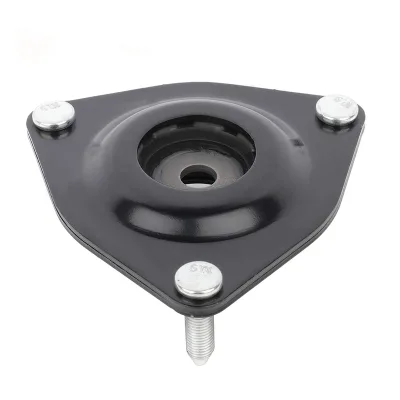
Premium OE MB808306 Suspension Rubber Strut Mount for Mitsubishi Vehicles
$2.00 - $2.08
MOQ: 100 pieces


Xiamen Monake Import and Export Co., Ltd.
- Verified by TUVRHEINLAND
- Trading Company
- China Fujian
- Lead time30 days
- Avg. response≤ 4h
Main productsEngine Mounting, Strut Mount, Rubber Bush, Center Bearing, Control Arm, Arm Bushing, Auto Parts, Fan Blade, Auto Spare Parts, Car Parts
Main marketsOthers(foreignTradeCapacity.exportBusinessCapacityMarketOther),Domestic

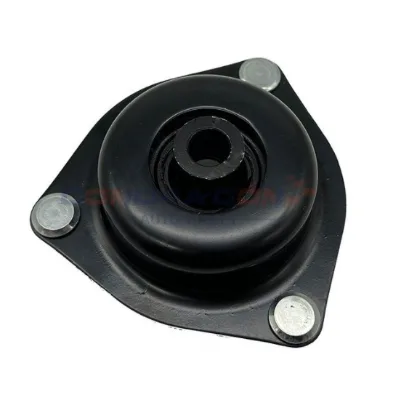
Auto Parts Shock Absorber Support/Suspension Strut Mount for Mitsubishi (MB949094)
$1.00 - $10.00
MOQ: 50 Pieces


Premium Auto Suspension Rubber Shock/Strut Mount for Mitsubishi Mr132420
$1.00 - $10.00
MOQ: 50 Pieces

Ruici Metal Product (Dalian) Co., Ltd
- Verified by SGS
- Combined
- China Liaoning
- Lead time60 days
- Avg. response≤ 3h
Main productsCasting Parts, CNC Maching, Forgings, Stampings Parts, Valve Parts, Pump Parts, Metal Products
Main marketsSouth America,East Asia(Japan/ South Korea),Domestic,Europe,North America

Anhui Heshun Automobile Parts Co., Ltd.
- Verified by SGS
- Combined
- China Anhui
- Lead time30 days
- Avg. response≤ 4h
Main productsBall Joint
Main marketsDomestic


13mvv Factory Available Stock Engine Mount Auto Parts Rubber Mount 12361-28100 Toyota SUV
$3.50 - $3.70
MOQ: 100 Pieces

GuangZhou EEP Autoparts Co., Ltd
- Trading Company,Manufacturer/Factory
- China Guangdong
- Lead time15 days
- Avg. response≤ 9h
Main productsAuto Parts, Shock Absorber, Stabilizer Link, Tie Rod End, Ball Joint, Control Arm, Suspension Parts, Auto Bushing, Engine Mount, Strut Mount
Main marketsSouth America,Eastern Europe,Mid East,North America,Southeast Asia,Eastern Asia,Oceania,Western Europe,Africa

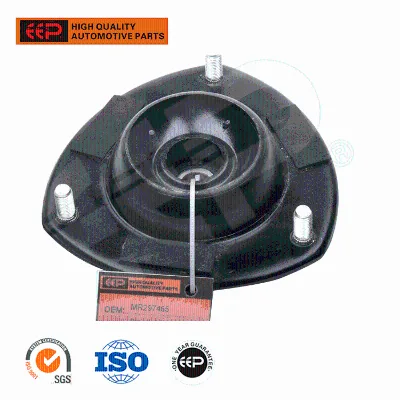
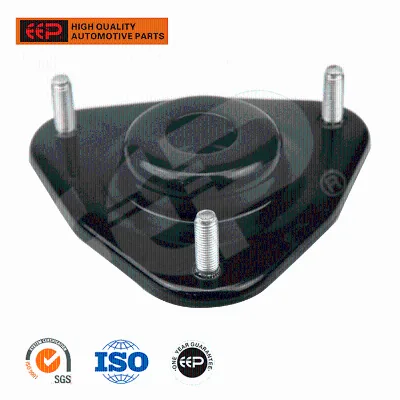
Eep Auto Parts Front Strut Mount for Mitsubishi Galant Ea3a Ea8a Mr297465 Shock Absorber Mounting
$7.00 - $7.10
MOQ: 20 Pieces


Auto Spare Parts Shock Mounting for Mitsubishi Grandis Na4w Na8w 03- Mr594347
$5.00 - $5.20
MOQ: 10 Pieces


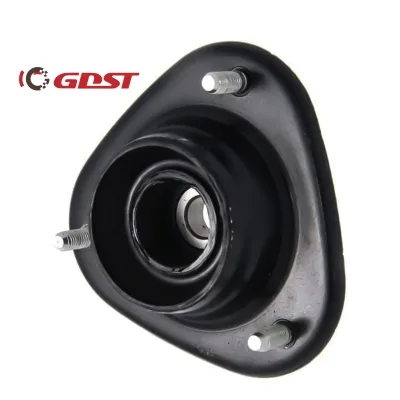
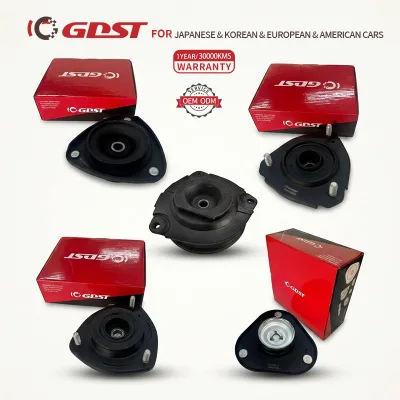
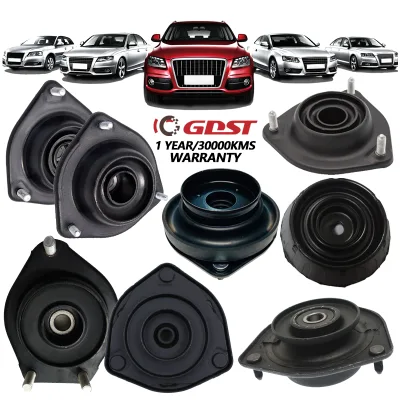
Wuhu GDST Auto Parts Co., Ltd.
- Verified by TUVRHEINLAND
- Manufacturer/Factory
- China Anhui
- Lead time15 days
- Avg. response≤ 3h
Main productsBrake Cylinder, Brake Pad, Steering Rack, Power Steering Pump, CV Joint, Drive Shaft, Suspension Parts, Wheel Hub, Water Pump, Auto Filters
Main marketsEastern Europe,Mid East,North America,Western Europe,Africa

GDST Rubber Support Bearing Front Shock Absorber Mount Mn101372 for Mitsubishi Delica
$1.50 - $3.50
MOQ: 100 Pieces


GDST Shock Absorber Mounting Rubber Strut Mount Mr448170 for Mitsubishi L200
$1.50 - $3.50
MOQ: 100 Pieces

Shanghai Spb Industry Co., Ltd.
- Verified by SGS
- Trading Company,Manufacturer/Factory,Group Corporation
- China Shanghai
- Lead time30 days
- Avg. response≤ 4h
Main productsCar Spare Part, Suspension Parts, Ball Joint, Shock Absorber, C. V Joint, Brake Pad, Radiator, Stabilizer Bar, Oil Filter, Steering Rack
Main marketsSouth America,Eastern Europe,Mid East,North America,Southeast Asia,Eastern Asia,Oceania,Western Europe,Africa

48609-12440 Auto Parts Factory Suspension Parts Shock Absorber Mounting Strut Mount for Toyota
$2.00 - $5.00
MOQ: 50 Pieces

Auto Parts Factory Suspension Parts Shock Absorber Mounting Strut Mount for Toyota 48609-16220
$2.00 - $5.00
MOQ: 50 Pieces


Good Quality Auto Parts Rubber Engine Mounting Me031964 Fit for Mitsubishi
$3.00 - $7.00
MOQ: 100 Pieces

Auto Parts Shock Absorber Complete Categories Shock Absorber Japanese Car Smitsubishi
$19.50 - $21.00
MOQ: 100 Pieces

Wuxi Henderchan Industrial Co Ltd
- Verified by SGS
- Trading Company
- China Jiangsu
- Lead time45 days
- Avg. response≤ 4h
Main productsCustom CNC Machining Parts, CNC Machining Service, Custom Investment Casting Parts, Investment Casting Service, Precision Forging Service, Custom Precision Forging Parts, Hinges, Go Kart Parts, Metal Fabrication Service, Custom Metal Fabrication Parts
Main marketsEurope

Forged Suspension Strut Mount Mounting Base Fixing Seat Shock Absorber Mount
$18.00 - $38.00
MOQ: 50 Pieces


Xiamen Best Seal Imp. and Exp. Co., Ltd.
- Verified by SGS
- Manufacturer
- China Fujian
- Lead time30 days
- Avg. response≤ 7h
Main productsRubber O-Rings, X-Rings, Rubber Gaskets, Rubber Washers, Rubber Molded Parts, Metal/Plastic Bonded to Rubber Parts
Main marketsEurope,North America
Anhui Goldenstar Import And Export Co., Ltd.
- Verified by SGS Group
- Trading Company
- Lead time30 days
- Avg. response≤ 1h
Main productsBrake Master Cylinder, Brake Wheel Cylinder, Clutch Master Cylinder, Clutch Slave Cylinder, Shock Absorber
Main marketsSouth America(30%), Central America(20%), Southeast Asia(15%)
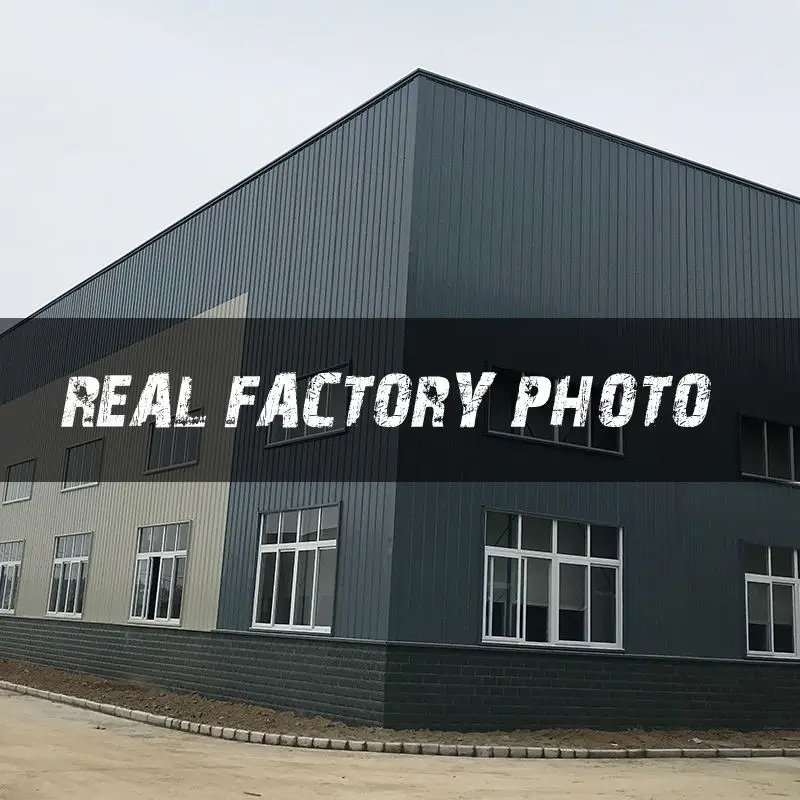
Jiangsu Madali Machinery Industry Co., Ltd.
- Manufacturer
- Jiangsu, China
- Lead time0 days
- Avg. response≤ 5h
Main productsEngine Mount,bushing,strut mount,suspension,control arm
Main marketsSouth America(30.00%), Africa(20.00%), Eastern Europe(20.00%), North America(20.00%), Southeast Asia(10.00%)

Kaiping Taiyu Auto parts Co., LTD
- Verified by SGS
- Trading Company,Manufacturer/Factory
- China Guangdong
- Lead time15 days
- Avg. response≤ 17h
Main productsStrut Mount, Engine Mount, Shocking Mount, Engine Bracket, Engine Support
Main marketsSouth America,Mid East,North America,Southeast Asia,Africa

XINGTAI FULANGMU FILTER MANUFACTURE CO., LTD.
- Verified by CTI
- Combined
- China Hebei
- Lead time30 days
- Avg. response≤ 11h
Main productsAir Filter, Oil Filter, Cabin Filter, Fuel Filter, Engine Mount, Center Bearing, Suspension Bushing
Main marketsSouth America,Africa,Southeast Asia/ Mideast,East Asia(Japan/ South Korea),Domestic,Europe,Australia,North America


OEM Mr151375 Engine Mount, High-Quality Automotive Engine Mounts for Mitsubishi
$0.89 - $1.11
MOQ: 500 Pieces

$0.89 - $1.11
MOQ: 500 Pieces

Hangzhou Ekko Auto Parts Co., Ltd.
- Trading Company
- Zhejiang, China
- Lead time50 days
- Avg. response≤ 14h
Main productsEnd Link, Bushing, Strut Mount, Engine Mounting
Main marketsNorth America(25.00%), South America(10.00%), Africa(10.00%), Oceania(9.00%), Southeast Asia(9.00%), Eastern Europe(8.00%), Central America(5.00%), Domestic Market(5.00%), Mid East(5.00%), Eastern Asia(4.00%), Western Europe(3.00%), Southern Europe(3.00%), South Asia(2.00%), Northern Europe(2.00%)
Guangzhou Eep Auto Parts Co., Ltd.
- Trading Company
- Lead time旺季: "1 - 10000":60,"> 10000":"To be negotiated", 淡季: "1 - 10000":60,"> 10000":"To be negotiated"
- Avg. response≤ 2h
Main productsShock Absorber, Suspension Parts, Bushing and Mounting, Drive Shaft, Control Arm and Brake Pad

Zhejiang UTS Auto Parts Co., Ltd.
- Trading Company,Manufacturer/Factory
- China Zhejiang
- Lead time45 days
- Avg. response≤ 19h
Main productsBrake Caliper, Control Arm, Power Steering Pump, Aftermarket Brake Caliper, Brake Caliper Repair Parts, After Market Control Arm, Engine Mount, After Market Power Steering Pump, Ball Joint
Main marketsEastern Europe,North America,Southeast Asia,Western Europe

Auto Parts Strut Mount Rubber Engine Mount for Toyota 48609-42010 48609-60070 48609-06170
$4.50 - $5.00
MOQ: 200 Pieces

Rubber Shock Strut Mount Discount Suspension for Nissan OEM 54320-Ew80A 54321-Ew80A
$4.50 - $5.00
MOQ: 200 Pieces




Comprehensive Sourcing Guide
For Mitsubishi Suspension Shock Mount Supplier Concentration and Factory Types
The current supplier landscape for Mitsubishi suspension shock mounts reveals a distinct split between manufacturing entities and trading companies, each offering different operational models. One prominent cluster is located in Zhejiang, China, where the primary company type is identified as a Manufacturer or Factory. These facilities typically possess robust internal capabilities, including the ability to handle Own Brand, OEM, and ODM requests, which suggests a higher degree of control over the production process and customization options. The main products listed for these manufacturers often extend beyond simple shock mounts to include a broader range of suspension parts such as tie rod ends, stabilizer links, rack ends, ball joints, control arms, shock absorbers, drive shafts, bushings, and strut mounts. This diversification indicates that these factories are equipped to handle complex automotive component manufacturing and can likely serve as a single-source provider for multiple suspension system needs. The presence of specific product evidence, such as durable automobile suspension strut mounts for Mitsubishi models with OE numbers like Mr131420, further confirms their direct involvement in producing genuine or equivalent replacement parts. Buyers seeking direct factory relationships may find these Zhejiang-based entities particularly suitable for large-scale orders requiring strict adherence to original equipment specifications.
In contrast, another significant segment of the market is represented by Trading Companies based in Fujian, China. These entities differ fundamentally from manufacturers in their operational structure and value proposition. The company type is explicitly listed as a Trading Company, which implies that they act as intermediaries rather than direct producers. While they may not own the factories, they often provide benefits such as consolidated shipping, diverse product portfolios, and potentially faster response times, as evidenced by a response time of 3.48 compared to the 5.70 observed in other segments. Their main products include engine mounting, strut mounts, rubber bushings, center bearings, control arms, arm bushings, auto parts, fan blades, and car parts. This wide array of offerings suggests that trading companies can aggregate products from multiple factories, allowing buyers to source a comprehensive range of suspension and engine components in a single transaction. The verification status for these trading companies includes TUVRHEINLAND, which adds a layer of credibility regarding their business legitimacy and operational standards. For buyers who prioritize flexibility, quick communication, and the ability to mix different part types, trading companies in Fujian present a viable alternative to direct factory sourcing, although they may not offer the same level of direct manufacturing control.
How to Verify For Mitsubishi Suspension Shock Mount Suppliers
Verifying the authenticity and capability of suppliers for Mitsubishi suspension shock mounts requires a meticulous examination of certifications, verification badges, and product-specific documentation. One critical step is to check for industry-standard quality management certifications. For instance, some suppliers display TS 16949 and ISO 9001 system certifications, which are essential for automotive parts manufacturers as they indicate adherence to rigorous quality control processes. Additionally, product-level certifications such as ISO are frequently listed in product attributes, providing further assurance of material and manufacturing standards. Buyers should also look for third-party verification badges, such as TUVRHEINLAND, which signifies that an independent body has audited the supplier’s business operations. This verification is particularly important for trading companies, as it helps confirm their legitimacy and reliability. Furthermore, examining the product evidence for specific details like OE numbers (e.g., Mr131420, Mr316457, MB808306) and reference numbers (e.g., Kb673.16, 71218, Mem-85013) is crucial. These numbers allow buyers to cross-reference the parts with official Mitsubishi specifications, ensuring that the components are compatible and meet the required engineering standards. The presence of detailed product attributes, such as material composition (Steel, Rubber, Iron) and condition (New), also aids in verifying that the supplier is providing accurate and high-quality information.
Beyond certifications and product details, buyers should assess the supplier’s response time and communication efficiency as indicators of their operational maturity. A response time of 5.70 or 3.48 can provide insights into how quickly a supplier can address inquiries, which is vital for resolving technical questions or negotiating terms. It is also important to verify the origin of the products, with many listings specifying China (Mainland) as the place of origin. Buyers should ensure that the supplier’s claims about customization availability align with their actual capabilities, as some products explicitly state that customization is available. Additionally, checking for specific packing standards, such as Neutral Packaging or Exporting Packing, can help determine if the supplier is experienced in international trade. The presence of specific brand names, such as Tsy, on product listings may indicate private labeling capabilities, which is relevant for buyers seeking to establish their own brand identity. By combining these verification steps—checking certifications, verification badges, product specifications, response times, and packing details—buyers can build a comprehensive profile of each supplier’s reliability and suitability for their specific sourcing needs. This multi-faceted approach minimizes the risk of engaging with unreliable suppliers and ensures that the selected partners can deliver high-quality Mitsubishi suspension shock mounts.
What to Compare Across For Mitsubishi Suspension Shock Mount Suppliers
When evaluating multiple suppliers for Mitsubishi suspension shock mounts, buyers must systematically compare key operational metrics to identify the most suitable partner for their specific requirements. One of the most critical factors is the lead time, which directly impacts inventory management and order fulfillment. For example, some suppliers offer a lead time of 45 days, while others may provide a faster turnaround of 30 days. This difference can be decisive for buyers with urgent production schedules or those seeking to minimize inventory holding costs. Alongside lead time, the Minimum Order Quantity (MOQ) is another essential comparison point. Suppliers may have varying MOQs, such as 100 units or 50 units, which affects the initial investment and risk for buyers, especially those testing new markets or placing smaller trial orders. Additionally, the price range for specific products should be carefully analyzed. For instance, one product may have a price range of $2.00 to $2.08, while another may range from $2.50 to $5.00, and a third from $1.00 to $10.00. These price variations reflect differences in material quality, manufacturing complexity, and supplier positioning. Buyers should also compare the main products offered by each supplier to ensure they can meet their broader sourcing needs, whether it is just shock mounts or a wider range of suspension components.
Response time is another vital metric that influences the efficiency of the sourcing process. Suppliers with a response time of 3.48 may be more responsive to inquiries and quicker to provide quotations or technical support compared to those with a response time of 5.70. This responsiveness can significantly reduce the time spent on communication and negotiation. Furthermore, buyers should compare the customization capabilities of each supplier. Some products explicitly state that customization is available, which is crucial for buyers seeking unique specifications or private labeling. The material composition of the shock mounts, such as Steel, Rubber, or Iron, should also be compared to ensure it meets the performance requirements of the intended application. For example, some products use NR (Natural Rubber) for shock-reducing components, while others may use different materials. Additionally, the packing standards, such as Neutral Packaging or Exporting Packing, should be evaluated to determine if they align with the buyer’s logistics and branding needs. By systematically comparing lead times, MOQs, prices, response times, customization options, materials, and packing standards, buyers can make informed decisions that balance cost, quality, and operational efficiency. This comparative analysis helps identify suppliers that offer the best overall value and compatibility with the buyer’s specific business requirements.
Common For Mitsubishi Suspension Shock Mount Sourcing Risks
Sourcing Mitsubishi suspension shock mounts from international suppliers introduces several risks that buyers must proactively manage to ensure product quality and supply chain stability. One significant risk is the potential mismatch between product specifications and actual delivery. While suppliers may list detailed product attributes such as OE numbers (e.g., Mr131420, Mr316457) and reference numbers, there is a risk that the delivered parts may not perfectly match these specifications due to manufacturing variances or miscommunication. This risk is heightened when dealing with trading companies that aggregate products from multiple factories, as they may have less direct control over the production process. Another risk is the variability in material quality. Although products are often described as using high-quality materials like Steel, Rubber, or Iron, the actual composition and durability may vary. For instance, some products specify NR (Natural Rubber) for shock-reducing components, but the quality of this rubber can differ between suppliers. Buyers must ensure that the materials used meet the required performance standards for suspension systems, which are critical for vehicle safety and handling. Additionally, the risk of inconsistent packaging is notable. While some suppliers offer Exporting Packing or Neutral Packaging, others may use less robust methods, leading to potential damage during transit. This risk can result in increased costs due to returns or replacements.
Another common risk is the reliability of supplier communication and responsiveness. Suppliers with slower response times, such as 5.70, may delay quotations, technical support, or issue resolution, which can disrupt the sourcing process and lead to project delays. This risk is particularly problematic for buyers who require quick turnaround times or have urgent orders. Furthermore, the risk of certification discrepancies exists. While some suppliers display TS 16949 and ISO 9001 certifications, buyers must verify that these certifications are current and valid for the specific products being sourced. There is also a risk related to price fluctuations. The price ranges for shock mounts can vary significantly, from $1.00 to $10.00, and buyers must be cautious of unusually low prices that may indicate compromised quality or hidden costs. Additionally, the risk of intellectual property infringement is present, especially when dealing with products that use brand names like Tsy or claim to be OEM equivalents. Buyers must ensure that they have the necessary rights to use these parts in their market. To mitigate these risks, buyers should conduct thorough due diligence, request samples for quality testing, establish clear communication channels, and include strict quality control clauses in their contracts. By anticipating and addressing these common risks, buyers can protect their interests and ensure a successful sourcing experience for Mitsubishi suspension shock mounts.
For Mitsubishi Suspension Shock Mount Regional Sourcing and Logistics
Regional sourcing plays a crucial role in determining the logistics efficiency and cost structure for Mitsubishi suspension shock mounts. The current supplier results highlight two primary regions in China: Zhejiang and Fujian. Suppliers in Zhejiang are predominantly manufacturers, which often implies a more integrated supply chain for raw materials and production. This regional concentration can facilitate easier quality control and potentially lower transportation costs for bulk orders, as the factories are likely located near industrial hubs with established logistics networks. The main products from Zhejiang suppliers, such as suspension parts, tie rod ends, and strut mounts, suggest a specialized focus on automotive components, which may enhance the reliability and consistency of the supply. On the other hand, suppliers in Fujian are primarily trading companies, which may source products from various locations across China. This model offers greater flexibility in product selection but may introduce additional layers in the logistics chain, potentially increasing lead times and complexity. The verification status of TUVRHEINLAND for Fujian-based trading companies adds a layer of trust, but buyers must still consider the logistical implications of dealing with intermediaries. Understanding the regional strengths of each supplier cluster helps buyers make informed decisions about where to source their parts based on their specific logistical needs and
FAQs
Where are the suspension strut mounts manufactured?
The available strut mounts originate from manufacturers located in China, specifically in Zhejiang and Fujian provinces. These regions supply durable automobile suspension parts including rubber mounts and shock absorber supports for various vehicle models.
What is the typical lead time for these parts?
Lead times for ordering suspension strut mounts range from 30 to 45 days depending on the specific supplier and order volume. Buyers should confirm exact delivery schedules with the manufacturer before finalizing purchase agreements for their automotive needs.
What certifications do the suppliers hold?
Many suppliers provide products certified under ISO 9001 and TS 16949 standards to ensure quality and safety. Some listings also mention verification by TUV Rheinland, indicating a commitment to meeting international automotive component manufacturing requirements.
What is the minimum order quantity required?
Minimum order quantities vary by supplier, with some requiring as few as 50 units while others set the threshold at 100 pieces. Buyers must check specific product listings to determine the exact MOQ applicable to their order size.
Are these parts compatible with Mitsubishi vehicles?
Yes, the listings include specific strut mounts designed for Mitsubishi models such as the Outlander. These parts feature OE numbers like Mr131420 and Mn101372, ensuring direct compatibility with the suspension systems of various Mitsubishi automobile models.
What materials are used in the strut mounts?
The suspension mounts are constructed using a combination of steel, iron, and rubber components. Specific listings indicate the use of NR rubber for shock reduction, ensuring durability and effective vibration dampening for automotive suspension applications.
How quickly do suppliers typically respond to inquiries?
Supplier response times vary, with observed averages ranging from approximately 3.48 to 5.70 hours. Buyers can expect relatively prompt communication when contacting manufacturers or trading companies for quotes and technical details regarding suspension parts.
What is the price range for these mounts?
Prices for the suspension strut mounts generally range between 1.00 and 10.00 USD per unit depending on the specific model and supplier. Some listings show narrower ranges, such as 2.00 to 2.08 USD, while others extend up to 5.00 USD.