Hair Stylist Stand Suppliers and Manufacturers
Source 11 verified Hair Stylist Stand suppliers from China. Compare lead times, MOQs, and customization options like OEM/ODM. Contact suppliers directly to request quotes and verify production details; review the available evidence before requesting comparable quotations from suitable candidates.
Updated
Suppliers List

Guangzhou Fenghe Industry Co., Ltd.
- Verified by SGS
- Combined
- China Guangdong
- Lead time15 days
- Avg. response≤ 6h
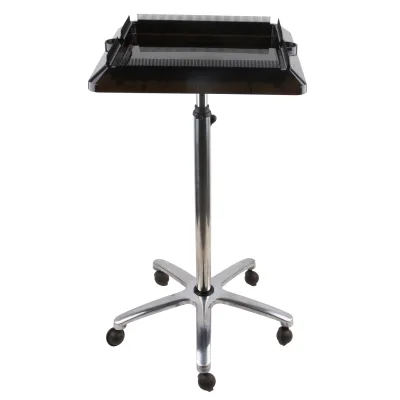
Main productsSalon Trolley, Portable Shampoo Basin, Hair Extension Trolley, Hairdryer Stand.
Main marketsSouth America,Africa,Southeast Asia/ Mideast,East Asia(Japan/ South Korea),Domestic,Europe,Australia,North America
- Verified by SGS Group
- Trading Company
- Lead time0 days
- Avg. response≤ 8h
Main productsFacial Bed, Barber Chair, Salon Mirror, Salon Trolley, Manicure Table
Main marketsNorth America(30%), Africa(30%), South Asia(20%)
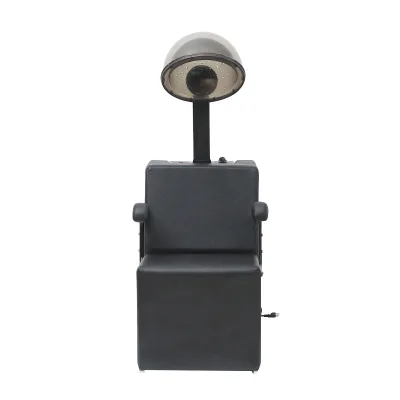
Hairdressing Beauty Professional Stand Hair Salon Hood Dryer Hair Dryer
$244.3673 - $275.1696
MOQ: 2 pieces
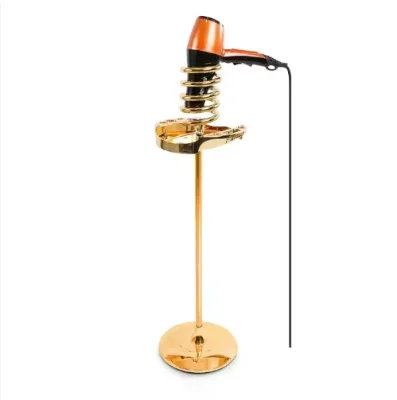
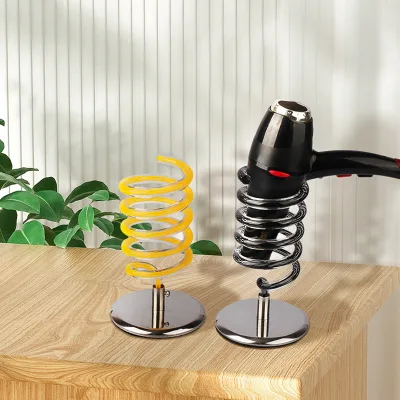
Hot Sale Stable Hair Dryer Stand Hair Dryer Holder for Professional Salon
$16.00 - $18.00
MOQ: 2 pieces

Quanzhou Conris Electronic Technology Co., Ltd.
- Trading Company
- Fujian, China
- Lead time30 days
- Avg. response≤ 3h
Main productsResin Crafts,Christmas Decorations,Salon Products,Barber Chair
Main marketsNorth America(30.00%), Mid East(20.00%), Eastern Europe(20.00%), Southern Europe(10.00%), Western Europe(10.00%), Africa(10.00%)
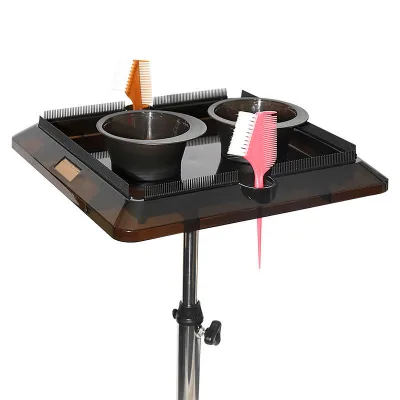
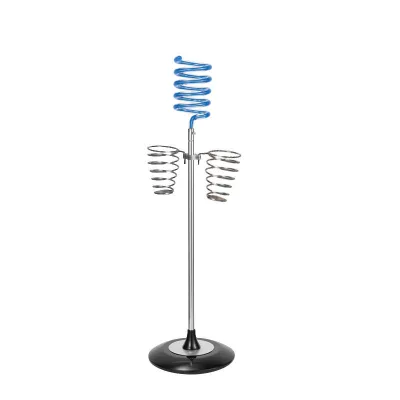
$9.3113 - $13.4505
MOQ: 2 pieces
Guangzhou Kuren Hairdressing Products Company Limited
- Verified by SGS Group
- Manufacturer, Trading Company
- Lead time25 days
- Avg. response≤ 3h
Main productsShampoo Basin, Salon Trolley, Salon Barber Chair, Coloring Trolley, Child Booster Seat Cushion
Main marketsSouth America(30%), Western Europe(20%), Southern Europe(20%)
Maoming Beaty Trading Co., LTD
- Trading Company
- Guangdong, China
- Lead time3 days
- Avg. response≤ 1h
Main productsShampoo Bed,Beauty Bed,Pedicure Chair,Dental Chair,Nail Tables
Main marketsNorth America(80.00%), Western Europe(10.00%), Eastern Europe(5.00%), Africa(5.00%)
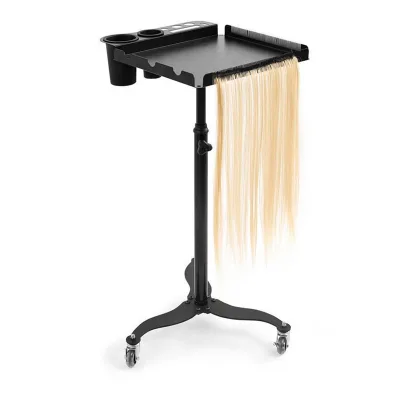
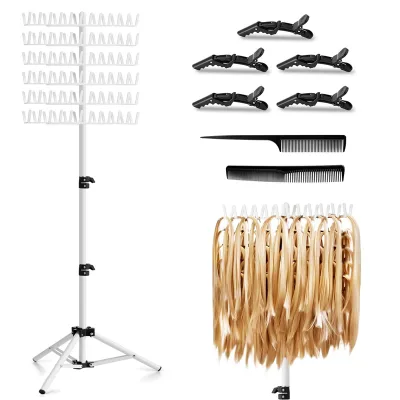
$9.9565 - $11.6077
MOQ: 2 pieces
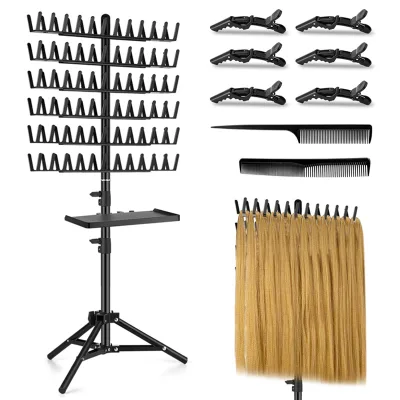
$9.9161 - $11.5598
MOQ: 2 pieces

Xuchang Leyide Import And Export Trading Co., Ltd.
- Trading Company,Manufacturer/Factory
- China Henan
- Lead time23 days
- Avg. response≤ 3h
Main productsHair Products, Wig Making Tools, Remy Human Hair, Mannequin, Stand Tripod, Synthetic Hair Extensions, Wigs, Virgin Human Hair, Satin Wig Bonnet, Lace Glue
Main marketsSouth America,Eastern Europe,Mid East,North America,Southeast Asia,Eastern Asia,Oceania,Western Europe,Africa

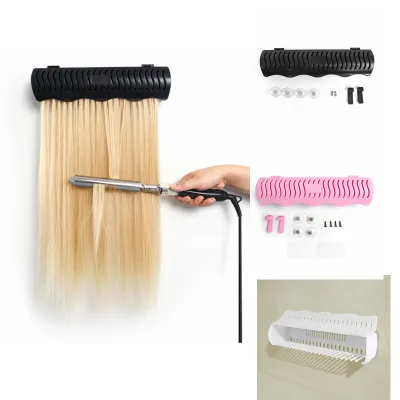
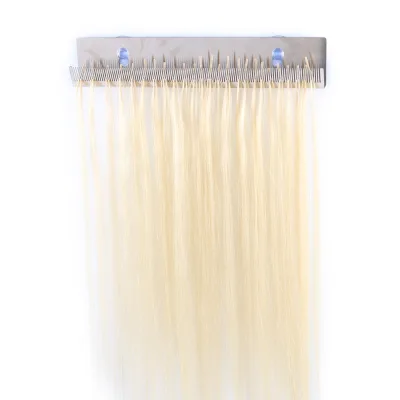
Multufunction Metal Hair Extension Holder Hair Extension Tool Wig Head Stand for Hair Salon Home
$3.20 - $4.50
MOQ: 10 Pieces

Xuchang Harmony Hair Products Co., Ltd.
- Verified by SGS Group
- Trading Company
- Lead time15 days
- Avg. response≤ 4h
Main productsHuman Hair Extensions, Cuticle Remy Hair Extensions, Tape Hair Extensions, Synthetic Hair Extensions, Hair Extension Tools
Main marketsWestern Europe(25%), Oceania(20%), Northern Europe(17%)

Guangzhou Yuntesi Hairdressing Products Co., Ltd.
- Verified by SGS
- Manufacturer/Factory
- China Guangdong
- Lead time45 days
- Avg. response≤ 5h
Main productsHair Brush, Hairdressing Cape & Apron, Hair Comb, Hair Color Tools, Hair Color Brush & Bowl, Hair Clip, Hair Salon Tools, Beard Brush & Razor, Spray Bottle, Hair Ring & Hair Band
Main marketsSouth America,Eastern Europe,Mid East,North America,Southeast Asia,Oceania,Western Europe

Professional Hot Sale Stable Barber Shop Hair Dryer Stand Hair Dryer Holder for Salon
$3.26 - $3.59
MOQ: 100 Pieces


Yiwu Barber Beauty & Hair Products Co., Ltd.
- Trading Company
- Yiwu, China
- Lead time15 days
- Avg. response≤ 2h
Main productsBarber equipment,Barber series,Beard series,Beauty series,Foot bath series
Main marketsSouth America(20.00%), North America(20.00%), Domestic Market(5.00%), South Asia(5.00%), Southern Europe(5.00%), Northern Europe(5.00%), Central America(5.00%), Western Europe(5.00%), Eastern Asia(5.00%), Mid East(5.00%), Oceania(5.00%), Africa(5.00%), Southeast Asia(5.00%), Eastern Europe(5.00%)

Zhangzhou Leting Furniture Co., Ltd.
- Verified by CTI
- Combined
- China Fujian
- Lead time15 days
- Avg. response≤ 2h
Main productsFurniture, Digital Piano
Main marketsDomestic

Hot Selling Professional Beauty Salon Adjust Barber Chair for Hair Stylist
$60.00 - $80.00
MOQ: 1 Pieces

Professional Hair Styling Chair - Women's Modern Adjustable Hair Salon Chair
$90.00 - $100.00
MOQ: 1 Pieces


Henan Eminent Medical Devices Co., Ltd.
- Verified by TUVRHEINLAND
- Manufacturer/Factory
- China Henan
- Lead time23 days
- Avg. response≤ 3h
Main productsBarber Chair, Shampoo Chair/Bed, Massage Table, Nursing Bed/Hospital Bed, Medical Brace, Mirror Salon Station, Commder Chair, Bath Chair, Nail Table Desk, Wheelchair
Main marketsSouth America,Eastern Europe,Mid East,North America,Southeast Asia,Eastern Asia,Oceania,Western Europe,Africa

Barber Chair Hair Salon Chair for Hair Stylist Barber Beauty Tattoo Massage
$300.00 - $350.00
MOQ: 5 Pieces


Comprehensive Sourcing Guide
Hair Stylist Stand Supplier Concentration and Factory Types
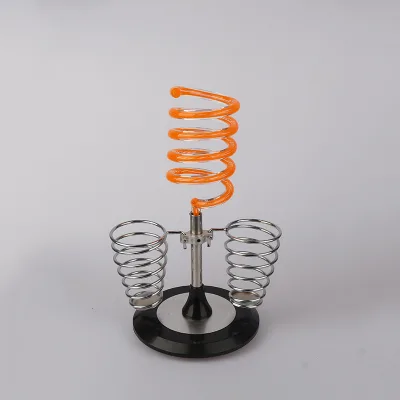
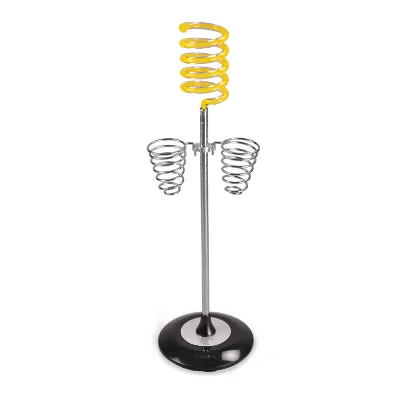
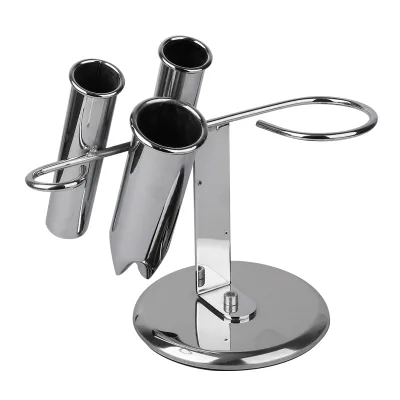
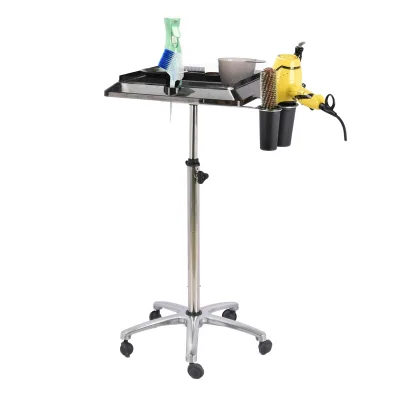
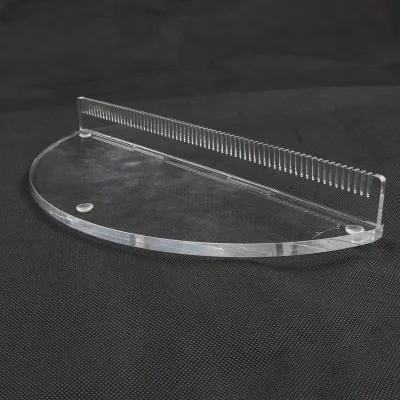
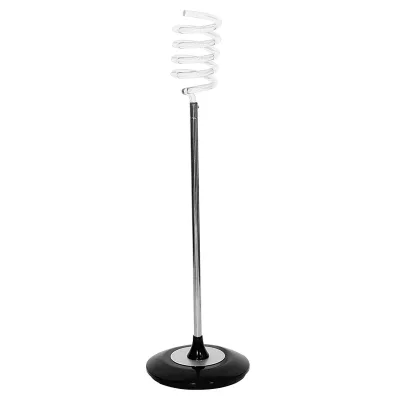
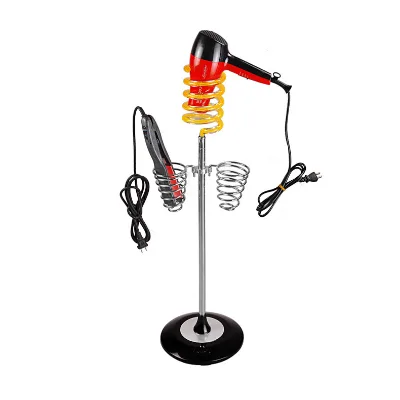
Current data indicates a concentration of suppliers in China Guangdong, where manufacturers produce items like salon trolleys, portable shampoo basins, and hair dryer stands. This region hosts combined company types that offer both manufacturing and trading capabilities, allowing for flexible production models such as ODM and OEM services. Buyers observing this cluster should note that some entities list specific product lines including stylish acrylic stands and freestanding units with butterfly trays, suggesting a specialized focus on salon furniture within this geographic area.
When evaluating factory types, it is essential to distinguish between trading companies and combined entities based on their stated company type and main product lists. Some suppliers identify as trading companies with capabilities in graphic processing and sample handling, while others are combined firms with direct ODM and OEM capacity. Since not all suppliers display establishment years or specific factory certifications, buyers must verify whether a supplier is a direct manufacturer or a middleman by examining their main product range and capacity declarations rather than assuming a factory presence based solely on location data.
How to Verify Hair Stylist Stand Suppliers
Verification processes for Hair Stylist Stand suppliers often rely on third-party validation services, with some results showing SGS verification status. Buyers should prioritize suppliers displaying this specific verification badge as a baseline for credibility, while remaining cautious of those listing system certifications as NIL. The presence of a verified status does not guarantee all operational standards are met, so cross-referencing this with response times and lead time data provides a more complete picture of supplier reliability and operational maturity.
Response time metrics serve as a critical indicator of supplier engagement and communication efficiency, with observed values ranging from approximately five to eight hours. A supplier with a response time of 5.05 hours may offer faster initial engagement than one with an eight-hour window, though this metric alone does not confirm product quality or delivery consistency. Buyers should request proof of verification documents and confirm the specific scope of the SGS check, ensuring that the verification covers the exact product categories and manufacturing processes relevant to their specific Hair Stylist Stand requirements.
What to Compare Across Hair Stylist Stand Suppliers
Comparing suppliers requires a detailed analysis of lead times, minimum order quantities, and pricing structures to ensure alignment with project needs. Observed lead times vary significantly, with some suppliers indicating a fifteen-day window while others list zero days, which may imply stock availability or a need for further clarification on production schedules. Minimum order quantities also differ, ranging from ten pieces for certain acrylic models to fifty pieces for stainless steel variants, requiring buyers to calculate total costs based on their specific volume requirements and storage capabilities.
Price ranges and product attributes must be evaluated alongside customization options to determine the true value proposition of each supplier. Product evidence shows prices ranging from approximately 1.72 to 14.00 per unit, depending on materials like acrylic or stainless steel and features such as butterfly trays or spiral designs. Buyers should compare the specific product attributes, including dimensions, packing details, and customization availability, to ensure the selected supplier can meet technical specifications without incurring unexpected costs or delays due to incompatible production capabilities.
Common Hair Stylist Stand Sourcing Risks
One significant risk involves the discrepancy between claimed capabilities and actual production capacity, particularly regarding ODM and OEM services. While some suppliers list ODM and OEM as available, others may only offer sample processing or graphic design services, which limits their ability to handle large-scale custom orders. Buyers must verify the depth of these capabilities by requesting detailed production workflows and past project examples, ensuring the supplier can scale operations to meet demand without compromising on quality or delivery timelines.
Another risk stems from inconsistent product specifications and material claims, such as variations in material composition or dimensions across different product listings. For instance, some products are described as having stainless steel bases while others emphasize acrylic materials, and dimensions can vary from 22x22x83cm to 76x28x23cm. Buyers should meticulously review product attributes and standard specifications to avoid receiving items that do not match their design requirements, and they must confirm that all material claims are backed by verifiable test results or quality assurance documentation.
Hair Stylist Stand Regional Sourcing and Logistics
Regional sourcing strategies should account for the primary manufacturing hub in China Guangdong, where many suppliers are located and where logistics networks are well-established. However, some product origins are listed as Hebei, China, indicating that sourcing may involve multiple regions with different logistical profiles and shipping costs. Buyers need to assess the specific origin of each product to estimate accurate freight charges and transit times, as shipping from Hebei may involve different port access and customs procedures compared to shipments originating from Guangdong.
Logistics planning must also consider packaging standards and carton dimensions to optimize container loading and reduce shipping expenses. Product evidence shows varying packing configurations, such as 50 pieces per carton for some models and 6 pieces per carton for others, with carton sizes ranging from 75.5x26x17.5cm to 92x67x91.5cm. These differences directly impact the number of units that can be shipped per container, so buyers should calculate the total volume and weight of their order to select the most cost-effective shipping method and ensure that packaging meets the durability requirements for international transit.
Hair Stylist Stand Commercial Terms and Order Planning
Commercial terms for Hair Stylist Stand orders often include specific requirements for customization, payment structures, and delivery schedules that must be clearly defined before finalizing agreements. Suppliers may offer customization services, but the extent of these services and associated costs can vary, requiring buyers to negotiate clear terms regarding design changes, tooling fees, and production lead times. It is crucial to establish a detailed purchase order that specifies all product attributes, including model numbers, dimensions, and material specifications, to prevent misunderstandings and ensure the final product matches the agreed-upon design.
Order planning should incorporate buffer time for potential delays and account for the varying lead times observed across different suppliers. With lead times ranging from zero to fifteen days, buyers must build flexibility into their supply chain to accommodate production schedules and shipping durations. Additionally, buyers should verify the supplier's ability to handle order fluctuations and confirm their capacity to meet peak demand periods, ensuring that the supply chain remains resilient and that inventory levels are maintained to support continuous business operations without interruption.
FAQs
What is the price range for hair stylist stands?
Prices for hair stylist stands typically range from $1.72 to $14.00 per unit. The cost varies based on material and design, with acrylic models starting lower and stainless steel options costing more. Buyers should check specific product listings for exact pricing tiers and volume discounts.
What is the minimum order quantity for these stands?
Minimum order quantities vary by supplier and product model. Some acrylic stands require a minimum of 10 pieces, while stainless steel options may require 50 pieces. Other models have an MOQ of 30 pieces. Buyers must verify the specific MOQ for their chosen design before placing an order.
How long does production take for these stands?
Production lead times are generally around 15 days for standard orders. Some suppliers may list zero days for specific ready-stock items, but this is less common. Buyers should confirm the exact lead time with the supplier, as it can depend on customization requirements and current production capacity.
Are customization and OEM services available?
Yes, customization and OEM services are widely available for hair stylist stands. Many suppliers offer ODM and OEM capabilities, allowing for custom branding, colors, and designs. Buyers can request samples or specific modifications to meet their salon requirements, ensuring the final product aligns with their brand identity.
Where are these hair stylist stands manufactured?
These stands are primarily manufactured in China, with specific production hubs in Guangdong and Hebei provinces. Buyers can expect products originating from these regions, which are known for their manufacturing efficiency. The origin is clearly stated in product details, helping buyers assess shipping logistics and supply chain reliability.
What materials are used for hair dryer stands?
Common materials include acrylic and stainless steel. Acrylic stands offer a modern, transparent look, while stainless steel options provide durability and a professional finish. Some models combine both materials for enhanced stability. Buyers should select the material based on their aesthetic preferences and the durability requirements of their salon environment.