half finger anti-slip gym gloves Suppliers and Manufacturers
Compare 29 verified suppliers offering half finger anti-slip gym gloves with details on response times, lead times, and certifications. Review product specifications like material and MOQ to select the right partner for your order; review the available evidence before requesting comparable quotations from suitable candidates.
Updated
Suppliers List
Hebei Kang Sheng Yuan Sports Goods Co., Ltd.
- Manufacturer, Trading Company
- Lead time旺季: "1 - 100":7,"101 - 300":15,"301 - 500":18,"> 500":"To be negotiated", 淡季: "1 - 100":7,"101 - 300":15,"301 - 500":18,"> 500":"To be negotiated"
- Avg. response≤ 3h
Main productsWaist Support; Back Posture Corrector; Knee Brace; Body Shaper Corset; Hip Resistance Bands
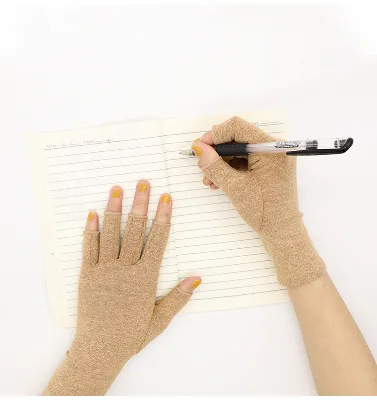
Workout Half Fingers Gym Safety Gloves Anti-slip Thumb Relieve Recovery Anti Arthritis Gloves
$1.2934 - $1.4356
MOQ: 10 pairs
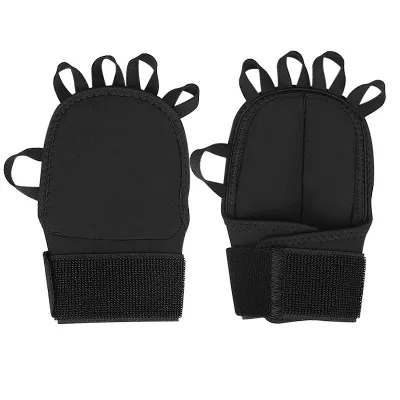
$3.3293 - $3.8428
MOQ: 3 pairs

Nantong Gympro Sports Co., Ltd.
- Verified by CTI
- Trading Company
- China Jiangsu
- Lead time23 days
- Avg. response≤ 3h
Main productsTraining Gear, Free Weight, Fitness Equipment, Yoga&Pilate, Exercise Accessories, Professional Training, Boxing
Main marketsSouth America,Africa,Southeast Asia/ Mideast,East Asia(Japan/ South Korea),Europe,Australia,North America


Fitness Training Glove Fitness and Breathable Half Finger Workout Glove with Bandage
$2.29 - $2.54
MOQ: 300 Pair

Weight Lifting Fitness Gloves Half Men and Women Sports Gym Gloves Workout Exercise Training
$1.11 - $1.23
MOQ: 300 Pair


Custom Logo Gym Glove with Palm Protection for Weight Lifting Best Workout Fitness Glove
$2.29 - $2.54
MOQ: 300 Pair

- Verified by SGS
- Trading Company
- China Zhejiang
- Lead time15 days
- Avg. response≤ 15h
Main productsFitness Equipment, Trampoline, Treadmill, Dumbbell, Yoga Mat, Spinning Bike, Jump Rope, Pull up Bar, Gym Rack, Leg Press
Main marketsEurope,Australia


Wholesale No Slip Wear Resistant Gym Exercise Half Finger Weightlifting Gloves
$2.37 - $2.57
MOQ: 390 Pairs


Factory Direct Sale No Slip Wear Resistant Gym Half Finger Weightlifting Gloves
$1.49 - $1.69
MOQ: 600 Pairs

Cheap Exercise Non-Slip Fitness Sports Training Half Finger Weightlifting Gloves
$1.70 - $1.80
MOQ: 560 Pairs

Cheap No Slip Dumbbell Wear Resistant Training Half Finger Weightlifting Gloves
$3.95 - $4.14
MOQ: 247 Pairs
Yiwushi Tuguan Outdoor Products Co., Ltd.
- Manufacturer, Trading Company
- Zhejiang, China
- Lead time0 days
- Avg. response≤ 6h
Main productsCycling Gloves,Fitness Gloves,Sports Protective Gear,Winter Gloves,Sport Gloves
Main marketsSouthern Europe(25.00%), Western Europe(15.00%), Central America(10.00%), Southeast Asia(10.00%), Eastern Europe(10.00%), Northern Europe(5.00%), Oceania(5.00%), South America(5.00%), Eastern Asia(5.00%), North America(5.00%), South Asia(3.00%), Mid East(2.00%)
Shijiazhuang Cearth Imp & Exp Co., Ltd.
- Trading Company
- Hebei, China
- Lead time15 days
- Avg. response≤ 3h
Main productsSport Protective Gear,Bodyshaper,Socks,Waist Trainer,Belly Belt
Main marketsNorth America(30.00%), Eastern Europe(20.00%), South America(20.00%), Southeast Asia(10.00%), Western Europe(8.00%), Eastern Asia(3.00%), Africa(3.00%), Oceania(2.00%), South Asia(1.00%), Mid East(1.00%), Southern Europe(1.00%), Central America(1.00%)
Shijiazhuang Youqihui Import And Export Trading Co., Ltd.
- Verified by SGS Group
- Trading Company
- Lead time7 days
- Avg. response≤ 1h
Main productsLumbar Support Belt, Knee Brace
Main marketsNorth America(40%), Eastern Asia(15%), Oceania(15%)

Nantong Get-Fit Sports Co., Ltd.
- Verified by TUVRHEINLAND
- Combined
- China Jiangsu
- Lead time30 days
- Avg. response≤ 3h
Main productsDumbbell, Weight Plate, Barbell, Gym Machine, Maquinas De Gimnasio, Pilates Reformer, Kettlebell, Gym Equipment, Fitness Equipment, Gym
Main marketsSouth America,Southeast Asia/ Mideast,East Asia(Japan/ South Korea),Europe,Australia,North America

Half Finger Breathable Anti-Slip Gym Gloves Cycling Weight Lifting Training Gloves
$1.40 - $1.60
MOQ: 100 pairs


Half Finger Workout Gloves Wrist Support Weightlifting Cycling Training Gloves
$4.40 - $4.90
MOQ: 200 pairs

Half Finger Weightlifting Gloves Breathable Fitness Gloves for Indoor/Outdoor Cycling Cross Training
$2.90 - $3.30
MOQ: 500 pairs

Anhui Jize Technology Co., Ltd.
- Verified by SGS
- Trading Company
- China Anhui
- Lead time15 days
- Avg. response≤ 3h
Main productsCup, Fan, Car Phone Holder
Main marketsEast Asia(Japan/ South Korea),Europe

$0.99 - $1.39
MOQ: 100 Pieces


Fingerless Training Fitness Glove High Quality Half Finger Workout Gloves Hand Custom Gym Gloves
$0.99 - $2.55
MOQ: 100 Pieces

- Verified by CTI
- Trading Company
- China Anhui
- Lead time23 days
- Avg. response≤ 1h
Main productsFurniture, Home Furniture
Main marketsSoutheast Asia/ Mideast

Qingdao Blue Shield Protection Products Co., Ltd.
- Verified by TUVRHEINLAND
- Trading Company
- China Shandong
- Lead time30 days
- Avg. response≤ 8h
Main productsWork Gloves, Impact Resistant Gloves, Cut Resistant Gloves, Mechanic Gloves, Tactical Glove, Leather Gloves, Welding Gloves, Gardening Gloves, Safety Shoes, Baseball Gloves
Main marketsEast Asia(Japan/ South Korea),Europe,North America


Customized Logo Anti-Slip Palm Half Finger Fitness Gloves for Training Bodybuilding
$2.00 - $3.40
MOQ: 500 Pairs

Factory Custom Unisex Anti-Slip Gym Fitness Breathable Half Finger Weightlifting Gloves
$2.70 - $3.90
MOQ: 1000 Pairs

Wholesale Custom Hand Protection Solid Grip Fitness Half Finger Gym Gloves
$2.70 - $3.90
MOQ: 1000 Pairs


Shijiazhuang Changsui Import And Export Trading Co., Ltd.
- Trading Company
- Hebei, China
- Lead time45 days
- Avg. response≤ 4h
Main productsknee support,waist support,socks,ankle support,elbow support
Main marketsNorth America(20.00%), South America(15.00%), Central America(10.00%), Eastern Asia(10.00%), Mid East(10.00%), Africa(5.00%), South Asia(5.00%), Southern Europe(5.00%), Northern Europe(5.00%), Southeast Asia(5.00%), Eastern Europe(5.00%), Western Europe(5.00%)

Guangzhou Yisjoy Sports Co., Ltd.
- Verified by SGS
- Trading Company
- China Guangdong
- Lead time30 days
- Avg. response≤ 9h
Main productsSports Glove, Sports Wear, Sports Hats & Caps, Bike Gloves, Fishing Gloves, Ski Gloves, Billiards Gloves, Fishing Shirts, Golf Polo Shirts, Other Sports Accessories
Main marketsSoutheast Asia/ Mideast,Europe,North America

Half Finger Weight Lifting Gloves with Padded Anti-Slip Palm Breathable Fitness Gym Gloves
$2.70 - $3.30
MOQ: 100 Pairs

$4.20 - $4.80
MOQ: 100 Pairs

Breathable Elastic Half Finger Anti Callus Bodybuilding Training Fitness Workout Gym Gloves
$5.00 - $5.60
MOQ: 500 Pairs
Hebei Fryan Technology Co., Ltd.
- Trading Company
- Hebei, China
- Lead time3 days
- Avg. response≤ 6h
Main productsHip Lifting Pants,Compression pants & Shirts,Sporsts Kneepads,Motorcycle Armor Jacket,Body Shaper
Main marketsNorth America(22.00%), South America(21.00%), Central America(20.00%), Southern Europe(10.00%), Eastern Europe(10.00%), Western Europe(10.00%), Domestic Market(1.00%), South Asia(1.00%), Oceania(1.00%), Africa(1.00%), Southeast Asia(1.00%), Eastern Asia(1.00%), Mid East(1.00%)
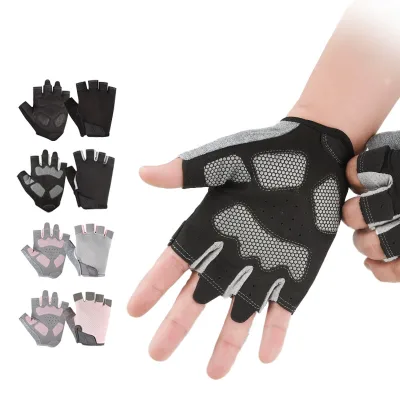
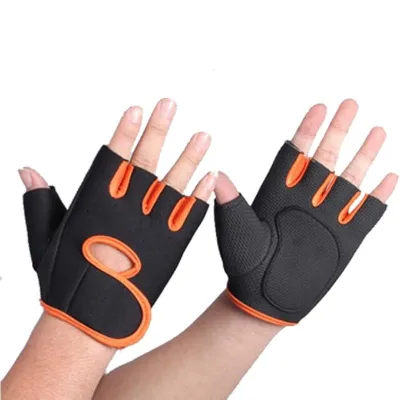
Comfortable Adjustable Weight Lifting Biking Half Finger Anti-skid Palm Cycling Hands Gloves
$0.7081 - $1.0165
MOQ: 5 pairs

- Verified by SGS
- Trading Company
- China Zhejiang
- Lead time15 days
- Avg. response≤ 4h
Main productsYiwu Sourcing Agent, DIY Toys, DIY Jewelry, Travel Souvenirs, Stationery, School Furtiture, Outdoor Products, Caps & Shoes & Socks, Costumes & Props, Beauty Tools
Main marketsAfrica,East Asia(Japan/ South Korea),North America

$1.25 - $1.49
MOQ: 100 Pieces


Yangzhou Goldenwell Import&Export Co., Ltd.
- Verified by BV
- Trading Company,Manufacturer/Factory
- China Jiangsu
- Lead time23 days
- Avg. response≤ 6h
Main productsMedical Devices, Syringe, Medical Tape, Medical Bandage
Main marketsSouth America,Eastern Europe,Mid East,North America,Southeast Asia,Eastern Asia,Oceania,Western Europe,Africa

Durable Anti-Slid Sun Protection Comfortable Cycling Gloves Half Finger Gloves
$3.65 - $4.25
MOQ: 1 Pieces

Hebei Dishixiao Gloves Manufacture Co., Ltd.
- Verified by Intertek
- Manufacturer, Trading Company
- Lead time5 days
- Avg. response≤ 3h
Main productsCap, Glove, Apron, T-shirt, Shopping Bag
Main marketsNorth America(20%), Domestic Market(20%), Western Europe(10%)
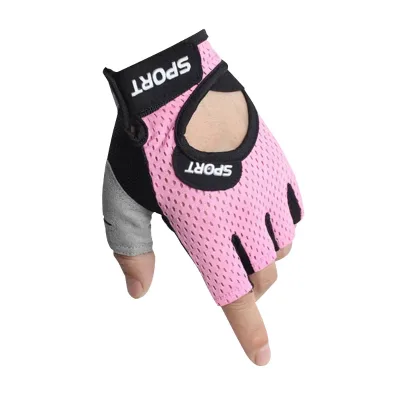
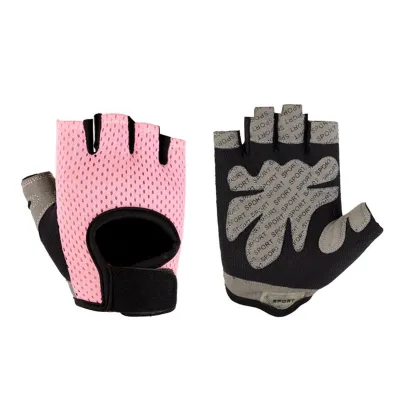
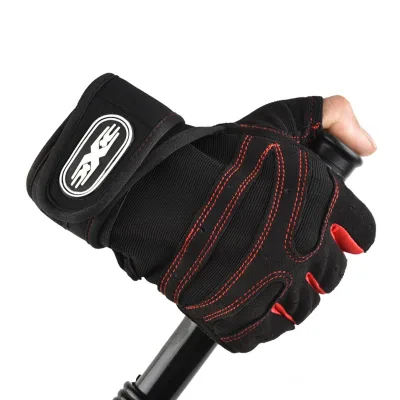
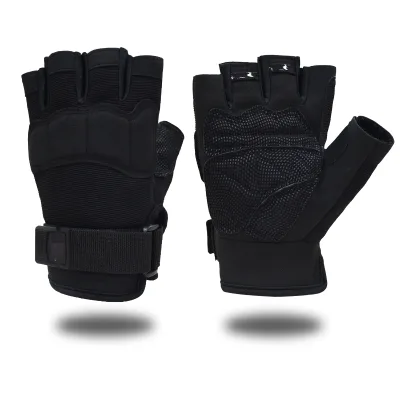
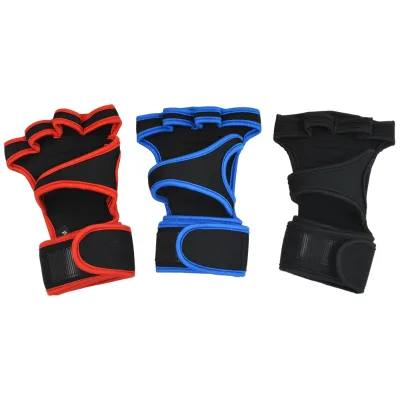
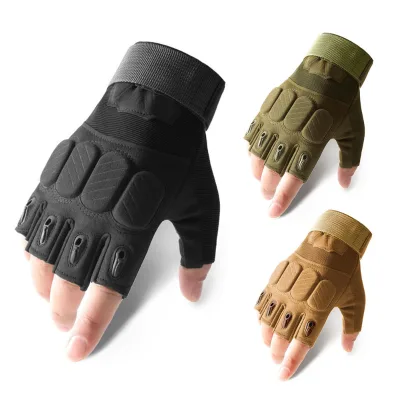
Half Finger Gloves With Custom logo for Unisex Used in Outdoor Sport Gym and Climbing Gloves
$2.0494 - $2.6901
MOQ: 100 pieces

Dongguan Chengsheng Gloves Purification Technology Co.,Ltd.
- Verified by TUVRHEINLAND
- Combined
- China Guangdong
- Lead time15 days
- Avg. response≤ 3h
Main productsCotton Gloves, Microfiber Cleaning Cloth, Kinesiology Tape, Arthritis Gloves, Sports Gloves
Main marketsEast Asia(Japan/ South Korea)

Sports Gym Half-Finger Anti Arthritis Compression Gloves with Wrist Strap
$2.69 - $2.89
MOQ: 100 Pieces

Half Finger Gloves Anti-Arthritis Gloves Compression Gloves for Pain Relief
$0.95 - $1.00
MOQ: 100 Pieces

Quanzhou Jiasheng Gloves Co., Ltd.
- Manufacturer, Trading Company
- Fujian, China
- Lead time50 days
- Avg. response≤ 15h
Main productsLabor Protection Gloves, Riding Gloves, Garden Gloves, Outdoor Gloves, Warm Gloves
Main marketsNorth America(75.00%), Eastern Europe(10.00%), South America(5.00%), Oceania(5.00%), Mid East(5.00%)
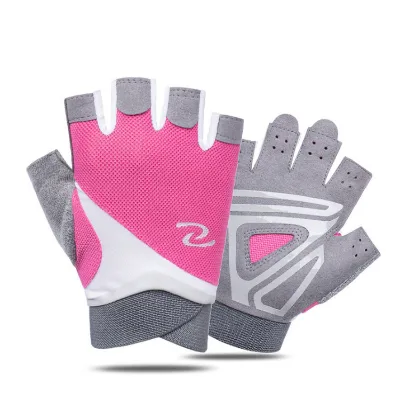
Wholesale Custom Men and Women Gym Sports Weightlifting Hand Protection Half Finger Gloves
$2.55 - $2.63
MOQ: 300 pieces
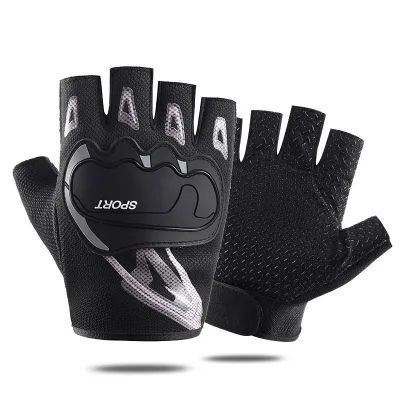
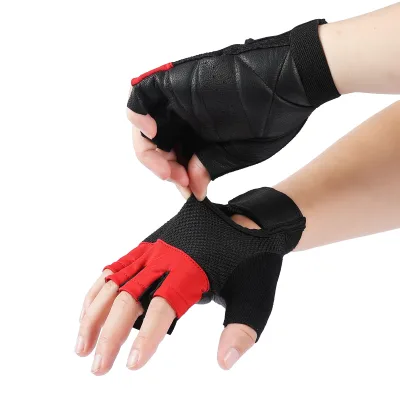
Lifting Leather Half Finger Gloves Weight Workout Hand Grips Fitness for Gymnastics
$2.99 - $5.99
MOQ: 100 pairs

Qingdao Meiji Labor Products Co., Ltd.
- Trading Company,Manufacturer/Factory
- China Shandong
- Lead time0 days
- Avg. response≤ 5h
Main productsSafety Gloves, Work Gloves, Safety Shoes, Safety Glasses, Other PPE
Main marketsSouth America,Eastern Europe,Mid East,North America,Southeast Asia,Eastern Asia,Oceania,Western Europe,Africa

Cycling Fitness Training Exercise Non-Slip Breathable Half Finger Gloves
$3.20 - $3.25
MOQ: 1000 Pairs

Hebei Kang Sheng Yuan Sports Goods Co., Ltd.
- Verified by SGS Group
- Manufacturer, Trading Company
- Lead time5 days
- Avg. response≤ 3h
Main productsWaist Support; Back Posture Corrector; Knee Brace; Body Shaper Corset; Hip Resistance Bands
Main marketsNorth America(30%), Domestic Market(30%), Western Europe(15%)
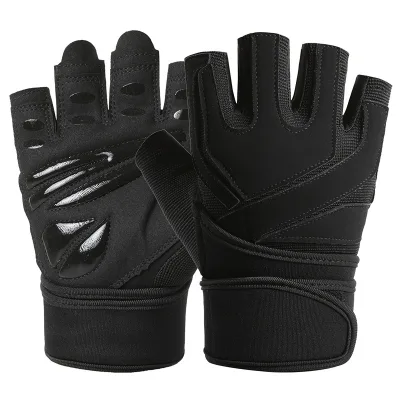
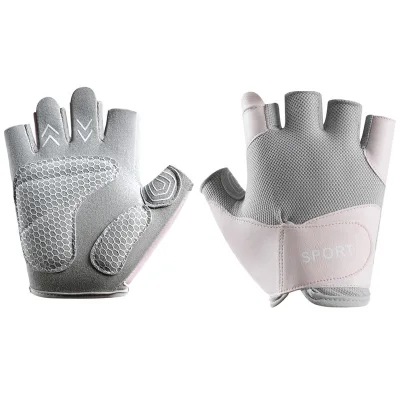
New Sports Half-finger Anti-slip Breathable Yoga Equipment Gym Dumbbell Protective Gloves
$2.40 - $2.85
MOQ: 10 pairs
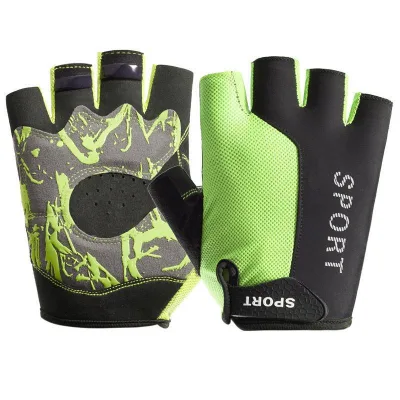
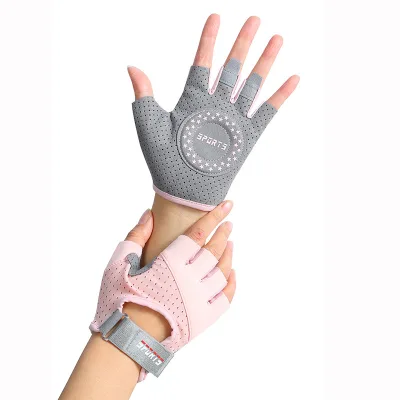
$2.8772 - $3.247
MOQ: 20 pairs
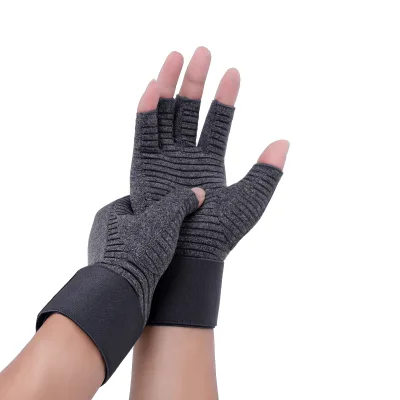
Pressurized Half-finger Gloves Outdoor Sports Fitness Training Wrist Gloves
$4.15 - $4.62
MOQ: 2 pairs
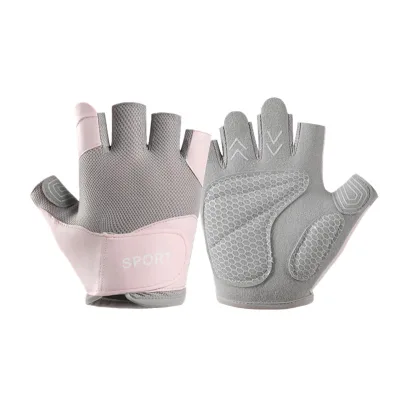
Shijiazhuang Aofeite Imp & Exp Co., Ltd.
- Manufacturer, Trading Company
- Lead time旺季: "1 - 300":31,"> 300":"To be negotiated", 淡季: "1 - 300":31,"> 300":"To be negotiated"
- Avg. response≤ 2h
Main productsKnee Brace, Lumbar Support Belt
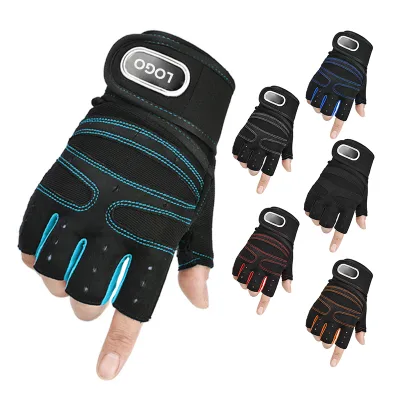
Fitness Body Building Wristband Sports Exercise Weightlifting Half Finger Gym Gloves
$1.4356 - $1.8458
MOQ: 300 pairs
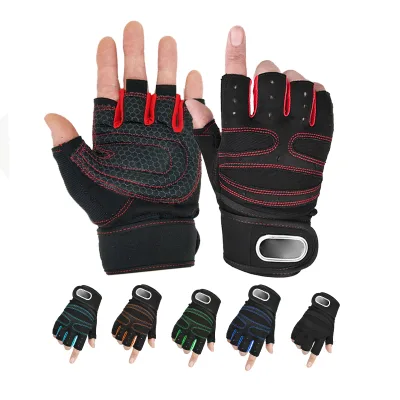
Wholesale Anti Skid Adjustable Fingerless Gym Powerlifting Weight Lifting Gloves
$1.4356 - $1.8458
MOQ: 10 pairs

Shijiazhuang Aishangxin Imp&Exp Co., Ltd.
- Trading Company
- Hebei, China
- Lead time10 days
- Avg. response≤ 4h
Main productsSports products,Fitness products,Processing custom-made clothing,Holiday celebration clothing,Daily household goods
Main marketsNorth America(40.00%), Oceania(23.50%), Western Europe(8.00%), Central America(8.00%), South Asia(5.00%), Africa(5.00%), Mid East(5.00%), South America(3.00%), Southeast Asia(2.00%), Eastern Asia(0.50%)
Yangzhou Star Sport Goods Co., Ltd.
- Verified by TüVRheinland
- Manufacturer, Trading Company
- Lead time10 days
- Avg. response≤ 2h
Main productsKnee Brace, Waist Support, Ankle Support, Wrist Brace, Yoga Stretching Strap
Main marketsNorth America(40%), South America(30%), Eastern Asia(15%)
Changzhou Yuxiu Plastic & Rubber Products Co., Ltd.
- Manufacturer, Trading Company
- Jiangsu, China
- Lead time10 days
- Avg. response≤ 4h
Main productsOutdoor Leisure Products, Plastic & Rubber Material, Sports & Fitness Equipments, Yoga & Pilates
Main marketsNorth America(20.00%), Domestic Market(20.00%), Southeast Asia(13.00%), Oceania(10.00%), Western Europe(10.00%), South America(5.00%), Eastern Europe(5.00%), Mid East(5.00%), South Asia(2.00%), Eastern Asia(2.00%), Southern Europe(2.00%), Central America(2.00%), Northern Europe(2.00%), Africa(2.00%)

Hebei Dishixiao Gloves Manufacture Co., Ltd
- Verified by BV
- Trading Company
- China Hebei
- Lead time15 days
- Avg. response≤ 5h
Main productsCap, Apron, Gloves
Main marketsSouth America,Europe,North America

Guangzhou Yisjoy Sports Glove Co., Ltd.
- Verified by BV
- Combined
- China Guangdong
- Lead time15 days
- Avg. response≤ 7h
Main productsSports Glove, Sports Wear, Sports Hats & Caps, Bike Gloves, Fishing Gloves, Ski Gloves, Billiards Gloves, Running Gloves, Fishing Shirts, Other Sports Accessories
Main marketsSoutheast Asia/ Mideast,East Asia(Japan/ South Korea),Europe,Australia,North America

Half Finger Fitness Cycling Gloves Exercise Weight Lifting Training Gym Gloves
$3.30 - $3.90
MOQ: 100 Pairs

New Style Breathable Shockproof Workout Gloves Half Finger Wrist Strap Fitness Gloves
$5.30 - $5.80
MOQ: 100 Pairs
Dongguan Welkong Sports Industrial Co., Ltd.
- Verified by TüVRheinland
- Manufacturer, Trading Company
- Lead time30 days
- Avg. response≤ 3h
Main productsKnee Brace, Back Brace, Lumbar Brace, Elbow Brace, Wrist Brace
Main marketsNorth America(28%), Domestic Market(20%), Mid East(10%)
Xin Ji Geshida Apparel&accessories Co., Ltd.
- Verified by SGS Group
- Manufacturer, Trading Company
- Lead time15 days
- Avg. response≤ 5h
Main productsGloves, Sport Ware, Hats, Face Mask, Knee Pad
Main marketsDomestic Market(83%), North America(3%), Eastern Asia(2%)
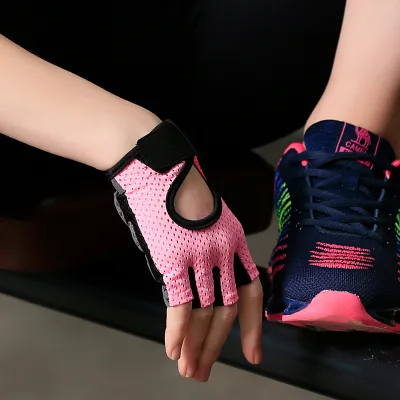
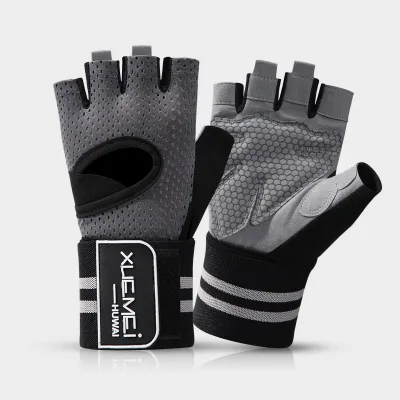
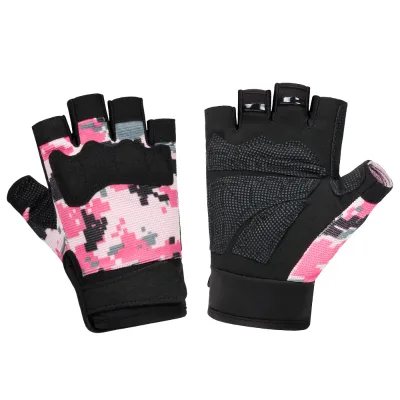
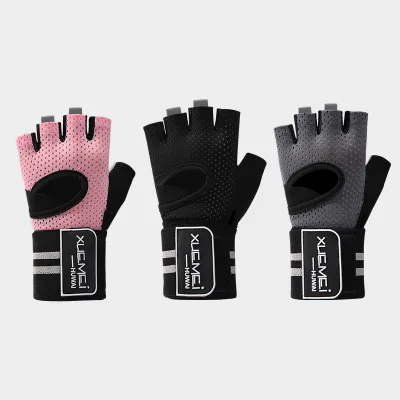
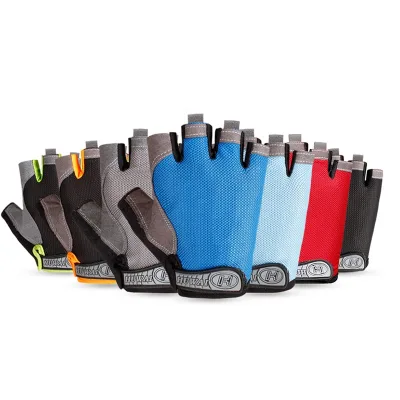
Hot Selling Adjustable Breathable Shockproof Anti slip Weight Lifting Gym Gloves
$1.99 - $2.25
MOQ: 1 pairs
Jinan Haomaite Equipment Co., Ltd.
- Trading Company
- Shandong, China
- Lead time0 days
- Avg. response≤ 1h
Main productsCommercial fitness equipment
Main marketsNorth America(50.00%), Southeast Asia(30.00%), Mid East(10.00%), South Asia(5.00%), Central America(5.00%)
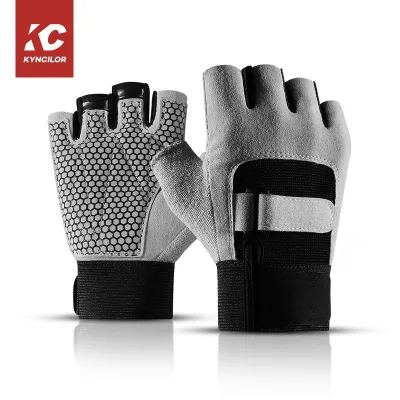
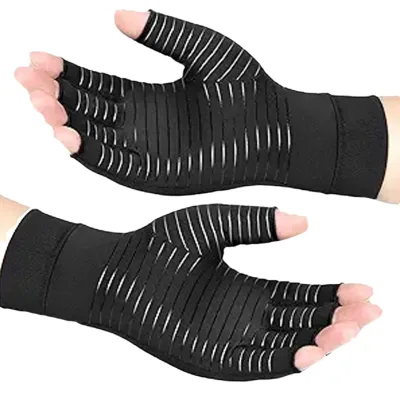
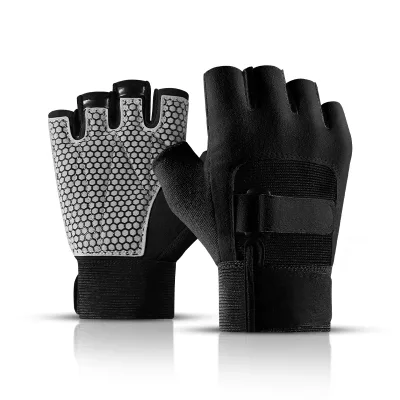
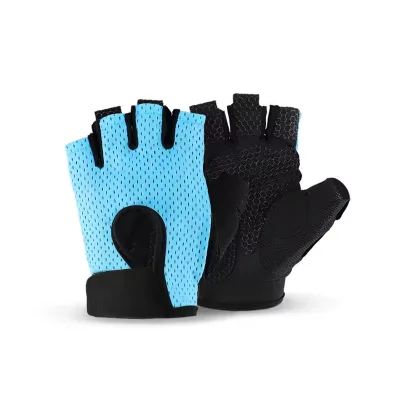
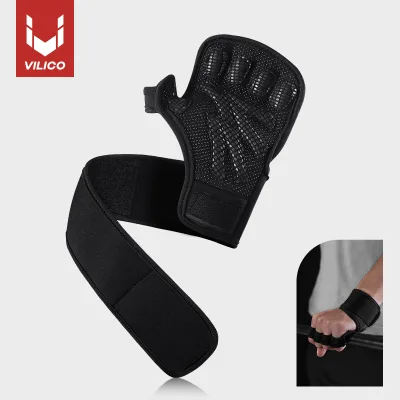
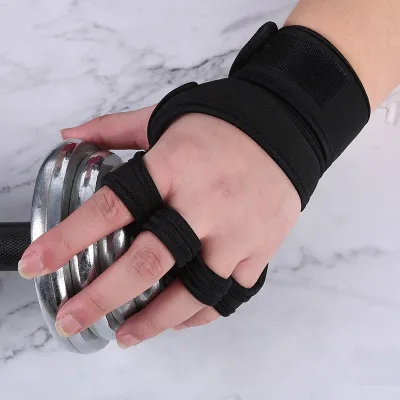
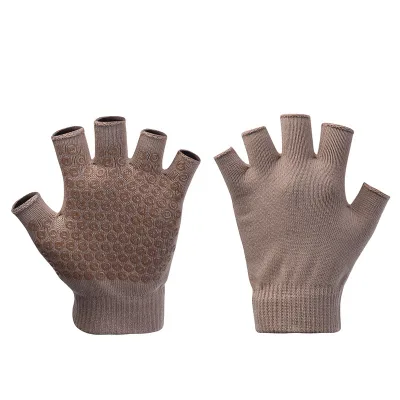
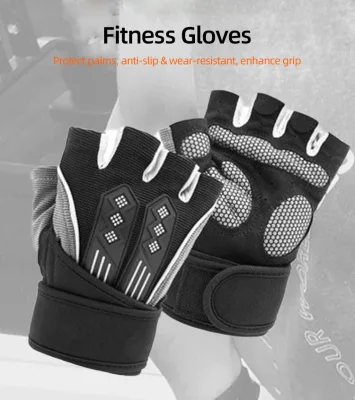
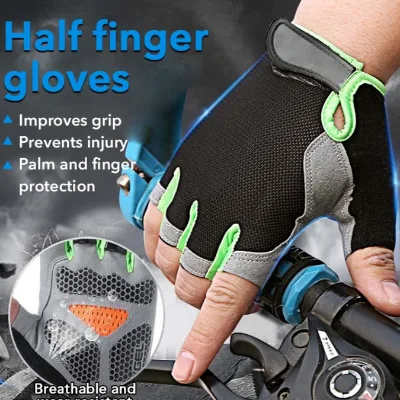
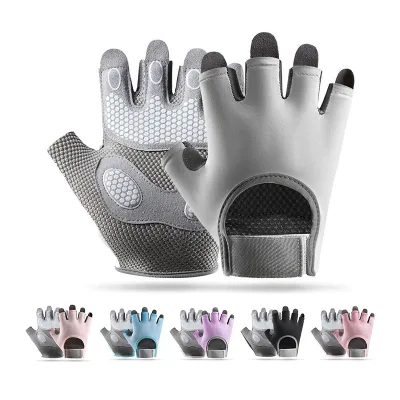
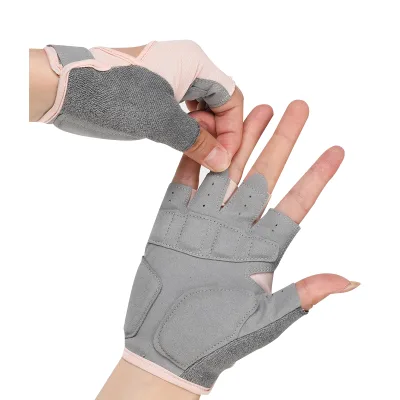


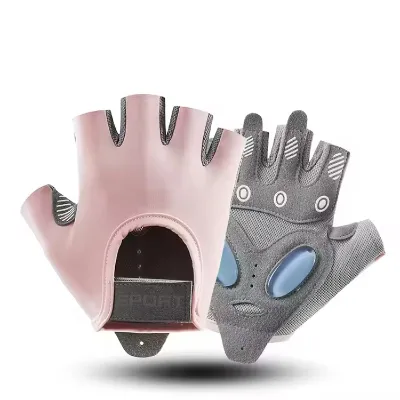
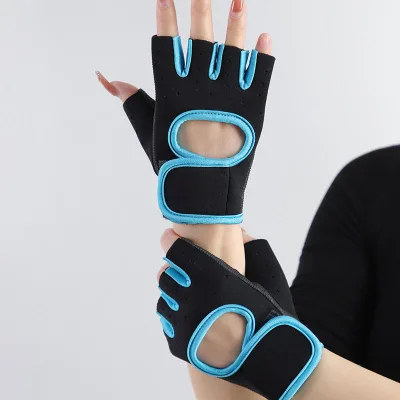
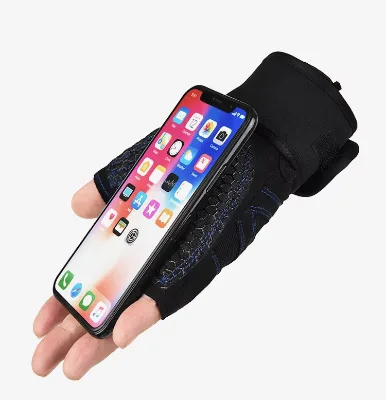
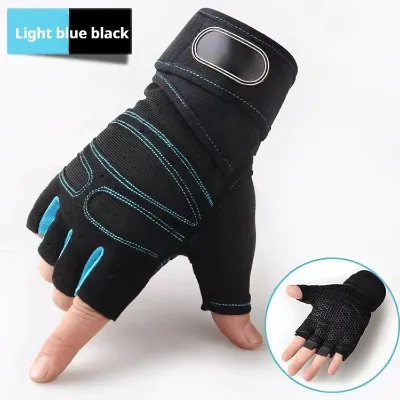
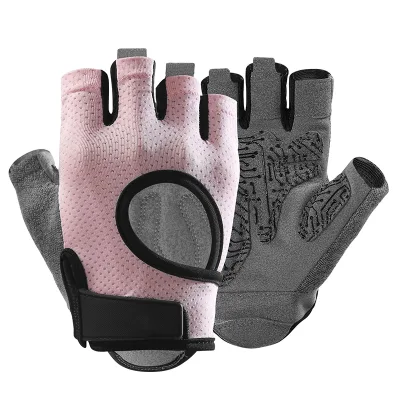
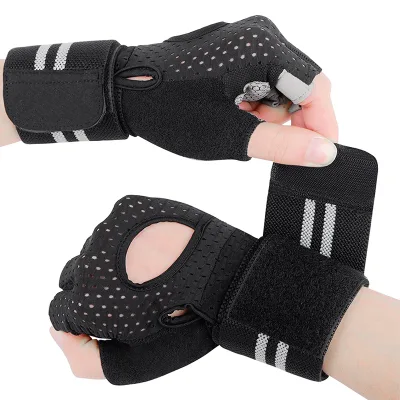
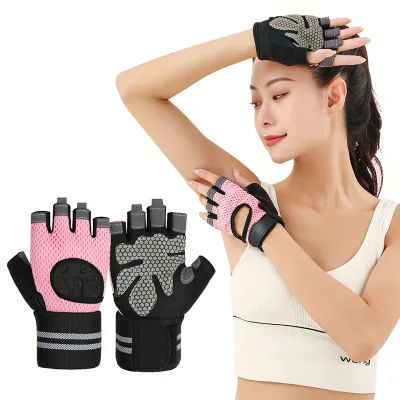
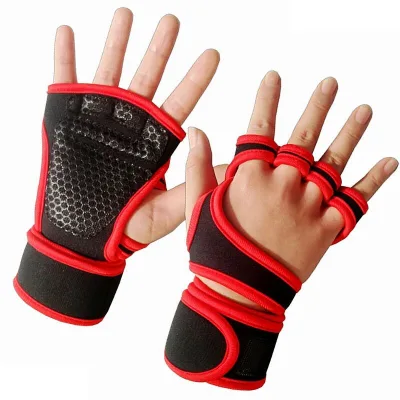


Comprehensive Sourcing Guide
Half Finger Anti-Slip Gym Gloves Supplier Concentration and Factory Types
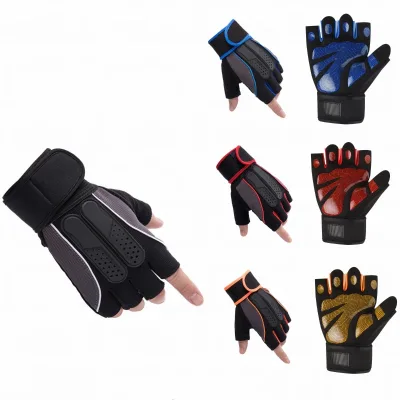
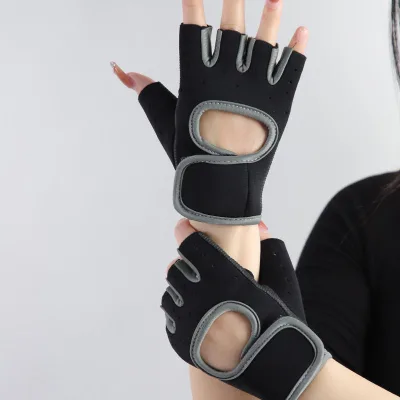
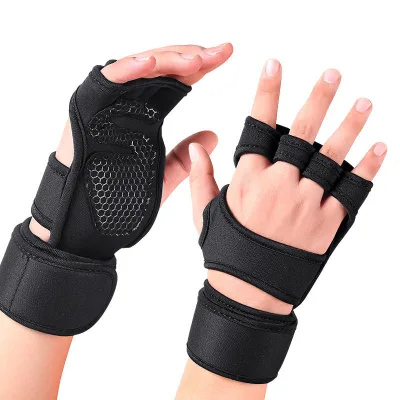
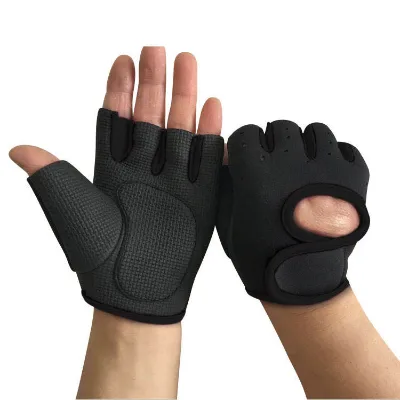
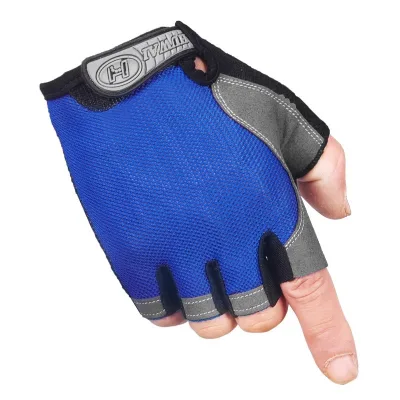
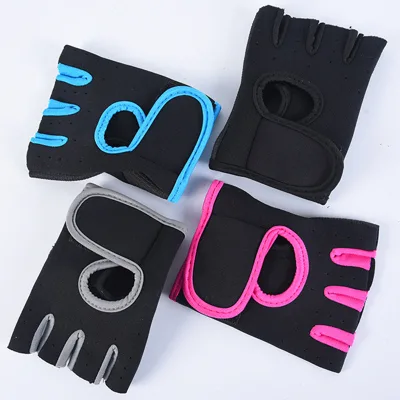
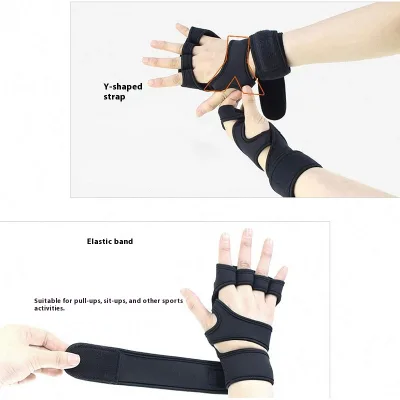
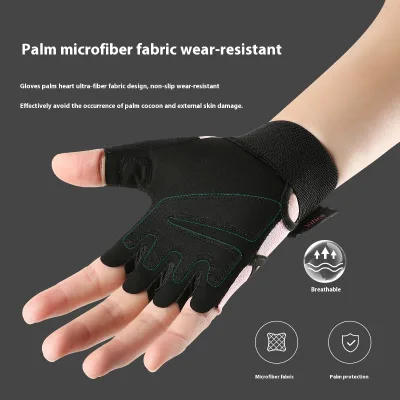
The current supplier landscape for half finger anti-slip gym gloves reveals a mix of manufacturing and trading entities operating within specific Chinese regions. Evidence indicates that production facilities are concentrated in Hebei and Jiangsu provinces, with specific product attributes listing these locations as the place of origin. Manufacturers in these areas often produce items like polyester-based gloves with breathable or waterproof features, while trading companies may aggregate similar goods from various factories. The main product lists for these suppliers frequently include waist supports, back posture correctors, and knee braces alongside the target gloves, suggesting a broader focus on fitness and rehabilitation equipment rather than a single-product specialization.
When evaluating the factory types, buyers should note that some entities are identified strictly as trading companies, while others hold manufacturer status. This distinction impacts the supply chain structure, as manufacturers typically control the production process directly, whereas trading companies facilitate the transaction between the buyer and the factory. The presence of both types in the results suggests that buyers can source directly from production lines or through intermediaries who may offer consolidated shipping. It is essential to verify the specific company type for each potential partner to understand the depth of their operational control and their ability to handle custom orders or rapid production scaling without external dependencies.
How to Verify Half Finger Anti-Slip Gym Gloves Suppliers
Verification of suppliers requires a careful examination of their certification status and response capabilities to ensure reliability. Some suppliers in the current results display verification badges such as CTI, which serves as a third-party validation of their business credentials. Additionally, product listings may include specific certifications like Ca 65 or Reach compliance, indicating adherence to safety and chemical standards required for certain markets. Buyers must confirm that these certifications are current and applicable to the specific glove models being considered, as product attributes often list these standards alongside model numbers like GM4227 or SFK1002.
Response time is another critical metric for assessing supplier reliability and communication efficiency. Data shows response times ranging from approximately 2.5 to 3 hours, which indicates a generally active and responsive supplier base. However, buyers should not assume all suppliers maintain this speed; it is necessary to test communication channels directly before placing orders. Establishing a clear line of communication helps verify the supplier's ability to handle inquiries, resolve issues, and provide accurate updates on order status. A consistent and quick response is often a proxy for a well-managed operation that prioritizes customer service and operational transparency.
What to Compare Across Half Finger Anti-Slip Gym Gloves Suppliers
Comparing suppliers involves analyzing key operational dimensions such as minimum order quantities, lead times, and pricing structures to find the best fit for specific needs. Minimum order quantities vary significantly across the results, with some suppliers requiring as few as three units while others demand orders of 1,000 pieces. This variance allows buyers to select partners based on their inventory capacity and risk tolerance, whether they are testing a new product line or fulfilling a large-scale contract. Pricing also fluctuates, with ranges observed from under one dollar to over three dollars per unit, reflecting differences in material quality, customization options, and order volume.
Lead times and response speeds provide further insight into a supplier's capacity to meet delivery deadlines. Production lead times can extend to 23 days or vary based on order volume, with specific tiers defined for quantities between 100 and 500 units. During peak seasons, lead times may increase, requiring buyers to plan their inventory cycles accordingly. Additionally, the ability to customize products, such as adding logos or altering materials, is a key differentiator. Buyers should compare these factors against their specific project requirements to ensure the selected supplier can deliver the right product volume at the right time without compromising on quality or cost efficiency.
Common Half Finger Anti-Slip Gym Gloves Sourcing Risks
One significant risk in sourcing half finger anti-slip gym gloves is the potential mismatch between product specifications and actual delivery. Product attributes often list features like breathability or waterproofing, but these claims must be validated against the physical samples received. For instance, while some listings specify polyester materials and others mention spandex or cotton blends, the actual composition can vary. Buyers should request detailed material breakdowns and test reports to ensure the gloves meet the intended performance standards for activities like cycling, weightlifting, or yoga. Relying solely on marketing descriptions without physical verification can lead to product failures in the field.
Another risk involves the variability in packaging and shipping logistics, which can affect the final cost and condition of the goods. Packaging details, such as single package sizes or gross weights, differ across suppliers, influencing shipping costs and storage requirements. Some suppliers use polybags, while others utilize cartons, and these choices impact the efficiency of the supply chain. Furthermore, the absence of standardized lead times across all suppliers means that delays can occur unexpectedly, particularly during high-demand periods. Buyers must account for these logistical variables in their planning to avoid stockouts or increased freight expenses that could erode profit margins.
Half Finger Anti-Slip Gym Gloves Regional Sourcing and Logistics
Regional sourcing strategies should focus on the specific provinces identified in the supplier data, such as Hebei and Jiangsu, where production clusters exist. These regions offer distinct advantages in terms of supply chain maturity and access to raw materials, which can influence both cost and quality. Buyers should verify the exact location of the factory to understand the local logistics infrastructure and potential transit times to major ports. While the data confirms these locations, it is crucial to confirm the specific factory address to ensure accurate shipping calculations and to assess the proximity to transportation hubs that facilitate efficient export.
Logistics planning must also consider the impact of regional differences on lead times and shipping costs. Suppliers in different provinces may have varying relationships with freight forwarders, which can affect the speed and reliability of delivery. For example, a supplier in Jiangsu might have different shipping routes compared to one in Hebei, influencing the overall transit time to international destinations. Buyers should request detailed shipping quotes that include all regional variables to avoid hidden costs. Understanding these regional nuances allows for more accurate forecasting and helps in selecting a supplier that aligns with the buyer's logistical constraints and delivery expectations.
Half Finger Anti-Slip Gym Gloves Commercial Terms and Order Planning
Commercial terms for half finger anti-slip gym gloves often include flexible customization options, such as logo printing and OEM services, which are available across many suppliers. These services allow buyers to brand the products according to their specific market needs, with some suppliers offering customized packaging and labeling. However, the availability of these services may depend on the order volume, as minimum order quantities can range from small batches to large wholesale orders. Buyers should clarify the specific requirements for customization, including any additional costs or lead time extensions associated with these services, to ensure they align with their brand strategy and budget.
Order planning requires a strategic approach to managing lead times and inventory levels, especially given the variability in production schedules. Lead times can range from a few days for small orders to several weeks for larger quantities, with specific tiers defined for different volume ranges. Buyers should plan their orders well in advance, accounting for potential delays during peak seasons when production capacity may be stretched. Additionally, understanding the payment terms and escrow options is essential for securing the transaction. By carefully analyzing these commercial terms and planning accordingly, buyers can mitigate risks and ensure a smooth procurement process that meets their business objectives.
FAQs
What is the minimum order quantity for half finger gym gloves?
The minimum order quantity varies by supplier and product specifications. Some manufacturers require as few as 3 pairs, while others set the threshold at 10 or 300 pairs. Buyers should check the specific listing details to confirm the exact MOQ before placing an order to ensure it aligns with their inventory needs.
How long does production take for these gloves?
Lead times depend on order volume and season. For small orders under 100 units, production typically takes 7 days. Larger orders between 101 and 300 units require 15 days, while quantities from 301 to 500 take 18 days. Orders exceeding 500 units require negotiation for a specific delivery schedule.
What materials are used in these fitness gloves?
Manufacturers use various materials including polyester, spandex, cotton, and cowhide blends. Some products feature breathable polyester for summer use, while others combine spandex and cotton for durability. Buyers can select gloves based on specific material preferences to ensure comfort and performance during different types of workouts and training sessions.
Can I customize the logo on these gloves?
Yes, many suppliers offer customization services for branding. Manufacturers typically allow buyers to add custom logos to the gloves. This service is available for both half-finger and full-glove designs. Buyers should confirm customization options and any associated costs with the supplier before finalizing their order to ensure brand consistency.
What is the price range for wholesale gym gloves?
Prices vary based on material, features, and order quantity. Wholesale costs generally range from approximately $0.72 to $3.84 per pair. Lower-priced options often use basic polyester or cotton blends, while higher-priced items may include specialized features like waterproofing or enhanced wrist support. Buyers should compare quotes to find the best value.
Where are these gloves manufactured?
These gloves are primarily manufactured in China. Specific production locations include Hebei and Jiangsu provinces. Buyers can verify the exact place of origin for each product listing. Sourcing from these regions often provides access to established supply chains and competitive pricing for fitness accessories and protective sports equipment.
How quickly do suppliers respond to inquiries?
Supplier response times are generally fast, averaging around 2.5 to 3 hours. This quick turnaround allows buyers to receive quotes and product details efficiently. Prompt responses help streamline the sourcing process, enabling buyers to compare multiple suppliers and make informed decisions without significant delays in communication or order placement.