Handmade Eco Coconut Bowl Suppliers and Manufacturers
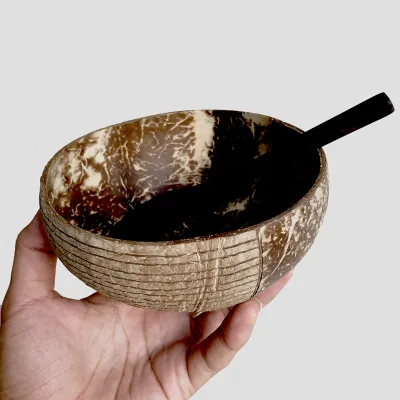
Explore 25 verified suppliers offering handmade eco coconut bowls with varying lead times, response speeds, and certifications like Oeko-Tex 100. Compare MOQs, prices, and origins to find the right partner for your needs; review the available evidence before requesting comparable quotations from suitable candidates.
Suppliers List
Shenzhen Nicebest International Import & Export Co., Limited
- Verified by TüVRheinland
- Trading Company
- Lead time2 days
- Avg. response≤ 4h
Main productsKitchen Tabletop, Bathroom Products, Home Decoraction
Main marketsNorth America(40%), South America(30%), Mid East(10%)
Suzhou Kare Houseware Co., Ltd.
- Verified by SGS Group
- Manufacturer, Trading Company
- Lead time0 days
- Avg. response≤ 8h
Main productsCleaning Cloth, Bamboo Brush, Cleaning Sponge, Mop Refill
Main marketsWestern Europe(55%), Eastern Asia(23%), North America(15%)
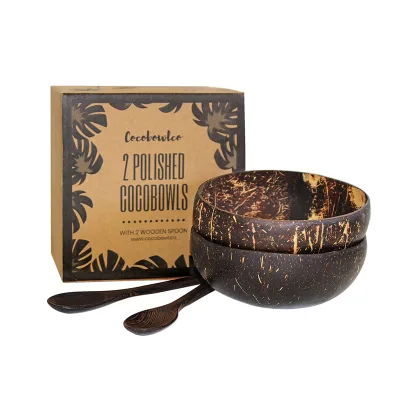
Eco Friendly Natural Coconut Shell Bowl,Organic Half Bulk Wholesale Raw Coconut Shell for Sale
$1.22 - $1.27
MOQ: 50 pieces
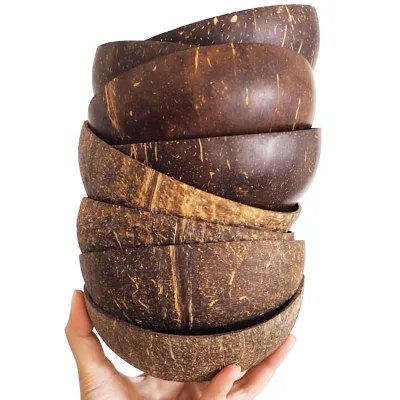
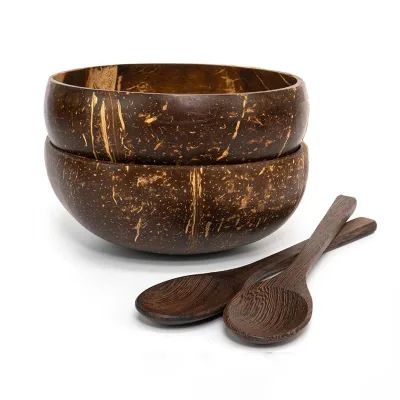
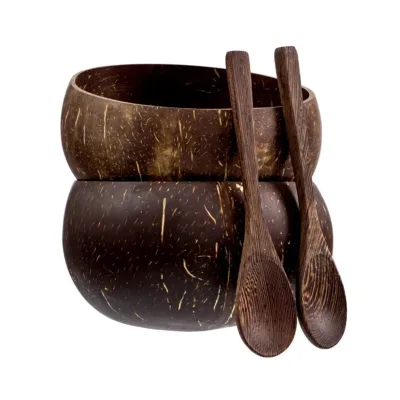

Xiamen Ebei Import & Export Co., Ltd.
- Verified by CTI
- Trading Company,Manufacturer/Factory
- China Fujian
- Lead time45 days
- Avg. response≤ 2h
Main productsEco-Friendly Products, Bamboo Tableware, Bamboo Furniture, Bamboo Kitchenware, Bamboo Office Supply, Bamboo Fibre Products, Biodegradable Products, Bamboo Towel, Solar Energy Products, Bamboo Garden Products
Main marketsSouth America,Eastern Europe,Mid East,North America,Southeast Asia,Eastern Asia,Oceania,Western Europe,Africa


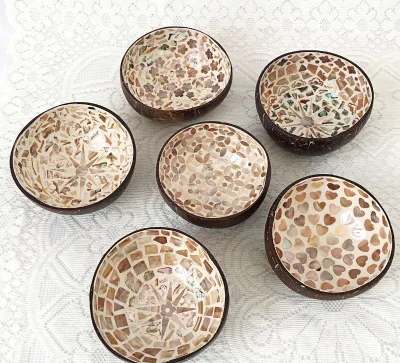
Handmade Premium 100% Natural Coconut Bowl
MOQ: 500 Pieces

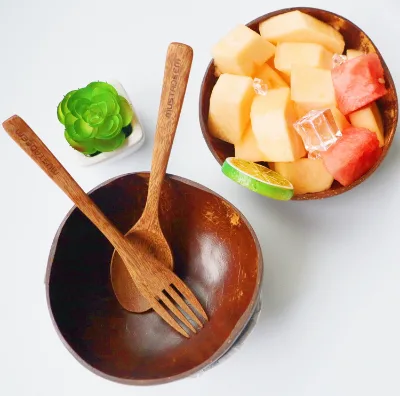
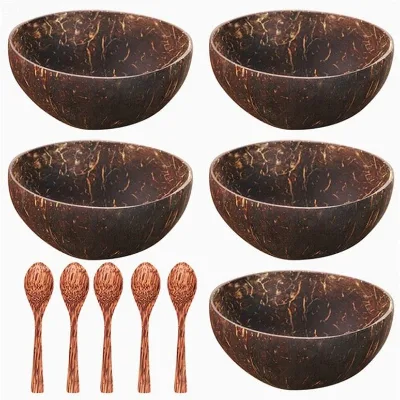
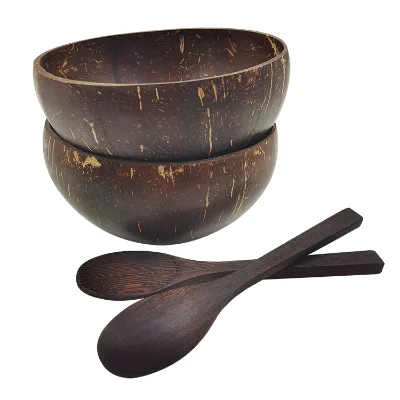
Natural Coconut Bowl Set with Wooden Spoons
MOQ: 500 Sets

Natural Wooden Bamboo Bowl Fruit Bowl Bamboo Salad Bowl
MOQ: 1000 Pieces

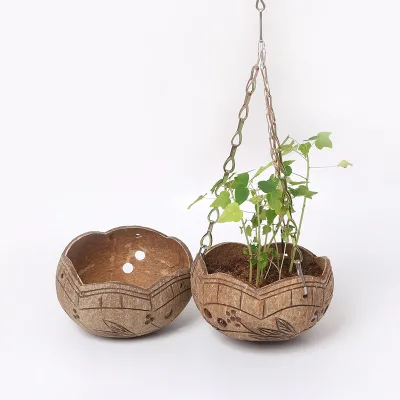
Handmade Natural Bamboo Basket / Bamboo Flower Pot
MOQ: 1000 Pieces

Bamboo Fiber Compartment Bowls with Bamboo Tray
MOQ: 500 Pieces
Xiamen Ehang Household Products Co., Ltd.
- Trading Company
- Fujian, China
- Lead time37 days
- Avg. response≤ 6h
Main productsKitchenware,bamboo and wooden products,Houseware,Kitchen gadgets,Garden
Main marketsSoutheast Asia(20.00%), North America(20.00%), Southern Europe(10.00%), Northern Europe(10.00%), Western Europe(10.00%), South America(10.00%), Eastern Europe(10.00%), Central America(5.00%), Domestic Market(1.00%), Mid East(1.00%), Oceania(1.00%), Eastern Asia(1.00%), Africa(1.00%)
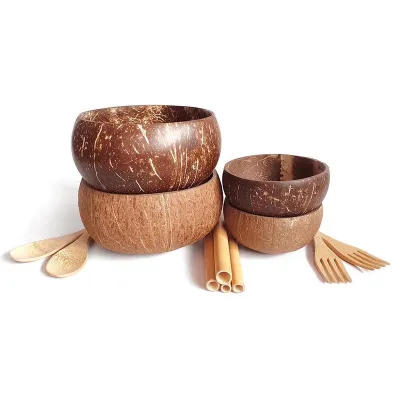
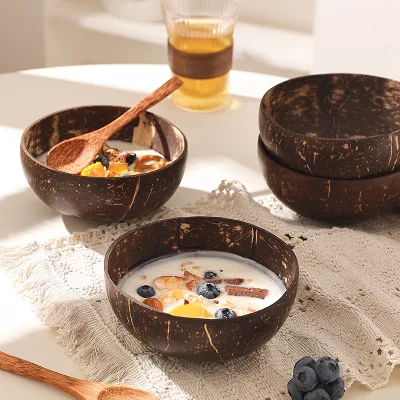
Coconut Shell Bowls Eco Kitchen Coconut Handmade Dessert Bowls Set Coconut Bowl
$1.00 - $8.00
MOQ: 500 pieces
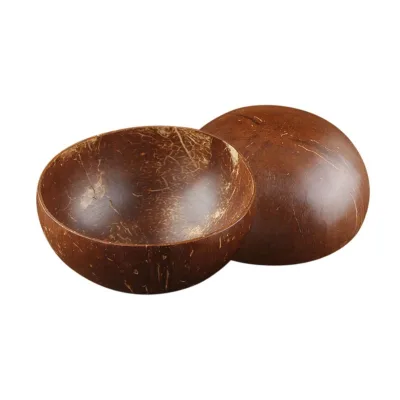
$1.03 - $3.08
MOQ: 1000 Minimum
Bo Bai Haosen Handicrafts Co., Ltd.
- Manufacturer, Trading Company
- Guangxi, China
- Lead time5 days
- Avg. response≤ 2h
Main productsPicnic Basket,Christmas Tree Decorations Base Stand Skirt,Bread Proofing Basket,Fruit Tray,Lampshades
Main marketsDomestic Market(33.00%), North America(33.00%), Oceania(20.00%), Mid East(14.00%)
Nanning Holame Home Tech Co., Ltd.
- Manufacturer, Trading Company
- Guangxi, China
- Lead time30 days
- Avg. response≤ 2h
Main productsGift Baskets,Rattan Products,Bamboo Products,Wood Products,Kitchenware
Main marketsNorth America(50.00%), Western Europe(10.00%), Oceania(10.00%), Southern Europe(9.00%), Africa(8.00%), Mid East(6.00%), Northern Europe(5.00%), Eastern Europe(2.00%)
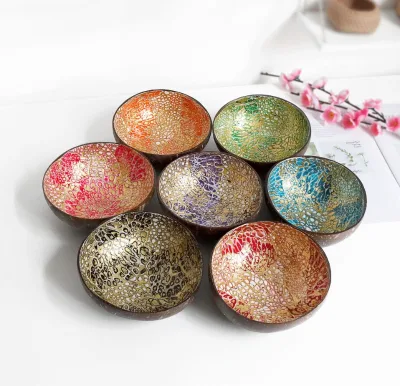
$1.59 - $1.99
MOQ: 10 pieces
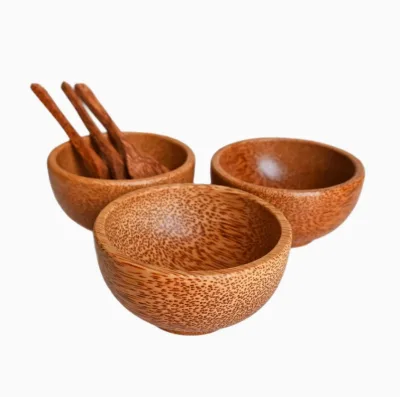
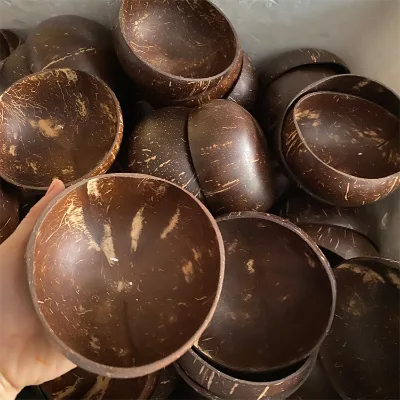
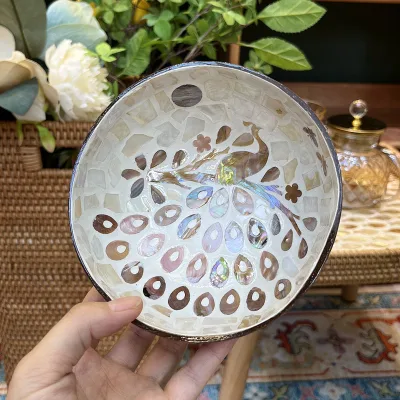
Hot Selling Natural Eco-friendly Durable Polished Coconut Wood Bowl for Gift Household
$2.03 - $2.54
MOQ: 50 pieces
Changsha Smurfs Import And Export Trade Co., Ltd.
- Trading Company
- Hunan, China
- Lead time15 days
- Avg. response≤ 5h
Main productspatches,Zipper,button,lace fabric,coconut bowl
Main marketsEastern Europe(20.00%), North America(20.00%), Southern Europe(10.00%), Western Europe(10.00%), South America(10.00%), Northern Europe(5.00%), Mid East(5.00%), Southeast Asia(5.00%), Central America(3.00%)

- Verified by BV
- Manufacturer/Factory
- China Fujian
- Lead time15 days
- Avg. response≤ 25h
Main productsWater Bottle, Kitchen Ware, Shoes, Plastic Product, Bag, Toy
Main marketsSouth America,Eastern Europe,Mid East,North America,Southeast Asia,Eastern Asia,Oceania,Western Europe,Africa
Abarke (tianjin) Technology Co., Ltd.
- Manufacturer, Trading Company
- Lead time旺季: "1 - 10":3,"11 - 100":20,"> 100":"To be negotiated", 淡季: "1 - 10":3,"11 - 100":20,"> 100":"To be negotiated"
- Avg. response≤ 3h
Main productsJade Eggs,Guasha Tools,Jade Rollers,Jade Crafts,Ice Globe
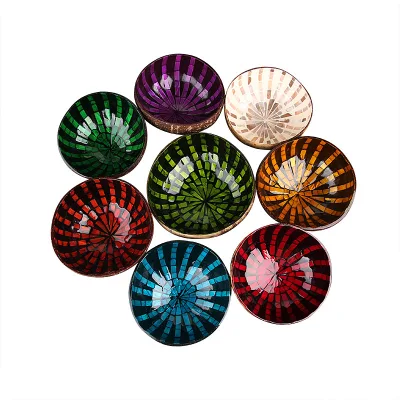
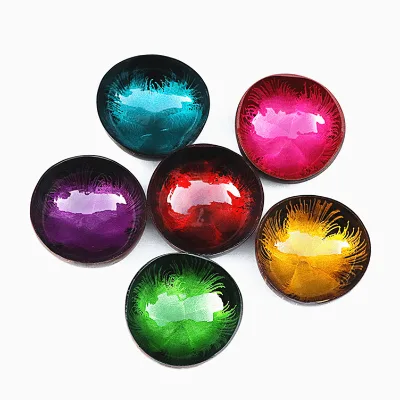
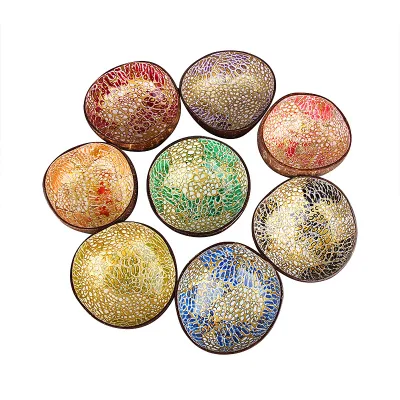
Wholesale Natural Coconut Shell Bowl New Design Ornament Lacquered Coconut Bowls
$2.00 - $4.00
MOQ: 10 pieces

Changsha Guan Sen Homeware Co., Ltd.
- Trading Company
- Hunan, China
- Lead time15 days
- Avg. response≤ 6h
Main productshand folding fan,Furniture table,Kitchenware,Wooden Homeware,Custom Craft Umbrella
Main marketsNorth America(67.00%), Eastern Europe(10.00%), Northern Europe(8.00%), Western Europe(5.00%), Southeast Asia(3.00%), Mid East(2.00%), Southern Europe(2.00%), Africa(1.00%), South America(0.30%), Central America(0.30%), Eastern Asia(0.30%), Domestic Market(0.20%), Oceania(0.10%), South Asia(0.10%)
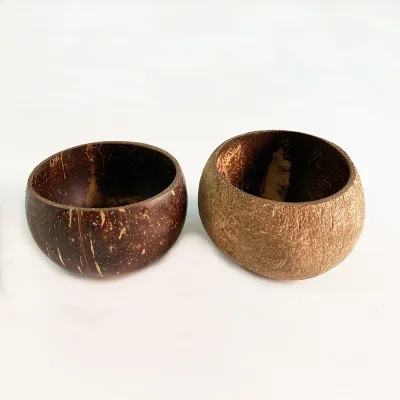
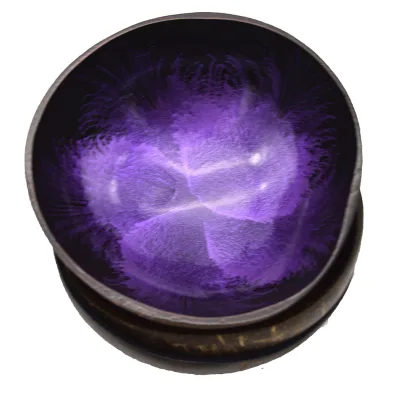
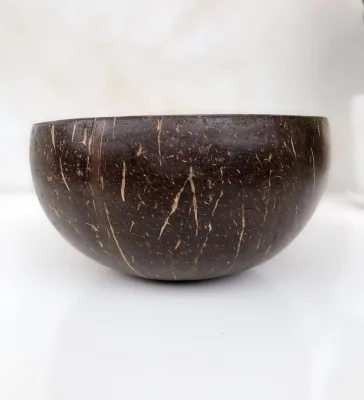
Customized High Quality Handmade Coconut Shell Bowls Rough Bowl Polished Coconut Bowl
$1.08 - $1.30
MOQ: 100 pieces
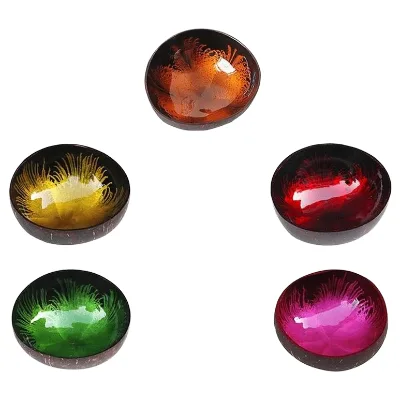
$1.05 - $1.59
MOQ: 6 pieces
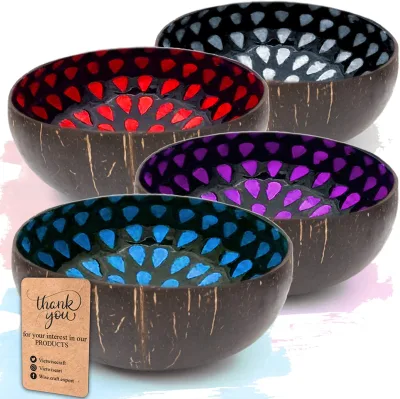

Henan Domingo Industry Co., Ltd.
- Trading Company
- Henan, China
- Lead time40 days
- Avg. response≤ 2h
Main productsdinner set,ceramic dinnerware,mugs,dinner plate,bowls
Main marketsSouth America(20.00%), Northern Europe(20.00%), Africa(15.00%), Eastern Europe(15.00%), North America(10.00%), Central America(10.00%), Mid East(10.00%)
Dongguan Hongjiayi Bamboo And Wood Products Co., Ltd.
- Trading Company
- Guangdong, China
- Lead time30 days
- Avg. response≤ 5h
Main productsCutting Boards,Kitchen Utensils,Shadow Box,Bamboo and Wood Crafts,Promotional Gifts
Main marketsNorth America(60.00%), Southeast Asia(10.00%), South America(10.00%), Western Europe(5.00%), Oceania(5.00%), Eastern Europe(5.00%), Northern Europe(3.00%), Eastern Asia(2.00%)
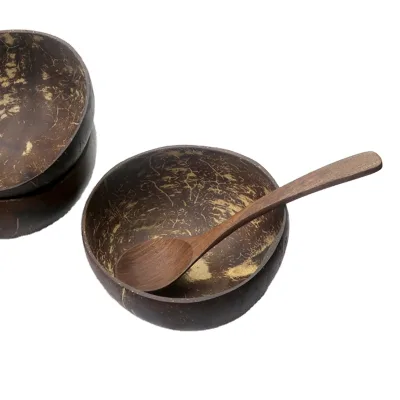
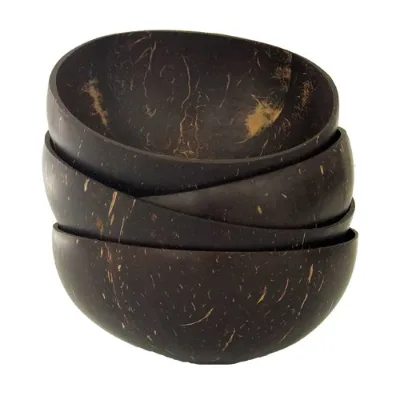
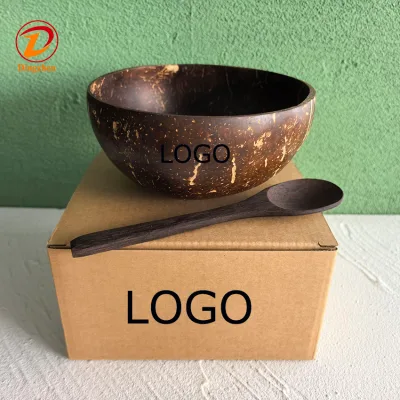
Custom logo Reusable Coconut Bowls Shells Handmade Spoon Natural Coconut Bowl Shell
$0.80 - $1.20
MOQ: 100 sets
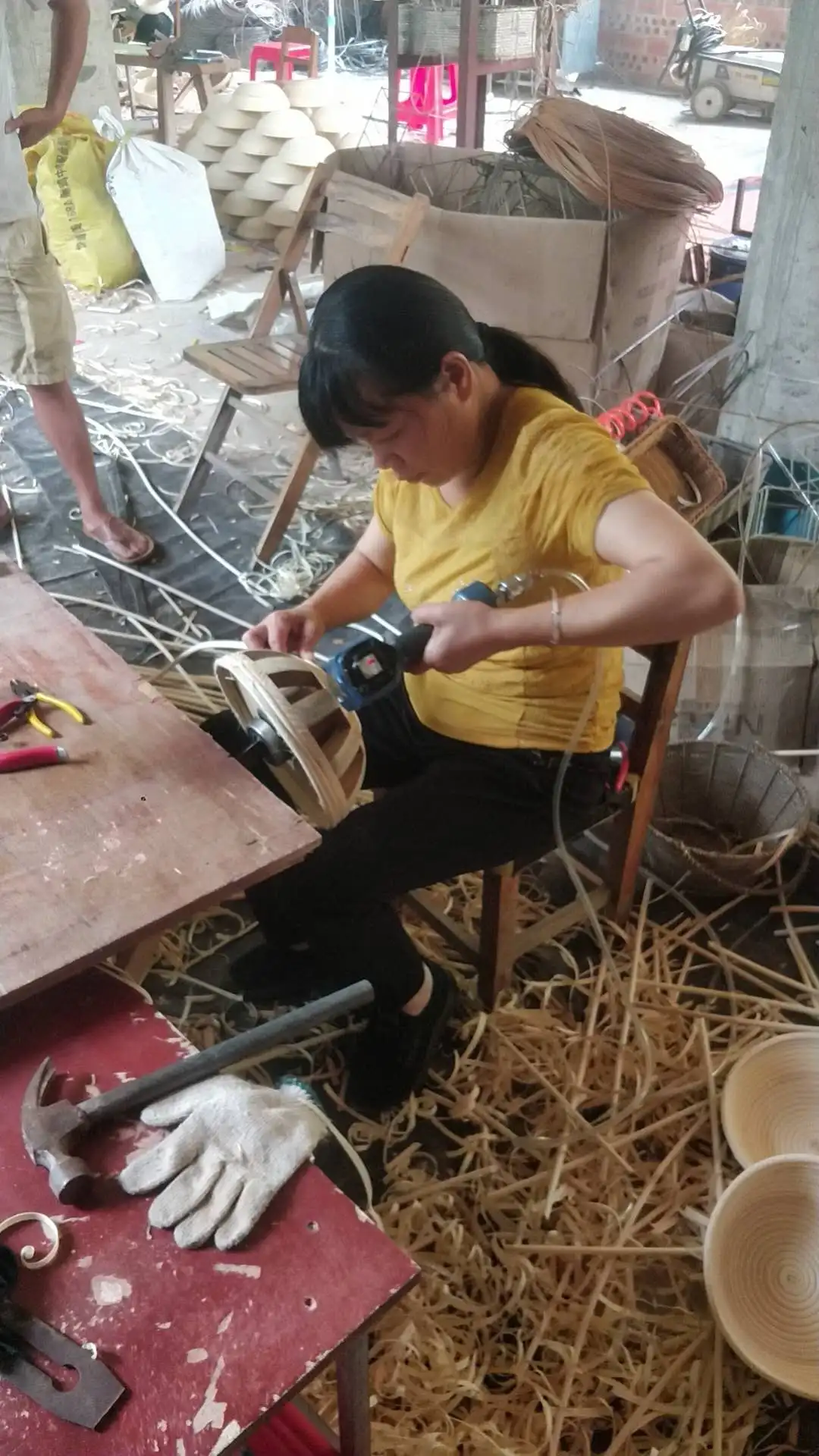
- Manufacturer, Trading Company
- Guangdong, China
- Lead time20 days
- Avg. response≤ 3h
Main productsbread proofing basket,bamboo steamer,placemat,bakeware,kitchenware
Main marketsNorth America(40.00%), Eastern Europe(30.00%), South Asia(20.00%), Mid East(10.00%)
Hangzhou Packaging Household Products Co., Ltd.
- Verified by Intertek
- Trading Company
- Lead time30 days
- Avg. response≤ 3h
Main productsWooden Cutting Board, Wooden Tray, Wooden Box, Wooden Barrel
Main marketsNorth America(62%), Eastern Europe(12%), Northern Europe(10%)
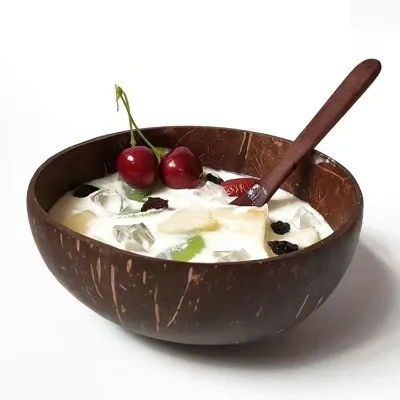
Natural eco-friendly handmade coconut shell bowl small salad bowls wood
$0.61 - $1.21
MOQ: 200 Minimum
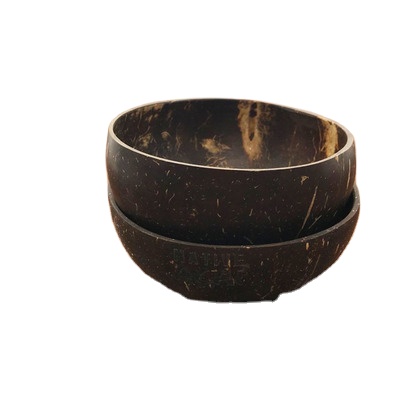
$1.60 - $2.60
MOQ: 100 pieces
- Manufacturer
- Guangdong, China
- Lead time0 days
- Avg. response≤ 3h
Main productsbamboo steamer basket,proofing basket,straw handbag,home decor,coconut bowl
Main marketsNorth America(35.00%), Western Europe(21.00%), Eastern Europe(11.00%), Northern Europe(7.50%), Africa(7.00%), Southeast Asia(6.00%), South America(6.00%), Central America(4.40%), Southern Europe(2.10%)

Shuifu Huiyang Agricultural Technology Co., Ltd.
- Verified by SGS
- Trading Company
- China Yunnan
- Lead time23 days
- Avg. response≤ 3h
Main productsBamboo Products, Bamboo Crafts, Bamboo Chopsticks, Bamboo Skewers, Bamboo Weaving, Bamboo Tray, Bamboo Box, Bamboo Placemat, Bamboo Fruit Bowl, Lamp Shades
Main marketsDomestic
- Verified by SGS Group
- Trading Company
- Lead time3 days
- Avg. response≤ 3h
Main productsEducational Toys; Montessori Teaching AIDS; Household Items; Kids Furniture; Stationery
Main marketsNorth America(25%), Western Europe(20%), Southeast Asia(10%)

Ningbo Maxtor Houseware Manufacturing Co., Ltd
- Trading Company
- China Zhejiang
- Lead time30 days
- Avg. response≤ 13h
Main productsAluminum Pressed Cookware, Aluminum Forged Cookware, Full Induction Cookware, Fire Pit, Tri-Ply Stainless Steel Cookware, Stone Marble Cookware, Hard Anodized Cookware, Pressure Cooker
Main marketsSouth America,Africa,Southeast Asia/ Mideast,East Asia(Japan/ South Korea),Domestic,Europe,Australia,North America
Guangzhou Dingzhen Import And Export Trade Co., Ltd.
- Verified by TüVRheinland
- Trading Company
- Lead time15 days
- Avg. response≤ 2h
Main productsReusable Makeup Remover Pads, Spa Headbands & Wristband Set, Exfoliating Gloves, Hair Turban & Bath Towel, Cloth Menstrual Pads & Nursing Pads
Main marketsNorth America(25%), Western Europe(22%), Southeast Asia(9%)
Dongguan Fengzhu Homeware Co., Ltd.
- Trading Company
- Guangdong, China
- Lead time15 days
- Avg. response≤ 6h
Main productsFood Storage & Container,home organizer,Storage Bottles & Jars,bakery tools,Coffee & Tea Sets
Main marketsNorth America(50.00%), Western Europe(20.00%), Southeast Asia(8.00%), Oceania(8.00%), South America(7.00%), Eastern Europe(7.00%)
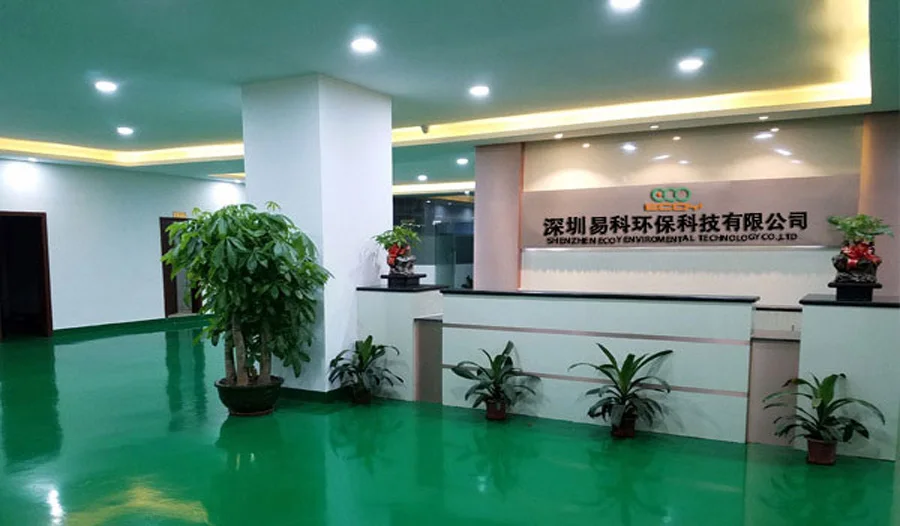
Shenzhen Ecoy Enviromental Technology Co., Ltd.
- Manufacturer, Trading Company, Distributor/Wholesaler
- Guangdong, China
- Lead time0 days
- Avg. response≤ 14h
Main productscheese board,cutlery,stainless steel bottle,bamboo items,yoga items
Main marketsNorth America(40.00%), Eastern Europe(20.00%), Southeast Asia(20.00%), Central America(5.00%), Mid East(5.00%), Oceania(5.00%), South America(5.00%)

Fujian Hoyee Household Items Co., Ltd.
- Verified by BV
- Manufacturer/Factory
- China Fujian
- Lead time0 days
- Avg. response≤ 10h
Main productsBamboo Products, Cutting Board, Bathtub Caddy, Bath Mat, Bath Towel Rack, Shoes Rack, Office Organizer, Desk Organizer, Cheese Board, Serving Tray
Changsha Qingyulan Homeware Co., Ltd
- Verified by TüVRheinland
- Manufacturer, Trading Company
- Lead time25 days
- Avg. response≤ 2h
Main productsCraft Fan, Craft Umbrella, Promotional Gifts, Wooden Kitchenware
Main marketsNorth America(31%), Western Europe(16%), Eastern Europe(15%)
Jiangxi Zhichu Bamboo And Wood Co., Ltd.
- Manufacturer, Trading Company
- Jiangxi, China
- Lead time15 days
- Avg. response≤ 3h
Main productsWooden pallet,Wooden sushi boat,oden chopping board,Wooden tableware,Wooden kitchen storage items
Main marketsNorth America(40.00%), Mid East(20.00%), Southeast Asia(20.00%), Northern Europe(20.00%), Central America(10.00%), Domestic Market(10.00%), South Asia(10.00%)
Quanzhou Bestowal Trading Co., Ltd.
- Verified by Intertek
- Trading Company
- Lead time60 days
- Avg. response≤ 2h
Main productsBamboo Rack/Shelf, Bamboo Furniture, Bamboo Kitchenware Accessories
Main marketsMid East(35%), South Asia(30%), North America(25%)








Comprehensive Sourcing Guide
Handmade Eco Coconut Bowl Supplier Concentration and Factory Types
The current supplier landscape for handmade eco coconut bowls reveals a mix of trading companies and manufacturers, with some entities operating as both. Evidence indicates that certain suppliers specialize in kitchen tabletops, bathroom products, and home decoration, while others focus on cleaning tools like bamboo brushes and sponges. This diversification suggests that buyers may encounter suppliers who handle coconut shell products alongside other eco-friendly home goods. The presence of trading companies implies a layer of intermediation, whereas manufacturers suggest direct production capabilities. Buyers should examine the company type listed for each potential partner to understand their role in the supply chain.
When assessing factory types, it is crucial to note that not all suppliers offer the same depth of production capacity. Some results show suppliers with capabilities for light customization, sample processing, and graphic processing, while others may lack these specific in-house services. The main products listed for various suppliers range from natural coconut shell bowls to cleaning cloths and mop refills, indicating that a single supplier might not be a dedicated coconut bowl specialist. Buyers must verify if the supplier's primary focus aligns with their specific needs for handmade coconut shell items. Understanding whether a supplier is a pure manufacturer or a trading company helps in predicting their flexibility and control over the production process.
How to Verify Handmade Eco Coconut Bowl Suppliers
Verification is a critical step when sourcing handmade eco coconut bowls, as the market includes entities with varying levels of credibility. Some suppliers have undergone verification by recognized third-party organizations such as TÜV Rheinland and SGS Group. These verifications provide a baseline of trust regarding the company's existence and operational legitimacy. However, the absence of a specific verification badge does not automatically disqualify a supplier, but it does require the buyer to conduct additional due diligence. Buyers should look for these verification markers as a primary indicator of a supplier's commitment to meeting international standards.
Beyond third-party verification, buyers should scrutinize the specific product attributes and certifications provided in the supplier's listings. Certain suppliers display certifications like Oeko-Tex 100 and GRS, which are relevant for eco-friendly and organic product claims. These certifications suggest that the materials and production processes adhere to specific environmental and safety standards. Buyers must confirm that these certifications are current and applicable to the specific coconut shell products they intend to purchase. Relying solely on general company descriptions without checking for these specific product-level credentials can lead to sourcing items that do not meet the required eco-friendly standards.
What to Compare Across Handmade Eco Coconut Bowl Suppliers
Comparing suppliers requires a detailed analysis of key operational metrics such as minimum order quantities, lead times, and response speeds. The data shows a range of minimum order quantities, with some suppliers requiring as few as 10 pieces while others set the bar at 100 pieces. Lead times also vary significantly, with some suppliers indicating a two-day turnaround while others list zero days or longer periods. Response times are another critical factor, with some suppliers responding within four hours and others taking up to eight hours. These differences directly impact the buyer's ability to manage inventory and respond to market demands efficiently.
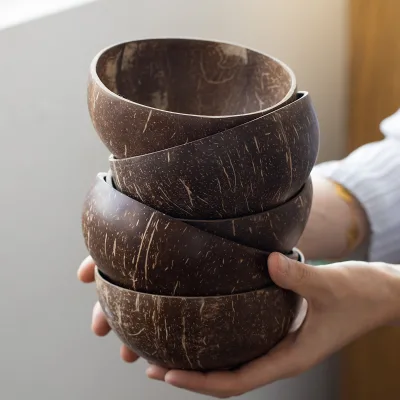
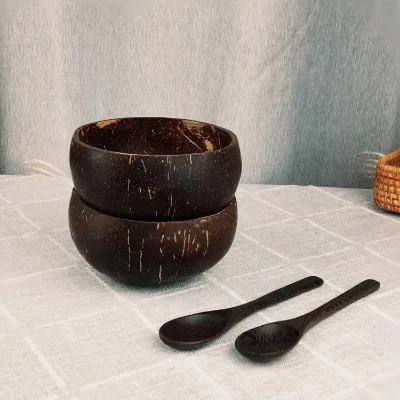
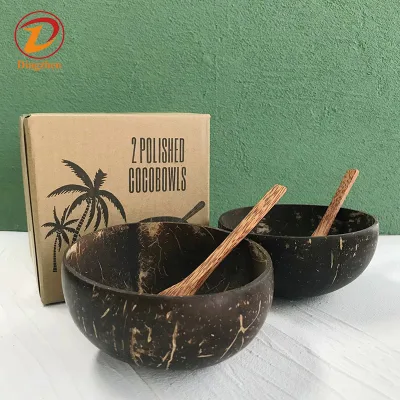
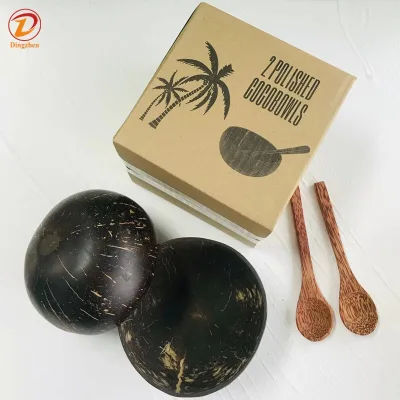
Price and material specifications are equally important dimensions for comparison. The observed price range for coconut bowls spans from approximately $1.19 to $1.40 per unit, depending on the specific product features and order volume. Material descriptions vary from "coconut shell" to "wood," and some listings specify the technique as "wood handicraft" or "weave." Buyers must ensure that the material description matches the actual product they expect, as terms like "wood" might imply a different source than "coconut shell." Additionally, comparing packaging details, such as paper packages versus bulk shipping, helps in calculating total landed costs and ensuring the product arrives in suitable condition for retail or distribution.
Common Handmade Eco Coconut Bowl Sourcing Risks
One significant risk in sourcing handmade eco coconut bowls is the inconsistency in product origin and material authenticity. While some listings specify a place of origin as Thailand or Guangdong, China, others mention Jiangsu, China, or Vietnam. This geographical variance can lead to confusion regarding the actual source of the raw materials and the labor standards applied. Buyers must verify the stated place of origin against the physical product to ensure it matches the claimed eco-friendly narrative. Inconsistent origin claims can also complicate customs clearance and compliance with import regulations in the buyer's target market.
Another risk involves the reliability of sample availability and customization capabilities. Some suppliers offer free samples, while others list samples as available upon request or charge for them. The ability to customize logos and packaging is also inconsistent, with some suppliers accepting OEM and ODM requests while others do not. If a buyer relies on a supplier for custom branding, they must confirm that the customization process is robust and that the supplier has the necessary graphic processing capabilities. Failure to verify these capabilities beforehand can result in delays or the inability to produce the desired branded products, leading to missed market opportunities and wasted resources.
Handmade Eco Coconut Bowl Regional Sourcing and Logistics
Logistics planning for handmade eco coconut bowls must account for the diverse ports of dispatch and packaging requirements found across different suppliers. Evidence indicates that some suppliers dispatch from Shenzhen, while others may have different logistical hubs depending on their location in China or Southeast Asia. The single package sizes vary, with dimensions ranging from 16x16x7 cm to 18x18x10 cm, which affects container loading efficiency and shipping costs. Buyers need to calculate the total volume and weight of their order, considering that individual gross weights can range from 0.15 kg to 1.0 kg per unit, to optimize freight expenses.
Regional sourcing also impacts the supply chain's resilience and speed. Suppliers located in different provinces or countries may face varying local regulations, weather conditions, and infrastructure challenges that affect lead times. For instance, a supplier in Jiangsu might have different logistical constraints compared to one in Guangdong. Buyers should inquire about the specific port of dispatch and the typical transit times to their destination. Understanding these regional nuances allows buyers to build more accurate delivery schedules and mitigate the risk of delays caused by unforeseen logistical bottlenecks in specific regions.
Handmade Eco Coconut Bowl Commercial Terms and Order Planning
Commercial terms for handmade eco coconut bowls often include specific payment methods and sample policies that influence the overall cost structure. Many suppliers accept Trade Assurance as a payment method, which offers a layer of protection for the buyer. Sample policies vary, with some offering free samples while others require payment or charge for shipping. Buyers should clarify these terms before placing a large order to avoid unexpected costs. Additionally, the availability of customized packaging and logos should be confirmed, as these services may incur extra fees or require a higher minimum order quantity.
Order planning must also consider the supply ability and production capacity of the selected supplier. Some suppliers claim a supply ability of 10,000 pieces per week, while others may have lower capacities. This capacity directly affects the buyer's ability to scale orders during peak seasons or to fulfill large contracts. Buyers should verify the stated supply ability against their projected demand to ensure the supplier can meet their volume requirements without compromising quality. Planning for lead times and production capacity ensures a smooth flow of goods and prevents stockouts or overstock situations that could impact the business's financial health.
FAQs
What is the typical price range for handmade coconut bowls?
Prices generally range from $1.18 to $1.40 per unit depending on size and customization. Buyers should expect costs to vary based on order volume and specific material requirements. Always confirm final pricing with the supplier before placing an order to ensure accuracy.
What is the minimum order quantity for these products?
Minimum order quantities typically start at 50 pieces, though some suppliers accept orders as low as 10 pieces. Higher MOQs may apply for custom branding or specific packaging requirements. Verify the exact MOQ with the supplier to ensure it aligns with your purchasing needs.
Are free samples available for coconut shell bowls?
Yes, many suppliers offer free samples to help buyers evaluate product quality before committing to a bulk order. Some providers may charge for shipping or handling. Requesting a sample is a practical step to verify material texture, finish, and overall durability for your specific use case.
How long does production usually take?
Lead times are often reported as two days for standard items, though this can vary based on order volume and customization. Suppliers may also offer rapid response times within four hours. Confirm the exact production schedule with the supplier to plan your inventory and delivery effectively.
What certifications do these eco-friendly bowls have?
Some suppliers hold Oeko-Tex 100 and GRS certifications, ensuring environmental and safety standards are met. Verification services like TüVRheinland and SGS Group also validate supplier credibility. Always request current certification documents to ensure compliance with your regional regulatory requirements and quality expectations.
Can I customize the logo on these bowls?
Yes, many suppliers offer customized logo options for branding purposes. This service is often available for orders meeting specific minimum quantity thresholds. Contact the supplier to discuss design files, placement options, and any additional costs associated with custom branding to ensure your brand identity is preserved.