Handmade Clear Lampshade Suppliers and Manufacturers
Explore 25 verified suppliers offering Handmade Clear Lampshade options with customizable thickness, surface treatments, and certifications like RoHS and ISO. Compare lead times, MOQs, and prices to find the right partner for your lighting needs today; review the available evidence before requesting comparable quotations from suitable candidates.
Suppliers List

- Verified by BV
- Trading Company
- China Zhejiang
- Lead time30 days
Main productsTempered Glass, Glass
Main marketsSouth America,Europe,North America


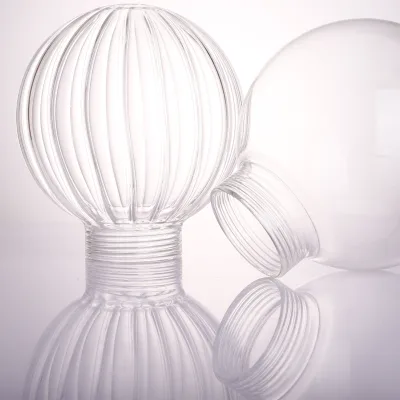
Handblown Opal White Globe Matt Glass Shade Decorative Glass Shade for Chandelier Lamp
$1.00 - $2.00
MOQ: 1000 Pieces

Fuzhou Huikaihua Arts & Crafts Co., Ltd.
- Verified by TUVRHEINLAND
- Trading Company,Manufacturer/Factory
- China Fujian
- Lead time45 days
Main productsPaper Lantern Lampshade, Holiday Gift, Decoration Craft, Furniture, Lighting, Handmade Craft, Arts&Crafts, Paper Crafts, Home Decoratiom, Promotion Gift
Main marketsSouth America,Eastern Europe,Mid East,North America,Southeast Asia,Eastern Asia,Oceania,Western Europe,Africa

Modern Handmade Eco-Friendly Textile Handicraft Irregular Shape Lampshade
$10.35 - $10.55
MOQ: 500 Pieces


Eco-Friendly Cotton Lantern Handmade Fabric Lamp Shade Cotton Lamp Shade
$5.00 - $7.00
MOQ: 500 Pieces


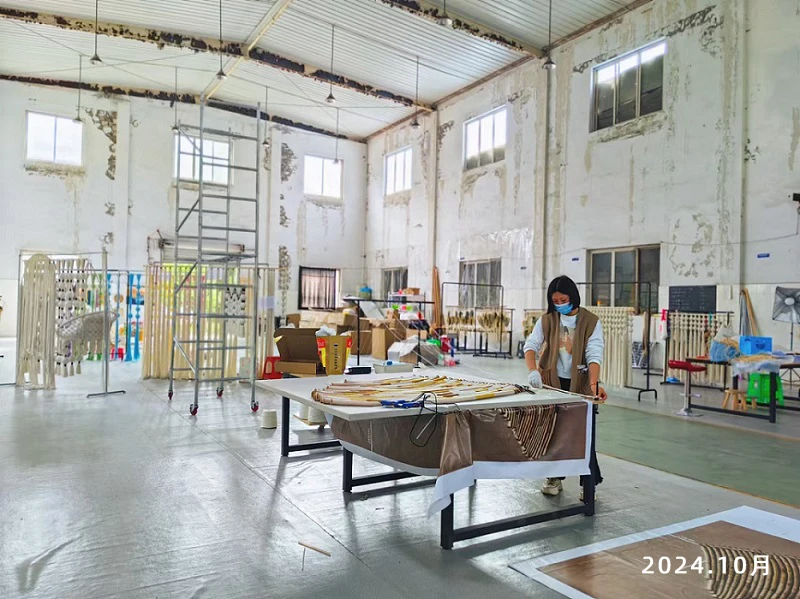
Sichuan Eouse macrame Co., Ltd
- Trading Company
- Sichuan, China
- Lead time30 days
- Avg. response≤ 2h
Main productsMacrame home decor,Macrame wall art,Hotel decoration,Restaurant wall art,cotton rope handcraft
Main marketsNorth America(30.00%), Southeast Asia(15.00%), Western Europe(10.00%), Southern Europe(10.00%), Northern Europe(10.00%), Eastern Europe(10.00%), South Asia(5.00%), Oceania(5.00%), South America(5.00%)
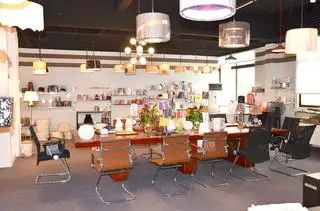
Dongguan All-Lampshade Lighting Co., Ltd.
- Manufacturer, Trading Company
- Guangdong, China
- Lead time40 days
- Avg. response≤ 4h
Main productsPendant Lamp,Floor Lamp,Table Lamp,LED Lamp,Lampshade
Main marketsDomestic Market(30.00%), Western Europe(30.00%), North America(20.00%), Northern Europe(10.00%), Eastern Asia(5.00%), Oceania(5.00%)
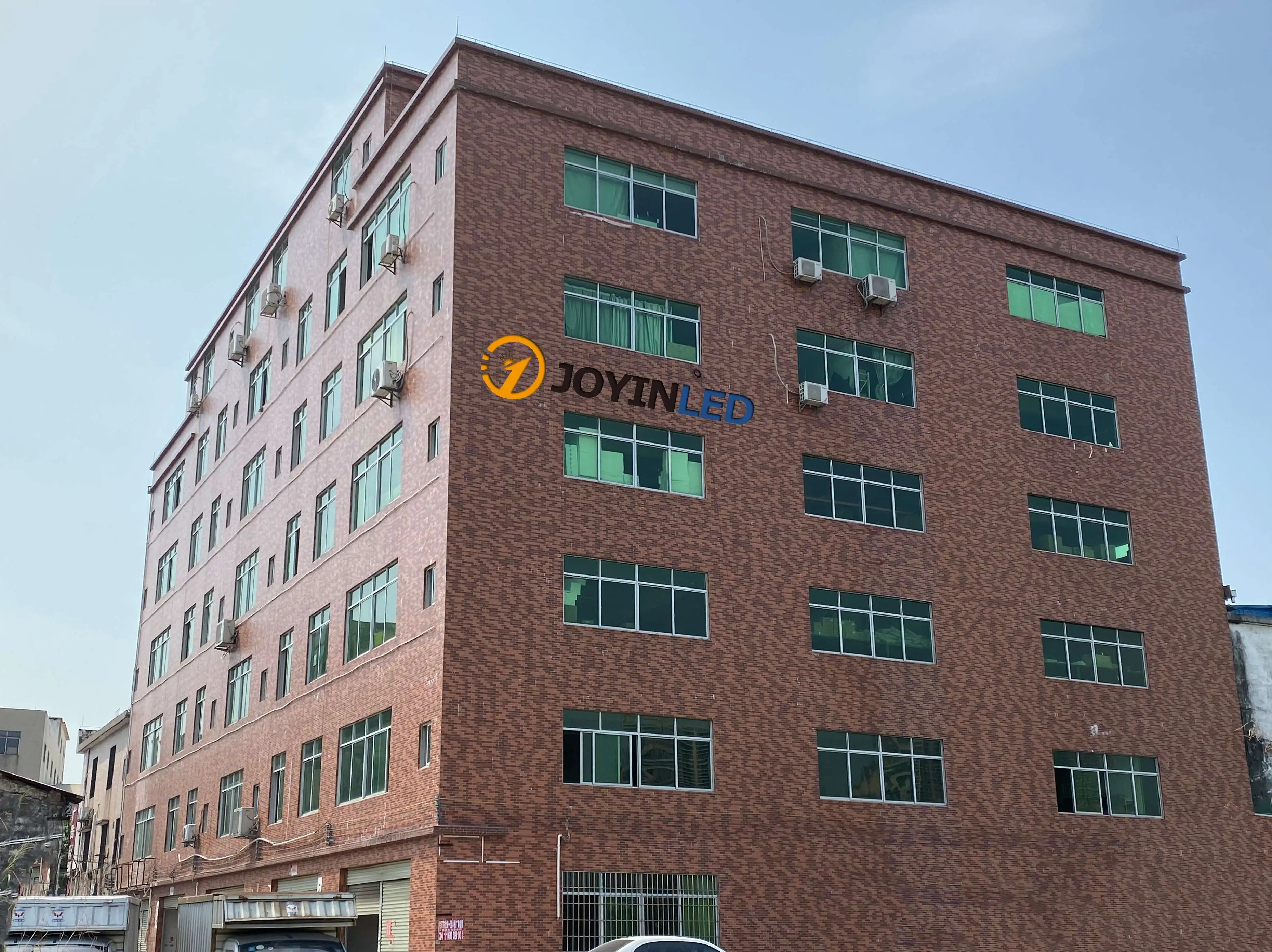
Shenzhen Joyinled Technology Co., Ltd.
- Manufacturer, Trading Company
- Guangdong, China
- Lead time25 days
- Avg. response≤ 7h
Main productsPendant Hanging Lamp, LED Lamp Fitting, LED Downlight, LED Wall Washer, LED Ceiling Lamp
Main marketsWestern Europe(30.00%), Northern Europe(20.00%), Southern Europe(15.00%), Southeast Asia(10.00%), North America(8.00%), Eastern Europe(5.00%), Domestic Market(5.00%), South America(3.00%), South Asia(2.00%), Mid East(2.00%)

Rizhao Baibo Packaging Co., Ltd.
- Verified by TUVRHEINLAND
- Trading Company
- China Shandong
- Lead time15 days
Main productsGlass Vase, Glass Jar, Glass Bottle, Glass Beverage, Glass Candlestick Jar, Glass Lampshade
Main marketsNorth America


Festival Night Decoration Many Styles Glass Lampshade for Christmas Festival
$1.60 - $2.50
MOQ: 3000 Pieces
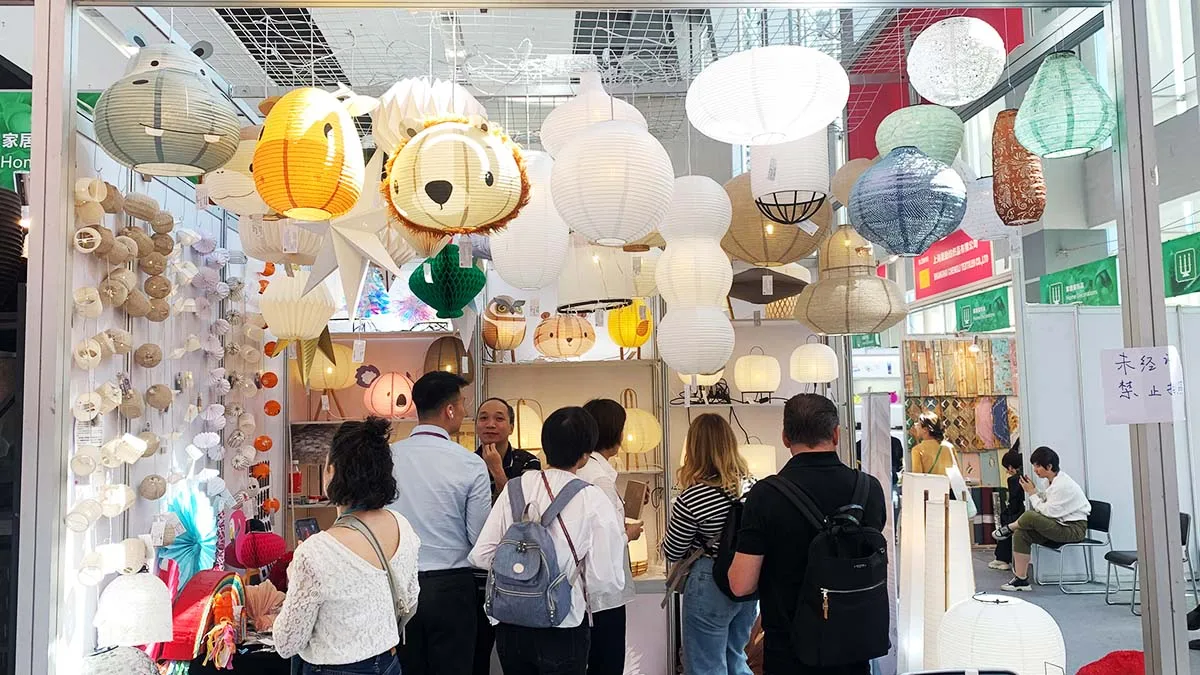
Fuzhou HuiKaiHua Arts & Crafts Co., Ltd.
- Manufacturer, Trading Company
- Fujian, China
- Lead time30 days
- Avg. response≤ 6h
Main productsPaper Lampshade,Fabric lampshade,Origami paper lampshade,Paper star lamp,Paper honeycomb
Main marketsWestern Europe(50.00%), North America(20.00%), Northern Europe(10.00%), South America(10.00%), Eastern Asia(10.00%)
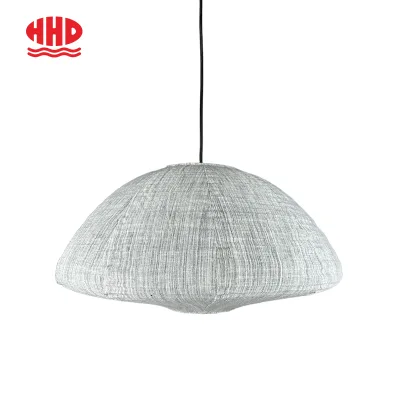
Handmade Ceiling Lamp Shade Wire Frame Minimalist Hanging Cotton Light Cover
$8.71 - $9.12
MOQ: 500 pieces
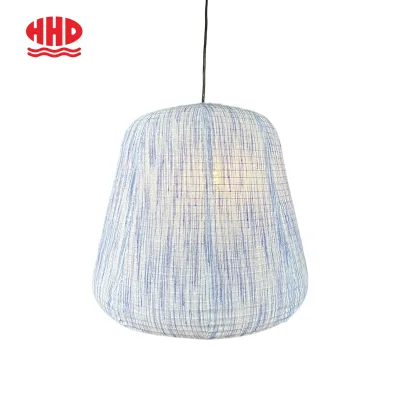
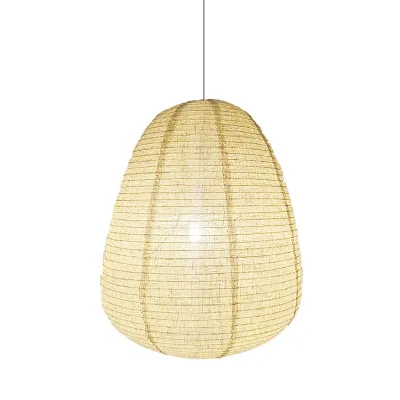
Modern Japan Textile Pendant Lighting Collapsible Lampshade Custom Lantern
$4.62 - $5.03
MOQ: 500 pieces
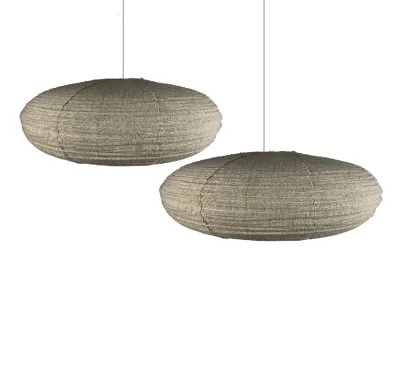

Xiamen Ebei Import & Export Co., Ltd.
- Verified by CTI
- Trading Company,Manufacturer/Factory
- China Fujian
- Lead time45 days
Main productsEco-Friendly Products, Bamboo Tableware, Bamboo Furniture, Bamboo Kitchenware, Bamboo Office Supply, Bamboo Fibre Products, Biodegradable Products, Bamboo Towel, Solar Energy Products, Bamboo Garden Products
Main marketsSouth America,Eastern Europe,Mid East,North America,Southeast Asia,Eastern Asia,Oceania,Western Europe,Africa


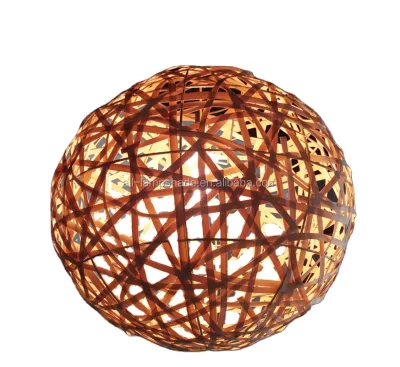
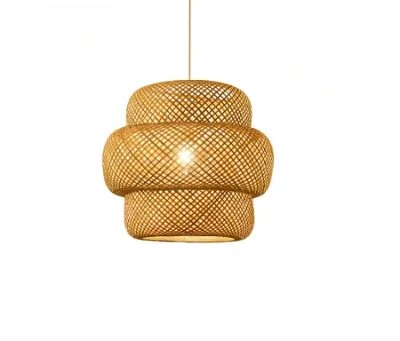
Rustic Bamboo Lampshade Weaving Chandelier Lamp Shade
MOQ: 1000 Pieces

MOQ: 1000 Pieces
Zhongshan Jingjian Lighting Co., Ltd.
- Verified by Intertek
- Manufacturer, Trading Company
- Lead time45 days
- Avg. response≤ 4h
Main productsLampshade, Lampshade Materials, Table Lamp
Main marketsDomestic Market(50%), North America(20%), Eastern Europe(20%)
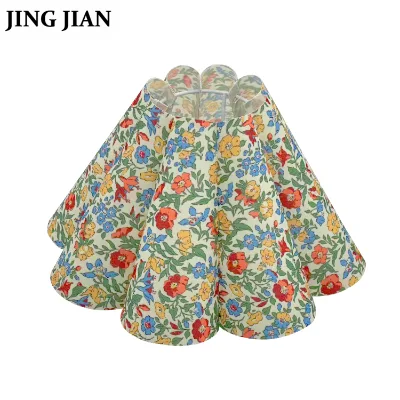
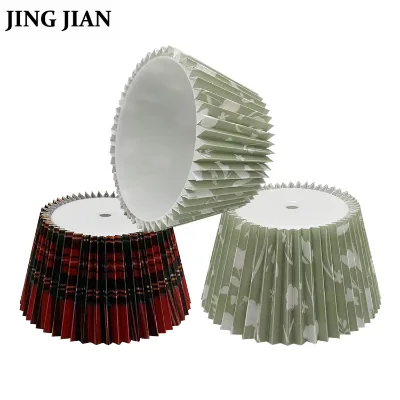
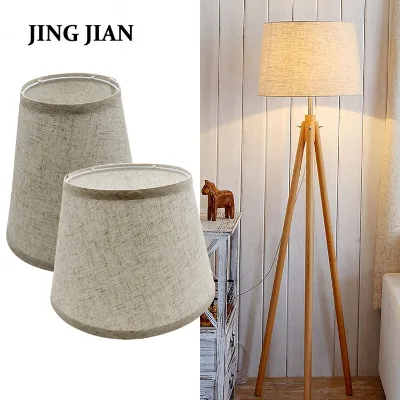
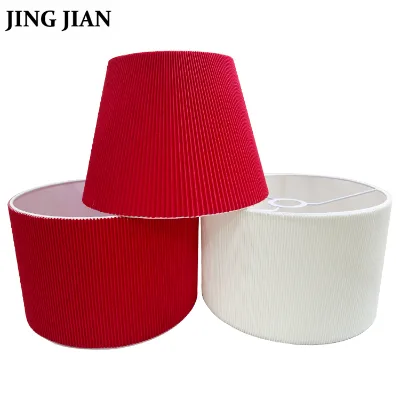
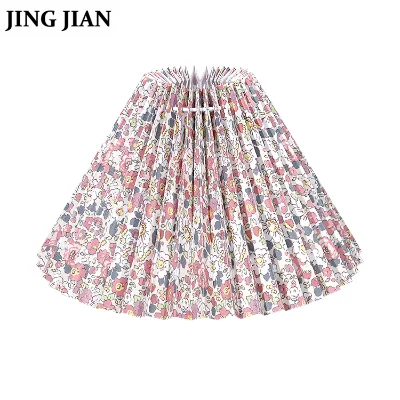
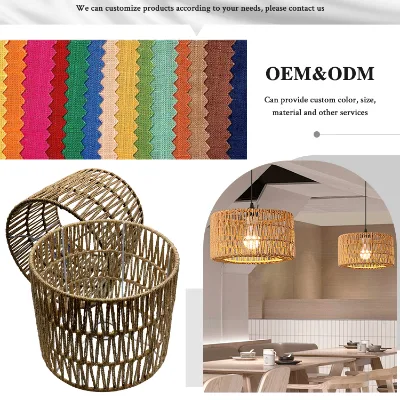
$4.80 - $5.00
MOQ: 500 pieces
Shanghai Bo Glass Industrial Limited
- Verified by SGS Group
- Trading Company
- Lead time25 days
- Avg. response≤ 9h
Main productsIndoor and Ourdoor Glass Lamp Shades and Diffusers, Landscape and Explosion proof glass domes, Glass len sand prisms, Glass panels and sight glass, Glass crafts and ornaments
Main marketsNorth America(31%), Eastern Europe(15%), Western Europe(15%)
Dongguan Jialai Lighting Co., Ltd.
- Verified by TüVRheinland
- Manufacturer, Trading Company
- Lead time25 days
- Avg. response≤ 2h
Main productsFabric Lampshade, Fabric Lamp Shade, Fabric Lamp Cover, Fabric Light Shade, Fabric Light Cover
Main marketsNorth America(42%), Western Europe(26%), Oceania(14%)

Jiangsu Wonder Mechanical & Electrical Co., Ltd.
- Verified by SGS
- Combined
- China Jiangsu
- Lead time30 days
Main productsSolar Energy Cabinet /Box, Electrical Cabinet/Box, Power Distribution Cabinet/Box, Junction Box, Metal Trash Can, Sheet Metal Fabrication, Precision CNC Machined Parts, Energy Storage, Power Distribution Box, Sheet Metal Part
Main marketsDomestic

Shenzhen Thomas Homeware Co., Limited
- Verified by BV
- Manufacturer/Factory
- China Guangdong
- Lead time0 days
Main productsWall Shelf, Wine Bottle Rack, Display Shelf, Towel Rack, Metal Basket, Spice Rack, Wine Rack, Anti-Slip Mat, Shower Curtain, Window Curtain
Main marketsEastern Europe,North America


Simple Luxury Modern Metal Lamp Shades Lampshade
MOQ: 1000 Pieces
Jiangsu Fine Technology Co., Ltd.
- Verified by SGS Group
- Manufacturer, Trading Company
- Lead time0 days
- Avg. response≤ 9h
Main productsOpal Glass Lamp Shade/Glass Ceiling Light Shade/Glass Globe Lamp Cover/Borosilicate Glass Lampshade/Pressed Glass Light Cover
Main marketsNorth America(25%), Domestic Market(20%), Southeast Asia(10%)

Xiamen Mellow Rotomolding Co., Ltd.
- Combined
- China Fujian
- Lead time23 days
Main productsPontoon Boat Seat, Plastic Fuel Tank, Military Case, Cooler Box
Main marketsEurope,Australia,North America

Shanghai Usong New Material Technology Co., Ltd.
- Verified by SGS
- Trading Company
- China Shanghai
- Lead time23 days
Main productsAcoustic Ceiling, Acoustic Panel, Screen Partition, Lampshade
Main marketsSoutheast Asia/ Mideast


Chinese Origin Circular Lampshade with 1-Year Warranty for Office Lighting
$78.57 - $128.57
MOQ: 2 pieces

Huizhou Jixin Lampshade Factory
- Manufacturer
- Duangdong, China
- Lead time40 days
- Avg. response≤ 22h
Main productslampshade,lighting lamps,electronic component
Main marketsEastern Europe(30.00%), Western Europe(20.00%), Southern Europe(10.00%), Northern Europe(10.00%), North America(10.00%), Mid East(5.00%), Africa(5.00%), South America(5.00%), Eastern Asia(5.00%)
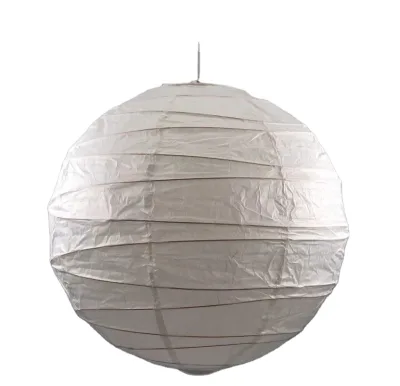
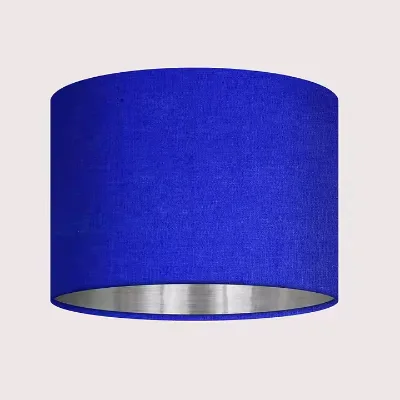
$5.43 - $5.64
MOQ: 100 pieces

Shuifu Huiyang Agricultural Technology Co., Ltd.
- Verified by SGS
- Trading Company
- China Yunnan
- Lead time23 days
Main productsBamboo Products, Bamboo Crafts, Bamboo Chopsticks, Bamboo Skewers, Bamboo Weaving, Bamboo Tray, Bamboo Box, Bamboo Placemat, Bamboo Fruit Bowl, Lamp Shades
Main marketsDomestic

Fuzhou Colshine Electric Co., Ltd.
- Verified by SGS
- Trading Company,Manufacturer/Factory
- China Fujian
- Lead time23 days
Main productsLED Corn Light, LED Street Light, LED Yard Light, LED Dusk to Dawn Light, Sauna Lamp, Pendant Light, Porcelain Lampholder, Metal Lampholder, Halogen Lampholder, Retro Switch & Socket
Main marketsSouth America,Eastern Europe,Mid East,North America,Southeast Asia,Eastern Asia,Oceania,Western Europe,Africa

- Verified by BV
- Trading Company
- China Guangdong
- Lead time30 days
Main productsGlass Lamp Shade, Pressed Glass, Blowing Glass, Handmade Glass, Hand Blown Glass, Lamp Glass, Opal Glass, Jade Glass, Chandelier Glass Parts, Lighting Glass
Main marketsEurope


Stylish Pressed Glass Lampshade for Modern Interior Design
MOQ: 500 Pieces

Elegant Pressed Glass Lamp Shades with Custom Designs
MOQ: 500 Pieces
Hefei Chasinglight Trading Co., Ltd.
- Manufacturer, Trading Company
- Anhui, China
- Lead time0 days
- Avg. response≤ 2h
Main productspaper lamp,caddle light,PP lamp,PVC lamp
Main marketsNorth America(50.00%)
$2.10 - $2.30
MOQ: 100 pieces

Huizhou Homelighting Technology Co., Ltd.
- Verified by BV
- Trading Company,Manufacturer/Factory
- China Guangdong
- Lead time0 days
Main productsTable Lamp, Wall Lamp, Floor Lamp, Hotel Lamp, Tiffany Lamp, Lampshade, Chandelier Lamp
Main marketsSouth America,Eastern Europe,Mid East,North America,Southeast Asia,Eastern Asia,Oceania,Western Europe,Africa

Yancheng Xinboyuan Glass Co., Ltd.
- Verified by BV
- Trading Company,Manufacturer/Factory
- China Jiangsu
- Lead time23 days
Main productsGlass Table Lamp, Glass Perfume Bottles, Glass Lampshade, Glass Labware, Glass Bottles & Jars, Glass Candlesticks, Borosilicate Mug & Cups, Glass Vases & Terrariums, Glass Beakers, Glass Reagent Bottles
Main marketsEastern Europe,Mid East,North America,Western Europe

Clear Glass Oil Lamp Chimney Shade Small Borosilicate Glass Lampshade Lamp
$0.90 - $2.20
MOQ: 1500 Pieces


Hefei Sublime International Co., Ltd
- Verified by BV
- Trading Company,Manufacturer/Factory
- China Anhui
- Lead time30 days
Main productsParty Favour Items, Wooden Decoration, DIY Hobby, Paper Stationery, Wooden Crafts, Paper Crafts, Wooden Gifts, Honeycomb Ball, Tissue Pompon, Paper Bags
Main marketsSouth America,Eastern Europe,Mid East,North America,Eastern Asia,Oceania,Western Europe

Handmade Folding Paper Pendant Light Shade DIY Modern Origami Paper Lamp Decoration
$0.50 - $1.00
MOQ: 1000 Pieces

Best-Selling 7 Points Star 3D Paper Handmade Lamp Shade Christmas Ornaments
$0.50 - $1.00
MOQ: 1000 Pieces
Guangzhou Yaoliang Lighting Co., Ltd.
- Manufacturer, Trading Company
- Guangdong, China
- Lead time30 days
- Avg. response≤ 2h
Main productsChandeliers & Pendant Lights,Solar Flood Lights,Solar Street Lights,Outdoor wall lamps,Wall lamps
Main marketsSoutheast Asia(30.00%), Eastern Europe(20.00%), South America(20.00%), North America(10.00%), Mid East(10.00%), Africa(10.00%)
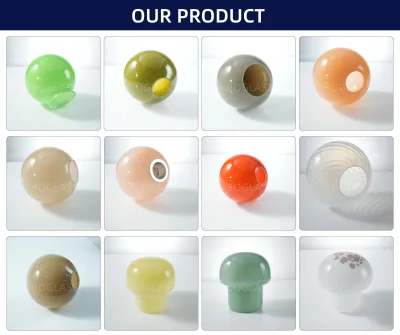
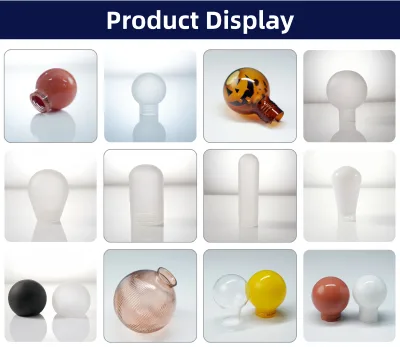
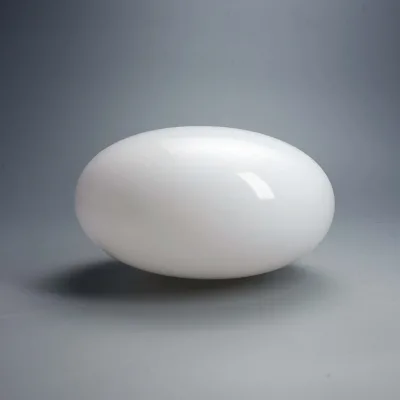
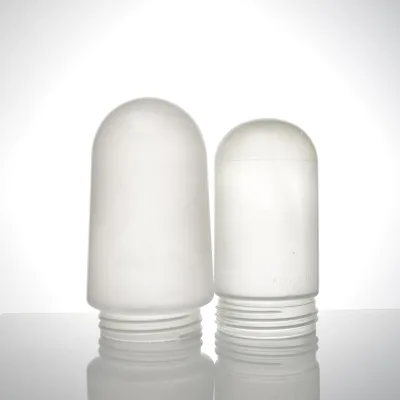




Comprehensive Sourcing Guide
Handmade Clear Lampshade Supplier Concentration and Factory Types
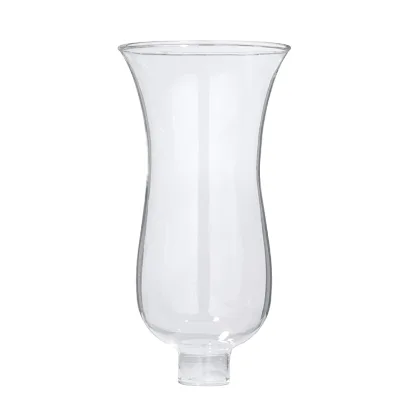
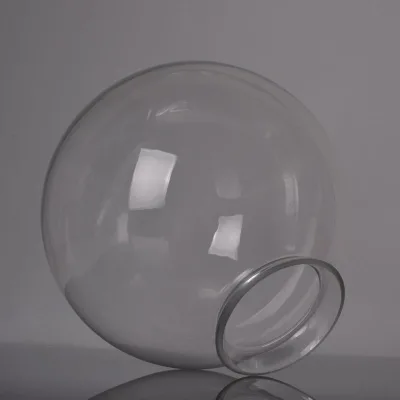
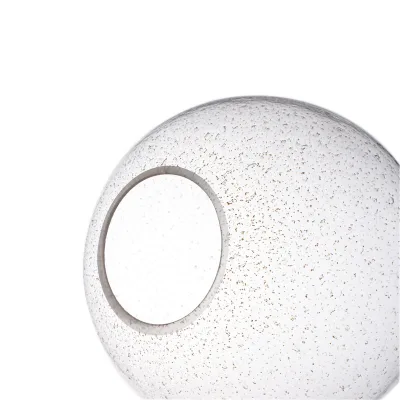
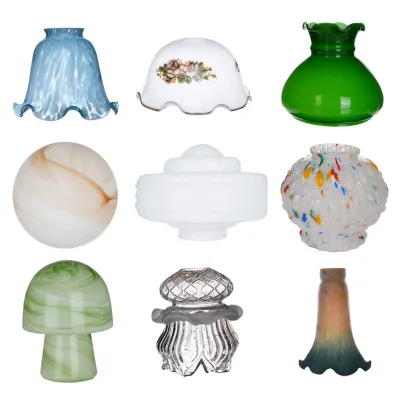
When buyers search for handmade clear lampshades, the visible results show a useful split between two supplier profiles. Some listings come from glass specialists in Zhejiang, China, whose main products are tempered glass and general glass items, and whose catalog includes handblown opal and clear shades, pressed glass light covers, and acid-etched globes. These companies describe themselves as trading companies, meaning they coordinate factory production rather than operating their own lines. Other listings come from Fujian, China, where suppliers combine trading company and manufacturer/factory labels and focus on paper lantern lampshades, bamboo-frame hanging shades, cotton and linen fabric shades, and holiday decoration crafts, with OEM and ODM capability stated.
This split matters because "handmade" spans very different processes: mouth-blowing and mold-pressing for glass shades versus hand-assembly of paper, bamboo, and textile structures. A trading-only glass supplier may outsource blowing to workshops, while a hybrid factory-trader in Fujian may control stitching, frame-bending, and finishing in-house. Before shortlisting, classify each candidate by material and by company type, since verification, audit scope, and pricing logic differ. Buyers should also note that search-result counts change between queries, so treat any snapshot of supplier numbers as indicative only. The practical step is to filter first by main products and company type, then confirm which production steps the supplier actually performs or directly manages before requesting samples or quotations.
How to Verify Handmade Clear Lampshade Suppliers
Verification starts with third-party signals displayed on the supplier listing. In current results, one Zhejiang glass trading company carries Bureau Veritas (BV) verification, while a Fujian hybrid trading-manufacturer is verified by TÜV Rheinland and lists system certifications including BSCI, ISO 9001, and SEDEX. These labels indicate that an independent body has audited the company, but they do not certify every product, so buyers should ask which entity the certificate covers and request the certificate number and expiry date. Product-level claims deserve the same scrutiny: some glass lampshade listings state RoHS and ISO certification, while a fabric pendant listing states RoHS and CE. Ask for test reports tied to the actual shade model, not just the product family.
Because handmade goods depend on artisan skill, verification should extend beyond paperwork. Request photographs or video of the specific workshop operations relevant to your material—glassblowing benches, paper lantern assembly lines, or bamboo-frame weaving stations—and confirm whether customization is genuinely available, which several current listings explicitly state. Check consistency across attributes: one Fujian listing reports a factory that is BSCI audited, which supports its social-compliance claims. For glass shades, review stated technical details such as physically tempered processing and conformity to the GB/T 9963 tempered-glass standard mentioned in one listing. Finally, verify the production origin matches the claimed location, such as the Ningbo, China origin noted on glass shade listings, and cross-check business licenses independently rather than relying solely on platform badges.
What to Compare Across Handmade Clear Lampshade Suppliers
Build a comparison table using dimensions that actually appear in supplier data. Lead time is one: current listings show roughly 30 days for the Zhejiang glass supplier and 45 days for the Fujian handmade-shade supplier, so material complexity clearly affects schedules. MOQ is another: glass lampshade listings show minimums of 1,000 pieces, while a handmade cotton lantern shade listing shows 500 pieces, reflecting hand-assembly economics versus mold-based production. Price ranges are visible too, from about USD 0.40–1.00 for tempered glass wall-lamp shades, USD 1.00–2.00 for handblown opal globes, USD 2.00–2.50 for handblown table-lamp shades, USD 0.95–1.89 for rice paper shades, to roughly USD 10 for larger fabric or bamboo-frame pendant shades.
Do not assume every supplier displays the same attributes; some listings omit response-time figures, establishment years, or escrow terms, so record "not shown" rather than guessing, and ask the supplier directly. Compare main products for adjacency—a supplier whose catalog is dominated by decoration crafts and promotion gifts may handle handmade shades competently but prioritize larger seasonal orders. Weigh customization scope stated per listing: thickness, color, and surface treatment customization on glass shades; customer-design acceptance and custom packaging on paper shades. Also compare packing methods (cartons, wooden boxes, polybags, flat packing) since handmade shades vary greatly in fragility and shipping volume, and note which suppliers offer OEM/ODM services versus only catalog modifications.
Common Handmade Clear Lampshade Sourcing Risks
The first risk cluster involves quality variance inherent to handwork. Handblown glass shades can vary in wall thickness, clarity, seed bubbles, and dimension between production runs, and listings describing "customized" thickness and color standards effectively leave specifications to be negotiated. If the buyer's standard is not written down—diameter tolerances, glass color under both lit and unlit conditions, fitter size, and acceptable surface flaws—rejection disputes become likely. For paper, bamboo, and fabric shades, risks shift to moisture damage, frame deformation, color consistency across dye lots, and weaving irregularities. One listing claims "super good" quality, but such self-reported language is marketing, not evidence; require pre-shipment inspection criteria instead.
The second cluster involves compliance and logistics assumptions. A shade listed with RoHS or CE marks may have been tested only as a component, not as part of a finished luminaires system, so confirm which configuration the certificate covers and whether the light source is excluded (several listings state the shade ships without a light source). Fragility is a recurring cost driver: glass listings specify cartons and wooden boxes, which raises freight weight and cost, while paper shades pack flat—120 pieces per master carton in one case—but may arrive creased. Trading-company intermediaries add a transparency risk: ask whether the named factory can host inspection. Finally, avoid basing annual planning on a single quoted lead time, since handmade capacity can stretch during holiday-decoration peak seasons.
Handmade Clear Lampshade Regional Sourcing and Logistics
The current supplier results point to two Chinese regions with distinct sourcing profiles. Zhejiang, associated with glass lampshade production and a Ningbo origin noted in product data, suits buyers needing clear, opal, pressed, or handblown glass shades with tempered-glass options for wall lamps, table lamps, and chandeliers. Ningbo's port access is relevant because heavy glass cargo benefits from short inland legs to container terminals. Fujian, where suppliers combine trading and manufacturing roles and list paper lanterns, bamboo-frame shades, and fabric shades among main products, suits buyers seeking lightweight, hand-assembled decorative shades with strong OEM/ODM orientation. These regional observations reflect only the suppliers visible in current results, so buyers should still survey other clusters independently.
Logistics planning should follow the material. Glass shades demand drop-testing of packing—cartons and wooden boxes are both cited in current listings—and freight calculations must include gross weight and volumetric space, since globes nest poorly. Paper and fabric shades compress efficiently; one listing specifies flat packing and another details polybag-then-master-carton logic at 120 pieces per carton, which lowers freight per unit but requires assembly instructions for the end customer. Match quoted lead times to shipping mode: with roughly 30-day production cited for glass and 45 days for handmade shades, sea freight timelines must be layered on top, and air freight for glass is rarely economical. Confirm whether the supplier handles export documentation directly or routes through an agent, as this affects liability for transit damage.
Handmade Clear Lampshade Commercial Terms and Order Planning
Commercial negotiation should anchor on the numbers suppliers actually publish, then test their flexibility. Current data show MOQs of 1,000 pieces for glass shades and 500 pieces for a handmade cotton lantern shade—useful benchmarks, but always ask whether a first-trial order can run below MOQ at a higher unit price. Quoted price bands (for example, roughly USD 0.95–1.89 for a rice paper shade or USD 2.00–2.50 for a handblown table lampshade) typically correspond to size, finish, and order-volume tiers, so request a tiered quotation that shows unit costs at several quantities. Clarify which Incoterms the quoted price assumes, whether customization and sampling fees are refundable at mass production, and what payment structure protects both sides.
Order planning should respect the realities of handmade production. Use the cited lead times—about 30 days for glass shades and 45 days for handmade shades—as planning baselines, then add buffer for artisan capacity during peak decoration seasons and for pre-shipment inspection. Structure orders with a pilot batch, a mid-volume confirmation run, and only then container-scale quantities, especially for customized thickness, color, or surface treatments such as sandblasting, acid etching, anti-glare treatment, or serigraphy stated on glass listings. Confirm packing specifications in writing (cartons versus wooden boxes for glass; polybag and master-carton counts for paper shades), and agree on AQL inspection standards before deposit. Re-verify certificates, origin labels, and lead-time commitments at each reorder, since listed supplier data can change between search snapshots.
Word count check: sections ≈ 229, 231, 230, 230, 231, 232 → total ≈ 1383 words. Within 1350–1450.
FAQs
What MOQs apply to Handmade Clear Lampshade orders?
Minimum order quantities vary by material and supplier, so always confirm before ordering. Glass shades listed in current results start at 1,000 pieces, while a handmade paper lampshade shows an MOQ of 500 pieces. Fabric and bamboo-frame shades may differ again, so request written MOQ confirmation for your exact design and finish.
What is the typical lead time for Handmade Clear Lampshade production?
Lead times of 30 to 45 days appear among suppliers in these results, with glass shades at 30 days and a Fujian trading company and manufacturer quoting 45 days. Handmade work can extend timelines, so confirm the lead time for your quantity, customization level, and any sampling stage before placing a purchase order.
Do Handmade Clear Lampshade suppliers offer customization?
Yes, customization is available across the products shown, including thickness, color, surface treatments like sandblasting and acid etching for glass, and customer designs for fabric shades. Provide drawings, dimensions, and finish references early. Note that custom specifications may affect MOQ, unit price, and lead time, so request updated terms with each customization request.
What price ranges should I expect for lampshades?
Glass lampshades in these results range from about 0.40 to 2.50 USD per piece depending on the model, while handmade fabric shades sit near 10.35 to 10.99 USD. Rice paper shades range from 0.95 to 1.89 USD. Treat these as reference points, since pricing changes with size, finish, and order volume.
How are handmade lampshades usually packed for shipping?
Packing varies by product type in the current results. Glass shades are packed in cartons and wooden boxes for protection, fabric shades use polybags and cartons with flat packing, and one paper lampshade ships one piece per polybag with 120 pieces per master carton. Confirm packing details and carton markings in writing before production begins.
What certifications should I check when sourcing lampshades?
Product-level certifications shown include RoHS, ISO, and CE, and supplier-level system certifications include BSCI, ISO 9001, and SEDEX. A tempered glass product also references the GB/T 9963 standard. Verify that certificates are current, issued to the exact supplying entity, and cover the product category you intend to purchase before committing.
Can I get both glass and fabric lampshades from verified suppliers?
Yes, verified suppliers in these results cover both categories. A Zhejiang trading company verified by BV offers tempered, opal, and hand-blown glass shades, while a Fujian company verified by TUV Rheinland makes handmade fabric, paper, and bamboo-frame shades with OEM and ODM support. Confirm each supplier's verification status directly and request recent production samples.
Where are the lampshade suppliers located?
Suppliers in the current results are based in Zhejiang and Fujian provinces in China. A glass lampshade product lists its origin as Ningbo, China, and a fabric hanging lamp lists its origin as Fujian. Location affects freight cost and lead time, so compare shipping quotes from each province before deciding where to place your order.