Handmade Eco-Friendly Crystal Earrings Suppliers and Manufacturers
Discover 24 verified suppliers offering Handmade Eco-Friendly Crystal Earrings with diverse customization options. Compare response times, lead times, and certifications like SGS or CTI to find the right partner. Contact suppliers directly to request samples and confirm MOQs; review the available evidence before requesting comparable quotations from suitable candidates.
Suppliers List
Donghai County Yuelu Jewelry Co., Ltd.
- Verified by SGS Group
- Trading Company
- Lead time5 days
- Avg. response≤ 4h
Main productsCrystal Sphere/Crystal Tower/Crystal Carving/Crystal Crafts
Main marketsNorth America(35%), Eastern Europe(10%), Oceania(10%)
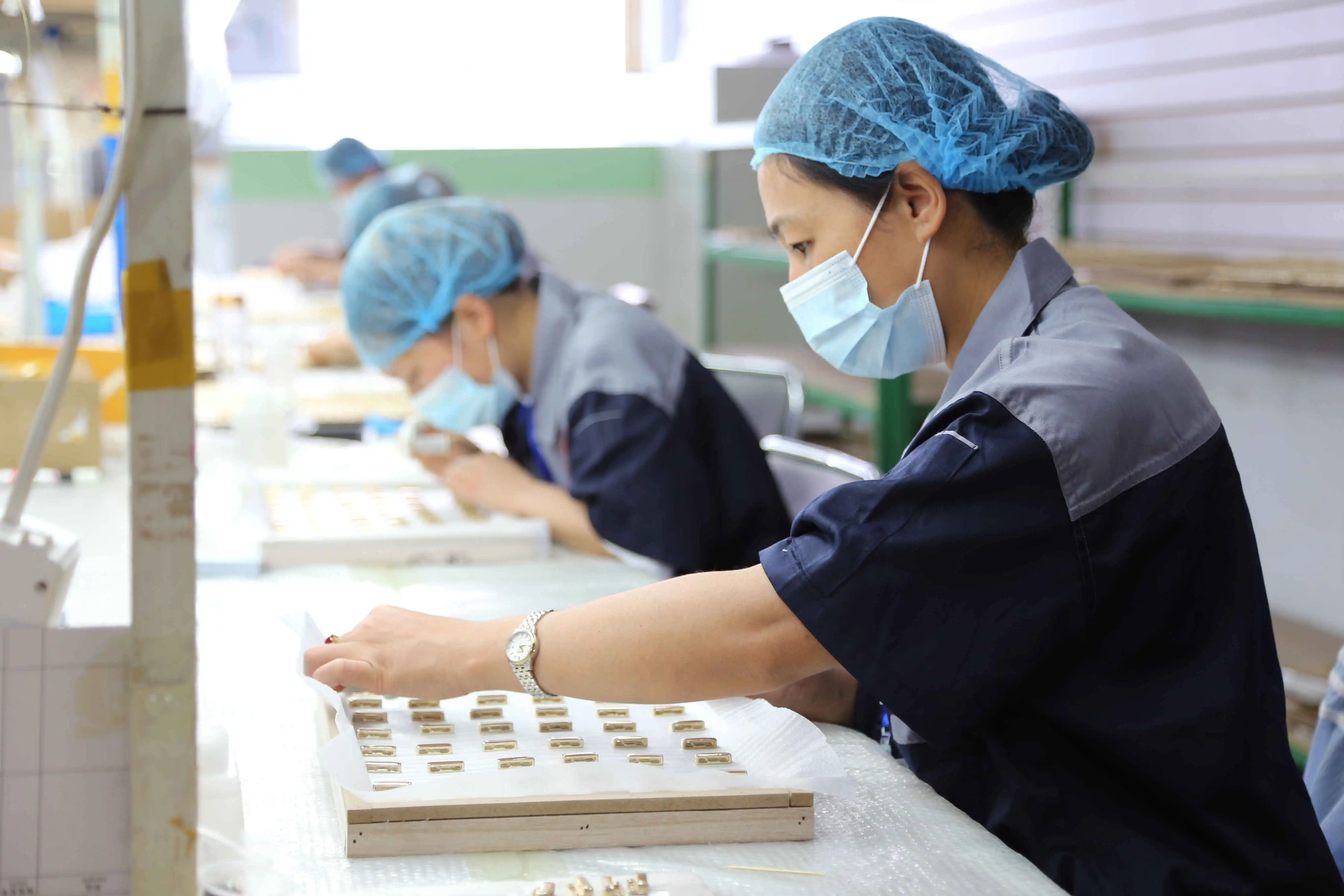
Qingdao Amelia Jewelry Co., Ltd.
- Trading Company
- Shandong, China
- Lead time30 days
- Avg. response≤ 3h
Main productsJewelry, Earrings, Necklace, Bracelet, Ring
Main marketsNorth America(30.0%), Southeast Asia(20.0%), Western Europe(10.0%), Southern Europe(10.0%), Northern Europe(10.0%), Eastern Europe(10.0%), Oceania(5.0%), Eastern Asia(5.0%)

Fujian Junqing Trade Co., Ltd.
- Verified by CTI
- Trading Company
- China Fujian
- Lead time15 days
- Avg. response≤ 4h
Main productsDesign Necklace, Design Earring, Design Bracelet Bangle, Design Hair Accessories, Shoes, Bags, Watches, Sunglasses, Home Decoration
Main marketsSoutheast Asia/ Mideast,Europe,North America

- Verified by CTI
- Trading Company
- China Zhejiang
- Lead time15 days
- Avg. response≤ 7h
Main productsJewelry, Brooch, Belt, Necklace, Agent, Bracelet, China Trim, China Ring, China Hair Accessory, China Earring
Main marketsSouth America

Shijiazhuang Dongcang Trading Co., Ltd.
- Verified by SGS
- Trading Company,Manufacturer/Factory
- China Hebei
- Lead time15 days
- Avg. response≤ 12h
Main productsHandbag, Shoulder Bag, Shoes, Clothes, Jewelry, Swimwear, Sunglasses
Main marketsSouth America,Eastern Europe,Mid East,North America,Southeast Asia,Eastern Asia,Oceania,Western Europe,Africa
Donghai Buildful Jewelry Co., Ltd.
- Verified by Intertek
- Manufacturer, Trading Company
- Lead time10 days
- Avg. response≤ 2h
Main productsCrystal Tumbled Gravel Stone, Crystal Handmade Pendant, Crystal Tower Point, Crystal Sphere Ball, Crystal Chakra Gift Box
Main marketsNorth America(48%), South America(22%), Oceania(8%)

Guangzhou IO Jewelry Co., Ltd.
- Combined
- China Guangdong
- Lead time30 days
- Avg. response≤ 11h
Main productsJewelry, Fashion Jewelry, Stainless Steel Jewelry, Custom Jewelry, Stainless Steel Beads, Stainless Steel Charms, Stainless Steel Rings, Stainless Steel Pendants, Beads, Charms
Main marketsSouth America,Domestic,Europe,Australia,North America

Yiwu Ba Yuan Jewelry Co., Ltd.
- Verified by TUVRHEINLAND
- Trading Company,Manufacturer/Factory,Other
- China Zhejiang
- Lead time45 days
- Avg. response≤ 14h
Main productsBridal Jewelry and Hair Accessories, Wedding Jewelry, Tiara and Headpieces, CZ Jewelry, Tiara Crown, Zirconia Jewelry, CZ Necklace, Stretch Bracelet, Hip Hop Jewelry, Fashion Pendant
Main marketsSouth America,Eastern Europe,Mid East,North America,Southeast Asia,Eastern Asia,Oceania,Western Europe,Africa


Rhinestone Earring. Bridal Wedding Clay Flower Earring. Handmade Crystal Earring
$5.50 - $5.95
Moq: 50


YIWU JINYE IMPORT AND EXPORT CO., LTD
- Verified by SGS
- Trading Company
- China Zhejiang
- Lead time15 days
- Avg. response≤ 24h
Main productsBangle, Wrist Band, Bracelet, Fashion Jewelry
Main marketsNorth America
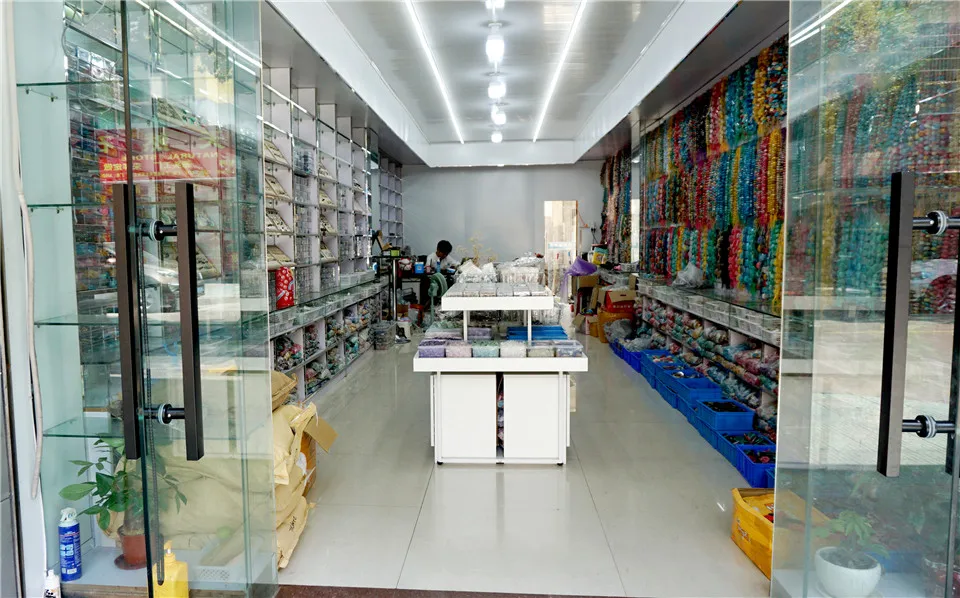
- Trading Company
- Zhejiang, China
- Lead time0 days
- Avg. response≤ 8h
Main productsNatural stone pendant,Natural stone necklace,Agate Pendant,Earrings,Arts and Crafts
Main marketsWestern Europe(40.0%), Southern Europe(20.0%), North America(20.0%), Eastern Europe(10.0%), South America(10.0%)
Donghai Pingtouge Jewelry Co., Ltd.
- Trading Company
- Jiangsu, China
- Lead time0 days
- Avg. response≤ 4h
Main productscarved crystal,carving natural crystal stones,crystal carving,crystal animal carvings,crystal moon carving
Main marketsEastern Europe(30.0%), Northern Europe(20.0%), North America(20.0%), South Asia(20.0%), South America(10.0%)

- Verified by CTI
- Trading Company
- China Zhejiang
- Lead time23 days
- Avg. response≤ 13h
Main productsEarring, Vase, Scented Candles, Hair Ties, Bags
Main marketsSouth America,Europe,North America

Putian Licheng Blannina Jewelry Co., Ltd.
- Verified by SGS
- Trading Company
- China Fujian
- Lead time15 days
- Avg. response≤ 4h
Main productsJewelry Accessories, Shoes, Bag, Watch, Clothes
Main marketsEurope

GUANGZHOU ARTS JEWELLERY CO., LTD.
- Verified by SGS
- Combined
- China Guangdong
- Lead time30 days
- Avg. response≤ 7h
Main productsSilver Jewelry, Gold Jewelry, Diamond Jewelry, Silver Ring, Silver Earring, Silver Pendant, Silver Bracelet, Silver Necklace
Main marketsSoutheast Asia/ Mideast


Green Crystal Square Simple and Elegant Earrings 925 Sterling Silver Earrings Wholesale
$14.40 - $21.02
Moq: 10


- Verified by BV
- Trading Company,Manufacturer/Factory
- China Guangdong
- Lead time0 days
- Avg. response≤ 8h
Main productsSilver Jewelry, Brass Jewelry, Fashion Jewelry, Semi-Precious
Main marketsSouth America,Eastern Europe,Mid East,Southeast Asia,Eastern Asia,Oceania,Western Europe,Africa

ZHUJI YEYI IMPORT AND EXPORT CO., LTD.
- Verified by CTI
- Trading Company
- China Zhejiang
- Lead time15 days
- Avg. response≤ 19h
Main productsPearl, Freshwater Pearl, Pearl Jewelry, Pearl Necklaces, Pearl Earrings, Pearl Bracelet, Pearl Brooch, Baroque Pearl, Pearl Beads, Pearl Pendant
Main marketsNorth America


Stunning Handcrafted Natural Freshwater Baroque Pearl Earrings in Unique Style
$18.22 - $23.20
Moq: 100
Donghai Shangqiong Jewelry Co., Ltd.
- Verified by SGS Group
- Manufacturer, Trading Company
- Lead time15 days
- Avg. response≤ 5h
Main productsSun Catcher, Crystal Earrings, Crystal Pens, Crystal Crafts, Handmade Decor
Main marketsNorth America(30%), Oceania(30%), Western Europe(10%)
Donghai Kindfull Crystal Product Co., Ltd.
- Manufacturer, Trading Company
- Lead time旺季: "1 - 50":9,"> 50":"To be negotiated", 淡季: "1 - 50":9,"> 50":"To be negotiated"
Main productsCarving/Crystal Points/Crystal Palm/Crystal Sphere/Beauty Tools
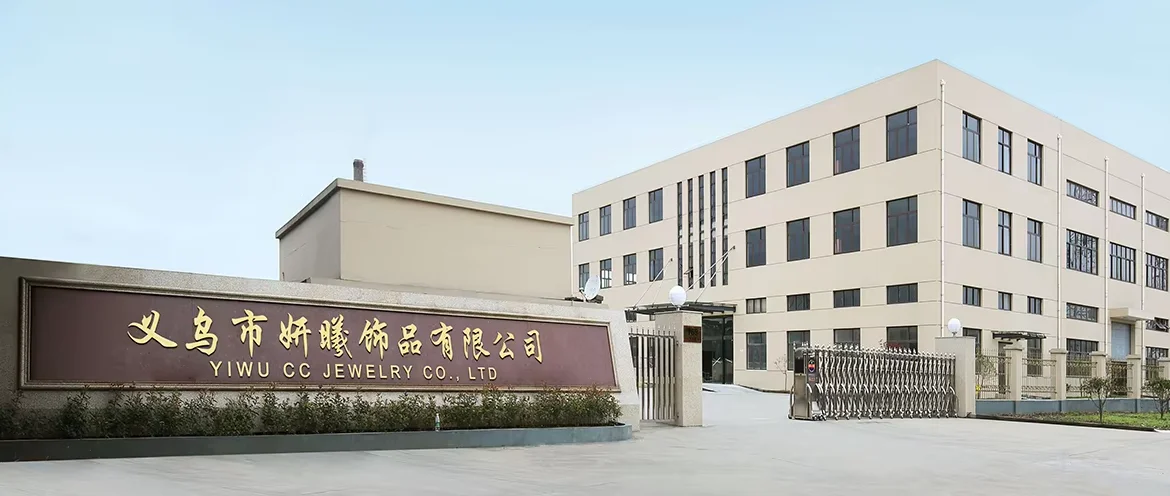
- Trading Company
- Zhejiang, China
- Lead time7 days
- Avg. response≤ 10h
Main productsGemstone Jewelry,Stainless Steel Jewelry,CZ Jewelry,Pearl Jewelry,Alloy Jewelry
Main marketsWestern Europe(25.0%), Northern Europe(15.0%), North America(5.0%), Eastern Europe(5.0%), South America(5.0%), Southeast Asia(5.0%), Africa(5.0%), Oceania(5.0%), Mid East(5.0%), Eastern Asia(5.0%), Central America(5.0%), Southern Europe(5.0%), South Asia(5.0%), Domestic Market(5.0%)

GOODLINESS JEWELLERY CO., LIMITED
- Verified by SGS
- Manufacturer
- China Guangdong
- Lead time23 days
- Avg. response≤ 6h
Main products925 Silver Ring, Brass Jewelry, 925 Silver Earring, 925 Silver Necklace, 925 Silver Set, 925 Silver Bangle, Customer's Design, 925 Silver Bracelet, Silver Accessory, Brass Accessory
Main marketsSoutheast Asia/ Mideast,Europe,North America

Longyuan (Guangzhou) Industrial Development Co., Ltd.
- Verified by TUVRHEINLAND
- Manufacturer/Factory
- China Guangdong
- Lead time23 days
- Avg. response≤ 6h
Main productsJewelry, Fashion Watch, Hair Accessories, Men Jewelry, Women Jewelry, Pendants, Brooches, Bracelets, Crowns, Necklaces
Main marketsSouth America,Eastern Europe,Mid East,North America,Western Europe

Guangzhou Heng Dian Trade Co., Ltd.
- Trading Company
- China Guangdong
- Lead time15 days
- Avg. response≤ 9h
Main productsEarring, Jewelry Sets, Bracelet, Ring, Necklace, Pendant, Bangle
Main marketsSouth America,Europe,North America
Dongguan Huiying Art&crafts Co., Ltd.
- Manufacturer, Trading Company
- Guangdong, China
- Lead time20 days
- Avg. response≤ 6h
Main productsgifts,crafts,skin care products,face rollers,gua sha massagers
Main marketsWestern Europe(25.0%), North America(25.0%), Northern Europe(10.0%), Oceania(10.0%), Mid East(5.0%), Eastern Europe(5.0%), Central America(5.0%), Southeast Asia(3.0%), Eastern Asia(3.0%), South Asia(2.0%), Southern Europe(2.0%), South America(2.0%), Africa(2.0%), Domestic Market(1.0%)

Shenzhen Amengwei Jewelry Co., Ltd.
- Trading Company,Manufacturer/Factory
- China Guangdong
- Lead time23 days
- Avg. response≤ 22h
Main productsBody Piercing Jewelry, Hinged Segment Ring, Nose Ring Belly Ring, Stainless Steel Jewelry, Labret Lip Ring, Earring, Necklace, Bracelet, Ring
Main marketsSouth America,Eastern Europe,Mid East,North America,Southeast Asia,Eastern Asia,Oceania,Western Europe,Africa
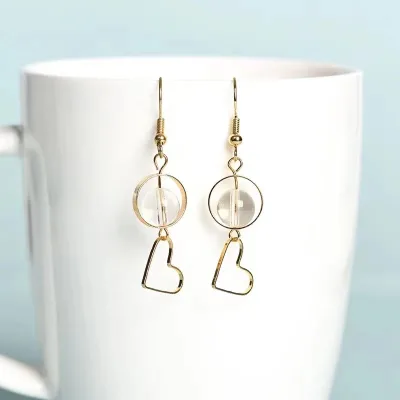
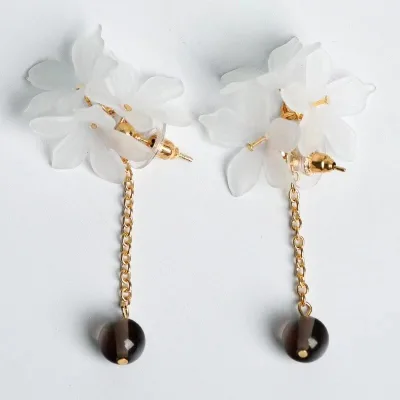
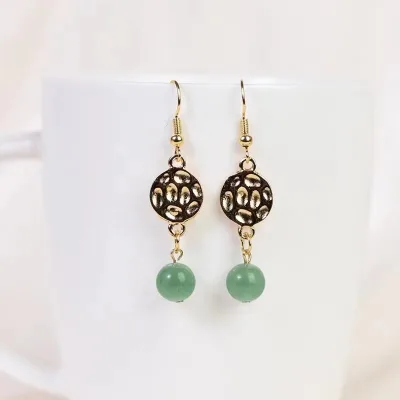
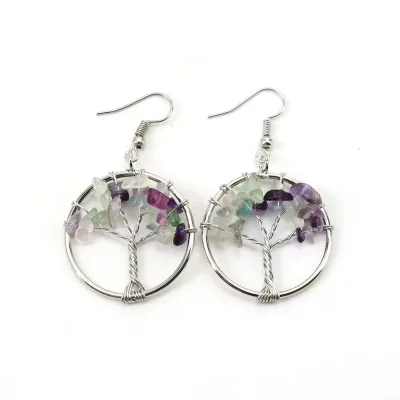
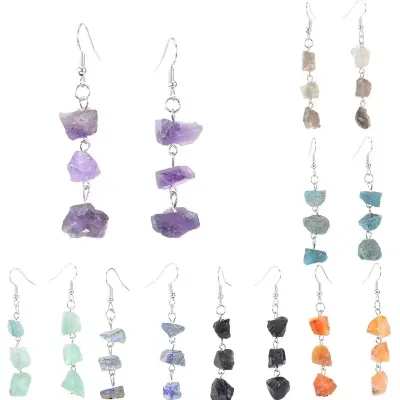
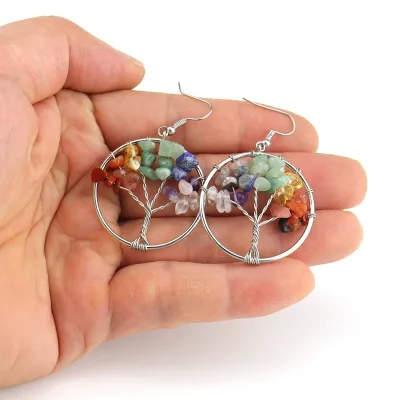


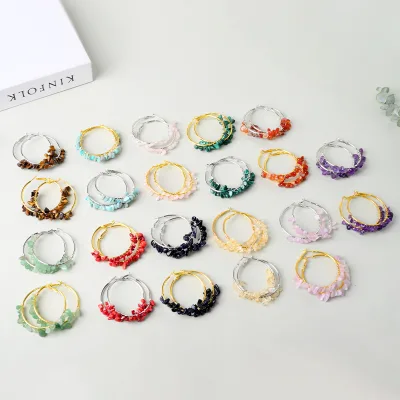
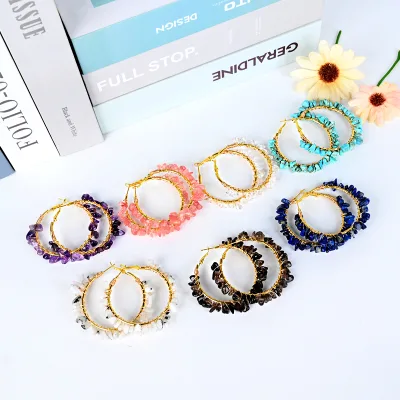



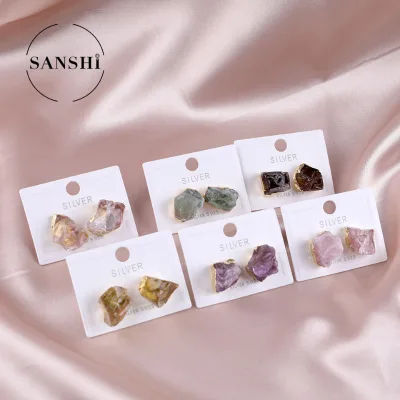
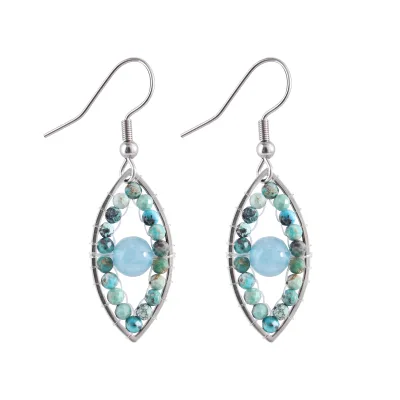
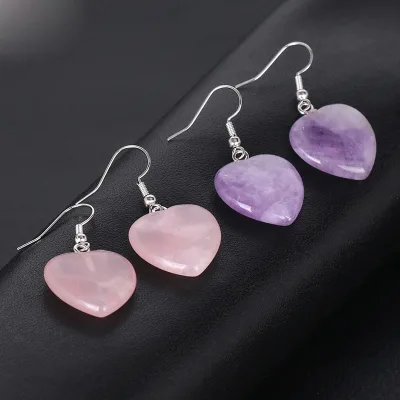
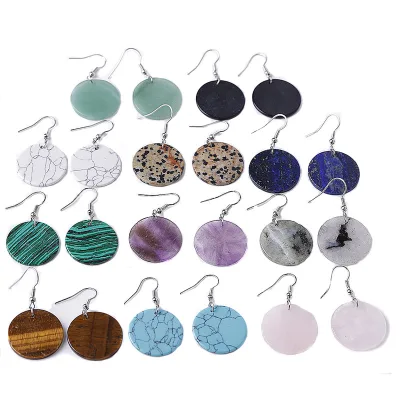
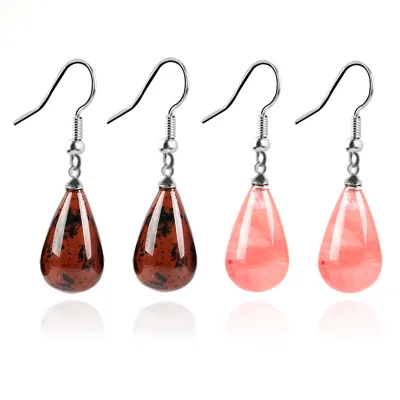


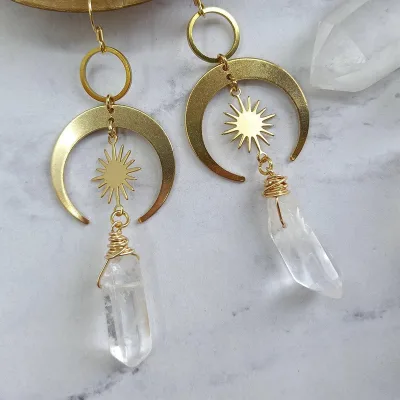
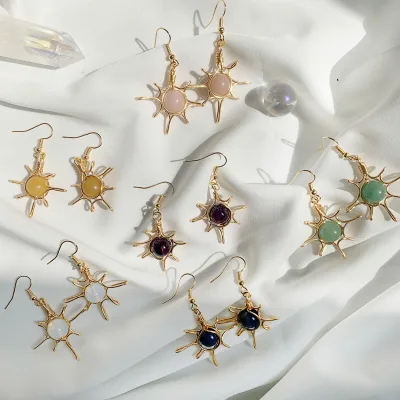
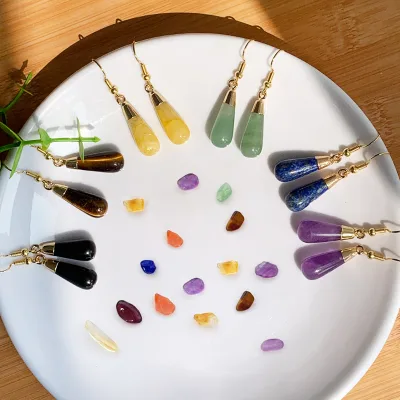
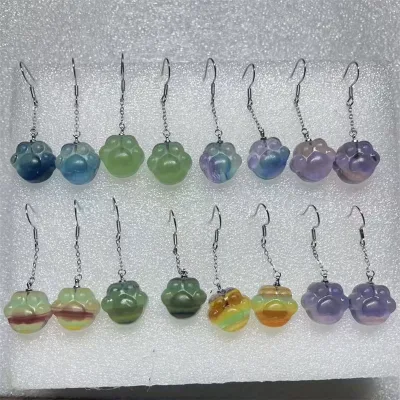
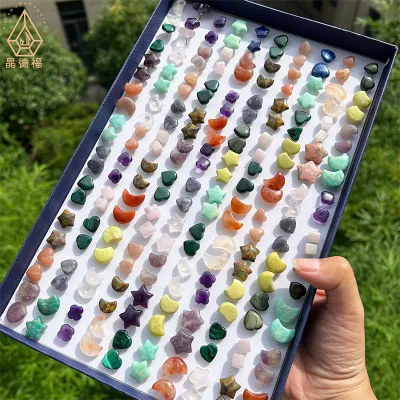
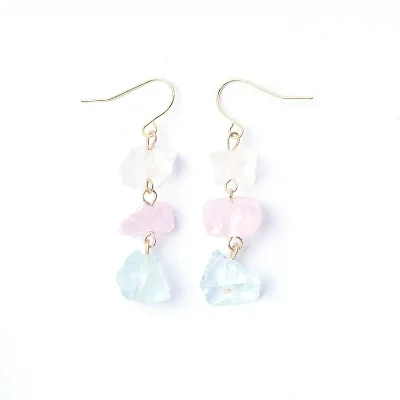
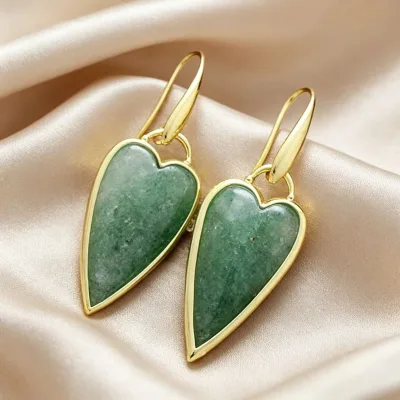
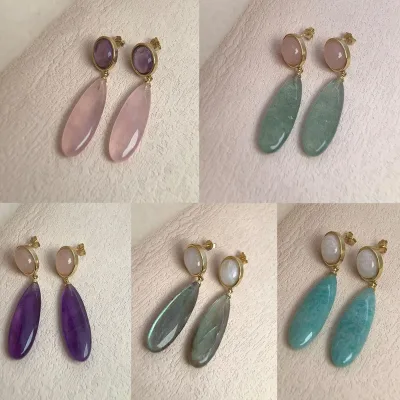


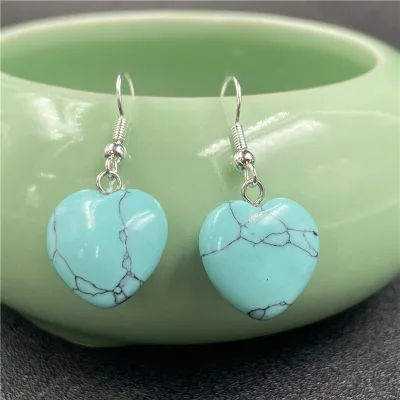
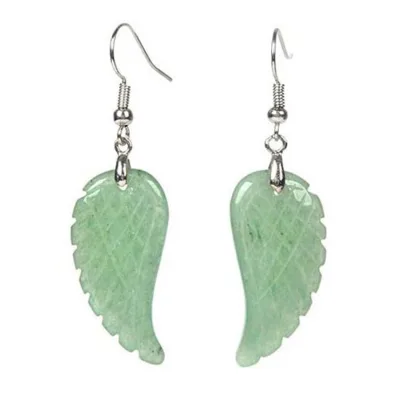
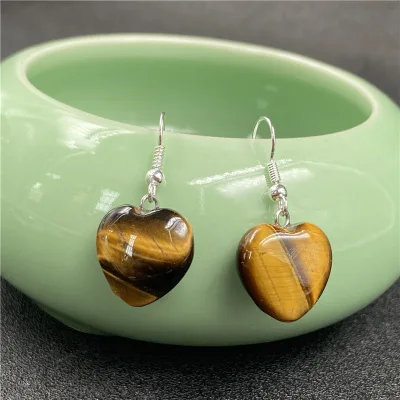


Comprehensive Sourcing Guide
Handmade Eco-Friendly Crystal Earrings Supplier Concentration and Factory Types
When searching for Handmade Eco-Friendly Crystal Earrings, buyers will notice that listed suppliers in this category cluster in a small number of Chinese provinces. Supplier results currently show companies based in Jiangsu, Shandong, and Fujian, which gives a meaningful signal about where crystal earring production and trading activity is concentrated. Jiangsu-based listings emphasize natural crystal beads, drop earrings, and crystal crafts with home decoration positioning, while Fujian-based suppliers present themselves around design-led jewelry assortments including earrings, necklaces, bracelets, and hair accessories. Shandong appears among main-product profiles focused on jewelry, earrings, necklaces, bracelets, and rings. Buyers should treat these provincial clusters as starting points for targeted outreach rather than assumptions about factory depth in any single city.
Supplier types in this category split into two broad profiles. Some results are labeled as trading companies, which typically aggregate output from multiple workshops and may offer broader design catalogs and lighter customization such as sample processing, graphic processing, and customized-on-demand services. Others position around handmade production of tree-of-life wire-wrapped earrings, gravel pendant earrings, and chip earring designs. Because main product lines vary considerably — some suppliers list crystal spheres, towers, and carvings as their core business while earrings appear as one line among many — buyers should confirm whether earrings are a primary capability or a secondary listing. Asking for a dedicated earring catalog and recent production examples helps distinguish specialists from generalists before committing to sampling.
How to Verify Handmade Eco-Friendly Crystal Earrings Suppliers
Verification starts with the credentials displayed in supplier results, then moves to independent confirmation. Some suppliers in this category carry third-party verification badges from recognized inspection groups, including SGS Group and CTI, which indicates an on-site or documented assessment has occurred at some point. Buyers should confirm what the verification covered — company existence, production capability, or product testing — because badge scope differs. Beyond badges, request the supplier's business license, a video walk-through of the workshop where earrings are actually assembled, and photographs of wire-wrapping, bead stringing, or polishing stations. Handmade claims are easy to state and hard to prove, so process evidence matters more than marketing copy.
Product-level evidence also supports verification. Listings in this category include details such as place of origin stated as Jiangsu, China, model numbers, packing formats like one pair per OPP bag, product standards such as a 6cm length, and stated weights around 10 grams per pair. Consistent, specific attributes across multiple listings suggest a supplier that manages its product data carefully. Buyers should also test responsiveness before ordering: current results show response times ranging from roughly three to four hours among listed suppliers, and slower responders during inquiry stages often slow down further once an order is placed. Finally, ask for references from buyers in similar markets, since several listings target European regional features and gift or decoration usage, and a supplier familiar with that channel will anticipate relevant compliance and packaging questions.
What to Compare Across Handmade Eco-Friendly Crystal Earrings Suppliers
Build a comparison matrix using the attributes suppliers actually display, without assuming every field is populated for every company. Useful dimensions include lead time, where current results range widely from five days to thirty days depending on the supplier; minimum order quantity, which in visible listings spans from one piece or unit to five pieces or one kilogram basis for some crystal products; and response time, which varies between roughly three and four-plus hours. Location matters for logistics planning, with Jiangsu, Shandong, and Fujian bases represented in current results. Main products should be compared too: a supplier listing jewelry, earrings, necklaces, bracelets, and rings as core lines differs from one whose core is crystal spheres, towers, and carvings.
Price comparison should use the ranges shown in listings rather than single figures. Visible earring listings show per-piece prices roughly between $0.86 and $2.56 depending on design, materials such as amethyst, rose quartz, citrine, or multi-color chips, and order basis. Note that establishment year, escrow availability, and certification scope are not displayed for every supplier, so mark these as "verify" in your matrix rather than assuming a value. Customization depth is another useful comparator: some suppliers advertise light customization including sample processing, graphic processing, and customized-on-demand, while specific listings state customization available and customized logo options. Weight the matrix by what matters most for your order size, since a low MOQ with a thirty-day lead time suits trial orders differently than a five-day lead time suits replenishment.
Common Handmade Eco-Friendly Crystal Earrings Sourcing Risks
The most common risk in this category is overestimating handmade consistency. Wire-wrapped tree-of-life designs, irregular water-drop shapes, and natural gravel pendants inherently vary between pieces because raw crystal chips differ in size, color saturation, and cut. Listings that advertise multi-color materials and eleven or more design variants raise the chance of batch-to-batch deviation. Buyers should define an acceptable tolerance in writing — for example, allowed variation in chip size, wire tone, and overall length — before approving mass production. Another frequent risk is material substitution: listings in this category name amethyst, rose quartz, citrine, natural crystal, and pearl-style components, and lower-cost lookalike glass can be substituted visually. Request material declarations and compare against retained pre-production samples.
Listing data inconsistency is a second risk cluster. Some visible product records show internal contradictions, such as a product named as earrings while a shape attribute lists bracelet, or an MOQ field showing one basis on the listing while the attribute table states five pieces or one kilogram. These mismatches suggest copy-paste listing management and predict similar sloppiness in order documentation. Also watch for packing gaps: while some listings specify one pair per OPP bag and safe packaging, others are silent, and fragile crystal earrings without adequate packing frequently arrive damaged. Regional feature fields targeting Europe may not reflect actual familiarity with European requirements, so confirm compliance expectations directly. Finally, trading company structures can obscure who performs the handmade work, adding a communication layer that slows defect resolution when issues arise mid-production.
Handmade Eco-Friendly Crystal Earrings Regional Sourcing and Logistics
The regional evidence in current supplier results points to three provinces: Jiangsu, Shandong, and Fujian. Jiangsu suppliers in this dataset present crystal crafts with stated origins in the province and heavy customization options including sample and graphic processing. Shandong profiles list jewelry, earrings, necklaces, bracelets, and rings as main products, with a thirty-day lead time — the longest visible in this category — which matters if you plan seasonal replenishment. Fujian suppliers lead with design-oriented assortments covering earrings, hair accessories, bags, watches, and sunglasses, with a fifteen-day lead time and a mid-three-hour response time. Buyers should map these profiles against their own dispatch calendar rather than assuming uniform production speed across regions.
Logistics planning for crystal earrings should account for product fragility and unit weight. Visible listings show single package sizes around 10 by 10 by 10 centimeters and single gross weights near 1.1 kilograms for some items, which affects both courier cost calculations and carton loading if those figures apply to your chosen product. Confirm actual per-pair weights — some listings state approximately 10 grams — because gift-boxed earring shipments can swing between parcel and consolidated freight depending on volume. Ask each supplier which port or airport they habitually ship from and whether export documentation is handled in-house or through an agent, since trading companies may route goods from a different province than their registered location. For time-sensitive launches, favor the shorter visible lead times and confirm capacity reservation in writing before peak seasons.
Handmade Eco-Friendly Crystal Earrings Commercial Terms and Order Planning
Commercial terms in this category reward careful staging. Start with a paid sample order: visible listings show MOQs as low as one unit for some earring products, which makes small trial purchases feasible, while others specify five pieces. Use the sample round to lock the design variant, material type, and packaging format, then request a pre-production sample before mass production. Pricing should be negotiated against the displayed ranges — roughly $0.86 to $2.56 per piece across current listings — with clear clarification of what unit count triggers which price tier, since several listings span wide ranges that likely correspond to quantity breaks. Confirm whether customized logo requests carry tooling or setup fees not reflected in list prices.
Order planning should reconcile lead time with your sales calendar. The visible spread between five-day and thirty-day lead times means a single reorder policy will not fit all suppliers in this category; build per-supplier timelines that include sampling, production, and shipping rather than quoting one number. Payment protection is a key verification item: check whether the transaction channel supports escrow or staged payment, because not every supplier result displays escrow availability, and treat its absence as something to confirm rather than assume. Agree in writing on defect allowances for handmade variation, replacement procedures for transit damage given the fragility of crystal components, and who bears freight on rejected batches. Finally, plan reorders around response-time data — suppliers answering in around three hours will typically resolve production questions faster during a running order than slower responders.
Word count check: Section 1: 231; Section 2: 229; Section 3: 230; Section 4: 231; Section 5: 233; Section 6: 228. Total: 1382 words.
FAQs
What is the typical lead time for handmade crystal earrings?
Manufacturers generally require between 5 and 30 days to produce and ship handmade crystal earrings. The specific duration depends on the supplier's current workload and the complexity of the design. Buyers should confirm the exact timeline with the supplier before placing an order to ensure timely delivery for their specific needs.
What is the minimum order quantity for these earrings?
Minimum order quantities vary significantly among suppliers, ranging from 1 kilogram of raw materials to 5 individual pairs. Some suppliers accept small sample orders for quality testing, while others require bulk purchases. Buyers must check the specific product listing to determine the exact MOQ applicable to their desired style and quantity.
How quickly do suppliers typically respond to inquiries?
Most verified suppliers respond to initial inquiries within 3 to 4 hours. Fast response times indicate active customer service teams ready to assist with customization or order details. Buyers should expect prompt communication when contacting suppliers directly through the platform messaging system to discuss their specific sourcing requirements.
Are these earrings verified by third-party inspection agencies?
Many suppliers hold verification badges from recognized agencies such as SGS Group and CTI. These verifications confirm the company's legitimacy and operational capabilities. Buyers should look for these badges to ensure they are working with established trading companies that meet specific industry standards for quality and reliability.
What is the price range for handmade crystal earrings?
Prices for handmade crystal earrings typically range from approximately 0.86 to 2.56 USD per pair. The cost depends on the material type, such as amethyst or rose quartz, and the design complexity. Buyers can find options within this range by comparing different product listings and negotiating based on order volume.
Can suppliers customize the logo or design of the earrings?
Many suppliers offer light customization, including sample processing and graphic processing services. Buyers can often request customized logos or specific design variations to match their brand identity. It is essential to discuss customization options and any associated costs directly with the supplier before finalizing the order details.
Where are these crystal earrings typically manufactured?
Manufacturing locations for these earrings include regions such as Jiangsu, Shandong, and Fujian in China. These areas are known for their expertise in crystal crafting and jewelry production. Buyers can filter suppliers by location to prioritize those in specific regions that may offer logistical advantages or specialized craftsmanship.