Handmade Folk Art Bookends Suppliers and Manufacturers
Explore 25 verified suppliers offering Handmade Folk Art Bookends with OEM capabilities and customized sizes. Compare response times, lead times, and certifications like TüVRheinland to find the right partner. Contact suppliers directly to request samples and pricing details; review the available evidence before requesting comparable quotations from suitable candidates.
Suppliers List
Xiamen Keryon Import & Export Co., Ltd.
- Verified by TüVRheinland
- Trading Company
- Lead time50 days
- Avg. response≤ 2h
Main productsResin Crafts, Metal Crafts, Ceramic Items
Main marketsNorth America(50%), Western Europe(20%), South America(10%)

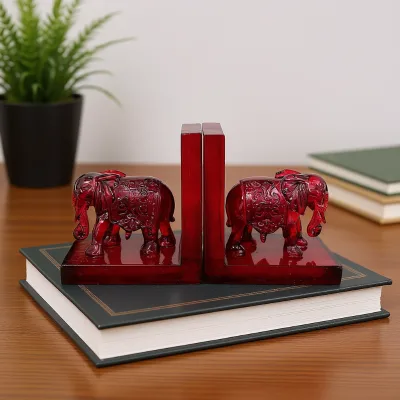
Modern Art Decor Bookend Resin Craft Home Table Decor Transparent Resin Mermaid Elephant Bookends
$8.43 - $13.99
MOQ: 240 Minimum
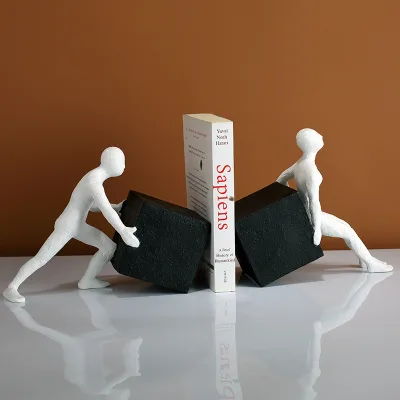
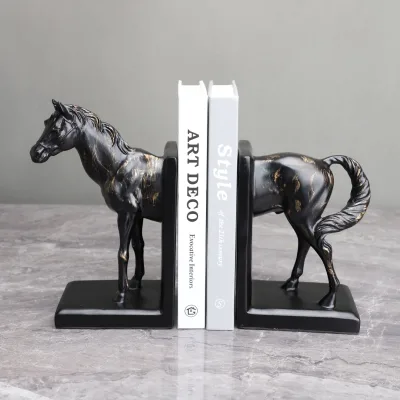
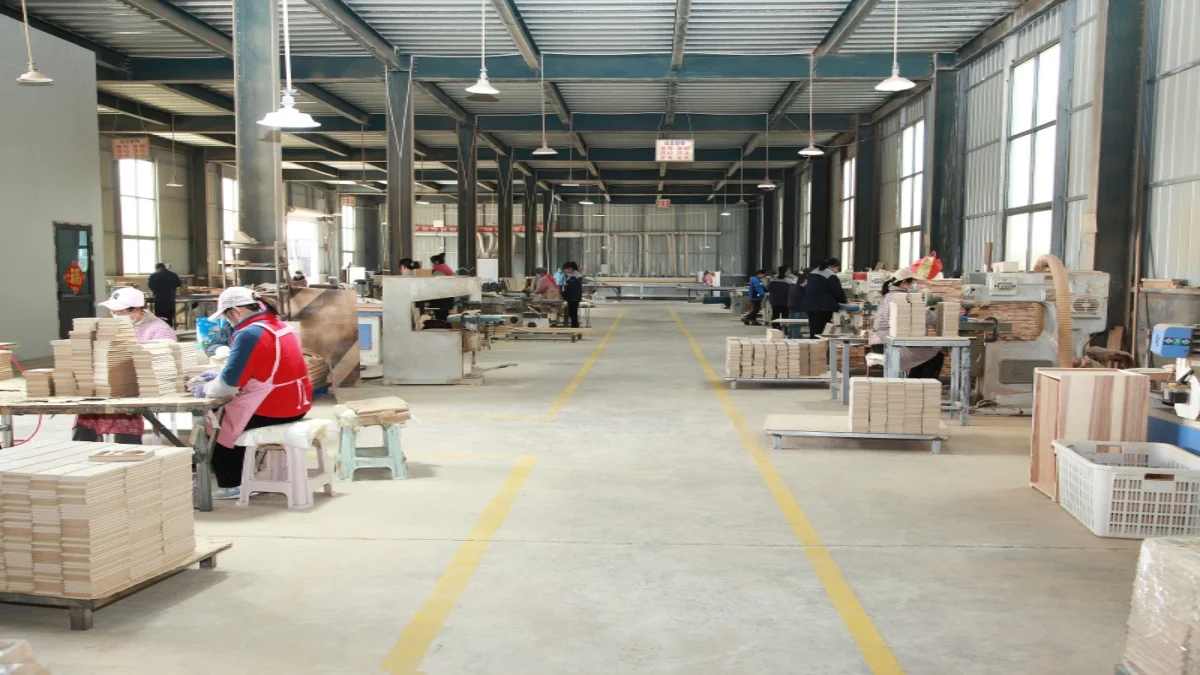
Caoxian Dongxing Arts And Crafts Co., Ltd.
- Manufacturer, Trading Company
- Shandong, China
- Lead time30 days
- Avg. response≤ 4h
Main productswooden craft,wooden tray,wooden box,wooden home decor,wooden shelf
Main marketsNorth America(50.00%), Eastern Asia(30.00%), Western Europe(20.00%)
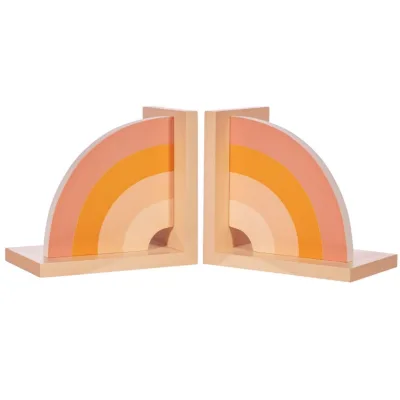
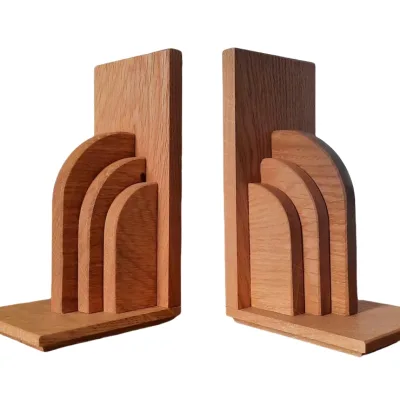
Set of 2 Book Storage Bookends Customized Shape and Size Wooden Bookend for Home Office Usage
$5.13 - $7.18
MOQ: 500 pieces
Best Goal (Shanghai) Manufacture Co., Ltd.
- Verified by SGS Group
- Trading Company
- Lead time45 days
- Avg. response≤ 3h
Main productsWooden Craft, Metal Home Decoration
Main marketsNorth America(66%), Western Europe(21%), Domestic Market(9%)

- Verified by SGS
- Trading Company
- China Zhejiang
- Lead time45 days
- Avg. response≤ 16h
Main productsResin Crafts, FRP Sculpture, Trophy & Awards & Plaques, Metal Casting Sculptures, Plastic Products
Main marketsEurope,North America


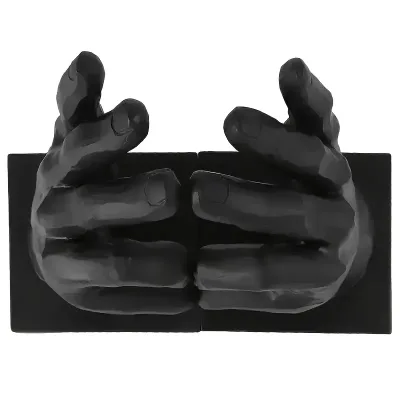
Home Decoration Polyresin Art Indoor Ornament Hands Vintage Resin Bookend
$5.00 - $50.00
MOQ: 20 Pieces

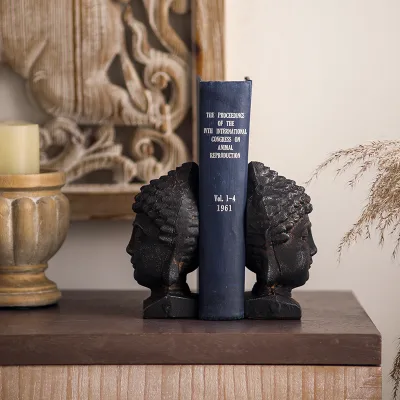
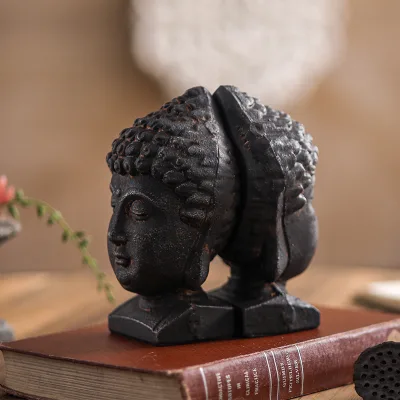
Antique Craft Resin Sculpture Religious Buddha Statue Bookend Bookshelf Decoration
$5.00 - $50.00
MOQ: 20 Pieces


- Trading Company
- China Guangdong
- Lead time15 days
- Avg. response≤ 5h
Main productsHouseware, Bathroom Set, Bathroom Accessory, Kitchenware, Tableware, Wine Accessory, Bath Set, Home Decoration, Soap Dispenser, Bath Ensembles
Main marketsDomestic,North America


New Modern Art Custom Resin Book Ends Nordic Bookends for Desk Organizers
$2.60 - $2.80
MOQ: 100 Pieces


Simple Home Decoration Black Book Holder Table Decoration Bookend Ornament Desktop Resin Bookends
$2.60 - $2.80
MOQ: 100 Pieces

Customized Nordic Creative Sculpture Interior Table Living Room Decoration Resin Craft Bookends
$2.60 - $2.80
MOQ: 100 Pieces

Quanzhou Wutongcrafts Co., Ltd.
- Verified by CTI
- Manufacturer/Factory
- China Fujian
- Lead time30 days
- Avg. response≤ 6h
Main productsResin Figurine, Snow Globe, Fridge Magnets, Tourist Souvenirs, Garden Ornaments, Holiday Decorations, Madonna Statue, Bobble Head, Polyresin Statue, Polyresin Flower Pot
Main marketsSouth America,Eastern Europe,North America,Oceania,Western Europe,Africa


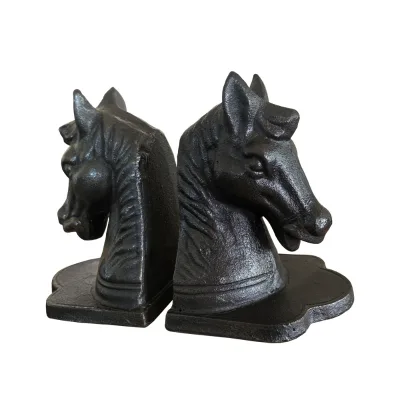
Realistic Handmade Crafts Resin Half Horse Head Shape Bookends Home Decor
$0.10 - $5.00
MOQ: 500 Pieces

Xiamen Ehang Household Products Co., Ltd.
- Trading Company
- Fujian, China
- Lead time37 days
- Avg. response≤ 7h
Main productsKitchenware,bamboo and wooden products,Houseware,Kitchen gadgets,Garden
Main marketsSoutheast Asia(20.00%), North America(20.00%), Southern Europe(10.00%), Northern Europe(10.00%), Western Europe(10.00%), South America(10.00%), Eastern Europe(10.00%), Central America(5.00%), Domestic Market(1.00%), Mid East(1.00%), Oceania(1.00%), Eastern Asia(1.00%), Africa(1.00%)
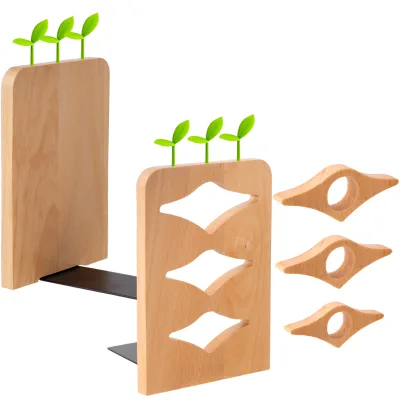
Wooden Bookends Wood Book Ends Stand Thumb Book Page Holder Sprout Bookmarks Book Organizer Reading
$1.00 - $8.00
MOQ: 500 pieces

- Manufacturer, Trading Company
- Shandong, China
- Lead time0 days
- Avg. response≤ 1h
Main productsWooden Box,Wooden Shelf,Wooden Craft,cat tree,Wooden Furniture
Main marketsNorth America(50.00%), South America(20.00%), Mid East(10.00%), Southeast Asia(10.00%)
Fuzhou Ants Home Decoration Co., Ltd.
- Trading Company
- Fujian, China
- Lead time0 days
- Avg. response≤ 1h
Main productsMirror,Wall Pediment,Rustic Serving Tray,Candle Holder,Photo Frame
Main marketsNorth America(50.00%), Western Europe(35.00%), Eastern Asia(15.00%)
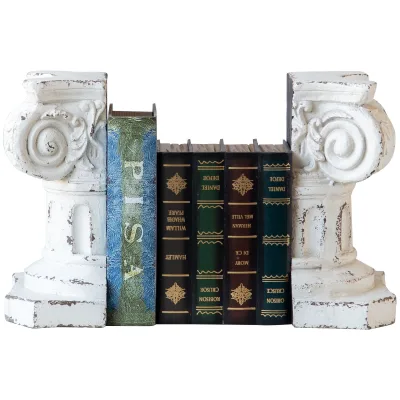
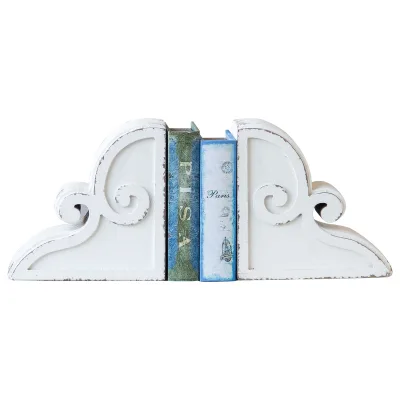
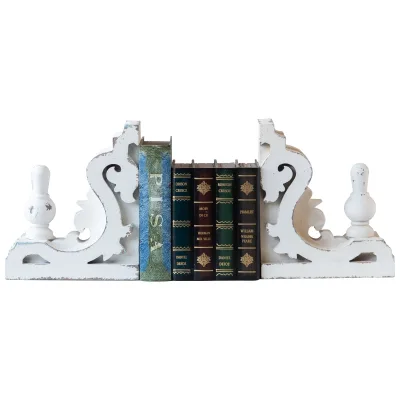
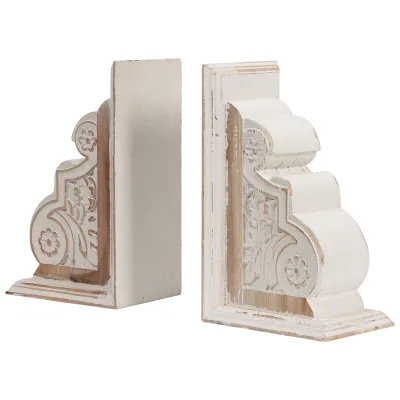
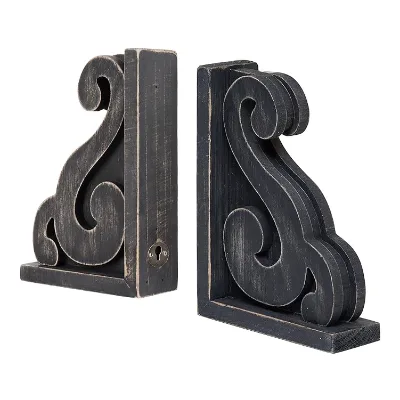
Baroque Book Organizer Wood Bookend Supply High Quality Vintage Wooden Decor Customized Art Style
$12.38 - $13.50
MOQ: 100 sets


Fuzhou Liandesheng Trading Co., Ltd
- Verified by TUVRHEINLAND
- Manufacturer/Factory
- China Fujian
- Lead time23 days
- Avg. response≤ 8h
Main productsHome Decor, Garden Decor, Metal Truck Decor, Metal Planter, Wall Drcoration, Artificial Flowers, Metal Bookends, Metal Candlestick Holder, Garden Ornament, Art Sculpture
Main marketsSouth America,Eastern Europe,Mid East,North America,Western Europe
Shandong Best G And G Enterprise Co., Ltd.
- Trading Company
- Shandong, China
- Lead time0 days
- Avg. response≤ 3h
Main productsMusic Box,Kalimba,Pan Drum,Tongue Drum,Garden Tool
Main marketsCentral America(20.00%), South America(20.00%), North America(20.00%), Eastern Europe(10.00%), Northern Europe(10.00%), Southeast Asia(10.00%), South Asia(5.00%), Mid East(5.00%)

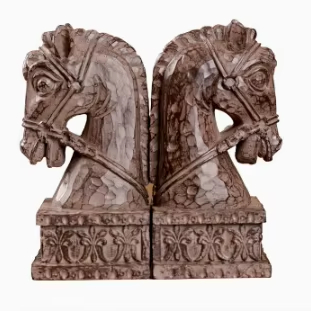
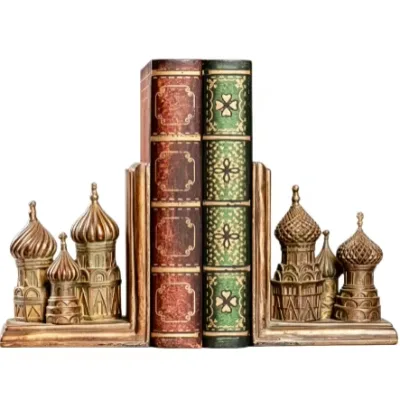
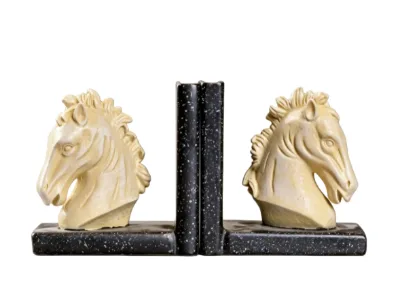

Globe Bookend Craft Gift Ornament for Study Office Home Resin Decorative Crafts
$11.98 - $15.14
MOQ: 10

Xi'an Yingdeen Handicraft Co., Ltd.
- Manufacturer, Trading Company
- Shaanxi, China
- Lead time30 days
- Avg. response≤ 1h
Main productscast iron coat hooks,decorative rack,home decorations,Garden Decorations,coaster and pot holder
Main marketsDomestic Market(29.00%), North America(26.00%), Northern Europe(20.00%), Western Europe(10.00%), Africa(5.00%), Mid East(5.00%), Central America(3.00%), Eastern Europe(2.00%)

Guangzhou Zhongtian Paper Product Co., Ltd.
- Verified by TUVRHEINLAND
- Trading Company,Manufacturer/Factory,Group Corporation
- China Guangdong
- Lead time38 days
- Avg. response≤ 4h
Main productsBible, Book, Children Book, Paper Box, Jigsaw Puzzle, Notebook Printing, Board Game, Calendar, Paper Bags, Seed Paper Cards
Main marketsSouth America,Eastern Europe,Mid East,North America,Southeast Asia,Oceania,Western Europe,Africa
Fujian Quanzhou Zhongpin Crafts Co., Ltd.
- Verified by TüVRheinland
- Manufacturer, Trading Company
- Lead time45 days
- Avg. response≤ 3h
Main productsMetal Crafts
Main marketsNorth America(70%), Western Europe(10%), Southeast Asia(5%)

Quanzhou Leader Industry Limited
- Verified by TUVRHEINLAND
- Trading Company
- China Fujian
- Lead time30 days
- Avg. response≤ 21h
Main productsPolyresin Crafts, Metal Crafts, Souvenir Gifts, Snow Globe, Fridge Magnet, Bobble Heads, Resin Figurine, Ceramic Items, Garden Statue Garden Ornament, Ceramic Mug
Main marketsEurope

Fujian Fuqing City Kaoensi Furniture Co., Ltd.
- Trading Company
- Fujian, China
- Lead time40 days
- Avg. response≤ 1h
Main productsHome Decor
Main marketsDomestic Market(100.00%)

Wenzhou Joint Swords Co., Ltd.
- Combined
- China Zhejiang
- Lead time30 days
- Avg. response≤ 24h
Main productsSwords, Katana, Samurai Swords, Movie Swords, Shields, Axe, Medieval Helmets, Tanto, Lord of Ring, Key Ring
Main marketsDomestic

MOQ: 60 Pieces

MOQ: 60 Pieces

MOQ: 60 Pieces

NINGBO BOHONGCHUANGYI INTERNATIONAL CO., LTD.
- Trading Company,Manufacturer/Factory
- China Zhejiang
- Lead time30 days
- Avg. response≤ 8h
Main productsWooden Photo Frame, Photo Frame, Wooden Box, PVC Photo Frame, Baby Toy, Plastic Photo Frame, Glass Photo Frame, Polyresin Photo Frame, Wooden Toy, Leather Frame
Main marketsSouth America,Eastern Europe,Mid East,North America,Southeast Asia,Eastern Asia,Oceania,Western Europe,Africa

Custom MDF Bookend Lovely Beach Style Wooden Bookends for Desk Organizer
$1.69 - $2.58
MOQ: 1000 Pieces

Wooden Crafts 32*22cm Wood Reading Rest Cookbook Stand Recipe Holder Bookrest
$2.01 - $2.58
MOQ: 2000 Pieces

Wooden Crafts Multi Sized Wooden Reading Rest Cookbook Stand Recipe Holder Bookrest
$2.01 - $2.58
MOQ: 2000 Pieces

New Custom Wooden Crafts Multi Sized Wooden Reading Rest Cookbook Stand Recipe Holder
$2.01 - $2.58
MOQ: 2000 Pieces

Xiamen Silu Technology Co., Ltd.
- Verified by BV
- Manufacturer/Factory
- China Fujian
- Lead time60 days
- Avg. response≤ 6h
Main productsResin Crafts, Snow Globe, Resin Figurine, Resin Flower Pots, Cloth Crafts, Iron Crafts, Fabric Toys, Christmas Gifts, Trophies, Home Furnishings
Main marketsEastern Europe,North America,Southeast Asia,Western Europe


Modern Polyresin Crafts Geometric Black Human Face Figurine Bookends for Home Office Bookshelf
$10.80 - $12.20
MOQ: 120 Pieces
Dongguan Huiying Art&crafts Co., Ltd.
- Manufacturer, Trading Company
- Guangdong, China
- Lead time20 days
- Avg. response≤ 5h
Main productsgifts,crafts,skin care products,face rollers,gua sha massagers
Main marketsWestern Europe(25.00%), North America(25.00%), Northern Europe(10.00%), Oceania(10.00%), Mid East(5.00%), Eastern Europe(5.00%), Central America(5.00%), Southeast Asia(3.00%), Eastern Asia(3.00%), South Asia(2.00%), Southern Europe(2.00%), South America(2.00%), Africa(2.00%), Domestic Market(1.00%)
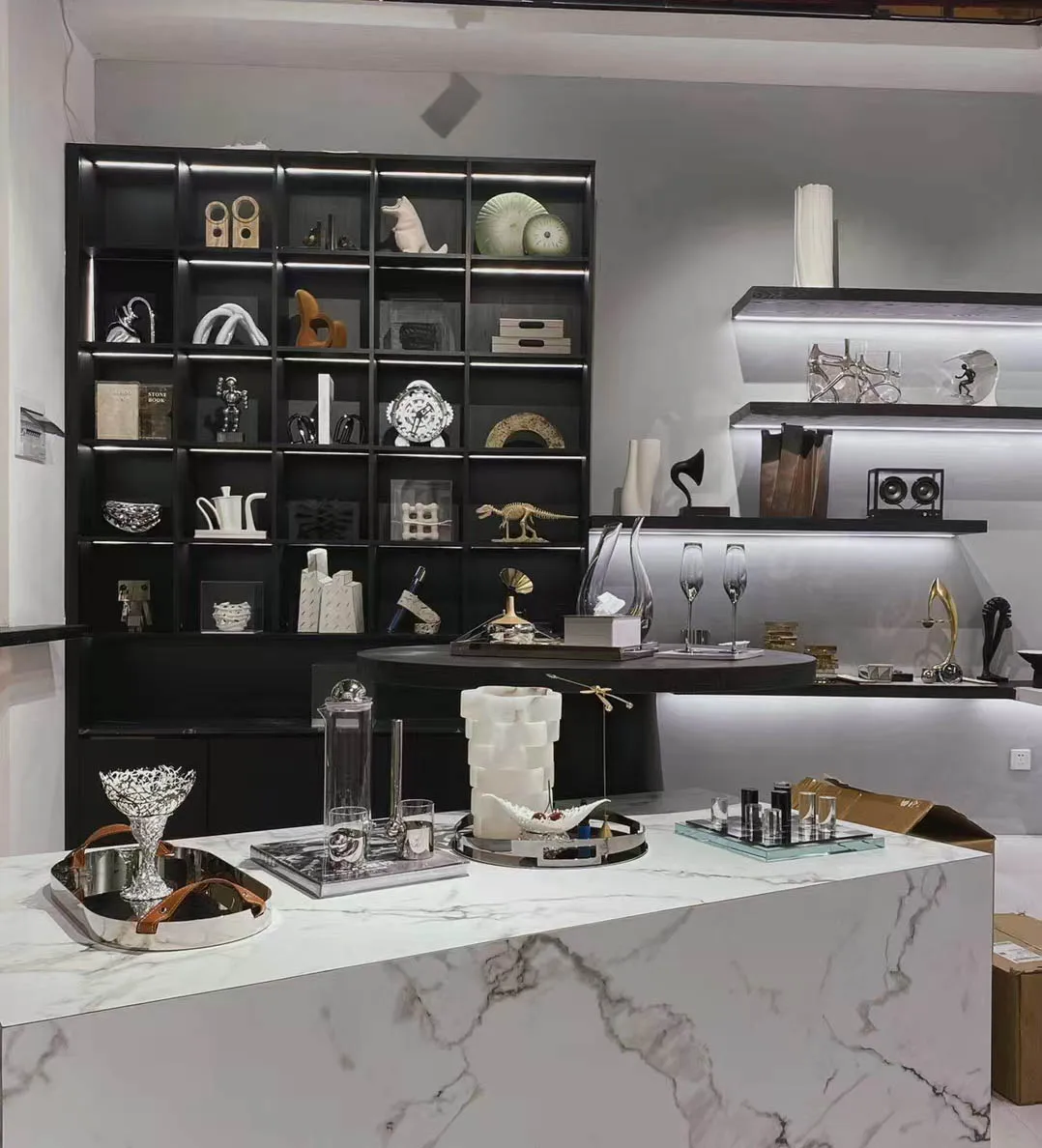
Zhongshan City Guangtongchen Household Products Co., Ltd.
- Manufacturer, Trading Company
- Guangdong, China
- Lead time15 days
- Avg. response≤ 4h
Main productsVase,Tray,Home Decor,Candle Holder,Decorative Box
Main marketsDomestic Market(100.00%)
Zhongshan Designs Furnishings Co.,Ltd.
- Trading Company
- Guangdong, China
- Lead time25 days
- Avg. response≤ 2h
Main productsBrass Lightings,Home Furnishings,Decorative Vase,Brass Crafts,Lamp Shades
Main marketsMid East(45.00%), North America(30.00%), Southeast Asia(8.00%), South Asia(3.00%), Southern Europe(3.00%), Northern Europe(3.00%), Oceania(2.00%), Eastern Europe(2.00%), South America(1.00%), Western Europe(1.00%), Eastern Asia(1.00%), Central America(1.00%)
Quanzhou Jinshidai Electronic Commerce Co., Ltd.
- Verified by Intertek
- Trading Company
- Lead time45 days
- Avg. response≤ 5h
Main productsResin Product
Main marketsNorth America(50%), Western Europe(50%)
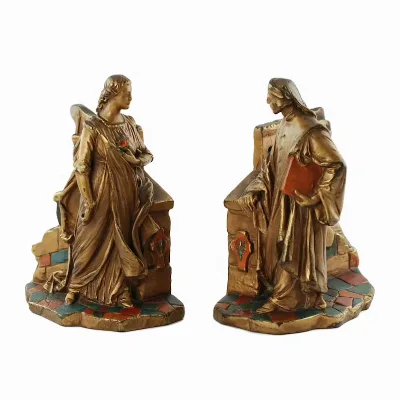
$2.17 - $4.14
MOQ: 200 pieces


GUANGZHOU TIMI PRINTING CO., LTD
- Verified by SGS
- Combined
- China Guangdong
- Lead time15 days
- Avg. response≤ 7h
Main productsHardcover Book, Paperback Book, Jigsaw Puzzles, Board Book, Activity Book, Casebound Book, Stickers Book, Coloring Book, Planner, Notebook
Main marketsEurope,North America

Taizhou Yuansheng Gift Co., Ltd.
- Verified by SGS
- Manufacturer
- China Zhejiang
- Lead time60 days
- Avg. response≤ 3h
Main marketsEurope,North America


Harvest Festival Decoration Exclusive Holiday Gift Book Ornaments Wooden Decoration
$0.30 - $4.00
MOQ: 50 Pieces


Harvest Festival Decoration Book Ornaments Affordable and Beautiful Wooden Decoration
$0.30 - $4.00
MOQ: 50 Pieces


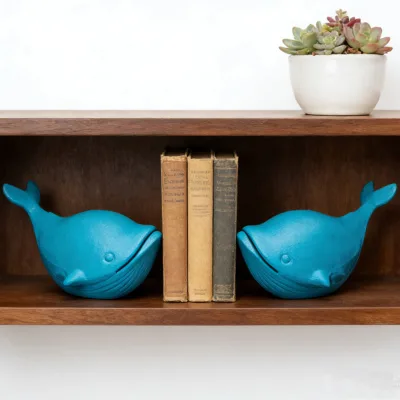


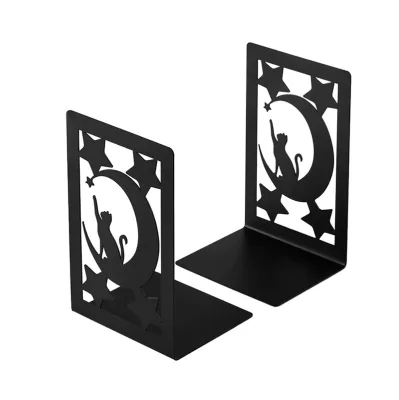

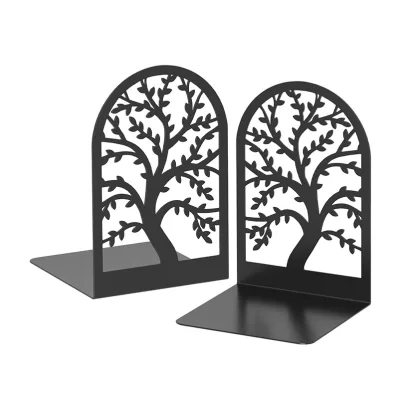
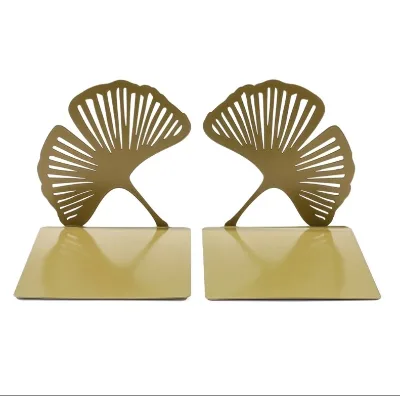










Comprehensive Sourcing Guide
Handmade Folk Art Bookends Supplier Concentration and Factory Types
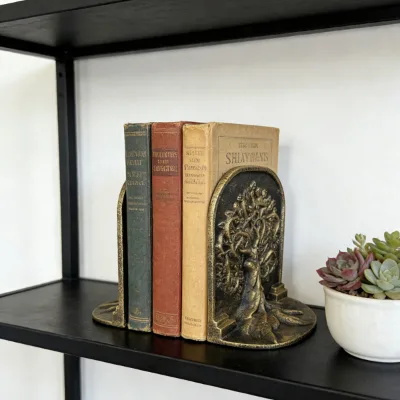
The current supplier landscape for Handmade Folk Art Bookends reveals a distinct concentration of manufacturing capabilities within specific Chinese provinces, with Fujian and Shandong emerging as primary hubs based on available product origin data. Suppliers in these regions frequently list their main products as resin crafts, metal crafts, and ceramic items, alongside specialized wooden crafts such as trays, boxes, and shelves. This geographic clustering suggests that buyers seeking authentic folk art styles will likely encounter a higher density of relevant vendors in these areas, where the local supply chain supports both resin molding and wood handicraft techniques. The presence of both trading companies and manufacturers in these clusters indicates a mixed market structure where some entities handle direct production while others manage the logistics and sales of goods from multiple workshops.
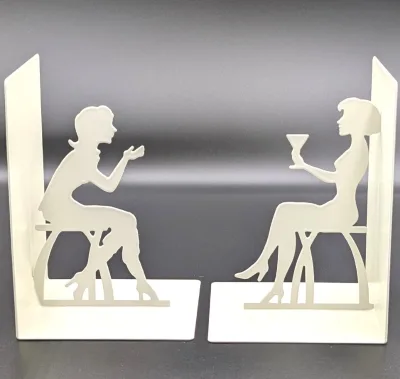
When evaluating the factory types available, buyers should note that the majority of active suppliers in this category operate as trading companies, though a significant portion also identify as manufacturers. This dual classification is critical because it influences the buyer's ability to request customizations and verify production capacity directly. Suppliers listing capabilities such as sample processing, graphic processing, and customized on-demand services often bridge the gap between pure manufacturing and trading. However, the distinction remains important for buyers who require strict quality control over the handcrafted elements of folk art designs. Understanding whether a supplier is primarily a trading entity or a direct manufacturer helps in setting realistic expectations for lead times and the depth of customization available for specific folk art motifs like the Thinker or Mermaid styles observed in current product listings.
How to Verify Handmade Folk Art Bookends Suppliers
Verification of suppliers in the Handmade Folk Art Bookends sector requires a rigorous check of third-party credentials and response metrics to ensure reliability. Current data indicates that some suppliers hold TüVRheinland verification status, which serves as a tangible indicator of a company's operational stability and adherence to certain quality standards. Buyers should prioritize suppliers displaying this specific verification badge, as it provides a layer of assurance regarding the business's legitimacy that is not present for all vendors. Additionally, response time is a critical metric for verification; suppliers with a response time of two days or less demonstrate a higher level of engagement and operational readiness. This speed often correlates with better communication channels, which is essential when discussing intricate details of folk art designs that may require multiple iterations before final approval.
Beyond verification badges and response speeds, buyers must scrutinize the specific product attributes and certifications listed in supplier profiles to confirm their capability to deliver authentic handmade goods. The presence of attributes such as "OEM" and "ODM" formats, along with specific material declarations like resin or wood, helps confirm that the supplier has the technical capacity to produce the requested items. Buyers should look for evidence of customization capabilities, such as the ability to accept customized logos or specific color variations, which are common requirements for folk art projects. It is also vital to check for payment terms like T/T, Paypal, Western Union, and L/C, as the availability of diverse payment methods often reflects a supplier's experience with international trade. If a supplier lacks these specific details or verification marks, buyers should treat the engagement with caution and request further documentation before proceeding.
What to Compare Across Handmade Folk Art Bookends Suppliers
Comparing suppliers effectively requires a systematic analysis of key operational dimensions such as lead times, minimum order quantities, and pricing structures to find the best fit for specific project needs. Current data shows a wide variance in lead times, with some suppliers offering a 30-day turnaround while others require up to 50 days for production. This difference is significant for buyers with tight deadlines and should be weighed against the complexity of the requested design. Similarly, minimum order quantities (MOQ) vary considerably, ranging from 50 pieces to 240 pieces depending on the specific product and supplier. Buyers must calculate whether their order volume aligns with these thresholds to avoid unnecessary costs or the need to consolidate orders with other buyers.
Price comparison is another essential factor, with unit costs fluctuating based on material, design complexity, and order volume. Listings indicate price ranges from approximately $8.43 to $15.76 per unit, reflecting differences in materials like resin versus wood and the intricacy of the folk art patterns. Buyers should not focus solely on the lowest price but must consider the total value, which includes the supplier's response time, verification status, and capacity for customization. For instance, a supplier with a higher price point might offer superior sample processing capabilities or faster response times, which can reduce overall project risk. Additionally, comparing the main products offered by each supplier ensures that the vendor specializes in the specific type of bookend required, whether it is a resin sculpture or a wooden decorative piece, rather than a generalist vendor with limited expertise in the niche.
Common Handmade Folk Art Bookends Sourcing Risks
One of the primary risks in sourcing Handmade Folk Art Bookends is the potential discrepancy between the advertised design style and the actual finished product, particularly regarding material quality and craftsmanship. While suppliers may list attributes like "Modern Abstract Art" or "Folk Art" styles, the actual execution can vary significantly if the supplier lacks the specific technical skills for that style. For example, a supplier claiming to produce "Antique Weathering" techniques on resin might deliver a product that lacks the intended texture or durability if their workshop is not specialized in that specific process. Buyers must be vigilant about verifying the "technics" and "design style" attributes listed in product specifications to ensure they match the desired aesthetic and functional requirements of the final order.
Another significant risk involves the reliability of lead times and the consistency of production capacity, which can be affected by the supplier's classification as a trading company versus a manufacturer. Trading companies may face delays if they rely on third-party factories that are not directly managed, leading to potential bottlenecks in the production schedule. The observed lead times of 30 to 50 days suggest that production is not instantaneous, and any disruption in the supply chain could extend these timelines further. Furthermore, the variability in minimum order quantities poses a risk for buyers with smaller budgets, as they may be forced to purchase more inventory than needed to meet the MOQ, tying up capital in unsold stock. Buyers should mitigate these risks by requesting detailed production schedules and confirming the supplier's ability to meet deadlines before committing to a large order.
Handmade Folk Art Bookends Regional Sourcing and Logistics
Regional sourcing strategies for Handmade Folk Art Bookends are heavily influenced by the geographic origins of the suppliers, with Fujian and Shandong being the most prominent locations identified in current data. Suppliers in Fujian, China, are frequently associated with resin crafts and metal items, while those in Shandong, China, often specialize in wooden crafts and home decor. This regional specialization means that buyers seeking resin-based folk art bookends should prioritize vendors located in Fujian, whereas those looking for wooden or tray-based designs should focus on Shandong. Understanding these regional clusters allows buyers to streamline their logistics and potentially reduce shipping costs by selecting suppliers closer to the port of entry or with established shipping routes to their destination.
Logistics planning must also account for the specific packaging and shipping requirements associated with fragile handmade items. Product specifications often indicate single-piece packaging with foam and white boxes, which is crucial for protecting delicate resin or wooden sculptures during transit. Buyers should verify that the supplier's packing methods align with the fragility of the product, especially for items with irregular shapes or intricate details that could be damaged during handling. Additionally, the "place of origin" listed in product attributes serves as a key indicator for customs and import regulations, as different regions may have varying export requirements. By aligning their sourcing strategy with these regional strengths and logistical realities, buyers can ensure a smoother supply chain from the factory floor to their final destination, minimizing the risk of damage or delays.
Handmade Folk Art Bookends Commercial Terms and Order Planning
Commercial terms for Handmade Folk Art Bookends vary significantly across suppliers, with payment methods including T/T, Paypal, Western Union, and L/C being commonly accepted options. Buyers should carefully review these terms to ensure they align with their financial policies and risk tolerance, as some methods may offer better protection for international transactions. The availability of multiple payment options often indicates a supplier's experience with global trade and their willingness to accommodate different buyer preferences. Additionally, buyers must consider the sample time, which can range from 15 working days to longer periods depending on the complexity of the design. Planning for this sample phase is essential to avoid delays in the final production schedule, as the approval of the sample is often a prerequisite for mass production.
Order planning must also factor in the customization capabilities and the specific attributes of the product, such as size, color, and logo requirements. Many suppliers offer customized sizes and colors, along with the option for customized logos, which allows buyers to tailor the product to their brand or specific market needs. However, these customizations often come with higher minimum order quantities and longer lead times, as seen in the data where MOQs range from 50 to 240 pieces. Buyers should plan their orders well in advance to accommodate these variables, ensuring that they have sufficient time for sample approval, production, and shipping. By understanding the commercial terms and planning accordingly, buyers can manage their inventory effectively and avoid the pitfalls of rushed orders or unexpected costs associated with customization.
FAQs
What is the typical lead time for Handmade Folk Art Bookends?
Lead times vary by supplier, with observed ranges from 30 to 50 days. Some manufacturers offer faster processing for samples, while standard orders may require longer production windows. Buyers should confirm specific timelines based on order volume and customization needs before placing an order.
What are the minimum order quantities for resin bookends?
Minimum order quantities differ across listings, with some suppliers requiring 50 pieces while others set the threshold at 100 or 240 units. Buyers must check individual product specifications to determine the exact MOQ applicable to their desired design, material, and customization level.
Which materials are commonly used for handmade bookends?
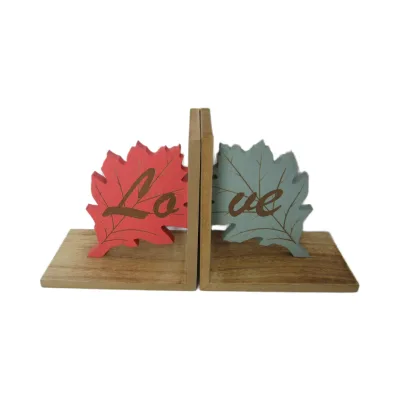
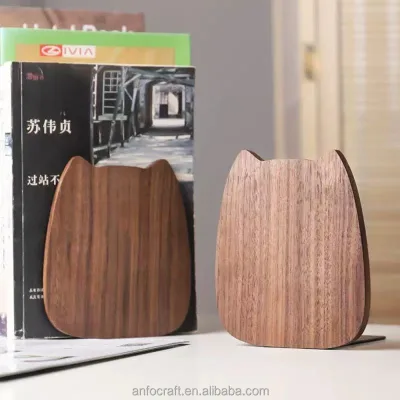
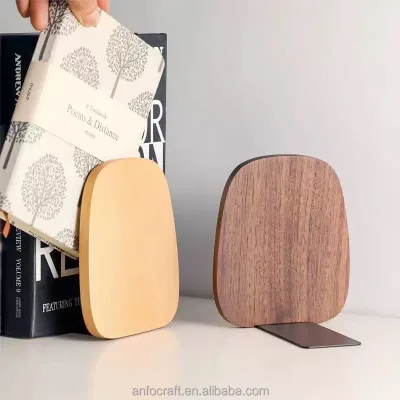
Resin and wood are the primary materials found in current listings. Resin options include abstract, modern, and vintage styles, while wooden variants feature handcrafted designs. Both materials support customization for size, color, and logo placement to meet specific home decor requirements.
Are suppliers verified for quality and reliability?
Some suppliers hold verification from TüVRheinland, indicating a level of quality assurance. Buyers should look for this badge when selecting partners. Verification status helps confirm that the supplier meets certain operational standards, though specific details vary by individual company profile.
What is the price range for resin bookends?
Prices for resin bookends typically range from approximately 8.43 to 15.76 USD per unit. The final cost depends on factors like design complexity, material quality, and order quantity. Buyers should compare specific listings to find options that fit their budget and quality expectations.
Can suppliers customize the design and logo?
Yes, most suppliers offer OEM and ODM services for customization. Buyers can request specific sizes, colors, and custom logos. Many listings explicitly state support for personalized designs, allowing businesses to create unique products that align with their brand identity and market needs.
Where are these bookends manufactured?
Current listings indicate manufacturing locations in Fujian and Shandong, China. These regions are known for producing resin crafts and wooden home decor items. Buyers should verify the specific place of origin for each product to ensure it aligns with their sourcing preferences.