Handmade Eco-Friendly Glass Flower Vase Suppliers and Manufacturers
Source 13 verified suppliers for Handmade Eco-Friendly Glass Flower Vase. Compare grounded dimensions including ISO9001:2015 certification, BSCI audits, lead times of 45-60 days, and MOQs from 300 units. Contact suppliers directly to request quotes and verify production capabilities.
Suppliers List

Golden Ace Industrial Co., Ltd.
- Verified by BV
- Combined
- China Shandong
- Lead time60 days
- Avg. response≤ 10h
Main productsGlassware, Kitchenware, Houseware, Glass Vase, Giftware
Main marketsAfrica,Southeast Asia/ Mideast,Europe,Australia,North America

Guangzhou Garbo International Trading Co., Ltd.
- Verified by TUVRHEINLAND
- Trading Company,Manufacturer/Factory
- China Guangdong
- Lead time45 days
- Avg. response≤ 5h
Main productsGlassware, Glass Cup, Glass Mug, Glass Bowl, Glass Candy Jar, Glass Pitcher, Glass Ice Cream Cup and Ice Bucket, Opal Glassware, Stainless Steel Cutlery, Ceramic Dinnerware
Main marketsSouth America,Eastern Europe,Mid East,North America,Southeast Asia,Eastern Asia,Oceania,Western Europe,Africa

Handmade Craft Decorative Glass Flower Vase with Custom Color Painting Home Glass Decoration
$2.00 - $3.00
MOQ: 3000 Pieces

Handmade Craft Decorative Colored Glass Flower Vase for Gift Tabletop Glass Vase with Wooden Sleeve
$5.80 - $6.24
MOQ: 1000 Pieces

Handmade Luxury Decorative Colored Glaze Glass Flower Vase for Gift Fancy Glass Vase
$17.00 - $24.00
MOQ: 1000 Pieces

Handmade Luxury Colored Glass Flower Vase Tabletop Decorative 20cm Glass Vase
$1.30 - $1.56
MOQ: 3000 Pieces


$22.00 - $30.00
MOQ: 100 Pieces

Rizhao Baibo Packaging Co., Ltd.
- Verified by TUVRHEINLAND
- Trading Company
- China Shandong
- Lead time15 days
- Avg. response≤ 2h
Main productsGlass Vase, Glass Jar, Glass Bottle, Glass Beverage, Glass Candlestick Jar, Glass Lampshade
Main marketsNorth America


Round Narrow Mouth Different Color Lovely Small Glass Flower Vase for Decoration
$0.30 - $0.70
MOQ: 5000 Pieces

Yancheng Xinboyuan Glass Co., Ltd.
- Verified by BV
- Trading Company,Manufacturer/Factory
- China Jiangsu
- Lead time23 days
- Avg. response≤ 11h
Main productsGlass Table Lamp, Glass Perfume Bottles, Glass Lampshade, Glass Labware, Glass Bottles & Jars, Glass Candlesticks, Borosilicate Mug & Cups, Glass Vases & Terrariums, Glass Beakers, Glass Reagent Bottles
Main marketsEastern Europe,Mid East,North America,Western Europe

Creative Pigment Flower Glass Vase Color Modern Vase Flowers Creative Flower Vase
$1.00 - $3.50
MOQ: 50 Pieces


Multiple Type Small Diameter Flower Vase Custom Decoration Glass Flower Vase for Living Room
$1.20 - $3.50
MOQ: 50 Pieces

Baoying County Xuzhiguang Glass Crafts Co., Ltd.
- Verified by SGS Group
- Manufacturer, Trading Company
- Lead time7 days
- Avg. response≤ 1h
Main productsGlass Vases, Glass Candle Holders, Glass Tea Sets, Glass Wind Chimes, Glass Wine Glasses
Main marketsDomestic Market(66%), North America(12%), Western Europe(5%)

Zibo Melory Import & Export Trade Co., Ltd.
- Trading Company,Manufacturer/Factory
- China Shandong
- Lead time45 days
- Avg. response≤ 18h
Main productsGlass Candle Holder, Glass Jar, Glass Votive, Glass Diffuser, Glass Bottle, Glass Vase, Matches, Ceramic Candle Holder, Ceramic Holder for Incense, Glass Candle Jar
Main marketsSouth America,Eastern Europe,North America,Western Europe

Xuzhou Huajing Glass Products Co., Ltd.
- Verified by BV
- Combined
- China Jiangsu
- Lead time23 days
- Avg. response≤ 13h
Main productsGlass Bottle, Glass Jar, Water Bottle, Perfume Bottle, Mason Jars, Candle Jar, Plastic Bottles, Lids Bottle Caps Closures, Wine Bottle, Juice Bottle
Main marketsSouth America,Africa,Southeast Asia/ Mideast,East Asia(Japan/ South Korea),Domestic,Europe,Australia,North America

Ningbo Hongchuang Commodity Co., Ltd.
- Verified by SGS
- Trading Company,Manufacturer/Factory
- China Zhejiang
- Lead time45 days
- Avg. response≤ 6h
Main productsStorage, Home Decoration, Kitchenware, Housewares, Gifts & Crafts, Office & School, Beauty & Personal Care, Festival Items, Wooden Photo Frame, Garden Tools
Main marketsSouth America,Eastern Europe,Mid East,North America,Southeast Asia,Eastern Asia,Oceania,Western Europe,Africa

Qingdao Qiteng Yongxin Glass Products Co., Ltd
- Verified by SGS
- Trading Company
- China Shandong
- Lead time30 days
- Avg. response≤ 4h
Main productsScented Oil Bottle, Wine Bottle, Beverage Bottle, Perfume Bottles, Reed Diffuser Bottles, Rum Bottle, Wax Holder, Essential Oil Glass Bottle, Nail Polish Glass Bottle, Roll on Glass Bottle
Main marketsEurope

Handcrafted Clear Glass Vase for Rustic Home Fresh Flower Table Display Hot Sale
$0.40 - $0.80
MOQ: 1 Pieces


Hemera (Tianjin) Technology Development Limited
- Verified by TUVRHEINLAND
- Manufacturer/Factory
- China Tianjin
- Lead time38 days
- Avg. response≤ 4h
Main productsGlass Cup, Glass Teapot, Glass Jar&Container, Glass Pitcher&Carafe, Water Jug, Coffee Set, Wine Set, Glass Cooking Ware
Main marketsSouth America,Eastern Europe,Mid East,North America,Southeast Asia,Eastern Asia,Oceania,Western Europe,Africa

Unique Design Hand Cut Home Decorative Small Glass Flower Vase Color Painted Glass Crystal Vases
$15.50 - $17.00
MOQ: 300 Pieces

$15.50 - $17.00
MOQ: 300 Pieces

Jinan Glass International Trade Co., Ltd.
- Manufacturer/Factory
- China Shandong
- Lead time15 days
- Avg. response≤ 6h
Main productsGlass Smoking Pipe, Glass Pipe, Printing and Package, Laboratory Glassware, Home Glassware, Machine, Sticker, Wall Decal
Main marketsSouth America,Eastern Europe,North America,Southeast Asia,Eastern Asia,Oceania,Western Europe,Africa


Simple Modern Creative Transparent Glass Vase
MOQ: 10 Pieces

Modern Simple European Wooden Glass Vase
MOQ: 4 Pieces

- Verified by TUVRHEINLAND
- Trading Company
- China Hunan
- Lead time45 days
- Avg. response≤ 1h
Main productsCeramic Mug, Vacuum Flask, Dinner Set, Cup, Mug, Thermal Bottle, Ceramic Dinner Set, Glass Jar, Glass Cup, Wine Cup
Main marketsSoutheast Asia/ Mideast

Ningbo Beixuan International Trading Co., Ltd.
- Verified by TUVRHEINLAND
- Manufacturer/Factory
- China Zhejiang
- Lead time15 days
- Avg. response≤ 12h
Main productsPlastic Bottle, Plastic Cup, Plastic Honey Jar, Plastic Food Container, Glass Juice/ Beverage Bottle, Glass Jar, Glass Wine Bottle, Glass Essential Oil Bottles, Cosmetic & Perfume Glass Bottles, Paper Cup
Main marketsSouth America,Eastern Europe,Mid East,North America,Southeast Asia,Eastern Asia,Oceania,Western Europe,Africa


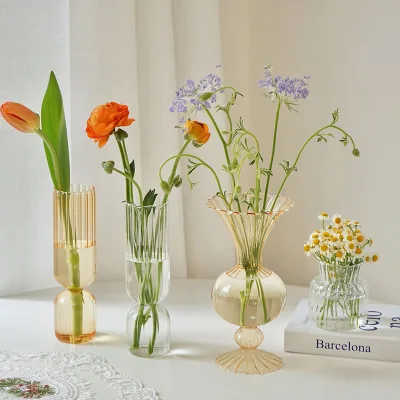
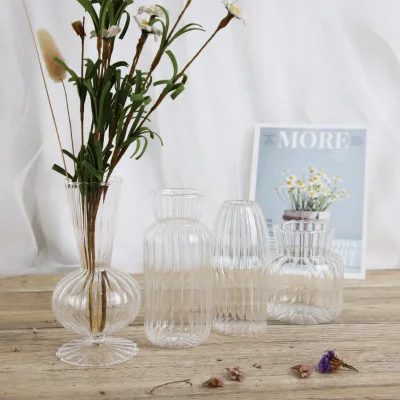
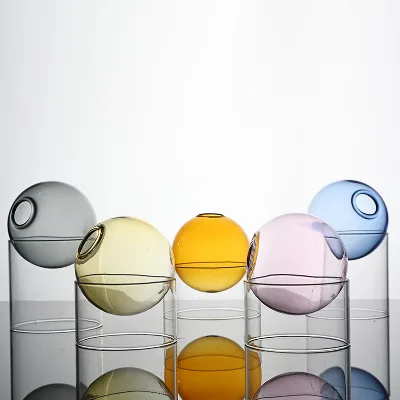


Comprehensive Sourcing Guide
Handmade Eco-Friendly Glass Flower Vase Supplier Concentration and Factory Types
Handmade Eco-Friendly Glass Flower Vase sourcing currently shows a clear concentration in two Chinese manufacturing regions. Shandong province appears in the results as a base for combined manufacturers and trading operations whose main products cover glassware, kitchenware, houseware, glass vases and giftware, with ODM and OEM development capacity. Guangdong province hosts suppliers that combine trading company and manufacturer/factory roles, with main product lines spanning glass cups, mugs, bowls, candy jars, pitchers, opal glassware, stainless steel cutlery and ceramic dinnerware alongside vases. Both clusters therefore offer vase production as part of broader tableware and home decor programs rather than as isolated vase-only factories, which matters when you need a partner able to grow with your range.
The supplier types differ in ways that affect negotiation. Combined Shandong operations present ODM and OEM capability and list hand-blown vases such as color-glazed decorative pieces and transparent blown flower vases in multiple sizes, suggesting workshop-level craftsmanship. Guangdong entries list both trading and factory identities and mention OEM, ODM and an own-brand program, indicating machine-made and semi-automated capacity alongside handmade lines. When mapping clusters on your own, filter B2B results by province, note whether company type reads manufacturer, trading company or combined, and check which main-product categories appear repeatedly. Repeated vase or glassware keywords across many suppliers in one region is the practical signal of a cluster worth prioritizing for sampling trips or audits.
How to Verify Handmade Eco-Friendly Glass Flower Vase Suppliers
Verification for Handmade Eco-Friendly Glass Flower Vase suppliers should start with third-party status shown on the platform. In the current results, one Shandong-based supplier holds BV verification and system certifications including ISO9001:2015 and ISO14001:2015, while a Guangdong-based supplier carries TUV Rheinland verification with BSCI and ISO 9001 system certifications. ISO14001:2015 is particularly relevant if your buyers demand documented environmental management behind eco friendly claims. Treat these certificates as claims to confirm, not guarantees: ask the supplier for the actual certificate documents, check the certificate numbers against the issuing body where possible, and confirm the certificate is held by the legal entity that will appear on your contract and invoices.
Beyond system certificates, verify the handmade claim itself. Several listed products describe blown processing, with attributes such as transparent or color-glazed finishes, and one product's own attributes reference factory audits including BSCI and FSC. Ask each candidate to explain which production steps are mouth-blown or hand-finished versus machine-made, because one Guangdong product attribute explicitly states machine-made processing for a colored vase model. Request a live video walkthrough of the glass workshop, confirm blowing capacity per day, and check whether ISO or audit certificates cover the vase line specifically. For eco friendly positioning, ask what exactly makes the glass or packaging environmentally preferable and require evidence, since none of the displayed facts substantiate an eco label on their own.
What to Compare Across Handmade Eco-Friendly Glass Flower Vase Suppliers
Build a comparison sheet for Handmade Eco-Friendly Glass Flower Vase candidates using the dimensions the platforms actually display. Useful fields include location, company type, verification body, system certifications, main products, ODM or OEM capacity, average response time, typical lead time, and per-product MOQ and price range. In the current data, response times differ meaningfully: one Shandong supplier shows an average response time of about 9.6 hours, while the Guangdong supplier shows about 4.3 hours, which affects how quickly you can resolve artwork and packing questions during development. Do not assume every supplier page displays all of these attributes; absence of a value is itself a finding to verify directly.
Product-level data sharpens the comparison further. Shandong listings show hand-blown vases with MOQs as low as 300 pieces and price ranges such as 2.00 to 5.00 dollars for a large color-glazed model, plus wider 1.00 to 8.00 dollar ranges on other decorative shapes. Guangdong listings show higher MOQs, including 1000 pieces and 3000 pieces depending on model, lead times expressed as 45 days or 7 to 45 days, and prices around 5.80 to 6.24 dollars for a colored vase with wooden sleeve. Compare standard dimensions, packing format such as carton versus brown box, glaze type, and customization availability. Weight these figures against your own volume so a low MOQ workshop and a higher-MOQ factory are scored on total landed cost, not unit price alone.
Common Handmade Eco-Friendly Glass Flower Vase Sourcing Risks
The first risk cluster for Handmade Eco-Friendly Glass Flower Vase programs is inconsistency inherent to handwork. Because the listed products are blown by hand, wall thickness, rim finish and color saturation can vary between production runs, and a sample approved in pre-production may not match a mass-run carton. One listed vase line even documents both machine-made and handmade processing under the same supplier umbrella, so confirm explicitly which process applies to your model. Mitigate by approving a golden sample, defining allowable dimensional tolerance around listed standards such as 12.7x35cm or 18x30.3cm heights, and specifying acceptable variation in glaze and transparency in writing before deposit.
The second cluster is compliance and logistics risk. Eco friendly claims can collapse under retailer scrutiny if no documentation supports them, so require material declarations and any food-contact or safety test reports relevant to your market rather than accepting the word eco friendly. Fragile glass also concentrates risk in packing: most listed products ship in plain cartons, one in a brown box, and one in a color box at 36 pieces per carton, so fragile-safe inner packing must be specified or breakage claims become unenforceable. Additional risks include lead-time drift on hand-blown lines, MOQ pressure when a workshop requires 3000 pieces for a custom color, and mismatch between the verified entity and the actual producing factory. Close each gap with a written specification, inspection checkpoints at blow, anneal and pack stages, and agreed remedies before production begins.
Handmade Eco-Friendly Glass Flower Vase Regional Sourcing and Logistics
For Handmade Eco-Friendly Glass Flower Vase logistics, the two evidenced regions carry different practical profiles. Guangdong suppliers list lead times of 45 days or a 7 to 45 day window depending on the model, which offers a defined planning envelope for reorder calendars. Shandong listings show a 60-day lead time, longer but still predictable enough for seasonal programs if you order earlier. Both provinces sit in eastern and southern China with established export infrastructure, so port access is rarely the constraint; the constraint is production slot availability in hand-blowing workshops, where a single delayed melt or decorating run cascades into your shipment. Anchor your logistics plan to the supplier's stated lead time and add inspection time before container loading.
Mode selection should follow product value density. Large blown vases in the listed size range, from medium 9x16cm tabletop pieces up to 37cm statement vases, are bulky relative to their declared price ranges, so sea freight usually dominates for wholesale volumes while air freight is justified only for samples or launch quantities. Packing choices materially change logistics cost: carton-only packing minimizes packaging spend but raises breakage exposure, while a color box per piece with 36 pieces per carton supports retail-ready distribution at higher freight volume. When arranging freight, confirm gross and net weights, carton dimensions and loading pieces per carton in writing, because hand-blown glass often runs heavier and less uniform than machine-made equivalents, and carriers or consolidators will quote from those exact figures.
Handmade Eco-Friendly Glass Flower Vase Commercial Terms and Order Planning
Commercial planning for Handmade Eco-Friendly Glass Flower Vase orders should begin from the displayed MOQ and price patterns. Evidence shows a wide spread: 300-piece MOQs on Shandong hand-blown vases priced from 2.00 to 5.00 dollars, a 1000-piece MOQ on a Guangdong colored vase at 5.80 to 6.24 dollars, and a 3000-piece MOQ on a custom-painted decorative model with a price capped in the data at 3.00 dollars. Treat these as reference points, not quotes, since customization, color glaze and wooden accessories all shift cost. Negotiate payment terms against verification strength: a supplier holding BV or TUV Rheinland verification and ISO system certificates presents lower counterparty risk, which supports more favorable deposit ratios than an unverified workshop would justify.
Order planning should sequence custom development deliberately. Several listed products state customization available, and one attributes OEM manufacturing and ODM development capability to its line, so budget development time before the production lead time: artwork approval, sample making, sample shipping and confirmation typically precede the 45 to 60 day production windows evidenced here. Align order timing with lead-time plus buffer, place seasonal vase programs early to secure blowing capacity, and consider splitting first orders between two suppliers to test reliability. Protect each transaction contractually by specifying the confirmed model number such as GA226-35P or GB15174-1-P2, standard dimensions, packing format, inspection standard and remedy for breakage, and keep escrow or staged-payment structures in view if the platform offers them, releasing final funds only after passed inspection.
(Word count: approximately 1,390)
FAQs
What is the price range for handmade glass flower vases?
Prices for handmade glass flower vases typically range from $1.00 to $8.00 per unit depending on size and customization. Specific models like the GA226-35P start at $2.00, while colored options with wooden sleeves may cost between $5.80 and $6.24. Buyers should verify exact quotes based on order volume and packaging requirements.
What are the minimum order quantities for these vases?
Minimum order quantities vary by supplier and product style. Some suppliers require a minimum of 300 pieces for standard glass vases, while others may ask for 1,000 pieces for colored or gift-packaged items. Buyers should confirm the specific MOQ with the supplier before placing an order to ensure it aligns with their inventory needs.
How long does production take for custom glass vases?
Production lead times generally range from 7 to 60 days depending on the supplier and order complexity. Some manufacturers offer a standard lead time of 45 days, while others may require up to 60 days for larger or more intricate orders. Buyers should confirm the exact timeline with the supplier to plan their inventory effectively.
Are these glass vases certified for food safety?
Yes, many suppliers offer glass vases certified for food safety, including LFGB, FDA, and SGS certifications. Additionally, some manufacturers hold ISO 9001 and ISO 14001 certifications for quality and environmental management. Buyers should request specific certification documents to ensure compliance with their regional regulatory requirements before finalizing a purchase.
Can I customize the design of these glass vases?
Customization is widely available, with suppliers offering OEM and ODM services for design, color, and packaging. Buyers can request custom branding, unique glaze types, or specific dimensions to match their aesthetic preferences. It is advisable to discuss customization options and any associated costs directly with the supplier to ensure the final product meets your expectations.