Hanging Merchandise Strip Suppliers and Manufacturers
Compare 19 verified suppliers for Hanging Merchandise Strip products based on location, lead times, and MOQ. Review response times and pricing to select the right partner for your display needs; review the available evidence before requesting comparable quotations from suitable candidates.
Suppliers List
Dongguan Hangming Plastic Products Co., Ltd.
- Manufacturer, Trading Company
- Guangdong, China
- Lead time15 days
- Avg. response≤ 5h
Main productsplastic hook,plastic hanger,display hook,plastic shoes hook,clothes hanger
Main marketsSouthern Europe(29.00%), Southeast Asia(24.00%), North America(21.00%), South Asia(15.00%), Eastern Asia(11.00%)
Hookei Display (Shanghai) Co., Ltd.
- Trading Company
- Lead time旺季: "500 - 500":7,"> 500":"To be negotiated", 淡季: "500 - 500":7,"> 500":"To be negotiated"
- Avg. response≤ 4h
Main productsData Strip, Shelf Divider, Shelf Pushe, Price Tag Holder, Acrylic Sign Holder
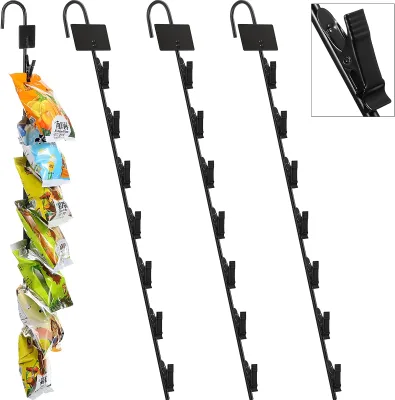
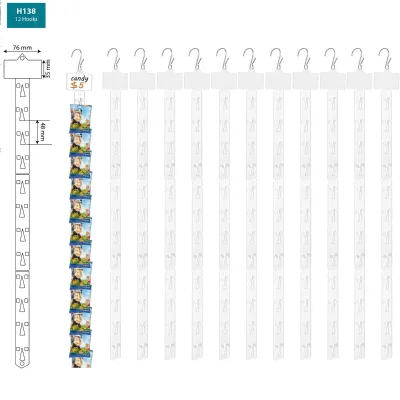
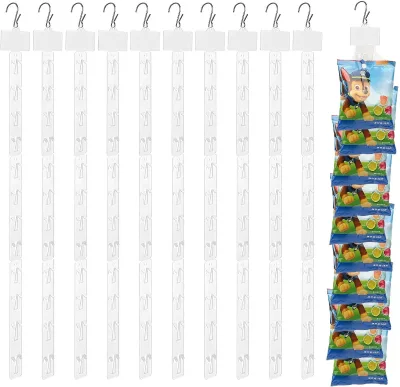
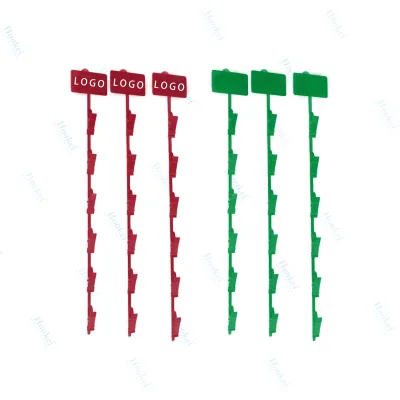
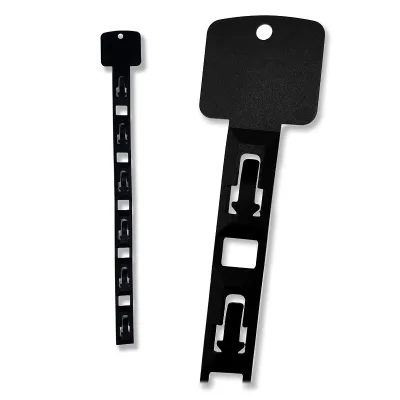
Hanging Retail Strips Customized Design Clip Strip for Supermarket Display
$0.08 - $0.10
MOQ: 1000 sets
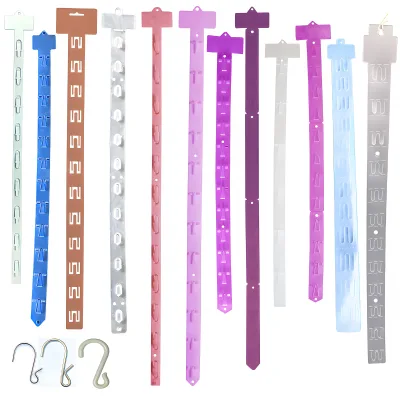
12 Station Hanging Merchandise Strips With S Hooks 12 Stations Plastic Display Strpis
$0.10 - $0.12
MOQ: 1 pieces
Hookei Display (Shanghai) Co., Ltd.
- Verified by Intertek
- Manufacturer, Trading Company
- Lead time15 days
- Avg. response≤ 3h
Main productsClip Strip, Data Strip, Shelf Pusher, Shelf Divider , Price Tag Holder
Main marketsNorth America(20%), Western Europe(15%), Oceania(14%)
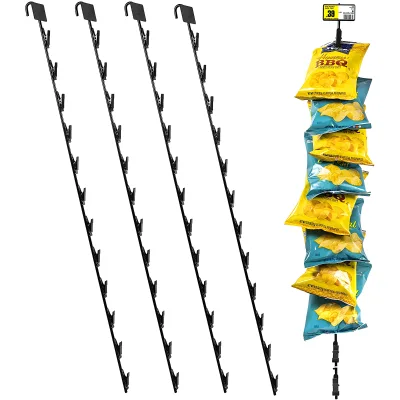
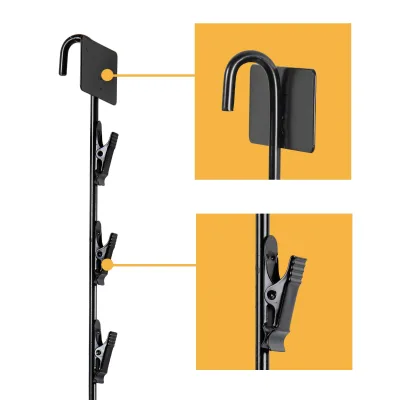
Chips Display Rack Hanging Retail Metal Spring Retail Hang Merchandise Strip With Hook
$0.08 - $0.10
MOQ: 1000
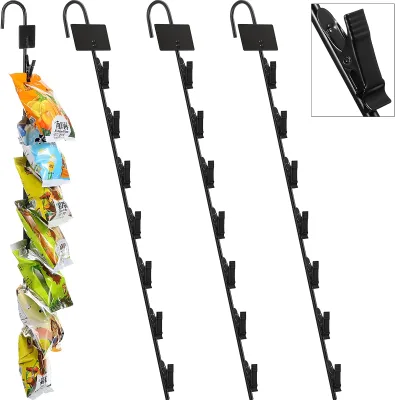
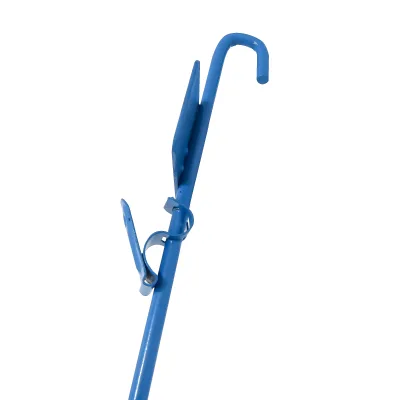
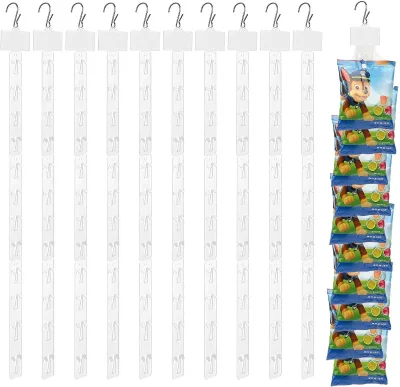
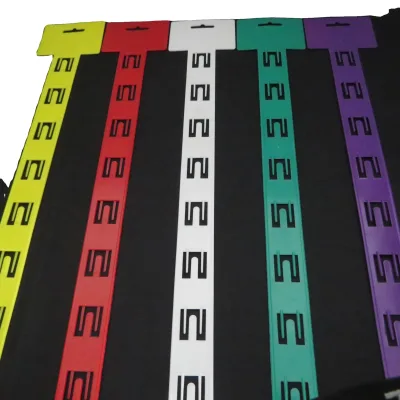
12 Station Hanging Merchandise Cilp Strips With Hooks for Supermarket Sale
$0.10 - $0.13
MOQ: 1000 pieces
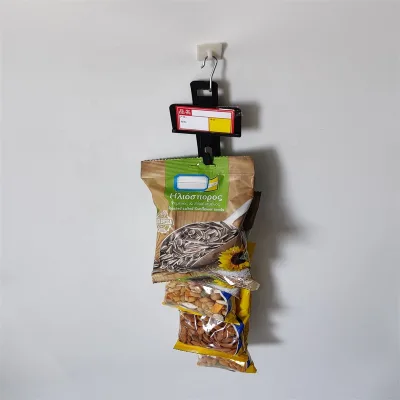
$1.20 - $1.35
MOQ: 1000 pieces

Xiamen E Fun Hardware Products Co., Ltd.
- Verified by CTI
- Manufacturer/Factory
- China Fujian
- Lead time30 days
- Avg. response≤ 9h
Main productsFencing, Hooks, Clip, Spring
Main marketsSouth America,Eastern Europe,Mid East,North America,Southeast Asia,Eastern Asia,Oceania,Western Europe,Africa


Metal Hanging Chip Display Hanging Merchandise Strip with Hook Potato Chip Rack
$0.80
MOQ: 1000 Pieces


Hanging Merchadise Strips with Hooks, 32 Inches Chip Display Rack Stand 48 Clips
$5.00
MOQ: 1000 Pieces

Jiashan Vega Display Co., Ltd.
- Verified by SGS
- Trading Company
- China Zhejiang
- Lead time15 days
- Avg. response≤ 3h
Main productsData Strip, Plastic Divider, Candy Box, Plastic Pusher, Gravity Bin, Acrylic Table Holder, Sign Holder, Shelf Pusher, Label Tag, Food Dispenser
Main marketsSoutheast Asia/ Mideast

Plastic Clip Strips Hanging Merchandise Clips Display Strip for Supermarket Use Sustainable
$0.08 - $1.00
MOQ: 5000 Pieces


Plastic Hanging Display for Supermarket Retail Stores Shelf Hanging Strip
$0.98 - $1.00
MOQ: 200 Pieces


Hangzhou Fulinde Displays Manufacturer
- Manufacturer, Trading Company
- Lead time旺季: "1 - 2000":7,"> 2000":"To be negotiated", 淡季: "1 - 2000":7,"> 2000":"To be negotiated"
- Avg. response≤ 13h
Main productsDisplay Products, Aluminum Snap Frame, POP Sign Clip, Shelf Label Holder, Metal Display Stand
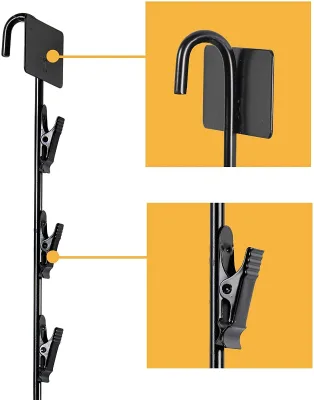
Retail Plastic Metal Merchandising Hanging Merchandise Display Clips Strips
$0.10 - $0.20
MOQ: 2 Minimum
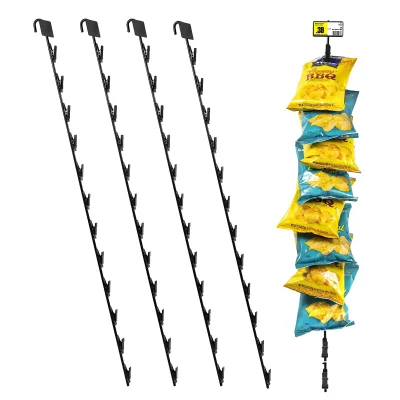
Heavy Duty Metal Merchandising Hanging Clip Strip With 12 Hooks and Label Holder
$1.02 - $1.53
MOQ: 2 Minimum
Jiaxing Yike Commodity Co., Ltd.
- Trading Company
- Zhejiang, China
- Lead time0 days
- Avg. response≤ 5h
Main productsclip strip,acrylic product,POP display,cloth hanger,supermarket display products
Main marketsNorth America(50.00%), Southern Europe(9.00%), Oceania(7.00%), Eastern Europe(6.00%), Mid East(5.00%), Northern Europe(5.00%), Western Europe(4.00%), Central America(3.00%), Southeast Asia(3.00%), South Asia(3.00%), South America(2.00%), Domestic Market(1.00%), Africa(1.00%), Eastern Asia(1.00%)
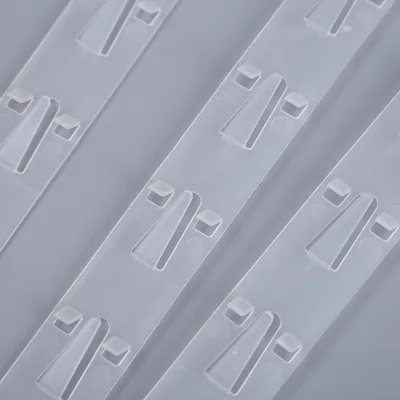
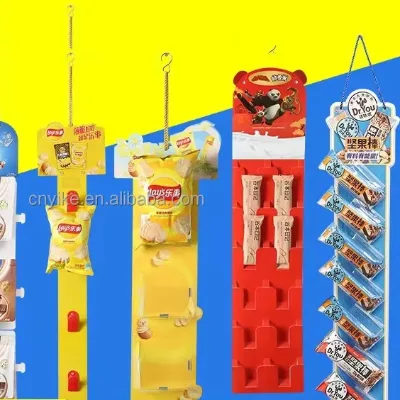
$0.72 - $1.33
MOQ: 1000 pieces
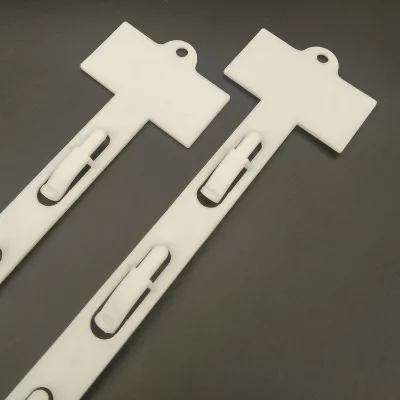
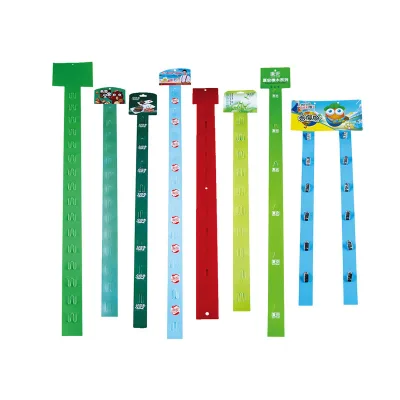
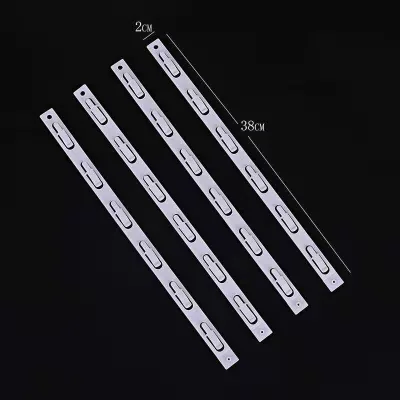
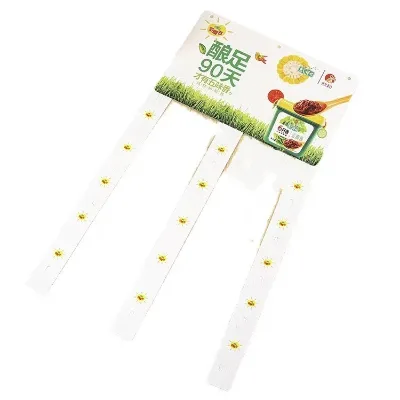
Plastic s clear Plastic Label Holders Display Hanging Clip Display Custom Shelf Talkers
$0.28 - $0.30
MOQ: 1000

Wenzhou Qiepai Stationery Co., Ltd.
- Verified by CTI
- Trading Company,Manufacturer/Factory
- China Zhejiang
- Lead time68 days
- Avg. response≤ 2h
Main productsFile Folder, Expanding Folder, Clip Board, Display Book, Pencil Case, Zip Bag, Encelope Bag, File Box, Name Card, 3D Puzzle
Main marketsSouth America,Eastern Europe,Mid East,North America,Southeast Asia,Eastern Asia,Oceania,Western Europe,Africa

Clear Plastic Hanging PP Supermarket Plastic Hanging Display Strips Hang Clip Strip
$0.06 - $0.08
MOQ: 10000 Pieces

Printed Snack Plastic Hanging Cards PP Advertising Promotional Hanging Strips for Supermarket
$0.06 - $0.08
MOQ: 10000 Pieces

Supermarket Plastic PP Hanging Clip Strip for Clear Merchandise Display Applications Promotion
$0.06 - $0.08
MOQ: 10000 Pieces

Advertising Promotion Transparent Plastic PP Hanging Clip Strip for Retail Display Needs
$0.06 - $0.08
MOQ: 10000 Pieces


Custom Designed 12-Hook Plastic Hanging Display Clip Strip for Supermarkets
$0.06 - $0.08
MOQ: 10000 Pieces
Anhui Saiensi Plastic Co., Ltd.
- Verified by SGS Group
- Manufacturer, Trading Company
- Anhui, China
- Lead time15 days
- Avg. response≤ 2h
Main productsShelf Managment System, Data Strip, Clip Strip, Roller Track, Hang tabs
Main marketsNorth America(25%), Oceania(15%), South America(10%)
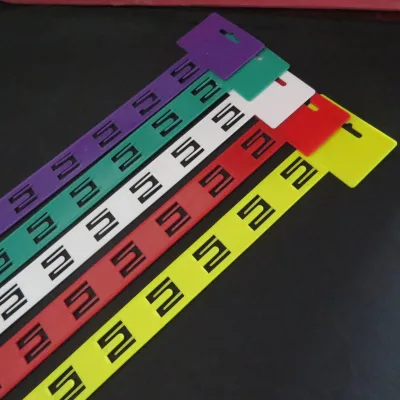
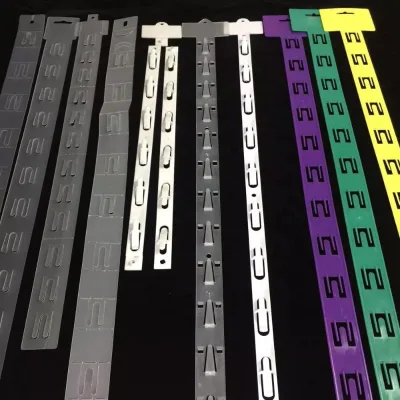
$0.11 - $0.14
MOQ: 1000 pieces
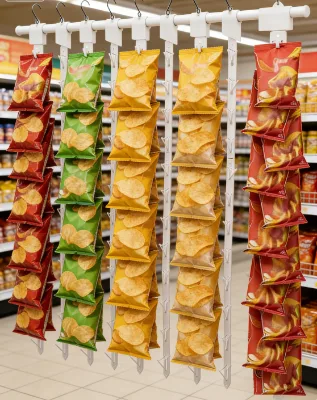
Hanging Merchandising Clip Strip Mixed Colors Snap-on Design Convenience StoreFree Sample Offer
$0.10 - $0.12
MOQ: 1000 pieces
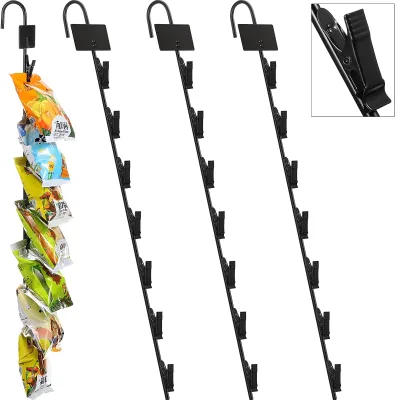
2024 Best Selling Metal Clips Strips Merchandising Strip with 6 Hook Stations
$1.00 - $1.30
MOQ: 10 pieces
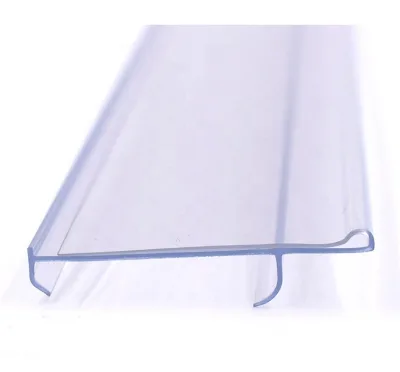
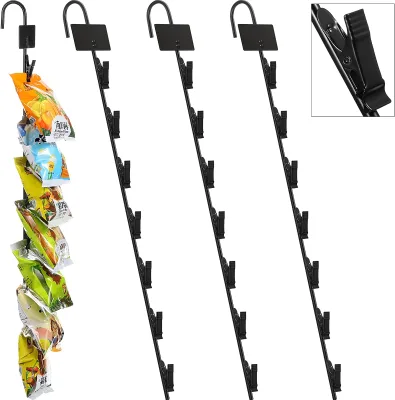
Metal Merchandising Strip 6 Stations Clips Strips Powder Coated Steel Wand Retailer Strip | 17" Long
$0.08 - $0.10
MOQ: 1000 pieces

Zhejiang Xuli New Material Technology Co., Ltd.
- Verified by SGS
- Combined
- China Zhejiang
- Lead time15 days
- Avg. response≤ 20h
Main productsData Strip, Shelf Divider, Plastic Pusher, Acrylic Table Holder, Roller Shelf System, Supergrip Sign Holder, Pop Metal Stand, Price Frame, Safer Box, Food Bins
Main marketsDomestic

Custom Colorful Plastic Retail Hanging Display Clip Strips with Hook for Supermarket
$0.10 - $0.15
MOQ: 500 Pieces


CN-POS (Shanghai) Industrial Co., Ltd.
- Trading Company
- Shanghai, China
- Lead time10 days
- Avg. response≤ 13h
Main productsPOP Display,Advertising Display,Supermarket Display,Shop Fittings,Display Package
Main marketsNorthern Europe(25.00%), Western Europe(20.00%), South Asia(10.00%), North America(10.00%)
Jiashan Shanghe Display Products Co., Ltd.
- Manufacturer, Trading Company
- Zhejiang, China
- Lead time25 days
- Avg. response≤ 4h
Main productsdata strips,price tag,shelf talker,shelf pusher,shelf divider
Main marketsMid East(15.00%), Southeast Asia(13.00%), Southern Europe(10.00%), Western Europe(10.00%), Eastern Europe(10.00%), South Asia(5.00%), Africa(5.00%), Northern Europe(5.00%), Domestic Market(5.00%), South America(5.00%), Eastern Asia(5.00%), North America(5.00%), Oceania(5.00%), Central America(2.00%)
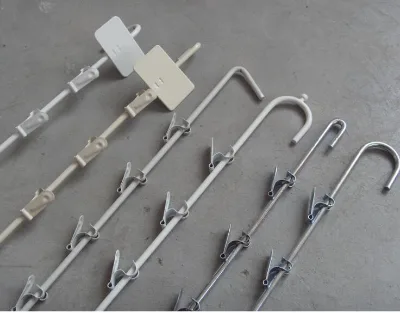
Heavy Duty Metal Merchandising Hanging Clip Strip With 12 Hooks and Label Holder
$1.00 - $1.80
MOQ: 1000 Minimum
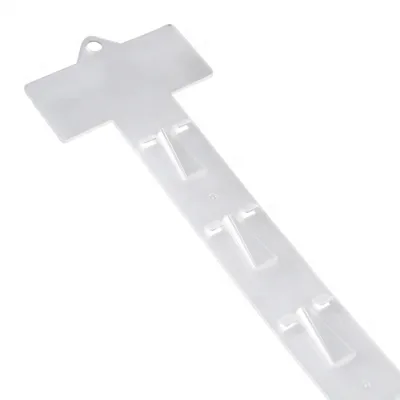
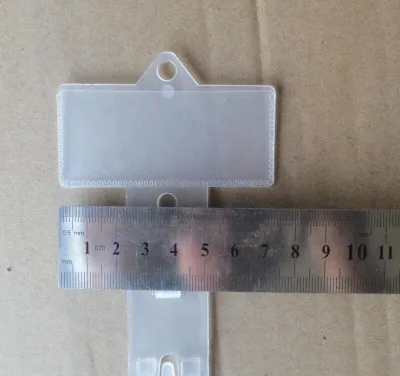
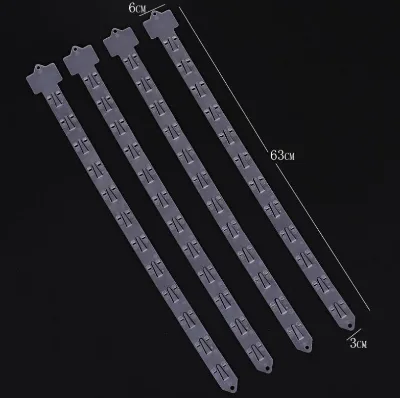
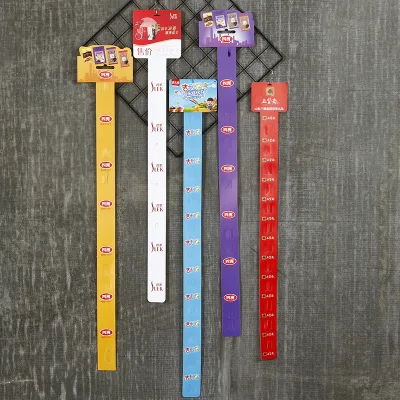

Jiashan Eastern Display Plastic Plant
- Verified by SGS
- Combined
- China Zhejiang
- Lead time30 days
- Avg. response≤ 17h
Main productsData Strip, Plastic Profile, Plastic Strip, Plastic Product, Strip, PVC Extrusion Product
Main marketsSouth America,Southeast Asia/ Mideast,East Asia(Japan/ South Korea),Europe,North America


Supermarket Shelf Plastic Strip Label Holder Shelf Price Strip for Supermarket Shelf
$0.22
MOQ: 1000 Meters


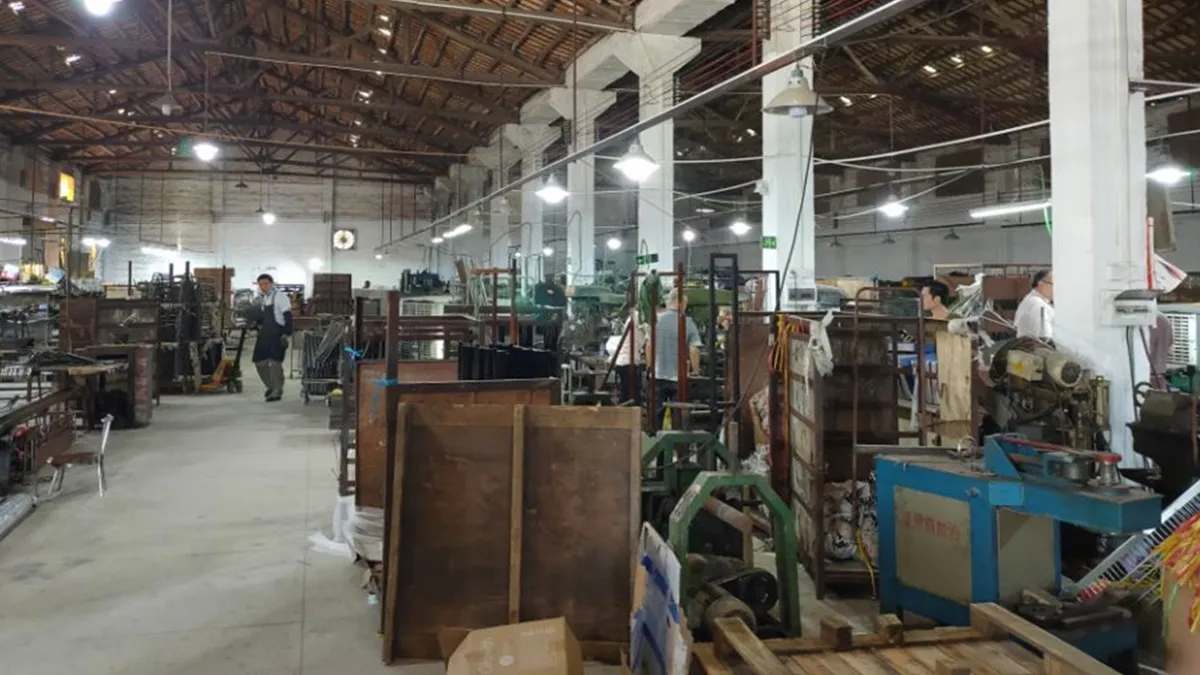
Shenzhen Huaxinda Display Products Co., Ltd.
- Manufacturer, Trading Company, Distributor/Wholesaler
- Guangdong, China
- Lead time0 days
- Avg. response≤ 2h
Main productsdisplay racks,home storage organization,party decorations,clip strip,supermarket shelves
Main marketsNorth America(30.00%), Africa(20.00%), Eastern Europe(20.00%), South America(20.00%)
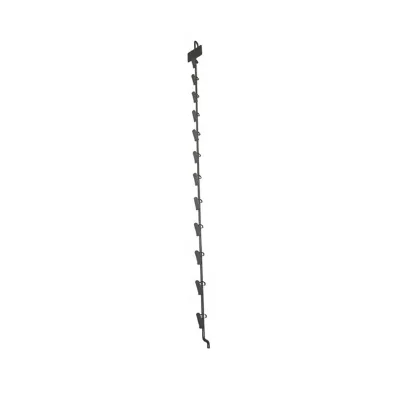
Supermarket Grocery Store 12 Clips Hanging Metal for Modern Eco-Friendly Portable
$1.73 - $2.55
MOQ: 5000 Minimum
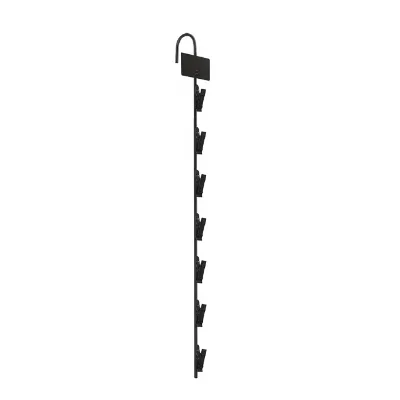
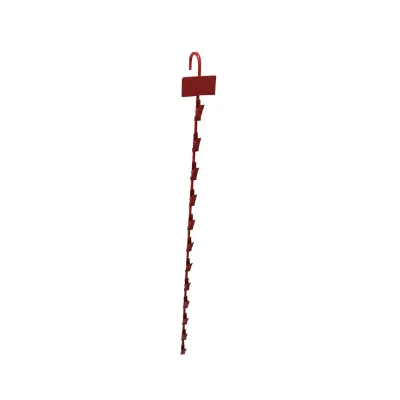
GUANGZHOU J&H STOREFIXTURE LTD.
- Verified by TüVRheinland
- Manufacturer, Trading Company
- Lead time20 days
- Avg. response≤ 2h
Main productsClothing Display Racks, Perfume Rack, Showcase, Metal Mannequin, Letter Sign
Main marketsNorth America(30%), South America(20%), Southeast Asia(5%)
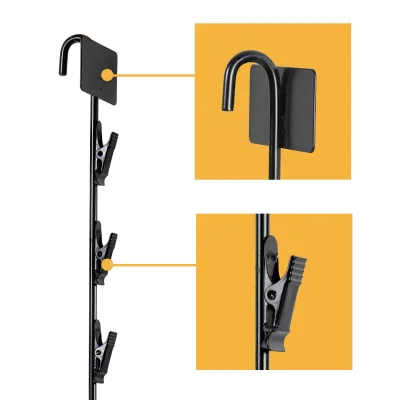
$1.32 - $2.46
MOQ: 1000 Minimum
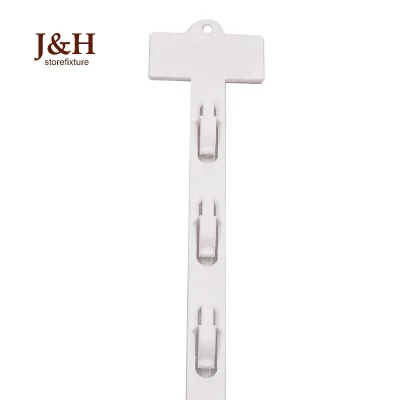
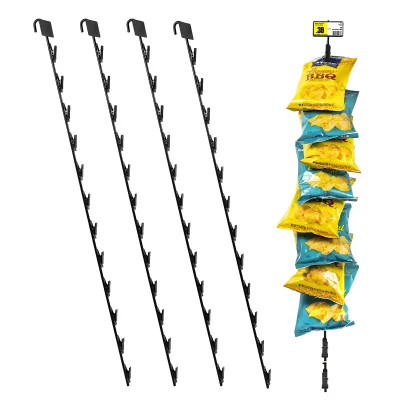
Hot Selling Clear White Supermarket Plastic Hanging Display Clip Strip
$0.10 - $0.20
MOQ: 1000 Minimum
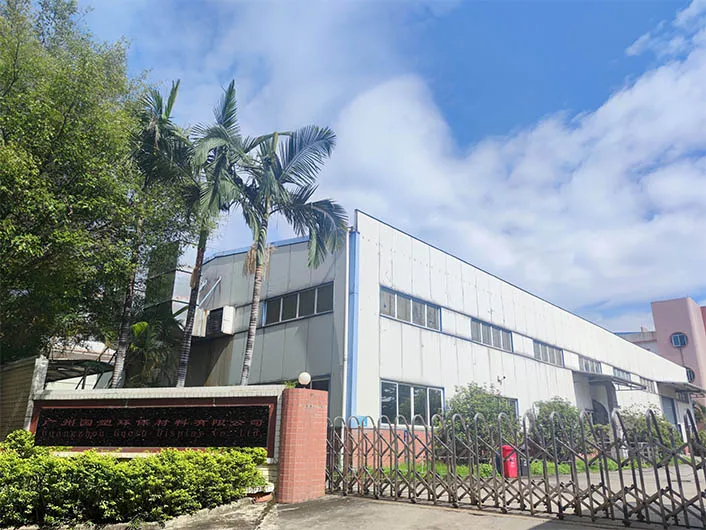
Guangzhou Guosu Environmental Protection Materials Co., Ltd.
- Manufacturer
- Guangdong, China
- Lead time0 days
- Avg. response≤ 9h
Main productsPVC data Strip,PETG data strip,Label holder,Price Tag Holder,Shelf talker
Main marketsDomestic Market(55.00%), Western Europe(10.00%), North America(10.00%), Southeast Asia(10.00%), Mid East(5.00%), Eastern Asia(5.00%), Africa(5.00%)
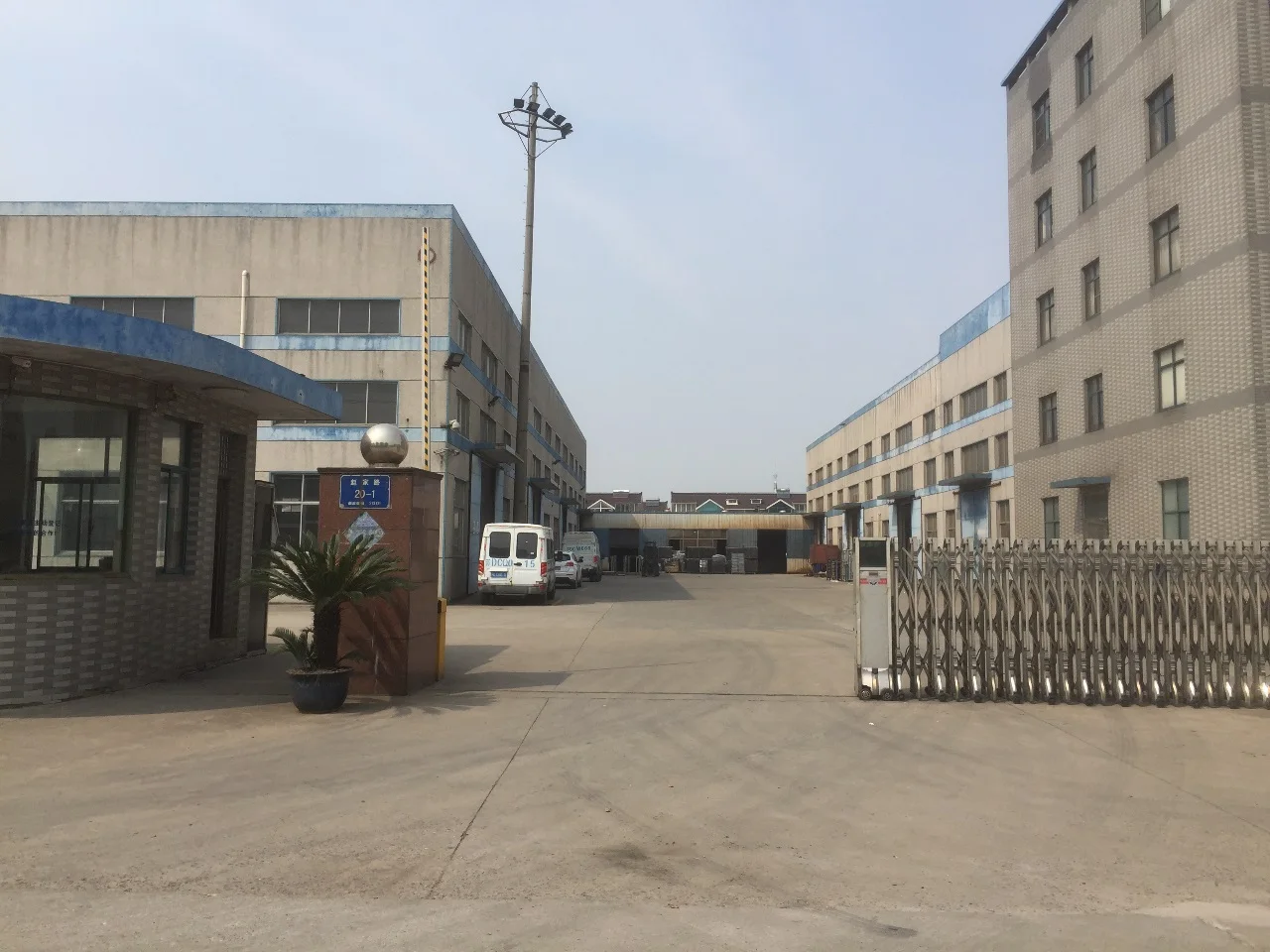
Ido Display Fixtures (changzhou) Co., Ltd.
- Trading Company
- Jiangsu, China
- Lead time15 days
- Avg. response≤ 3h
Main productsdisplay fixture,display rack,storage shelf,home decoration,shop fitting
Main marketsNorth America(41.00%), Western Europe(19.00%), Oceania(8.00%), South America(6.50%), Eastern Europe(6.00%), Africa(5.00%), Northern Europe(4.00%), South Asia(3.00%), Southeast Asia(3.00%), Eastern Asia(3.00%), Southern Europe(1.00%), Central America(0.50%)
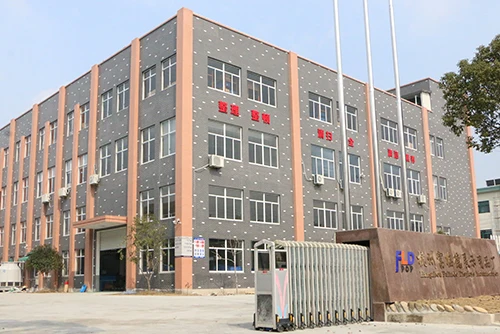
Hangzhou Fulinde Displays Manufacturer
- Manufacturer, Trading Company
- Zhejiang, China
- Lead time7 days
- Avg. response≤ 10h
Main productsDisplay Product
Main marketsDomestic Market(30.00%), Southeast Asia(30.00%), Mid East(8.00%), Eastern Europe(6.00%), Oceania(6.00%), North America(5.00%), Southern Europe(5.00%), Eastern Asia(4.00%), South America(2.00%), Africa(2.00%), South Asia(1.00%), Western Europe(1.00%)
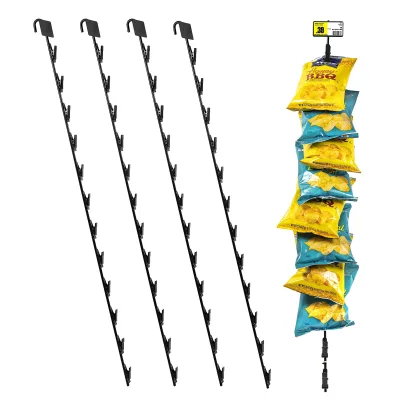
Heavy Duty Metal Merchandising Hanging Clip Strip With 12 Hooks and Label Holder
$1.02 - $1.53
MOQ: 1000 Minimum

Hebei Shuzhi Rubber Products Co., Ltd.
- Verified by SGS
- Combined
- China Hebei
- Lead time15 days
- Avg. response≤ 1h
Main productsCar Door Seal, Rubber Sealing Strip, Foamed Sealing Strip, Seal, EPDM Rubber Seal, EPDM Sponge Rubber, Silicone Hose, Rubber Gasket, Automobile Rubber Tube, Door Sealing Strip
Main marketsDomestic

Flexible Weatherstrip Seal Featuring Custom Colors and Decorative Trim Strips
$0.36 - $0.96
MOQ: 1000 Meters

Decorative Trim Strips with High-Quality Weatherstrip Seal for Protection
$0.36 - $0.96
MOQ: 1000 Meters


High-Quality Weatherstrip Seal Featuring Customizable Decorative Trim Strips
$0.36 - $0.96
MOQ: 1000 Meters
Comprehensive Sourcing Guide
Hanging Merchandise Strip Supplier Concentration and Factory Types
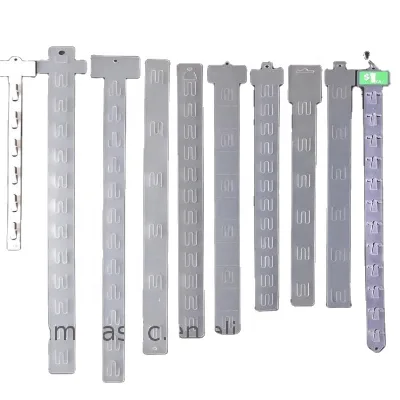
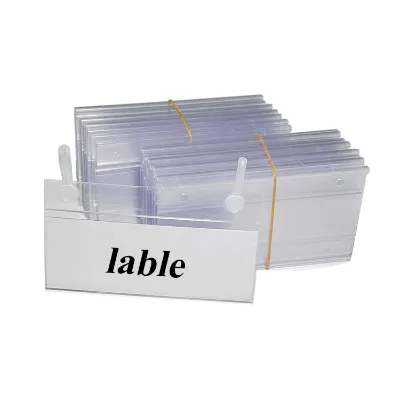
The current search results indicate a significant concentration of manufacturers and trading companies operating within Guangdong, China, specifically for plastic-based hanging merchandise strips. Several product listings explicitly state their place of origin as Guangdong, China, suggesting this region serves as a primary manufacturing cluster for items like white plastic clip strips and PP display strips. This geographic clustering often implies a mature supply chain for raw materials such as plastic and PVC, which are essential for producing the various clip strips and hanging strips observed in the results. Buyers should prioritize verifying the specific factory address within this region to confirm the physical presence of the manufacturing capability rather than relying solely on the general provincial designation.
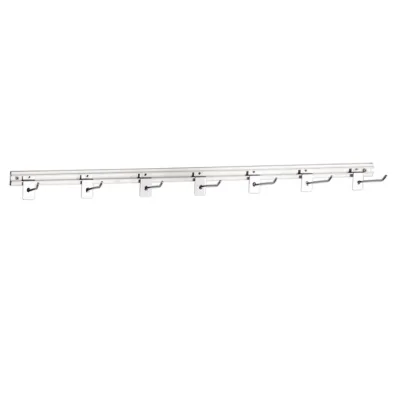
In contrast, some product evidence points to suppliers located in Anhui, China, particularly for metal spring clip strips and specific retail display hooks. This indicates that while Guangdong dominates the plastic segment, other regions may specialize in metal or mixed-material solutions. The supplier types observed include both direct manufacturers and trading companies, with some entities listing themselves as manufacturers while others operate purely as trading firms. When evaluating a potential partner, it is crucial to distinguish between these two models, as manufacturers typically offer more direct control over production customization and lead times, whereas trading companies may provide a broader range of product lines but with less direct oversight of the manufacturing floor.
How to Verify Hanging Merchandise Strip Suppliers
Verification begins with scrutinizing the specific product attributes listed in the supplier's catalog, such as the material composition and model numbers. For instance, some listings specify "Plastic" or "PP" material with a model number like "TG" or "TG-021," while others list "Metal, Plastic" combinations with model numbers such as "clip strip" or "H138A." Buyers must cross-reference these details against their own technical requirements to ensure the supplier can produce the exact specifications needed. It is also essential to check for the presence of a "Customized Size" attribute, as this confirms the supplier's ability to adapt standard designs to specific retail shelving dimensions, a common requirement for hanging merchandise strips.
Beyond product specifications, buyers should verify the supplier's response time and sample availability to gauge their operational readiness. The observed data shows response times ranging from 4 to 5 hours, which indicates a generally responsive market, but this can vary by individual supplier. Additionally, some product listings explicitly mention "free sample" availability or "Sample: Avilable," which serves as a tangible proof of the supplier's willingness to engage in the pre-order phase. Buyers should request samples to physically test the durability and finish of the strips, ensuring that claims of "Eco-friendly" or "durable" features are substantiated by the actual product quality before committing to a larger order volume.
What to Compare Across Hanging Merchandise Strip Suppliers
When comparing suppliers, the minimum order quantity (MOQ) is a critical differentiator that impacts inventory planning and cash flow. The available data reveals a consistent MOQ of 1000 pieces across multiple product listings, including both plastic and metal variants. This standardization suggests that 1000 pieces is a common threshold for this category, but buyers must confirm if this applies to all SKUs or if there are exceptions for custom orders. Comparing the price range alongside the MOQ is also vital; for example, some plastic strips are listed with a price range of 0.12 to 0.15 per unit, while metal options may range from 0.08 to 0.10, requiring a cost-benefit analysis based on the intended application and volume.
Lead time and response speed are equally important factors to compare when selecting a supplier for time-sensitive retail projects. The observed lead times vary, with some suppliers indicating a standard 15-day production window, while others provide more complex schedules based on order volume, such as 7 days for smaller batches and negotiated terms for larger quantities exceeding 500 units. Response times of 4 to 5 hours suggest a high level of communication efficiency, but buyers should verify if this speed is maintained during peak seasons. Additionally, comparing the main products offered by each supplier helps identify those with a broader portfolio, such as those offering data strips, shelf dividers, or price tag holders, which could simplify the sourcing process for a complete retail display solution.
Common Hanging Merchandise Strip Sourcing Risks
One significant risk involves the discrepancy between the stated material and the actual product quality, particularly when suppliers claim "Eco-friendly" or "durable" features without third-party verification. While some listings explicitly mention "Eco-friendly" as a feature or "PP" and "PVC" as materials, buyers must be cautious of unverified claims that could lead to product failure in high-traffic retail environments. The risk is compounded if the supplier is a trading company rather than a manufacturer, as they may not have direct control over the raw material sourcing or the production process, potentially leading to inconsistencies in the final product's strength and appearance.
Another risk relates to the variability in packaging and shipping specifications, which can affect the final landed cost and product condition. Product attributes show variations in single package sizes, ranging from 60x5x0.3 cm to 80x10x10 cm, and different packing methods like "Carton" or "1000pcs/ctn." These differences can lead to unexpected shipping costs or damage during transit if the packaging is not robust enough for the specific weight and dimensions of the strips. Buyers should carefully review the single gross weight and package dimensions provided in the product evidence to calculate accurate freight costs and ensure that the packaging is sufficient to protect the merchandise during international shipping.
Hanging Merchandise Strip Regional Sourcing and Logistics
Sourcing from Guangdong, China, offers logistical advantages due to the region's established infrastructure and proximity to major ports, which is beneficial for exporting plastic and PVC-based hanging strips. The concentration of manufacturers in this area often results in streamlined logistics for bulk orders, as suppliers are accustomed to handling large volumes of goods for international markets. However, buyers must verify the specific port of loading and the supplier's experience with export documentation to avoid delays. The presence of suppliers in Anhui, China, for metal-based strips introduces a different logistical profile, potentially requiring different shipping routes or consolidation strategies to optimize freight costs.
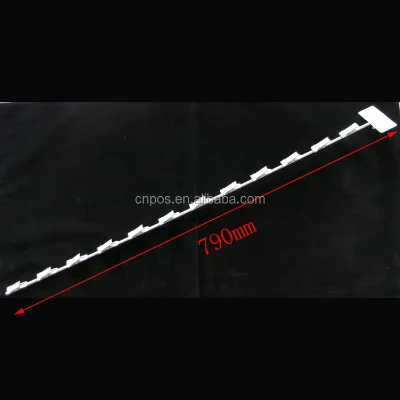
Logistics planning must also account for the specific packaging requirements observed in the product data, such as the single package size and gross weight. For instance, a product with a single gross weight of 0.030 kg and a package size of 87x39x2 cm will have different shipping dynamics compared to a metal strip weighing 2.000 kg with a package size of 80x10x10 cm. Buyers should calculate the total volume and weight of their order to determine the most cost-effective shipping method, whether by sea or air. Additionally, understanding the lead time variations, such as the 15-day standard versus the 7-day peak season option, is crucial for aligning the shipping schedule with retail inventory needs and avoiding stockouts.
Hanging Merchandise Strip Commercial Terms and Order Planning
Commercial terms regarding payment and customization options play a pivotal role in the final order planning and risk management. The observed data indicates that some suppliers accept payment via Alipay, while others may have different terms that need to be clarified before placing an order. Buyers should also verify the availability of OEM services and custom logo options, as many listings explicitly state "Custom Logo" or "OEM: Welcomed." This flexibility allows retailers to brand the hanging strips with their own logos, which is essential for maintaining brand consistency in their stores. However, the cost and lead time implications of custom branding must be factored into the overall budget and timeline.
Order planning must also consider the seasonal variations in lead times and the potential for price fluctuations. Some suppliers indicate that lead times are 7 days for orders up to 500 units but require negotiation for larger quantities, suggesting that capacity constraints may arise during peak seasons. Buyers should plan their orders well in advance to secure production slots and avoid delays. Furthermore, the price ranges observed, such as 0.12 to 0.15 for plastic strips, should be used as a baseline for budgeting, but buyers must confirm if these prices include shipping, taxes, or other fees. Clear communication regarding these commercial terms ensures a smooth transaction and helps prevent unexpected costs that could impact the profitability of the retail display project.
FAQs
What is the typical lead time for hanging merchandise strips?
The standard lead time is 15 days for most orders. For larger quantities exceeding 500 pieces during peak seasons, the timeline may extend to seven days or require negotiation. Buyers should confirm specific delivery schedules based on their order volume and current production capacity.
What is the minimum order quantity for these strips?
The minimum order quantity is typically 1000 pieces for plastic and metal display strips. Some suppliers may offer customized sizes, but the base unit requirement remains consistent across different product models. Buyers must ensure their order meets this threshold to proceed with manufacturing.
Where are these hanging strips manufactured?
Most products originate from Guangdong, China, with some items sourced from Anhui, China. The manufacturing locations vary by supplier type, including both manufacturers and trading companies. Buyers should verify the specific place of origin listed for each product model before placing an order.
What materials are used for these display strips?
Common materials include plastic, PP, PVC, and metal combinations. Specific products may feature eco-friendly plastic or durable PVC for supermarket displays. Buyers can choose from white, black, red, or customized colors depending on the material and supplier capabilities for their specific display needs.
How quickly do suppliers respond to inquiries?
Response times generally range from four to five hours for most suppliers. This ensures prompt communication regarding product details and order status. Buyers can expect timely updates on their inquiries, though specific response speeds may vary slightly depending on the supplier's current workload and location.
Are custom logos available for these strips?
Yes, custom logos are welcomed and often available via screen printing or other methods. Suppliers support OEM services for branding needs on plastic and metal strips. Buyers should confirm logo customization options and any additional costs associated with adding their specific branding to the display products.
What is the price range for these strips?
Prices typically range from 0.08 to 0.15 USD per piece depending on material and specifications. Metal and plastic variants have different cost structures, with some models starting as low as 0.08 USD. Buyers should request quotes based on their specific quantity and customization requirements for accurate pricing.