Handmade Zisha Tea Set Suppliers and Manufacturers
Compare 27 suppliers of Handmade Zisha Tea Set products across verified dimensions including location, company type, MOQ, lead time, response time, and product specifications such as capacity and clay material. Review listings, then contact suppliers to request samples and confirm pricing before placing orders.
Updated
Suppliers List
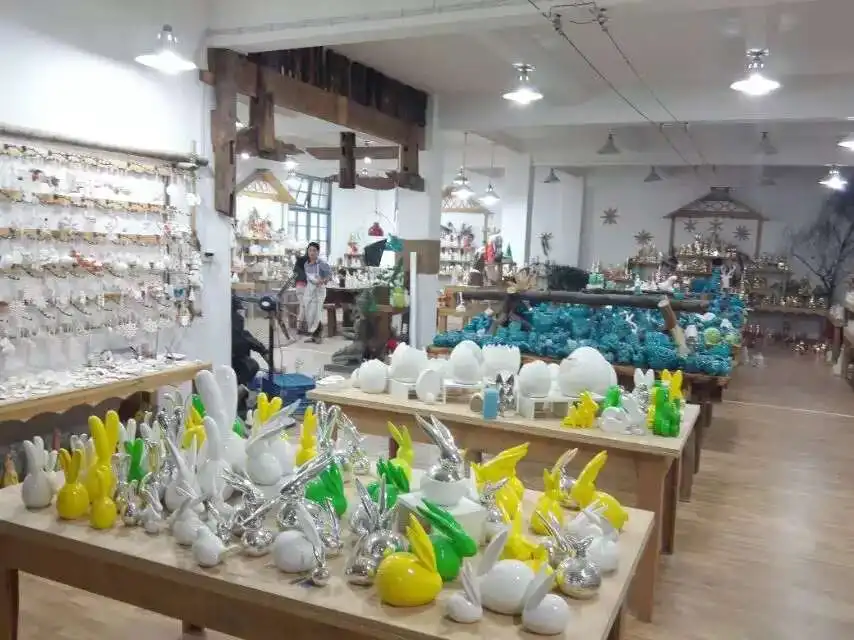
Dehua Beauty Rich Arts & Crafts Co., Ltd.
- Manufacturer, Trading Company
- Fujian, China
- Lead time30 days
- Avg. response≤ 7h
Main productsPolyresin crafts,Ceramic crafts,PVC crafts,Home decoration,Garden decoration
Main marketsEastern Europe(15.00%), North America(15.00%), South America(12.00%), Mid East(5.00%), Oceania(5.00%), South Asia(3.00%), Southern Europe(3.00%), Northern Europe(3.00%), Central America(3.00%), Western Europe(3.00%), Eastern Asia(3.00%), Domestic Market(3.00%), Southeast Asia(3.00%), Africa(2.00%)

Changchun Jinsheng Zhuoyu Trading Co., Ltd.
- Trading Company
- Jilin, China
- Lead time0 days
- Avg. response≤ 7h
Main productsTea,Ginseng,Herbs,Tea accessory,Gift
Main marketsWestern Europe(20.00%), North America(20.00%), Northern Europe(10.00%), Central America(10.00%), South America(10.00%), Southern Europe(5.00%), Mid East(5.00%), Eastern Europe(5.00%), Eastern Asia(4.00%), Southeast Asia(4.00%), Oceania(4.00%), Africa(2.00%), South Asia(1.00%)
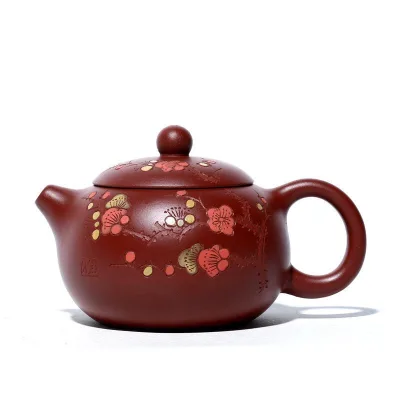
$14.00 - $16.00
MOQ: 20 pieces
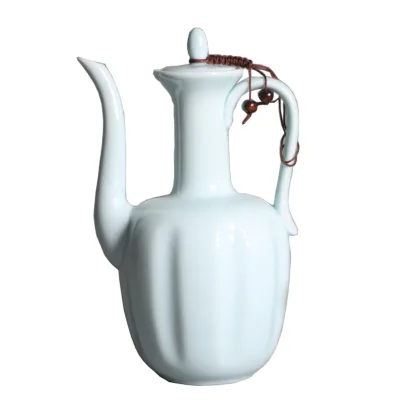
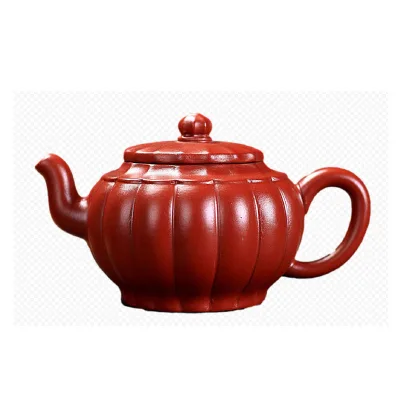
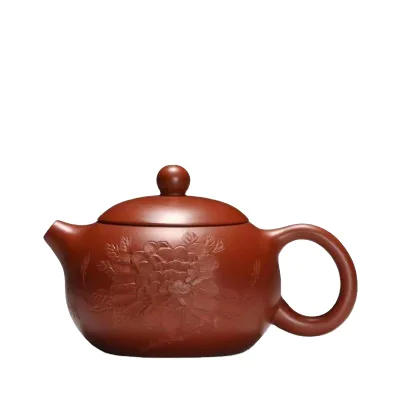
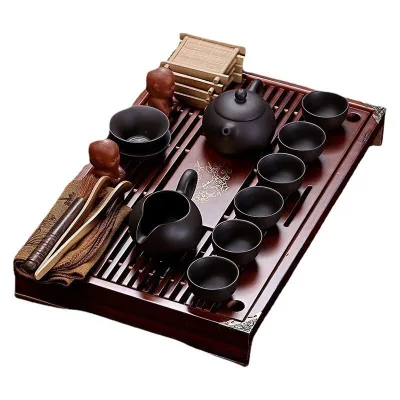
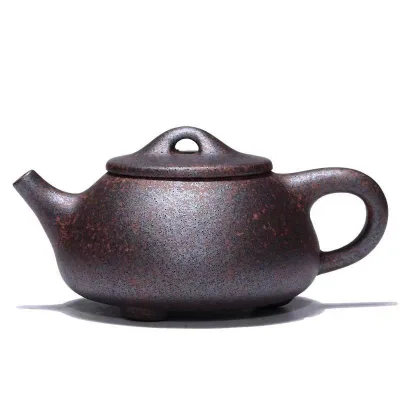
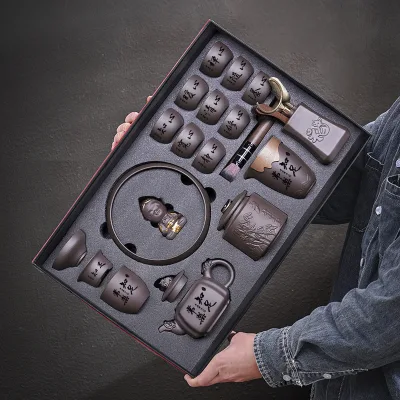
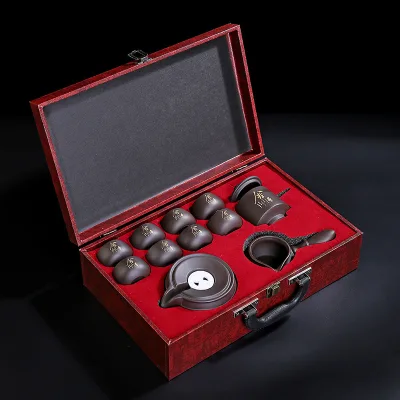
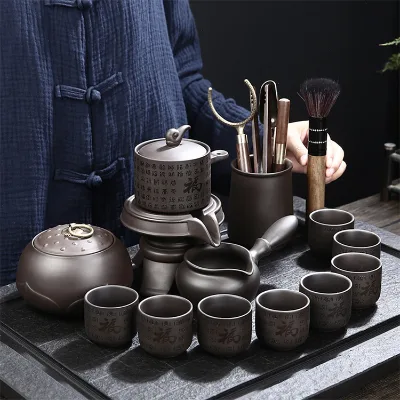
Customize Logo Chinese Famous Yixing Zisha Hu Hot Selling Purple Clay Kongfu Tea Set
$12.00 - $13.00
MOQ: 1

Shuifu Huiyang Agricultural Technology Co., Ltd.
- Verified by SGS
- Trading Company
- China Yunnan
- Lead time23 days
- Avg. response≤ 3h
Main productsBamboo Products, Bamboo Crafts, Bamboo Chopsticks, Bamboo Skewers, Bamboo Weaving, Bamboo Tray, Bamboo Box, Bamboo Placemat, Bamboo Fruit Bowl, Lamp Shades
Main marketsDomestic
Changchun Golden Seed Agricultural Products Co., Ltd.
- Verified by SGS Group
- Manufacturer, Trading Company
- Lead time10 days
- Avg. response≤ 2h
Main productsGinseng, Extract, Pine Nut, Black Fungus, Herbal Tea
Main marketsNorth America(15%), Eastern Europe(15%), Southeast Asia(15%)

Xiamen Athome Household Products Co., Ltd.
- Verified by SGS
- Trading Company
- China Fujian
- Lead time30 days
- Avg. response≤ 4h
Main productsXiamen Athome Household Products Co. Ltd. Is a, Custom Matcha Tea Set, Wooden &Bamboo Kitchenware, Custom Gifts & Souvenirs, Home & Seasonal Decor, Tableware &Dinner Set, Custom Candle Holer, Seasonal & Promotional Gifts, Drinkware, Sourdough & Baking Tools
Main marketsSoutheast Asia/ Mideast,East Asia(Japan/ South Korea)

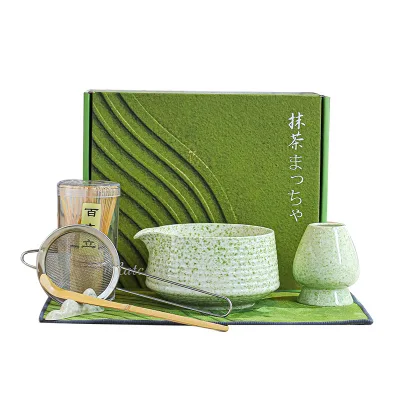
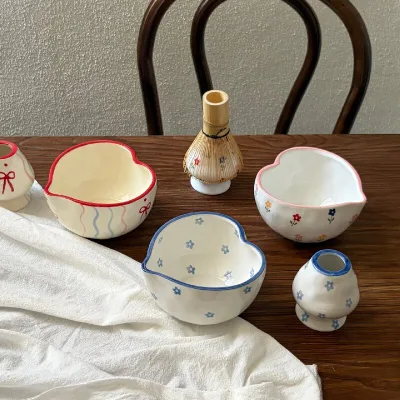
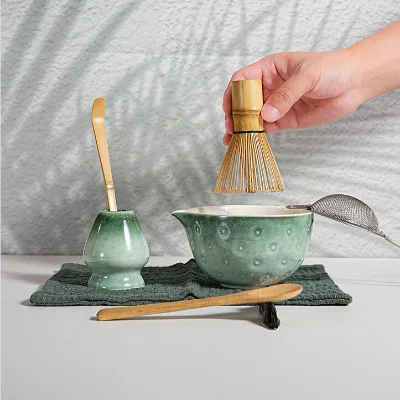
Japanese Style Ceramic Chasen Holder Matcha Tea Set Handmade Tea Ceremony Gift Set
$0.98 - $8.48
MOQ: 1 Pieces


$5.98 - $13.88
MOQ: 1 Pieces


$0.98 - $4.48
MOQ: 1 Pieces

Quanzhou Comain Ceramic Co., Ltd
- Trading Company
- China Fujian
- Lead time0 days
- Avg. response≤ 1h
Main productsCeramic Products

Quanzhou Hello Sports Products Co., Ltd.
- Trading Company
- Fujian, China
- Lead time30 days
- Avg. response≤ 2h
Main productsSlipper,Sports Shoes,Casual Shoes,Socks
Main marketsNorth America(83.00%), Western Europe(10.00%), Oceania(5.00%), Mid East(2.00%)
Hangzhou Jiayi Import And Export Co., Ltd.
- Trading Company
- Zhejiang, China
- Lead time20 days
- Avg. response≤ 21h
Main productsFilter Paper,Food Can,Tea Cup & Bottle,Tea Pot & Set / Coffee Tool & Accessories
Main marketsWestern Europe(35.00%), South America(20.00%), Southeast Asia(15.00%), South Asia(10.00%), Oceania(10.00%), Africa(10.00%)
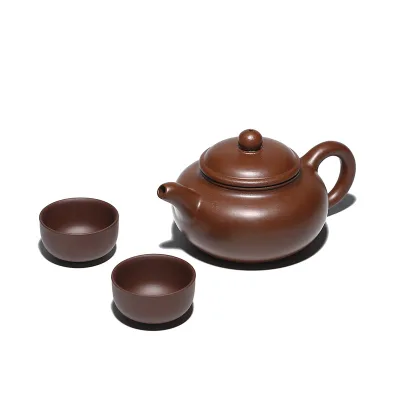
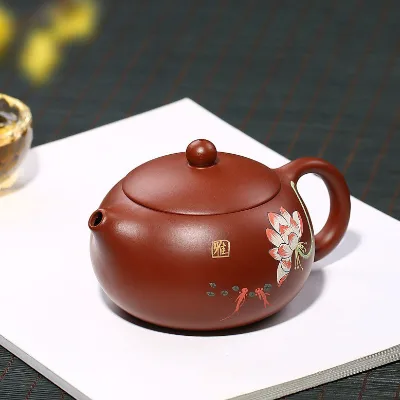
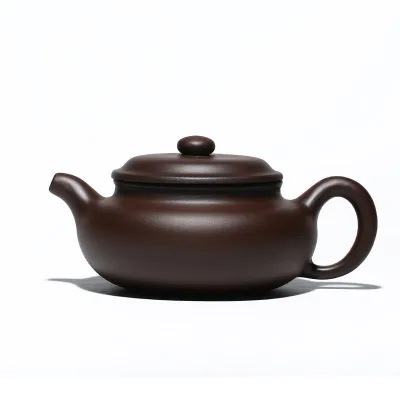
Handmade Large 640ml Kongfu Tea Set Xishi Pot Yixing Terracotta Clay Tea Pot
$5.80 - $7.20
MOQ: 10 pieces

Tianjin Xiangchuang International Technology Development Co., Ltd.
- Trading Company
- Tianjin, China
- Lead time5 days
- Avg. response≤ 4h
Main productsJade roller/Jade Gua Sha/Iastm Tool,Beauty tools,massager tools,Jewelry eyewear watches and accessories,gua sha
Main marketsNorth America(50.00%), Oceania(20.00%), Western Europe(10.00%), South America(10.00%), Africa(10.00%)
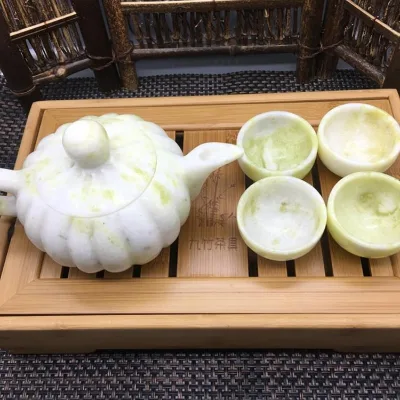
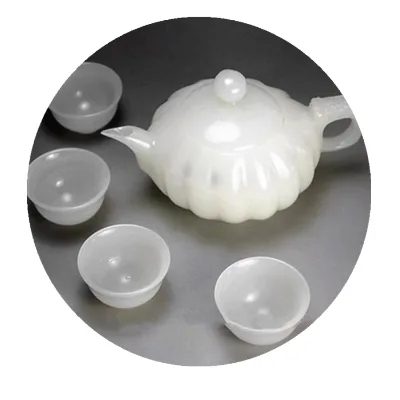
Chinese Teapot Set Best Selling Xiuyan Jade Handmade Tea Set Green Teacup Jade Tea Pot Set
$25.8652 - $47.5911
MOQ: 1 sets
Dalian Lixiang Shenghuo Glassware Co., Ltd.
- Trading Company
- Liaoning, China
- Lead time30 days
- Avg. response≤ 2h
Main productsTea Set,Tea Pot,Glass Cup,Coffee Set,Sharing Cup
Main marketsDomestic Market(21.00%), Mid East(20.00%), South America(15.00%), Central America(10.00%), Western Europe(10.00%), North America(5.00%), Southeast Asia(5.00%), Northern Europe(5.00%), Eastern Europe(5.00%), Africa(2.00%), Eastern Asia(2.00%)

Weifang Easylife Ware Co., Ltd.
- Trading Company
- China Shandong
- Lead time0 days
- Avg. response≤ 9h
Main productsGlass Cup, Coffee Cup, Coffee Mug, Coffee Pot, Tea Cup, Teapot, Whiskey Glass Cup, Decanter, Cocktail Glass Cup, Wine Glass Cup

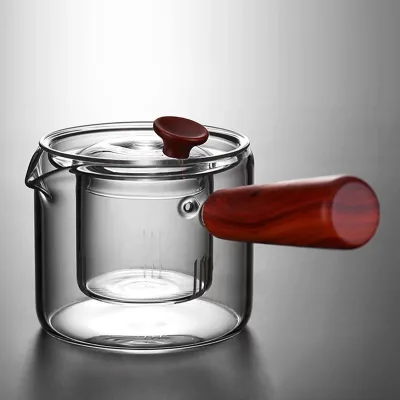
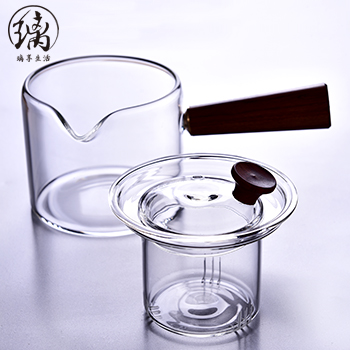
Clear Handmade Glass Tea Water Kettle Set Pot Maker Teapot for Traditional Loose Tea Brewing
$2.99 - $3.58
MOQ: 200 Pieces


Zibo Timestone International Co., Ltd.
- Manufacturer/Factory
- China Shandong
- Lead time45 days
- Avg. response≤ 13h
Main productsCeramic Dinnerware, Ceramic Mugs, Stainless Steel Bottles Mugs and Tumblers, Glass Bottles Mugs and Tumblers, Dinnerware, Tableware, Glassware, Kitchenware, Household Items, Ceramic Granding Balls and Filters
Main marketsSouth America,Eastern Europe,Mid East,North America,Southeast Asia,Eastern Asia,Oceania,Western Europe,Africa
Hangzhou Qianghua Cup Industry Co., Ltd.
- Verified by TüVRheinland
- Manufacturer, Trading Company
- Lead time15 days
- Avg. response≤ 2h
Main productsCeramic Mug, Glass Cup, Water Bottle, Thermos Series, Stylish Vase
Main marketsNorth America(25%), Eastern Europe(15%), South America(10%)

Anhui Highkey Import&Export Co., Ltd.
- Verified by TUVRHEINLAND
- Trading Company
- China Anhui
- Lead time15 days
- Avg. response≤ 5h
Main productsHerbal Medicine, Herbal Tea, Herbal Seed, Empty Tea Bag, Rhodiola Rosea, Panax Ginseng, Loofah Sponge, Healthcare Product, Planting Seed, Traditional Chinese Herbs
Main marketsSouth America,Africa,Southeast Asia/ Mideast,East Asia(Japan/ South Korea),Europe,Australia,North America


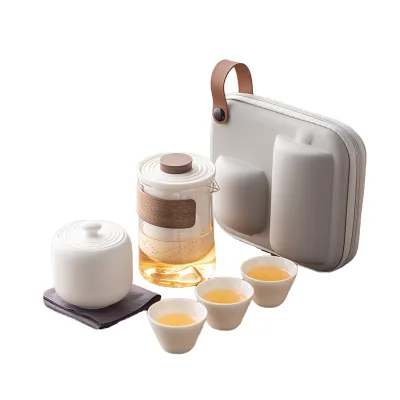
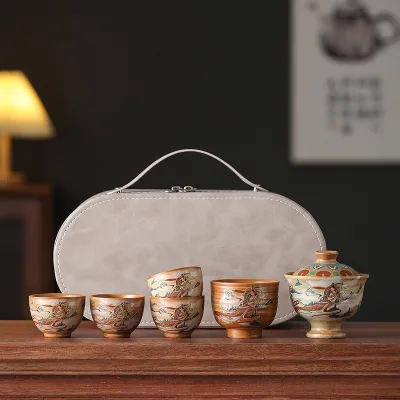
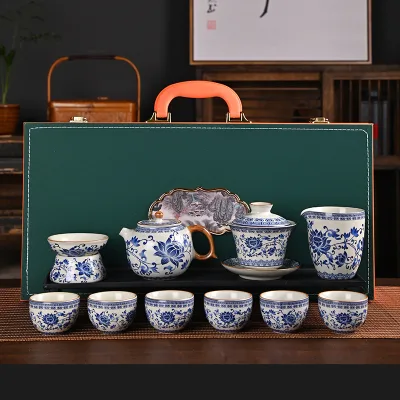
Chinese Traditional Tea Set Ceramic Vintage Design Portable Travel Tea Set with Leather Case
$8.17 - $10.59
MOQ: 10 Pieces
Harmony Houseware(Yantai) Co., Ltd.
- Verified by SGS Group
- Manufacturer, Trading Company
- Lead time20 days
- Avg. response≤ 2h
Main productsCoffee & Tea Sets
Main marketsNorth America(45%), Oceania(10%), Eastern Europe(10%)

- Verified by SGS
- Trading Company
- China Yunnan
- Lead time15 days
- Avg. response≤ 4h
Main marketsSoutheast Asia/ Mideast
Shenzhen Bogart Kitchenware Co., Ltd.
- Verified by TüVRheinland
- Trading Company
- Lead time15 days
- Avg. response≤ 2h
Main productsCoffee & Tea Sets, Matcha Tools, Portable Coffee Maker, Coffee Tumbler & Mugs, Coffee Accessories
Main marketsMid East(30%), North America(20%), Western Europe(13%)
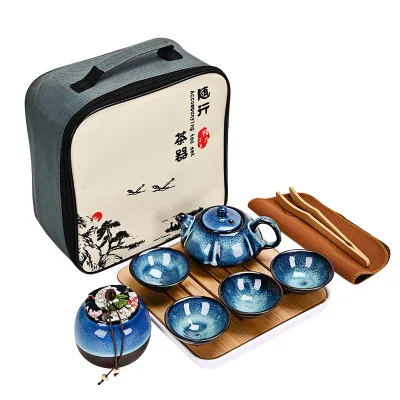
Travel Sky Tea Set Jingdezhen Temmoku Glaze Teapot Chinese Tea Cups Set Gaiwan Coffee Ware Tea Cups
$1.88 - $5.17
MOQ: 50 Minimum
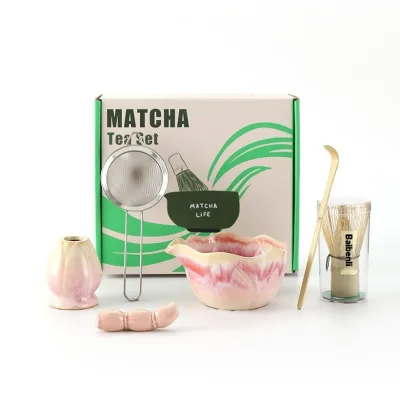
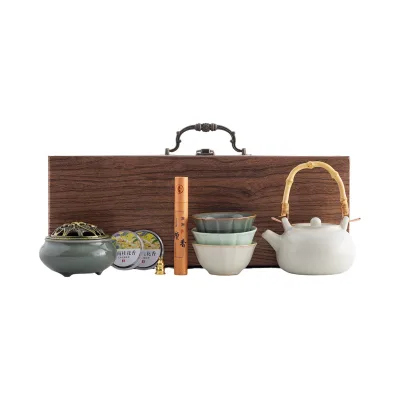
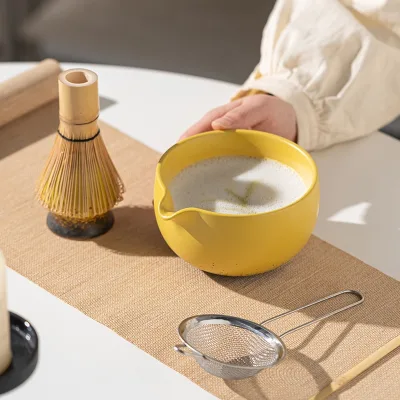
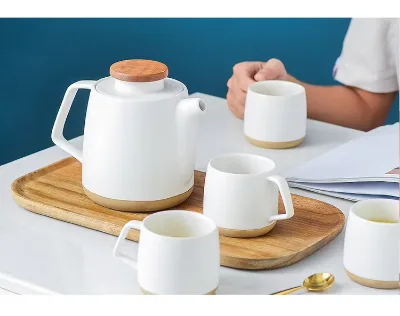
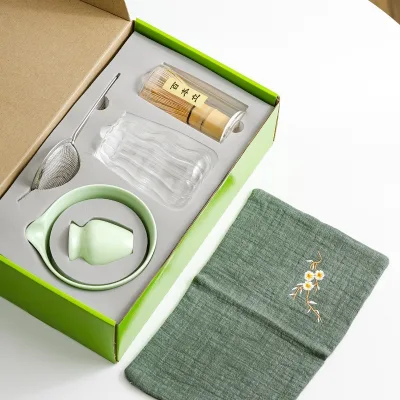
Custom Handcrafted Customized Bamboo Chasen Clear Bowl Set Matcha Kits Matcha Tool Set- 10pcs
$7.1736 - $9.3458
MOQ: 20 pieces
Yantai Estick Bamboo And Wooden Products Co., Ltd.
- Verified by SGS Group
- Manufacturer, Trading Company
- Lead time30 days
- Avg. response≤ 1h
Main productsBamboo Whisk, Matcha Whisk Set, Disposable Tableware, Flatware, Bamboo Steamer
Main marketsNorth America(35%), Western Europe(15%), Southeast Asia(10%)
Xiamen Huidongxin Industry and Trade Co., Ltd.
- Verified by TüVRheinland
- Trading Company
- Fujian, China
- Lead time25 days
- Avg. response≤ 7h
Main productsMatcha Set, Coffee Accessories, Kitchen Accessories, Bar Accessories, Stainless Steel Part
Main marketsNorth America(20%), Mid East(20%), Western Europe(20%)

- Verified by TUVRHEINLAND
- Trading Company
- China Anhui
- Lead time30 days
- Avg. response≤ 17h
Main productsCoffee Syphon, Coffee Grinder, Coffee Tampers, Coffee Dripper, Iced Brewer, Coffee Mugs, Coffee Pitcher, Tamper Mat, Coffee Mug, Coffee Maker
Main marketsSoutheast Asia/ Mideast,North America
Shenzhen Fenn Industrial Co., Ltd.
- Verified by TüVRheinland
- Manufacturer, Trading Company
- Lead time60 days
- Avg. response≤ 2h
Main productsPorcelain Tableware, Porcelain Plate & Dish, Porcelain Bowl, Porcelain Mug, Porcelain Cup & Saucer
Main marketsNorth America(37%), Northern Europe(20%), Eastern Europe(15%)
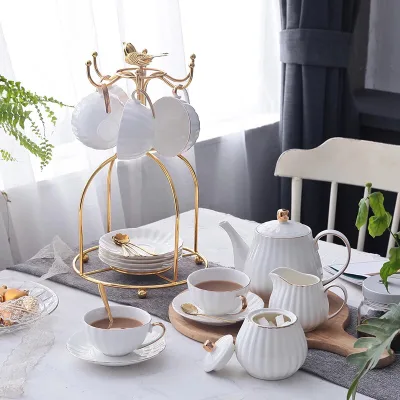
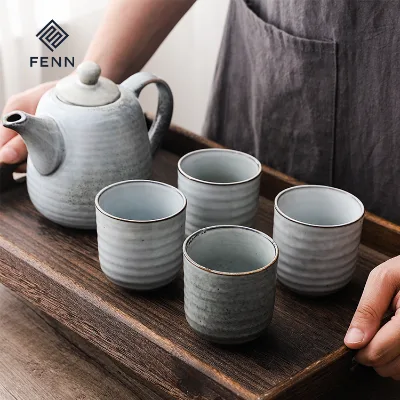
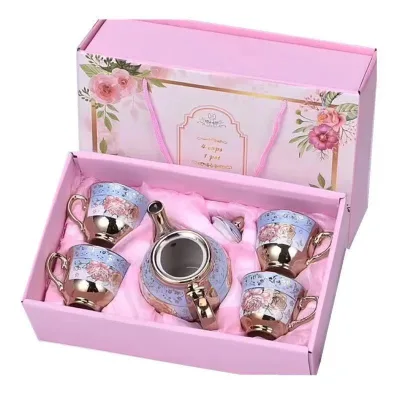
Graceful Teaware Wholesale Antique Blue Glazed Vintage a Pot and 4 Cups Chinese Ceramic Tea Set
$0.68 - $4.05
MOQ: 72 sets

Shenzhen Hua Mei Industry Development Ltd.
- Verified by TUVRHEINLAND
- Trading Company
- China Guangdong
- Lead time60 days
- Avg. response≤ 3h
Main productsDinnerware, Porcelain Dinnerware, Ceramic Dinnerware, Ceramic Bowl, Ceramic Mug, Porcelain Bowl
Main marketsSoutheast Asia/ Mideast,Europe,Australia,North America

- Verified by BV
- Trading Company
- China Guangdong
- Lead time60 days
- Avg. response≤ 2h
Main productsCeramic Decal Mug, Ceramic Dinner Set, Ceramic Aromatherapy Bottle, Ceramic Vase
Main marketsSouth America,Southeast Asia/ Mideast,Europe,North America
Shenzhen Guyun Ceramics Co., Ltd.
- Manufacturer, Trading Company, Distributor/Wholesaler
- Guangdong, China
- Lead time30 days
- Avg. response≤ 1h
Main productsceramic vase,ceramic pot,ceramic tableware,ceramic mug,ceramic wine bottle
Main marketsNorth America(20.00%), Southeast Asia(10.00%), Mid East(10.00%), Western Europe(10.00%), Central America(10.00%), Northern Europe(10.00%), Southern Europe(10.00%), South America(5.00%), Eastern Europe(5.00%), Eastern Asia(5.00%), South Asia(5.00%)
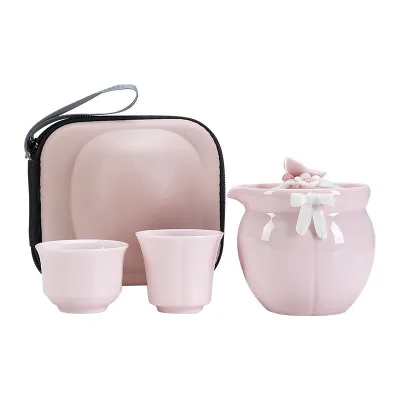
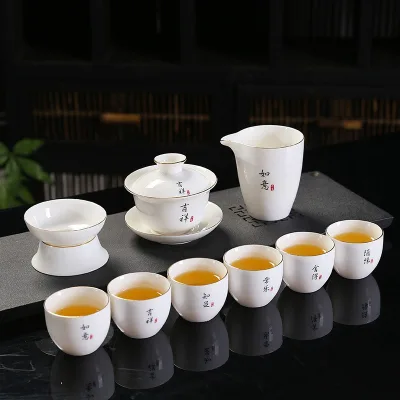
Customized Ceramic Tea Set for Home Use. Ceramic Tea Cups Can Be Printed with Logos
$6.1048 - $6.726
MOQ: 100 sets

- Manufacturer, Trading Company
- Hebei, China
- Lead time30 days
- Avg. response≤ 5h
Main productsGlass Cups,Glass Ware,Wine Bottle,handmad glassware,double wall glass cup
Main marketsNorthern Europe(15.00%), Western Europe(15.00%), Southern Europe(10.00%), Mid East(10.00%), Eastern Europe(10.00%), Domestic Market(5.00%), South America(5.00%), Central America(5.00%), North America(5.00%), Eastern Asia(5.00%), Southeast Asia(5.00%), Oceania(5.00%), South Asia(3.00%), Africa(2.00%)
Changsha Banbo Bamboo and Wood Co., Ltd
- Manufacturer, Trading Company
- Hunan, China
- Lead time15 days
- Avg. response≤ 4h
Main productsBamboo and wood products,Matcha Whisk,Matcha Set,Matcha Kits,Teaware
Main marketsNorthern Europe(30.00%), North America(30.00%), Oceania(10.00%), Southern Europe(10.00%), Western Europe(10.00%), Eastern Europe(5.00%), Africa(3.00%), South America(2.00%)
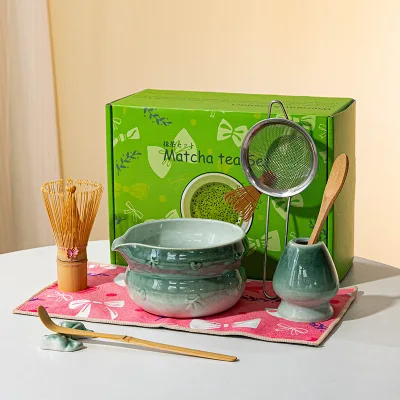
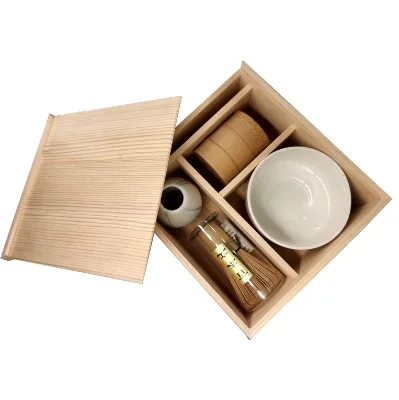
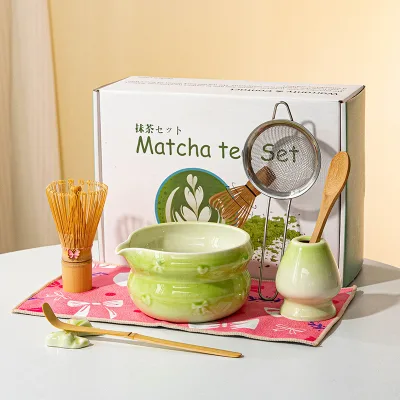
Variety Designs Popular Gift Set of Matcha Ceramic Matcha Sets Wooden Matcha Set
$10.99 - $13.55
MOQ: 16

Xiamen Ebei Import & Export Co., Ltd.
- Verified by CTI
- Trading Company,Manufacturer/Factory
- China Fujian
- Lead time45 days
- Avg. response≤ 2h
Main productsEco-Friendly Products, Bamboo Tableware, Bamboo Furniture, Bamboo Kitchenware, Bamboo Office Supply, Bamboo Fibre Products, Biodegradable Products, Bamboo Towel, Solar Energy Products, Bamboo Garden Products
Main marketsSouth America,Eastern Europe,Mid East,North America,Southeast Asia,Eastern Asia,Oceania,Western Europe,Africa












Comprehensive Sourcing Guide
Handmade Zisha Tea Set Supplier Concentration and Factory Types
When sourcing a Handmade Zisha Tea Set, the first structural question is who actually shapes the clay. The supplier results on this page show a mix of manufacturers and combined manufacturer-trading companies, and the distinction matters for this category because zisha work is largely hand-finished. A manufacturer listing teapots such as Yixing-style purple clay Xishi pots, Dahongpao filter kettles, and kongfu tea sets is more likely to control the forming, carving, and firing stages in-house. A trading company, by contrast, may aggregate output from several small workshops, which can widen the style range but adds a layer between you and the artisan team.
Location signals in the current results point to several Chinese provinces. Company-level location data shows suppliers based in Fujian and Jilin, while individual product listings declare origins in Jiangsu, Zhejiang, and Fujian. That split is worth noting: the province on a company profile and the declared place of origin on a specific teapot listing may not match, which usually means assembled or purchased inventory. When results do not confirm a cluster for you, identify one yourself by filtering listings for repeated place-of-origin tags, matching product keywords such as "purple clay teapot" and "zisha tea set," and noting which provinces recur across independent suppliers before shortlisting.
How to Verify Handmade Zisha Tea Set Suppliers
Verification starts with separating claimed capability from displayed evidence. In the current results, several listings state "Hand Made Teapot" in the product description, declare purple clay as the material, and publish attributes such as capacity of 160 ml or 210 ml, packaging in paper boxes with bubble protection, and gift-box packing options. These are useful but self-reported fields. Ask each supplier to confirm in writing which steps of the zisha process—clay selection, slab or mold forming, engraving, firing—happen at their own facility, and request photos or video of the workshop rather than polished catalog renders.
Next, test the operational signals the platform already exposes. One listed supplier shows a response time of 7 hours and a stated lead time of 30 days, while another trading company shows a lead time entered as 0, which is often a placeholder rather than a genuine promise. Treat a zero or missing lead time as a question to ask, not a fact. For handmade zisha specifically, also verify that the quoted capacity and dimensions are consistent across the listing and the sample: listings here range from 160 ml to 550 ml volumes, and a mismatch between displayed specification and physical sample is one of the earliest signs of catalog reuse. Finally, confirm who bears responsibility for breakage, since ceramic and clay drinkware is fragile freight.
What to Compare Across Handmade Zisha Tea Set Suppliers
Build the comparison on the dimensions actually displayed in supplier results, and note where data is absent rather than assuming it. Useful fields here include supplier type (manufacturer versus trading company), location, main product lines, response time, lead time, and per-listing MOQ and price range. The visible price bands for zisha and ceramic teapots run from roughly 10.50–28.54 dollars, 14–16 dollars, 11–12 dollars, and 12–13 dollars per piece, while MOQs vary dramatically—from 500 pieces on one handmade ceramic teapot listing to 20 pieces on a purple clay set and even 1 piece on a single Xishi Hu teapot. That spread tells you which suppliers can support small test orders versus those geared to volume.
Compare main products as a proxy for specialization. One supplier lists polyresin crafts, ceramic crafts, PVC crafts, and home and garden decoration—a broad craft portfolio. Another trading company lists tea, ginseng, herbs, tea accessories, and gifts—tea-adjacent but not necessarily a clay workshop. A supplier whose catalog centers on zisha teapots, kongfu tea sets, and matcha accessories will typically handle custom logos and clay-specific questions better. Do not expect every supplier to display every attribute; when establishment year, escrow status, or certifications are not shown, record them as "to verify" in your comparison sheet instead of leaving the cell blank.
Common Handmade Zisha Tea Set Sourcing Risks
The most frequent risk in this category is material substitution. Listings emphasize "purple clay" and "zisha" as keywords, but buyers cannot confirm clay authenticity from a photo. A common failure mode is receiving earthenware or dyed ceramic in place of genuine zisha. Protect yourself by requesting the declared material in the contract, asking for the clay's place of origin, and comparing an approved kept sample against production batches. The results show declared origins of Jiangsu, Zhejiang, Fujian, and Jilin on different products—ask each supplier exactly which source their clay comes from and whether that changes between orders.
The second risk cluster is inconsistency inherent to handmade goods. Handmade teapots vary in capacity, lid fit, and pour behavior even within one batch; one listing here sells in multiples of 20 pieces with gross batch weight around 10 kg, so define acceptable tolerances for capacity (160 ml, 200 ml, 210 ml appear in current listings) and finish before mass production. Third, watch for misleading minimums: a 1-piece or 20-piece MOQ lowers trial cost but may carry higher unit prices or restrict logo customization. Finally, fragility in transit is a recurring claim category; packaging details shown range from paper boxes with bubble wrap to plain paper cartons, and weak packaging on a 550 ml porcelain pot is a predictable loss.
Handmade Zisha Tea Set Regional Sourcing and Logistics
Regional logic for this category runs along two layers: where the supplier company sits and where the product is made. The current results illustrate why both matter. Company-level locations include Fujian and Jilin, while product-level origin attributes cite Jiangsu, Zhejiang, and Fujian. A Jilin-based trading company selling tea, ginseng, herbs, and gifts may consolidate zisha teapots bought from elsewhere with its own tea products, which suits gift-set buyers but lengthens the supply chain. A Fujian manufacturer-trader listing ceramic and polyresin crafts sits closer to a broader drinkware and decoration production base. Ask every supplier to reconcile the two locations in writing.
Logistically, plan around ceramics handling. Displayed packaging in the results—paper box with bubble protection, paper carton, gift box—signals that suppliers expect breakage exposure, so specify drop-test expectations and inner-box standards in the purchase contract even if you negotiate the details yourself. Stated lead times in the visible results include 30 days for one supplier and an unhelpful 0 for another; confirm production versus shipping time separately, since handmade firing schedules and kiln availability can extend lead time beyond standard ceramic stock items. Batch dimensions shown on listings, such as 40x40x50 cm cartons and 2–3 kg single-item gross weights, let you pre-calculate freight volume per 20-piece multiplicity. Always confirm whether the quoted price is ex-works, FOB, or delivered before comparing regions.
Handmade Zisha Tea Set Commercial Terms and Order Planning
Order planning in this category should start small and scale on evidence. The displayed MOQs make staged buying realistic: 1 piece for a single Xishi Hu sample, 20-piece multiples for a purple clay set, and 500-piece MOQs only for broader handmade ceramic teapot lines. A sensible sequence is to buy the smallest MOQ from two or three shortlisted suppliers, compare lid fit, pour, clay color, and capacity against listings (160 ml, 200 ml, 210 ml, and 550 ml are all shown), then commit volume to the supplier whose production matches the approved sample. Budget for the price spread visible here—roughly 11 to 29 dollars per unit depending on model, capacity, and set contents—rather than anchoring on the lowest listing.
On commercial terms, confirm every element that a listing summarizes but a contract must bind: price validity, customization scope (logo customization is explicitly offered on several listings), packaging format, lead time in days, and payment method. Where a platform escrow option is available, use it for first orders; where results do not display escrow or trade assurance status, ask the supplier directly and record the answer. For handmade zisha, add a breakage allowance clause, a tolerance spec for capacity and dimensions, and photo approval of the first production pieces. Finally, plan reorder lead time separately, since artisan capacity often limits repeat speed more than the first order suggests.
(Word count: approximately 1,395)
FAQs
What is the typical lead time for handmade zisha tea sets?
The typical lead time for these items is 30 days based on current supplier data. Some trading companies may offer faster turnaround with zero days for stocked items. Buyers should confirm specific delivery schedules with the manufacturer before placing large orders.
What are the minimum order quantities for zisha teapots?
Minimum order quantities vary significantly by product type. Some listings require 500 units, while others accept orders as low as one piece. Specific batches may have a minimum of 20 units. Always check the individual product page for the exact MOQ applicable to your selection.
Where are the suppliers of these tea sets located?
Suppliers are primarily located in Fujian, China, with some operations in Jilin and Jiangsu provinces. Product origins also include Zhejiang. Buyers should verify the specific place of origin listed for each item to ensure it matches their sourcing requirements or regional preferences.
What is the price range for handmade ceramic tea sets?
Prices for these sets generally range from 10.50 to 28.54 USD per unit. Specific listings show narrower ranges, such as 11.00 to 12.00 USD or 14.00 to 16.00 USD. The final cost depends on the material, design complexity, and order volume negotiated with the supplier.
Do suppliers offer customization for logos and packaging?
Yes, many suppliers accept customizable logos and offer custom packaging options. Specific listings confirm that logo customization is acceptable and that OEM orders are welcomed. Buyers should request samples to verify the quality of the custom branding before committing to a bulk purchase.
What materials are used in these handmade tea sets?
Materials include purple clay, ceramic, and polyresin depending on the specific product. Some sets are made from eco-friendly ceramic materials suitable for travel. Buyers should review the product attributes to confirm the exact material composition for their intended use or aesthetic preference.
How quickly do suppliers typically respond to inquiries?
The standard response time for these suppliers is seven days. This timeframe allows for detailed product discussions and negotiation. Buyers seeking faster communication should prioritize suppliers with shorter response windows or contact them directly through the platform messaging system.