Hard-wearing Camping Paracord Keychain Suppliers and Manufacturers
Explore 22 verified options for Hard-wearing Camping Paracord Keychain from Zhejiang and Guangdong factories. Compare response times, lead times, and MOQs to source durable survival gear efficiently. Contact suppliers directly to request samples; review the available evidence before requesting comparable quotations from suitable candidates.
Suppliers List
Yiwu Kongbo Outdoor Products Co., Ltd.
- Trading Company
- Zhejiang, China
- Lead time15 days
- Avg. response≤ 7h
Main productsParacord goods,Fire starter,Emergency items,Camping cookware,Tactical products
Main marketsNorth America(53.00%), Eastern Europe(19.00%), Western Europe(15.00%), Central America(5.00%), South America(5.00%), Northern Europe(3.00%)
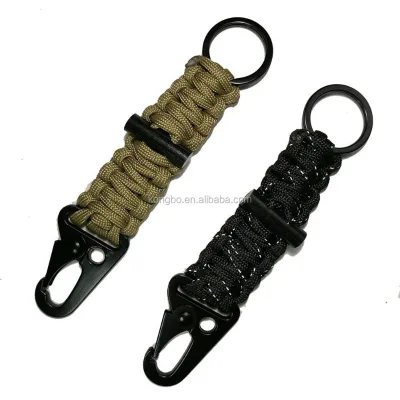
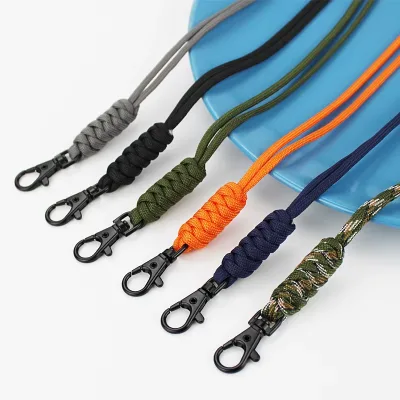
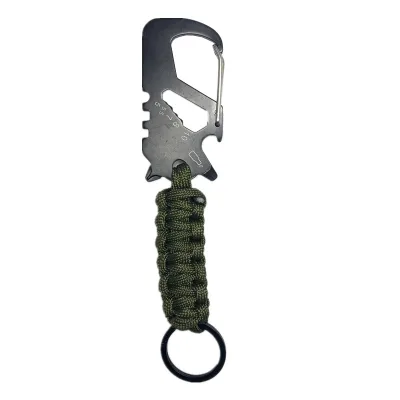
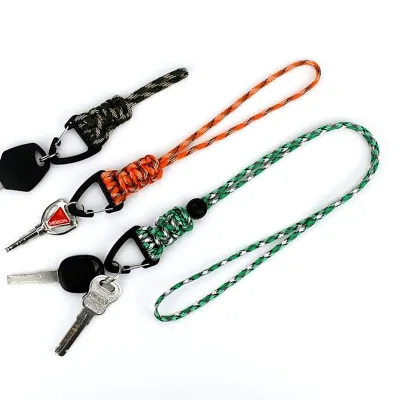
KongBo Outdoor Camping Lanyard Carabiner Firestarter Paracord Keychain Survival
$0.51 - $0.81
MOQ: 100 pieces
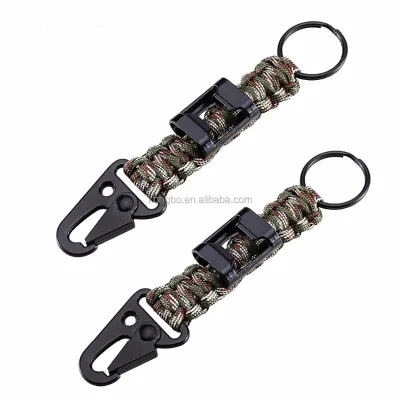
Hongyu Plastic String Co., Limited
- Verified by SGS Group
- Manufacturer, Trading Company
- Lead time20 days
- Avg. response≤ 4h
Main productsClimbing Rope, Basketball Net, Elastic Jump Rope, Notie Elastic Shoelaces, Tow Rope
Main marketsDomestic Market(40%), Central America(15%), North America(9%)
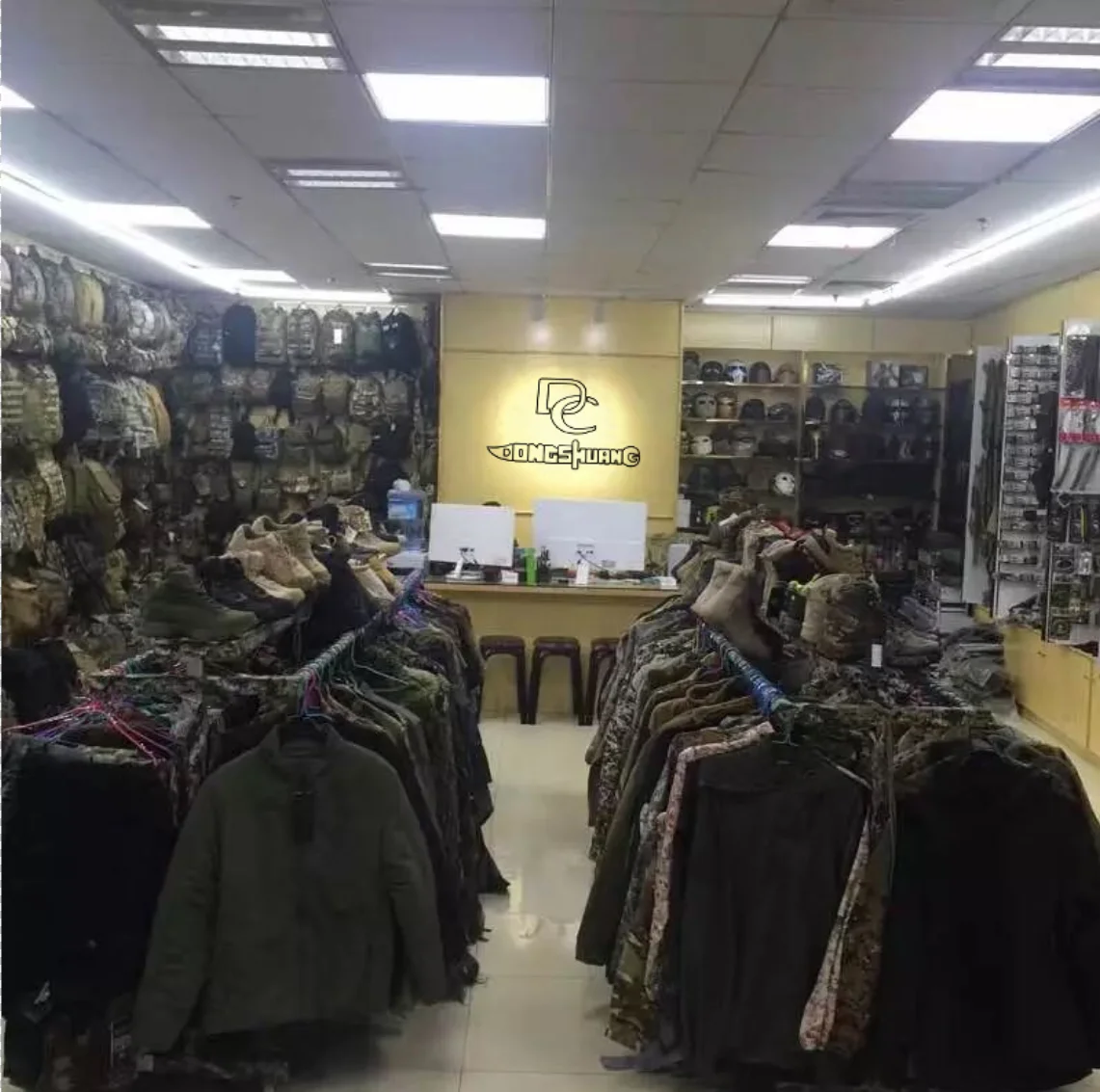
Yiwu Bestfan Outdoor Products Co., Ltd.
- Trading Company
- Zhejiang, China
- Lead time30 days
- Avg. response≤ 5h
Main productsoutdoor product,Tactical Supplies,Emergency supplies,Survival equipment,Multi-function tool
Main marketsNorth America(25.00%), Northern Europe(15.00%), South America(15.00%), Mid East(10.00%), Western Europe(10.00%), Domestic Market(5.00%), Southern Europe(5.00%), Eastern Europe(5.00%), Southeast Asia(5.00%), Eastern Asia(5.00%)

$0.88 - $1.01
MOQ: 6 pieces

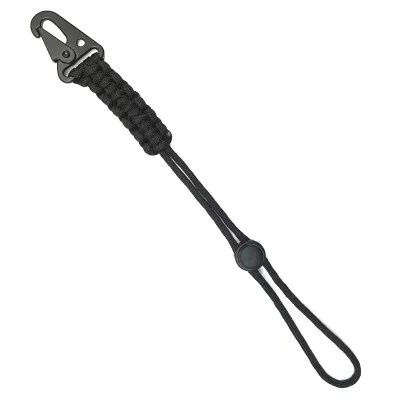

Yiwu Cmart Outdoor Products Co., Ltd.
- Trading Company
- Zhejiang, China
- Lead time15 days
- Avg. response≤ 10h
Main productsOutdoor sports,Survival kits,Fishing kits,Outdoor Leisure,Paracord kits
Main marketsNorth America(60.00%), Oceania(8.50%), Western Europe(8.10%), South America(7.80%), Mid East(5.60%), Africa(5.20%), Southeast Asia(4.80%)
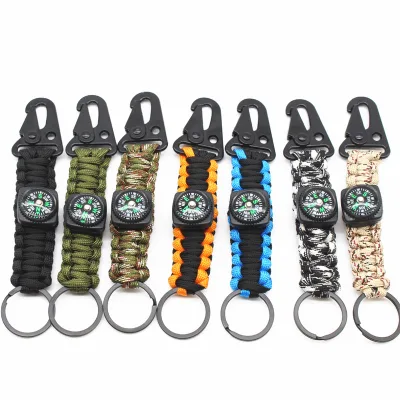
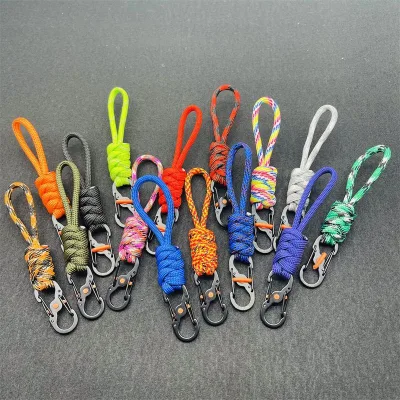
Hiking Camping Carabiner,Outdoor Adventure Paracord Survival Keychain with Compass
$0.45 - $0.55
MOQ: 120
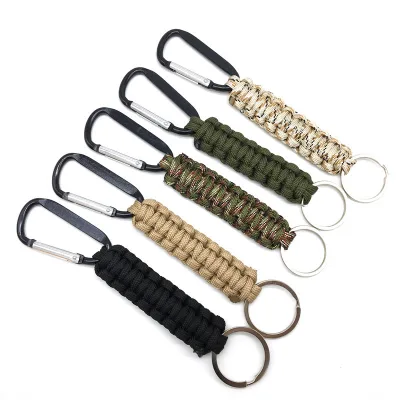
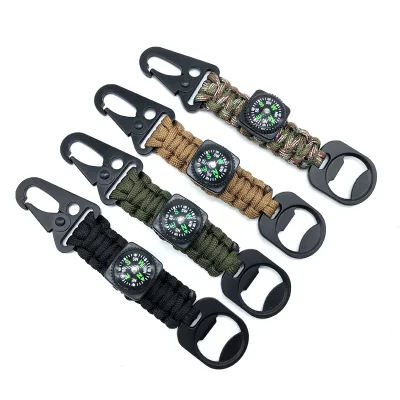
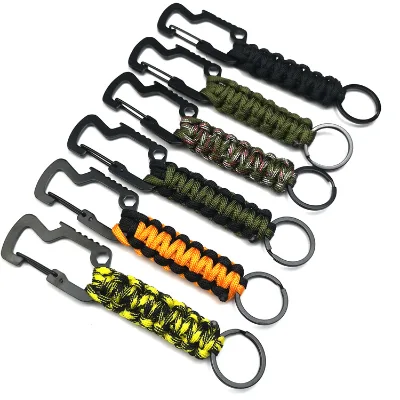
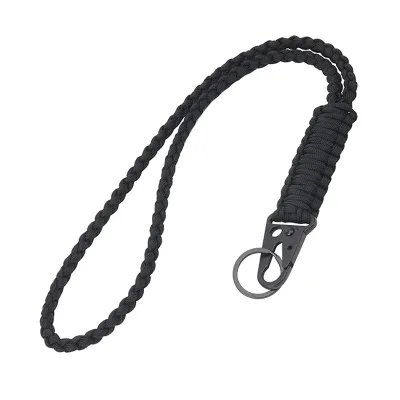
$0.81 - $1.13
MOQ: 2 Minimum
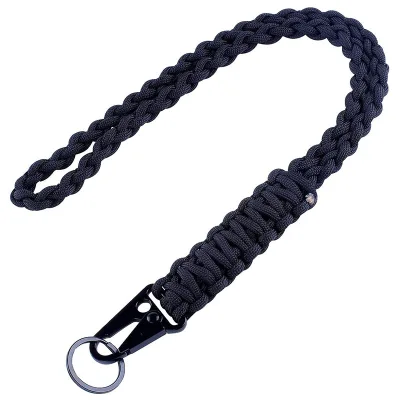

Shandong Rope Technology Co., Ltd.
- Combined
- China Shandong
- Lead time30 days
- Avg. response≤ 10h
Main productsRope
Main marketsSoutheast Asia/ Mideast,Europe,North America
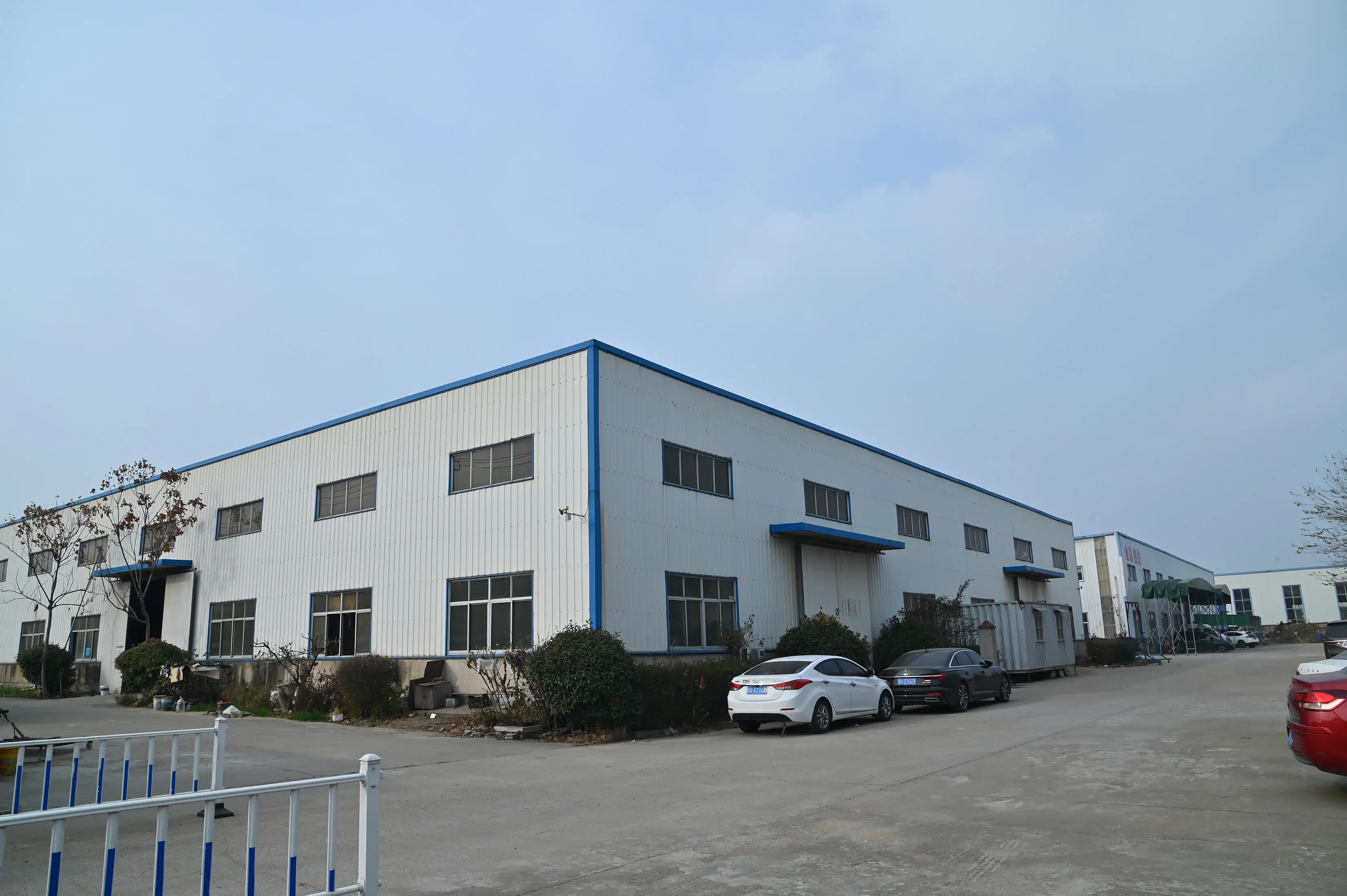
Jiangsu Himron International Trade Co., LTD.
- Manufacturer, Trading Company
- jiangsu, China
- Lead time20 days
- Avg. response≤ 7h
Main productsDisaster Relief Tent,Inflatable Emergency Tent,Tactical tent,Camping tent
Main marketsNorth America(40.00%), Eastern Europe(15.00%), Domestic Market(10.00%), Northern Europe(7.00%), Central America(6.00%), Southeast Asia(5.00%), South Asia(5.00%), Mid East(3.00%), Eastern Asia(2.00%), Southern Europe(2.00%), Western Europe(2.00%), South America(1.00%), Oceania(1.00%), Africa(1.00%)
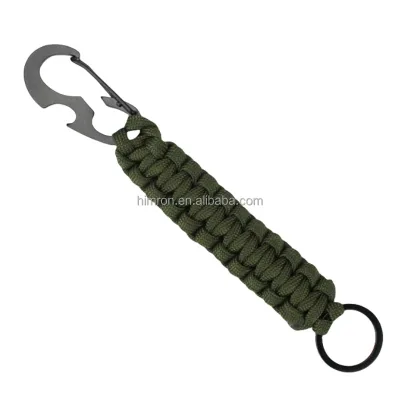
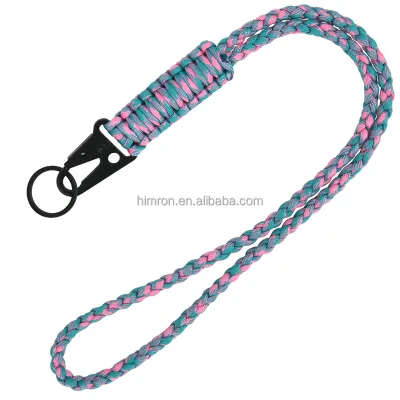
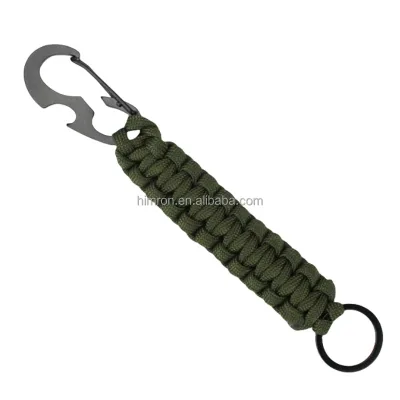
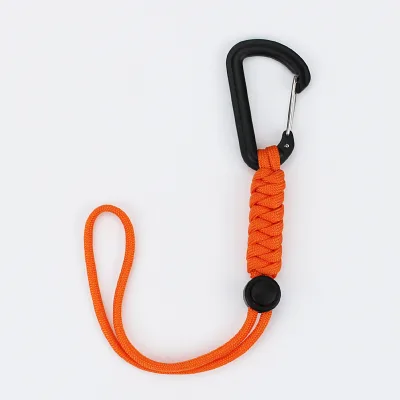
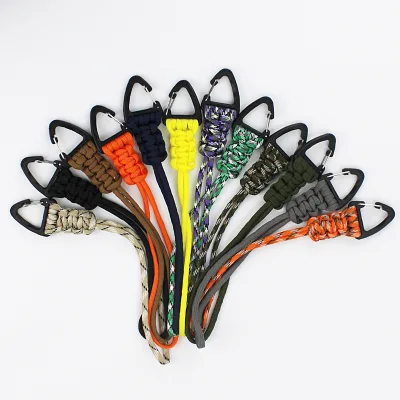
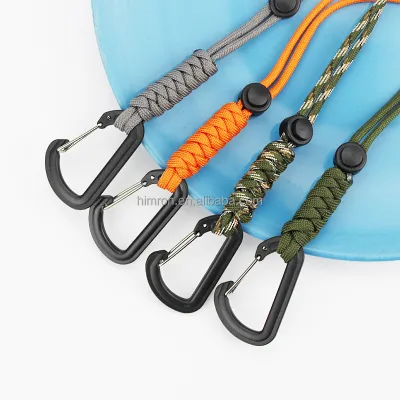
$0.46 - $0.49
MOQ: 100 pieces
Dongguan Emak Craft Gift Co., Ltd.
- Manufacturer, Trading Company
- Guangdong, China
- Lead time15 days
- Avg. response≤ 7h
Main productsSurvival Kit,Paracord Bracelet,Paracord Watch,Camping Stove,First Aid Kit
Main marketsNorth America(40.00%), Domestic Market(35.00%), Southeast Asia(15.00%)
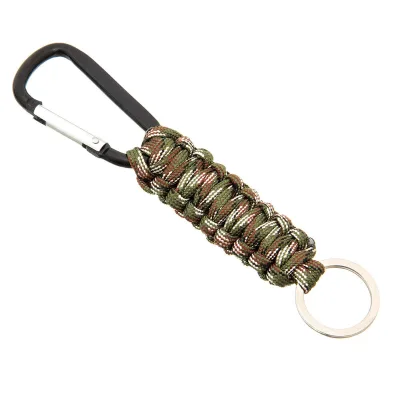

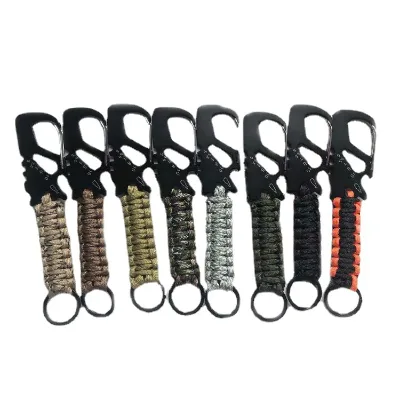
$1.02 - $1.11
MOQ: 10 pieces

Nanjing Cyan Industry Company Limited
- Trading Company
- Jiangsu, China
- Lead time15 days
- Avg. response≤ 6h
Main productssurvival tools,camping tools,hunting kit,multitool,tactical gear
Main marketsNorth America(20.00%), Western Europe(10.00%), Eastern Europe(10.00%), Oceania(10.00%), Domestic Market(5.00%), South Asia(5.00%), Southern Europe(5.00%), Northern Europe(5.00%), Central America(5.00%), Southeast Asia(5.00%), Eastern Asia(5.00%), Mid East(5.00%), South America(5.00%), Africa(5.00%)
Yiwu Icefire Outdoor Products Co., Ltd.
- Manufacturer, Trading Company
- Zhejiang, China
- Lead time5 days
- Avg. response≤ 10h
Main productsparacord,hammock,fire starter,survival kit,shelter
Main marketsNorth America(40.00%), Northern Europe(20.00%), Western Europe(10.00%), Eastern Europe(10.00%), South Asia(5.00%), South America(5.00%), Africa(5.00%), Mid East(5.00%)
Hefei Johold Outdoor Products Co., Ltd.
- Trading Company
- Anhui, China
- Lead time15 days
- Avg. response≤ 2h
Main productsSurvival Kits,Flashlight,Emergency Whistle,Camping Tent,Tactical backpack
Main marketsNorth America(30.00%), Western Europe(20.00%), Northern Europe(15.00%), Eastern Europe(15.00%), Southeast Asia(5.00%), South America(5.00%), Eastern Asia(5.00%), Africa(5.00%)
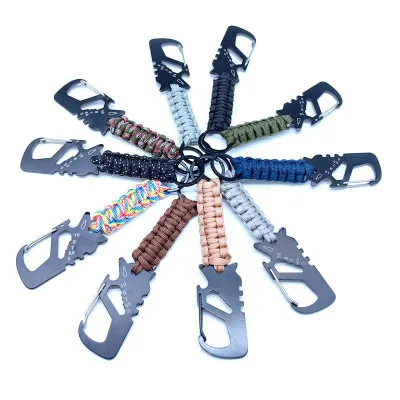
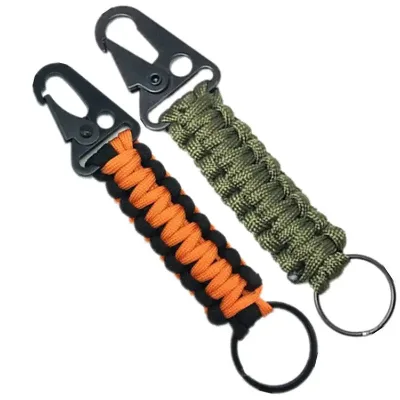
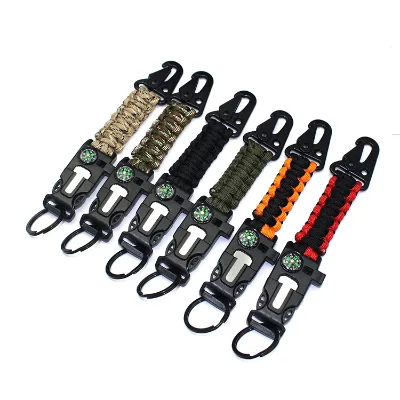
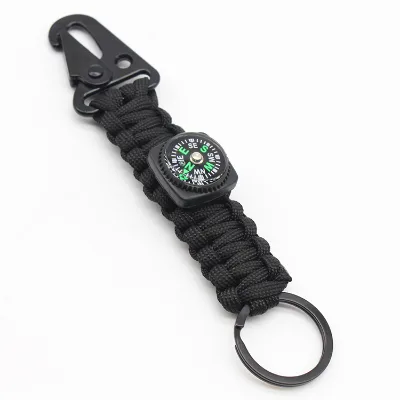
Outdoor Paracord Keychain with Carabiner and Compass
$0.40 - $0.70
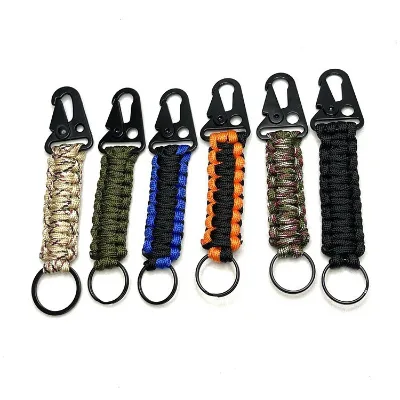
Jining Excellent Horse Trade Co., Ltd.
- Verified by TüVRheinland
- Manufacturer, Trading Company
- Lead time7 days
- Avg. response≤ 3h
Main productsCarabiner Hooks, Luggage & Bag Accessories, Lanyard Strap Keychain, Buckle, Hardware Structure
Main marketsNorth America(50%), Western Europe(25%), Southeast Asia(5%)

Yiwu Kebon Healthcare Co., Ltd.
- Manufacturer, Trading Company
- Zhejiang, China
- Lead time15 days
- Avg. response≤ 8h
Main productsfirst aid kit,bandage,gauze swab,adhesive tape,non woven pad
Main marketsNorth America(30.00%), Eastern Europe(15.00%), Mid East(15.00%), Northern Europe(12.00%), Western Europe(10.00%), Southern Europe(5.00%), Oceania(5.00%), South America(5.00%), Africa(3.00%)
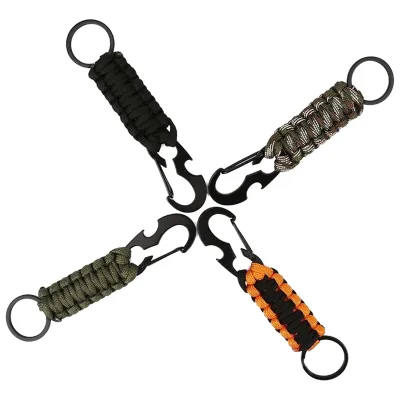
Camping Paracord Cord Rope Emergency Knot Bottle Opener Key Chain Outdoor Keyring Survival Gear Kit
$0.82 - $1.02
MOQ: 100 pieces
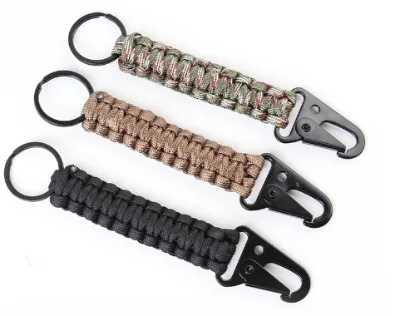
$0.18 - $0.22
MOQ: 100 pieces
Daqin (luoyang) Supply Chain Co., Ltd.
- Manufacturer, Trading Company
- Henan, China
- Lead time0 days
- Avg. response≤ 2h
Main productsToy Gun,Toy Gun Model,Simulation Toy Weapons,Outdoor Sports,Stuffed Toys
Main marketsEastern Europe(20.00%), Southern Europe(20.00%), Western Europe(20.00%), South America(10.00%), Northern Europe(10.00%), Central America(10.00%), North America(10.00%)
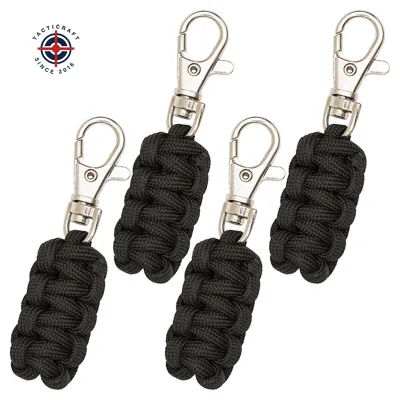
Outdoor Climbing Braided Paracord Keychain, Outdoor Emergency Rescue Paracord Key Ring
$0.37 - $0.39
MOQ: 10 pieces

DSC Xiamen Enterprise Pte Ltd.
- Trading Company
- China Fujian
- Lead time23 days
- Avg. response≤ 3h
Main productsHardware, Accessories, Plastic Buckle, Ribbons, Metal Stamping, Bag Accessories, Promotion Gift, Bag Hardware
Main marketsSouth America,Southeast Asia/ Mideast,East Asia(Japan/ South Korea),Europe,Australia,North America

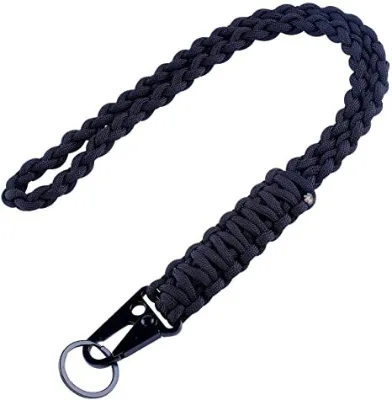
Cobra Weave Paracord Keychain Carabiner Braided Lanyard Key Clip Survival Lanyard
$0.60 - $0.72
MOQ: 500 Pieces

Stainless Steel Knitted Umbrella Rope Keychain Carabiner Climbing Buckle Paracord Rope Ring
$0.54 - $0.69
MOQ: 500 Pieces

- Verified by SGS
- Trading Company
- China Zhejiang
- Lead time15 days
- Avg. response≤ 14h
Main productsTents, BBQ Grill, Folding Table and Chair, Cooler Bag, Outdoor Lamp, Beach Mat, Picnic Blanket, Sleeping Bag, Water Bottle, Hammock
Main marketsEurope,Australia

Multifunction Dog Collar Hiking Camping Braided Paracord Nylon Cord Camping Rope
$0.60 - $0.80
MOQ: 1300 Pieces

Yiwu Keynew E-Commerce Co., Ltd.
- Trading Company
- Zhejiang, China
- Lead time10 days
- Avg. response≤ 7h
Main productsCamping & Hiking,car accessories,Pet Products
Main marketsNorth America(60.00%), Western Europe(10.00%), Southeast Asia(10.00%), Eastern Europe(10.00%), South America(10.00%)
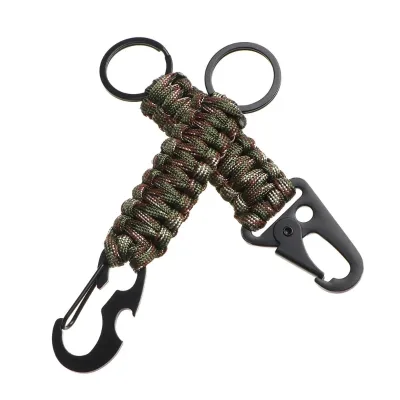
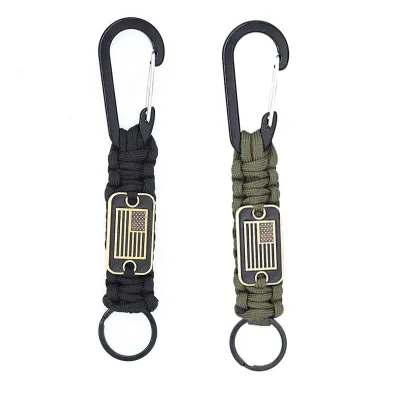
Product Paracord Keychain Custom Braided Paracord Lanyard for Outdoor Activities
$0.62 - $0.98
MOQ: 100 pieces
Jaxy Optical Instrument Co., Ltd.
- Manufacturer, Trading Company
- Lead time旺季: "1 - 1000":15,"> 1000":"To be negotiated", 淡季: "1 - 1000":15,"> 1000":"To be negotiated"
- Avg. response≤ 4h
Main productsBinoculars and Telescope, Magnifier, Whistle, Compass, 3D glasses
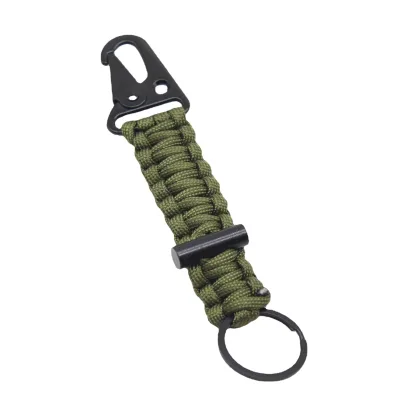
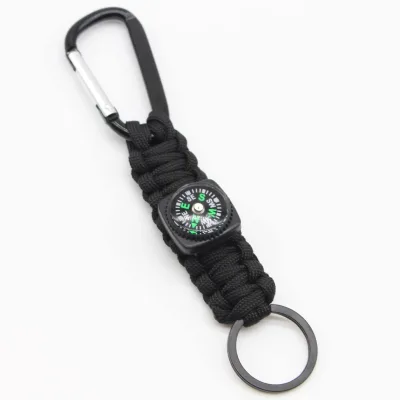
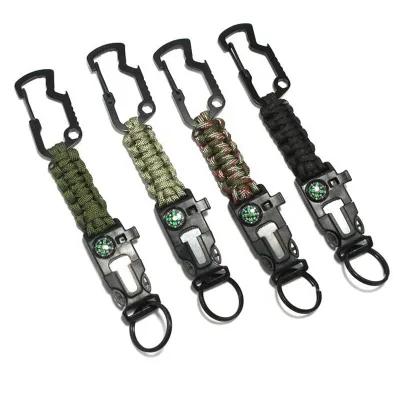
Outdoor Mountaineering Paracord Keychain compass with Carabiner Braided Lanyard for Camping & Hiking
$0.36 - $0.66
MOQ: 200 pieces
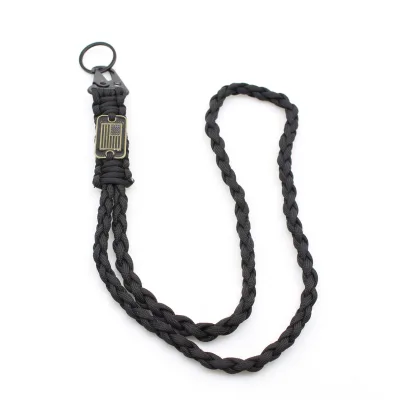
Heavy Duty Paracord Lanyard Keychain with Flag Braided key lanyard for keys for Outdoor Activities
$0.70 - $0.85
MOQ: 1000 pieces
Dongguan Baoshuo Hardware Products Co., Ltd.
- Verified by TüVRheinland
- Manufacturer, Trading Company
- Lead time15 days
- Avg. response≤ 3h
Main productsLuggage Accessories, Badge, Buckle, Keychain, Medal
Main marketsDomestic Market(30%), North America(10%), Eastern Asia(10%)
Yiwu Runson Outdoor Products Co., Ltd.
- Trading Company
- Zhejiang, China
- Lead time15 days
- Avg. response≤ 8h
Main productsOutdoor survival kit,Outdoor whistle,Outdoor compass,Outdoor poncho,Outdoor sleeping bag
Main marketsNorth America(50.00%), Western Europe(10.00%), Eastern Europe(10.00%), South America(10.00%), Central America(5.00%), Southern Europe(5.00%), South Asia(2.00%), Africa(2.00%), Eastern Asia(2.00%), Mid East(2.00%), Oceania(1.00%), Southeast Asia(1.00%)

Guangzhou Canotiv Jewelry Co., Ltd.
- Trading Company
- Guangdong, China
- Lead time0 days
- Avg. response≤ 1h
Main productsEnergy Magnetic jewelry,Stainless steel jewelry,Leather bracelets,Outdoor Survival Sports Products,Anchor bracelets
Main marketsNorth America(30.00%), Western Europe(22.00%), South America(20.00%), Northern Europe(18.00%), Southern Europe(10.00%)
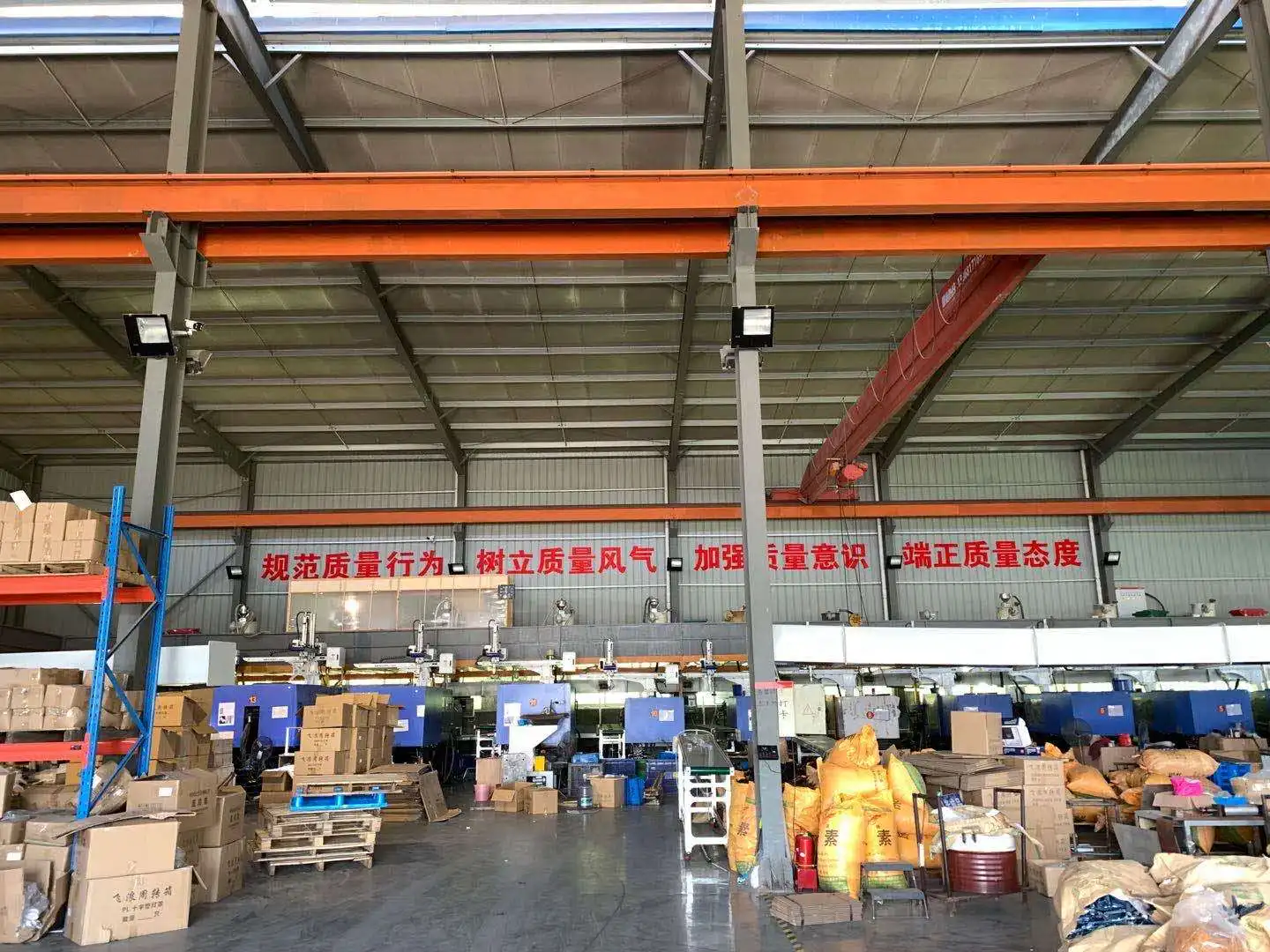
Hangzhou Xiwang Trading Co., Ltd.
- Trading Company
- Zhejiang, China
- Lead time25 days
- Avg. response≤ 2h
Main productsTent Stake, Paracord Bracelet, Folding Stool, Beach Mat, Waterproof Bag
Main marketsNorth America(20.00%), Oceania(20.00%), Western Europe(20.00%), Northern Europe(10.00%), Mid East(10.00%), Southeast Asia(10.00%), South America(5.00%), South Asia(4.00%), Eastern Europe(1.00%), Eastern Asia(0.00%), Southern Europe(0.00%), Central America(0.00%), Africa(0.00%), Domestic Market(0.00%)
Jiangmen Xinhui Baiyuheng Webbing Co., Ltd.
- Verified by SGS Group
- Manufacturer, Trading Company
- Lead time3 days
- Avg. response≤ 2h
Main productsParacord, Rope, Webbing, Survival Kit, Fire Starter
Main marketsNorth America(73%), Western Europe(10%), Domestic Market(10%)




Comprehensive Sourcing Guide
Hard-wearing Camping Paracord Keychain Supplier Concentration and Factory Types
Current data indicates a concentration of suppliers in Zhejiang, China, alongside other manufacturers located in Guangdong, China. These regions host a mix of Trading Companies and Manufacturer entities that specialize in paracord goods, emergency items, and tactical products. Some suppliers list their primary output as climbing ropes, elastic jump ropes, and survival equipment, while others focus specifically on camping cookware and tactical accessories. The presence of both trading and manufacturing company types suggests a supply chain where some entities source from factories while others produce in-house. Buyers should verify the specific factory type for each vendor to understand the directness of the supply line.
When assessing the factory type, note that some suppliers offer light customization and customized on-demand services, including sample processing and graphic processing. This capacity for customization is often tied to the supplier's classification as a manufacturer rather than a pure trading entity. However, without explicit confirmation of a specific factory's internal capacity, buyers must treat these claims as potential capabilities rather than guaranteed standards. The diversity in main products, ranging from paracord keychains to bottle openers and multi-function tools, indicates that many suppliers operate with broad product lines rather than specializing in a single item. This breadth can be advantageous for sourcing multiple camping accessories but requires careful vetting to ensure quality consistency across different product categories.
How to Verify Hard-wearing Camping Paracord Keychain Suppliers
Verification processes should prioritize checking for third-party validation such as SGS Group certification, which appears in the current supplier data. This verification status serves as a concrete indicator of a supplier's adherence to specific quality and safety standards, distinguishing them from unverified entities. Buyers must confirm if a supplier holds this specific certification before proceeding, as it provides a tangible layer of trust regarding their operational integrity. In the absence of such visible verification badges, buyers should request direct proof of certification or ask for recent audit reports to validate the supplier's claims independently.
Beyond certification, buyers should scrutinize the response time and lead time metrics provided in supplier profiles. Current data shows response times ranging from four to seven days and lead times varying between fifteen and thirty days. A supplier with a four-day response time may indicate a more active sales team, while a fifteen-day lead time suggests a faster production cycle compared to a thirty-day window. These metrics are critical for planning inventory and managing customer expectations. Buyers should not assume all suppliers meet these specific numbers but should use them as a baseline for comparison. Always request updated lead time estimates for specific order volumes, as production capacity can fluctuate based on current demand and raw material availability.
What to Compare Across Hard-wearing Camping Paracord Keychain Suppliers
Comparison efforts should focus on the Minimum Order Quantity (MOQ) and price ranges, which vary significantly across different supplier listings. Some suppliers list an MOQ of 100 units with prices starting around 0.50, while others require 500 units with slightly different pricing structures. One specific listing shows an MOQ of just six units, which is an outlier compared to the standard bulk requirements. Buyers must carefully review the specific MOQ for each product variant, as a low MOQ might apply only to a specific model or color. Price ranges also differ, with some items priced between 0.45 and 1.00, while others fall between 0.69 and 0.72. These variations reflect differences in material quality, customization levels, and production costs.
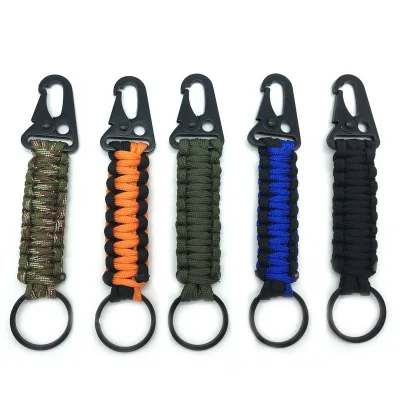
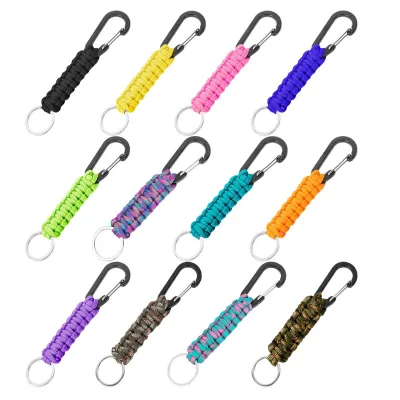
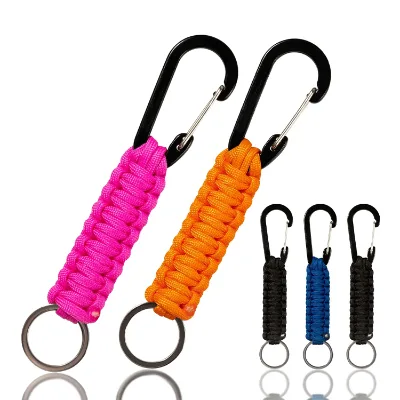
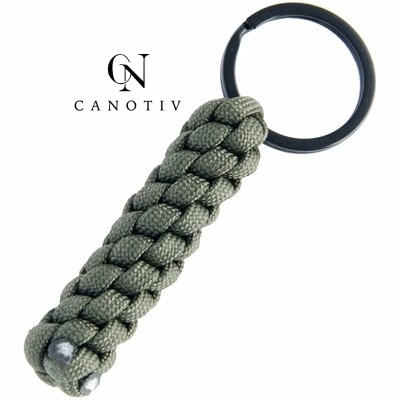
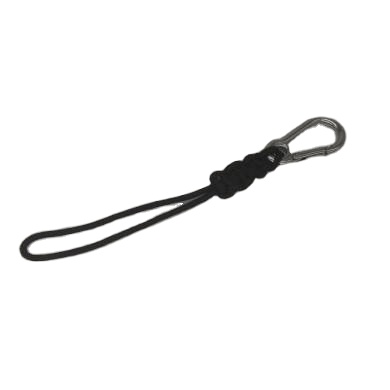
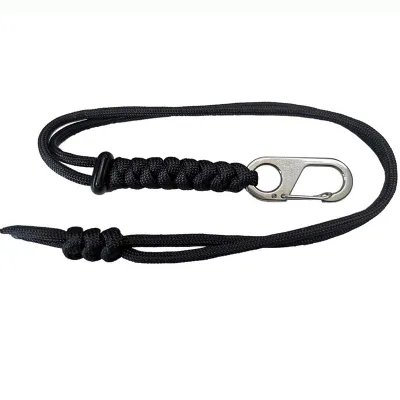
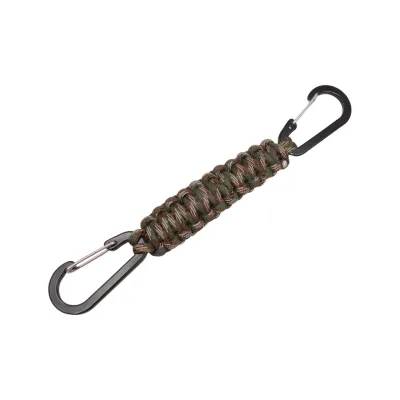
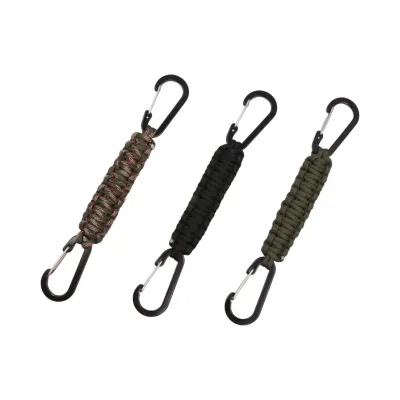
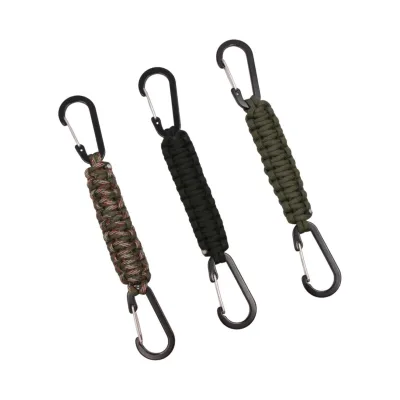
In addition to cost and volume, buyers should compare the main products and specific product attributes listed by each supplier. Some vendors specialize in paracord keychains with features like carabiners and fire starters, while others focus on bottle openers or multi-purpose lanyards. The material composition, such as polyester or specific paracord types, and the color options available, including black, green, or camouflage, are key differentiators. Buyers should also note the single package size and gross weight, as these factors directly impact shipping costs and logistics planning. A supplier offering a 2x2x2 cm package with a 0.100 kg weight will have different shipping implications than one offering a 17x15x5 cm package. Aligning these physical attributes with your specific logistical needs is essential for accurate cost estimation.
Common Hard-wearing Camping Paracord Keychain Sourcing Risks
One significant risk involves the discrepancy between claimed product attributes and actual delivery specifications. While some listings specify a model number like KK023 or SSL-0034, others list the model number as "none," which can lead to confusion regarding product standardization. Buyers must ensure that the specific model number and brand name match their requirements before placing an order. The absence of a clear model number might indicate a generic product that lacks the durability or specific features expected for hard-wearing camping gear. This ambiguity can result in receiving items that do not meet the intended use case, particularly for survival or tactical applications where reliability is paramount.
Another risk relates to the variability in lead times and the potential for delays in production. With lead times ranging from fifteen to thirty days, a supplier with a thirty-day window may struggle to meet urgent deadlines if production bottlenecks occur. Buyers should not assume that the stated lead time is a guarantee but rather an estimate based on current capacity. Furthermore, the response time of four to seven days indicates that communication delays are possible, which can complicate issue resolution during the production phase. If a supplier takes seven days to respond to a query, it may delay the entire order process. Buyers should factor in these potential delays when planning their inventory cycles and should establish clear communication protocols to mitigate these risks.
Hard-wearing Camping Paracord Keychain Regional Sourcing and Logistics
Sourcing from Zhejiang, China, and Guangdong, China, offers access to established manufacturing clusters known for outdoor and tactical gear. These regions provide a robust infrastructure for production and export, facilitating the movement of goods to international markets. However, buyers should verify the specific port of shipment for each supplier, as some listings indicate Shenzhen as the port while others do not specify. The choice of port can significantly impact shipping costs and transit times, especially for heavy or bulky items. Buyers should confirm the exact shipping port and request a detailed breakdown of freight costs to ensure accurate total landed cost calculations.
Logistics planning must also account for the single package size and gross weight of the products, as these dimensions determine the volume and weight of the shipment. For instance, a product with a single package size of 2x2x2 cm and a weight of 0.100 kg will be much easier to ship in bulk than one with a size of 17x15x5 cm and a weight of 0.050 kg. Buyers should calculate the total volume and weight of their order to optimize container space and reduce shipping expenses. Additionally, the usage of the product, such as for travel, camping, or hiking, may influence the packaging requirements and labeling standards. Ensuring that the packaging meets the destination country's regulations is crucial to avoid customs delays or rejection of the shipment.
Hard-wearing Camping Paracord Keychain Commercial Terms and Order Planning
Commercial terms should be carefully reviewed to understand the payment structure and any escrow protections available. While specific escrow details are not explicitly detailed in the current data, buyers should inquire about the availability of secure payment methods to protect their investment. The price ranges provided, such as 0.50 to 0.81 or 0.45 to 1.00, should be treated as indicative values that may change based on order volume and customization. Buyers must confirm the final price per unit before committing to an order, as bulk discounts or additional fees for customization can alter the total cost. Clear agreement on pricing terms prevents disputes and ensures that the budget remains within the planned limits.
Order planning requires a strategic approach to managing the Minimum Order Quantity (MOQ) and lead times. With MOQs ranging from six to 500 units, buyers should assess their inventory needs to determine the most cost-effective order size. A lower MOQ allows for smaller, more frequent orders, reducing the risk of overstocking, while a higher MOQ may offer better unit pricing. Buyers should also consider the response time of the supplier, as a four-day response time allows for quicker adjustments to order specifications compared to a seven-day window. By aligning the order size with the supplier's lead time and response capabilities, buyers can maintain a steady supply chain and avoid production bottlenecks that could disrupt their business operations.
FAQs
What is the typical lead time for paracord keychain orders?
Lead times vary by supplier, ranging from 15 to 30 days based on order volume and customization needs. Some manufacturers offer faster turnaround for standard items, while complex designs may require extended production schedules. Buyers should confirm specific timelines before placing bulk orders to ensure timely delivery.
What are the minimum order quantities for these products?
Minimum order quantities differ significantly across suppliers, with some accepting as few as six units while others require 500 pieces. Trading companies often have lower thresholds compared to manufacturers. Always verify the specific MOQ with the seller to align with your purchasing volume and budget constraints effectively.
Where are these camping paracord keychains typically manufactured?
Most products originate from Zhejiang or Guangdong provinces in China, known for their manufacturing capabilities. Specific items list these regions as their place of origin. Buyers should check product details to confirm the exact location, as this can impact shipping costs and lead times for international orders.
How quickly do suppliers usually respond to inquiries?
Response times generally range from four to seven days depending on the supplier's workload and location. Some verified suppliers may reply faster, while others might take longer during peak seasons. Prompt communication is essential for clarifying product specifications and negotiating terms before finalizing any purchase agreement.
What materials are commonly used for these keychains?
Common materials include polyester and paracord, often designed for durability and outdoor survival use. Some products feature mixed colors or specific shapes like round or hand-woven styles. Buyers should review product attributes to ensure the material meets their specific requirements for strength and weather resistance.
Are there options for custom branding on these keychains?
Many suppliers offer customization services including graphic processing and customized designs on demand. Some manufacturers provide light customization options for specific models. Buyers interested in branding should inquire about available services and any additional costs associated with customizing the product appearance or packaging.
What is the price range for bulk orders of these items?
Unit prices typically range from approximately 0.45 to 1.01 dollars depending on the model and quantity. Lower prices often apply to larger orders, while smaller quantities may cost more per unit. Buyers should compare multiple suppliers to find the best value that fits their budget and quality expectations.