handwoven eco-friendly cattail storage basket Suppliers and Manufacturers
Explore 26 verified options for handwoven eco-friendly cattail storage basket from Shandong and Yunnan. Compare response times, lead times, MOQs, and certifications like SGS. Contact suppliers directly to request samples and pricing details; review the available evidence before requesting comparable quotations from suitable candidates.
Updated
Suppliers List
Caoxian Huashen Arts & Crafts Co., Ltd.
- Manufacturer, Trading Company
- Shandong, China
- Lead time25 days
- Avg. response≤ 2h
Main productsWooden box wine box,wooden pet product,wooden shelf,wooden garden plant box,Wooden toy
Main marketsNorth America(60.00%), Domestic Market(20.00%), Oceania(5.00%), Eastern Europe(3.00%), South America(3.00%), Southeast Asia(2.00%), Western Europe(2.00%), Eastern Asia(1.00%), Southern Europe(1.00%), Northern Europe(1.00%), Central America(1.00%), Mid East(1.00%)
Qingdao Esivon Household Products Co., Ltd.
- Trading Company
- Shandong Province, China
- Lead time30 days
- Avg. response≤ 3h
Main productsStorage Baskets,Seasonal Products,Home Decorations,Woven Tote Bags,Hats
Main marketsNorth America(40.00%), Eastern Europe(20.00%), Northern Europe(15.00%), Southeast Asia(15.00%), Southern Europe(5.00%), Western Europe(5.00%)

Shuifu Huiyang Agricultural Technology Co., Ltd.
- Verified by SGS
- Trading Company
- China Yunnan
- Lead time23 days
- Avg. response≤ 3h
Main productsBamboo Products, Bamboo Crafts, Bamboo Chopsticks, Bamboo Skewers, Bamboo Weaving, Bamboo Tray, Bamboo Box, Bamboo Placemat, Bamboo Fruit Bowl, Lamp Shades
Main marketsDomestic


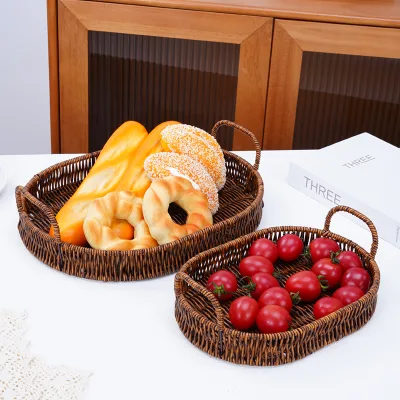
Handmade Rattan Woven Fruit Basket Natural Eco Friendly Snack Storage Decorative Basket
$0.289 - $0.98
MOQ: 1000 Pieces


Bo Bai Haosen Handicrafts Co., Ltd.
- Manufacturer, Trading Company
- Guangxi Zhuang Autonomous Region (gzar), China
- Lead time5 days
- Avg. response≤ 2h
Main productsPicnic Basket,Christmas Tree Decorations Base Stand Skirt,Bread Proofing Basket,Fruit Tray,Lampshades
Main marketsDomestic Market(33.00%), North America(33.00%), Oceania(20.00%), Mid East(14.00%)
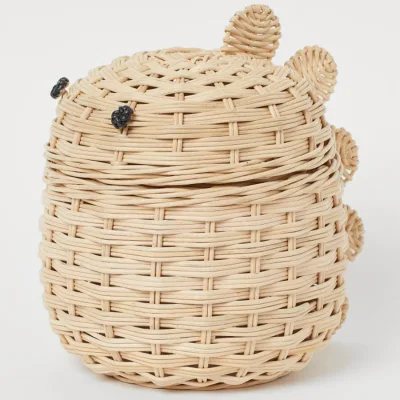
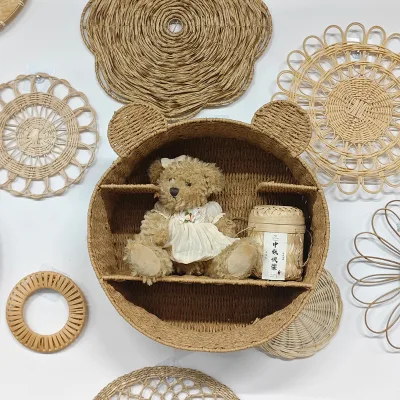
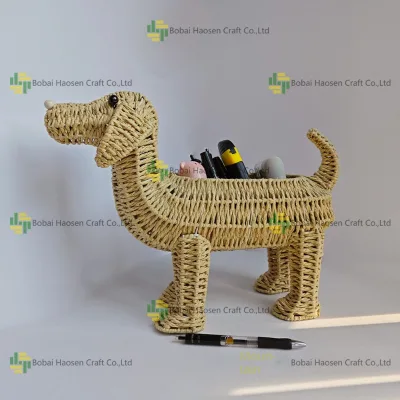
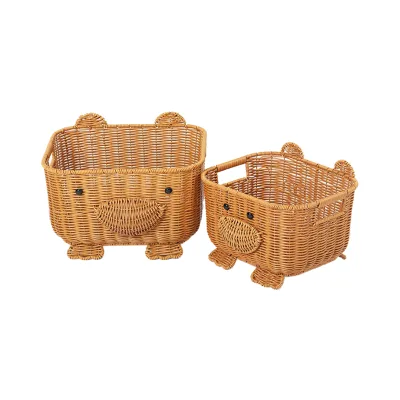
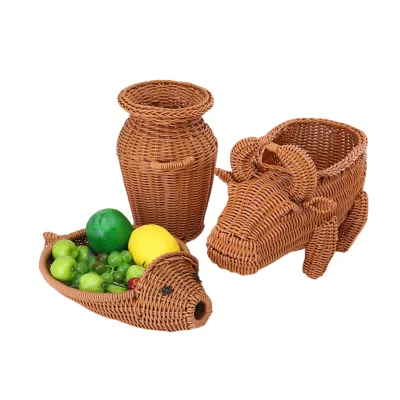
Hand-weaving Rattan Wall Hanging Basket Storage Basket Large Bear Shaped Basket
$9.00 - $10.00
MOQ: 200 pieces
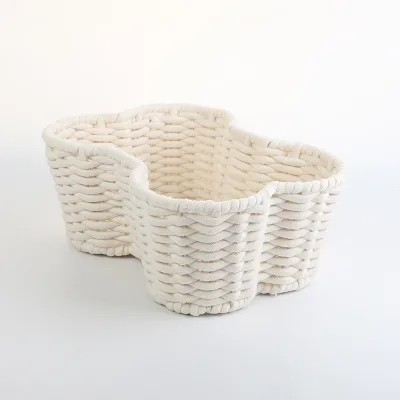
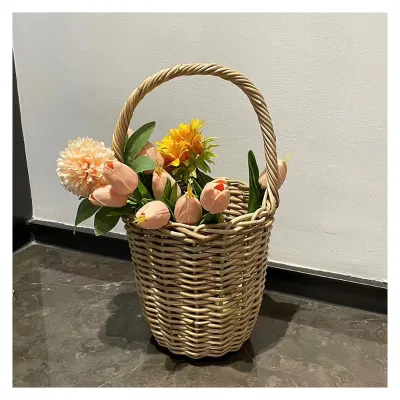

Qingdao Rainbow Packaging Co., Ltd.
- Verified by TUVRHEINLAND
- Combined
- China Shandong
- Lead time15 days
- Avg. response≤ 6h
Main productsPaper Box Gift Box Paper Bag, Storage Basket Laundry Basket, Post Carton Post Mailer, Shipping Cartons Gift Packaging, Tube Boxes Shredded Paper, Food Packaging, Labels & Stickers
Main marketsEast Asia(Japan/ South Korea),Europe,North America

- Verified by TUVRHEINLAND
- Trading Company
- China Zhejiang
- Lead time15 days
- Avg. response≤ 12h
Main productsWooden Toy, Outdoor Product, Kitchen Item, Personal Care Tool, Painting Set, Disk Rack, Yoga, Garden
Main marketsSouth America,Europe,North America


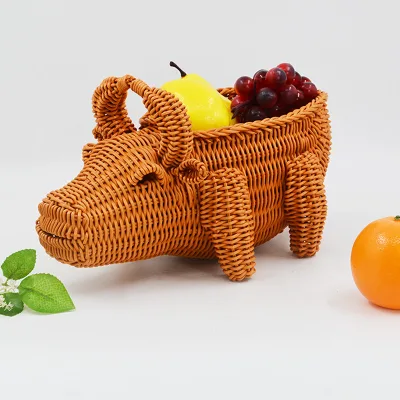
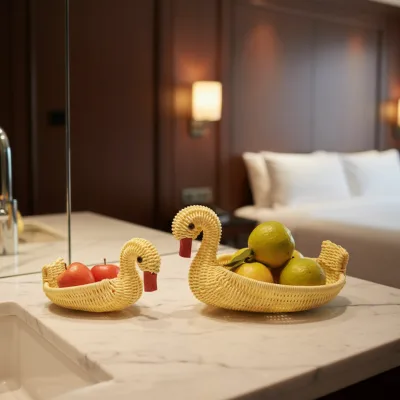
New Creative Hand-Woven Rattan Cartoon Animal Fruit Decorative Storage Basket
$3.98 - $4.39
MOQ: 1000 Pieces


Rattan Water Hyacinth Hand-Woven Round Storage Holder Basket with a Handle
$2.99 - $3.39
MOQ: 1000 Pieces

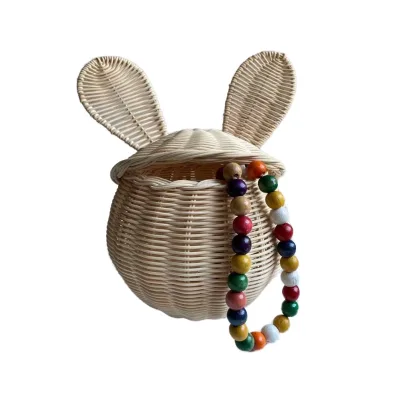
New Handmade Plastic Cartoon Round Rabbit Rattan Woven Storage Basket Storage Holder
$2.98 - $3.39
MOQ: 1000 Pieces
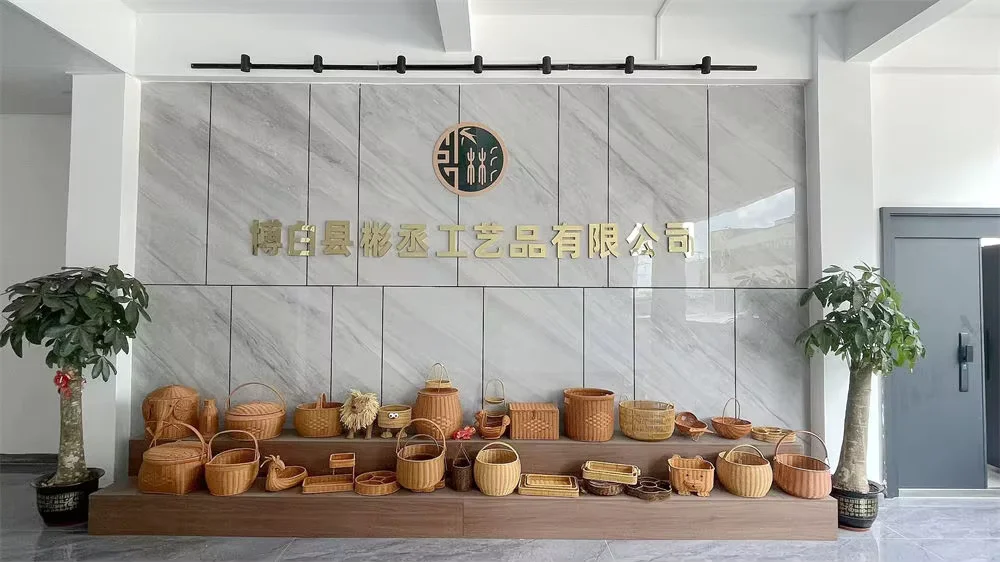
Bobai County Bincheng Crafts Co., Ltd.
- Manufacturer, Trading Company
- Guangxi, China
- Lead time20 days
- Avg. response≤ 4h
Main productsBread Basket,Bamboo Basket,Fermentation Basket,Rattan Basket,Rattan Lighting
Main marketsDomestic Market(50.00%), North America(10.00%), Mid East(10.00%), Southeast Asia(10.00%), Eastern Europe(10.00%), South America(10.00%)

Shandong Rope Technology Co., Ltd.
- Combined
- China Shandong
- Lead time30 days
- Avg. response≤ 5h
Main productsRope
Main marketsSoutheast Asia/ Mideast,Europe,North America

Xuzhou Risen Industry and Supply Co., Ltd
- Verified by TUVRHEINLAND
- Trading Company
- China Jiangsu
- Lead time30 days
- Avg. response≤ 4h
Main productsHousehold Adornment, Household Supplies, Home Decoration, Compressed Sofa, Dining Furniture, Bothroom Organizer, Kitchen Storage, Glass Ornaments, Ceramic Tableware, Home Fragrance
Main marketsSouth America
Caoxian Huashen Arts And Crafts Co., Ltd.
- Manufacturer, Trading Company
- Shandong, China
- Lead time30 days
- Avg. response≤ 1h
Main productsCustom Wooden Boxes,Wooden Storage Crates,Wooden Home Decor,Raised Garden Beds,Wooden Pet Furniture
Main marketsNorth America(35.00%), Western Europe(25.00%), Oceania(12.00%), Northern Europe(10.00%), Eastern Europe(8.00%), Eastern Asia(6.00%), Southeast Asia(4.00%)
Cao County Grandview Arts & Crafts Co., Ltd.
- Manufacturer, Trading Company
- Shandong, China
- Lead time20 days
- Avg. response≤ 5h
Main productskitchen knife rack,wooden trash bin,wooden frames,kitchen wall shelf,bathroom storage rack
Main marketsNorth America(35.00%), Western Europe(13.00%), South Asia(10.00%), Eastern Europe(7.00%), Mid East(7.00%), Southern Europe(5.00%), Domestic Market(5.00%), Eastern Asia(5.00%), Southeast Asia(5.00%), Northern Europe(4.00%), Oceania(2.00%), Africa(2.00%)
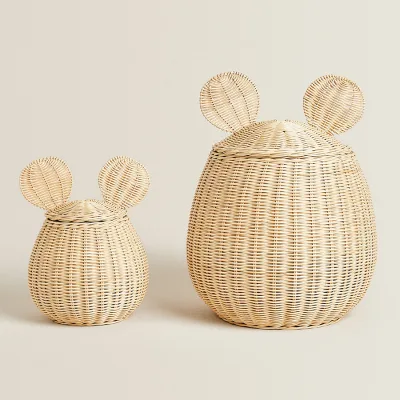
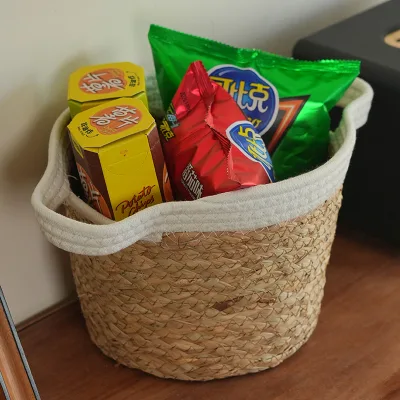
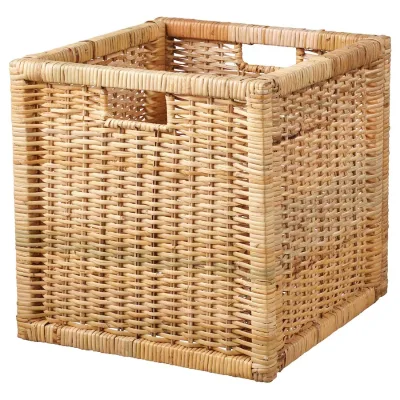
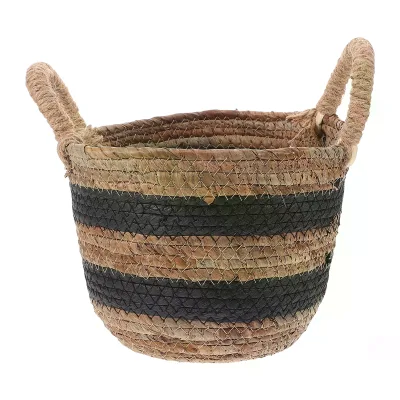
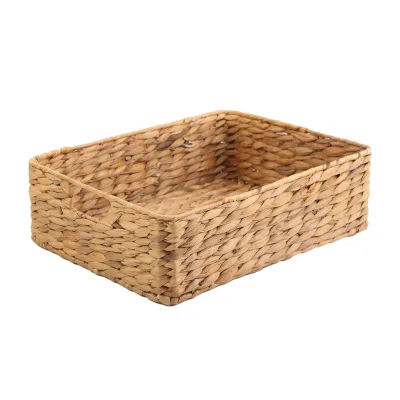
Handmade Modern Style Rectangle Foldable Rattan Storage Basket
MOQ: 200 Minimum

GP Toparts Manufacture (Anhui) Co., Ltd.
- Manufacturer, Trading Company
- Anhui, China
- Lead time30 days
- Avg. response≤ 8h
Main productsWillow Basket,Wooden Crafts,Storage Basket,Hanging Chair,Outdoor furniture
Main marketsWestern Europe(20.00%), Northern Europe(20.00%), Southern Europe(15.00%), Eastern Europe(11.00%), Mid East(10.00%), North America(5.00%), Southeast Asia(5.00%), Oceania(5.00%), South Asia(3.00%), Domestic Market(2.00%), Eastern Asia(1.00%), South America(1.00%), Central America(1.00%), Africa(1.00%)

Ningbo General Union Co., Ltd.
- Verified by BV
- Trading Company
- China Zhejiang
- Lead time30 days
- Avg. response≤ 10h
Main productsCleaning Brush, Bottle, Kitchenware, Storage Box, Outdoor, Pet, Fitness Equipment, Digital Devices, Camping, Pet Bottle
Main marketsSouth America,Africa,Southeast Asia/ Mideast,East Asia(Japan/ South Korea),Europe,Australia,North America
East Willow Arts & Crafts Co., Ltd.
- Manufacturer, Trading Company
- Shandong, China
- Lead time50 days
- Avg. response≤ 7h
Main productsWillow Basket,Grass Basket,Bamboo Basket,Metal Basket,Wooden Item
Main marketsEastern Europe(20.00%), Western Europe(20.00%), Mid East(20.00%), South America(10.00%), North America(10.00%), Southern Europe(10.00%), Africa(5.00%), Domestic Market(1.00%)

Ningbo Hongchuang Commodity Co., Ltd.
- Verified by SGS
- Trading Company,Manufacturer/Factory
- China Zhejiang
- Lead time45 days
- Avg. response≤ 9h
Main productsStorage, Home Decoration, Kitchenware, Housewares, Gifts & Crafts, Office & School, Beauty & Personal Care, Festival Items, Wooden Photo Frame, Garden Tools
Main marketsSouth America,Eastern Europe,Mid East,North America,Southeast Asia,Eastern Asia,Oceania,Western Europe,Africa


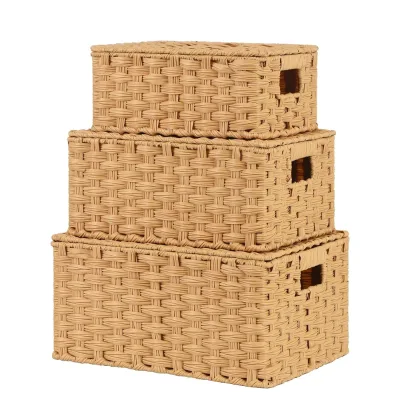
Wholesale Eco-Friendly Handwoven Rattan Fruit Shape Storage Basket with Lid for Home Storage
$5.99 - $12.99
MOQ: 500 Pieces

NINGBO BOHONGCHUANGYI INTERNATIONAL CO., LTD.
- Trading Company,Manufacturer/Factory
- China Zhejiang
- Lead time30 days
- Avg. response≤ 10h
Main productsWooden Photo Frame, Photo Frame, Wooden Box, PVC Photo Frame, Baby Toy, Plastic Photo Frame, Glass Photo Frame, Polyresin Photo Frame, Wooden Toy, Leather Frame
Main marketsSouth America,Eastern Europe,Mid East,North America,Southeast Asia,Eastern Asia,Oceania,Western Europe,Africa

Creative Shape Eco-Friendly Handwoven Rattan Storage Basket with Lid for Home Decor
$5.99 - $12.99
MOQ: 1000 Pieces

Square Shape Eco-Friendly Handwoven Faux Rattan Storage Basket for Home Decor
$5.99 - $12.99
MOQ: 1000 Pieces

Creative Shape Eco-Friendly Handwoven Water Hyacinth Storage Basket for Home Decor
$5.99 - $12.99
MOQ: 1000 Pieces
Nanning Lanshige Home Furnishing Technology Co., Ltd.
- Trading Company
- Guangxi, China
- Lead time7 days
- Avg. response≤ 4h
Main productsStorage Box,seaweed basket,woodchip basket,bamboo basket,storage basket
Main marketsNorth America(35.00%), Western Europe(30.00%), Eastern Europe(20.00%), Domestic Market(5.00%), Mid East(5.00%), South America(2.00%), Southeast Asia(2.00%), Africa(1.00%)
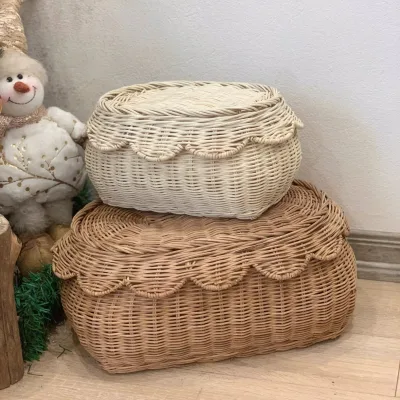
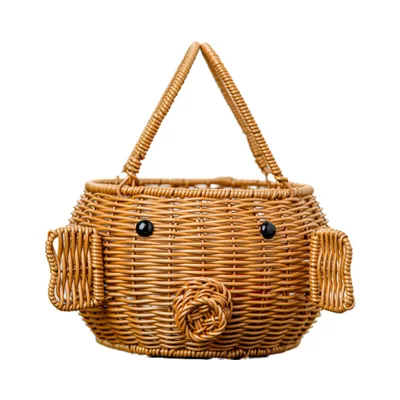
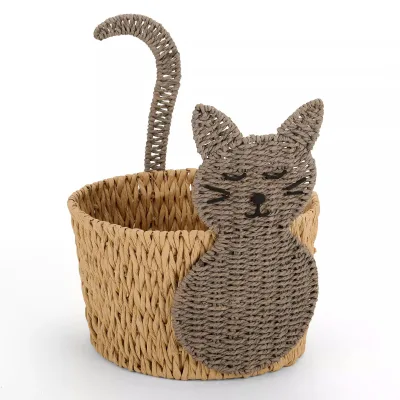
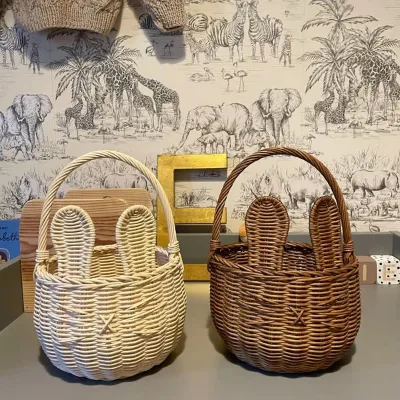
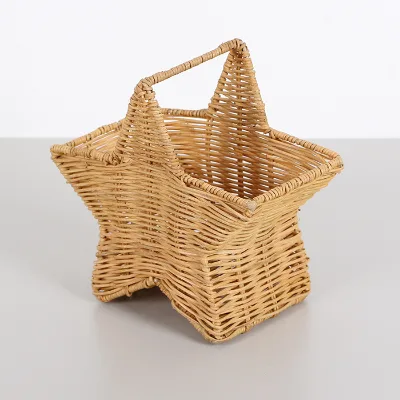
$7.8473 - $8.2604
MOQ: 100 pieces
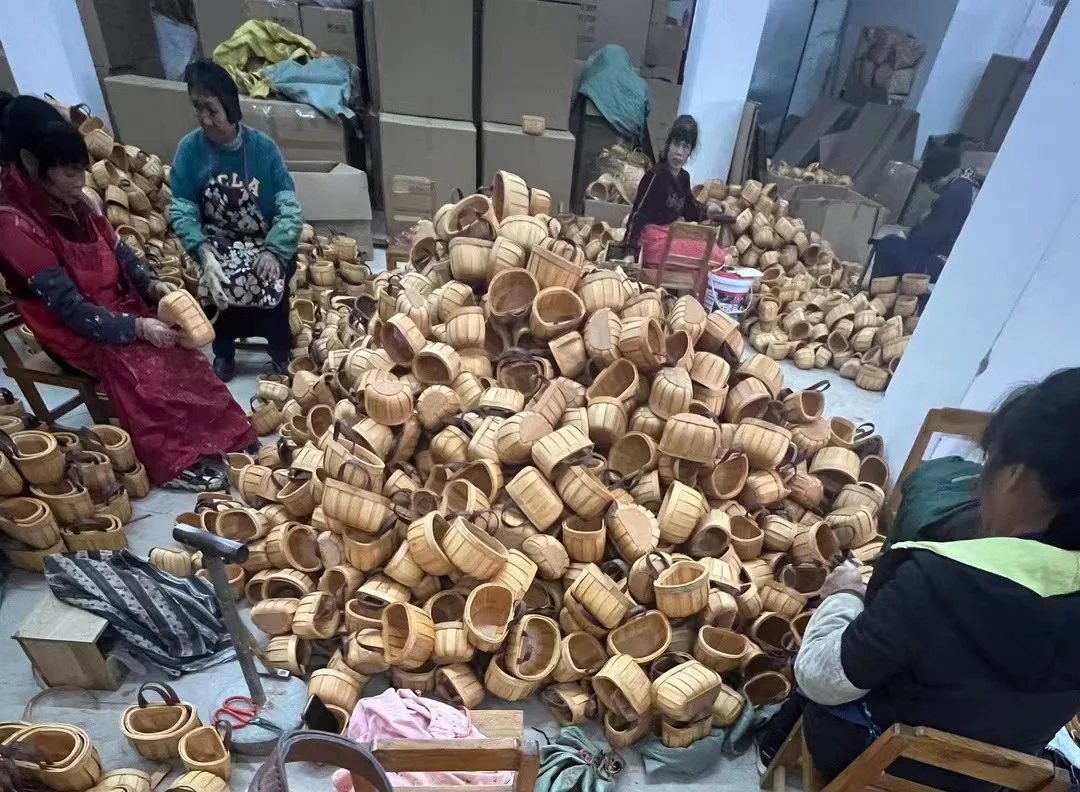
Guangxi Bobai Huangtu Arts & Crafts Co., Ltd.
- Verified by Intertek
- Manufacturer, Trading Company
- Lead time50 days
- Avg. response≤ 2h
Main productsRattan Baskets, Seagrass Baskets, Water Hyacinth Baskets, Bamboo Baskets, Rattan Home Decor
Main marketsNorth America(50%), Domestic Market(20%), Southeast Asia(10%)
Nanning Holame Home Tech Co., Ltd.
- Manufacturer, Trading Company
- Guangxi, China
- Lead time30 days
- Avg. response≤ 2h
Main productsGift Baskets,Rattan Products,Bamboo Products,Wood Products,Kitchenware
Main marketsNorth America(50.00%), Western Europe(10.00%), Oceania(10.00%), Southern Europe(9.00%), Africa(8.00%), Mid East(6.00%), Northern Europe(5.00%), Eastern Europe(2.00%)

Jiashan Vega Display Co., Ltd.
- Verified by SGS
- Trading Company
- China Zhejiang
- Lead time15 days
- Avg. response≤ 2h
Main productsData Strip, Plastic Divider, Candy Box, Plastic Pusher, Gravity Bin, Acrylic Table Holder, Sign Holder, Shelf Pusher, Label Tag, Food Dispenser
Main marketsSoutheast Asia/ Mideast
Shenzhen J-He Industrial Co., Limited
- Trading Company
- Lead time旺季: "1 - 10":7,"11 - 100":14,"> 100":"To be negotiated", 淡季: "1 - 10":7,"11 - 100":14,"> 100":"To be negotiated"
- Avg. response≤ 3h
Main productspreserved flower,Eternal flower,artificial flower,rose bear,Depilator

Deqing Mountlume International Trading Co., Ltd.
- Verified by TUVRHEINLAND
- Trading Company,Manufacturer/Factory
- China Zhejiang
- Lead time45 days
- Avg. response≤ 5h
Main productsBasket, Plastic Container, Lunch Bag, Kitchenware, Silicon Utensil, Lunch Box, Ice Pack, Kitchen Accessories, Storage Tub, Storage Bin
Main marketsSouth America,Eastern Europe,Mid East,North America,Southeast Asia,Eastern Asia,Oceania,Western Europe,Africa


Handmade Seagrass Storage Basket with Handles for Kitchen Home Pantry Bathroom
$2.00 - $6.00
MOQ: 100 Pieces


Handwoven Wicker Pantry Basket with Built-in Handles for Organizing Storage
$2.00 - $6.00
MOQ: 100 Pieces
Guangxi Pingnan Baoma Arts & Crafts Co., Ltd.
- Manufacturer, Trading Company
- Guangxi, China
- Lead time35 days
- Avg. response≤ 2h
Main productsbamboo basket,wood basket,rattan basket,seagrass basket,willow basket
Main marketsMid East(30.00%), Northern Europe(30.00%), Western Europe(20.00%), Domestic Market(10.00%), South America(5.00%), North America(5.00%)

Yiwu Yiqiu Import And Export Co., Ltd.
- Trading Company
- Zhejiang, China
- Lead time0 days
- Avg. response≤ 3h
Main productsDrinkware,Party & Holiday Supplies,Blankets & Throws,Kitchen Storage,Other Promotional & Business Gifts
Main marketsCentral America(25.00%), South America(25.00%), North America(25.00%), Eastern Europe(20.00%), Northern Europe(5.00%)

- Verified by SGS
- Trading Company
- China Zhejiang
- Lead time15 days
- Avg. response≤ 3h
Main productsWooden Toy, Kids Play Tent, Fabric, Craft, Pet Supply, Kids Toy, Light, Camping Tent, Outdoor Desk, Daily Necessities
Main marketsAustralia

Natural Rattan Woven Dirty Clothes Storage Basket Household Laundry Rattan Woven Basket
$16.00 - $20.00
MOQ: 5 Pieces

Rattan Vegetable Basket Outdoor Camping Picnic Basket Egg Storage Basket
$13.00 - $16.00
MOQ: 5 Pieces

Floor Storage Basket Rattan Woven Tabletop Toys Snacks Sundry Sortingstorage Box
$22.00 - $24.00
MOQ: 5 Pieces


Linyi Hengyibo Arts and Crafts Co., Ltd.
- Verified by SGS
- Manufacturer
- China Shandong
- Lead time60 days
- Avg. response≤ 18h
Main productsWillow Handmade Picnic Basket
Main marketsSoutheast Asia/ Mideast,Europe,Australia,North America






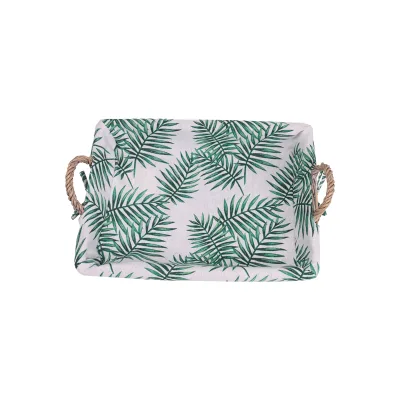
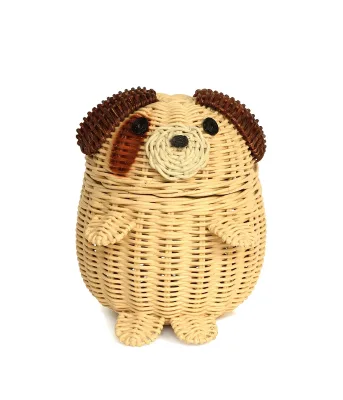
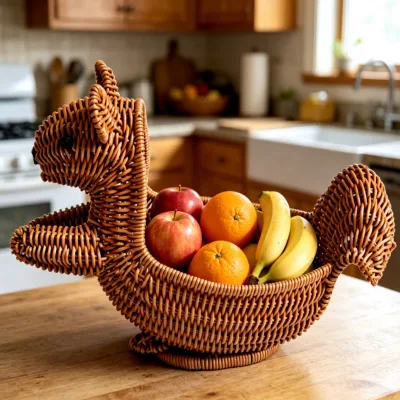
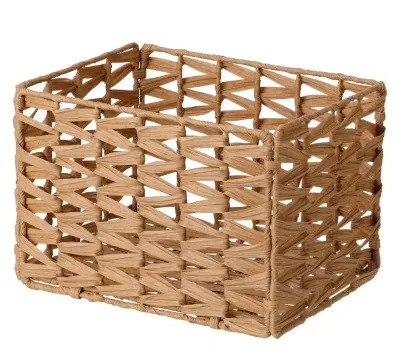
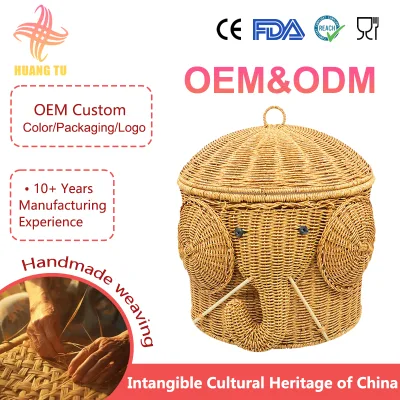
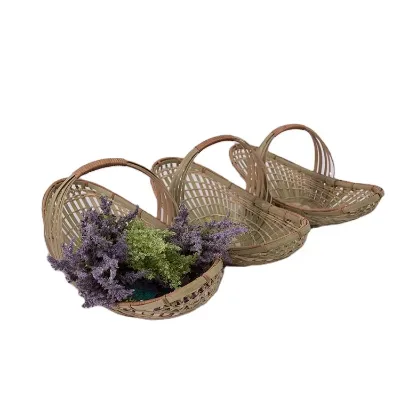
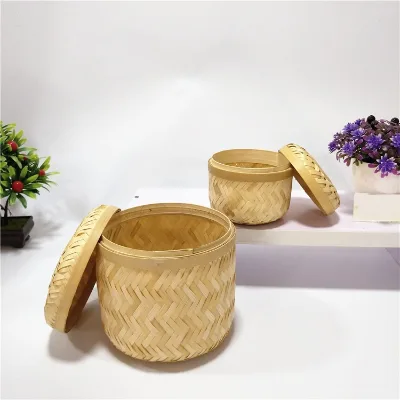
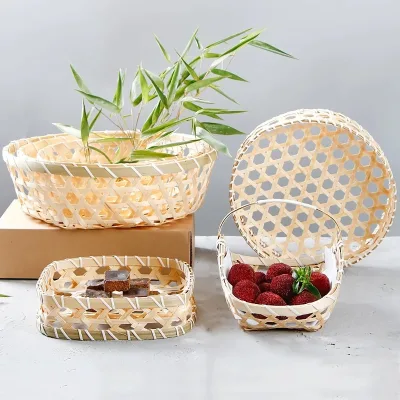


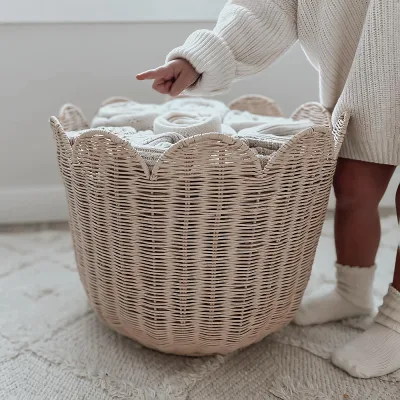
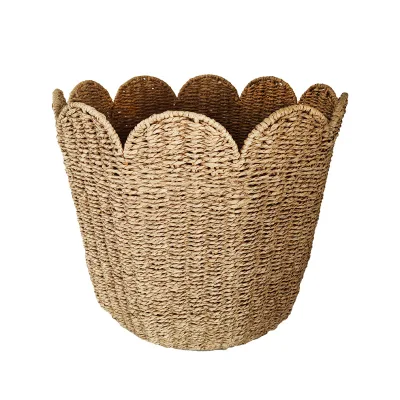
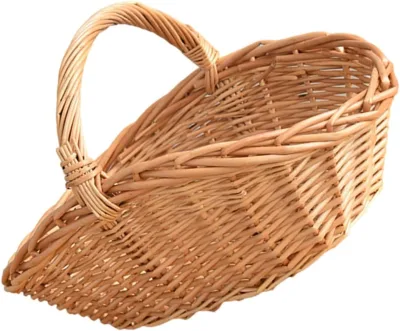
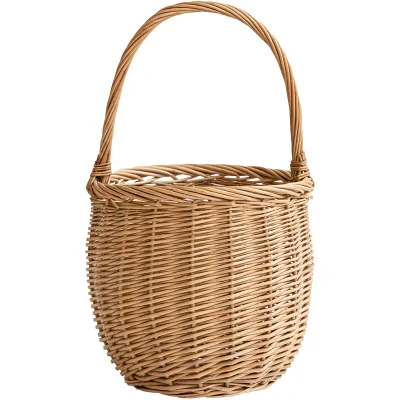


Comprehensive Sourcing Guide
Handwoven Eco-Friendly Cattail Storage Basket Supplier Concentration and Factory Types
The sourcing landscape for handwoven eco-friendly cattail storage baskets reveals a distinct concentration of manufacturing activity within specific Chinese provinces, with Shandong emerging as a primary hub for this category. Suppliers located in Shandong, China, often operate as either manufacturers or trading companies, offering a dual advantage of direct production capabilities and flexible supply chain management. This regional clustering is significant because it indicates a mature ecosystem where raw material sourcing, skilled labor, and logistics infrastructure are already established for woven goods. Buyers evaluating suppliers should recognize that this geographic concentration allows for more efficient communication and potentially faster sample iterations, as the entire production chain is localized. The presence of both manufacturer and trading company types in this region suggests that buyers can choose between direct factory engagement for better margin control or trading companies for consolidated sourcing and reduced administrative overhead.
In addition to Shandong, other regions like Yunnan contribute to the diversity of available suppliers, particularly those specializing in bamboo and rattan products, which often overlap with cattail weaving techniques. While Shandong suppliers frequently list main products such as storage baskets, seasonal items, and home decorations, Yunnan-based entities may emphasize bamboo crafts and natural weaving, indicating a broader range of material expertise. This variation in supplier types and regional focus means that buyers must carefully assess whether a supplier’s core competencies align with their specific product requirements. For instance, a supplier in Shandong might excel in standardized, high-volume production of rectangular storage baskets, while a supplier in Yunnan might offer more intricate, artisanal designs using mixed natural fibers. Understanding these distinctions helps buyers identify the right partner for their volume and quality expectations, ensuring that the supplier’s operational model matches their business needs without overcomplicating the sourcing process.
How to Verify Handwoven Eco-Friendly Cattail Storage Basket Suppliers
Verifying the legitimacy and capability of handwoven eco-friendly cattail storage basket suppliers requires a multi-layered approach that goes beyond basic profile reviews. Buyers should prioritize suppliers who display clear verification badges, such as SGS certification, which provides an independent assessment of the supplier’s operational standards and product quality. This verification is crucial for ensuring that the supplier meets international safety and quality benchmarks, particularly when exporting to markets with strict regulatory requirements. Additionally, buyers should examine the supplier’s response time, as a quick and professional reply often indicates a well-organized team that can handle inquiries and order modifications efficiently. A response time of two to three days is a reasonable benchmark, suggesting that the supplier is actively managing their pipeline and is accessible for critical communications.
Beyond verification badges and response speeds, buyers must scrutinize the supplier’s product attributes and certifications to ensure compliance with specific market standards. For example, some suppliers may offer CPSC CPC support, which is essential for selling children’s products or items that may come into contact with children in the US market. Buyers should also look for evidence of designer design services and the number of designers employed, as this indicates the supplier’s ability to innovate and customize products according to specific brand requirements. Furthermore, checking for FBA First Leg support is vital for Amazon sellers, as it ensures that the supplier can handle the complex logistics of delivering goods directly to Amazon fulfillment centers. By combining these verification steps, buyers can build a robust profile of each supplier, reducing the risk of partnering with unreliable entities and ensuring a smoother procurement process.
What to Compare Across Handwoven Eco-Friendly Cattail Storage Basket Suppliers
When comparing suppliers, buyers should focus on key operational metrics such as lead time, minimum order quantity (MOQ), and pricing structures to determine the best fit for their business model. Lead times can vary significantly, with some suppliers offering delivery times of 25 to 30 days, while others may require up to 45 days for production. This variation is critical for inventory planning, especially for buyers with tight deadlines or seasonal demand spikes. Similarly, MOQs can range from 300 pieces to custom quantities based on the specific content of the order, allowing buyers to negotiate terms that align with their initial market testing or large-scale distribution needs. Understanding these parameters helps buyers avoid unexpected delays or excessive inventory costs, ensuring that their supply chain remains agile and responsive.
Pricing and customization options are also essential factors in supplier comparison, as they directly impact profitability and product differentiation. Prices for handwoven cattail storage baskets can range from approximately $1.50 to $5.30 per unit, depending on the complexity of the design, material quality, and order volume. Buyers should also evaluate the supplier’s willingness to offer customized services, such as logo printing, color variations, and size adjustments, which can enhance brand identity and market appeal. Additionally, checking the supplier’s main products and product evidence can provide insights into their versatility and expertise. For instance, a supplier that also produces wooden boxes or garden planters may have a broader range of material handling skills, which could be beneficial for buyers looking to diversify their product offerings. By systematically comparing these attributes, buyers can make informed decisions that balance cost, quality, and flexibility.
Common Handwoven Eco-Friendly Cattail Storage Basket Sourcing Risks
One of the primary risks in sourcing handwoven eco-friendly cattail storage baskets is the potential inconsistency in product quality and dimensions, which can lead to customer dissatisfaction and returns. Buyers should be aware that natural materials like cattail and seagrass may vary in texture, color, and strength, making it challenging to maintain uniformity across large orders. To mitigate this risk, buyers should request detailed specifications, including dimensional tolerances such as <±5mm for size and <±1% for weight, and ensure that the supplier has robust quality control processes in place. Additionally, buyers should verify the supplier’s ability to provide samples that match the final production quality, as this is a critical step in validating the supplier’s capabilities before committing to a large order.
Another significant risk is the potential for delays in production and delivery, which can disrupt supply chains and impact sales. Buyers should carefully review the supplier’s lead times and delivery schedules, ensuring that they align with their inventory planning and market launch timelines. It is also important to consider the supplier’s response time and communication efficiency, as poor communication can exacerbate delays and lead to misunderstandings regarding order specifications. Furthermore, buyers should be cautious of suppliers who do not offer clear INCOTERMS or logistics support, as this can complicate shipping and customs clearance processes. By identifying and addressing these risks early in the sourcing process, buyers can establish stronger partnerships with suppliers and ensure a more reliable and predictable supply chain.
Handwoven Eco-Friendly Cattail Storage Basket Regional Sourcing and Logistics
Sourcing handwoven eco-friendly cattail storage baskets from regional hubs like Shandong and Yunnan offers logistical advantages due to the established infrastructure for woven goods and natural materials. Suppliers in these regions are often well-versed in international shipping requirements and can provide support for various INCOTERMS, including EXW, FOB, DAP, and DDP, allowing buyers to choose the most suitable shipping arrangement for their needs. This flexibility is particularly beneficial for buyers who want to manage their own logistics or prefer a turnkey solution where the supplier handles the entire shipping process. Additionally, the proximity of these regions to major ports and transportation networks can reduce transit times and costs, making it easier for buyers to maintain competitive pricing and timely deliveries.
However, buyers must also consider the environmental and ethical implications of sourcing from these regions, as the use of natural materials like cattail and bamboo raises questions about sustainability and responsible sourcing. Buyers should verify that their suppliers adhere to eco-friendly practices and have certifications that confirm the sustainable harvesting of raw materials. This is particularly important for brands that prioritize environmental responsibility and want to communicate their commitment to sustainability to their customers. By choosing suppliers who demonstrate a strong commitment to eco-friendly practices, buyers can enhance their brand image and appeal to environmentally conscious consumers. Furthermore, understanding the regional logistics landscape helps buyers optimize their supply chain, ensuring that they can meet market demands efficiently while minimizing their environmental footprint.
Handwoven Eco-Friendly Cattail Storage Basket Commercial Terms and Order Planning
Effective order planning for handwoven eco-friendly cattail storage baskets requires a clear understanding of commercial terms, including payment structures, sample policies, and customization options. Buyers should negotiate favorable payment terms that align with their cash flow needs, such as partial payments upfront and the balance upon shipment, to mitigate financial risk. Additionally, buyers should inquire about sample times and costs, as these can impact the overall timeline and budget of the project. A sample time of 7-10 days is typical, but buyers should confirm whether samples are free or charged, and whether the cost is deductible from the final order. This information helps buyers plan their product development and launch schedules more accurately, ensuring that they have sufficient time for testing and approval.
Customization options are another critical aspect of commercial terms, as they allow buyers to differentiate their products in a competitive market. Buyers should explore the supplier’s capabilities for logo printing, color customization, and size adjustments, ensuring that these options are clearly defined in the contract. Furthermore, buyers should verify the supplier’s ability to handle OEM and ODM requests, which can provide greater flexibility in product design and branding. By establishing clear commercial terms and customization options, buyers can build a strong foundation for a successful partnership with their suppliers, ensuring that their products meet market demands and brand standards. This proactive approach to order planning helps buyers avoid misunderstandings and ensures a smooth transition from sampling to mass production.
FAQs
What is the typical lead time for these baskets?
Manufacturers in Shandong, China, generally require 25 to 30 days for production. Some suppliers offer a delivery window of 30-45 days depending on order volume. Buyers should confirm specific timelines with the supplier before placing bulk orders to ensure timely delivery.
What is the minimum order quantity for custom baskets?
The standard minimum order quantity is 300 pieces for many suppliers. However, some manufacturers state that the MOQ depends on customized content, requiring direct inquiry. Buyers seeking smaller quantities should contact suppliers directly to negotiate flexible terms for their specific needs.
Are these storage baskets eco-friendly and durable?
Yes, these baskets are made from natural materials like cattail, seagrass, and plant fiber, making them eco-friendly. They are described as durable and multifunctional, suitable for laundry, kitchen, or living room storage. The rustic or modern styles add aesthetic value while maintaining practical utility.
What is the price range for wholesale orders?
Prices typically range from $1.50 to $5.30 per unit depending on size and customization. Basic models start around $1.50, while complex woven designs may cost up to $5.30. Buyers should request quotes based on their specific size and color requirements for accurate pricing.
Can I get a sample before placing a bulk order?
Suppliers generally offer samples with a lead time of 7-10 days. Buyers can customize samples by pictures or request specific materials and colors. It is advisable to confirm sample costs and shipping details with the supplier to ensure the final product meets your quality expectations.
Do suppliers support OEM and ODM services?
Many manufacturers accept OEM and ODM requests, allowing for customized logos, colors, and sizes. Some suppliers provide designer design services with a team of six people. Buyers can specify materials, decorations, and packing requirements to create unique products tailored to their brand identity.