herbal anti-aging face cream Suppliers and Manufacturers
Compare 33 verified herbal anti-aging face cream suppliers by location, response time, and certifications. Review product features like GMP and OEM capabilities, then request samples to verify quality before placing orders; review the available evidence before requesting comparable quotations from suitable candidates.
Updated
Suppliers List

Guangzhou Mebamy Cosmetics Co., Ltd.
- Verified by TUVRHEINLAND
- Manufacturer/Factory
- China Guangdong
- Lead time15 days
- Avg. response≤ 2h
Main productsFace Serum, Soap, Face Cream, Sunscreen, Eyelash Growth Serum, Teeth Whitening, Face Mask, Facial Cleanser, Essential Oil, Hair Care Series
Main marketsNorth America,Western Europe

Guangzhou Aifujia Biotechnology Co., Ltd.
- Trading Company
- China Guangdong
- Lead time15 days
- Avg. response≤ 5h
Main productsFace Cream, Face Serum, 24K Serum, Rose Spray, Vitamin C Serum, Skin Care Set, Essential Oil, Facial Mask, Face Lotion, Anti Aging Whitening Face Cream
Main marketsSoutheast Asia/ Mideast,Europe,North America

Face Cream Women Korean Anti-Aging Anti-Wrinkle Face Cream Herbal Beauty
$1.42 - $2.82
MOQ: 500 Pieces

$2.39 - $3.19
MOQ: 100 Pieces


Factory Anti-Aging, Anti-Wrinkle, Moisturizing Collagen Face Cream for Skin Whitening
$2.40 - $2.80
MOQ: 1000 Pieces


Hot Natural Beauty Day and Night Herbal Extract Skin Whitening Face Cream
$1.25 - $3.99
MOQ: 100 Pieces

Guangzhou Kanglixin Medical Biotechnology Co, Ltd.
- Verified by BV
- Combined
- China Guangdong
- Lead time30 days
- Avg. response≤ 10h
Main productsSkin Care Products, Body Care, Hair Care Products, Makeup, Men's Care Products, Ferminine Care Products, Serum, Facial Mask, Face Cream, Scrub
Main marketsSouth America,Africa,Southeast Asia/ Mideast,East Asia(Japan/ South Korea),Domestic,Europe,North America

Men Face Moisturizer Cream Anti Age Whitening Cream Anti Aging for Men Anti Aging Face Cream
$2.20 - $2.50
MOQ: 1000 pieces

$2.20 - $2.50
MOQ: 1000 pieces

Skin Care Anti-Aging Anti Aging Moisturizing Hyaluronic Acid Collagen Retinol Face Night Cream
$2.20 - $2.50
MOQ: 1000 pieces

Private Label Custom Organic Retinol Anti Aging Moisturizing Brightening Face Cream
$1.50 - $2.00
MOQ: 5000 pieces

OEM Private Label Skin Care Anti Aging Cream Tightening Vitamin C Repair Face Cream
$2.00 - $3.00
MOQ: 1000 pieces

Wholesale Natural Beauty Moisturizer Anti-Aging Skin Care Lightening Face Cream Lotion
$1.50 - $2.00
MOQ: 5000 pieces
Shanxi Ashley Bio-Tech Co., Ltd.
- Verified by Intertek
- Trading Company
- Lead time0 days
- Avg. response≤ 8h
Main productsUnderwear
Main marketsNorth America(70%), Mid East(15%), South Asia(15%)
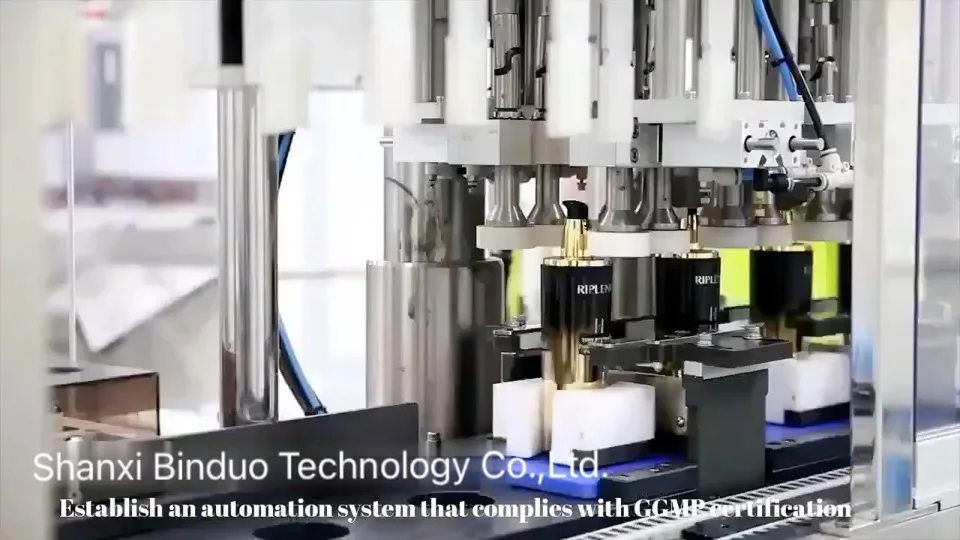
Shanxi Binduo Technology Co., Ltd.
- Trading Company
- Shanxi, China
- Lead time7 days
- Avg. response≤ 7h
Main productsSkin care,cosmetic,health Care,make up tool,Hair Care
Main marketsNorth America(35.00%), Western Europe(12.00%), Southeast Asia(10.00%), Central America(10.00%), Eastern Europe(5.00%), Mid East(5.00%), Northern Europe(5.00%), South America(5.00%), Southern Europe(3.00%), Africa(3.00%), South Asia(2.00%), Eastern Asia(2.00%), Oceania(2.00%), Domestic Market(1.00%)
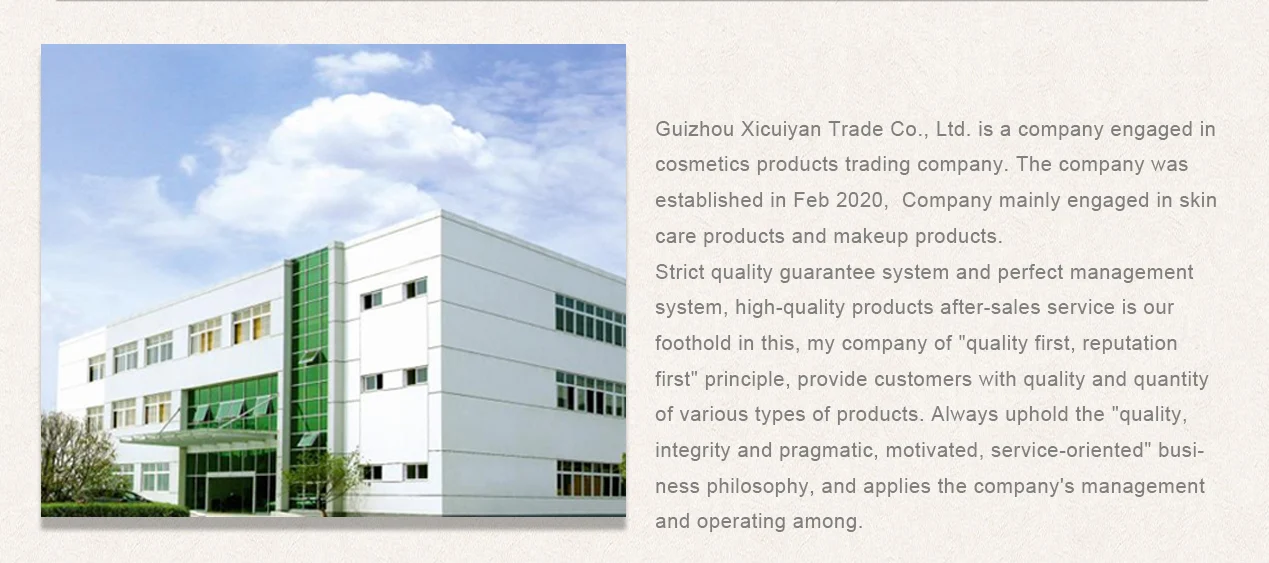
Guizhou Xicuiyan Trade Co., Ltd.
- Trading Company
- Guizhou, China
- Lead time0 days
- Avg. response≤ 1h
Main productsskin care products,makeup product,beauty tools,sex products,daily product
Main marketsAfrica(28.00%), North America(23.00%), Mid East(8.00%), Central America(6.00%), Northern Europe(5.00%), Southeast Asia(5.00%), South Asia(5.00%), Oceania(4.00%), Southern Europe(3.00%), Eastern Europe(3.00%), Domestic Market(3.00%), South America(3.00%), Eastern Asia(2.00%), Western Europe(2.00%)
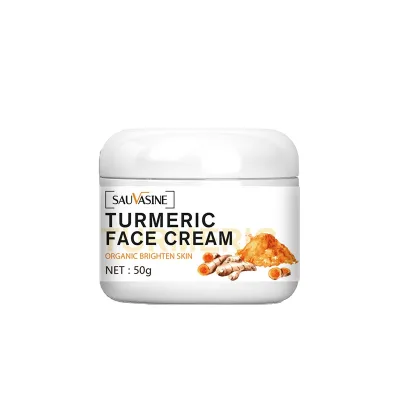
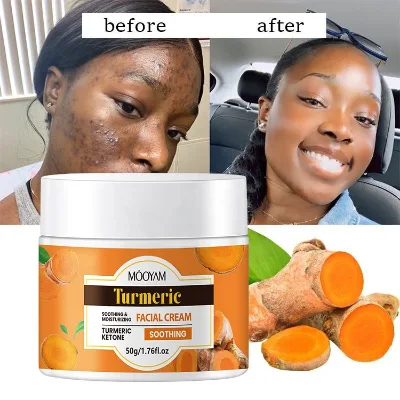
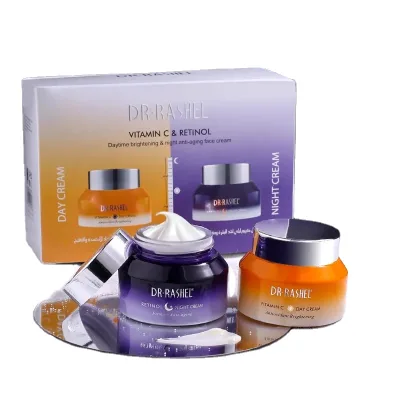
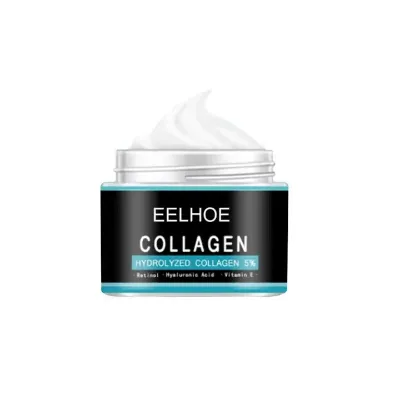
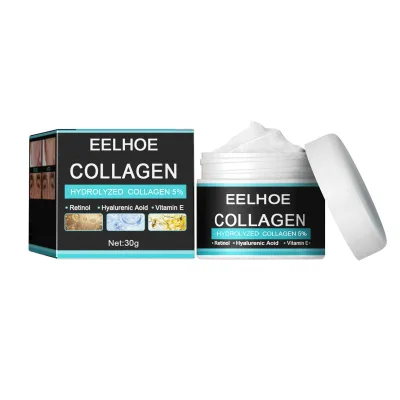
High Quality Organic Men's Herbal Moisturizing Cream ODM/OEM Private Label Various Skin Types
$0.5973 - $0.9057
MOQ: 12 pieces

HUEY-SHYUA INTERNATIONAL ENTERPRISE CO., LTD.
- Trading Company
- Taiwan, China
- Lead time5 days
- Avg. response≤ 3h
Main productsSkin Care Products,Skin Chemical Peeling for face,Whitening Cream,Face Mask,Private Label Skin Care
Main marketsDomestic Market(50.00%), Northern Europe(17.00%), Southeast Asia(8.00%), Eastern Europe(7.00%), Oceania(6.00%), North America(4.50%), Western Europe(2.00%), Southern Europe(2.00%), South Asia(1.00%), South America(0.80%), Eastern Asia(0.50%), Africa(0.50%), Central America(0.50%), Mid East(0.20%)
Guangzhou BiRou Biotechnology Co., Ltd.
- Manufacturer, Trading Company
- Guangdong, China
- Lead time20 days
- Avg. response≤ 14h
Main productsshampoo,Shower Gel,Hair mask,pomade,Facial Cleanser
Main marketsNorth America(30.00%), South America(20.00%), Western Europe(15.00%), Eastern Europe(15.00%), Africa(10.00%), Mid East(10.00%)
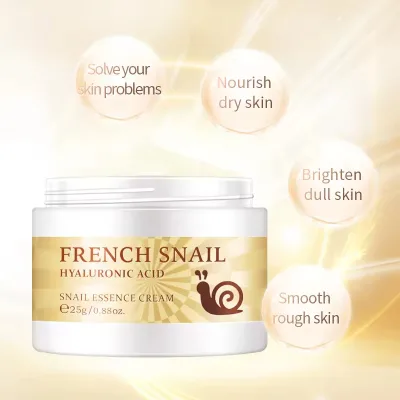
Face Cream Repair Anti-aging Moisturizing Repairing Whitening Organic Snail Cream with Logo
$1.80 - $3.00
MOQ: 1000 pieces
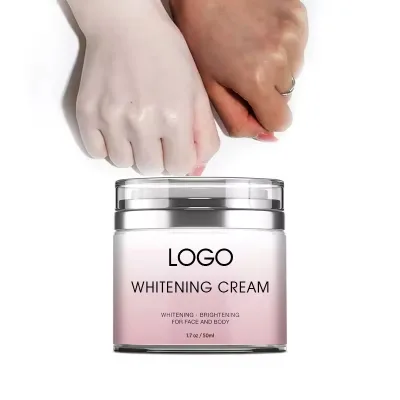
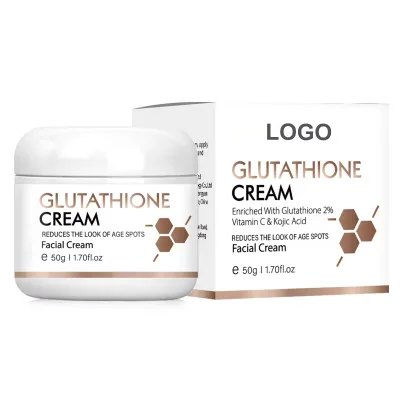
Face Whitening Cream Face Glutathio Skin Brightening Remove Dark Spots Organic Hydrating Face Cream
$3.80 - $5.50
MOQ: 1000 pieces
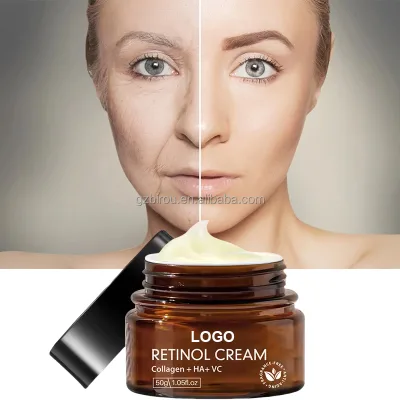
$2.00 - $3.50
MOQ: 1000 pieces
Guangzhou Defu Cosmetics Co., Ltd.
- Manufacturer, Trading Company
- Guangdong, China
- Lead time35 days
- Avg. response≤ 8h
Main productsFace Care, Body Care,Skin Care Set, Men Care, Make Up
Main marketsDomestic Market(35.00%), North America(15.00%), Mid East(10.00%), South Asia(5.00%), South America(5.00%), Oceania(5.00%), Western Europe(5.00%), Southern Europe(5.00%), Northern Europe(5.00%), Eastern Europe(5.00%), Southeast Asia(5.00%)
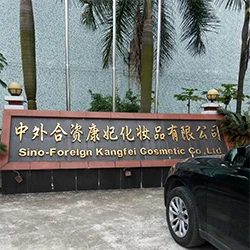
Guangzhou Kangfei Cosmetics Co., Ltd.
- Manufacturer, Trading Company
- Guangdong, China
- Lead time30 days
- Avg. response≤ 21h
Main productsFacial masks,Hair Care products,Nail Polishing Products,Make-up Products,Body care products
Main marketsNorth America(30.00%), Mid East(10.50%), Western Europe(10.00%), Northern Europe(10.00%), Eastern Europe(10.00%), Southeast Asia(5.50%), Central America(5.00%), Africa(5.00%), Domestic Market(5.00%), South America(5.00%), Eastern Asia(1.00%), South Asia(1.00%), Southern Europe(1.00%), Oceania(1.00%)

Guangzhou Shiruoni Cosmetics Co., Ltd.
- Trading Company,Manufacturer/Factory,Group Corporation
- China Guangdong
- Lead time15 days
- Avg. response≤ 6h
Main productsSkin Care, Jelly Mask, Face Serum, Face Toner, Face Cream, Facial Mask, Sunscreen, Face Cleanser, Soap, Skin Care Set
Main marketsSouth America,Eastern Europe,Mid East,North America,Southeast Asia,Eastern Asia,Oceania,Western Europe,Africa

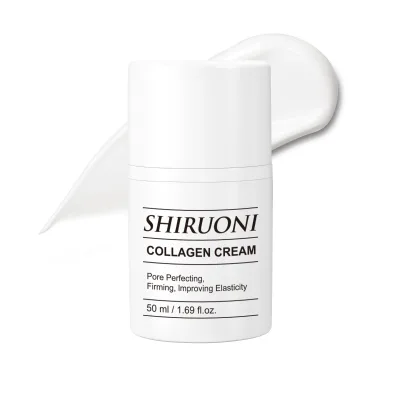
Private Label Anti Aging Reduce Wrinkle Moisturizing Firming Face Cream
$0.80 - $2.20
MOQ: 1000 Pieces


Turmeric Cream Anti-Acne Moisturizing Brightening Face Lightening Cream
$2.35 - $2.65
MOQ: 1000 Pieces

Private Label Natural Vitamin C Cream Anti-Aging Not Greasy Whitening Lightweight Face Cream
$0.90 - $1.20
MOQ: 1000 Pieces

Shenzhen Beauty Swan Tech Co., Limited
- Verified by TüVRheinland
- Trading Company
- Lead time0 days
- Avg. response≤ 2h
Main productsLipgloss, Foundation, Face Serum, Face Mask, Facial Cleanser
Main marketsNorth America(50%), Africa(20%), South America(10%)
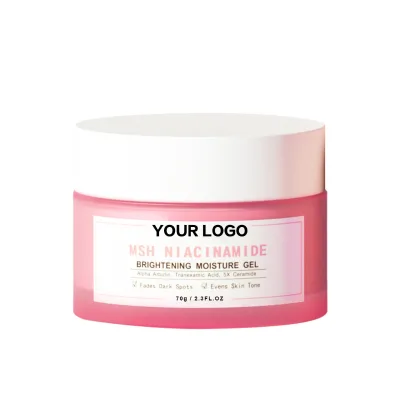
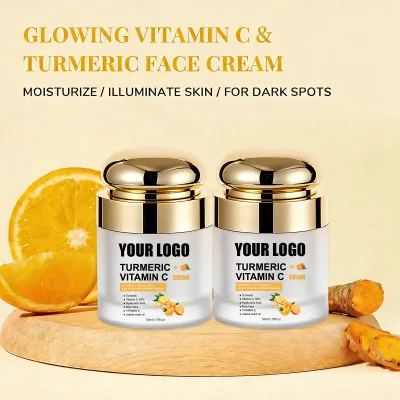
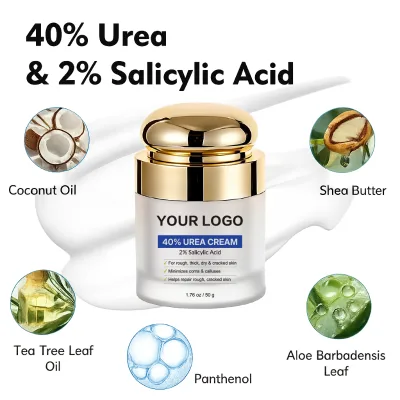
$2.8518 - $3.5644
MOQ: 1 pieces

Meiji Cosmetic Company Limited
- Verified by BV
- Combined
- China Guangdong
- Lead time15 days
- Avg. response≤ 3h
Main productsCosmetic Production, Lotion, Facial Mask, Cream, Serum
Main marketsDomestic,Europe
Guangzhou Danting Bath&body Care Industry Co., Ltd.
- Verified by Intertek
- Manufacturer, Trading Company
- Lead time7 days
- Avg. response≤ 3h
Main productsShampoo, Facial Cleanser, Face Cream, Bath Bomb, Body Scrub
Main marketsNorth America(60%), Domestic Market(15%), Western Europe(13%)
Shaanxi Imika Biotech Co., Ltd.
- Trading Company
- Shaanxi, China
- Lead time15 days
- Avg. response≤ 3h
Main productsBeauty equipment,Skin care products,Cosmetics,Oral care,Nail supplies
Main marketsWestern Europe(10.00%), Southern Europe(10.00%), Central America(10.00%), Oceania(10.00%), Northern Europe(10.00%), Southeast Asia(10.00%), Eastern Europe(10.00%), South America(10.00%), North America(10.00%), Mid East(5.00%), Africa(2.00%), Domestic Market(1.00%), South Asia(1.00%), Eastern Asia(1.00%)
Guangzhou Medicinal Cosmetics International Pharmaceutical Biotechnology Co., Ltd.
- Manufacturer, Trading Company
- Guangdong, China
- Lead time30 days
- Avg. response≤ 6h
Main productsToner, Essence, Face Cream, Sun Cream, Facial Mask
Main marketsSoutheast Asia(25.00%), Eastern Asia(10.00%), North America(10.00%), South America(10.00%), Oceania(10.00%), Mid East(10.00%), South Asia(5.00%), Western Europe(5.00%), Southern Europe(5.00%), Central America(5.00%), Eastern Europe(5.00%)
Guangdong Meizhiyuan Biotechnology Co., Ltd.
- Verified by SGS Group
- Manufacturer, Trading Company
- Lead time0 days
- Avg. response≤ 2h
Main productsFace Cream, Face Serum, Facial Mask, Body Lotion, Body Scrub

Guangzhou Yiyi Biotechnology Co., Ltd.
- Verified by BV
- Trading Company,Manufacturer/Factory
- China Guangdong
- Lead time45 days
- Avg. response≤ 3h
Main productsSkin Care, Hair Care, Body Care
Main marketsSouth America,Eastern Europe,Mid East,North America,Southeast Asia,Eastern Asia,Oceania,Western Europe,Africa

OEM Private Label Plumping Firming Face Cream Anti Aging Moisturizing Facial Skin Care Cream
$1.02 - $2.28
MOQ: 1000 Pieces

Guangzhou Bellezon Cosmetics Co., Ltd.
- Verified by SGS Group
- Trading Company
- Lead time15 days
- Avg. response≤ 4h
Main productsHair Care, Hair Styling, Wig Care, Skin Care, Beard Care
Main marketsNorth America(45%), Western Europe(25%), South America(3%)
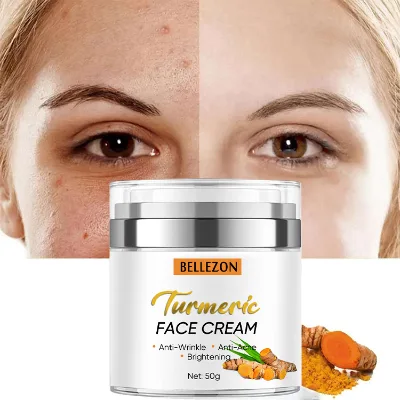
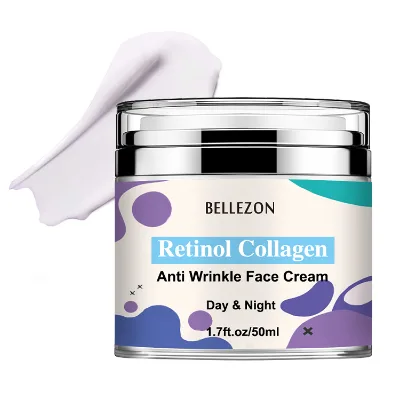
Face Daily Skincare Essence Cream Anti Acne Turmeric Face Cream for Glowing Skin
$1.4311 - $1.8982
MOQ: 500 pieces
Guangzhou Hikocy Cosmetics Company Limited
- Verified by SGS Group
- Trading Company
- Lead time25 days
- Avg. response≤ 2h
Main productsFace Serum, Face Cream, Face Cleanser, Body care products, Hair care Products
Main marketsNorth America(60%), Southeast Asia(25%), Eastern Asia(10%)
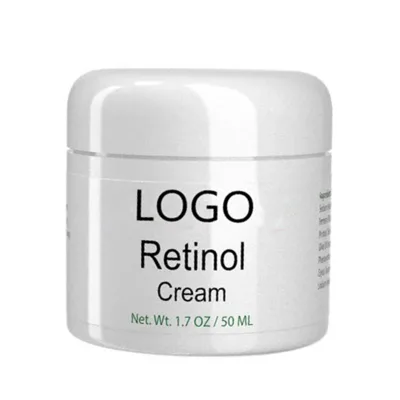
Private Label Skincare Face Cream & Lotion (New) Anti Aging Anti Wrinkle Retinol Cream
$1.65 - $2.88
MOQ: 1000
Guangzhou Chartie Biotechnology Co., Ltd.
- Manufacturer
- Guangdong, China
- Lead time20 days
- Avg. response≤ 3h
Main productsOral Care,Skin Care,Body Care,Hair Care,Skin Care Capsules
Main marketsCentral America(20.00%), Southeast Asia(13.00%), Western Europe(10.00%), North America(10.00%), Southern Europe(8.00%), Mid East(8.00%), Eastern Europe(8.00%), South Asia(5.00%), Northern Europe(5.00%), South America(5.00%), Africa(5.00%), Eastern Asia(3.00%)
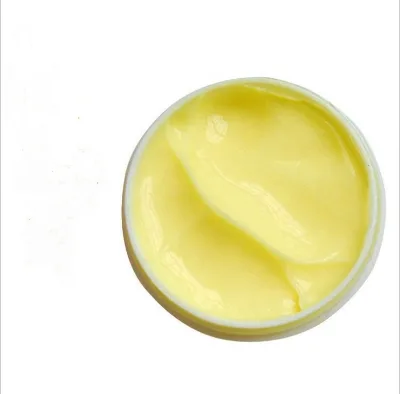
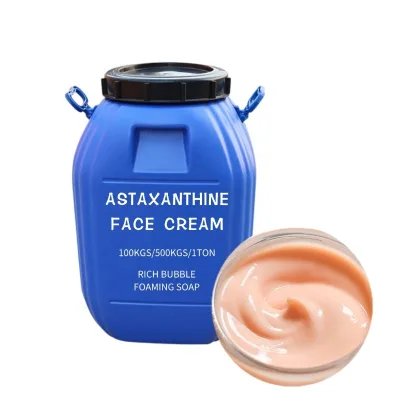
$44.0896 - $49.2169
MOQ: 30 kilograms

Sanli Biotechnology (Dalian) Co., Ltd
- Verified by SGS
- Combined
- China Liaoning
- Lead time15 days
- Avg. response≤ 6h
Main productsSkin Care Product
Main marketsDomestic
Guangzhou Dilisha Biological Technology Co., Ltd.
- Verified by SGS Group
- Manufacturer, Trading Company
- Lead time15 days
- Avg. response≤ 3h
Main productsBody Lotion, Serum, Face Cream, Soap, Shower Gel
Main marketsNorth America(50%), Western Europe(20%), Eastern Europe(10%)
Guangdong Aopei Cosmetics Co., Ltd.
- Verified by TüVRheinland
- Manufacturer, Trading Company
- Lead time25 days
- Avg. response≤ 9h
Main productsCosmetics, Skin Care, Hair Care, Hand And Foot Care, Makeup
Main marketsSouth America(20%), Mid East(20%), Eastern Asia(20%)
Nanping Yanping District Gongjitang Trading Co., Ltd.
- Verified by Intertek
- Trading Company
- Lead time5 days
- Avg. response≤ 2h
Main productsPain Relief Ointment, Nasal Care Products, Eye Care Products, Skin Care Products, Urinary System Nursing
Huangshan Heasure Biotechnology Co., Ltd.
- Manufacturer, Trading Company
- Anhui, China
- Lead time0 days
- Avg. response≤ 4h
Main productsfacial mask,face cream,shampoo,face serum,body wash
Main marketsDomestic Market(30.00%), Eastern Asia(20.00%), South America(10.00%), North America(10.00%), Southeast Asia(10.00%), Mid East(7.00%), Northern Europe(5.00%), Oceania(5.00%), Western Europe(3.00%)
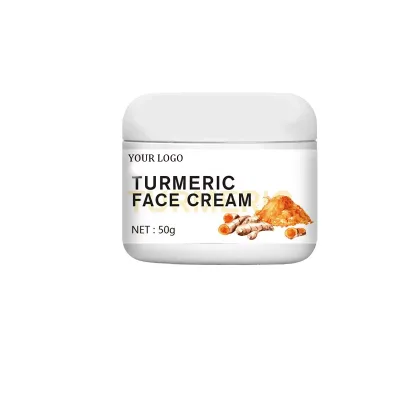
$1.7455 - $2.0554
MOQ: 100 pieces
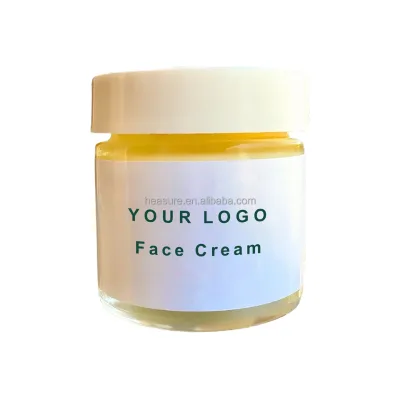
$1.5329 - $2.0464
MOQ: 1 pieces
Guangzhou Fantesy Biotechnology Co., Ltd.
- Verified by TüVRheinland
- Manufacturer, Trading Company
- Lead time0 days
- Avg. response≤ 4h
Main productsFace Cream, Tanning Care, Eye Mask, Soap, Sunscreen Care
Main marketsNorth America(27%), Northern Europe(15%), Eastern Europe(12%)

Guangzhou Tinsun Biotechnology Company Limited
- Combined
- China Guangdong
- Lead time15 days
- Avg. response≤ 8h
Main productsSkin Care
Main marketsEast Asia(Japan/ South Korea),Australia,North America

$2.35 - $3.65
MOQ: 100 Pieces

$2.35 - $3.65
MOQ: 100 Pieces

Hebei Ermai Medical Technology Co., Ltd.
- Verified by CTI
- Trading Company
- China Hebei
- Lead time15 days
- Avg. response≤ 6h
Main productsSkin Booster, Hyaluronic Acid, Lipolysis, Exosome, Pdo Thread, Meso Needle, Blunt Cannula, Crystal Multi-Needle, Derma Stamp/Roller, Hydra Roller/Needle
Main marketsSouth America,Africa,Southeast Asia/ Mideast,East Asia(Japan/ South Korea),Europe,Australia,North America
Guangzhou Pallas Cosmetics Co., Ltd.
- Verified by Intertek
- Trading Company
- Lead time10 days
- Avg. response≤ 3h
Main productsFacial Mask, Face Cream, Shampoo, Sunscreen, Serum
Main marketsNorth America(30%), Eastern Europe(25%), Southeast Asia(20%)
NANTONG TIANLAN COSMETICS CO., LTD.
- Combined
- China Jiangsu
- Lead time30 days
- Avg. response≤ 23h
Main productsSkin Whitening Cream, Toothpaste, Shampoo, Essential Balm, Balm, Cosmetics, Cream, Baby Powder, Inhaler, Hair Relaxer
Main marketsSouth America,Africa,Southeast Asia/ Mideast
Foshan Bonnieco Biotechnology Co., Ltd.
- Verified by SGS Group
- Manufacturer, Trading Company
- Lead time0 days
- Avg. response≤ 6h
Main productsSkin Care Set, Face Care, Body Care, Eyes Care, Hands & Feet Care
Main marketsEastern Europe(35%), Southeast Asia(20%), Africa(20%)

Shenzhen Bangjiarui Technology Co., Ltd.
- Trading Company
- China Guangdong
- Lead time0 days
- Avg. response≤ 1h
Main productsCosmetic, Skin Care Product, Face Cream, Eye Cream, Toner, Skin Whitening Cream, Lotion, Mask, Hand Cream, Hair Conditioner












Comprehensive Sourcing Guide
Herbal Anti-Aging Face Cream Supplier Concentration and Factory Types
Suppliers of herbal anti-aging face cream on this page are concentrated in Guangdong, China, which is a well-known sourcing region for skincare manufacturing. Buyers searching this category should therefore begin their cluster identification with Guangdong-based listings, while confirming that a supplier's registered address and production site actually sit where the profile claims. Because search results change, treat location data as a starting filter rather than a guarantee, and ask each candidate to confirm its factory address, production floor, and whether any portion of production is subcontracted to another site before you commit to sampling or an audit.
The page shows two distinct supplier types that behave differently in negotiations. Manufacturer/factory-type suppliers list deep product ranges — face serum, face cream, sunscreen, facial cleanser, eyelash growth serum and hair care series — and advertise OEM and ODM capability, which matters if you want a proprietary herbal formulation rather than a stock base with a new label. Trading companies, by contrast, list face creams, serums, skin care sets and facial masks but typically coordinate with underlying producers, which can add a margin layer and slow technical communication. Neither type is inherently better: factories usually offer stronger formulation control, while trading companies may consolidate multiple skincare categories into one shipment. Ask each supplier to state its exact role, and request documentation that proves the entity quoting you is the entity producing the cream.
How to Verify Herbal Anti-Aging Face Cream Suppliers
Verification should start with the credentials displayed on supplier profiles and product listings, then move to independently confirmed evidence. On this page, some suppliers carry a GMP system certification and third-party verification from TÜV Rheinland, which are meaningful screening signals for cosmetics production. Product listings themselves display certification attributes such as CE, GMP, MSDS and, on some herbal face cream listings, FDA — but note that listing-level attributes describe the product entry, not necessarily audited compliance of the factory. Always request current certificates with certificate numbers, issue dates and scope, and check them against the issuing body where possible before relying on them.
Beyond documents, verify production reality for this specific category. A herbal anti-aging face cream involves botanical extracts, emulsification and filling, so ask how the supplier handles herbal ingredient sourcing, batch traceability and stability testing, and request ingredient lists and MSDS sheets for the actual formula you would buy. Order pre-production samples and have them tested by an independent lab for microbial limits and heavy metals, since these are the checks that matter most for face creams. For facilities you cannot visit in person, commission a third-party inspection to confirm equipment, hygiene standards and whether OEM/ODM claims match real R&D staffing. Finally, confirm that the business license matches the name on the quote and contract, because mismatched entity names are a common source of disputes in cosmetics sourcing.
What to Compare Across Herbal Anti-Aging Face Cream Suppliers
Build a comparison sheet across the dimensions displayed on supplier pages, without assuming every supplier publishes every attribute. Useful label dimensions here include location, supplier type (manufacturer/factory versus trading company), main products, response time, lead time, MOQ, establishment year, and whether platform escrow is offered. On this page, response times range from roughly one hour to nearly five hours, and one manufacturer-type supplier lists a fifteen-day lead time — figures you should treat as individual supplier data points to verify, not category averages. Record each value per supplier and flag blanks for direct questions rather than filling them with assumptions.
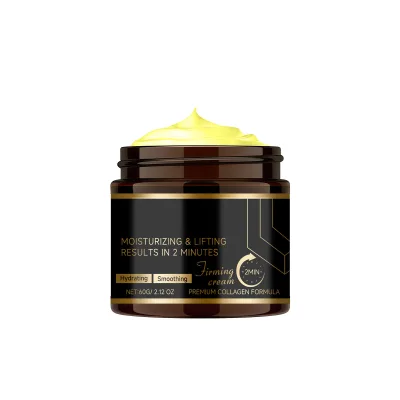
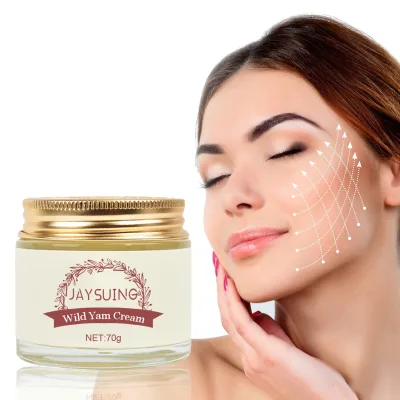
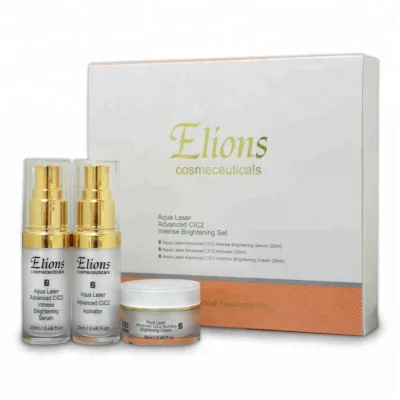
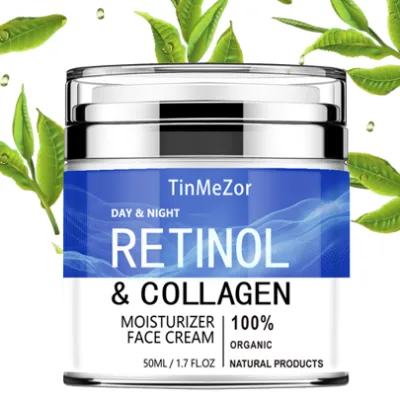
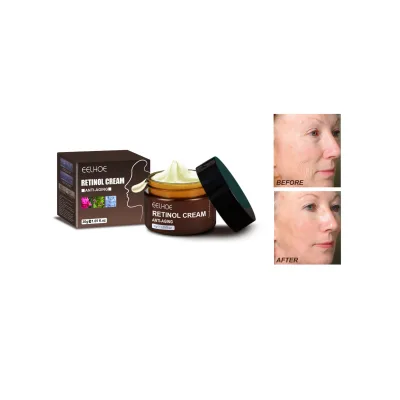
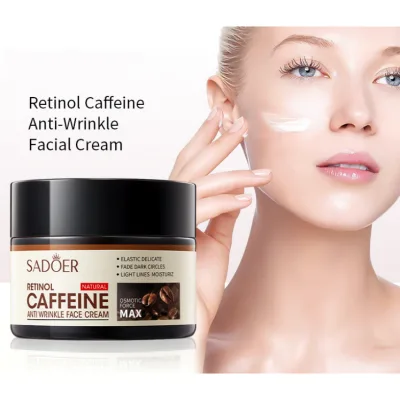
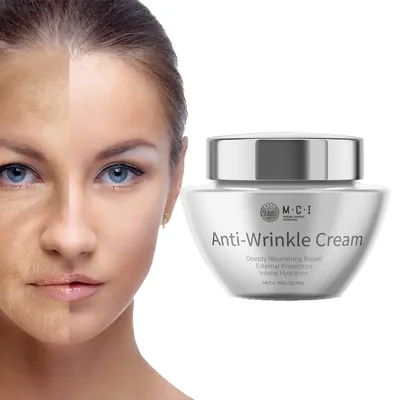
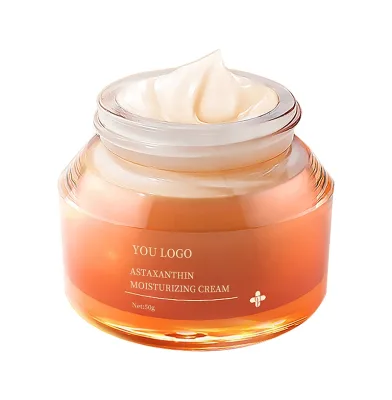
Then compare product-level evidence, which often differentiates more sharply than profile labels. This page's face cream listings vary widely: a natural herbal anti-acne removal cream, an organic retinol brightening cream, a men's anti-wrinkle cream in 180ml, a collagen hydrating cream and an astaxanthin nourishing cream, with MOQs spanning from as low as 100 units up to 3,000 units and indicative unit prices roughly between one and five dollars. Note which listings state customization availability, main ingredients such as aloe vera, green tea or shea butter, and packing that can be customized by the customer. Weight the comparison toward suppliers whose existing formulations already sit closest to your herbal anti-aging brief, since reformulating from a distant base adds development time and cost, then shortlist three to five for sampling.
Common Herbal Anti-Aging Face Cream Sourcing Risks
The most frequent risk in this category is conflating listing claims with verified compliance. Product attributes such as CE, FDA, GMP and MSDS appear on listings, but these may reflect documentation the seller holds for a similar product, not batch-level conformity for your order. Herbal positioning adds another layer: claims like "natural," "organic" and "anti-aging" require substantiation in most destination markets, and a formula marketed as herbal must actually contain the botanicals at declared levels. Mitigate this by contractually specifying the ingredient deck, requiring certificates of analysis per production batch, and clarifying which claims you are legally permitted to make in your own market.
Operational risks cluster around scale mismatches and lead-time assumptions. A supplier quoting a low MOQ on one listing may impose a higher minimum once you request custom packaging, a specific herbal extract, or a private-label run, so confirm the MOQ that applies to your exact configuration in writing. Lead times advertised — for example the fifteen days shown by one manufacturer here — typically count production only, excluding formulation approval, sample iterations, packaging procurement and shipping, so build a realistic calendar with buffer for each stage. Other common pitfalls include skipping stability testing on a new herbal formula, accepting packaging that leaks or degrades active ingredients, and paying large deposits without escrow protection. Define acceptance criteria, inspection checkpoints and remedy terms before any deposit changes hands.
Herbal Anti-Aging Face Cream Regional Sourcing and Logistics
The confirmed concentration on this page is Guangdong, China, which matters logistically as well as commercially. Guangdong hosts dense cosmetics supply chains — packaging component makers, printers, botanical extract traders and contract fillers — which shortens internal logistics and speeds iterative sampling for a herbal anti-aging face cream. When sourcing from this region, plan factory visits or inspections around industrial clusters rather than isolated addresses, and confirm whether your supplier produces in-house or sources semi-finished cream from nearby producers, since that affects quality control and lead time. Where a supplier's location is not evidenced, ask for the factory's registered address and match it to an independent verification before travel planning.
On outbound logistics, face creams are emulsion products with water content, so they face standard cosmetics import requirements at destination: ingredient labeling, safety documentation and sometimes notification or registration depending on your market. Confirm with each supplier which export documents they routinely provide — commercial invoice, packing list, MSDS and any certificates tied to the formula — and which you must arrange yourself. Sea freight in consolidated containers is typical for full production runs, while air freight suits samples and launch quantities, though cream products should be checked against airline rules for liquids. Clarify Incoterms early, because a supplier offering only ex-works terms shifts freight, insurance and clearance management onto you, whereas FOB or DDP terms change your cost structure and risk exposure significantly.
Herbal Anti-Aging Face Cream Commercial Terms and Order Planning
Commercial terms on this page give a realistic benchmark for first orders. Indicative unit prices for face creams range from about one dollar to five dollars depending on size and formulation, with specific listings at $1.99–$2.65 for a 50g herbal anti-acne cream, $2.38 for a 50ml retinol brightening cream, $1.50–$5.00 for a 180ml men's cream and $1.78 for a 60ml moisturizing cream. MOQs vary from 100 units on some listings to 1,000 and 3,000 on others, and several listings state customization is available with customer-specified packing. Treat these as negotiation anchors: price typically improves with volume, simpler packaging and stock formulations, while herbal actives and premium components push it upward.
Structure order planning in stages. Begin with paid or free samples — at least one listing advertises a free sample — then move to a pilot order at the supplier's stated MOQ for your chosen configuration before scaling. Negotiate payment terms that protect you, commonly a modest deposit with balance after pre-shipment inspection, or escrow where the platform supports it. Lock a written specification covering formula, herbal ingredients, 50g/50ml or other fill size, packaging artwork, certification documentation and batch testing, since the attributes shown on listings are only a starting point. Confirm the production lead time for your configuration in writing, align it with your launch calendar, and pre-agree a reordering process so replenishment does not restart from zero.
[Word count check: six sections at approximately 230 words each ≈ 1,380 words, within the 1350–1450 range.]
FAQs
What certifications do herbal anti-aging face cream suppliers hold?
Suppliers typically hold GMP, CE, and MSDS certifications for their herbal anti-aging face cream products. Some manufacturers also provide FDA certification to ensure compliance with international safety standards. These credentials verify that the production processes meet rigorous quality control requirements for cosmetic manufacturing.
What is the minimum order quantity for private label face creams?
Minimum order quantities vary significantly among suppliers, ranging from 100 units to 3000 units. Many manufacturers offer low MOQs starting at 100 pieces for trial orders, while others require 500 or 1000 units for standard production runs. Buyers should verify specific MOQs based on their customization needs.
How long does production take for custom herbal face creams?
Standard lead times for manufacturing custom herbal face creams are approximately 15 days. This timeframe allows for formulation adjustment, packaging customization, and quality assurance checks. Buyers should confirm exact delivery schedules with suppliers, as rush orders or complex customizations may extend the production timeline beyond the standard period.
What are the typical price ranges for OEM anti-aging creams?
Prices for OEM anti-aging face creams generally range from $1.00 to $5.00 per unit. Specific products like natural organic creams may cost between $1.59 and $2.65, while specialized formulations can reach up to $5.00. Costs depend on ingredients, packaging complexity, and order volume negotiated with the supplier.
Do suppliers offer customization for herbal face cream packaging?
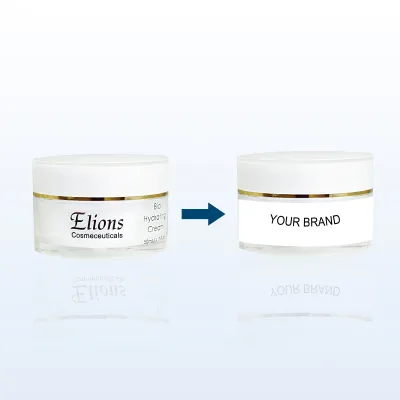
Yes, most manufacturers offer fully customizable packaging solutions for herbal face creams. Buyers can specify custom labels, bottle shapes, and carton designs to match their brand identity. Packaging standards vary, with options including 50g jars, 50ml bottles, and 180ml containers, allowing flexibility for different product positioning strategies.
What is the average response time for supplier inquiries?
Average response times for supplier inquiries range from 1.29 to 4.61 hours. Manufacturers typically respond faster than trading companies, ensuring quicker communication regarding product specifications and order details. Prompt responses help buyers streamline the sourcing process and resolve questions about certifications, pricing, and production capabilities efficiently.