High Capacity Vacuum Soap Plodder Suppliers and Manufacturers
Compare 11 verified suppliers offering High Capacity Vacuum Soap Plodder with varying lead times, certifications, and response speeds. Review product specifications like material and capacity to select the right factory for your production needs; review the available evidence before requesting comparable quotations from suitable candidates.
Suppliers List

ZHENGZHOU YUSHOU HEAVY INDUSTRY CO., LTD.
- Combined
- China Henan
- Lead time15 days
- Avg. response≤ 3h
Main productsSoap Machinery Laundry Soap Line, Three Roll Mill, Soap Stamper, Soap Mixer, Oil & Fat Saponification Machinery
Main marketsAfrica,Southeast Asia/ Mideast,East Asia(Japan/ South Korea),Domestic,Europe


Double Vacuum Plodder Laundry Soap Making Machine High-Efficiency Soap Stamper
$3000.00 - $6000.00
MOQ: 1 Pieces

Time Saving Soap Making Machine Soap Stamper Soap Plodder with High Efficiency
$2000.00 - $20000.00
MOQ: 1 Pieces

Zhengzhou Sunshine Machinery Equipment Co., Ltd.
- Trading Company
- Henan, China
- Lead time20 days
- Avg. response≤ 2h
Main productsSoap Making Machine,Stainless Steel Mixer,Filling Production Line,Oil Press Production Line
Main marketsAfrica(69.00%), Domestic Market(11.00%), Northern Europe(9.00%), Southeast Asia(6.00%), South America(5.00%)
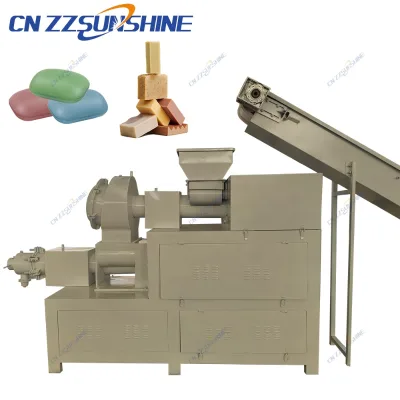
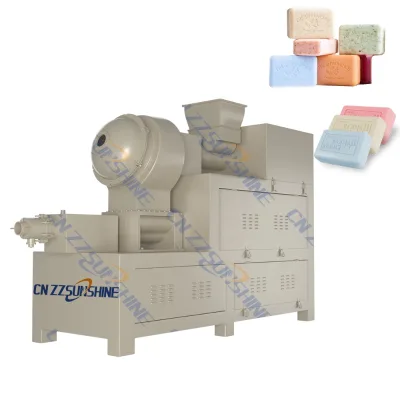
$2063.94 - $9287.74
MOQ: 1 Minimum
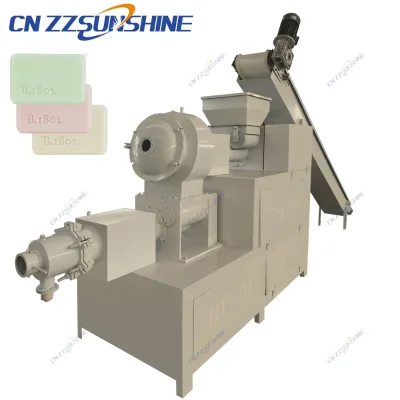
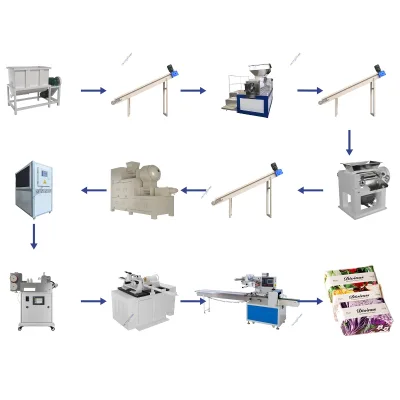
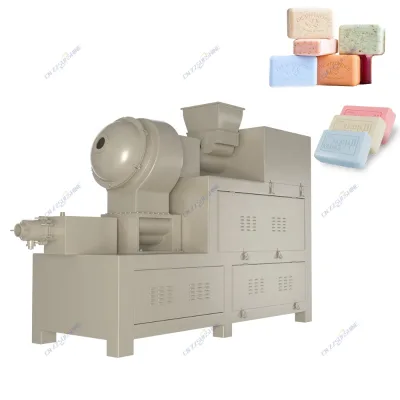
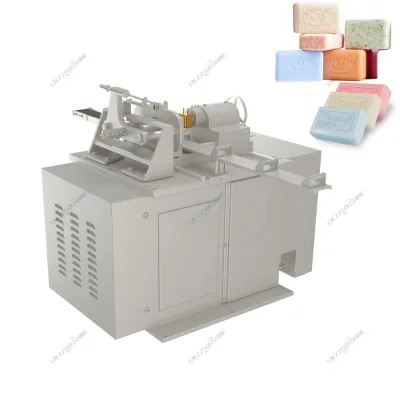

Zhengzhou Yomier Machinery Equipment Co., Ltd.
- Verified by TUVRHEINLAND
- Manufacturer/Factory
- China Henan
- Lead time23 days
- Avg. response≤ 4h
Main productsToilet Soap Making Machine, Liquid Soap Making Machine, Laundry Soap Making Machine, Powder Soap Making Machine, Mobile Food Cart/Trailer/Truck/Van/Kiosk, Kitchen Equipments
Main marketsSouth America,Eastern Europe,Mid East,North America,Southeast Asia,Eastern Asia,Oceania,Western Europe,Africa


Vacuum Hotel Twin Worms Soap Extruder/Soap Plodder/Soap Extruding Machine
$5500.00 - $65000.00
MOQ: 1 Sets

- Verified by BV
- Trading Company,Manufacturer/Factory
- China Jiangsu
- Lead time45 days
- Avg. response≤ 4h
Main productsSoap Machine, Soap Making Machine, Small Soap Making Machine, Bar Soap Making Machine, Soap Production Line, Soap Packing Machine, Soap Packaging Machine, Pleat Soap Packing Machine, Toilet Soap Packaging Machine, Saponification
Main marketsSouth America,Eastern Europe,Mid East,North America,Southeast Asia,Eastern Asia,Oceania,Western Europe,Africa
Jinan Zhonghui Machinery Manufacture Co., Ltd.
- Manufacturer, Trading Company
- Shandong, China
- Lead time30 days
- Avg. response≤ 6h
Main productssoap making machine,toilet soap product line,soap making equipment,laundry soap machine,soap finishing line
Main marketsAfrica(50.00%), Mid East(20.00%), Southeast Asia(15.00%), South Asia(10.00%), South America(5.00%)
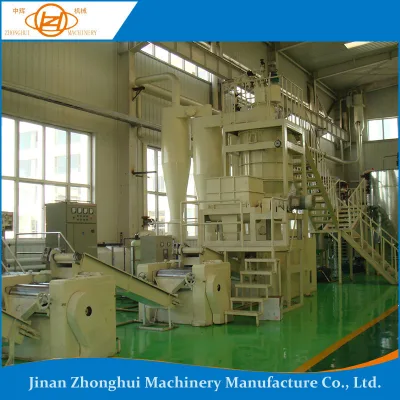
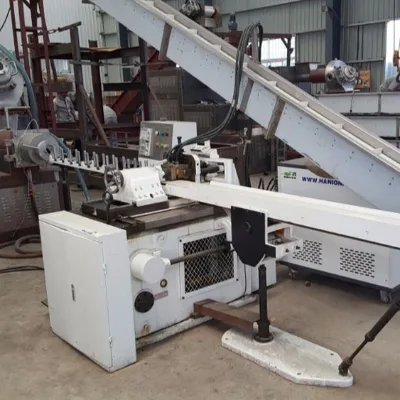
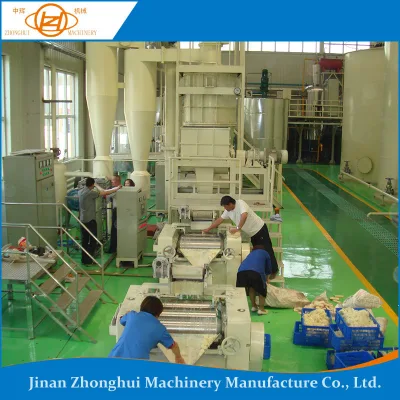
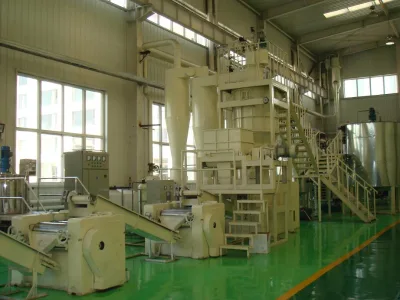
1000-1500 Kg/hr Fully Automatic Soap bar Machines Project on the Year 2012 China
$20412.51 - $30618.77
MOQ: 1
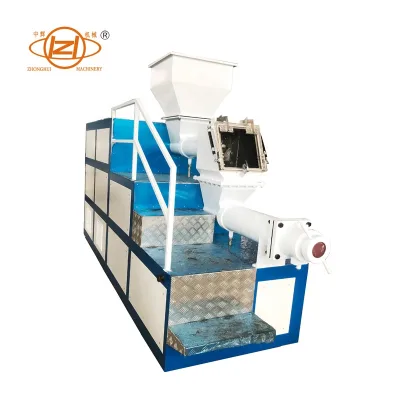
Duplex Vacuum Soap Plodder With Double Screws Soap Plodding Machine
$13000.00 - $14000.00
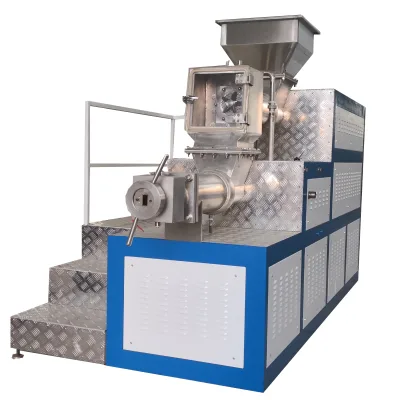
Duplex Vacuum Plodder for Laundry /Toilet Soap Making
$24000.00 - $25000.00

- Verified by SGS
- Trading Company
- China Henan
- Lead time30 days
- Avg. response≤ 4h
Main productsSoap Making Machine, Soap Packing Machine, Toilet Block Soap Machine, Concrete Pump, Vacuum Conveyor, Brick Making Machine, Water Channel Machine, Concrete Curb Machine, Concrete Mixer, Asphalt Plant
Main marketsAfrica,Others(foreignTradeCapacity.exportBusinessCapacityMarketOther),Australia

Automatic Soap Production Line Vacuum Plodder Machine Scented Soap Laundry Soap Making Machine
$3000.00 - $5350.00
MOQ: 1 Sets


Professional vacuum Duplex Laundry Toilet Bar Soap Plodder Soap Machine Provided Carbon Steel
$12000.00 - $16000.00
MOQ: 1 Sets

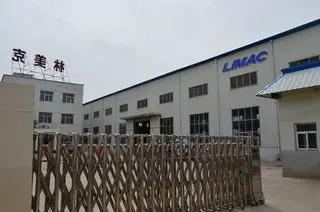
Lanzhou Limac Machinery Works Co., Ltd.
- Manufacturer, Trading Company
- Gansu, China
- Lead time100 days
- Avg. response≤ 15h
Main productssoap making machine,toilet soap production line,laundry soap making machine,packing machine,two colour-sandwich soap production line
Main marketsEastern Asia(30.00%), Africa(30.00%), Mid East(20.00%), Northern Europe(10.00%)
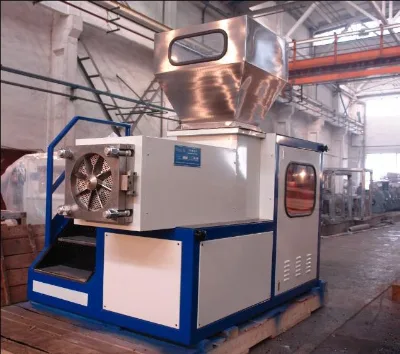
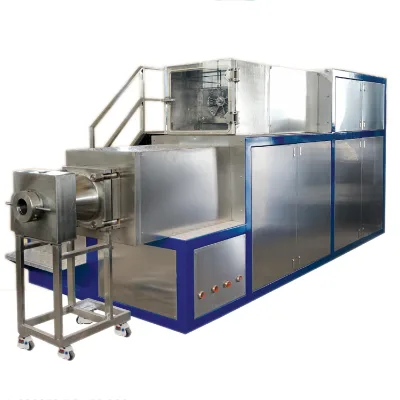
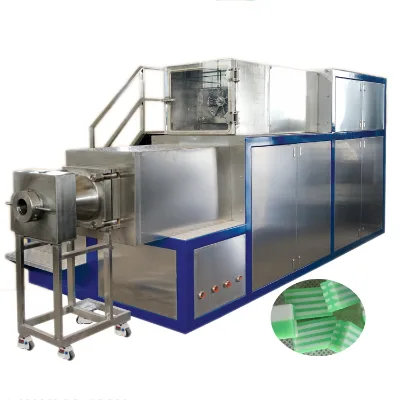
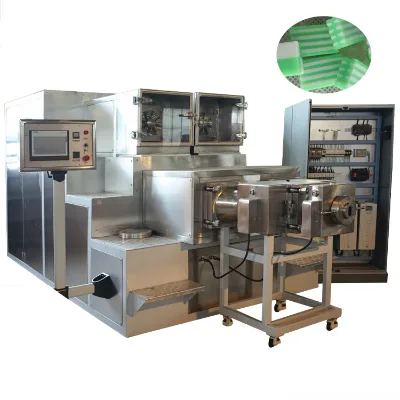
New Products Soap Refine Plodder Machine Soap Plodder Machine for Sale at Best Price
$7274.32 - $8313.51
MOQ: 1 sets
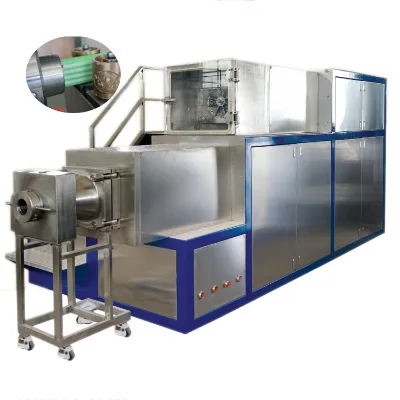
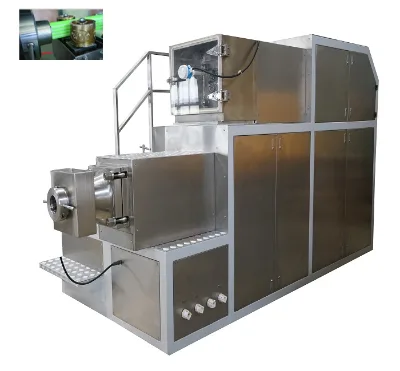
3000 kg Per Hour Vacuum Soap Extruder or Plodder Machine With Economic Price
$6800.00 - $7000.00

Qingyuan Shaofeng intelligent Technology Co., Ltd
- Verified by TUVRHEINLAND
- Combined
- China Guangdong
- Lead time30 days
- Avg. response≤ 7h
Main productsFilling Machine, Labeling Machine, Capping Machine, Perfume Machine, Mixer, Water Treatment Machine
Main marketsSoutheast Asia/ Mideast

Big Capacity Laundry Bar Soap Plodder Making Machine Production Line
$20000.00 - $30000.00
MOQ: 1 Sets

Multifunction Soap Press Extruder Saponification Plodder Stamping Machine
$29000.00 - $30000.00
MOQ: 1 Sets


Automatic Soap Production Line Soap Roller Mill Mixer Vacuum Duplex Plodder Machine Line
$20000.00 - $30000.00
MOQ: 1 Sets


Zhengzhou Bainte Machinery Equipment Co., Ltd
- Verified by SGS
- Trading Company
- China Henan
- Lead time15 days
- Avg. response≤ 4h
Main productsSoap Machinery, Automatic Cutter, Soap Plodder Machine, Mixer, Three Roller Mill, Siap Printer, Soap Liquid Equipment, Soap Cutting Machine, Oil Press, Dryer
Main marketsAfrica


Zzbnt Multifunctional Double Screw Vacuum Plodder Bathing Soap Making Machine with High Quality
$5800.00 - $11080.00
MOQ: 1 Pieces

Zzbnt Double Screw Vacuum Soap Plodder /Small Hotel Round Soap Machine
$5800.00 - $11080.00
MOQ: 1 Pieces

Chongqing Qiaoxing Machinery & Equipment Company
- Trading Company,Manufacturer/Factory
- China Chongqing
- Lead time23 days
- Avg. response≤ 5h
Main productsPellet Machine, Soap Making Machine, Food Machine, Wood Pellet Line, Feed Pellet Line, Wood Pellet Mill, Animal Feed Pellet Mill, Food Dryer, Hammer Mill, Animal Feed Pellet Plant
Main marketsSouth America,Eastern Europe,Mid East,North America,Southeast Asia,Eastern Asia,Oceania,Western Europe,Africa


10% Discount Wash Clothes Laundry Bathroom Toilet Vacuum Soap Plodder for Sale
$7500.00 - $30000.00
MOQ: 1 Pieces

GUANGZHOU YALIAN COSMETIC MACHINERY EQUIPMENT CO., LIMITED
- Trading Company
- China Guangdong
- Lead time30 days
- Avg. response≤ 8h
Main productsMixing Machine, Filling Production Line Machine, Water Treatment, Vacuum Homogenizer Mixer, Labeling Machine, Capping Machine, Vacuum Capping Machine, Package Machine, Filling Machine, Cosmetics Mixer Equipment
Main marketsAfrica,Australia,North America


Hot-Sale Soap Plodder Machine/Soap Making Machines Bar/Toilet Soap Making Machine
$1268.00 - $9898.00
MOQ: 1 Pieces


Comprehensive Sourcing Guide
High Capacity Vacuum Soap Plodder Supplier Concentration and Factory Types
The available data indicates a concentration of suppliers in Henan, China, specifically within the Henan province region. This geographic clustering suggests a regional manufacturing hub for soap machinery, including High Capacity Vacuum Soap Plodder units. Buyers should verify if other potential suppliers share this location or if they operate from different industrial zones. The supplier types observed include combined entities and trading companies, which implies a mix of direct manufacturing capabilities and distribution roles. A combined company type often suggests the ability to handle both production and sales, whereas a trading company may source from various factories. Understanding this distinction is critical when evaluating the supply chain depth for specialized equipment like vacuum plodders.
When assessing factory types, buyers must look for evidence of in-house production capabilities versus pure trading activities. The observed data lists main products such as soap machinery, laundry soap lines, and mixers, which aligns with the core keyword. However, the absence of specific establishment years in the provided facts means buyers cannot confirm the longevity of these operations based solely on current results. Instead, buyers should request proof of factory ownership or long-term operational history during initial inquiries. The presence of combined company types suggests some suppliers may offer broader service ranges, but this requires verification to ensure the specific High Capacity Vacuum Soap Plodder is manufactured in-house rather than sourced from a third party.
How to Verify High Capacity Vacuum Soap Plodder Suppliers
Verification begins with checking the response time and communication efficiency, as the observed data shows response times ranging from 2 to 2.90 hours. A faster response often indicates a more active sales team, which is crucial for technical discussions regarding vacuum plodder specifications. Buyers should also examine the system certifications listed, noting that some suppliers display CE or ISO certifications while others show NIL. This variation requires buyers to explicitly ask for valid certification documents rather than assuming compliance based on product listings. The presence of certifications like RoHS, CCC, and ISO on specific product attributes provides a starting point, but the overall company system certification status must be confirmed directly.
Further verification involves scrutinizing product evidence for consistency and technical depth. The data includes detailed attributes such as control systems, material types like stainless steel or carbon steel, and specific models like DDCG-50C or YS500. Buyers should request machinery test reports and video outgoing-inspection records, as some product entries mention these are provided. The availability of after-sales services, including online support and video technical support, is another key verification point. Buyers must confirm if engineers are available to service machinery overseas, as this is a specific attribute listed for certain high-efficiency models. Without these verifiable details, the technical reliability of the High Capacity Vacuum Soap Plodder remains uncertain.
What to Compare Across High Capacity Vacuum Soap Plodder Suppliers
Comparing suppliers requires a focus on lead times, which vary from 10 to 20 days after payment in the observed data. This range significantly impacts project planning and inventory management for buyers. While some listings specify a delivery time of 10 days, others indicate a 15 or 20-day window, necessitating a clear comparison of production capacity and current order backlogs. Buyers should also compare the Minimum Order Quantity (MOQ), as the data shows an MOQ of 1 set for several items, which is favorable for smaller operations. However, the capacity of the machines themselves varies widely, with some listing capacities of 50-150 kg/h and others up to 2000 kg/h, requiring a direct match to production needs.
Price comparison is another critical dimension, with observed price ranges spanning from $500 to $20,000 depending on the specific model and configuration. The data shows specific price points like $4,600 for certain plodders and ranges up to $3,500 or $7,500 for different units. Buyers must ensure they are comparing apples to apples by verifying the included components, such as the control system type (button vs. PLC) and material quality (stainless steel vs. carbon steel). The warranty period is consistently listed as 1 year across multiple entries, which serves as a baseline for comparison. Additionally, the main products offered by each supplier should be reviewed to ensure they specialize in soap machinery rather than offering a broad, unfocused catalog that might dilute their expertise in vacuum plodder technology.
Common High Capacity Vacuum Soap Plodder Sourcing Risks
One significant risk involves the discrepancy between advertised certifications and actual system compliance. While product attributes list certifications like CE, ISO, and RoHS, the company-level system certification is sometimes recorded as NIL. This gap suggests that while a specific machine might meet certain standards, the overall manufacturing facility may not be fully audited or certified. Buyers face the risk of receiving equipment that does not meet local regulatory requirements if they rely solely on product-level claims without verifying the factory's comprehensive quality management system. This distinction is vital for high capacity vacuum soap plodders, which often require strict adherence to safety and operational standards.
Another risk relates to the variability in after-sales support and technical service availability. Although some listings promise online support and video technical assistance, others mention engineers available to service machinery overseas. The inconsistency in these service levels creates a risk for buyers who may require on-site installation or complex troubleshooting. If a supplier claims to offer overseas engineering support but lacks the infrastructure to deliver it, the buyer could face prolonged downtime. Furthermore, the reliance on third-party test reports or video inspections without physical verification adds uncertainty. Buyers must mitigate this by demanding independent verification of the machinery test reports and ensuring that the after-sales service agreement is legally binding and specific to the High Capacity Vacuum Soap Plodder model purchased.
High Capacity Vacuum Soap Plodder Regional Sourcing and Logistics
The primary sourcing region identified in the data is Henan, China, which serves as a central hub for soap machinery manufacturing. This concentration allows for potential logistics efficiencies, but buyers must verify the specific shipping origins for each unit. The data indicates that products are packed in wooden boxes or fumigation wooden cases, which is standard for heavy machinery but adds to the overall shipping weight and volume. Buyers should calculate the impact of these packaging requirements on freight costs, especially for international shipments. The origin being consistently listed as China means that import duties and customs procedures will be a standard part of the procurement process for global buyers.
Logistics planning must also account for the specific dimensions and weight of the equipment, as some models weigh up to 300 kg while others are lighter. The data mentions a weight of 120 kg for certain lab machines and 300 kg for larger units, which influences the choice of shipping method. Buyers should confirm if the supplier handles the packing to ensure the machinery is protected during transit, as the standard packing is described as a wooden case or box. Additionally, the lead time of 10 to 20 days must be factored into the total delivery timeline, including the time required for customs clearance and inland transportation. Understanding these logistical variables is essential for accurate cost estimation and delivery scheduling when sourcing high capacity vacuum soap plodders from this region.
High Capacity Vacuum Soap Plodder Commercial Terms and Order Planning
Commercial terms regarding payment and delivery are critical for order planning, with lead times ranging from 10 to 20 days after payment. Buyers need to clarify the exact payment milestones and whether the delivery time starts immediately upon payment receipt or after production confirmation. The data shows a delivery time of 10 days after payment for some models, while others have a 15 or 20-day window. This variation requires buyers to negotiate clear terms that align with their production schedules. The MOQ of 1 set offers flexibility, but buyers should confirm if bulk orders incur any discounts or changes in lead time, as larger volumes might extend the production window.
Warranty and after-sales service terms are also key components of the commercial agreement. The observed data consistently lists a 1-year warranty, which serves as a baseline for buyer protection. However, the scope of this warranty must be defined, covering parts, labor, and potential shipping costs for replacements. Buyers should also verify the specific after-sales service channels, such as online support, video technical support, or overseas engineering visits. The availability of spare parts and the response time for service requests are crucial for maintaining continuous operation of the High Capacity Vacuum Soap Plodder. Clear commercial terms that address these service levels will help mitigate risks and ensure a smooth procurement experience for the buyer.
FAQs
What is the price range for high capacity vacuum soap plodders?
Prices for high capacity vacuum soap plodders range from 500 to 20,000 units depending on the specific model and capacity. Some entry-level mini lines start near 500, while advanced automatic production lines can reach 20,000. Buyers should verify exact pricing based on their required output volume and customization needs.
What certifications do these soap plodder machines typically hold?
Many high capacity vacuum soap plodders carry ISO, CE, RoHS, and CCC certifications. Specific models may list only ISO and CE, while others include RoHS and CCC. Buyers must check individual product listings to confirm which safety and quality standards apply to the specific machine they intend to purchase.
How long does it take to receive a High Capacity Vacuum Soap Plodder?
Delivery times vary between 10 and 20 days after payment is received. Some suppliers offer a 10-day turnaround for specific models, while others require up to 20 days. The exact lead time depends on the supplier location in Henan, China, and the current production schedule for the requested capacity.
What is the minimum order quantity for these soap making machines?
The minimum order quantity is typically one set or one unit for most high capacity vacuum soap plodders. Suppliers often allow single item purchases, making it accessible for small businesses. Buyers should confirm the specific MOQ on the product page as some custom configurations might have different requirements.
What materials are used to construct these vacuum soap plodders?
These machines are primarily constructed from stainless steel, carbon steel, or a combination of both. Specific grades like 304 or 316L stainless steel are often available for food-grade applications. Buyers should verify the material specifications to ensure durability and compliance with hygiene standards for their soap production needs.
What after-sales support is available for these soap plodder machines?
Suppliers provide online support, video technical assistance, and overseas engineer services for machinery maintenance. Some listings explicitly mention engineers available to service machinery overseas. Buyers should confirm the scope of warranty, which is often one year, and the specific response time for technical inquiries before placing an order.
What is the production capacity of these high capacity vacuum soap plodders?
Production capacities range widely from 50 to 2,000 kilograms per hour depending on the model. Some units handle 500 to 999 kilograms per hour, while others are designed for smaller batch processing. Buyers must select a model that matches their specific hourly output requirements to ensure efficient soap production operations.