High Borosilicate Glass Teapot Suppliers and Manufacturers
Source 14 verified High Borosilicate Glass Teapot suppliers in China. Compare certifications like LFGB and FDA, lead times, and MOQs. Contact suppliers directly to request quotes and verify production capabilities; review the available evidence before requesting comparable quotations from suitable candidates.
Suppliers List

Guangzhou Garbo International Trading Co., Ltd.
- Verified by TUVRHEINLAND
- Trading Company,Manufacturer/Factory
- China Guangdong
- Lead time45 days
- Avg. response≤ 7h
Main productsGlassware, Glass Cup, Glass Mug, Glass Bowl, Glass Candy Jar, Glass Pitcher, Glass Ice Cream Cup and Ice Bucket, Opal Glassware, Stainless Steel Cutlery, Ceramic Dinnerware
Main marketsSouth America,Eastern Europe,Mid East,North America,Southeast Asia,Eastern Asia,Oceania,Western Europe,Africa


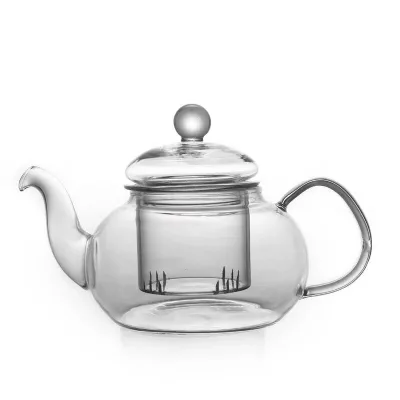
Wholesale 650ml Borosilicate Glass Tea Kettle Heat Resistant Glass Teapot with Infuser
$5.62 - $7.21
MOQ: 3000 Pieces

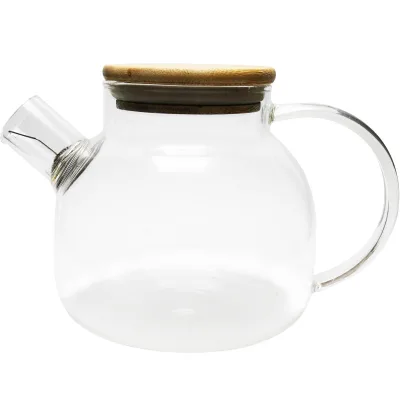
Borosilicate Glass Teapot with Bamboo Lid Heat Resistant for Hot and Cold Drinks
$0.95 - $1.05
MOQ: 10000 Pieces


Hebei Zhuozhongxi Glass Products Co., Ltd.
- Verified by BV
- Manufacturer/Factory
- China Hebei
- Lead time15 days
- Avg. response≤ 4h
Main productsGlass Cup, Glass Teapot, Coffee Appliance, Tea Set, Glass Crafts, Glass Jug, Glass Food Storage Jar, Wine Glass, Candle Holders, Double Wall Glass
Main marketsSouth America,Eastern Europe,Mid East,North America,Southeast Asia,Eastern Asia,Oceania,Western Europe,Africa

Tianjin Jiaming Technology Co., Ltd.
- Verified by SGS
- Trading Company
- China Tianjin
- Lead time15 days
- Avg. response≤ 10h
Main productsGlass Jar, Glass Cup, Kitchen Utensils, Teapot, Glass Pitcher
Main marketsOthers(foreignTradeCapacity.exportBusinessCapacityMarketOther)


Wholesale High Borosilicate Glass High Temperature Resistance Glass Teapot
$3.86 - $4.28
MOQ: 1000 Pieces


Hejian Longteng Plastic Products Co., Ltd.
- Verified by CTI
- Combined
- China Hebei
- Lead time30 days
- Avg. response≤ 11h
Main productsGlass Cup
Main marketsDomestic


Hot Sell Heat Resistant Teapot High Borosilicate Glass Tea Pot with Infuser
$4.50 - $5.50
MOQ: 100 Pieces

High Quality Handcrafted Borosilicate Glass Teapot with Removable Tea Pot Infuser
$4.00 - $5.40
MOQ: 100 Pieces

Wholesale Best Price Clear High Borosilicate Glass Teapot with Infuser and Handle
$3.74 - $3.90
MOQ: 100 Pieces


Qingdao Jianhai International Trade Co., Ltd.
- Verified by BV
- Trading Company,Manufacturer/Factory
- China Shandong
- Lead time23 days
- Avg. response≤ 3h
Main productsGlassware, Cosmetic Bottle, Mason Jar, Storage Bottle, Vase, Wine Bottle, High Borosilicate Glass, Glass Bottle, Cup, Glass Craft
Main marketsSouth America,Eastern Europe,Mid East,North America,Southeast Asia,Eastern Asia,Oceania,Western Europe,Africa

Hebei Xingchen Glass Technology Co., Ltd.
- Verified by CTI
- Combined
- China Hebei
- Lead time30 days
- Avg. response≤ 10h
Main productsGlass Cup, French Press, Coffee Pot, Glass Jar, Teapot, Syphon Coffee Maker, Glass Cooking Pot, Glass Pitcher, Glass Straw, Glass Teacup
Main marketsSouth America,Africa,Others(foreignTradeCapacity.exportBusinessCapacityMarketOther),Southeast Asia/ Mideast,East Asia(Japan/ South Korea),Europe,Australia,North America


High Borosilicate Glass Teapot Tea Round Glass Teapot with Steel Infuser
$0.90 - $2.40
MOQ: 100 Pieces

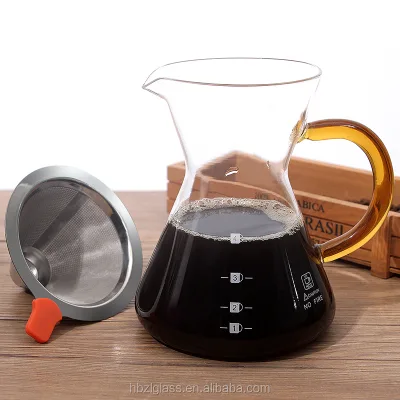
High Quality Big Size Borosilicate Glass Teapot with Yellow Color Handle
$2.85 - $4.65
MOQ: 500 Pieces
Chaozhou Ssfishss Stainless Steel Products Factory
- Verified by CTI
- Combined
- China Guangdong
- Lead time30 days
- Avg. response≤ 6h
Main productsoutdoor products
Main marketsAfrica,Southeast Asia/ Mideast,East Asia(Japan/ South Korea),Domestic,Europe,North America

Weifang Easylife Ware Co., Ltd.
- Trading Company
- China Shandong
- Lead time0 days
- Avg. response≤ 4h
Main productsGlass Cup, Coffee Cup, Coffee Mug, Coffee Pot, Tea Cup, Teapot, Whiskey Glass Cup, Decanter, Cocktail Glass Cup, Wine Glass Cup


Clear Borosilicate Glass Teapot Handmade Heat Resistant Glass Handle Teapot
$2.79 - $4.49
MOQ: 500 Pieces

Classical Design High Borosilicate Glass Teapot Set, Tea Pot with Filter
$2.79 - $4.49
MOQ: 500 Pieces

Wholesale Transparent Heat Resistant High Borosilicate Glass Teapot with Infuser
$2.79 - $4.49
MOQ: 500 Pieces
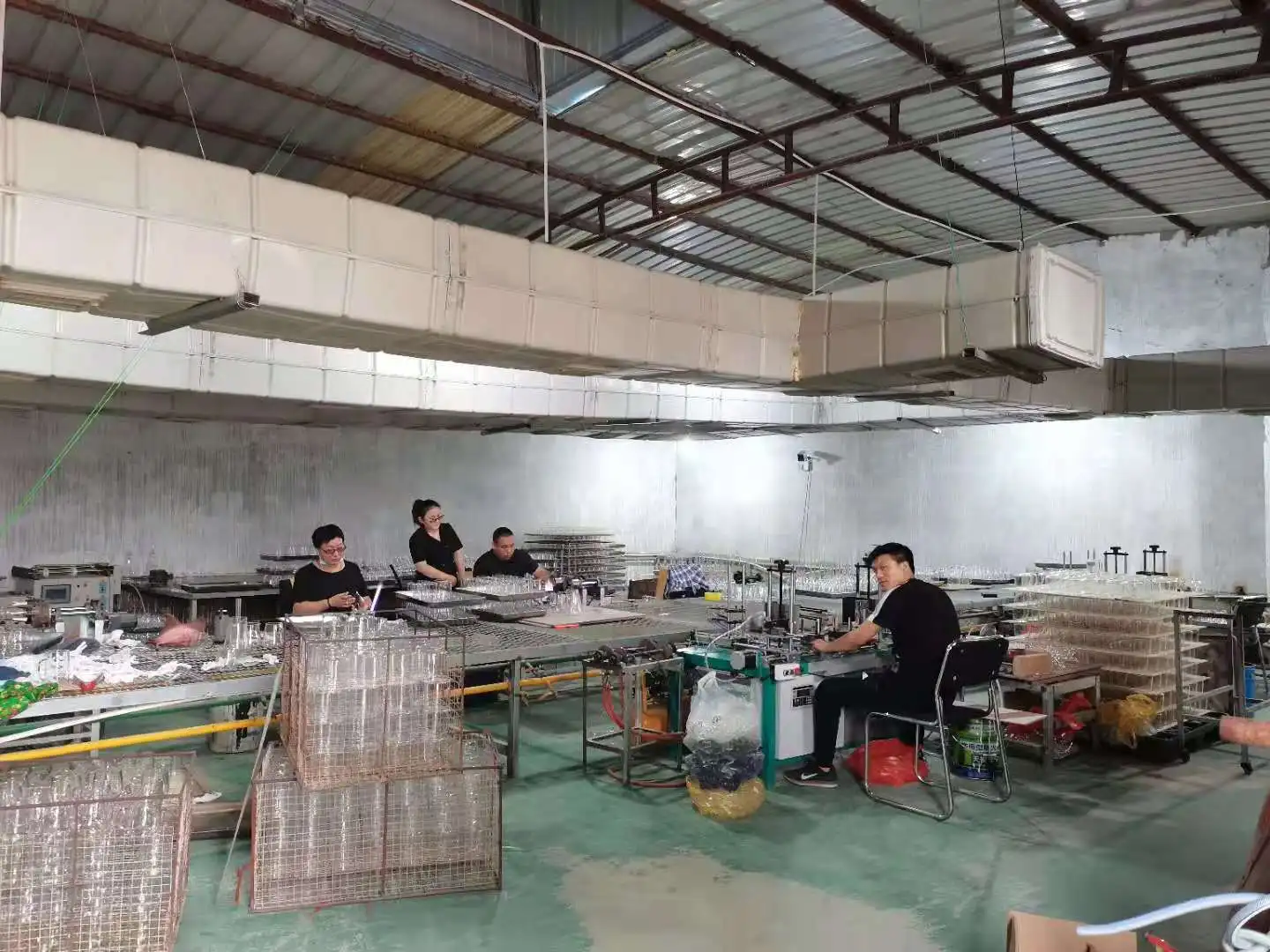
Hejian Hengyang Glassware Co., Ltd.
- Trading Company
- Hebei, China
- Lead time15 days
- Avg. response≤ 6h
Main productsglass jar,glass cup,juice /water jug,tea pot,tea cups
Main marketsOceania(30.00%), North America(30.00%), Northern Europe(20.00%), Domestic Market(10.00%), Western Europe(4.00%), Central America(3.00%), Mid East(3.00%)

Changsha Sunflower B&T Co., Ltd.
- Verified by TUVRHEINLAND
- Manufacturer/Factory
- China Hunan
- Lead time0 days
- Avg. response≤ 5h
Main productsWater Bottle, Sponge, Tumblers, Plastic Water Bottle, Stainless Steel Water Bottle, Mugs, Mat, Make up Sponge, Backpack, Drinlwares
Main marketsSouth America,Eastern Europe,Mid East,North America,Southeast Asia,Eastern Asia,Oceania,Western Europe,Africa

1000ml/1800ml High Quality Clear High Borosilicate Heat Resistant Glass Teapot with Bamboo Lid
$1.32 - $1.76
MOQ: 100 Pieces

Hot Selling 1000ml/1800ml Large Capacity High Borosilicate Glassteapot with Bamboo Lid
$1.32 - $1.76
MOQ: 100 Pieces

Yancheng Leading Homeware Corporation Ltd.
- Verified by CTI
- Manufacturer/Factory
- China Jiangsu
- Lead time30 days
- Avg. response≤ 8h
Main productsGlass Teapot, Double Wall Glass Cup, Borosilicate Glass Jug, Glass Coffee Dripper, Borosilicate Glass Cup, Glass Sealed Jars
Main marketsEastern Europe,Mid East,North America,Western Europe,Africa
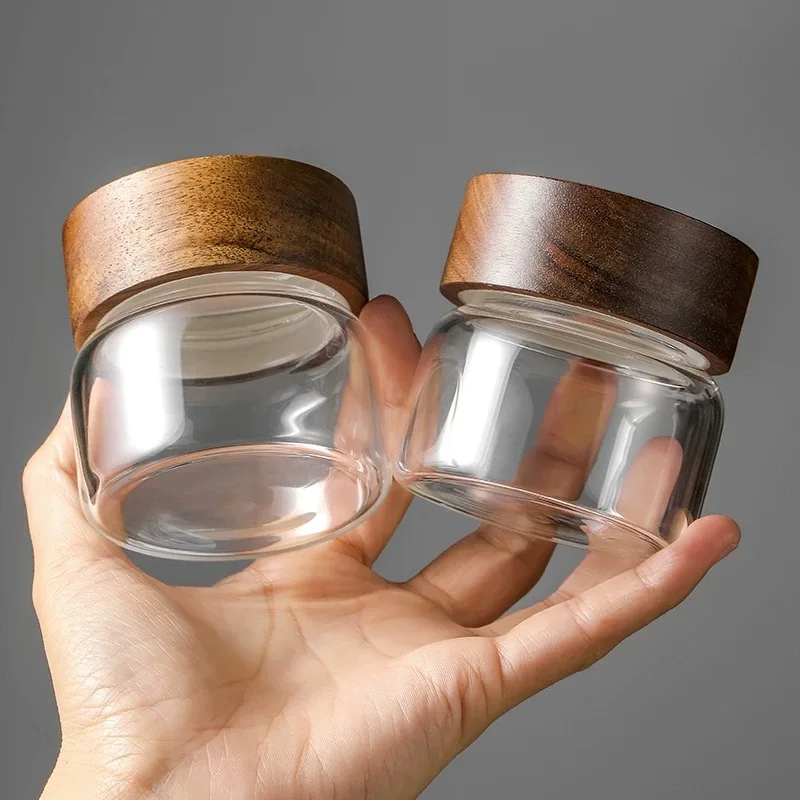
Tianjin Hanleibo International Trade Co., Ltd.
- Trading Company
- Tianjin, China
- Lead time10 days
- Avg. response≤ 3h
Main productsglass cup,glass jar,glass tea pot,glass teapot,high borosilicate glass tea set
Main marketsSouth Asia(10.00%), Southern Europe(10.00%), Southeast Asia(10.00%), Central America(10.00%), Mid East(10.00%), North America(10.00%), Domestic Market(5.00%), Oceania(5.00%), Africa(5.00%), Northern Europe(5.00%), Eastern Europe(5.00%), Western Europe(5.00%), Eastern Asia(5.00%), South America(5.00%)

- Trading Company
- China Zhejiang
- Lead time30 days
- Avg. response≤ 11h
Main productsHome Appliance, Cookware Set, Thermos, Home Storage, Furniture, Pet Supplies, Garden Tools, Outdoor Supplies, Baby Supplies, Houesehold Items
Main marketsSouth America,Africa,Southeast Asia/ Mideast,East Asia(Japan/ South Korea),Domestic,Europe,Australia,North America

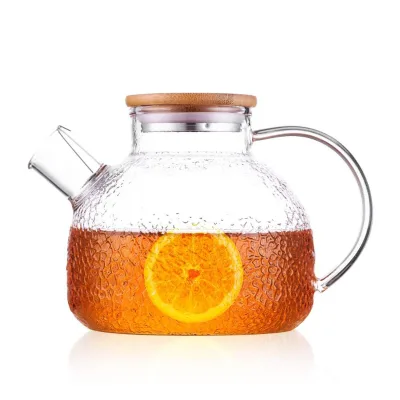
High Borosilicate Clear Heat Resistant Handmade Glass Teapot with Bamboo Lid
$1.79 - $2.21
MOQ: 1000 Pieces

Hebei Zhonglong Glassware Co., Ltd.
- Verified by SGS Group
- Manufacturer, Trading Company
- Lead time25 days
Main productsDecanter, Liquor Glassware, Coffee Glassware, Tea Glassware, Glass Cup
Main marketsDomestic Market(60%), North America(20%), Western Europe(20%)


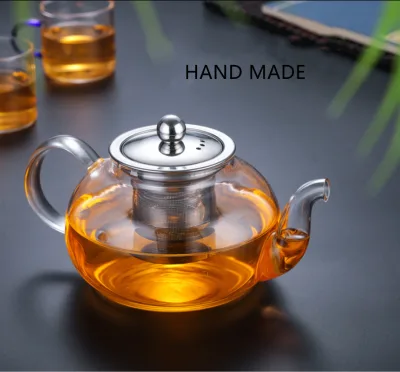


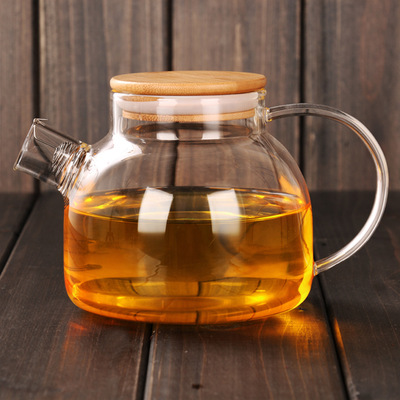

Comprehensive Sourcing Guide
High Borosilicate Glass Teapot Supplier Concentration and Factory Types
The current supplier landscape for high borosilicate glass teapots reveals a distinct geographic concentration in China, with specific manufacturing hubs identified in Guangdong and Hebei provinces. Guangdong, particularly Guangzhou, serves as a primary loading port and origin point for many of these specialized glassware manufacturers. This region is known for its robust supply chain infrastructure, which supports both the production of high-quality borosilicate glass and the efficient export logistics required for fragile items. Suppliers in this area often list their origin as Guangzhou, indicating a mature ecosystem for glass processing and finishing. The presence of manufacturers in Hebei suggests a broader national distribution of glass production capabilities, though Guangdong appears to be a central node for export-oriented trade. Buyers should recognize that while the keyword search may yield results from various parts of China, the actual factory locations are critical for assessing logistics costs and lead times. The concentration in these specific provinces allows for specialized labor and material sourcing that might not be available in other regions. Understanding this geographic distribution helps buyers anticipate shipping routes and potential transit times. It also provides insight into the local industrial policies and environmental regulations that might affect production stability. For instance, Guangdong’s proximity to major ports like Guangzhou facilitates faster export processes compared to inland locations. This geographic advantage can be a significant factor when evaluating suppliers who promise rapid delivery or need to handle large volume orders efficiently. The clustering of suppliers in these areas also implies a competitive market where quality and price are constantly being optimized. Buyers can leverage this knowledge to prioritize suppliers from these known manufacturing centers, as they are likely to have established processes for handling high borosilicate glass products. This regional insight is foundational for any serious sourcing strategy, as it directly impacts the reliability and cost-effectiveness of the supply chain.
The types of entities supplying high borosilicate glass teapots vary significantly, ranging from pure trading companies to integrated manufacturer-factories. Many suppliers identify themselves as both trading companies and manufacturers, which can offer buyers the flexibility of direct factory pricing combined with the service orientation of a trading firm. This dual identity is common in the glassware industry, where factories may have their own sales departments that operate with a trading mindset. Some suppliers also emphasize their capability for OEM, ODM, and own brand services, such as Garbo Glassware, indicating a strong focus on customization and private labeling. This suggests that many factories are not just producing generic items but are equipped to handle specific design requirements and branding needs. The presence of trading companies alongside manufacturers means buyers must carefully distinguish between the two to understand who they are actually dealing with. A trading company might offer a wider variety of products from multiple factories, whereas a manufacturer-factory would have deeper expertise in specific production techniques. For high borosilicate glass teapots, the manufacturing process involves precise temperature control and handling to prevent breakage, so a factory’s direct involvement can ensure higher quality control. Buyers should look for suppliers who explicitly state their manufacturing capabilities, especially regarding techniques like handmade finishing or embossed glass processing. The ability to offer customization is a key differentiator, as many suppliers list customization as available for their teapot lines. This includes options for different sizes, shapes, and even surface treatments like hand carving. Understanding the supplier type helps buyers determine the level of control they will have over the production process and the potential for innovation in their product offerings. It also influences the communication flow and problem-solving efficiency during the sourcing journey.
How to Verify High Borosilicate Glass Teapot Suppliers
Verifying the authenticity and reliability of High Borosilicate Glass Teapot suppliers requires a multi-layered approach that goes beyond simple profile reviews. One of the most critical steps is to check for third-party verification badges, such as those provided by TÜV Rheinland. These badges indicate that an independent agency has inspected the supplier’s business license, factory premises, and operational capabilities. This verification adds a layer of trust that is essential when dealing with international suppliers, as it confirms that the entity exists and operates as claimed. Buyers should prioritize suppliers who display such verification marks, as they have undergone rigorous scrutiny. Additionally, examining the supplier’s system certifications is crucial for ensuring quality management and ethical labor practices. Certifications like ISO 9001 demonstrate that the supplier has a standardized quality management system in place, which is vital for maintaining consistent product quality in glass manufacturing. BSCI certification is another important indicator, as it focuses on social compliance and ethical working conditions. These certifications are not just badges; they represent a commitment to international standards that can protect buyers from reputational and operational risks. Buyers should request copies of these certificates and verify their validity through the issuing bodies if necessary. The presence of these certifications suggests that the supplier is serious about long-term business relationships and compliance. It also indicates that the factory is likely to have the infrastructure and processes in place to handle large orders without compromising on quality or ethics. For high borosilicate glass products, which require precise manufacturing, a robust quality management system is non-negotiable. Buyers should also look for product-specific certifications, such as LFGB, FDA, or CE, which are often listed in product attributes. These certifications ensure that the glass material is safe for food and beverage contact, which is a primary concern for teapot buyers. Verifying these product certifications is just as important as verifying the supplier’s business credentials. Buyers should cross-reference the listed certifications with the specific products they are interested in, as not all suppliers may have certifications for every item in their catalog. This detailed verification process helps build a foundation of trust and reduces the risk of partnering with unreliable or non-compliant suppliers.
Beyond certifications, buyers should assess the supplier’s responsiveness and communication efficiency as a key indicator of their operational health. The response time metric, such as an average of 6.85 hours, provides insight into how quickly a supplier can address inquiries and resolve issues. A faster response time often correlates with a more organized and customer-centric operation. Buyers should test this by sending detailed inquiries and noting the speed and quality of the replies. This initial interaction can reveal a lot about the supplier’s professionalism and attention to detail. Additionally, checking the supplier’s main products and product evidence can help verify their expertise. Suppliers who specialize in glassware, glass cups, mugs, and specifically high borosilicate glass teapots are likely to have more experience and better quality control than generalist traders. Buyers should look for detailed product attributes, such as material type, glass thickness, and specific dimensions, which indicate a deep understanding of the product. The presence of specific model numbers, like GB550110600-DR-582, also suggests a structured product line rather than a random assortment of goods. Buyers should also verify the supplier’s production capacity and customization capabilities. Suppliers that offer OEM and ODM services, along with their own brands, are typically more flexible and capable of meeting unique buyer requirements. It is also important to check the supplier’s establishment year and history, although this information may not always be explicitly stated. In such cases, buyers can infer stability from the consistency of their product listings and the depth of their catalog. Asking for references or case studies from previous clients can also provide valuable insights into the supplier’s reliability. By combining these verification methods, buyers can create a comprehensive profile of each potential supplier, ensuring that they choose a partner who is not only capable but also trustworthy and professional. This thorough due diligence is essential for mitigating risks and ensuring a smooth sourcing experience.
What to Compare Across High Borosilicate Glass Teapot Suppliers
When evaluating multiple suppliers for high borosilicate glass teapots, buyers must systematically compare key operational and commercial metrics to identify the best fit for their needs. One of the most critical factors is the minimum order quantity (MOQ), which can vary significantly across different suppliers. For instance, some suppliers may require an MOQ of 3,000 pieces, while others might have higher thresholds, such as 10,000 pieces. This variation can have a substantial impact on a buyer’s inventory management and cash flow. Buyers with smaller order volumes or those testing new markets should prioritize suppliers with lower MOQs to minimize risk. Conversely, buyers with large-scale distribution networks might benefit from suppliers who can handle higher volumes efficiently. It is also important to note that MOQs can sometimes be flexible, especially for established buyers or for standard products. Buyers should inquire about the possibility of reducing MOQs for initial orders or for custom designs. Another crucial metric to compare is the lead time, which indicates how long it takes from order placement to shipment. Lead times can range from 15 to 60 days, depending on the supplier’s production schedule and the complexity of the order. Suppliers with shorter lead times, such as 15-25 days, are often more attractive for buyers who need quick turnaround times. However, buyers should also consider the reliability of these lead times, as delays can disrupt supply chains. Comparing lead times across suppliers helps buyers plan their inventory replenishment and marketing campaigns more effectively. It is also important to check if the lead time includes production, quality control, and packaging, as some suppliers might quote production time only. Buyers should ask for a detailed breakdown of the lead time to ensure transparency. Additionally, comparing the response time of suppliers can provide insights into their customer service quality. Suppliers with faster response times are likely to be more responsive to issues and changes during the production process. This can be particularly important for custom orders where frequent communication is required. By systematically comparing these metrics, buyers can make informed decisions that align with their operational capabilities and market demands.
Price is another critical dimension that must be compared across suppliers, but it should not be viewed in isolation. The unit price for high borosilicate glass teapots can vary based on factors such as material quality, design complexity, and order volume. For example, prices might range from $0.95 to $7.21 per piece, depending on the specific product attributes and customization options. Buyers should request detailed quotations that break down the costs, including material, labor, packaging, and shipping. This transparency helps buyers understand the value proposition of each supplier. It is also important to compare the payment terms offered by different suppliers. Some suppliers may require full payment upfront, while others might offer more flexible terms, such as a deposit followed by balance payment upon shipment. Flexible payment terms can help buyers manage their cash flow and reduce financial risk. Additionally, buyers should compare the packaging options and costs, as proper packaging is essential for protecting fragile glass products during transit. Suppliers who offer customized packaging solutions, such as color boxes or gift boxes, may charge extra, but this can add value for end consumers. Buyers should also consider the total landed cost, which includes shipping, duties, and insurance, rather than just the unit price. This holistic view of cost helps buyers make more accurate profit margin calculations. Furthermore, comparing the certifications and quality standards of the products is essential. Suppliers who offer products with LFGB, FDA, or CE certifications may charge a premium, but these certifications can open up new markets and reduce regulatory risks. Buyers should weigh the cost against the benefits of higher quality and compliance. By comparing these various dimensions, buyers can identify suppliers that offer the best balance of cost, quality, and service. This comprehensive comparison ensures that buyers select partners who can support their long-term business goals and maintain competitive advantage in the market.
Common High Borosilicate Glass Teapot Sourcing Risks
Sourcing high borosilicate glass teapots from international suppliers involves several inherent risks that buyers must proactively manage to ensure a successful procurement process. One of the most significant risks is product
FAQs
What is the typical lead time for high borosilicate glass teapots?
Manufacturers typically require 45 days for production, though some suppliers offer a faster window of 15 to 25 days. Delivery timelines vary based on order volume and customization needs. Buyers should confirm specific schedules with the factory before placing bulk orders to ensure timely arrival.
What certifications are available for these glass teapots?
Products commonly hold LFGB, FDA, and CE/EU certifications to ensure safety standards. Some listings also mention SGS and CIQ compliance. These documents verify that the borosilicate glass meets international food-contact regulations, providing assurance for buyers importing into strict markets like Europe or North America.
What is the minimum order quantity for custom glass teapots?
The standard minimum order quantity is usually 3,000 pieces per design. However, some suppliers may require a higher threshold of 10,000 pieces for certain models. Buyers should verify the specific MOQ with the manufacturer, as it often depends on whether the order involves custom branding or standard stock items.
Where are these glass teapots manufactured?
Production facilities are primarily located in Guangdong and Hebei provinces in China. Key loading ports include Guangzhou and Tianjin. This geographic concentration allows for efficient logistics and supply chain management for international buyers sourcing high borosilicate glassware from these established manufacturing hubs in China.
What is the price range for wholesale glass teapots?
Unit prices generally range from $0.95 to $7.21 depending on the model and specifications. Simple single-wall designs may cost around $3.82, while complex items with infusers or bamboo lids can reach higher price points. Final costs depend on volume, packaging requirements, and specific customization requests.
Can I get a sample before placing a bulk order?
Samples are generally available for evaluation before committing to large purchases. The typical sample preparation time is five to seven days. This allows buyers to verify the quality of the borosilicate glass, check the fit of lids or filters, and ensure the product meets their specific design requirements.