High Carbon Steel Hunting Axe Suppliers and Manufacturers
Compare 22 verified suppliers offering high carbon steel hunting axes with varying lead times, certifications, and response speeds. Review product attributes like hardness and weight to select the right factory for your needs; review the available evidence before requesting comparable quotations from suitable candidates.
Suppliers List

Shandong Yifa Casting & Forging Co., Ltd.
- Verified by SGS
- Manufacturer/Factory
- China Shandong
- Lead time45 days
- Avg. response≤ 6h
Main productsRigging Hardware, Shackle G209 G210 G2130 G2150, Load Binder L140 L150 EU. Safety Type, Wire Rope Clip DIN741 DIN1142 JIS Type, Hook G70 G80 Grab Hook Slip Hook Rtj Hook, Power Line Fittings Turnbuckle Wire Rope, Carabiner& Belt Hook Quick Links, Chain En818-2 G100 Alloy Lifting&Lashing DIN766, Stainless Steel Items&Swivel&Thimble&Block, Construction Accessories Links Eyebolt&Nut
Main marketsSouth America,Eastern Europe,Mid East,North America,Southeast Asia,Eastern Asia,Oceania,Western Europe,Africa
Changsha Fanstoon Technology Co., Ltd.
- Verified by SGS Group
- Trading Company
- Lead time3 days
- Avg. response≤ 2h
Main productsKnife, Folding knife, Fixed Blade Knife, Semi-finished Cutting Tool, Camping Axe
Main marketsNorth America(60%), Oceania(10%), Western Europe(9%)
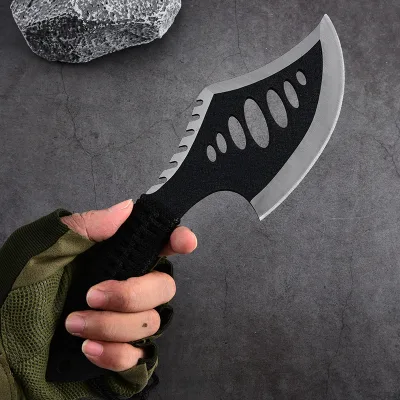
$2.65 - $3.00
MOQ: 10 pieces
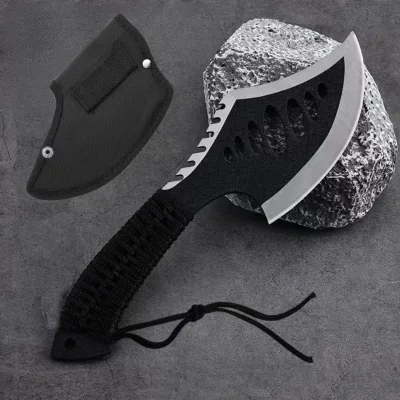
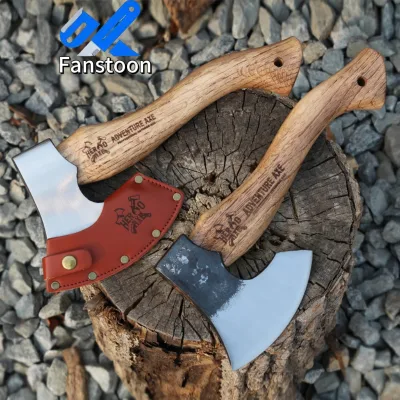
$11.50 - $14.50
MOQ: 1 pieces
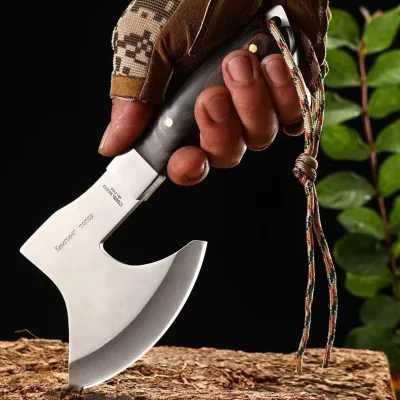

Guangzhou 247 International Co., Ltd
- Trading Company,Manufacturer/Factory
- China Guangdong
- Lead time23 days
- Avg. response≤ 12h
Main productsIron Nails, Screws, Welding Rods, Iron Wire, Welding Wires, Wire Mesh, Safety Products, Welding Gloves, Fastener, Labour Protection Tools
Main marketsSouth America,Eastern Europe,Mid East,North America,Southeast Asia,Eastern Asia,Oceania,Western Europe,Africa

Lanxi Kingway International Trade Co., Ltd.
- Verified by TUVRHEINLAND
- Trading Company,Manufacturer/Factory
- China Zhejiang
- Lead time23 days
- Avg. response≤ 3h
Main productsRoofing Sheets, Doors, Iron Nails, Hinges, Paint Brush, Hand Tools, Locks, Measuring Tools, Hammers, Coffin Fitting
Main marketsSouth America,Eastern Europe,Mid East,North America,Southeast Asia,Eastern Asia,Africa

High Carbon Steel Felling Chopping Axe Outdoor Hatchet Survival Outdoors Camping Splitting Axe
$1.12 - $4.55
MOQ: 500 Pieces

Outdoor Hatchet Camping Survival Wood Splitting Axe Garden Open Mountain Carbon Steel Axes
$1.12 - $4.55
MOQ: 500 Pieces

Tangshan Las Import & Export Co., Ltd.
- Trading Company,Manufacturer/Factory
- China Hebei
- Lead time45 days
- Avg. response≤ 16h
Main productsHandle Shovel, Pick, Hoe, Fork, Axe and Hammer, Shovel Head, Nails, Sickle, Wire Mesh, Machete
Main marketsSouth America,Mid East,Southeast Asia,Eastern Asia,Africa
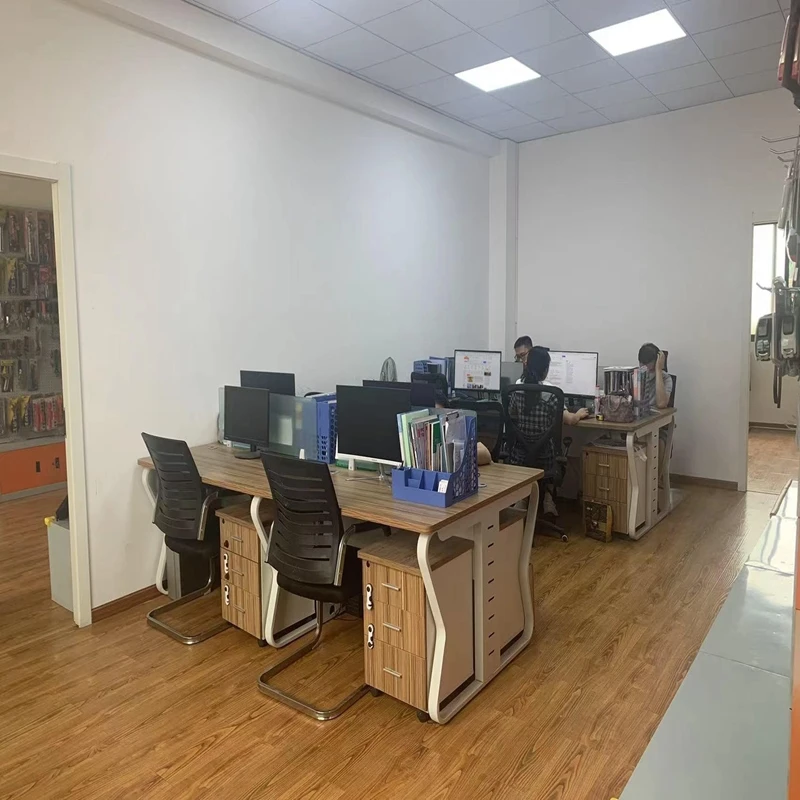
HANGZHOU JUCHUANG TRADING CO., LTD.
- Manufacturer, Trading Company
- Zhejiang, China
- Lead time30 days
- Avg. response≤ 4h
Main productsAutomotive Repair Tools,Mechanic Tools,Fastening Tools,Measuring Tools,Cutting tools
Main marketsNorth America(150.00%), Western Europe(20.00%), Eastern Asia(20.00%), Eastern Europe(10.00%), South America(10.00%), Southern Europe(10.00%), Northern Europe(5.00%), Central America(5.00%), Southeast Asia(5.00%)
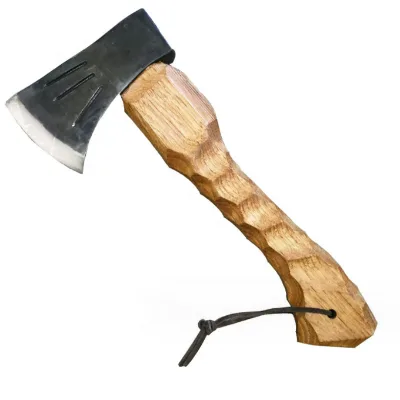
High Quality Outdoor Camping Tool High Carbon Steel Blade Multi-functional axe
$14.05 - $15.35
MOQ: 500
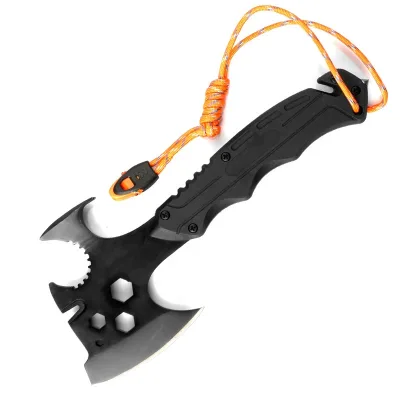
Outdoor Multi-functional axe Camping Vehicle Mounted Defensive axe Practical axe at Home
$11.36 - $12.51
MOQ: 1000

Shandong Best Import and Export Co., Ltd.
- Verified by SGS
- Trading Company
- China Shandong
- Lead time30 days
- Avg. response≤ 7h
Main productsPlastering Trowel, Hammer, Axe, Carpenter Pencil, Wrecking Bar, Bricklaying Trowel, Solar Panel, Other Hardware Tools
Main marketsSouth America,Africa,Southeast Asia/ Mideast,East Asia(Japan/ South Korea),Domestic,Europe,North America

Tuopu Hardware Tool Factory in Hedong District, Linyi City
- Verified by TUVRHEINLAND
- Combined
- China Shandong
- Lead time15 days
- Avg. response≤ 4h
Main productsTool Set, Plier, Axe, Hammer, Pliers, Wrench, PPR Pipe Welding Machine
Main marketsDomestic
Tianjin Jinyuan International Ltd
- Verified by TüVRheinland
- Trading Company
- Tianjin, China
- Lead time0 days
- Avg. response≤ 1h
Main productsAgricultural Tools, Gardening Tools, Shovels, Rakes, Lawn mower
Main marketsNorth America(30%), Eastern Europe(30%), Western Europe(20%)
Shandong Hanbang Tools Co., Ltd.
- Verified by SGS Group
- Trading Company
- Lead time15 days
- Avg. response≤ 2h
Main productsHand Tools, Power Tools, Welding Tools, Water Pump
Main marketsDomestic Market(45%), Southeast Asia(12%), Mid East(6%)
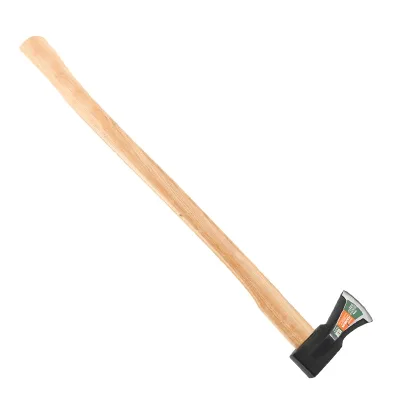
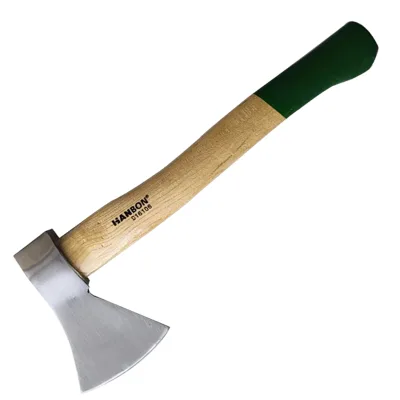
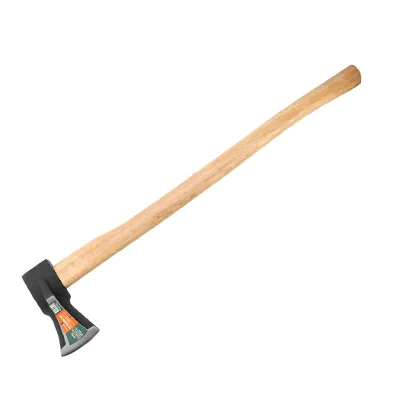
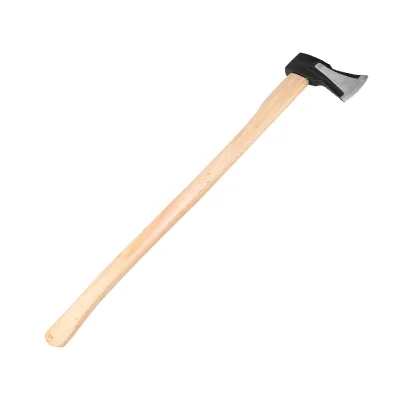
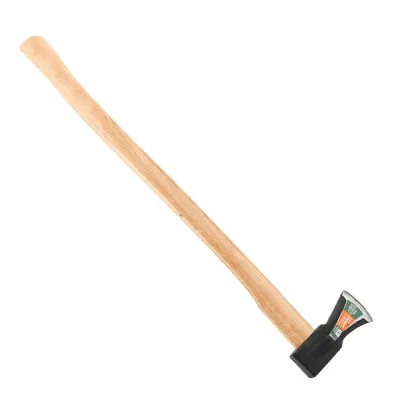
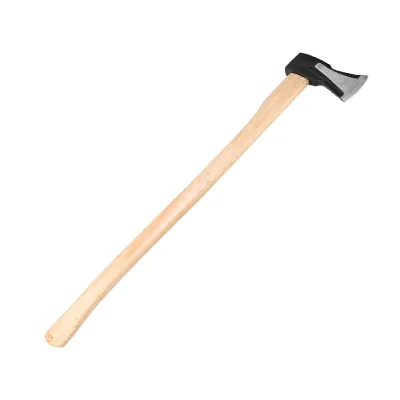
Good Quality Black Color Axe for Felling Wood
$2.40 - $4.46

TANGSHAN MIRACLE IMPORT AND EXPORT CO., LTD.
- Verified by SGS
- Combined
- China Hebei
- Lead time15 days
- Avg. response≤ 13h
Main productsShovel, Hoe, Pickaxe, Machete, Fork, Rake, Farming Tools, Garden Tools
Main marketsOthers(foreignTradeCapacity.exportBusinessCapacityMarketOther)

High-Carbon Steel Forged Axe with Plastic Handle for Camping Fishing Wood Cutting
$2.10 - $2.20
MOQ: 2400 Pieces


Yangjiang Hopefine Industrial And Trading Co., Ltd.
- Manufacturer, Trading Company
- Guangdong, China
- Lead time30 days
- Avg. response≤ 2h
Main productsmultifunctional knife,multifunctional card,multifunctional plier,camping axe,military knife
Main marketsNorth America(64.00%), Western Europe(20.00%), Northern Europe(5.00%), Eastern Europe(3.00%), Domestic Market(2.00%), Southeast Asia(2.00%), South America(2.00%), Mid East(2.00%)
Jinan Hehong Electric Tools Co., Ltd.
- Manufacturer, Trading Company
- Shandong, China
- Lead time10 days
- Avg. response≤ 6h
Main productsNail guns,Power tools,Hand tool boxes,Measuring tools,Insulation tools
Main marketsAfrica(30.00%), Mid East(20.00%), Eastern Asia(10.00%), Southeast Asia(8.00%), South Asia(5.00%), Northern Europe(5.00%), Eastern Europe(5.00%), Oceania(5.00%), Domestic Market(5.00%), North America(5.00%), South America(2.00%)

Wenzhou Joint Swords Co., Ltd.
- Combined
- China Zhejiang
- Lead time30 days
- Avg. response≤ 23h
Main productsSwords, Katana, Samurai Swords, Movie Swords, Shields, Axe, Medieval Helmets, Tanto, Lord of Ring, Key Ring
Main marketsDomestic

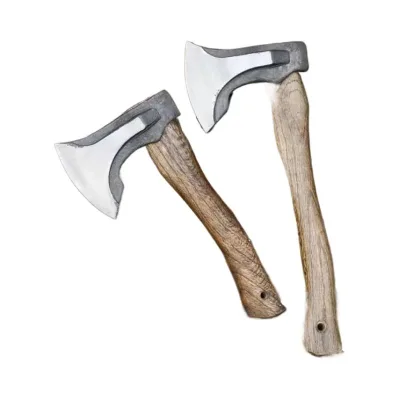
Outdoor Hunting Axe Functional Servival Axe
MOQ: 240 Pieces

Outdoor Hunting Axe Functional Servival Axe
MOQ: 240 Pieces

Fixed Blade Knife Military Hunting Knife
MOQ: 120 Pieces

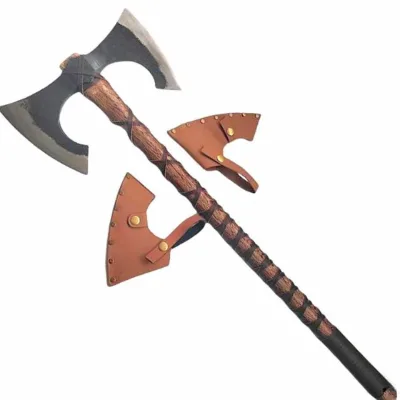
Medieval War Axe Ceremonial Medieval Axe
MOQ: 60 Pieces

MOQ: 120 Pieces

Qingdao Jiesheng Kaili Industry And Trade Co., Ltd.
- Trading Company
- Shandong, China
- Lead time45 days
- Avg. response≤ 3h
Main productsPaint rolle,Nail class,hand tools,nail gun,Tool set
Main marketsSouth Asia(32.00%), Mid East(28.00%), Eastern Asia(15.00%), North America(11.00%), South America(9.00%), Oceania(5.00%)
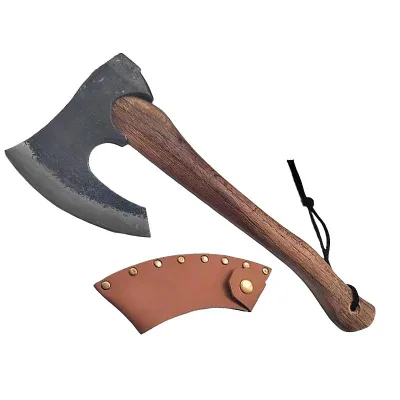
Industrial Grade High Carbon Steel Axe with Ash Wooden Handle for Camping and Hunting
$11.23 - $14.29
MOQ: 5 pieces

Nanjing Tiby Import & Export Co., Ltd.
- Verified by SGS
- Trading Company
- China Jiangsu
- Lead time30 days
- Avg. response≤ 12h
Main productsKnife, Multi Tool, Survival Kit, Survival Bracelet, Compass, Machete, Wire Saw, Carabiner Knife, Hunting Knife, Bowie
Main marketsEast Asia(Japan/ South Korea),Europe,North America
Taigu Changlin Shovel Co., Ltd.
- Verified by Intertek
- Manufacturer, Trading Company
- Lead time30 days
- Avg. response≤ 3h
Main productsMulti-Function Folding Shovel
Main marketsNorth America(40%), Africa(40%), Eastern Europe(10%)

Ningbo Zhixin Metal Product Co., Ltd
- Verified by TUVRHEINLAND
- Trading Company,Manufacturer/Factory
- China Zhejiang
- Lead time0 days
- Avg. response≤ 8h
Main productsFastener, Tool Set, Sheet Metal Fabrication, Metal Stamping Part, CNC Machining Parts

Yangjiang Strongtool Hardware Manufacture Co., Ltd.
- Verified by TUVRHEINLAND
- Trading Company
- China Guangdong
- Lead time45 days
- Avg. response≤ 4h
Main productsHardware Tool, Hand Tool, Multi Tools, Hammer, Knife, Survival Axe, BBQ, Repair Tool, Office Paperwork, Power Tool
Main marketsNorth America

Hot Sell High Carbon Steel Felling Hammer Hatchet Axe with Fiberglass Handle
$4.75 - $4.99
MOQ: 1000 Pieces

Outdoor Hunting Hiking Emergency Escape Tool Multifunctional Axe Hammer
$2.00 - $3.00
MOQ: 1000 Pieces

6 Inch Stainless Steel Hammer Axes Camping Outdoor Survival Multitool Axe
$4.50 - $5.50
MOQ: 1000 pieces

Survival Camping Outdoor Hunting Axe with Knife Multi-Tool for Camping Tactical St-91f
$3.68 - $3.85
MOQ: 1000 pieces


- Verified by BV
- Manufacturer/Factory
- China Fujian
- Lead time15 days
- Avg. response≤ 25h
Main productsWater Bottle, Kitchen Ware, Shoes, Plastic Product, Bag, Toy
Main marketsSouth America,Eastern Europe,Mid East,North America,Southeast Asia,Eastern Asia,Oceania,Western Europe,Africa

- Verified by SGS
- Trading Company
- China Zhejiang
- Lead time15 days
- Avg. response≤ 12h
Main marketsEurope
- Manufacturer, Trading Company
- Guangdong, China
- Lead time30 days
- Avg. response≤ 2h
Main productspocket Knife,camping tools,kitchen knife,kitchen tools,BBQ tools
Main marketsNorth America(45.00%), Eastern Europe(30.00%), Western Europe(10.00%), Oceania(5.00%), South America(5.00%), South Asia(1.00%), Southern Europe(1.00%), Northern Europe(1.00%), Central America(1.00%), Southeast Asia(1.00%)
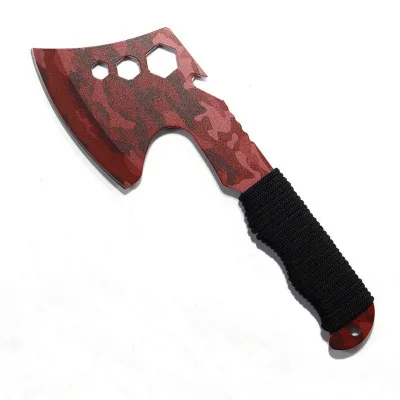
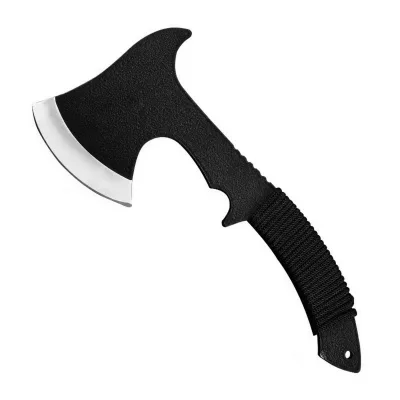
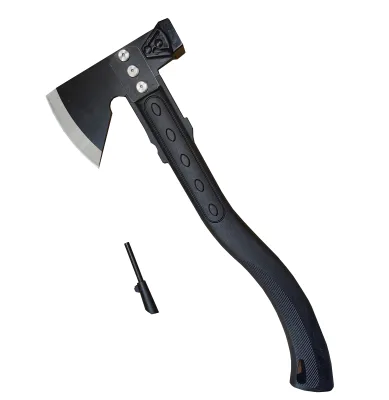
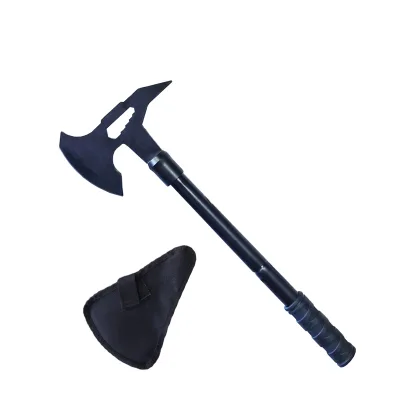
AX-1002 Coating 440 Steel Tactical Survival Axe Outdoors Camping Tools Sharp Hatchet
$2.71 - $3.05
MOQ: 1000
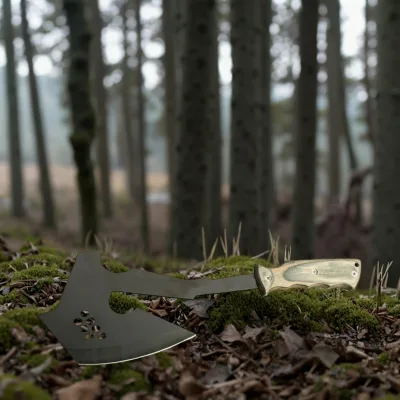
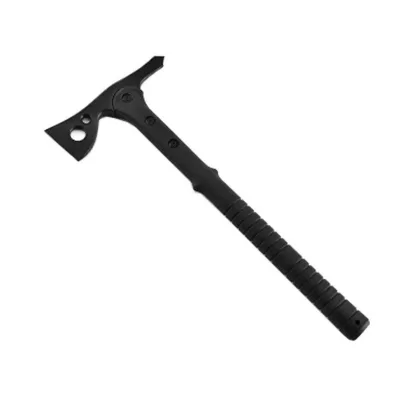
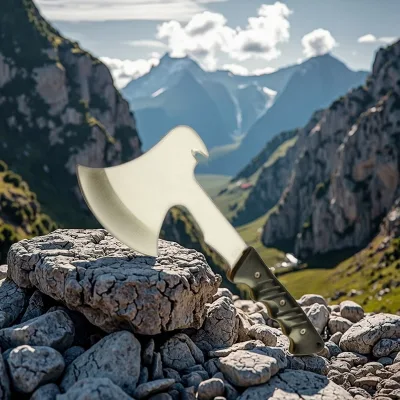
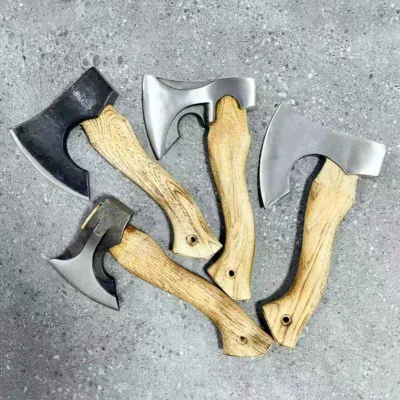
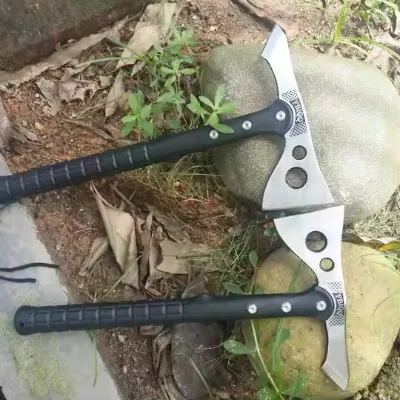
AX-1004 Customized High Quality Heavy Axe Tool Steel Handle Black Coating Hatchet
$3.52 - $3.73
MOQ: 1000






Comprehensive Sourcing Guide
High Carbon Steel Hunting Axe Supplier Concentration and Factory Types
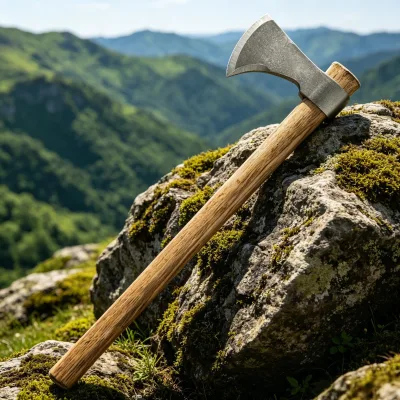
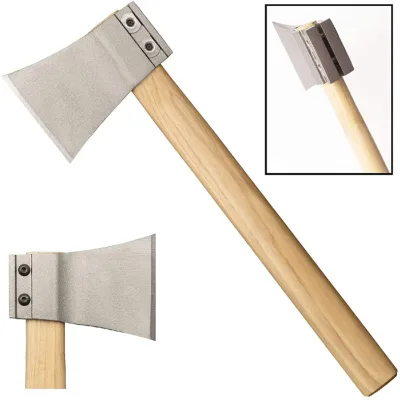
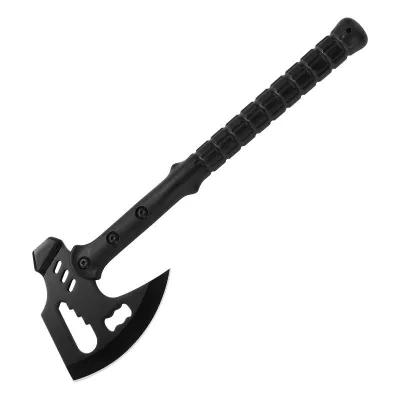
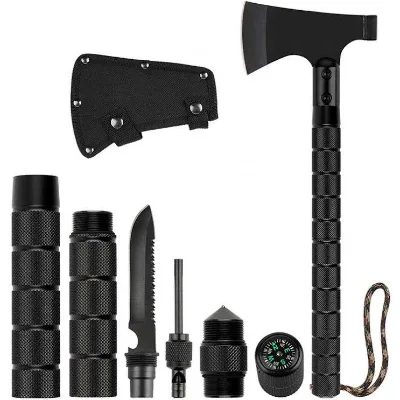
Supplier listings for the High Carbon Steel Hunting Axe reveal two distinct company types that behave very differently in practice. Manufacturer/factory listings typically bundle axes into a broader hardware portfolio — rigging hardware, wire rope clips, load binders, hooks and lifting chain appear alongside hand tools such as drop-forged axes and hammers. These suppliers tend to describe forging capability directly, and one listed factory in China's Shandong province advertises OEM and ODM capacity under an ISO 9001 system certification with SGS verification. Trading companies, by contrast, present tighter, category-focused catalogs — folding knives, fixed blade knives, camping axes and semi-finished cutting tools — and may hold CE certification with SGS Group verification rather than factory credentials.
When you map this category, note that product-level data can point to origins the company profile does not: one trading company's axe listings state Guangdong as the place of origin even though its own location field differs. This is common, since traders aggregate output from multiple workshops. Rather than assuming a cluster exists, ask each shortlisted supplier where its axes are actually forged, which processes are in-house (forging, heat treatment, grinding, handle fitting) and which are outsourced. A factory claiming full in-house production but quoting a 45-day lead time may be queuing behind its main hardware lines, while a trading partner quoting a 3-day lead time is likely reselling stock from nearby workshops.
How to Verify High Carbon Steel Hunting Axe Suppliers
Start with the verification badges and system certifications shown in supplier results, then push beyond them. SGS verification and ISO 9001 or CE certification indicate that a third party has reviewed the company, but neither tells you who actually forges your axe heads or controls heat treatment. Request the scope of the certificate: an ISO 9001 scope covering rigging hardware does not automatically cover edged tools. Ask for a copy of the certificate with the registered scope, confirm the certificate number with the issuing body where possible, and check that the verified entity name matches the bank account you will pay.
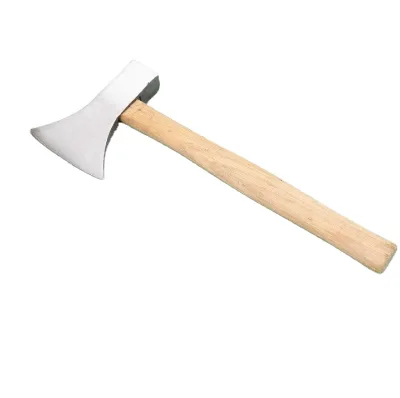
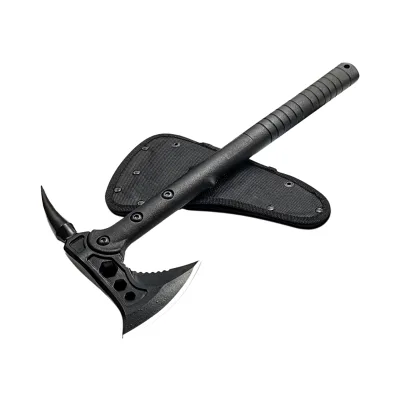
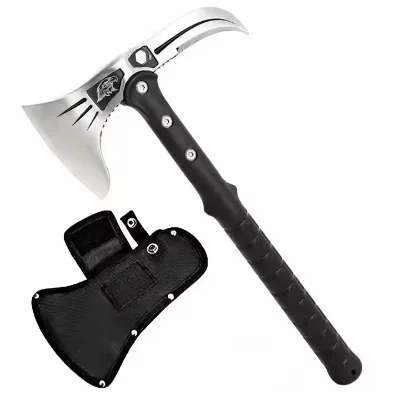
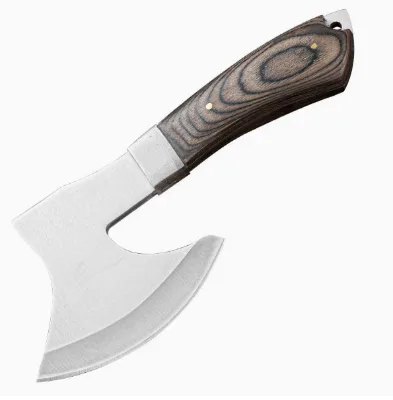
Second, verify production reality through the product data itself. Listings in this category disclose useful specifics — axe head material stated as high carbon steel, hardness values such as 55HRC or 57HRC, head weights from around 300g up to roughly 920g, handle materials in wood or steel, and sample turnaround of two to three days. A supplier who publishes these attributes and accepts customization is easier to audit than one listing only marketing keywords. Order a paid sample before any commitment, test edge retention and handle fit yourself, and ask the supplier to state which plant produced the sample. Finally, confirm the legal entity: request a business license, cross-check the registered address against the listed location, and verify export experience for your destination market, since steel-bladed tools can face import documentation requirements that a first-time exporter may handle poorly.
What to Compare Across High Carbon Steel Hunting Axe Suppliers
Build a comparison sheet using the attributes actually displayed in supplier results, without assuming every supplier publishes the same fields. Useful dimensions here include lead time, minimum order quantity, response speed, company type, verification status, certification, location and main products. In the current results, lead times range from 3 days to 45 days, MOQs run from 1 piece to 500 pieces, and response times span roughly 2 hours to under 6 hours — wide spreads that materially change your cash exposure and replenishment speed. A supplier with a 5-piece MOQ suits market testing; a 500-piece MOQ with a factory price band of roughly 0.70 to 3.00 per unit suits volume programs.
Also compare depth of customization and product fit. Some listings advertise OEM, ODM and OBM support, custom logos, customer-specified packing and sample processing or graphic processing capability; others list axes only as a sideline within a rigging or hand-tool catalog. Match the supplier type to your need: a factory with drop-forging experience may offer better unit economics at volume but slower sampling, while a trading company with fast sampling and low MOQs is better for launching multiple designs. Compare warranty statements (one listing claims a 1-year warranty, another 3 years), published hardness and weight specifications, and packing options such as oxford bags or kraft boxes. Weight every quoted number against whether it is a supplier-side commitment or a product-page attribute you must confirm in writing.
Common High Carbon Steel Hunting Axe Sourcing Risks
The most frequent risk in this category is material substitution. High carbon steel is the stated specification across many listings, but some camping axes in the same results are described with stainless steel blades, and hardness claims such as 55HRC or 57HRC are rarely backed by published test reports. If hardness runs low, edges roll; if it runs high without proper tempering, heads chip or crack. Require a material certificate or an independent lab test on sample and first-article production, and specify the steel grade in your contract rather than accepting "high carbon steel" as a definition.
Second, watch for capability mismatch and hidden outsourcing. A supplier whose main products are rigging hardware, shackles or lifting chain may subcontract your axes entirely, which lengthens lead times and weakens quality control — a 45-day quoted lead time can quietly stretch when an upstream workshop delays. Trading companies present a different risk: stacked margins and vague factory identity, with origin fields like Guangdong attached to products while the company sits elsewhere. Other common issues include packaging damage in transit for heavy forged heads, inconsistent wooden handle moisture causing cracks after shipping, logos applied off-center on low-MOQ runs, and sample quality that does not survive to mass production. Mitigate by approving a golden sample, defining tolerance for hardness and head weight, inspecting before shipment, and agreeing on a rework or discount mechanism for out-of-spec batches before paying the balance.
High Carbon Steel Hunting Axe Regional Sourcing and Logistics
The evidence on geography is uneven, so treat location data as a starting point rather than a conclusion. Company profiles place at least one verified manufacturer in China's Shandong province, whose industrial base is known for forging and metal hardware, while product-level attributes on camping axes from a trading company state Guangdong, China as the place of origin — a southern coastal region strong in outdoor and hardware goods. Because profiles and product origins can disagree, ask each supplier to name the actual production site, and weight that answer alongside their main products: a rigging and lifting hardware manufacturer is plausibly forging in-house, while a knife-and-axe trader is likely consolidating goods from several workshops.
Logistically, this category is heavy and sharp-edged, which shapes your planning. Forged steel heads with wooden handles commonly ship in the 0.3kg to roughly 0.92kg gross range per unit, so freight cost scales quickly and carton weight limits matter. Confirm how blades are sheathed or edge-guarded — some listings specify leather sheaths or oxford bags — since carriers and customs authorities treat exposed edged tools differently. Quoted lead times of 3 days versus 45 days likely reflect stock resale versus made-to-order forging; build your reorder calendar around the longer figure for custom runs, and around the shorter one only for confirmed in-stock SKUs. Ask which port the goods actually ship from, since it may differ from the supplier's registered city, and verify consolidation options if you source axes and other hardware from the same region.
High Carbon Steel Hunting Axe Commercial Terms and Order Planning
Plan your commercial terms around the spread visible in this category's data. Price bands on listed axes run from under one dollar for basic carbon steel hand axes up to around 14.50 for forged Viking-style heads with leather sheaths, and MOQs range from 1 to 500 pieces. Combine these into a staged plan: buy 1-10 unit trial lots at the higher per-unit price to validate quality and market demand, then commit to a 500-piece run once a design proves itself, negotiating the price down accordingly. Note that customization clauses — custom logos, customer-required packing, ODM development — often carry separate tooling or setup charges that only appear at quotation, so request an itemized cost sheet.
Structure payments and timelines defensively. For a first order, favor a modest deposit with balance due after pre-shipment inspection, and use whatever escrow or trade-assurance mechanism your chosen platform offers to keep funds contingent on inspection. Anchor the schedule in writing: some suppliers commit to 2-3 day samples while production lead times reach 45 days, so set a sample approval deadline, a production start date and a ship date as separate milestones with remedies for slippage. Confirm warranty terms — listings vary between 1 year and 3 years — and define what a warranty claim costs whom. Finally, lock specifications into the contract: steel grade, hardness range, head weight, handle material, sheath, packaging and marking, since these are exactly the attributes this category's listings leave ambiguous.
FAQs
What is the typical lead time for High Carbon Steel Hunting Axe orders?
Lead times vary by supplier, with observed ranges from 3 to 45 days. Some manufacturers offer faster turnaround for samples, while bulk orders may require longer production schedules. Buyers should confirm specific delivery windows based on order volume and customization needs before placing an order.
What are the minimum order quantities for these hunting axes?
Minimum order quantities differ significantly across suppliers, ranging from as low as 5 units to 500 units. Some vendors accept small batch orders for tactical or camping models, while others require larger volumes for industrial-grade tools. Always verify the specific MOQ with the supplier to ensure it fits your procurement plan.
Are these axes available with custom branding or specifications?
Yes, many suppliers offer customization options including logo printing, handle materials, and blade shapes. OEM and ODM services are available for high carbon steel models, allowing buyers to tailor weight, hardness, and packaging. Customization support varies, so confirm specific requirements like handle length or head style with the manufacturer.
What certifications do the manufacturers of these axes hold?
Manufacturers often hold ISO 9001 system certifications to ensure quality management standards. Some suppliers also provide CE certification for specific product lines. Verification by third parties like SGS is common, but buyers should request current certificates to confirm compliance with international safety and quality standards for their specific order.
Where are the primary manufacturing locations for these hunting axes?
Production facilities are primarily located in China, with specific hubs in Shandong and Guangdong provinces. These regions host both manufacturers and trading companies specializing in hardware and hand tools. Buyers should verify the exact origin of their specific order to understand logistics, tariffs, and potential shipping times accurately.
What is the typical response time for supplier inquiries?
Supplier response times vary, with some vendors replying within 2 hours and others taking up to 5.5 hours. Faster response rates often indicate active sales teams ready to assist with urgent sourcing needs. Buyers should expect prompt communication but should also verify current availability and response metrics directly with the supplier.
What materials are used for the axe heads and handles?
Axe heads are typically made from high carbon steel, with hardness ratings ranging from 55HRC to 57HRC. Handles are commonly crafted from wood or high carbon steel, depending on the model. Some tactical versions feature black coatings or leather sheaths. Buyers should check specific product attributes for material composition and durability claims.
What is the price range for high carbon steel hunting axes?
Prices vary widely based on specifications, ranging from approximately 0.70 to 14.50 per unit. Lower prices often apply to bulk industrial orders, while specialized tactical or custom models command higher rates. Buyers should request detailed quotes including shipping and customization fees to get an accurate total cost for their specific requirements.