High Pressure Cryogenic Hydraulic Motor Suppliers and Manufacturers
Explore 26 verified suppliers offering High Pressure Cryogenic Hydraulic Motor options with varying lead times, certifications, and dimensions. Compare specifications like flow rates and weights, then contact suppliers directly to confirm customization availability and pricing; review the available evidence before requesting comparable quotations from suitable candidates.
Updated
Suppliers List

Ningbo Oushijie Hydraulic Transmission Co., Ltd.
- Verified by SGS
- Combined
- China Zhejiang
- Lead time15 days
- Avg. response≤ 5h
Main productsHydraulic Motor, Hydraulic Spare Parts, Reduction Gear, Drum Cutter
Main marketsDomestic,Europe,North America


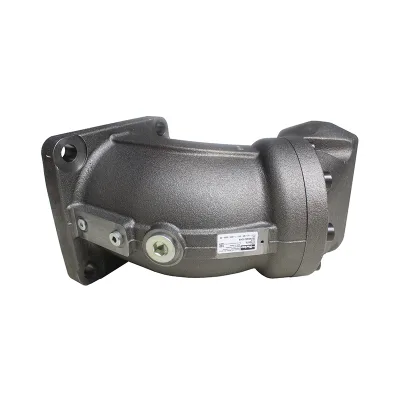
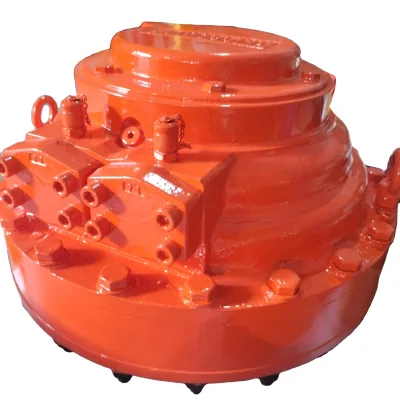
High Efficiency and High Performance for Mechanical Engineering Hydraulic Motors
$620.00
MOQ: 2 pieces


Ningbo Fenghua Gogo Automatic Trading Company Limited
- Trading Company
- Lead time旺季: "1 - 2":31,"> 2":"To be negotiated", 淡季: "1 - 2":31,"> 2":"To be negotiated"
- Avg. response≤ 7h
Main productsMechanical Parts, Auto Parts, Electric Parts, Pneumatic, Valve
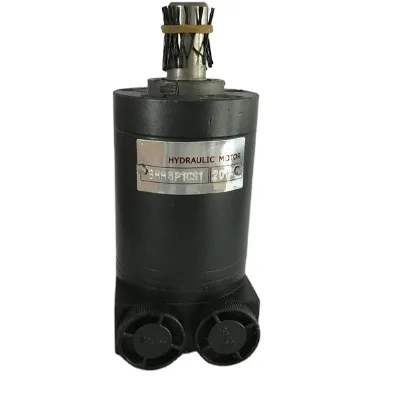
2015 Hot Sale Low Price Low Speed High Torque Cycloidal Hydraulic Motor
$500.00 - $888.00
MOQ: 2 pieces
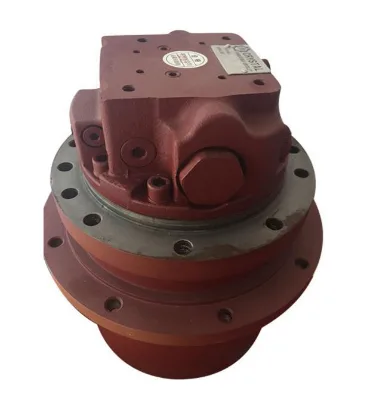
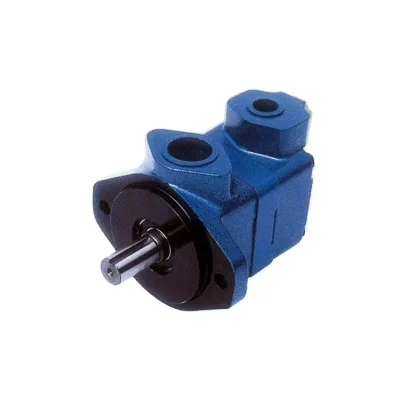
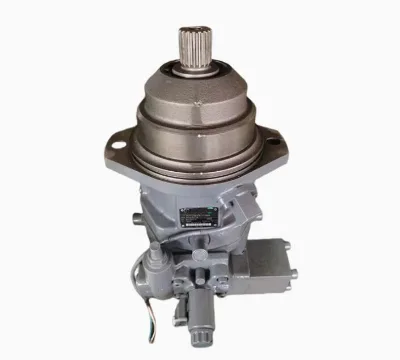
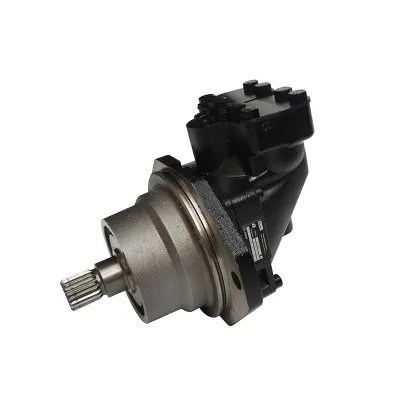
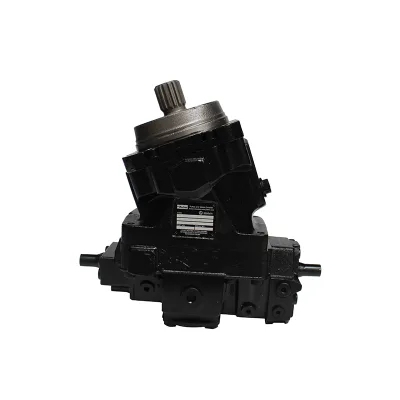
High Speed Hydraulic Motor A6VE160 HA3T/63W-VZL22XB-S Plug-in Plunger Motor Variable
$3175.00 - $4127.00
MOQ: 2 pieces
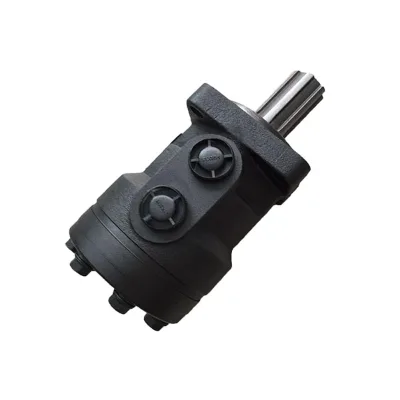
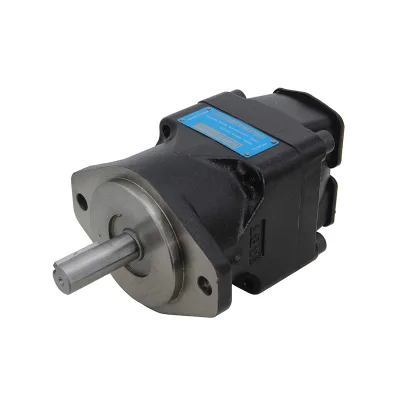
Low Noise High Torque Motor Hydraulic Motor Bm2 Bm3 80 100 125 160 200 High Quality
$50.00 - $150.00
MOQ: 2 pieces
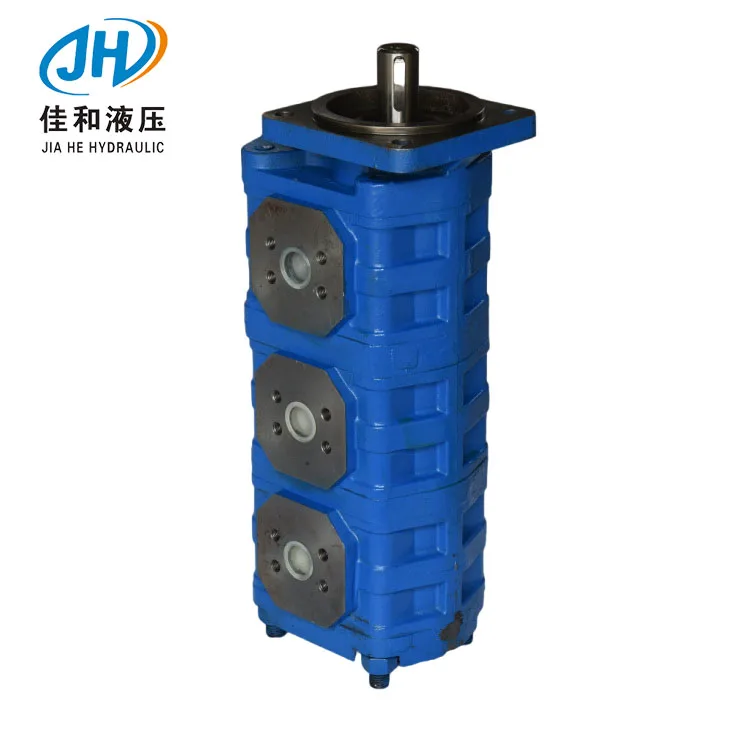
Qingzhou Jiahe Hydraulic Technology Co., Ltd.
- Manufacturer, Trading Company
- Shandong, China
- Lead time0 days
- Avg. response≤ 3h
Main productshydraulic pump,hydraulic gear pump,Gear motor,hydraulic valve
Main marketsDomestic Market(70.00%), Mid East(10.00%), North America(10.00%), Eastern Europe(5.00%), Northern Europe(5.00%)

Shijiazhuang Hanjiu Technology Co., Ltd.
- Trading Company,Manufacturer/Factory
- China Hebei
- Lead time0 days
- Avg. response≤ 15h
Main productsOrbit Hydraulic Motor, Hydraulic Steering Unit, Directional Valve

Jining Yuansheng Electromechanical Co., Ltd.
- Verified by BV
- Combined
- China Shandong
- Lead time23 days
- Avg. response≤ 6h
Main productsHydraulic Winch
Main marketsSoutheast Asia/ Mideast

Elephant Fluid (Hebei) Hydraulic Machinery Co., Ltd.
- Verified by BV
- Trading Company
- China Hebei
- Lead time0 days
- Avg. response≤ 14h
Main productsHydraulic Pump Part, Hydraulic Pump, Hydraulic Motor, Hydraulic Valve, Mining Dump Truck Parts, Hydraulic Vane Pump and Spare Parts, Gear Pump

Ningbo Associated Hydraulic Components Co., Ltd.
- Trading Company
- Zhejiang, China
- Lead time7 days
- Avg. response≤ 4h
Main productsHydraulic Valve,Hydraulic pump,Hydraulic motor,Hydraulic cylinder,Hydraulic spare parts
Main marketsAfrica(15.00%), Eastern Europe(12.00%), South Asia(10.00%), Western Europe(10.00%), Eastern Asia(10.00%), Mid East(8.00%), Southeast Asia(8.00%), North America(5.00%), Southern Europe(5.00%), Northern Europe(5.00%), Oceania(5.00%), South America(5.00%), Domestic Market(2.00%)
Wuhan Hongda Hydraulic Pneumatic Equipment Manufacturing Co., Ltd.
- Verified by Intertek
- Manufacturer, Trading Company
- Lead time0 days
- Avg. response≤ 4h
Main productsHydraulic Cylinder, Control Valves, Hydraulic Pumps, Hydraulic Power Unit, Pneumatic Cylinder

Huizhou Lingyue Hydraulic Co., Ltd.
- Verified by SGS
- Trading Company
- China Guangdong
- Lead time15 days
- Avg. response≤ 5h
Main productsHydraulic Motor, Hydraulic Pump, Gear Pump, Vane Pump, Hydraulic Pump Spare Parts, Engineering Equipment, Solenoid Valve, Plunger Pump
Main marketsDomestic,North America
Hangzhou Aoli Hydraulic Co., Ltd.
- Trading Company
- Zhejiang, China
- Lead time0 days
- Avg. response≤ 2h
Main productshydraulic pump,hydraulic motor,hydraulic valve,Hydraulic parts
Main marketsMid East(20.00%), Southeast Asia(18.00%), North America(15.00%), South America(10.00%), Eastern Europe(10.00%), Oceania(7.00%), Africa(5.00%), Western Europe(5.00%), Northern Europe(5.00%), Southern Europe(5.00%)
Shenzhen Aotuoshi Hydraulic Machinery Co., Ltd.
- Verified by TüVRheinland
- Manufacturer, Trading Company
- Lead time5 days
- Avg. response≤ 3h
Main productsHydraulic Pump, Vane Pump, Piston Pump, Gear Pump, Hydraulic Motor
Main marketsDomestic Market(49%), North America(10%), South America(5%)
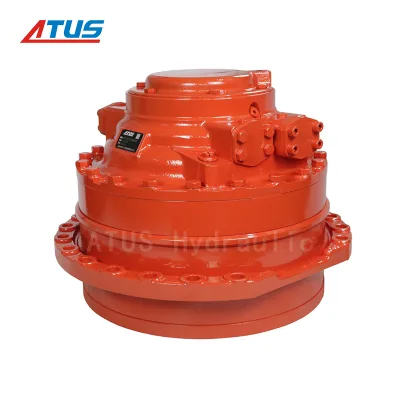
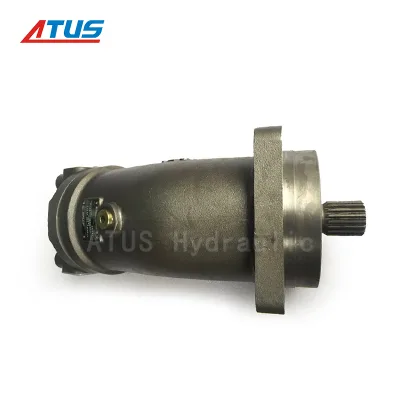
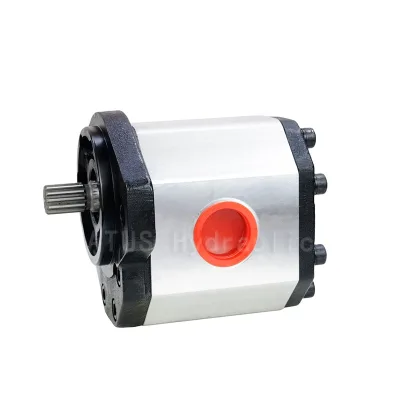
$141.4034 - $153.699
MOQ: 1 sets

Ningbo Helm Tower Noda Hydraulic Co., Ltd.
- Verified by TUVRHEINLAND
- Combined
- China Zhejiang
- Lead time15 days
- Avg. response≤ 15h
Main productsHydraulic Motor, Hydraulic Spare Part, Hydraulic Pump, Marine Vane Motor, Vane Pump, Orbit Motor, Bent Axis Piston Motor, Piston Pump
Main marketsSouth America,Domestic,Europe,North America

Zhihan Maoze International Trade (Jinan) Co., Ltd.
- Verified by SGS
- Trading Company
- China Shandong
- Lead time15 days
- Avg. response≤ 5h
Main productsPaver Accessories
Main marketsDomestic,Europe
Shanghai Guorui Hydraulic Technology Co., Ltd.
- Verified by SGS Group
- Manufacturer, Trading Company
- Lead time40 days
- Avg. response≤ 2h
Main productsGear Pump, Hydraulic Motor, Hydraulic Control Valve, Hydraulic Power Unit, Steering unit
Main marketsNorth America(60%), South America(10%), Eastern Europe(10%)
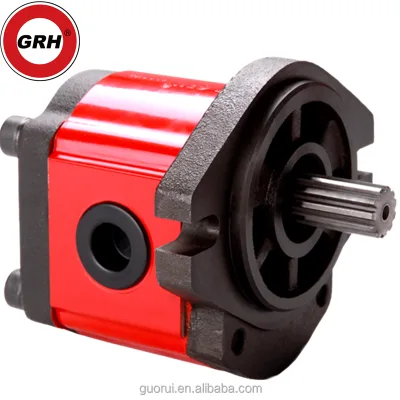
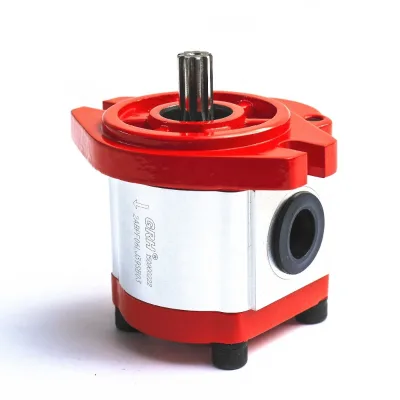
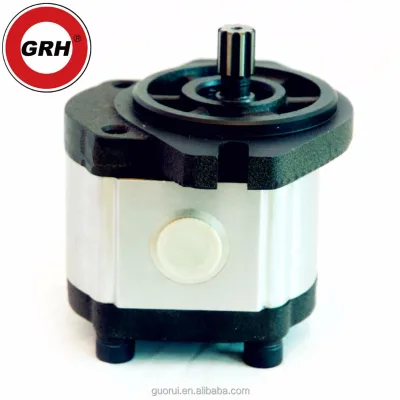
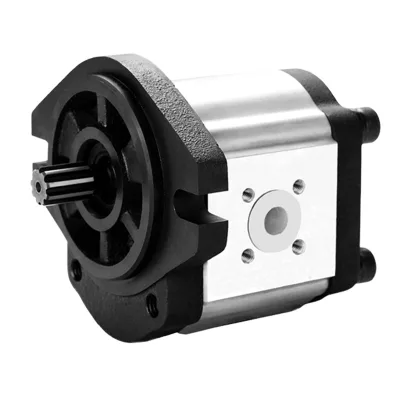
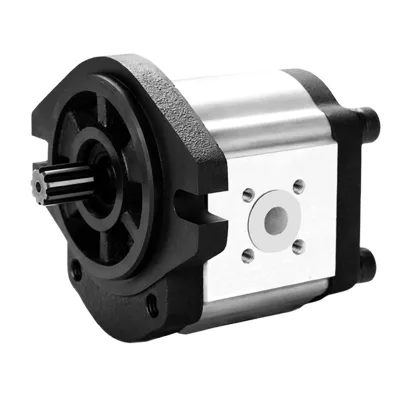
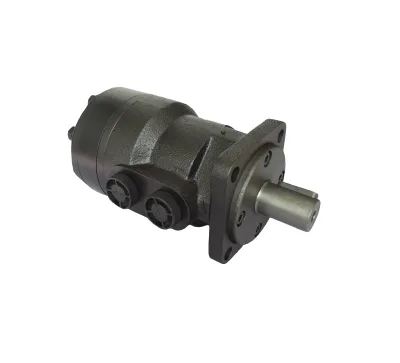
Machinery Parts BMP Motor Displacement 36 Ml/R Volume Efficiency>>90% Hydraulic Motor
$189.5626
MOQ: 6 Minimum
Shijiazhuang Baile Electromechanical Equipment Co., Ltd.
- Verified by TüVRheinland
- Manufacturer, Trading Company
- Lead time5 days
- Avg. response≤ 3h
Main productsHydraulic Pump, Hydraulic Motor, Hydraulic Valve, Hydraulic Cylinder, Gear Pump
Main marketsSoutheast Asia(20%), Western Europe(18%), Southern Europe(17%)
Guangdong Taichuang Hydraulic Technology Co., Ltd.
- Verified by TüVRheinland
- Manufacturer, Trading Company
- Lead time0 days
- Avg. response≤ 1h
Main productsHydraulic Power Pack
Main marketsNorth America(16%), South America(15%), Southeast Asia(10%)

Hebei Gallop Import And Export Trading Co., Ltd.
- Manufacturer, Trading Company
- hebei, China
- Lead time20 days
- Avg. response≤ 5h
Main productshydraulic valve,hydraulic accumulator,hydraulic gear pump,PTO gearbox,hydraulic cylinder
Main marketsMid East(30.00%), South Asia(30.00%), Southeast Asia(10.00%), Northern Europe(10.00%), Western Europe(10.00%), Eastern Asia(10.00%)
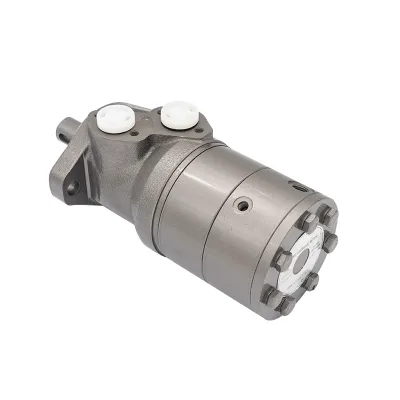
$115.00 - $145.00
MOQ: 1 pieces
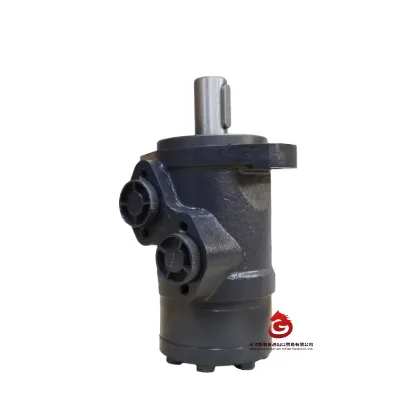
$118.4862 - $149.395
MOQ: 1 pieces
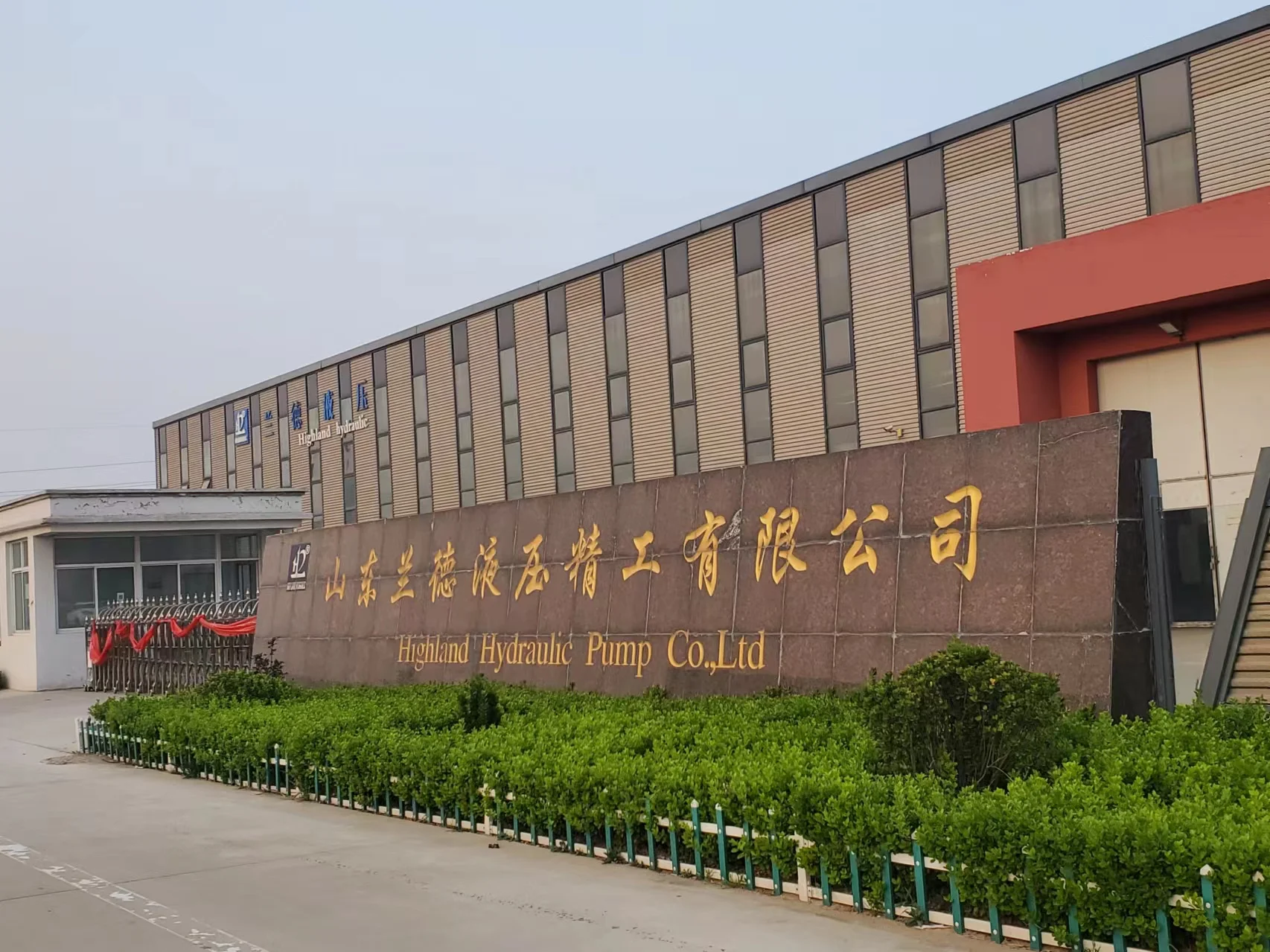
Jinan High Land Hydraulic Pump Co., Ltd.
- Trading Company
- Shandong, China
- Lead time15 days
- Avg. response≤ 1h
Main productsHydraulic piston pump,Hydraulic motor,Hydraulic test bench,Portable hydraulic testing instrument,Hydraulic pump
Main marketsWestern Europe(60.00%), North America(30.00%), South Asia(10.00%)

Haiyan Minfeng Electronic Appliance Co., Ltd.
- Manufacturer
- Zhejiang, China
- Lead time30 days
- Avg. response≤ 2h
Main productsHydraulic DC motor,DC Motors,Solenoid Switch,contactor,Auto parts
Main marketsNorth America(60.00%), Southeast Asia(10.00%), Eastern Europe(10.00%), South America(10.00%), Western Europe(5.00%), Africa(5.00%)
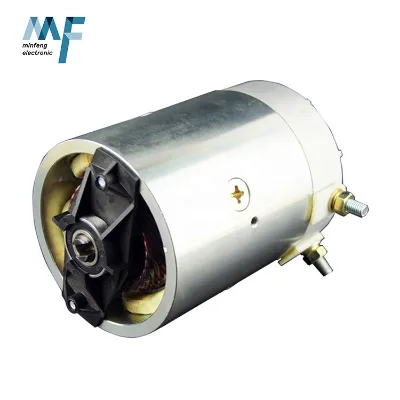
$40.00 - $45.00
MOQ: 2 pieces
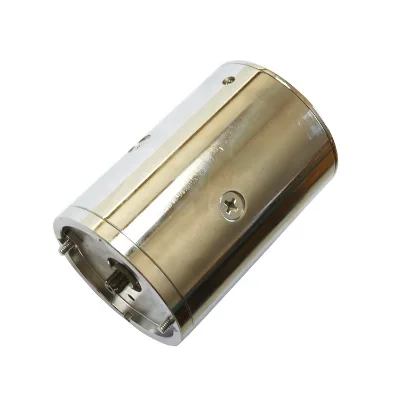
Low Cost Hydraulic Motors Function Generator Product
$45.00 - $47.00

QingDao MDP Flow Control Co., Ltd.
- Verified by BV
- Manufacturer
- China Shandong
- Lead time15 days
- Avg. response≤ 19h
Main productsHydraulic Power Pack, Hydraulic Components, Hydraulic Valves, Hydraulic System, Pump and Valves, Oil Cooller, Valve Actuator Positioner, Hydraulic Motor, Heat Exchanger, Hydraulic Gauge
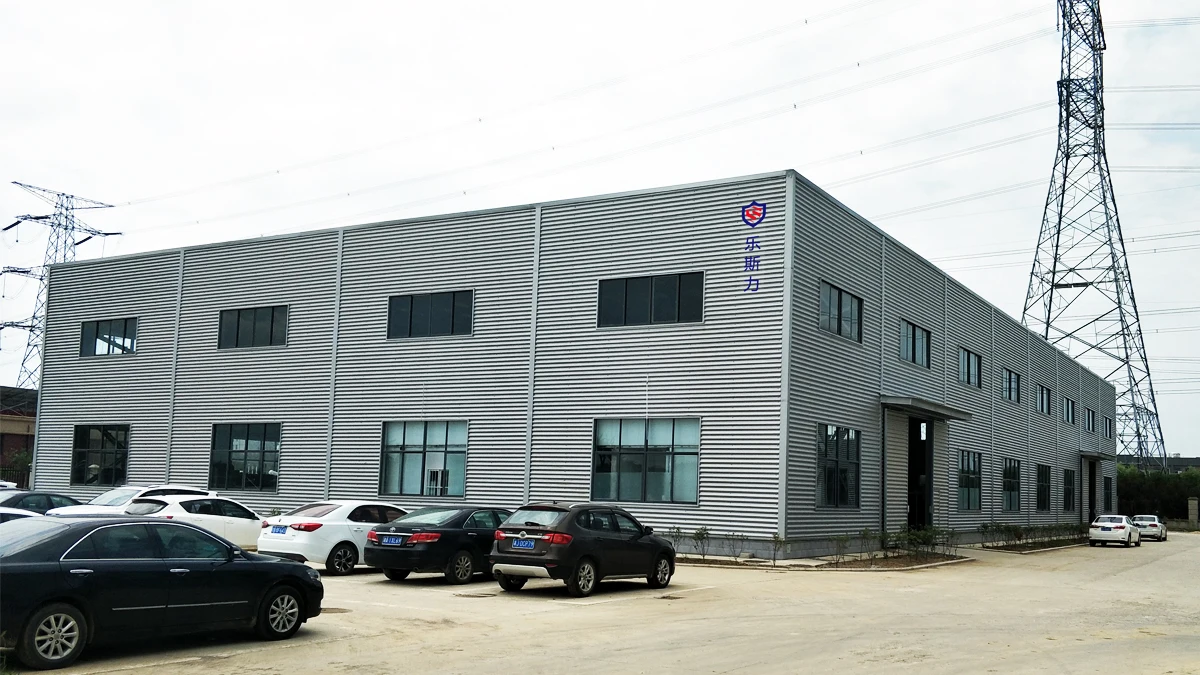
Hefei Lesili Hydraulic Technology Co., Ltd.
- Trading Company
- Anhui, China
- Lead time15 days
- Avg. response≤ 2h
Main productsHydraulic pump,Hydraulic motor,Hydraulic system,Power stripper,Pilot pump
Main marketsDomestic Market(70.00%), Southeast Asia(20.00%), Eastern Europe(10.00%)

Wuhan Xinlaifu Hydraulic Equipment Co., Ltd.
- Verified by TUVRHEINLAND
- Trading Company,Manufacturer/Factory
- China Hubei
- Lead time15 days
- Avg. response≤ 3h
Main productsHydraulic Pump, Hydraulic Valve, Gear Pump, Hydraulic Parts of Excavator, Hydraulic Spare Parts, Hydraulic Motor, Electronically Controlled Hydraulic Valve, Vane Pump, Piston Pump, Rexroth Industrial Hydraulic Products
Main marketsSouth America,Eastern Europe,Mid East,North America,Eastern Asia,Western Europe
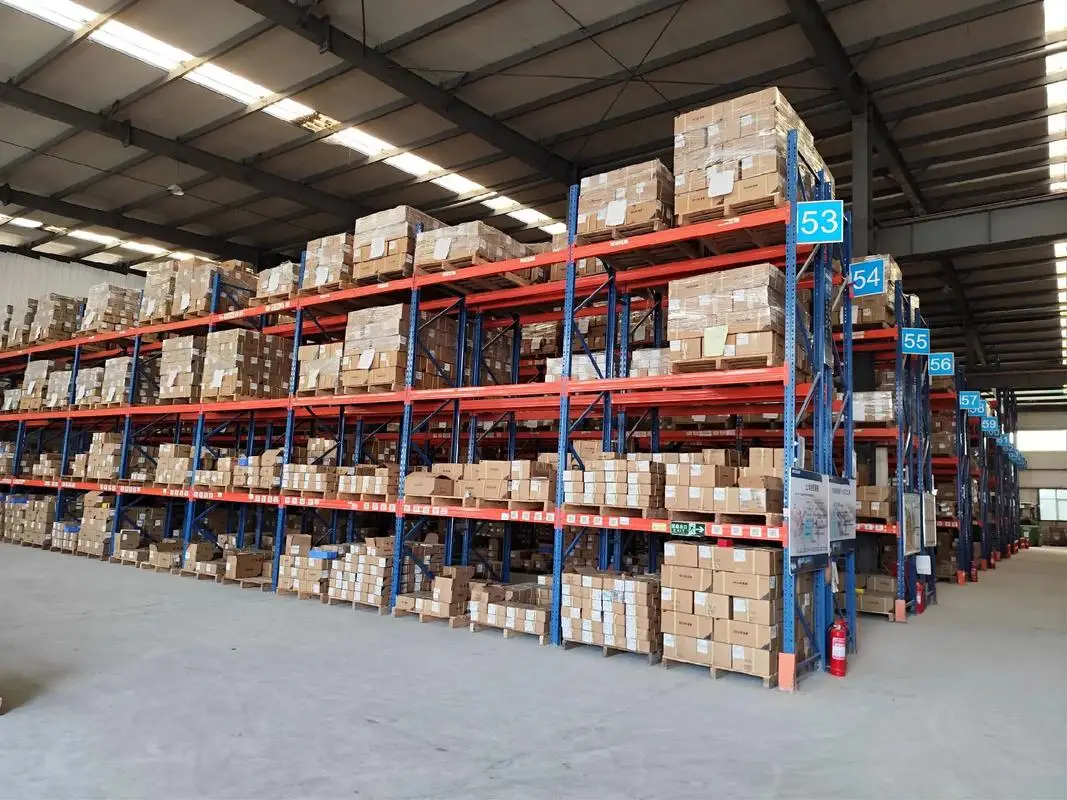
Suzhou Keyang Electromechanical Co., Ltd.
- Trading Company
- Jiangsu, China
- Lead time7 days
- Avg. response≤ 5h
Main productsvalve,pump,motor,cylinder,electric machinery
Main marketsNorth America(30.00%), Southeast Asia(20.00%), Mid East(15.00%), Central America(10.00%), Domestic Market(5.00%), Africa(5.00%), South Asia(5.00%), South America(5.00%), Eastern Asia(3.00%), Northern Europe(2.00%)

Ningbo High-Tech Zone Tosion International Trade Co., Ltd.
- Verified by BV
- Trading Company
- China Zhejiang
- Lead time30 days
- Avg. response≤ 3h
Main productsPiston Pump, Hydraulic Motor, Hydraulic Pump Parts, Injection Molding Machine Parts, Hydraulic System, Hydraulic Valve, Vane Pump, Gear Pump, Hydraulic Pump
Main marketsSouth America,Africa,Southeast Asia/ Mideast,East Asia(Japan/ South Korea),Europe,Australia,North America

Ningbo Xeriwell International Trade Co, Ltd
- Verified by SGS
- Trading Company
- China Zhejiang
- Lead time15 days
- Avg. response≤ 1h
Main productsHydraulic Motor, Hydraulic Pump, Hydraulic Motor Parts, Hydraulic Pump Parts, Hydraulic System, Hydraulic Station, Hydraulic Valve, Orbital Motor, Hydraulic Winch, Hydraulic Clyinder
Main marketsEurope
Quanzhou Bole Automation Engineering Co., Ltd.
- Verified by SGS Group
- Manufacturer, Trading Company
- Lead time5 days
- Avg. response≤ 2h
Main productsHydraulic Pump, Hydraulic Motor, Hydraulic Valve, Hydraulic Cylinder, Hydraulic Gear Pump
Main marketsDomestic Market(40%), North America(30%), Mid East(15%)








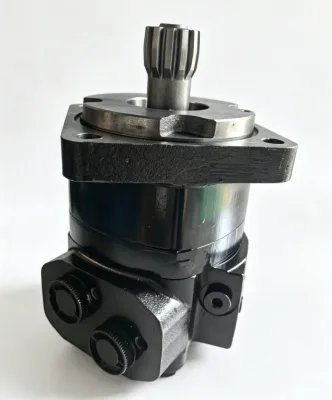


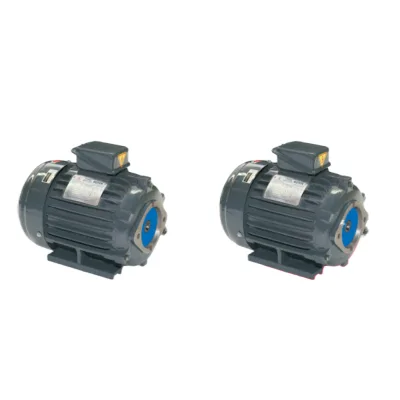
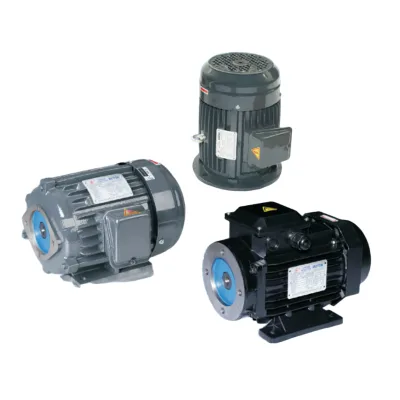


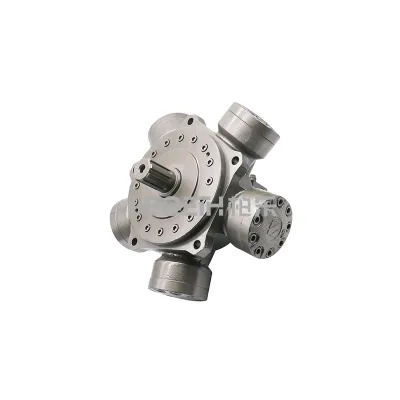
Comprehensive Sourcing Guide
High Pressure Cryogenic Hydraulic Motor Supplier Concentration and Factory Types
The current supplier landscape for hydraulic components reveals a distinct concentration of manufacturing activity within China, specifically in the Zhejiang province. This regional clustering suggests a mature industrial ecosystem capable of supporting complex mechanical production, including the fabrication of hydraulic motors and related spare parts. Buyers evaluating potential partners should recognize that this geographic focus often correlates with established supply chains for raw materials and specialized machining services. The presence of suppliers in this area indicates a readiness to handle orders for high-performance fluid power equipment, although the specific suitability for cryogenic applications requires further technical validation. The data indicates that these entities operate as either combined manufacturing entities or trading companies, each offering different advantages in terms of direct factory access versus broader product portfolios.
Factory types vary significantly among the available suppliers, influencing the nature of the engagement and the level of customization possible. Some suppliers are identified as combined entities capable of both Original Design Manufacturing (ODM) and Original Equipment Manufacturing (OEM), which is critical for buyers requiring specific modifications to standard hydraulic motor designs. Others operate primarily as trading companies, focusing on aggregating products such as mechanical parts, auto parts, and pneumatic valves alongside hydraulic components. This distinction is vital for procurement strategies, as combined factories may offer more direct control over production quality and lead times, while trading companies might provide greater flexibility in sourcing diverse component types. Understanding this structural difference helps buyers align their sourcing goals with the appropriate supplier model, ensuring that the chosen partner can meet the rigorous demands of high-pressure and potentially cryogenic environments.
How to Verify High Pressure Cryogenic Hydraulic Motor Suppliers
Verification processes must begin with confirming the operational status and certification claims of potential suppliers. Several suppliers in the current results display verification badges from SGS, which serves as an initial indicator of third-party assessment. However, buyers must look beyond these badges to verify the specific scope of these certifications, particularly regarding materials suitable for cryogenic conditions. The presence of ISO-related certifications, such as ISOCE or ISOSpeed classifications, suggests adherence to certain quality management or performance standards, but these do not automatically guarantee suitability for extreme temperature applications. Buyers should request detailed documentation of these certifications and cross-reference them with the specific material grades and testing protocols used in the manufacturing of hydraulic motors. This step ensures that the supplier’s quality systems are robust enough to handle the unique challenges of high-pressure cryogenic environments.
Response times and communication efficiency are also critical metrics for verifying supplier reliability. The data shows varying response times, with some suppliers averaging around 4.31 hours, while others may take up to seven hours or more. A faster response time often indicates a more agile organization capable of addressing urgent technical queries or custom requirements. Buyers should test supplier responsiveness by submitting detailed technical inquiries regarding cryogenic compatibility, pressure ratings, and material specifications. The quality and depth of the response will provide insight into the supplier’s technical expertise and commitment to customer support. Additionally, verifying the supplier’s ability to provide accurate product attributes, such as maximum flow rates and dimensions, is essential. Suppliers who provide precise, confirmed data rather than generic placeholders demonstrate a higher level of professionalism and operational transparency, which is crucial for successful long-term partnerships in specialized industrial sectors.
What to Compare Across High Pressure Cryogenic Hydraulic Motor Suppliers
When comparing suppliers, lead times and production capacity are primary differentiators that impact project timelines and inventory management. The observed lead times vary, with some suppliers indicating a standard 15-day turnaround, while others present more complex schedules dependent on seasonal demand, such as peak versus off-peak periods. Buyers must carefully evaluate these lead time structures to ensure they align with their production schedules and delivery requirements. Suppliers offering consistent, shorter lead times may be preferable for urgent orders, while those with negotiated lead times for larger volumes might offer better pricing or capacity for bulk purchases. Additionally, the availability of OEM and ODM services should be compared, as this capability allows for tailored solutions that meet specific cryogenic and high-pressure specifications. Suppliers with flexible customization options can provide significant value by adapting standard hydraulic motor designs to unique operational needs.
Minimum Order Quantities (MOQ) and pricing structures also play a crucial role in supplier selection. The current results show a wide range of MOQs, from as low as one unit to higher quantities, catering to both prototype development and large-scale production needs. Pricing varies accordingly, with some products listed at fixed prices around $480 to $688, while others have broader ranges up to $1090, reflecting differences in specifications, materials, and customization levels. Buyers should compare these costs against the total value proposition, including warranty terms and after-sales support. Most suppliers offer a one-year warranty, which is a standard baseline, but buyers should inquire about extended warranty options or performance guarantees specific to cryogenic applications. By analyzing these commercial terms alongside technical capabilities, buyers can identify suppliers that offer the best balance of cost, flexibility, and reliability for their specific sourcing requirements.
Common High Pressure Cryogenic Hydraulic Motor Sourcing Risks
One significant risk in sourcing hydraulic motors is the potential mismatch between standard product specifications and the rigorous demands of cryogenic environments. Many suppliers list products with generic attributes such as "Low Speed" or "High Torque" without explicitly detailing cryogenic compatibility. Buyers must be cautious not to assume that a standard hydraulic motor can withstand extreme cold without specific material certifications and testing. The risk of component failure due to material brittleness or seal degradation in low-temperature conditions is high if proper verification is not conducted. Suppliers may provide dimensions and flow rates, but critical parameters like operating temperature ranges and material grades for seals and housings are often listed as "Confirm with Supplier" or "Other." This ambiguity requires buyers to proactively seek detailed technical data to mitigate the risk of selecting inappropriate equipment for their specific application.
Another risk involves the variability in supplier communication and the accuracy of provided product information. Some suppliers provide incomplete or placeholder data for key attributes, such as weight, power, or maximum flow rate, which can hinder accurate evaluation and comparison. This lack of transparency may indicate a trading company model where the supplier does not have direct control over the manufacturing details, leading to potential discrepancies between quoted specifications and delivered products. Additionally, the variation in response times and lead time structures can complicate project planning and increase the risk of delays. Buyers must establish clear communication protocols and request detailed product datasheets before placing orders. Failing to do so may result in receiving products that do not meet the required performance standards, leading to costly rework or project delays. Verifying the supplier’s ability to provide accurate, complete, and timely information is essential to managing these sourcing risks effectively.
High Pressure Cryogenic Hydraulic Motor Regional Sourcing and Logistics
Sourcing from the identified manufacturing cluster in Zhejiang, China, offers logistical advantages due to the region’s established infrastructure for industrial goods. This area is known for its concentration of machinery and hydraulic component manufacturers, which can facilitate efficient production and consolidation of orders. Buyers should consider the implications of shipping from this region, including transit times and customs procedures, when planning their supply chain. The proximity to major ports in China can reduce shipping costs and times for international deliveries, making it a competitive option for global procurement. However, buyers must also account for potential logistical challenges, such as seasonal congestion or regulatory changes, which can impact delivery schedules. Understanding the regional logistics landscape helps buyers make informed decisions about inventory management and order timing, ensuring that they can maintain a steady supply of critical hydraulic components.
Logistics planning should also include considerations for packaging and handling, especially for sensitive hydraulic equipment. The observed product packaging options, such as wooden boxes or standard cartons, indicate varying levels of protection during transit. Buyers should verify that the packaging is suitable for long-distance shipping and can withstand the rigors of international logistics, particularly if the motors are destined for remote or harsh operating environments. Additionally, buyers should inquire about the supplier’s experience with international shipping and their ability to provide necessary documentation, such as commercial invoices and packing lists, to facilitate smooth customs clearance. By addressing these logistical details early in the sourcing process, buyers can minimize the risk of damage or delays, ensuring that their high-pressure cryogenic hydraulic motors arrive in optimal condition and ready for installation.
High Pressure Cryogenic Hydraulic Motor Commercial Terms and Order Planning
Commercial terms, including payment methods and warranty policies, are critical components of order planning for hydraulic motor procurement. Most suppliers in the current results offer a one-year warranty, which provides a baseline level of protection for buyers. However, buyers should negotiate for extended warranty coverage or performance guarantees, especially for high-value or critical applications. Understanding the supplier’s payment terms, such as the use of escrow services or other secure payment methods, is also essential for mitigating financial risk. Buyers should ensure that payment terms are aligned with their internal financial policies and that they provide adequate protection against non-delivery or non-conforming products. By clarifying these commercial terms upfront, buyers can establish a secure and transparent transaction framework that supports successful long-term partnerships.
Order planning must also account for the supplier’s capacity and customization capabilities. Suppliers offering OEM and ODM services can provide tailored solutions that meet specific cryogenic and high-pressure requirements, but this may involve longer lead times and higher costs. Buyers should plan their orders accordingly, allowing sufficient time for design, prototyping, and production if customization is required. Additionally, buyers should consider the supplier’s ability to handle volume fluctuations, particularly if their demand varies seasonally. Suppliers with flexible production schedules and clear communication about lead times can help buyers manage inventory more effectively. By integrating these commercial and operational factors into their order planning, buyers can optimize their sourcing strategy, ensuring that they receive the right products at the right time and cost, while maintaining the quality and reliability required for high-pressure cryogenic applications.
FAQs
What is the price range for hydraulic motors?
Prices for hydraulic motors typically range from 480 to 900 USD per unit. Specific costs depend on the model, flow rate, and customization requirements. Buyers should confirm exact pricing with the supplier based on their specific technical needs and order volume.
What is the minimum order quantity for these motors?
The minimum order quantity varies by product, starting at one unit for some models and two units for others. This flexibility allows buyers to test samples or place small initial orders. Always verify the specific MOQ for the chosen hydraulic motor model.
How long does delivery take for hydraulic motors?
Standard lead times are approximately 15 days for many items. However, during peak seasons, delivery may take 31 days or require negotiation. Buyers should confirm the current production schedule with the supplier to ensure timely delivery for their specific project requirements.
Are these hydraulic motors customizable for specific needs?
Yes, customization is available for many hydraulic motor models. Suppliers offer OEM and ODM services to meet specific technical requirements. Buyers can request custom dimensions, flow rates, or other specifications to ensure the motor fits their machinery perfectly.
What certifications do these hydraulic motors have?
Products often carry ISO certifications, with some listing ISOCE. The supplier itself is verified by SGS. Buyers should request specific certification documents for the exact model to ensure compliance with their industry standards and regulatory requirements.
Where are these hydraulic motors manufactured?
These hydraulic motors are manufactured in Zhejiang, China. The region is known for its industrial manufacturing capabilities. Buyers can verify the specific origin and factory details with the supplier to ensure quality control and supply chain transparency.
What warranty is provided for hydraulic motors?
Most hydraulic motors come with a one-year warranty. This coverage typically includes defects in materials and workmanship. Buyers should review the specific warranty terms and conditions provided by the supplier to understand the scope of coverage and claim procedures.