Elastic High Torque Plum Coupling Suppliers and Manufacturers
Compare 27 verified suppliers of Elastic High Torque Plum Coupling based on location, lead time, and certifications. Review product specs like torque and material, then request quotes to find the right fit for your needs; review the available evidence before requesting comparable quotations from suitable candidates.
Updated
Suppliers List

Nanjing Gearwell Machinery Technology Co., Ltd.
- Verified by SGS
- Trading Company
- China Jiangsu
- Lead time68 days
- Avg. response≤ 17h
Main productsGear Reducer, Gearbox, Speed Reducer, Worm Gearbox, Helical Gearbox, Right Angle Gearbox
Main marketsSoutheast Asia/ Mideast,Europe

High Torque Lmpk Type Coupling with Split Brake Disc Elastomeric Plum Couplings
$199.00 - $799.00
MOQ: 5 Pieces

Lmpk Series Blossom Coupling Flexible Plum Jaw Coupling Elastic High Quality Coupling
$199.00 - $699.00
MOQ: 2 Pieces

Lml Type Stainless Steel Plum-Type Coupling with Brake Elastic Plum Flower Elements Shaft Coupling
$99.00 - $399.00
MOQ: 10 Pieces

Lmpk Type Plum Blossom Flexible Jaw Coupling Plum Elastic Elements Industrial Components Coupling
$219.00 - $699.00
MOQ: 2 Pieces

Lm Type Plum Shaped Elastic Coupling Connecting Coupler Shaft Flexible Locking Device
$69.00 - $299.00
MOQ: 20 Pieces

Plum Flower Clamp Shaft Couplings Motor Shaft Couplings Lm Type Flexible Coupling
$59.00 - $299.00
MOQ: 10 Pieces

Suzhou Weipeng Precision Machinery Co., Ltd.
- China Jiangsu
- Lead time0 days
- Avg. response≤ 5h
Main productsPiston Rod, Chrome Plated Bar, Linear Shaft, Linear Motion Bearing, Stainless Steel Linear Shaft, Linear Motion Guide, Hard Chrome Plated Steel Bar, Induction Hardened Chrome Plated Rod, Chromed Linear Shaft, S45c \Ck45 Piston Rod for Hydraulic Cylinder

Sichuan Mighty Machinery Co. Ltd.
- Verified by BV
- Manufacturer/Factory
- China Sichuan
- Lead time45 days
- Avg. response≤ 8h
Main productsV Belt Pulleys, Sheaves, Timing Pulley, Buhsed, Locking Device, Shaft Collar, Shaft Coupling, Gears, Gear Racks, Sprockets
Main marketsSouth America,Eastern Europe,Mid East,North America,Southeast Asia,Eastern Asia,Western Europe,Africa

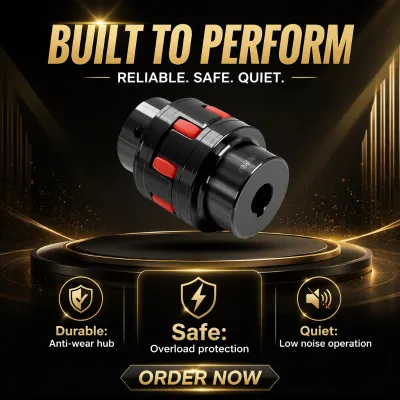
High Torque CNC Flexible Plum Coupling Shaft Coupler Connect Motor Customized
$1.59 - $1.99
MOQ: 5 Pieces


Good Price Mighty Aluminum CNC Flexible Jaw Plum Coupling with Red Rubber
$5.00 - $30.00
MOQ: 1 Pieces
Jinan Hongyang Cnc Machinery Co., Ltd.
- Verified by TüVRheinland
- Manufacturer, Trading Company
- Lead time10 days
- Avg. response≤ 2h
Main productsSpindle Motor, Pneumatic Connector, CNC Router Drive, Frequency Inverter, Linear Rail & Slider
Main marketsDomestic Market(50%), Southeast Asia(10%), Mid East(10%)
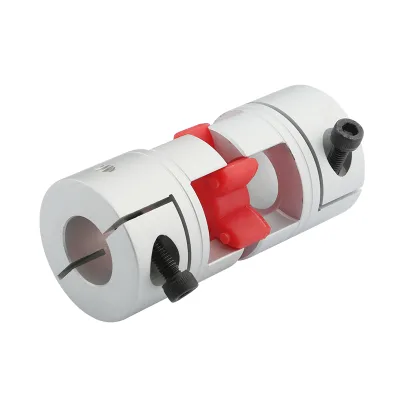
$2.5626 - $3.0743
MOQ: 1 pieces
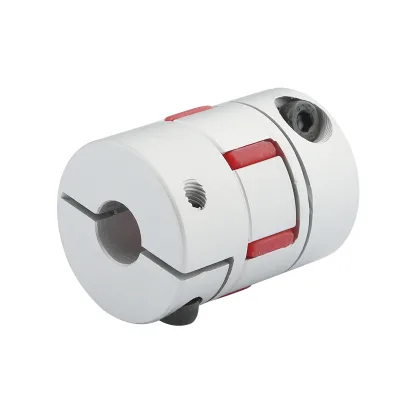
Ball Screw Plum Coupling Flexible Shaft Coupling High Torque CNC Machine Core Spare Parts
$2.5671 - $3.0818
MOQ: 1 pieces
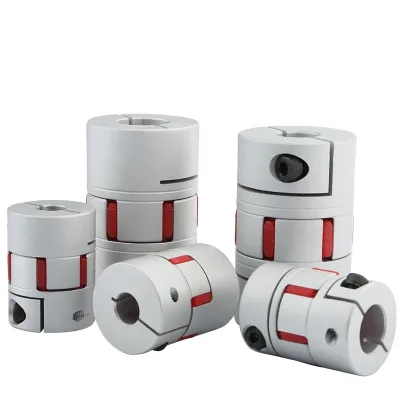
Hebei Pengyi Machinery Equipment Manufacturing Co., Ltd.
- Manufacturer, Trading Company
- Hebei, China
- Lead time30 days
- Avg. response≤ 3h
Main productsgear coupling,coupling,Flexible Coupling,Tyre Coupling,Chain Coupling
Main marketsEastern Asia(20.00%), Central America(10.00%), Northern Europe(10.00%), North America(10.00%), Mid East(10.00%), Southeast Asia(10.00%), Eastern Europe(10.00%), South America(10.00%), Southern Europe(5.00%), Western Europe(5.00%)
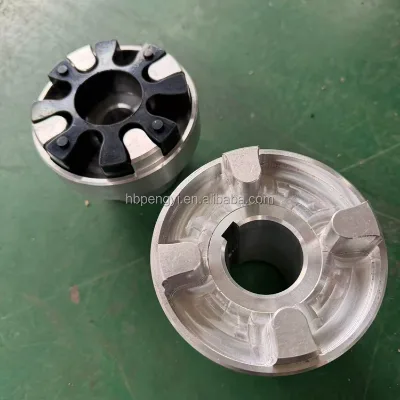
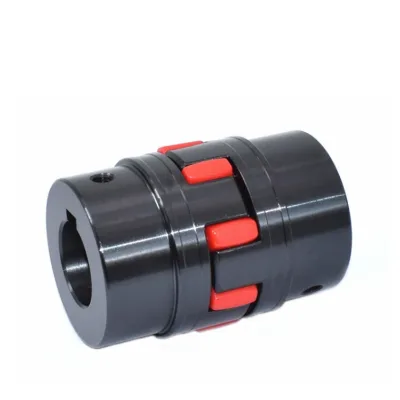
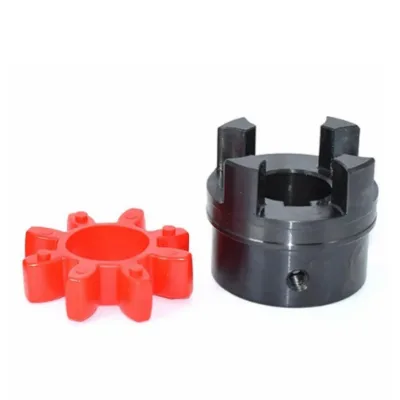
XL Shaft Coupling Flexible Elastic Spiders Coupling Plum Shaft Couplings for Jaw Bush Shaft Coupler
$12.4078 - $12.9239
MOQ: 10 pieces

Opulence (Hebei) Equip Co., Ltd.
- Verified by TUVRHEINLAND
- Manufacturer
- China Hebei
- Lead time30 days
- Avg. response≤ 3h
Main productsCardan Shaft, Cardan Coupling, Gear Coupling, Elastic Coupling, Diaphragm Coupling, Universal Coupling, Grid Coupling, Reducer, Rolling Mill Roller, Cable Tray

Plum Blossom Elastic Coupling for Medium and Low Speed Transmission Shafts
$20.00 - $20000.00
MOQ: 1 Sets

Torque Servo Motor Screw Flexible Shaft Coupling Plum Buffer Flexible Elastic Coupling
$20.00 - $20000.00
MOQ: 1 Sets
Hunan Austan Machinery Co., Ltd.
- Verified by TüVRheinland
- Trading Company
- Lead time7 days
- Avg. response≤ 2h
Main productsBearing, Linear Guideway, Ball Transfer Unit, Roller Chain, Motor
Main marketsNorth America(38%), Eastern Europe(30%), Domestic Market(10%)

Lishui Wangong Precision Machinery Co., Ltd.
- Verified by BV
- Combined
- China Zhejiang
- Lead time30 days
- Avg. response≤ 3h
Main productsLinear Shaft, Linear Guides, Linear Motion Systems, Ball Screw, Linear Slide Block, Linear Bearing, Cylinder Linear Rail, Roller Linear Guide, Linear Rail, Linear Guideway
Main marketsSouth America,Africa,Southeast Asia/ Mideast,East Asia(Japan/ South Korea),Europe,Australia,North America
Guangzhou Yidu Technology Co., Ltd.
- Manufacturer, Trading Company, Distributor/Wholesaler
- Guangdong, China
- Lead time10 days
- Avg. response≤ 2h
Main productsMetal raw material,Ti powder,machine,equipment,Tool kits
Main marketsNorth America(25.00%), Eastern Europe(20.00%), Western Europe(10.00%), Mid East(10.00%), Southern Europe(10.00%), Northern Europe(10.00%), Africa(5.00%), South America(5.00%), Central America(5.00%)

Jingjiang Huading Machinery Manufacturing Co., Ltd.
- Verified by CTI
- Combined
- China Jiangsu
- Lead time23 days
- Avg. response≤ 6h
Main productsCardan Shaft, Flexible Coupling, Universal Coupling, Gear Coupling, Rigid Coupling, Grid Coupling, Diaphram Coupling, Bibby Coupling, Flexible Pin Coupling, Jaw Coupling
Main marketsSouth America,Africa,Southeast Asia/ Mideast,Domestic,Europe,North America

Plum Type High Torque Flexible Rubber Jaw Coupling Used in The Metallurgical Industry
$50.00 - $4000.00
MOQ: 1 Pieces

Plum Blossom Coupling for Petroleum Machinery-High Quality and Performance
$50.00 - $4000.00
MOQ: 1 Pieces


Taizhou Kecheng Automotive Components and Parts Co., Ltd.
- Verified by BV
- Manufacturer/Factory
- China Jiangsu
- Lead time30 days
- Avg. response≤ 8h
Main productsCoupling, Gear, Powder Metallurgy Parts, Bearing, Planet Carrier, Bearing Ring
Main marketsSouth America,Eastern Europe,Mid East,North America,Southeast Asia,Eastern Asia,Western Europe,Africa


$0.10 - $5.00
MOQ: 100 Pieces
Puyang Shengda Industrial Automation Co., Ltd.
- Trading Company
- Henan, China
- Lead time7 days
- Avg. response≤ 3h
Main productsMachinery parts,linear guide rail,Material handling accessories,Pneumatic accessories,Food and beverage machinery
Main marketsNorth America(19.00%), South America(13.00%), Mid East(13.00%), Eastern Europe(10.00%), Central America(9.00%), South Asia(8.00%), Southeast Asia(6.00%), Eastern Asia(6.00%), Western Europe(5.00%), Africa(3.00%), Oceania(3.00%), Northern Europe(2.00%), Southern Europe(2.00%), Domestic Market(1.00%)
Sichuan Weineng Precision Machinery Co., Ltd.
- Verified by TüVRheinland
- Manufacturer, Trading Company
- Lead time5 days
- Avg. response≤ 1h
Main productsCNC Machining Service, Sheet Metal Fabrication, Electromagnetic Brakes/Clutch, Shaft Coupling
Main marketsDomestic Market(40%), North America(30%), Eastern Europe(10%)
Nanpi County Jude Transmission Equipment Manufacturing Co., Ltd.
- Verified by TüVRheinland
- Manufacturer, Trading Company
- Lead time20 days
- Avg. response≤ 5h
Main productsFlexible Jaw Coupling, Gear Coupling, European Standard Pulley, Disc/Diaphragm Coupling, Tyre Coupling
Main marketsNorth America(35%), Southeast Asia(20%), Domestic Market(14%)

ZHEJIANG JIANZHUANG TRANSMISSION TECHNOLOGY CO.,LTD
- Verified by SGS
- Combined
- China Zhejiang
- Lead time15 days
- Avg. response≤ 4h
Main productsBall Screw, Linear Guide, Linear Beairng, Linear Shaft, Ball Screw Support, Linear Module, Rod End Bearing, Coupling
Main marketsSouth America,Africa,Southeast Asia/ Mideast,East Asia(Japan/ South Korea),Domestic,Europe,Australia,North America


Aluminium Plum Flexible Shaft Coupling D25L30 Motor Connector Flexible Coupler
$0.90 - $1.00
MOQ: 1 Pieces
Lishui Yuxuan Automation Manufacturing Co., Ltd.
- Verified by TüVRheinland
- Manufacturer, Trading Company
- Lead time7 days
- Avg. response≤ 9h
Main productsLinear Shaft, Linear Bearing, Rod End Bearing, Linear Guides, Ball Screws
Main marketsDomestic Market(60%), Southern Europe(10%), North America(5%)
Puyang Zhongda Precision Automation Co., Ltd.
- Verified by TüVRheinland
- Trading Company
- Lead time10 days
- Avg. response≤ 2h
Main productsCoupling, Packaging Machine Accessories, Belt Pulley Accessories, Rubber And Plastic Products, Linear Bearing Lead Screw
Main marketsMid East(22%), North America(21%), South Asia(11%)
Julu Binhao Transmission Equipment Co., Ltd.
- Verified by SGS Group
- Manufacturer, Trading Company
- Lead time7 days
- Avg. response≤ 3h
Main productsShaft Couplings, Flexible Couplings, Rigid Couplings, Polyurethane Elastic Pad, Inner Toothed Nylon Sleeve
Main marketsDomestic Market(90%), Eastern Europe(5%), Southeast Asia(5%)
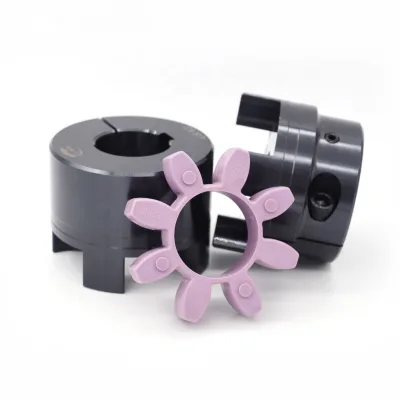
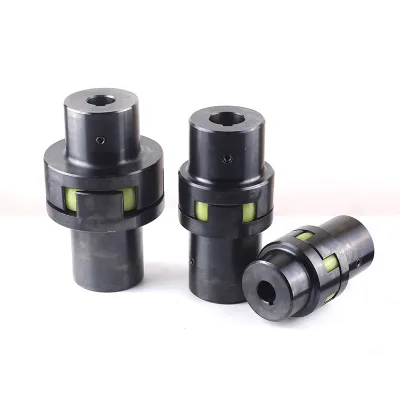
$58.4068 - $141.4034
MOQ: 1 Minimum
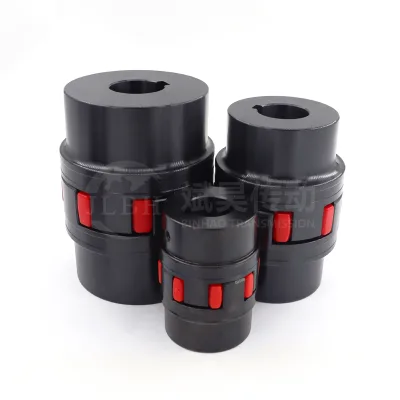
Lishui City Weicheng Bearing Limited Company
- Manufacturer, Trading Company
- Zhejiang, China
- Lead time7 days
- Avg. response≤ 4h
Main productsLinear Guide,Ball Screw,Gear Pinion Rack,CNC Parts,Stepper Motor
Main marketsWestern Europe(30.00%), Southern Europe(10.00%), Northern Europe(10.00%), Central America(10.00%), North America(10.00%), Oceania(10.00%), Eastern Europe(10.00%), South America(10.00%)
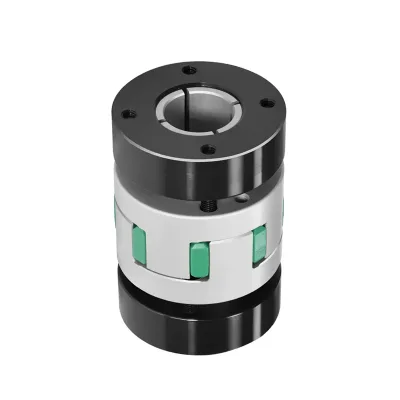
$21.21 - $86.43
MOQ: 1 Minimum
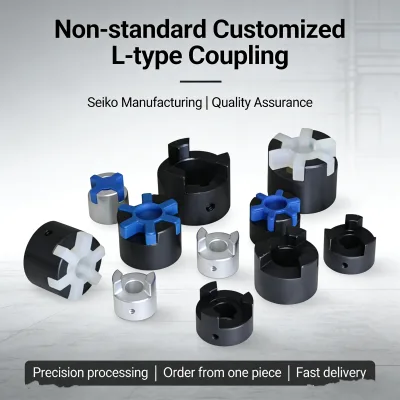
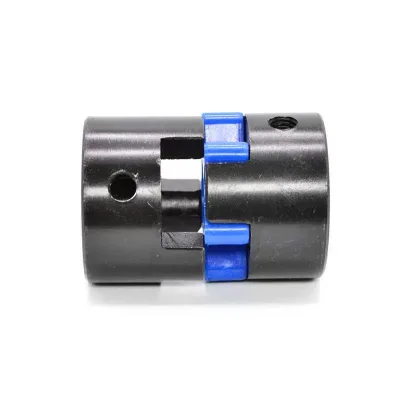
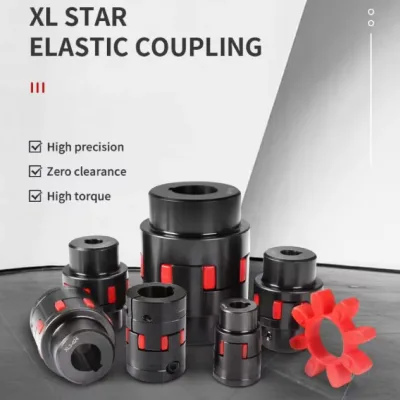
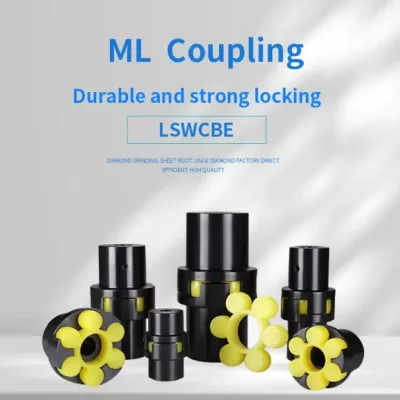

Shanghai Shine Transmission Machinery Co., Ltd.
- Combined
- China Shanghai
- Lead time30 days
- Avg. response≤ 11h
Main productsPulley, HRC Coupling, Taper Bushing, Jaw Coupling, Tyre Coupling, Large Pulley, Casting Steel, S-Flex Coupling, Omega Coupling, Cj Coupling
Main marketsSouth America,Africa,Southeast Asia/ Mideast,East Asia(Japan/ South Korea),Domestic,Europe,Australia,North America
Jiangsu Rokang Heavy Industry Technology Co., Ltd.
- Verified by TüVRheinland
- Manufacturer, Trading Company
- Lead time30 days
- Avg. response≤ 3h
Main productsCoupling, Ball Cage Coupling, Gear Coupling, Elastic Coupling, Universal Coupling
Main marketsDomestic Market(60%), North America(10%), South America(10%)
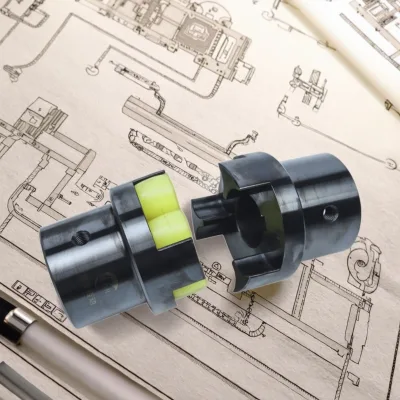
ML10 plum Blossom Shaft Coupling Connect Claw Polyurethane Elastic Jaw Tape Coupling
$5.00 - $85.00
MOQ: 2 Minimum
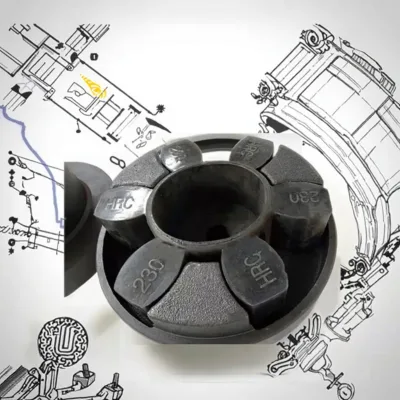

Sichuan Mighty Machinery Co. Ltd.
- Verified by BV
- Trading Company,Manufacturer/Factory,Group Corporation
- China Sichuan
- Lead time23 days
- Avg. response≤ 4h
Main productsTiming Belt Pulley, V Belt Pulley, Locking Device, Gear Racks, Couplings, Sprocket, Bearing, Auto Bearing, Bearing Housing
Main marketsSouth America,Eastern Europe,Mid East,Southeast Asia,Eastern Asia,Oceania,Western Europe,Africa
Jinan Hongyang Cnc Machinery Co., Ltd.
- Manufacturer, Trading Company
- Lead time旺季: "5 - 5":14,"> 5":"To be negotiated", 淡季: "5 - 5":14,"> 5":"To be negotiated"
- Avg. response≤ 2h
Main productsCNC router parts,CO2 laser parts,fiber laser parts,CNC Router Drive,Linear Rail & Slider
Dongguan Dingjian Precision Transmission Machinery Co., Ltd.
- Verified by SGS Group
- Manufacturer, Trading Company
- Lead time12 days
- Avg. response≤ 2h
Main productsCoupling, Universal Joint, Shaft Locking Service, Leveling Mount, Cogwheel
Main marketsDomestic Market(60%), Southeast Asia(10%), Western Europe(10%)
Lishui City Yongrun Precision Machinery Co., Ltd.
- Manufacturer, Trading Company
- Zhejiang, China
- Lead time7 days
- Avg. response≤ 6h
Main productsBall Screws,Linear Guides,Linear Bearings,Linear Stages,Linear Blocks
Main marketsSouth Asia(25.00%), Eastern Europe(20.00%), Southeast Asia(15.00%), North America(10.00%), Western Europe(10.00%), Africa(5.00%), Mid East(5.00%), South America(5.00%), Oceania(3.00%), Eastern Asia(2.00%)
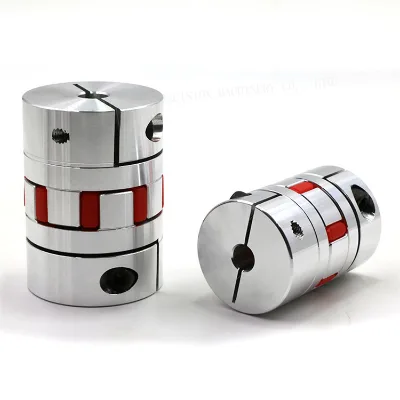
MOQ: 1 Minimum
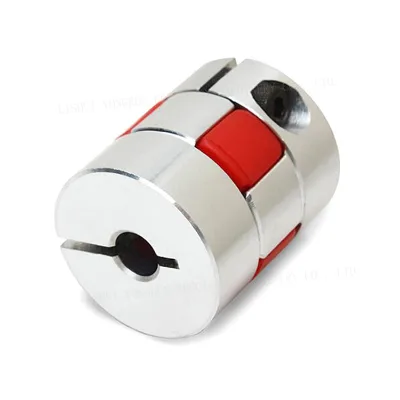
MOQ: 1 Minimum

Chengdu Unik Machinery Co., Ltd.
- Verified by TUVRHEINLAND
- Combined
- China Sichuan
- Lead time45 days
- Avg. response≤ 1h
Main productsKeyless Locking Device, Timing Belt Pulley, Flexible Coupling, Keyless Bushing, Clamping Element, Bearing Adapter Sleeve, Shrink Disc, Synchronized Pulley, Synchronous Sprocket, Elastomer Insert Jaw Coupling
Main marketsSouth America,Africa,Southeast Asia/ Mideast,Domestic,Europe,Australia,North America
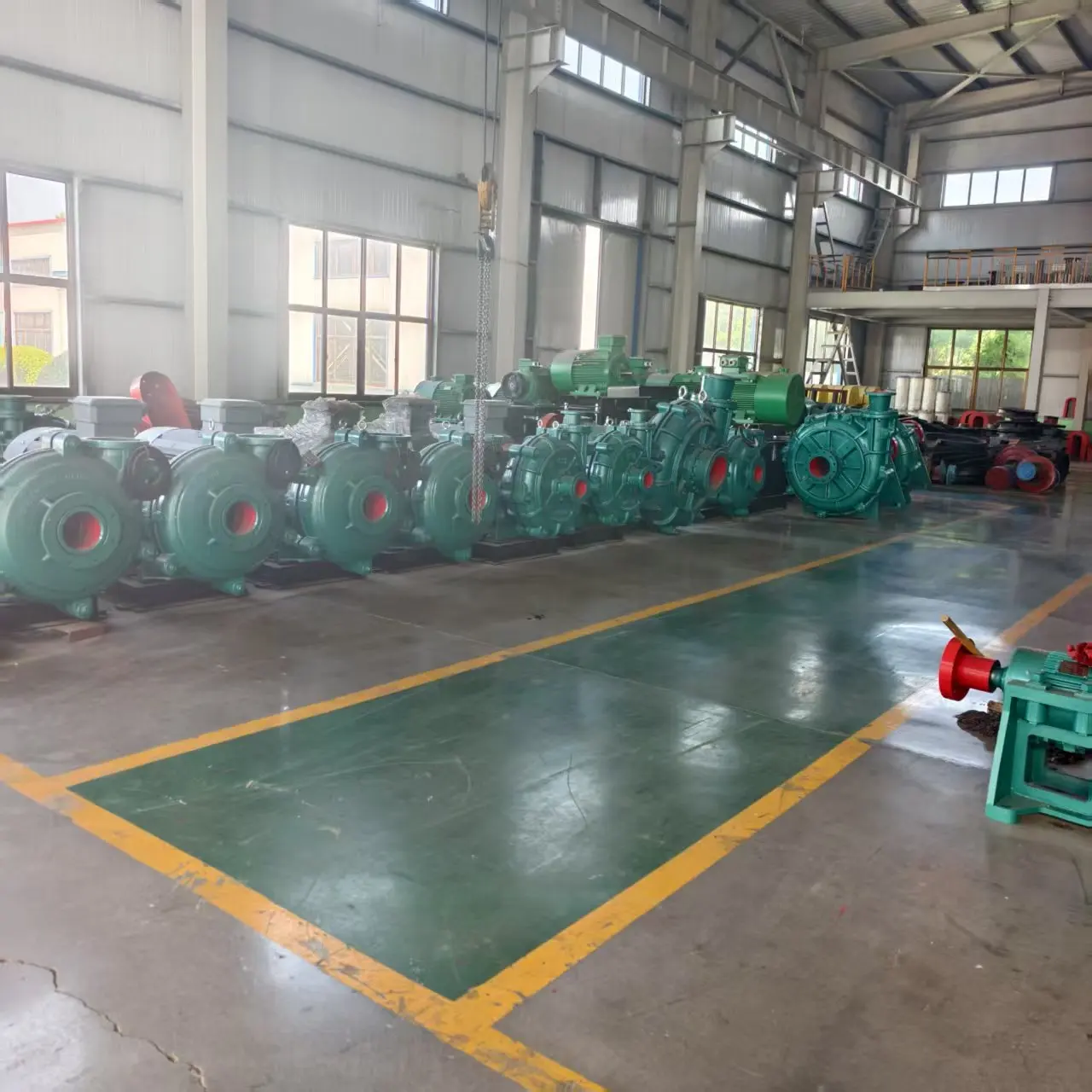
Hebei Liutai Pump Industry Co., Ltd.
- Manufacturer, Trading Company
- Hebei, China
- Lead time20 days
- Avg. response≤ 1h
Main productsIndustrial slurry pump and supporting equipment,Mud pump,Desulfurization pump,Irrigation pump,Gold panning pump
Main marketsSoutheast Asia(15.00%), Oceania(12.00%), North America(10.00%), Africa(10.00%), Mid East(10.00%), Domestic Market(10.00%), South Asia(9.00%), Eastern Asia(6.00%), Central America(5.00%), South America(3.00%), Eastern Europe(3.00%), Northern Europe(3.00%), Western Europe(2.00%), Southern Europe(2.00%)


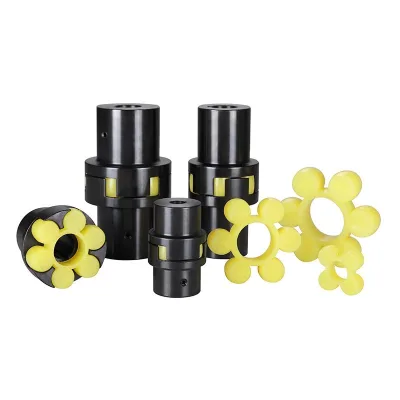
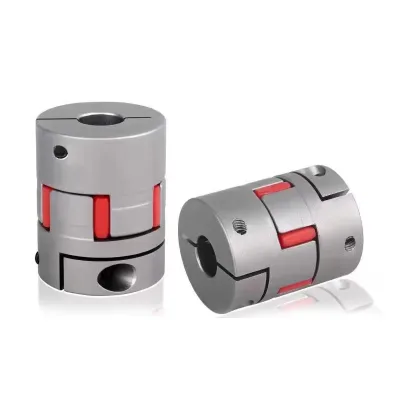
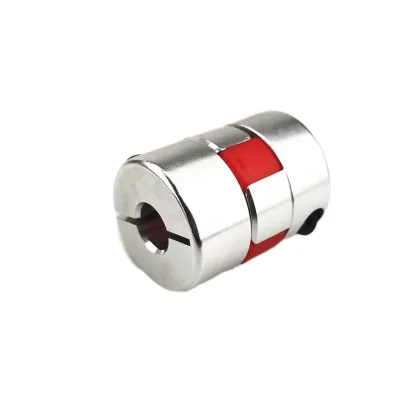
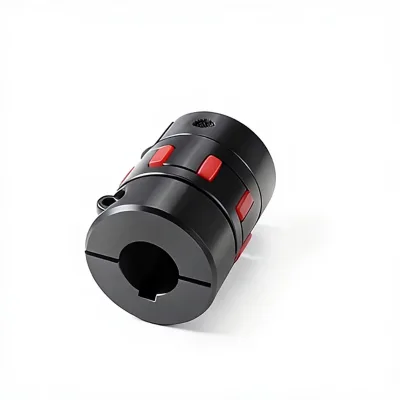
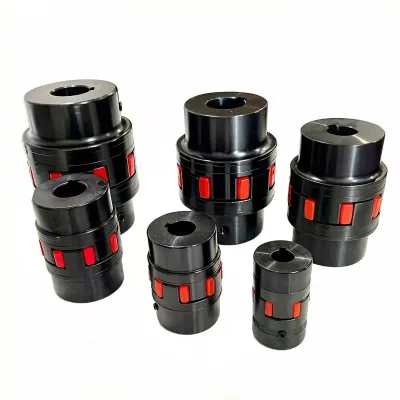


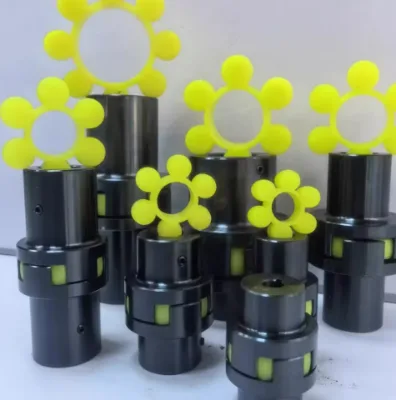
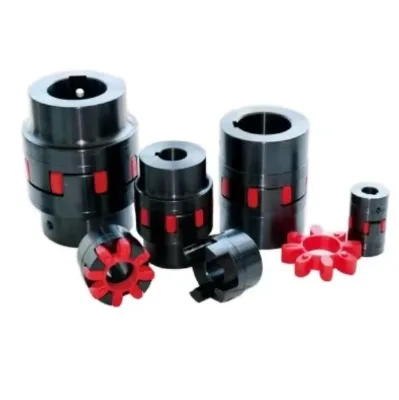
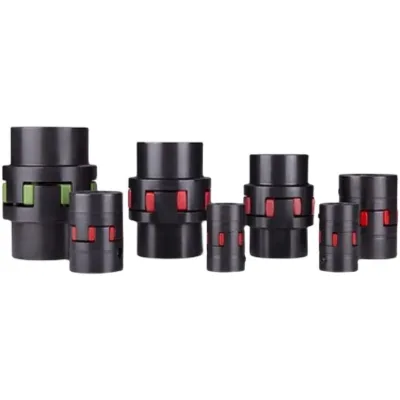
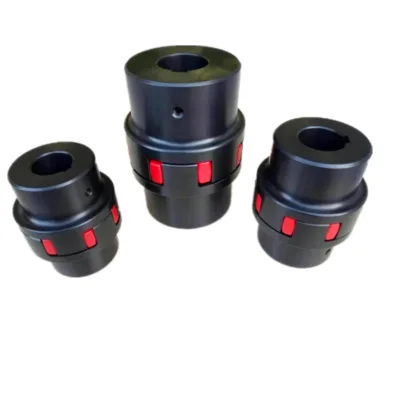




Comprehensive Sourcing Guide
Elastic High Torque Plum Coupling Supplier Concentration and Factory Types
The current supplier landscape for elastic high torque plum couplings reveals a distinct split between trading companies and direct manufacturers, each offering different value propositions for industrial buyers. Evidence indicates that suppliers located in China Jiangsu often operate as trading companies, leveraging their regional proximity to manufacturing hubs to aggregate products from various factories. These entities typically specialize in a broad range of power transmission components, including gear reducers, worm gearboxes, and helical gearboxes, alongside shaft couplings. This diversification allows them to offer comprehensive sourcing solutions for buyers who need multiple mechanical components from a single point of contact. The presence of SGS verification among these trading entities suggests a baseline level of operational transparency, though their primary role remains facilitating trade rather than direct production. Buyers evaluating these suppliers should recognize that while the product range is extensive, the actual manufacturing capabilities may be outsourced, requiring careful due diligence regarding quality control processes and supply chain resilience.
In contrast, suppliers based in China Sichuan present a different operational model, identified explicitly as manufacturers or factories. These entities often hold robust system certifications, such as ISO 9001 and ISO 14001, and are verified by bodies like BV, indicating a strong commitment to standardized production and environmental management. Their main product lines frequently include precision mechanical parts like V-belt pulleys, timing pulleys, locking devices, and shaft couplings, suggesting a specialized focus on high-tolerance power transmission components. The ability to offer both OEM and ODM services, along with maintaining an own brand like MIGHTY, demonstrates significant engineering and production capacity. This direct manufacturing approach often translates to greater control over material selection, such as the use of stainless steel or aluminum alloys, and the ability to customize torque specifications and bore diameters. Buyers seeking direct factory engagement should prioritize these entities for complex orders requiring strict adherence to technical drawings and consistent quality assurance protocols.
How to Verify Elastic High Torque Plum Coupling Suppliers
Verifying the authenticity and capability of Elastic High Torque Plum Coupling suppliers requires a multi-layered approach that goes beyond simple profile reviews. Buyers should first scrutinize the verification badges displayed on supplier profiles, such as SGS or BV, which indicate that a third-party agency has conducted some form of audit. However, these badges alone do not guarantee product quality or delivery reliability. It is crucial to cross-reference these verifications with specific product evidence, such as detailed attribute lists that include material composition, torque ratings, and structural designs. For instance, confirming that a supplier offers elastic couplings with stainless steel bodies and specific bore diameters like 19mm provides tangible proof of their technical competence. Buyers should request detailed product datasheets that match the listed attributes, ensuring that the torque ratings, such as those exceeding 80N.M, are backed by actual test data or engineering calculations rather than generic marketing claims.
Furthermore, assessing the supplier’s response time and lead time metrics offers insight into their operational efficiency and customer service quality. A supplier with a response time of under five hours, as seen with some Sichuan-based manufacturers, indicates a highly responsive sales team capable of addressing urgent technical queries. Conversely, longer response times may suggest a less agile organization, which could impact project timelines. Buyers should also examine the supplier’s stated lead times, noting that some manufacturers claim zero lead time for standard items, while others specify longer periods for customized orders. It is essential to verify these claims by requesting recent production schedules or delivery records. Additionally, checking for certifications like ISO standards can provide assurance that the supplier follows internationally recognized quality management systems. Buyers should not rely solely on these certifications but should also request copies of the certificates to verify their validity and scope, ensuring they cover the specific products being sourced.
What to Compare Across Elastic High Torque Plum Coupling Suppliers
When comparing suppliers, buyers must evaluate a range of commercial and technical dimensions to identify the best fit for their specific needs. One critical factor is the minimum order quantity (MOQ), which varies significantly across the market. Some suppliers offer low MOQs of just one or two units, making them suitable for prototyping or small-scale maintenance repairs, while others require higher volumes, such as ten or twenty units, which may be more cost-effective for bulk production. Buyers should align their order volume with the supplier’s MOQ policy to avoid unnecessary inventory costs or production delays. Additionally, price ranges provide another layer of comparison, with costs varying based on material quality, customization options, and order volume. For example, prices for plum couplings can range from under one hundred dollars to nearly eight hundred dollars, depending on whether the unit is a standard aluminum model or a high-torque stainless steel variant with custom braking features.
Technical specifications and customization capabilities are equally important when comparing suppliers. Buyers should assess whether the supplier offers OEM and ODM services, which are essential for projects requiring unique torque ratings, specific shaft hole dimensions, or custom color finishes. The availability of standard versus non-standard products also plays a role, as some suppliers may only offer standard configurations while others can produce custom designs to meet specific application requirements. Furthermore, the type of coupling offered, such as elastic, flexible, or jaw couplings, should match the buyer’s mechanical needs. Suppliers that provide detailed product attributes, including input power ranges, output torque specifications, and material compositions, demonstrate a higher level of technical transparency. Buyers should prioritize suppliers who provide comprehensive technical documentation and are willing to engage in detailed engineering discussions to ensure the selected coupling meets the precise operational demands of their machinery.
Common Elastic High Torque Plum Coupling Sourcing Risks
Sourcing elastic high torque plum couplings from international suppliers introduces several risks that buyers must actively manage to ensure project success. One significant risk is the discrepancy between advertised specifications and actual product performance. Suppliers may list high torque ratings or specific material compositions, such as stainless steel, without providing independent test results to verify these claims. This can lead to premature failure of the coupling in high-stress applications, resulting in costly downtime and safety hazards. Buyers should mitigate this risk by requesting third-party test reports or conducting their own quality inspections upon receipt of the goods. Additionally, the variability in lead times poses another challenge, as some suppliers may promise rapid delivery but fail to meet these commitments due to production bottlenecks or supply chain disruptions. Buyers should establish clear communication channels and request regular production updates to monitor progress and address any potential delays proactively.
Another common risk is the lack of after-sales support and warranty enforcement. While some suppliers offer a one-year warranty, the practicality of claiming this warranty can be complicated by geographical distance and differing legal jurisdictions. Buyers should clarify the warranty terms in writing, including the process for returns, replacements, and repairs, before placing an order. Furthermore, the risk of receiving non-standard or subpar packaging can lead to product damage during transit. Suppliers may use inadequate packaging, such as simple paper sleeves instead of wooden cases or carton boxes, which may not provide sufficient protection for delicate mechanical components. Buyers should specify packaging requirements in their purchase orders and verify that the supplier adheres to these standards. By anticipating these risks and implementing robust verification and communication strategies, buyers can minimize potential disruptions and ensure a smoother sourcing experience.
Elastic High Torque Plum Coupling Regional Sourcing and Logistics
Regional sourcing strategies can significantly impact the cost and efficiency of procuring elastic high torque plum couplings. Suppliers located in China Jiangsu, often operating as trading companies, benefit from established logistics networks and proximity to major ports, which can facilitate faster shipping times for international orders. These suppliers typically handle a wide variety of products, including gear reducers and shaft couplings, allowing buyers to consolidate shipments and reduce overall logistics costs. However, buyers should be aware that trading companies may add a markup to the final price, which could be higher than purchasing directly from a manufacturer. In contrast, suppliers in China Sichuan, identified as manufacturers, may offer more competitive pricing due to the absence of intermediary margins. These manufacturers often have their own production facilities and quality control systems, which can enhance product consistency and reliability.
Logistics planning should also consider the specific packaging requirements of the products, as this affects shipping volume and cost. Suppliers may use different packaging methods, such as wooden cases for high-value items or carton boxes for standard products, which can influence the number of units that fit into a shipping container. Buyers should work with their suppliers to optimize packaging designs to maximize container utilization and reduce freight costs. Additionally, buyers should factor in customs clearance times and import duties when calculating the total landed cost of the products. Understanding the regulatory requirements in the destination country is essential to avoid delays or additional fees. By carefully evaluating the regional advantages of different supplier locations and optimizing logistics strategies, buyers can achieve a balance between cost efficiency and supply chain reliability.
Elastic High Torque Plum Coupling Commercial Terms and Order Planning
Effective order planning for elastic high torque plum couplings requires a thorough understanding of commercial terms and payment structures. Buyers should negotiate clear payment terms, such as partial upfront payments and balance upon shipment, to manage cash flow and mitigate financial risk. It is also important to clarify the Incoterms, such as FOB or CIF, to determine who is responsible for shipping and insurance costs. Suppliers may offer different delivery times based on order quantity, with some stating that delivery depends on the specific volume requested. Buyers should align their production schedules with these delivery timelines to avoid stockouts or excess inventory. Additionally, buyers should inquire about the supplier’s return and refund policies in case of quality issues or non-conformance with specifications.
Customization options and associated costs are another critical aspect of order planning. Suppliers that offer OEM and ODM services may charge additional fees for tooling, design, and setup, which should be factored into the total project cost. Buyers should request detailed quotations that break down these costs to ensure transparency. Furthermore, buyers should consider the long-term relationship with the supplier, as consistent ordering can lead to volume discounts and priority production scheduling. Establishing a clear communication protocol for technical queries and order updates can enhance collaboration and reduce the likelihood of misunderstandings. By carefully planning commercial terms and leveraging supplier capabilities, buyers can secure reliable supply chains and achieve optimal value for their Elastic High Torque Plum Coupling procurement needs.
FAQs
What is the price range for elastic high torque plum couplings?
Prices for these couplings typically range from $1.50 to $799.00 per unit. The final cost depends on the specific model, material such as stainless steel or aluminum, and the order quantity. Buyers should check the minimum order quantity to determine the exact unit price for their needs.
What is the minimum order quantity for these couplings?
The minimum order quantity varies by supplier and product model. Some listings require as few as two units, while others may demand ten or twenty pieces. Buyers should verify the specific MOQ for the desired torque rating and customization options before placing an order.
How long does delivery take for these couplings?
Lead times generally range from zero to sixty-eight days depending on the supplier. Some manufacturers offer immediate availability, while others require up to two months for production. Delivery time is also influenced by the order quantity and whether the product requires specific customization or standard packaging.
Are these couplings customizable for specific applications?
Yes, customization is available for many elastic high torque plum couplings. Suppliers offer OEM and ODM services to meet specific requirements. Buyers can request custom bore diameters, colors, and torque ratings. It is important to confirm the customization options and any associated costs with the supplier directly.
What certifications do these couplings have?
Many suppliers hold ISO 9001 and ISO 14001 certifications. Some products also carry ISO certification for quality assurance. Buyers should verify the specific certifications for the requested model to ensure compliance with industry standards. Third-party verifications like SGS or BV may also be available for certain suppliers.
Where are these couplings manufactured?
These couplings are primarily manufactured in China, with suppliers located in regions such as Jiangsu and Sichuan. Buyers can source from both trading companies and manufacturers. The location may impact shipping costs and lead times, so it is advisable to check the supplier's specific location for accurate logistics planning.