High Support Crisscross Running Bra Suppliers and Manufacturers
Source 15 verified suppliers for High Support Crisscross Running Bra from China Guangdong and Zhejiang. Compare response times, lead times, certifications, and MOQs to find the right partner. Request samples to verify quality and fit; review the available evidence before requesting comparable quotations from suitable candidates.
Suppliers List

- Manufacturer/Factory
- China Guangdong
- Lead time23 days
- Avg. response≤ 8h
Main productsYoga Clothes, Gym Clothes, Workout Clothes, Fitness Clothes, Running Clothes, Tennis Clothes, Golf Clothes, Plitates Clothing, Fashion Fitness, Sportswear
Main marketsEastern Europe,North America,Western Europe

Sports Bra for Women Strappy Crisscross Back Low Impact Running Sports Bra with Removable Cups
$8.99 - $16.90
MOQ: 1 Pieces


Halter Neck Brushed Yoga Bra Crisscross Cutout Back Slim Fit Sports Bra for Outdoor Running
$8.99 - $16.90
MOQ: 1 Pieces

Women's Deep V-Neck Crisscross Back Sports Bra with Removable Padded Cups
$8.99 - $16.90
MOQ: 1 Pieces

Jinhua Yongxing Knitting Co., Ltd
- Manufacturer
- Zhejiang, China
- Lead time40 days
- Avg. response≤ 2h
Main productsSeamless Jumpsuit, Yoga Suit, Seamless Body Shaping Suit, Yoga Legging, Sports Bra
Main marketsNorth America(54.00%), Eastern Europe(30.00%), Southeast Asia(9.00%), Domestic Market(7.00%)

Xiamen Aimeee Garment Co., Ltd.
- Verified by SGS
- Manufacturer
- China Fujian
- Lead time15 days
- Avg. response≤ 4h
Main productsSports Wear, Gym Wear, Bikini
Main marketsSouth America,Africa,Southeast Asia/ Mideast,Europe,North America


Fitness Sports Bra for Women Criss Cross Seamless Yoga Bras Gym Strappy Top Padded Workout
$7.50 - $11.00
MOQ: 15 Set


Xiamen Meiju Garment Co., Ltd.
- Verified by TUVRHEINLAND
- Trading Company,Manufacturer/Factory
- China Fujian
- Lead time23 days
- Avg. response≤ 5h
Main productsSports Wear, Yoga Wear, Gym Wear, Fashion Fitness, Sportswear, Hoodies, Sportswear Fitness Wear, Tracksuit, Swimwear, Men's Sportswear
Main marketsSouth America,Eastern Europe,Mid East,North America,Southeast Asia,Eastern Asia,Oceania,Western Europe,Africa


Cross Back Sport Bras Padded Strappy Criss-Cross Bras for Yoga Fitness Sports-Wear
$6.50 - $8.50
MOQ: 1 piece

High-Strength Sports Bra Women's Running Shockproof High-Elastic Yoga Bra Outdoor Fitness
$6.50 - $8.50
MOQ: 1 piece


- Verified by TUVRHEINLAND
- Trading Company
- China Zhejiang
- Lead time15 days
- Avg. response≤ 8h
Main productsSport Wear, Yoga Pants, Sports Bra, Sports Cap, Waist Bag, Sports Sock, Sports Towel, Quick Dry Clothes, Yiwu Buying Agent, Sourcing Agent
Main marketsSouth America,Europe,North America

Efirsty Enterprise (Anhui) Co., Ltd.
- Verified by TUVRHEINLAND
- Trading Company
- China Anhui
- Lead time30 days
- Avg. response≤ 7h
Main productsLeggings Yoga Pants Swimwear, Swimsuit
Main marketsSouth America,Southeast Asia/ Mideast,East Asia(Japan/ South Korea),Europe,Australia,North America

Xiamen Evaricky Trading Co., Ltd.
- Trading Company
- China Fujian
- Lead time15 days
- Avg. response≤ 5h
Main productsSports Wear, Gym Wear, Leggings, Sports Bra, Shorts, Yoga Set, Jackets, Tank Top, Tennis Wear
Main marketsEastern Europe,Mid East,North America,Oceania,Western Europe

Women Fitness Breathable Shockproof Criss Cross Back High Impact Sports Bra
$7.06 - $7.79
MOQ: 200 Pieces

Quickly Dry Mesh Cross Back Running Workout Fitness High Support Push up Yoga Top Sports Bras
$7.76 - $8.95
MOQ: 2 Pieces

Hot Sale Crisscross Back Running Activewear Gym Workout Yoga Tops Sports Bra
$8.18 - $9.12
MOQ: 200 Pieces

Freely Adjustable Back Hook Criss Cross Back Yoga Top Gym Fitness Workout Sports Bra for Women
$8.18 - $9.44
MOQ: 2 Pieces

Double Crossed Shoulder Straps Sports Bra Removable Chest Pad Yoga Fitness Backless Crop Sports Bra
$7.26 - $7.84
MOQ: 200 Pieces

Solid U-Neckline Women Cropped Sports Top Crossed Back Straps Wide Hem High Impact Sports Bras
$8.47 - $9.15
MOQ: 200 Pieces
- Verified by CTI
- Trading Company,Manufacturer/Factory
- China Fujian
- Lead time90 days
- Avg. response≤ 12h
Main productsOutdoor Jackets, Swimwear, Gym Wear, Sport Pants, Beach Shorts, Puffer Jackets, Workwear, Yoga Wear, Kid's Clothes, Sweater
Main marketsSouth America,Eastern Europe,Mid East,North America,Southeast Asia,Eastern Asia,Western Europe,Africa

Dongguan Humen Hucai Garment Co., Ltd.
- Verified by TUVRHEINLAND
- Combined
- China Guangdong
- Lead time15 days
- Avg. response≤ 9h
Main productsSportswear, Yoga Pants, Sports Bra, T Shirt, Tank Top, Jogger Pants, Tracksuit, Hoodies, Shorts, Leggings
Main marketsAustralia,North America

Quanzhou Weibo Clothing Co., Ltd.
- Verified by BV
- Manufacturer
- China Fujian
- Lead time15 days
- Avg. response≤ 2h
Main productsBra, Underwear, Nipple Covers, Breast Pads, Lingerie, T Shirt, Resin Craft, Ceramic
Main marketsSouth America,Southeast Asia/ Mideast,East Asia(Japan/ South Korea),Europe,Australia,North America

- Manufacturer/Factory
- China Fujian
- Lead time30 days
- Avg. response≤ 23h
Main productsBag, Polyester Bag, Promotion Gift, School Bag, Outdoor Backpack, Backpack, Rucksack, Laptop Bag, Yoga Bag, Sport Bag
Main marketsSouth America,Eastern Europe,Mid East,North America,Southeast Asia,Eastern Asia,Oceania,Western Europe,Africa

Comfortable High Quality Custom Running Sports Bra Cross Back Women Yoga Bra
$12.00 - $13.50
MOQ: 500 Pieces

Quick Dry Running Wear Gym Bra Breathable Fitness Cross Strap Sports Bra
$12.00 - $14.00
MOQ: 500 Pieces

Hefei Ark Universe International Trade Co., Ltd.
- Verified by SGS
- Trading Company
- China Anhui
- Lead time15 days
- Avg. response≤ 2h
Main productsLED Display, LED Screen, Sports Wear, Soccer Jersey, LED String Light, Flexible LED Display, Outdoor LED Display, Indoor LED Display, Football Jersey, Christmas Decoration
Main marketsNorth America
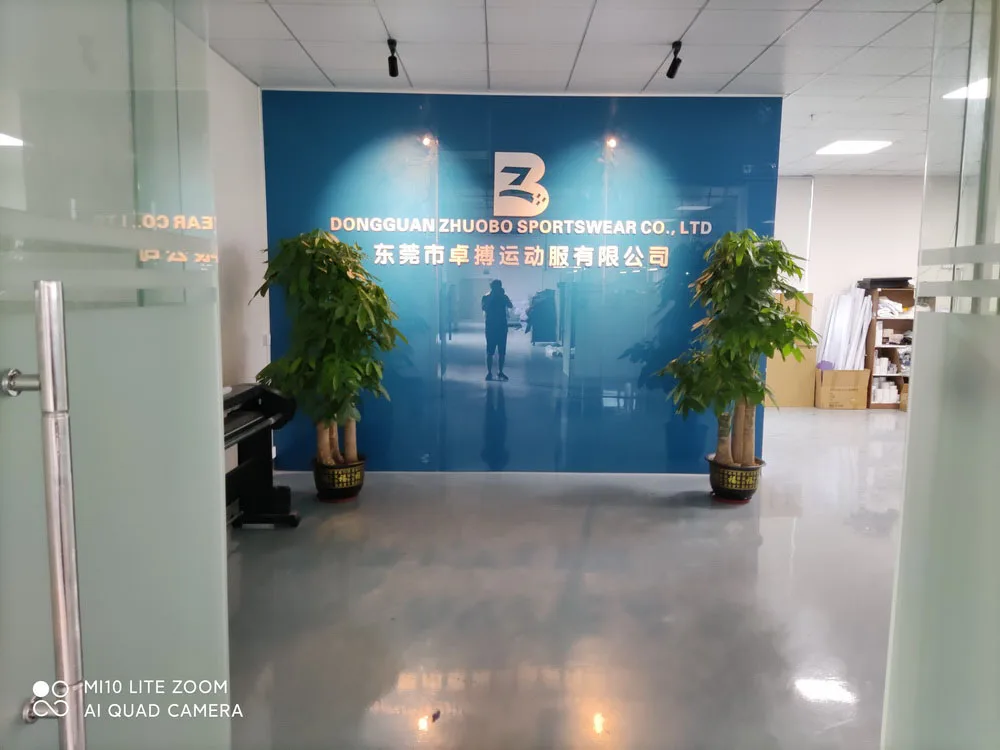
Dongguan Zhuobo Sportswear Co., Ltd.
- Manufacturer, Trading Company
- Guangdong, China
- Lead time35 days
- Avg. response≤ 8h
Main productsBJJ kimono,gym wear,fitness wear,swimming wear,sportswear
Main marketsEastern Asia(30.00%), Western Europe(30.00%), North America(30.00%), South Asia(5.00%), Southeast Asia(5.00%)
Hangzhou Sheva Garment Co., Ltd
- Trading Company,Manufacturer/Factory
- China Zhejiang
- Lead time38 days
- Avg. response≤ 4h
Main productsSports Wear, Gym Wear, Gym Fitness Sets, Yoga T Shirts, Leggings and Capris, Bodysuits and Jumpsuits, Biker Shorts, Tennis Wear, Lounger Wear, Yoga Bra
Main marketsSouth America,Eastern Europe,Mid East,North America,Southeast Asia,Eastern Asia,Oceania,Western Europe,Africa


Women Medium Support Scoop Neck Sports Bra Cross Back Yoga Padded Bras Workout Running Crop Top
$6.90 - $7.90
MOQ: 3 Piece

Times Chensheng (Xiamen) Trading Co., Ltd.
- Trading Company,Manufacturer/Factory
- China Fujian
- Lead time45 days
- Avg. response≤ 6h
Main productsJacket, Beach Shorts, Hoodies, Sports Wear, T-Shirt, Kids Wear, Casual Shorts, Swimming Wear, Sweater, Sport Bar
Main marketsSouth America,Eastern Europe,Mid East,North America,Southeast Asia,Eastern Asia,Oceania,Western Europe,Africa

High Neck Fitness Women Sports Bra Quick Dry Soft Seamless for Running Sporting
$3.90 - $9.90
MOQ: 500 Sets


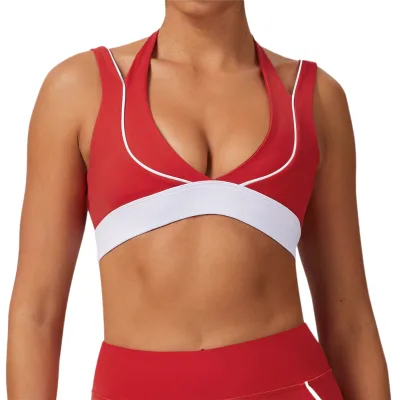
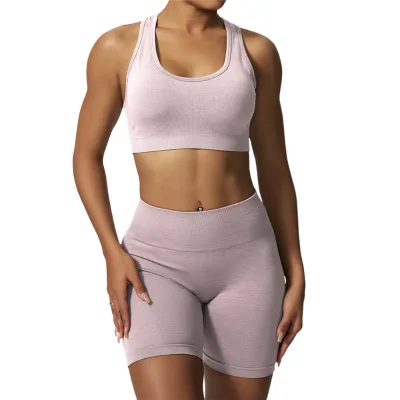


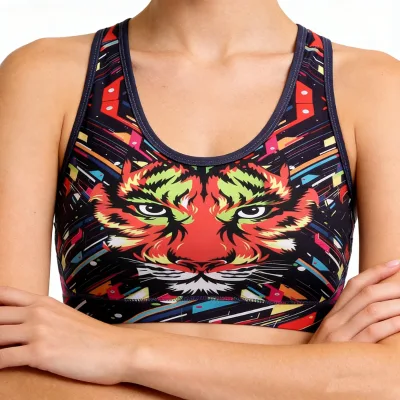
Comprehensive Sourcing Guide
High Support Crisscross Running Bra Supplier Concentration and Factory Types
The current supplier results indicate a concentration of manufacturers located in China, specifically within the Guangdong and Zhejiang provinces. These regions host factories specializing in sportswear, with a clear focus on high-support athletic wear such as crisscross running bras. The data confirms that the majority of these entities operate as manufacturers or factories rather than trading companies, offering direct OEM and ODM services. This factory-type structure suggests that buyers can access production capabilities directly, which is critical for customizing fabric blends like the observed 75% nylon and 25% spandex compositions.
When evaluating the factory types, it is essential to distinguish between those offering standard inventory and those capable of full customization. The observed product attributes reveal that many suppliers provide OEM services, allowing for custom logos, labels, and specific pattern types ranging from solid colors to complex geometric designs. Some factories list main products that include seamless jumpsuits and yoga suits alongside sports bras, indicating a broader capacity for athletic apparel. Buyers should verify if a specific factory's primary output aligns with high-impact running gear, as some may focus more on low-impact yoga wear despite listing similar product keywords.
How to Verify High Support Crisscross Running Bra Suppliers
Verification begins with confirming the physical location and operational history of the supplier. The available data points to specific provinces in China, but buyers must independently confirm the exact city and factory address to ensure legitimacy. It is crucial to check for valid business licenses and cross-reference the stated location with the shipping origin. While some results mention specific certifications like BSCI, ISO 9000, ISO 9001, and ISO 20000, these claims require validation through official audit reports rather than relying solely on the supplier's profile summary.
Response time and sample lead times serve as practical indicators of a supplier's operational efficiency. The observed response times vary, with some suppliers indicating a response within two days and others taking over seven days. A faster response often correlates with better communication channels, which is vital for resolving technical queries about fabric weight or strap construction. Additionally, verifying the sample lead time, which ranges from five to seven workdays in some cases, helps assess the supplier's ability to meet tight development schedules. Buyers should request a physical sample to confirm the "High Support" claim and inspect the crisscross strap durability before committing to a bulk order.
What to Compare Across High Support Crisscross Running Bra Suppliers
Comparing suppliers requires a detailed analysis of their minimum order quantities (MOQ) and pricing structures. The data shows a wide variance in MOQ, with some suppliers accepting orders as low as one piece, while others require a minimum of 100 pieces per color. This distinction is critical for buyers testing the market versus those scaling production. Pricing also fluctuates significantly, with observed ranges from approximately $6.90 to $16.90 per unit. Buyers must correlate these price points with the specific material composition, such as the 78% nylon and 22% spandex blend, to ensure they are comparing equivalent product quality.
Lead time and production capacity are equally important comparison metrics. The observed lead times range from 23 days to 40 days, reflecting differences in factory workload and supply chain efficiency. Some suppliers offer rapid sample turnaround, which is beneficial for design iteration, while bulk production timelines vary based on order volume. Buyers should also compare the specific product features listed, such as moisture-wicking capabilities, anti-static properties, and the presence of removable cups. A supplier offering a wider range of features like rip-stop fabric or laser cutting techniques may provide a more versatile solution for high-impact running requirements.
Common High Support Crisscross Running Bra Sourcing Risks
One significant risk involves the discrepancy between advertised support levels and actual product performance. While many listings claim "High Impact" or "Shockproof" capabilities, the physical construction of the crisscross straps and the fabric density must be verified. Some products are described as having "Butter Soft" or "Form-Fitting" qualities, which might compromise the necessary support for intense running activities. Buyers must ensure that the technical specifications, such as fabric weight and strap tension, align with the intended use case to avoid receiving products that fail during high-intensity exercise.
Another risk lies in the variability of customization capabilities and quality control standards. Although many suppliers list OEM/ODM services, the extent of customization can vary from simple logo placement to full fabric development. Inconsistent quality control can lead to issues with stitching, particularly around the crisscross back design where stress points are highest. The presence of certifications like ISO 9001 suggests a quality management system, but buyers should verify if these standards cover the specific manufacturing processes for athletic wear. Without rigorous inspection, there is a risk of receiving batches with inconsistent sizing or material defects that do not meet the required performance standards.
High Support Crisscross Running Bra Regional Sourcing and Logistics
Sourcing from the identified regions in China, such as Guangdong and Zhejiang, offers access to established textile supply chains but introduces specific logistical considerations. The proximity of these manufacturing hubs to major ports facilitates efficient shipping, yet buyers must account for the total lead time, which includes production and transit. The observed lead times of 23 to 40 days do not include shipping duration, which can vary based on the chosen freight method and destination. Buyers should plan their inventory cycles to accommodate these combined timelines to prevent stockouts during peak selling seasons.
Logistics planning also involves understanding the packaging and handling requirements for the specific product type. The data indicates that products are often packed individually in polybags, with some suppliers specifying single package dimensions. This packaging style is suitable for retail but may require additional consolidation for bulk shipping to reduce costs. Buyers should verify if the supplier offers consolidated shipping options or if they need to arrange third-party logistics. Additionally, regional differences in production capacity can affect lead times; factories in one province might be more specialized in seamless technology, while others focus on traditional stitching, impacting the overall supply chain strategy.
High Support Crisscross Running Bra Commercial Terms and Order Planning
Commercial terms regarding payment and order planning must be carefully negotiated to mitigate financial risk. While some suppliers offer low MOQs of one piece, this is often reserved for sample orders and may not reflect bulk pricing structures. Buyers should clarify the price tiers associated with different order volumes, as the observed price range suggests significant savings at higher quantities. It is also essential to confirm the payment terms, such as the use of escrow services, to ensure funds are protected until the goods are verified. The availability of escrow is a critical factor in establishing trust with new suppliers.
Order planning should account for the sample lead time and the production cycle to ensure timely delivery. The observed sample lead times of five to seven workdays allow for quick design validation, but bulk production lead times of up to 40 days require advanced planning. Buyers should factor in the time needed for quality inspections and potential rework before the final shipment date. Additionally, understanding the supplier's capacity for handling rush orders is vital, as some factories may have limited flexibility due to existing commitments. Clear communication regarding delivery dates and contingency plans for delays is necessary to maintain a reliable supply chain for high-demand athletic apparel.
FAQs
What is the typical lead time for High Support Crisscross Running Bra orders?
Lead times vary by supplier, with observed ranges from 23 to 40 days for production. Some manufacturers offer sample lead times of 5 to 7 workdays after details are confirmed. Buyers should verify specific timelines with the factory before placing bulk orders to ensure alignment with project schedules.
What are the minimum order quantities for these sports bras?
Minimum order quantities differ significantly among suppliers. Some vendors accept orders as low as 1 piece, while others require 100 pieces per color. Buyers must check the specific MOQ listed for each product model to determine if the supplier meets their volume requirements before proceeding.
Which certifications do manufacturers of these bras typically hold?
Many factories in the region hold BSCI, ISO 9000, ISO 9001, and ISO 20000 certifications. These credentials indicate adherence to quality management and social compliance standards. Buyers should request valid certificates from the supplier to confirm their specific compliance status for their market.
What materials are commonly used for high support crisscross running bras?
Common materials include blends of Spandex and Nylon, such as 75% nylon with 25% spandex or 78% nylon with 22% spandex. These fabrics provide stretch and durability. Some products also feature seamless construction or brushed finishes for enhanced comfort during high-impact activities like running.
Where are the manufacturers of these bras located?
Manufacturers are primarily located in Guangdong and Zhejiang provinces in China. These regions are known for their textile and apparel production capabilities. Buyers should confirm the specific factory location to assess shipping logistics and potential tariffs associated with importing goods from these areas.
Do suppliers offer customization services for these sports bras?
Yes, most suppliers provide OEM and ODM services with customization available. Buyers can often request custom logos, labels, and fabric patterns. Specific customization options like heat transfer printing or laser cutting may vary by manufacturer, so details should be confirmed directly with the factory.
What is the price range for high support crisscross running bras?
Prices typically range from 6.90 to 16.90 per unit depending on the model and features. Factors influencing cost include material composition, support intensity, and customization requirements. Buyers should request a detailed quote based on their specific quantity and design needs to get an accurate price.
How quickly do suppliers typically respond to inquiries?
Response times vary, with some suppliers responding within 2 hours and others taking around 7 hours. Faster response times often indicate higher availability or dedicated sales teams. Buyers should expect variations and may need to follow up to ensure timely communication regarding their sourcing needs.