High Temperature Resistant Bakelite Powder Suppliers and Manufacturers
Compare 11 suppliers of High Temperature Resistant Bakelite Powder across China Shandong and Shanxi locations, pricing, MOQ, lead times, response times, and listed certifications such as REACH. Many offer free samples, video factory inspection, and OEM customization. Request quotes and free samples to shortlist partners.
Suppliers List

Taian Guangyuan International Trade Co., Ltd.
- Verified by BV
- Trading Company
- China Shandong
- Lead time23 days
- Avg. response≤ 2h
Main productsUrea(Automotive Grade Fertilizer Grade), Urea Formaldehyde Resin, Urea/Melamine Moulding Compound, Melamine Powder, Bakelite Powder, Phenolic Moulding Compound, Phenolic Resin, Water Treatment Equipment, Drilling Rig, Tractor
Main marketsSouth America,Africa,Southeast Asia/ Mideast,East Asia(Japan/ South Korea),Europe,Australia,North America


Bakelite Powder for Kitchenware Appliances Manufacturer Direct Sales Available in Various Colors
$898.00 - $951.00
MOQ: 5 Tons


Hot Selling Phenolic Molding Compounds Bakelite Powder Manufactured by Premium Provider
$898.00 - $951.00
MOQ: 5 Tons

Shanxi Jinlong Refractory Materials Co., Ltd.
- Trading Company
- China Shanxi
- Lead time0 days
- Avg. response≤ 2h
Main productsbauxite

High Temperature Resistant Bauxite Powder for Cement Construction Reinforced High Refractory
$300.00 - $500.00
MOQ: 10 Tons


Calcined Bauxite Powder for High-Temperature Refractory Materials Usage
$330.00 - $450.00
MOQ: 10 Tons

High Quality Manufacture Price Bauxite Powder High Temperature Resistance Performance
$330.00 - $450.00
MOQ: 10 Tons


Tai'an Guangyuan International Trade Co., Ltd.
- Verified by SGS Group
- Trading Company
- Lead time7 days
- Avg. response≤ 2h
Main productsAutomotive Chemicals, Agricultural Chemicals, Water Treatment Chemicals, Adhesive-related Chemicals, Thermosetting Raw Materials
Main marketsNorth America(25%), South America(25%), Africa(10%)

WUXI JINYIBO INSTRUMENT TECHNOLOGY CO., LTD.
- Verified by BV
- Combined
- China Jiangsu
- Lead time23 days
- Avg. response≤ 11h
Main productsPmt Spectrometer, CCD Spectrometer, Xrf Spectrometer, Icp Spectrometer, Hardness Tester, Ultrasonic Thickness Meter, Carbon Sulphur Analyzer, High-Frequency Infrared Carbon&Sulphur Analysis, Marking Machine, Image Measuring Instrument
Main marketsSouth America,Africa,Southeast Asia/ Mideast,Domestic,Europe,North America

HEBEI CHIJIANG IMPORT AND EXPORT CO.,LTD.
- Verified by TUVRHEINLAND
- Manufacturer/Factory
- China Hebei
- Lead time15 days
- Avg. response≤ 6h
Main productsPC, ABS, POM, TPE, TPU, PMMA, PPO, EPS, PBT, PA
Main marketsSouth America,Eastern Europe,Mid East,North America,Southeast Asia,Eastern Asia,Oceania,Western Europe,Africa


High-Performance Industrial Bakelite Molding Powder for Durable Applications
$650.00 - $780.00
MOQ: 1 Tons


Shijiazhuang Huabang Mineral Products Co., Ltd.
- Verified by BV
- Combined
- China Hebei
- Lead time15 days
- Avg. response≤ 3h
Main productsMica, Kaolin, Bentonite, Talc, Graphite Powder, Iron Oxide Pigment, Cenosphere, Diatomite Powder, Calcium Carbonate
Main marketsSouth America,Africa,Others(foreignTradeCapacity.exportBusinessCapacityMarketOther),Southeast Asia/ Mideast,East Asia(Japan/ South Korea),Domestic,Europe,Australia,North America

Qinyuan Fuda New Material Technology Co., Ltd.
- Verified by TUVRHEINLAND
- Trading Company
- China Shanxi
- Lead time15 days
- Avg. response≤ 1h
Main productsgrinding ball
Main marketsSoutheast Asia/ Mideast,Domestic


Premium Quality Calcined Bauxite for High-Temperature Refractory Applications
$280.00 - $460.00
MOQ: 1 Tons


Hebei Hezhen Industrial Co., Ltd.
- Verified by SGS
- Combined
- China Hebei
- Lead time15 days
- Avg. response≤ 2h
Main productsIron Oxide Pigment, Diatomite, Silica Powder, Bentonite Powder, Talc Powder, Kaolin Clay, Tourmaline Powder
Main marketsSouth America,Southeast Asia/ Mideast,Europe


$350.00 - $357.00
MOQ: 3 Tons

AMANDA INTERNATIONAL PRIVATE LIMITED
- Verified by SGS
- Trading Company,Manufacturer/Factory
- China Liaoning
- Lead time15 days
- Avg. response≤ 6h
Main productsWollastonite, Talc, Calcined Talc, Dolomite, Diopside, Bentonite, Zirconium Replacement Ceramic Brightener, Kaolin, Dead Burned Magnesite, Caustic Calcined Magnesite
Main marketsSouth America,Eastern Europe,Mid East,North America,Southeast Asia,Eastern Asia,Oceania,Western Europe,Africa

Shijiazhuang Deyoute New Material Technology Co., Ltd.
- Verified by SGS
- Trading Company,Manufacturer/Factory
- China Hebei
- Lead time120 days
- Avg. response≤ 1h
Main productsMineral Fiber, Vermiculite, Sepiolite, Glass Fiber, Ceramic Fiber, Mica, Friction Materials, Brake Fiber, Calcined Petroleum Coke, Rock Wool Fiber
Main marketsSouth America,Mid East,North America,Southeast Asia,Eastern Asia,Western Europe,Africa

Sepiolite Powder Sepiolite Fiber Used for Thermal Insulation Materials, Coatings
$85.00 - $326.00
MOQ: 5 Tons

$85.00 - $326.00
MOQ: 5 Tons

Shanghai Yinghe Industry Co., Ltd.
- Trading Company
- China Shanghai
- Lead time15 days
- Avg. response≤ 4h
Main productsSilica, Matting Powder, Silicon Dioxide
Main marketsDomestic


Comprehensive Sourcing Guide
High Temperature Resistant Bakelite Powder Supplier Concentration and Factory Types
Current data indicates a concentration of suppliers in China, specifically within the Shandong and Shanxi provinces. Shandong-based entities often list diverse portfolios including urea, melamine, and various molding compounds alongside bakelite powder, suggesting a broad chemical manufacturing base. In contrast, Shanxi locations are associated with bauxite and refractory materials, which serve as critical raw inputs for high-temperature resistant formulations. Buyers should verify if a supplier's primary focus aligns with their specific need for phenolic molding compounds or if they are a trading company aggregating goods from multiple factories. The presence of trading companies in the results suggests that some sellers may not own the production facility, requiring buyers to distinguish between direct manufacturers and intermediaries.
When assessing factory types, look for explicit mentions of manufacturing experience, such as the thirty-year tenure noted in specific product attributes. Direct manufacturers often highlight capabilities like video factory inspections and specific production processes, such as sintering methods for refractory powders. Trading companies may offer broader product ranges but might lack the deep technical support found in specialized plants. Buyers must confirm whether the supplier offers OEM services with specific minimum order quantities, as this indicates their capacity to handle custom formulations. Understanding the distinction between a trading entity and a production facility is essential for ensuring quality control and supply chain stability when sourcing high-temperature resistant materials.
How to Verify High Temperature Resistant Bakelite Powder Suppliers
Verification processes should prioritize third-party audit results and system certifications to establish supplier credibility. Some suppliers in the current results display BV verification status, while others hold SGS Group verification, indicating different levels of external scrutiny. System certifications such as ISO 22241, RoHS, and REACH are critical indicators of compliance with international safety and environmental standards. Buyers must request specific certification documents rather than relying on general claims, as the absence of system certification in some profiles requires deeper due diligence. The presence of an SGS report for specific product attributes adds a layer of technical validation that should be cross-referenced with the supplier's claims.
Beyond certifications, response times and video inspection capabilities serve as practical verification tools for operational reliability. A response time of approximately 1.88 hours or 2 hours suggests a responsive sales team, which is vital for resolving technical queries quickly. Suppliers offering video factory inspections allow buyers to visually confirm production lines and quality control measures without physical travel. Buyers should also check for the availability of free samples, which can range from standard 2kg quantities to larger trial batches. Confirming that a supplier provides technical support and has a history of manufacturing experience ensures they possess the necessary expertise to handle complex high-temperature resistant formulations effectively.
What to Compare Across High Temperature Resistant Bakelite Powder Suppliers
Comparative analysis should focus on lead times, minimum order quantities, and pricing structures to determine the best fit for project needs. Lead times vary significantly, with some suppliers offering delivery within one week, while others may have longer production cycles or zero lead times for stock items. Minimum order quantities also differ, ranging from as low as 5 tons to higher thresholds like 20 tons for OEM customization. Buyers must evaluate whether their volume requirements align with these MOQs to avoid unnecessary inventory costs or production delays. Pricing data shows a range from approximately 300 to 1029 per unit, reflecting differences in purity, grade, and packaging specifications.
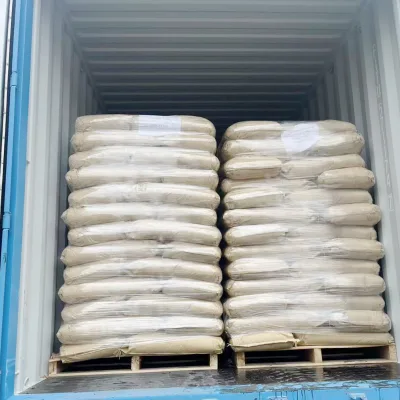
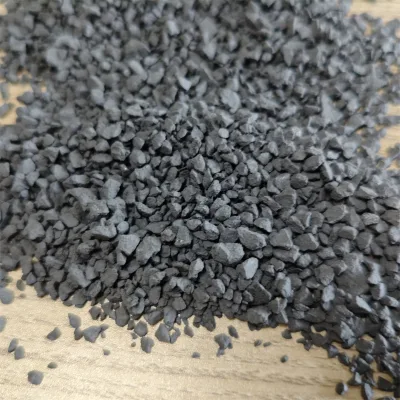
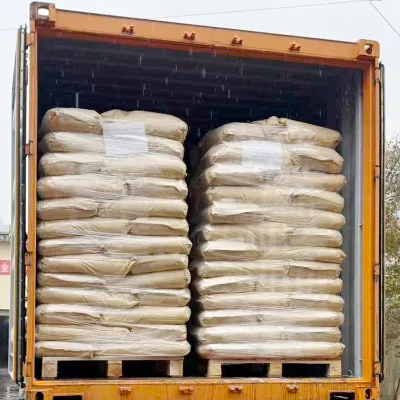
Additional comparison points include product attributes such as color, carrier type, and specific functional properties like flame resistance or heat resistance. Some suppliers offer black powder as a standard, while others provide customization options for different colors or chemical compositions. The presence of specific certifications like REACH or SGS reports should be weighed against the supplier's main product focus, which might include unrelated items like drilling rigs or agricultural chemicals. Buyers should also consider the packaging standards, such as 25kg PP bags or high-temperature bags, as these impact logistics and storage requirements. A comprehensive comparison ensures that the selected supplier meets both technical specifications and commercial constraints.
Common High Temperature Resistant Bakelite Powder Sourcing Risks
One significant risk involves the potential mismatch between a supplier's main product focus and the specific high-temperature resistant bakelite powder required. Some suppliers list diverse items like urea, tractors, or bauxite alongside molding compounds, which may indicate a lack of specialized expertise in phenolic resins. Buyers must verify that the supplier's core competency aligns with the technical demands of the application, such as manufacturing handles or electrical components. Relying on a generalist trading company without a dedicated production line for bakelite powder could lead to quality inconsistencies or supply disruptions.
Another risk is the variability in product specifications and the lack of standardized testing results across different suppliers. While some products list detailed chemical compositions like Al2O3 content or refractoriness temperatures, others may lack specific data points. The absence of system certification in some profiles increases the risk of non-compliance with international standards. Buyers should be cautious of suppliers who do not provide video factory inspections or technical support, as these are critical for validating product performance. Ensuring that the supplier can provide consistent quality through rigorous testing and clear documentation is essential to mitigate these sourcing risks effectively.
High Temperature Resistant Bakelite Powder Regional Sourcing and Logistics
Regional sourcing strategies should account for the specific locations of suppliers, such as Shandong and Shanxi, which influence logistics and shipping costs. Shandong-based suppliers often have access to major ports, facilitating international export for chemical and plastic raw materials. Shanxi-based suppliers, focused on bauxite and refractory materials, may have different logistical advantages depending on the proximity to raw material sources. Buyers should verify the origin of the product, as some listings explicitly state China as the origin, while others specify provinces like Shanxi. Understanding the regional distribution helps in estimating transit times and potential customs complexities.
Logistics planning must also consider the packaging and handling requirements for high-temperature resistant powders. Suppliers typically use 25kg PP bags or high-temperature bags, which require specific handling to prevent damage during transit. The delivery lead time, often cited as one week for some suppliers, should be factored into the overall supply chain timeline. Buyers should confirm if the supplier offers free samples and video factory inspections to ensure the packaging and product quality meet expectations before committing to large orders. Coordinating with suppliers who have established logistics networks in their respective regions can streamline the procurement process and reduce the risk of delays.
High Temperature Resistant Bakelite Powder Commercial Terms and Order Planning
Commercial terms should be carefully negotiated to align with the supplier's minimum order quantities and pricing structures. Some suppliers require a minimum of 20 tons for OEM customization, while others accept orders as low as 5 tons. Buyers must plan their order volumes to meet these thresholds while balancing inventory costs and production schedules. Pricing varies widely, with some products listed between 300 and 500 per unit, and others ranging from 950 to 1029. Understanding these price ranges helps in budgeting and forecasting expenses accurately. Buyers should also clarify payment terms and escrow options to ensure financial security during the transaction.
Order planning should include a detailed review of product attributes and customization options to ensure the final product meets application requirements. Suppliers offering customization in color, carrier type, and specific chemical compositions provide flexibility for diverse industrial needs. Buyers should verify the availability of technical support and the ability to provide samples for testing before placing large orders. The delivery lead time, often one week, should be integrated into the production schedule to avoid bottlenecks. By carefully planning commercial terms and order specifications, buyers can secure a reliable supply of high-temperature resistant bakelite powder that meets their specific operational demands.
FAQs
What is the price range for High Temperature Resistant Bakelite Powder?
Prices for High Temperature Resistant Bakelite Powder typically range from 898 to 1029 per unit based on current listings. Specific costs depend on the product grade, order quantity, and whether customization is required for your specific molding application needs.
What is the minimum order quantity for bakelite powder?
Minimum order quantities vary by supplier, with some accepting orders as low as 5 units while others require 10 or 22 units. Buyers should verify the specific MOQ for their chosen product type before placing an order to ensure it meets their production requirements.
How long does delivery take for bakelite powder orders?
Delivery lead times generally range from one week to seven days depending on the supplier and product availability. Some suppliers offer a one-week delivery window, while others may require up to seven days for processing and shipping the materials to your location.
Are free samples available for bakelite powder testing?
Yes, many suppliers offer free samples or small quantities like 2kg for testing purposes. Buyers can request these samples to verify the black color, flame resistance, and heat resistance properties before committing to a larger bulk purchase for their manufacturing needs.
What certifications do bakelite powder suppliers hold?
Some suppliers hold REACH, RoHS, and ISO 22241 certifications for their chemical and molding compounds. Buyers should verify specific system certifications like SGS reports or REACH compliance to ensure the materials meet international safety and environmental standards for their applications.
Where are the bakelite powder manufacturers located?
Manufacturers are primarily located in China, specifically in provinces like Shandong and Shanxi. These regions host trading companies and factories producing various grades of phenolic molding compounds and bakelite powders for industrial and automotive applications.
Can suppliers provide video factory inspections?
Yes, several suppliers offer video factory inspections to verify their manufacturing capabilities and quality control processes. This feature allows buyers to assess the production environment and confirm the 30 years of manufacturing experience claimed by the provider without visiting the site physically.