Strapless Breathable Sports Bra Suppliers and Manufacturers
Find 27 verified suppliers offering Strapless Breathable Sports Bra with options for OEM customization and varied lead times. Compare response times, locations in China, and pricing ranges to select the right partner for your fitness apparel needs; review the available evidence before requesting comparable quotations from suitable candidates.
Updated
Suppliers List

Efirsty Enterprise (Anhui) Co., Ltd.
- Verified by TUVRHEINLAND
- Trading Company
- China Anhui
- Lead time30 days
- Avg. response≤ 5h
Main productsLeggings Yoga Pants Swimwear, Swimsuit
Main marketsSouth America,Southeast Asia/ Mideast,East Asia(Japan/ South Korea),Europe,Australia,North America

Quanzhou Weibo Clothing Co., Ltd.
- Verified by BV
- Manufacturer
- China Fujian
- Lead time15 days
- Avg. response≤ 2h
Main productsBra, Underwear, Nipple Covers, Breast Pads, Lingerie, T Shirt, Resin Craft, Ceramic
Main marketsSouth America,Southeast Asia/ Mideast,East Asia(Japan/ South Korea),Europe,Australia,North America

Dongyang Rihope Import and Export Co., Ltd
- Trading Company,Manufacturer/Factory
- China Zhejiang
- Lead time60 days
- Avg. response≤ 12h
Main productsSeamless Sportswear Seamless Underwear, Seamless Shapewear Knitting Garments, Women's Activewear
Main marketsSouth America,Eastern Europe,Mid East,North America,Western Europe

Xiamen Meiju Garment Co., Ltd.
- Verified by TUVRHEINLAND
- Trading Company,Manufacturer/Factory
- China Fujian
- Lead time23 days
- Avg. response≤ 4h
Main productsSports Wear, Yoga Wear, Gym Wear, Fashion Fitness, Sportswear, Hoodies, Sportswear Fitness Wear, Tracksuit, Swimwear, Men's Sportswear
Main marketsSouth America,Eastern Europe,Mid East,North America,Southeast Asia,Eastern Asia,Oceania,Western Europe,Africa


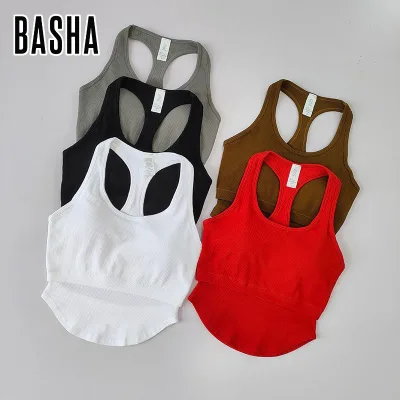
Women Outdoor Wear Sleeveless Sports Yoga Tank Top Bra with Removable Padding
$4.59 - $6.59
MOQ: 1 piece


- Verified by TUVRHEINLAND
- Trading Company
- China Zhejiang
- Lead time15 days
- Avg. response≤ 8h
Main productsSport Wear, Yoga Pants, Sports Bra, Sports Cap, Waist Bag, Sports Sock, Sports Towel, Quick Dry Clothes, Yiwu Buying Agent, Sourcing Agent
Main marketsSouth America,Europe,North America

Zhejiang Shenlong International Co., Ltd.
- Trading Company
- China Zhejiang
- Lead time0 days
- Avg. response≤ 4h
Main productsUnderwear, Seamless Underwear, Underwear Set, Seamless Inner Wear, Seamless Wear, Undergarment, Bath Towel, Beach Towel, Face Towels, Leggings
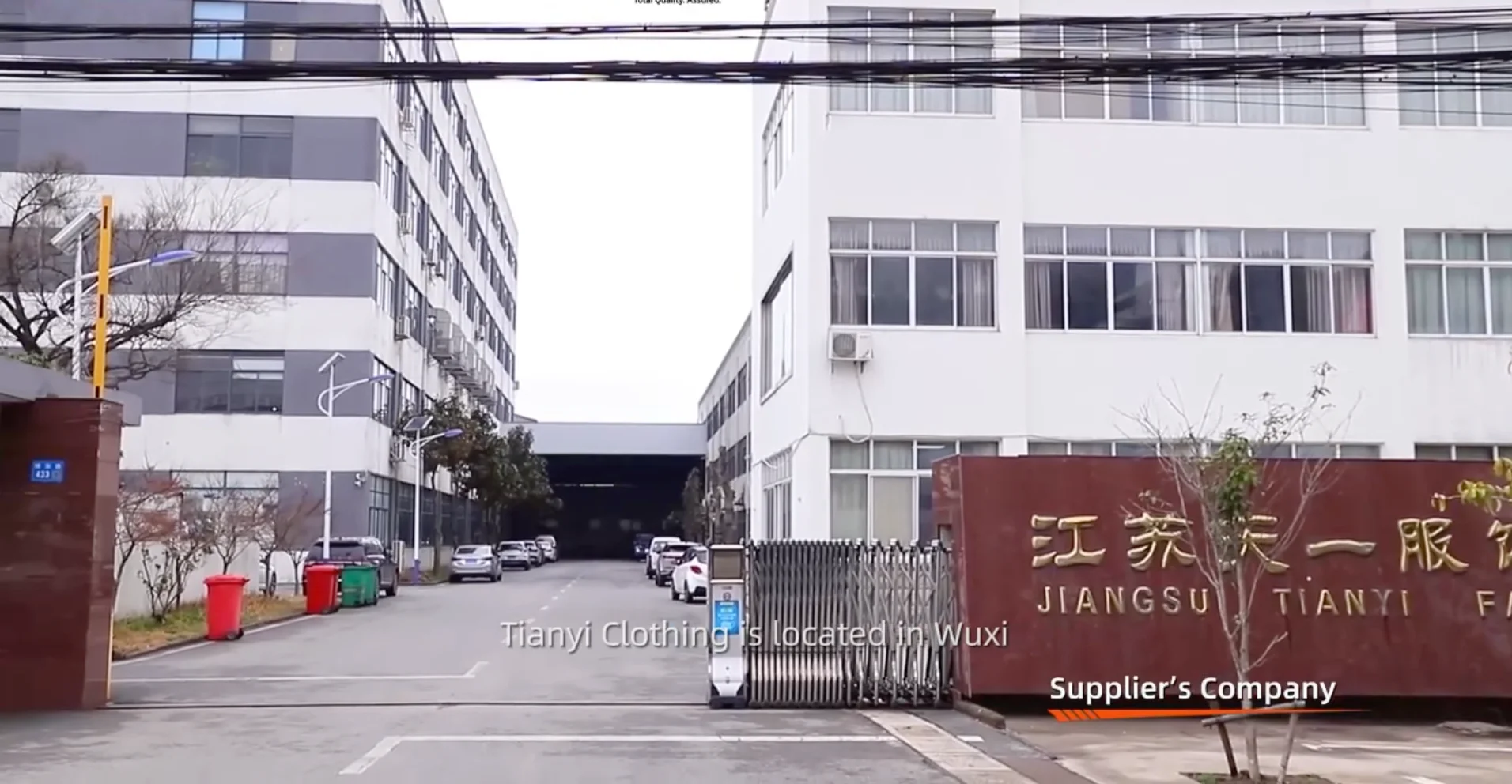
Jiangsu Tianyi Clothing Co., Ltd.
- Manufacturer, Trading Company
- Jiangsu, China
- Lead time30 days
- Avg. response≤ 1h
Main productsYoga Sets,Yoga Leggings,Gym Fitness Sets,Tracksuits,Sports Bras
Main marketsNorth America(21.00%), Mid East(13.00%), Southern Europe(13.00%), Western Europe(12.00%), Eastern Asia(9.00%), Northern Europe(9.00%), Eastern Europe(8.00%), Oceania(7.00%), South America(6.00%), Africa(2.00%)
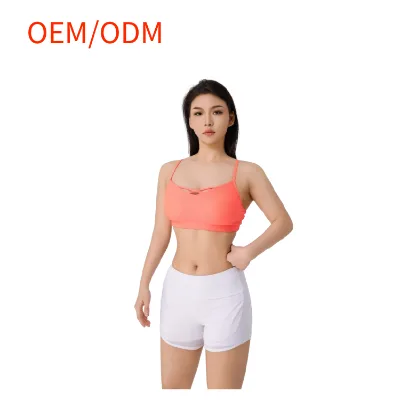
$8.1362 - $9.4985
MOQ: 2 pieces
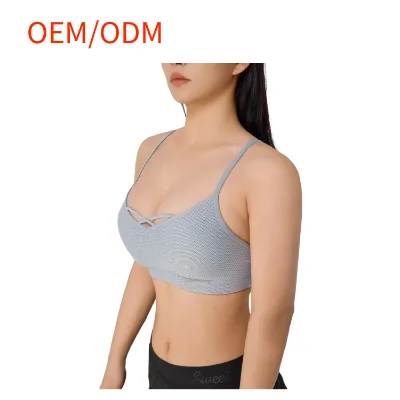
$8.7784 - $10.2545
MOQ: 2 pieces
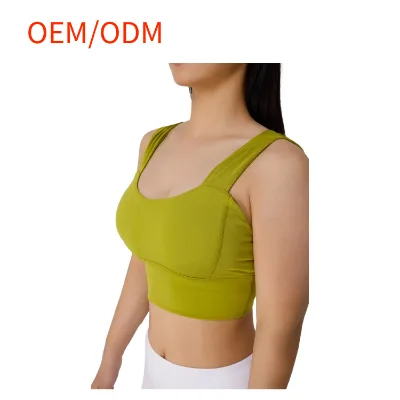
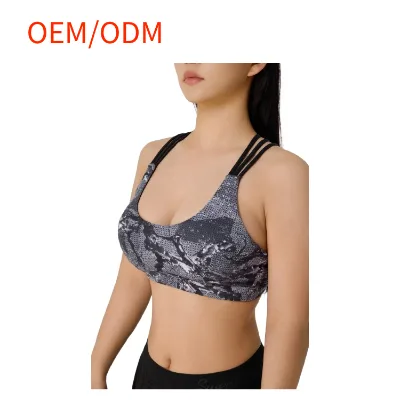
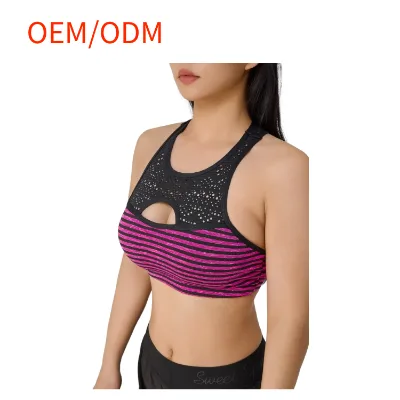
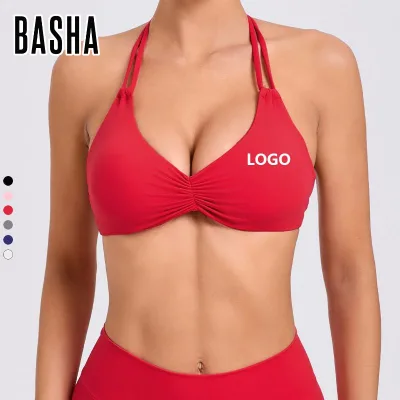
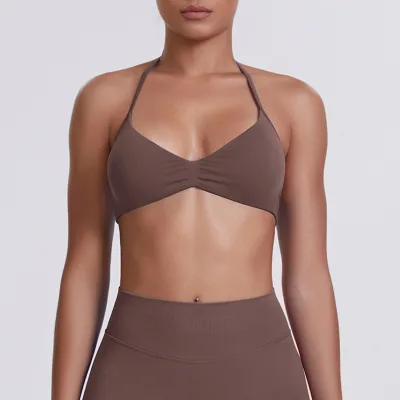
Fashion High Quality Women Seamless Sports Bra Custom logo Gym Workout Halter Sports Bra for Women
$8.7784 - $10.2545
MOQ: 2 pieces


Guangzhou Vincenia Trading Co., Ltd.
- Trading Company
- China Guangdong
- Lead time23 days
- Avg. response≤ 6h
Main productsUnderwear, Lingerie, Shapewear, Legging, Lace, Bra, Briefs, Yoga, Fabrics
Main marketsSouth America,Southeast Asia/ Mideast,East Asia(Japan/ South Korea),Europe,North America

Dongguan Edee Apparel Co., Ltd.
- Verified by TUVRHEINLAND
- Trading Company,Manufacturer/Factory
- China Guangdong
- Lead time23 days
- Avg. response≤ 3h
Main productsSportswear, Activewear, Gym Clothing, Yoga Wear, Dancewear, Sports Bra, Sports Leggings, Sweatshirt, Track Suit, Hoodie
Main marketsSouth America,Eastern Europe,Mid East,North America,Eastern Asia,Oceania,Western Europe
Dantele Sports Goods (shenzhen) Co., Ltd.
- Verified by SGS Group
- Manufacturer, Trading Company
- Lead time20 days
- Avg. response≤ 1h
Main productsWomen's Sportswear , Women's Yoga Wear , Women's Sports Bra , Women's Yoga Pants, Men's Sportswear
Main marketsNorth America(50%), South America(10%), Africa(10%)
Hangzhou Huoge Clothing Co., Ltd.
- Trading Company
- Zhejiang, China
- Lead time5 days
- Avg. response≤ 3h
Main productssports wear,yoga clothing,gym wear,running wear,seamless wear
Main marketsEastern Europe(30.00%), North America(30.00%), Northern Europe(20.00%), South America(10.00%), Central America(10.00%)

Yiwu Jingcheng Clothing Co., Ltd.
- Trading Company
- Zhejiang, China
- Lead time15 days
- Avg. response≤ 5h
Main productssportswear,yoga wear,women's clothing,men's clothing,kid's clothing
Main marketsNorth America(50.00%), South America(20.00%), Western Europe(10.00%), Southeast Asia(10.00%), Eastern Europe(10.00%)
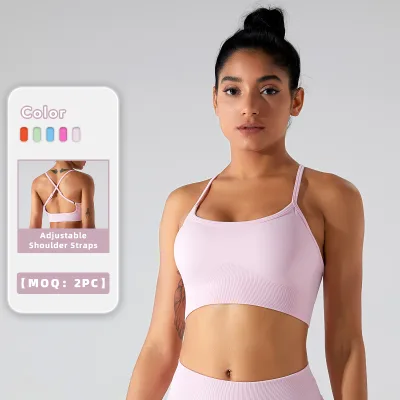
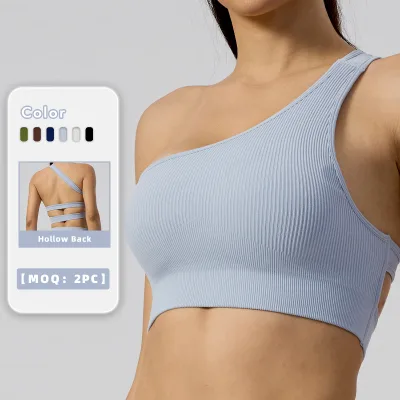
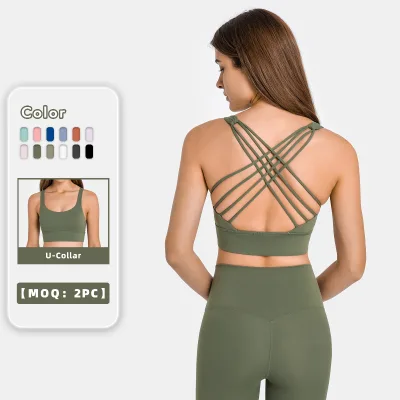
Custom Logo Seamless Adjustable Sports Bra for Women Workout Fitness Yoga Bra
$7.00 - $9.70
MOQ: 2 pieces

- Trading Company,Manufacturer/Factory
- China Guangdong
- Lead time45 days
- Avg. response≤ 11h
Main productsSwimwear, Beachwear, Active Wear, Yoga Wear, Board Short, Swimsuit, Bathing Suit, Bikini
Main marketsSouth America,Eastern Europe,North America,Southeast Asia,Eastern Asia,Oceania,Western Europe
Guangzhou Jolie Dress Co., Ltd.
- Manufacturer, Trading Company
- Guangdong, China
- Lead time2 days
- Avg. response≤ 5h
Main productsbra sets,Sexy lingerie,Women Panties,Women Bra,Men Underwear
Main marketsNorth America(38.00%), Western Europe(28.00%), South America(15.00%), Africa(8.00%), Oceania(6.00%), South Asia(5.00%)
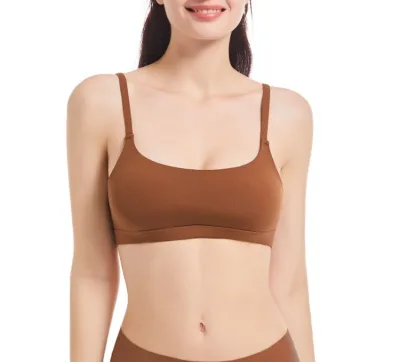
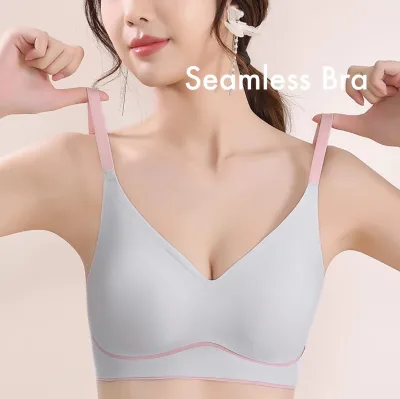
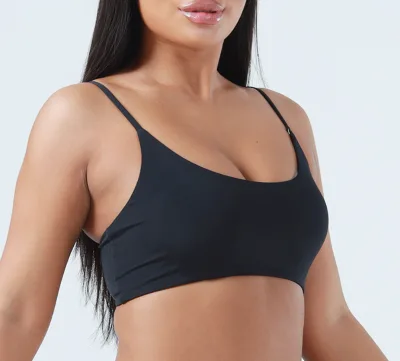
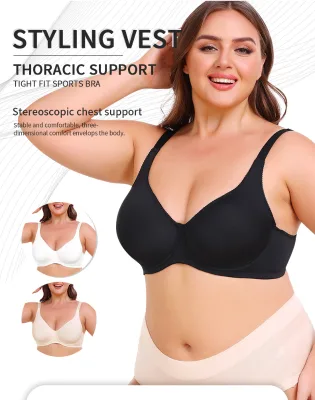
Women Wirefree Bra Plus Size 6XL
$5.60 - $5.80

Dongguan Humen Hucai Garment Co., Ltd.
- Verified by TUVRHEINLAND
- Combined
- China Guangdong
- Lead time15 days
- Avg. response≤ 6h
Main productsSportswear, Yoga Pants, Sports Bra, T Shirt, Tank Top, Jogger Pants, Tracksuit, Hoodies, Shorts, Leggings
Main marketsAustralia,North America
Dongguan Boxin Garment Co., Ltd.
- Verified by SGS Group
- Manufacturer, Trading Company
- Lead time25 days
- Avg. response≤ 2h
Main productsFitness & Yoga Wear, Casual & Street Wear
Main marketsNorth America(80%), Oceania(10%), Western Europe(5%)
Fuzhou Best Partner Imp. & Exp. Co., Ltd.
- Trading Company
- Fujian, China
- Lead time60 days
- Avg. response≤ 2h
Main productsmen's underwear,boxer briefs,Briefs,Bikinis,seductive lingerie
Main marketsWestern Europe(70.00%), North America(20.00%), Northern Europe(10.00%)
Foshan Xiangda Technology Co., Ltd.
- Verified by TüVRheinland
- Manufacturer, Trading Company
- Lead time5 days
- Avg. response≤ 2h
Main productsYoga Wear, Sportswear, Jumpsuit, T-shirt, Jacket
Main marketsDomestic Market(36%), North America(20%), Central America(10%)
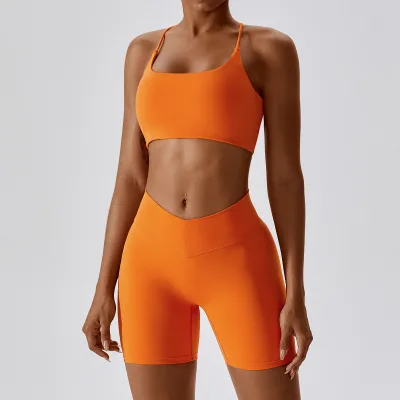
$11.8592 - $15.2484
MOQ: 200 pieces

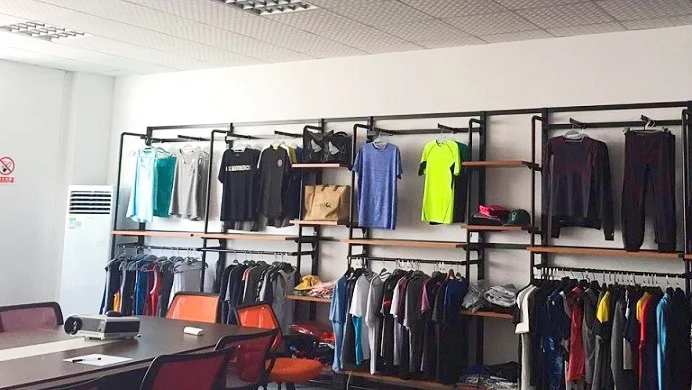
Battlerobe (xiamen) Sports Products Co., Ltd.
- Manufacturer
- Fujian, China
- Lead time25 days
- Avg. response≤ 4h
Main productsSportswear,Fitness & Yoga Wear,Gym wear,Sports accessories,Buyer services
Main marketsNorth America(30.00%), Domestic Market(20.00%), Northern Europe(10.00%), Central America(5.00%), South Asia(5.00%), Mid East(5.00%), Oceania(5.00%), Eastern Europe(5.00%), Southeast Asia(5.00%), South America(3.00%), Africa(3.00%), Western Europe(2.00%), Southern Europe(2.00%)
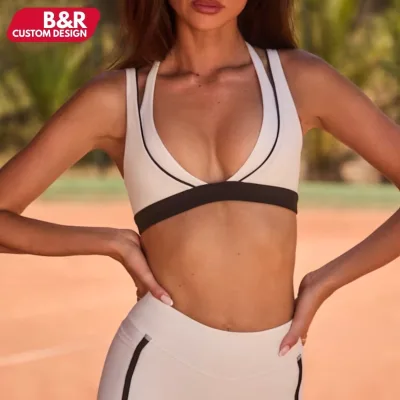
Women Bodybuilding Padded Slimming Body Shaping Bounce Control Seamless Sports Bra
$5.6557 - $9.7679
MOQ: 100 sets
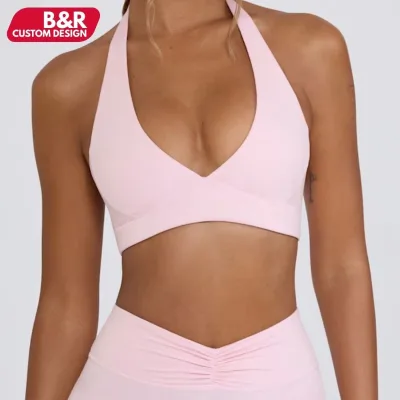
Adjustable Sports Bra Workout Athletic Wear High Impact Gym Yoga Bra Plus Size Sports Bra
$5.6512 - $9.7619
MOQ: 100 sets
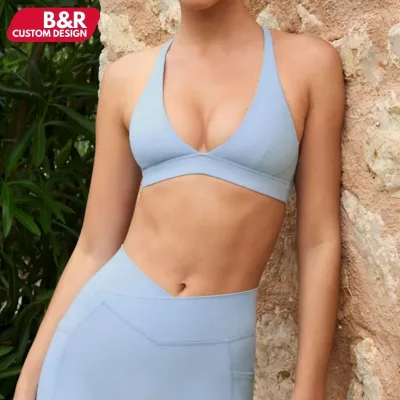
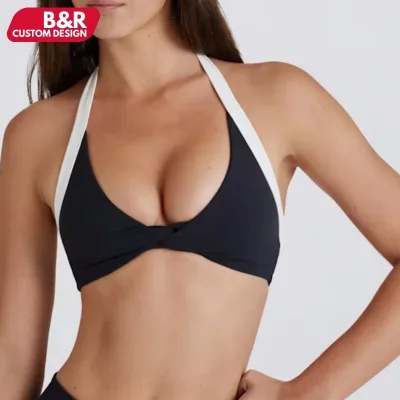
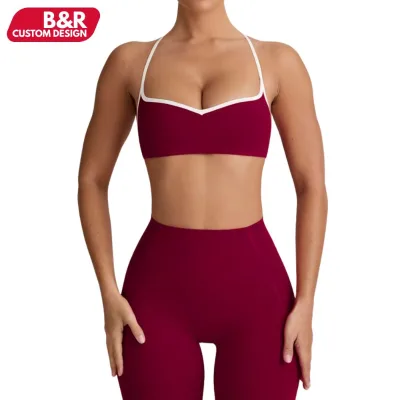
Customized Women's Sports Shockproof Back Strap Yoga Bra Sexy Gathering Fitness Vest Running Bra
$5.6557 - $9.7679
MOQ: 100 sets
$5.6557 - $9.7679
MOQ: 100 sets
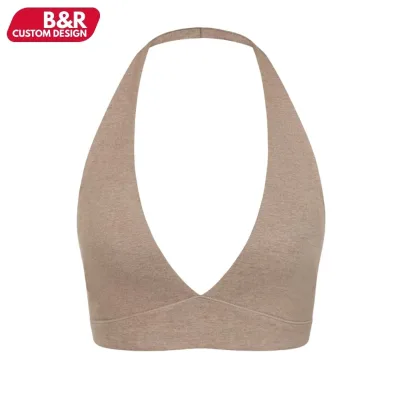
High Quality Competitive Price Private Label Elastic Band Sports Bra Set
$5.6557 - $9.7679
MOQ: 100 sets
Yiwu Basha Sports Development Co., Ltd.
- Verified by SGS Group
- Manufacturer, Trading Company
- Lead time15 days
- Avg. response≤ 2h
Main productsSeamless yoga wear; Cut and Sew Gym wear, Tracksuit; Long & Short Sleeve Shirts, Swimwear
Main marketsNorth America(30%), Oceania(20%), Eastern Europe(15%)
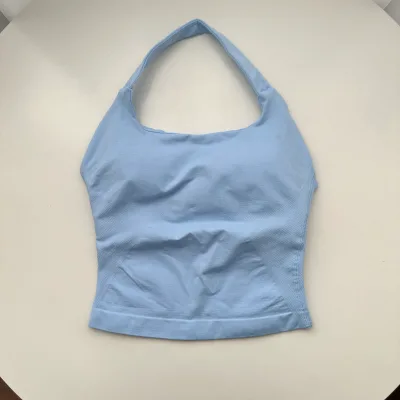
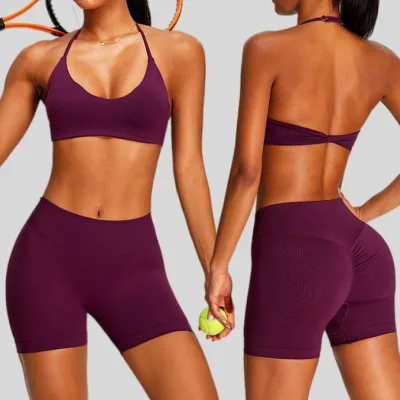
Hot Selling Halter Top Backless Yoga Gym Training Seamless Sports Bra for Women
$6.9461 - $7.6212
MOQ: 2 pieces
$7.7934 - $8.5104
MOQ: 1 pieces

Xiamen Evaricky Trading Co., Ltd.
- Trading Company
- China Fujian
- Lead time15 days
- Avg. response≤ 3h
Main productsSports Wear, Gym Wear, Leggings, Sports Bra, Shorts, Yoga Set, Jackets, Tank Top, Tennis Wear
Main marketsEastern Europe,Mid East,North America,Oceania,Western Europe

Double Crossed Shoulder Straps Sports Bra Removable Chest Pad Yoga Fitness Backless Crop Sports Bra
$7.26 - $7.84
MOQ: 200 Pieces

Double Shoulder Strap Sexy Backless Yoga Crop Top Seamless Hem Shaper Sports Bra
$7.76 - $8.65
MOQ: 200 Pieces

Wholesale Sleeveless Adjustable High Quality Gym Fitness Womens Yoga Top Sports Bras
$8.18 - $9.44
MOQ: 2 Pieces

Xiamen Aimeee Garment Co., Ltd.
- Verified by SGS
- Manufacturer
- China Fujian
- Lead time15 days
- Avg. response≤ 3h
Main productsSports Wear, Gym Wear, Bikini
Main marketsSouth America,Africa,Southeast Asia/ Mideast,Europe,North America


Women Halter-Neck Bra Backless Seamless Push-up Thin Strap Pilates Sports Bra
$5.19 - $6.99
MOQ: 1 piece

Women High-Elasticity Quick-Drying Adjustable Neck Strap Sports Bra with Chest Pad
$5.19 - $6.99
MOQ: 1 piece

Shantou Junying Clothing Co., Ltd.
- Verified by SGS
- Combined
- China Guangdong
- Lead time30 days
- Avg. response≤ 12h
Main productsBra
Main marketsSouth America
Fitele Garment (guangzhou) Co., Ltd.
- Verified by SGS Group
- Trading Company
- Guangdong, China
- Lead time25 days
- Avg. response≤ 4h
Main productsYoga Sets, Legging, Sports Bra, T-shirt, Hoodies
Main marketsNorth America(45.00%), Western Europe(30.00%), Oceania(10.00%), Southern Europe(10.00%), Southeast Asia(5.00%)
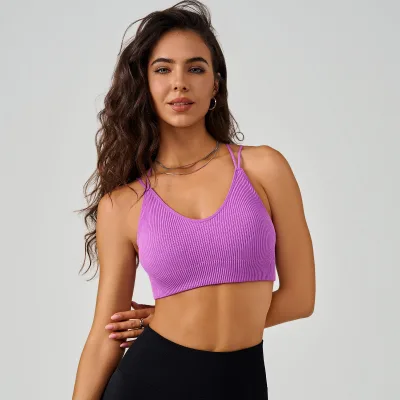
$5.6407 - $6.1527
MOQ: 1 pieces
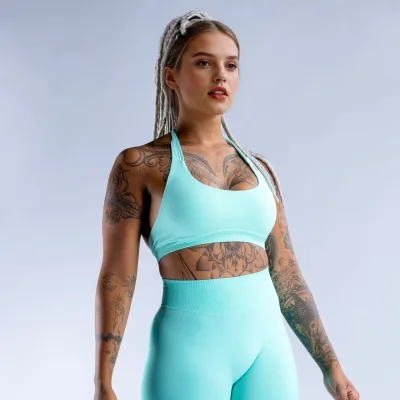
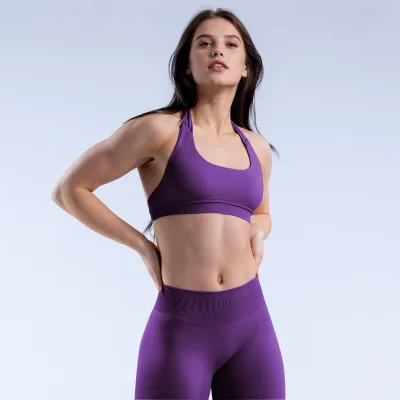
New Beautiful Back Gym Fitness Bras Impact Hater Neck Backless Bra for Women
$4.0913 - $8.1931
MOQ: 2 Minimum
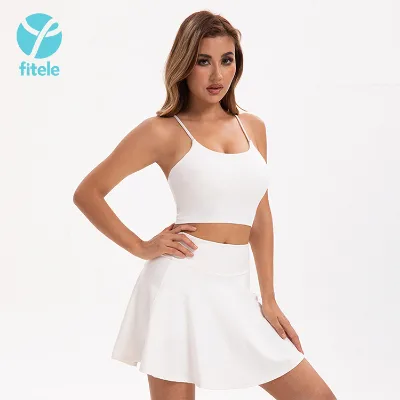

- Verified by CTI
- Trading Company
- China Zhejiang
- Lead time15 days
- Avg. response≤ 6h
Main productsJewelry, Brooch, Belt, Necklace, Agent, Bracelet, China Trim, China Ring, China Hair Accessory, China Earring
Main marketsSouth America
Xiamen Biyou Clothing Co., Ltd.
- Verified by SGS Group
- Trading Company
- Lead time0 days
- Avg. response≤ 1h
Main productsYoga Wear, Sweatshirts, Muslim Sportwear
Main marketsWestern Europe(40%), Oceania(30%), North America(30%)

- Manufacturer/Factory
- China Guangdong
- Lead time23 days
- Avg. response≤ 9h
Main productsYoga Clothes, Gym Clothes, Workout Clothes, Fitness Clothes, Running Clothes, Tennis Clothes, Golf Clothes, Plitates Clothing, Fashion Fitness, Sportswear
Main marketsEastern Europe,North America,Western Europe

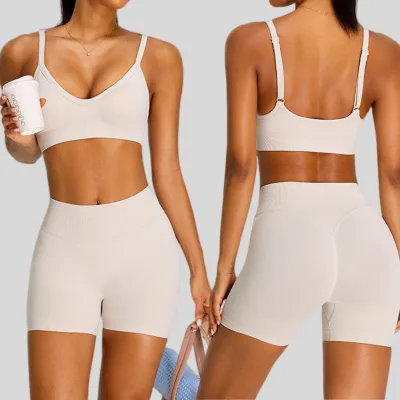
Sports Bras for Women Halter-Style Strap Padded Seamless High Support Bra for Workout Gym Yoga
$8.99 - $16.90
MOQ: 1 Pieces


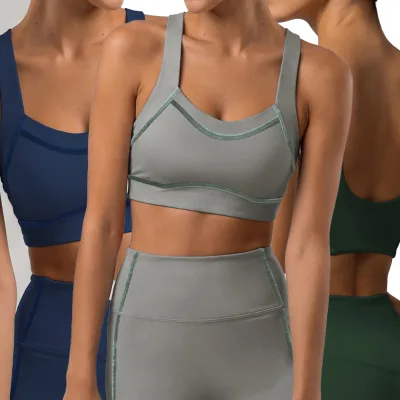
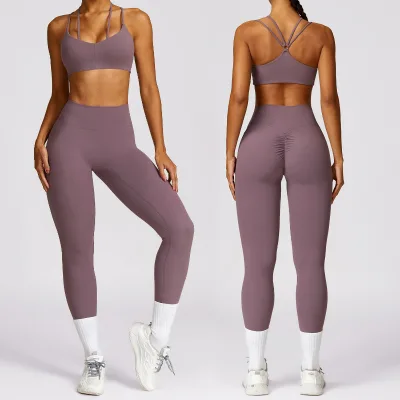
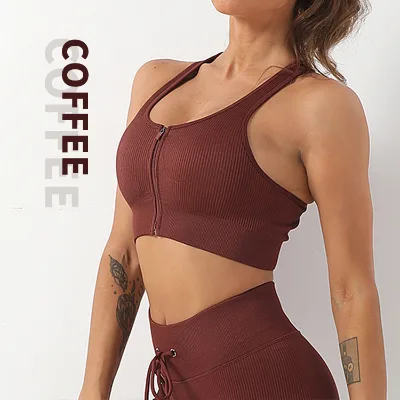
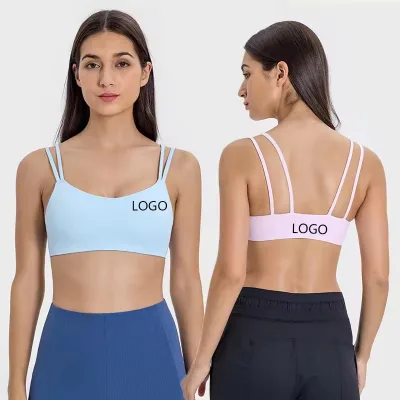


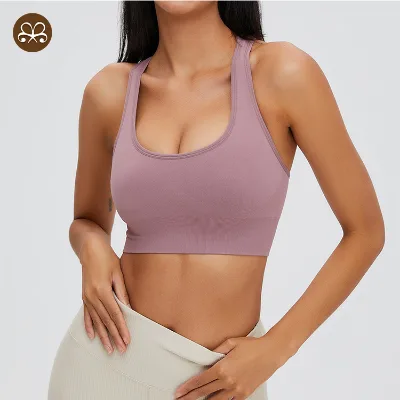
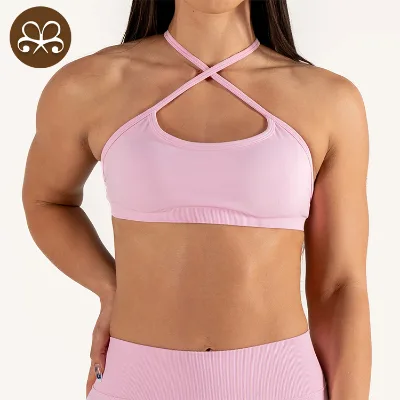
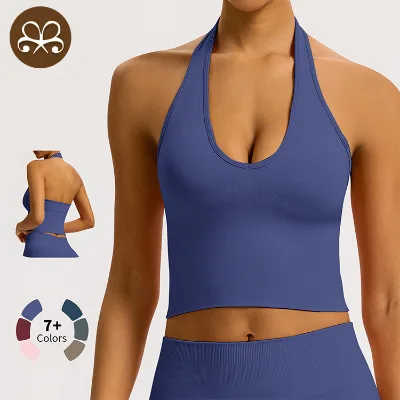
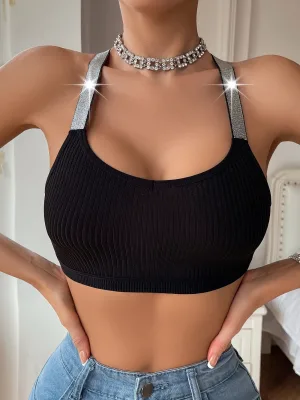


Comprehensive Sourcing Guide
Strapless Breathable Sports Bra Supplier Concentration and Factory Types
The current supplier landscape for strapless breathable sports bras reveals a distinct split between trading companies and direct manufacturers, each offering different advantages for sourcing teams. Evidence indicates that suppliers located in China Anhui are primarily structured as trading companies, which often serve as intermediaries connecting buyers with broader manufacturing networks. These entities typically list main products that include leggings, yoga pants, swimwear, and swimsuits, suggesting a diversified inventory rather than a specialized focus on single-item apparel. In contrast, suppliers based in China Fujian are identified as manufacturers, indicating a more direct production capability for items like bras, underwear, and lingerie. This structural difference is critical for buyers, as trading companies may offer greater product variety and flexibility in order sizes, while manufacturers might provide deeper expertise in specific garment construction techniques and potentially more competitive pricing for larger volumes. Understanding this distinction helps buyers align their procurement strategy with their operational needs, whether they prioritize speed and variety or cost efficiency and production control.
When evaluating the concentration of these suppliers, it is important to note that the available data does not provide a comprehensive count of all active entities in the market, as search results can fluctuate. However, the presence of both trading companies in Anhui and manufacturers in Fujian suggests that buyers have access to diverse sourcing channels within China. The trading companies in Anhui often emphasize customization options, such as customized logos and OEM acceptance, which appeals to brands looking for unique product differentiation. Meanwhile, the manufacturers in Fujian highlight their capacity for ODM and OEM services, indicating a robust ability to handle custom designs and private labeling. This diversity allows buyers to select suppliers based on their specific requirements for product customization, volume, and lead time. It is advisable for buyers to investigate the specific capabilities of each supplier type to ensure they match the desired level of involvement in the production process, whether that involves close collaboration with a factory or reliance on a trading partner for logistics and quality assurance.
How to Verify Strapless Breathable Sports Bra Suppliers
Verifying the credibility and operational capacity of Strapless Breathable Sports Bra suppliers requires a multi-layered approach that goes beyond basic company profiles. One of the primary indicators of reliability is the verification status provided by third-party inspection agencies. For instance, some suppliers in the current results are verified by TÜV Rheinland, a globally recognized testing and certification body, which adds a layer of trust regarding their business legitimacy and operational standards. Other suppliers may hold verification from BV, another reputable agency, signaling that their facilities and processes have undergone independent scrutiny. Buyers should prioritize suppliers with these verifications, as they indicate a commitment to transparency and adherence to international business practices. Additionally, the response time of a supplier can serve as a proxy for their operational efficiency and customer service quality. Suppliers with faster response times, such as those averaging around 1.58 hours, are likely more responsive to inquiries and better equipped to handle urgent requests, which is crucial for maintaining supply chain agility.
Beyond verification badges and response speeds, buyers should assess the supplier’s production capabilities and quality control measures. Manufacturers, particularly those in Fujian, often highlight their R&D capacity for both ODM and OEM projects, suggesting they have the technical expertise to develop new designs or adapt existing ones to meet specific brand requirements. Trading companies, while potentially less involved in direct production, may offer valuable insights into market trends and supply chain management. Buyers should request detailed information about the supplier’s quality assurance processes, including any internal testing protocols for fabric durability, colorfastness, and fit consistency. It is also important to verify the supplier’s ability to provide samples, as this allows for a physical evaluation of product quality before committing to larger orders. By combining verification status, response efficiency, and production capabilities, buyers can build a comprehensive profile of each supplier’s reliability and suitability for their specific sourcing needs.
What to Compare Across Strapless Breathable Sports Bra Suppliers
When comparing suppliers, buyers should focus on key operational metrics such as lead time, minimum order quantity (MOQ), and pricing structures to determine the best fit for their business model. Lead times vary significantly among suppliers, with some offering a 15-day turnaround while others may require up to 30 days. This difference can impact inventory management and time-to-market strategies, making it essential for buyers to align supplier lead times with their sales cycles and promotional calendars. Similarly, MOQs can range from as low as two sets to higher thresholds, depending on the supplier’s production model and inventory policies. Suppliers with lower MOQs, such as those offering two-piece minimums, are ideal for startups or brands testing new product lines, while those with higher MOQs may offer better economies of scale for established brands. Pricing is another critical factor, with costs varying based on material composition, customization options, and order volume. Buyers should request detailed quotes that break down costs for materials, labor, and customization to ensure transparency and avoid hidden fees.
In addition to operational metrics, buyers should compare the specific product attributes and customization options offered by each supplier. For example, some suppliers provide seamless sports bras made from nylon/spandex blends, while others may offer polyester/spandex options with different feature sets such as quick-drying, moisture-wicking, and breathable properties. The availability of customized logos, packaging, and design modifications can also influence the final product’s market appeal. Buyers should evaluate the supplier’s ability to meet specific technical requirements, such as fabric weight, stitching quality, and fit consistency, by reviewing product specifications and sample results. It is also important to consider the supplier’s main product focus, as those specializing in sportswear may have deeper expertise in performance fabrics and construction techniques compared to general apparel traders. By systematically comparing these factors, buyers can identify suppliers that not only meet their quantitative requirements but also align with their qualitative brand standards and product vision.
Common Strapless Breathable Sports Bra Sourcing Risks
Sourcing strapless breathable sports bras from international suppliers introduces several risks that buyers must proactively manage to ensure product quality and supply chain stability. One significant risk is the potential for inconsistent product quality, particularly when dealing with trading companies that may not have direct control over the manufacturing process. Variations in fabric sourcing, stitching techniques, or finishing processes can lead to discrepancies between samples and bulk orders, resulting in customer dissatisfaction and returns. To mitigate this risk, buyers should establish clear quality specifications and conduct rigorous pre-shipment inspections. Another risk is the delay in delivery, which can occur due to production bottlenecks, material shortages, or logistical challenges. Suppliers with longer lead times or those located in regions prone to disruptions may pose a higher risk of delayed shipments, impacting the buyer’s ability to meet market demand. Buyers should maintain open communication with suppliers and establish contingency plans, such as identifying alternative suppliers or maintaining safety stock, to address potential delays.
Additionally, buyers face the risk of intellectual property infringement and unauthorized replication of their designs, especially when working with suppliers who offer extensive OEM and ODM services. It is crucial to implement robust legal protections, such as non-disclosure agreements and trademark registrations, to safeguard proprietary designs and branding. Another risk is the misalignment of expectations regarding customization and packaging, which can lead to additional costs or delays if not clearly defined in the initial contract. Buyers should ensure that all customization details, including logo placement, packaging materials, and labeling requirements, are documented and agreed upon before production begins. Furthermore, currency fluctuations and changes in trade policies can impact pricing and import costs, adding financial uncertainty to the sourcing process. Buyers should monitor market conditions and consider hedging strategies or fixed-price contracts to manage these financial risks. By identifying and addressing these common risks, buyers can build a more resilient and reliable sourcing strategy for strapless breathable sports bras.
Strapless Breathable Sports Bra Regional Sourcing and Logistics
The regional location of suppliers plays a crucial role in determining logistics costs, delivery times, and overall supply chain efficiency. Suppliers located in China Anhui and China Fujian offer distinct logistical advantages based on their proximity to major ports and manufacturing hubs. Anhui, being an inland province, may have different transportation dynamics compared to Fujian, which is a coastal province with direct access to international shipping routes. Buyers should consider the impact of these geographical differences on freight costs and transit times, as coastal suppliers may offer faster and more cost-effective shipping options for international orders. Additionally, the local infrastructure and availability of logistics services can affect the reliability and speed of deliveries. Buyers should evaluate the supplier’s experience with international shipping and their ability to handle customs clearance and documentation requirements. Suppliers with a strong track record in exporting may have established relationships with freight forwarders and carriers, ensuring smoother logistics operations.
Logistics planning also involves considering the packaging and labeling requirements to ensure compliance with destination market regulations. Suppliers should provide packaging solutions that protect the products during transit while minimizing environmental impact, as sustainability is increasingly important to consumers. Buyers should verify that the supplier’s packaging meets the necessary standards for durability and moisture resistance, especially for fabric-based products like sports bras. Furthermore, the supplier’s ability to handle customized packaging, such as branded boxes or polybags, can enhance the product’s market appeal. Buyers should also assess the supplier’s flexibility in adjusting shipping methods based on order urgency and cost constraints, such as offering air freight for urgent orders or sea freight for larger volumes. By carefully evaluating the regional logistics capabilities of suppliers, buyers can optimize their supply chain for efficiency, cost-effectiveness, and reliability, ensuring that products reach the market in a timely and cost-efficient manner.
Strapless Breathable Sports Bra Commercial Terms and Order Planning
Effective order planning for strapless breathable sports bras requires a thorough understanding of commercial terms, including payment conditions, warranty policies, and after-sales support. Buyers should negotiate clear payment terms that align with their cash flow management, such as partial payments upfront and the balance upon shipment or delivery. It is also important to clarify the supplier’s policy on sample orders, including costs and refundability, to minimize initial investment risks. Additionally, buyers should establish clear expectations regarding product warranties and return policies, particularly for defects or quality issues. Suppliers with robust after-sales support can help resolve any post-delivery problems efficiently, maintaining customer satisfaction and brand reputation. Buyers should also consider the supplier’s flexibility in handling order modifications or cancellations, as market demands can change rapidly. Clear communication and documented agreements on these commercial terms can prevent misunderstandings and disputes, ensuring a smooth transaction process.
Order planning should also account for the supplier’s production capacity and scalability to meet fluctuating demand. Buyers should assess the supplier’s ability to ramp up production during peak seasons or handle large-volume orders without compromising quality or lead times. Suppliers with established R&D and production capabilities, such as those offering ODM and OEM services, are better positioned to adapt to changing market trends and customer preferences. Buyers should also consider the supplier’s inventory management practices, as maintaining adequate stock of raw materials and finished goods can help mitigate supply chain disruptions. Furthermore, buyers should evaluate the supplier’s commitment to continuous improvement and innovation, as this can lead to better product designs and more efficient production processes. By aligning commercial terms with strategic order planning, buyers can build a sustainable and responsive sourcing relationship that supports their long-term business goals and market competitiveness.
FAQs
What is the price range for strapless breathable sports bras?
Prices for these items typically range from $1.99 to $7.80 per unit. The lowest cost options are wireless styles, while seamless and push-up designs command higher rates. Buyers should expect costs around $5.90 to $6.90 for standard breathable models with moisture-wicking features.
What is the minimum order quantity for these products?
The minimum order quantity is generally set at two sets or pieces. This low threshold allows buyers to test product quality and fit before committing to larger bulk orders. It is an accessible entry point for small businesses or individual resellers looking to sample the market.
How long does production and delivery take?
Lead times vary significantly by supplier, ranging from 15 to 30 days. Some manufacturers offer faster turnaround times of three to five working days for specific items. Buyers should confirm the exact production schedule with the supplier to ensure it aligns with their inventory needs.
What materials are used in these sports bras?
Common fabrics include nylon, spandex, and polyester blends. These materials provide essential features like quick-drying capabilities, breathability, and moisture-wicking properties. The stretchy nature of the fabric ensures a comfortable fit during yoga, gym workouts, and other high-intensity physical activities.
Are customization and OEM services available?
Yes, most suppliers offer customized logo printing and OEM services. Buyers can often select specific colors, patterns, and packaging options to match their brand identity. This flexibility supports private labeling efforts and helps businesses create unique product offerings for their target customers.
Where are these suppliers located?
Manufacturers and trading companies are primarily located in China, specifically in the Anhui and Fujian provinces. These regions are known for their strong apparel manufacturing infrastructure. Buyers can verify supplier locations and production capabilities to ensure quality control and logistical efficiency.