Elegant Modern Muslim Abaya Dress Suppliers and Manufacturers
Explore 23 verified options for Elegant Modern Muslim Abaya Dress from China Shandong and Henan. Compare response times, lead times, certifications, and prices to find the right factory. Request samples to verify quality before ordering; review the available evidence before requesting comparable quotations from suitable candidates.
Updated
Suppliers List

Jiuya Huitong (Qingdao) International Trade Co., Ltd.
- Verified by SGS
- Trading Company,Manufacturer/Factory
- China Shandong
- Lead time90 days
- Avg. response≤ 5h
Main productsClothes, Abaya, Camping Tent, Camping Furniture, Solar Light
Main marketsSouth America,Eastern Europe,Mid East,North America,Southeast Asia,Eastern Asia,Oceania,Western Europe,Africa


Abaya Manufacturer Islamic Clothing Premium Diamond Satin Dress Muslim Long Dress
$18.00 - $25.00
MOQ: 500 Pieces

Abaya Dubai Islamic Modern Abaya Muslim Clothing Hijab Long Dress for Woman
$20.00 - $25.00
MOQ: 500 Pieces
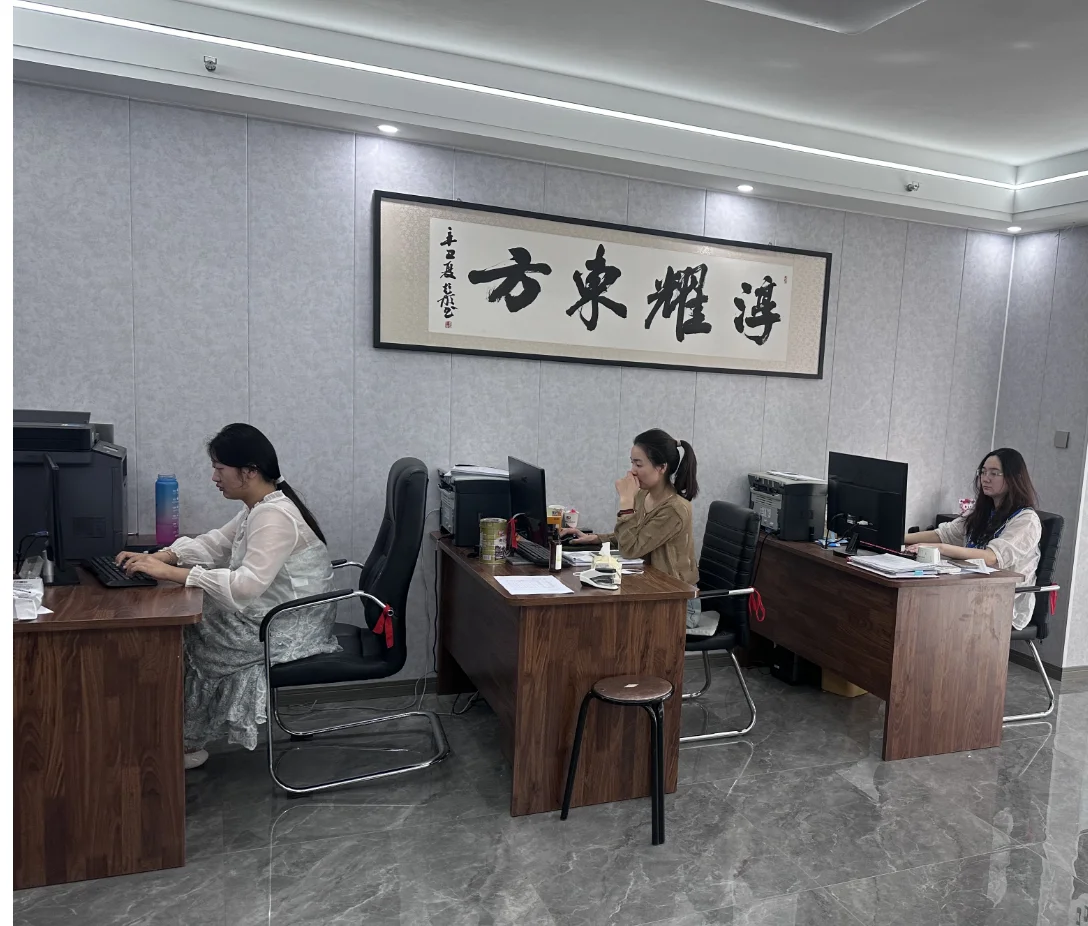
Xinxiang Harper Trading Co., Ltd.
- Trading Company
- henan, China
- Lead time15 days
- Avg. response≤ 5h
Main productsMuslim Abaya,Muslim Dresses,Muslim Hijab,Muslim Kids Clothing,Muslim Men Thobe
Main marketsMid East(60.00%), Southeast Asia(10.00%), Eastern Europe(6.00%), South America(3.00%), Domestic Market(3.00%), North America(3.00%), Southern Europe(3.00%), Northern Europe(3.00%), South Asia(2.00%), Central America(2.00%), Western Europe(2.00%), Eastern Asia(1.00%), Oceania(1.00%), Africa(1.00%)
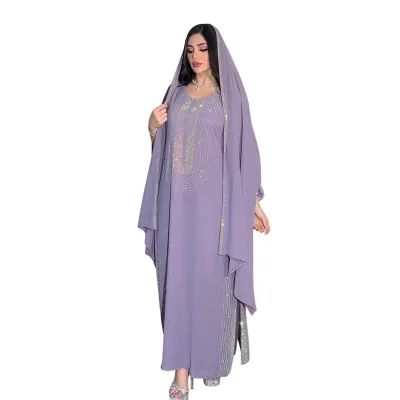
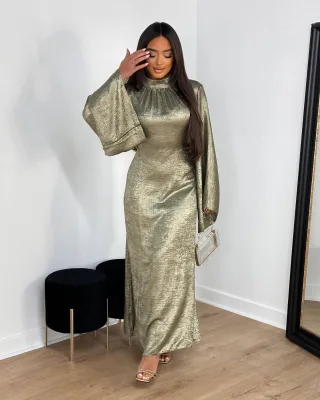
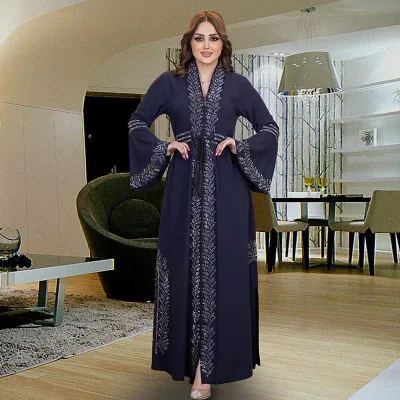
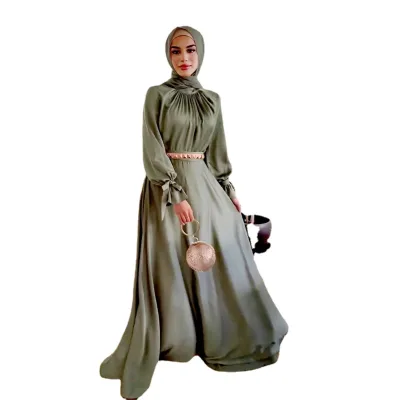
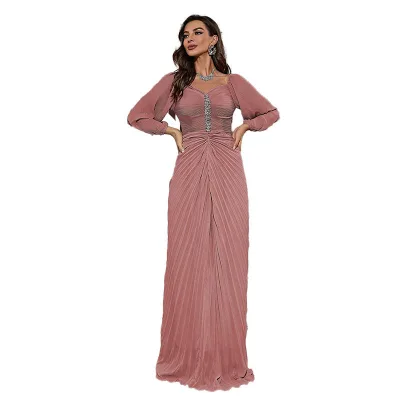
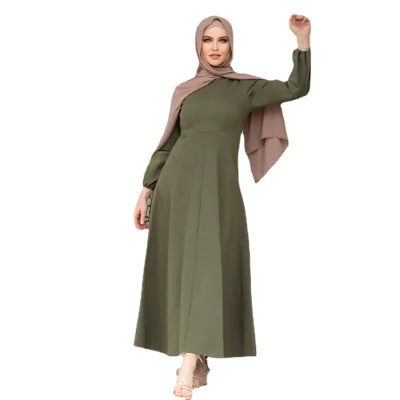
2024 Cross Border Abaya Elegant Islamic Women's Satin Swing Dress Muslim Dress Muslim Fashion
$14.2529 - $15.3502
MOQ: 2 pieces

Yuanyang Jiayun Department Store Co., Ltd.
- Trading Company
- Henan, China
- Lead time0 days
- Avg. response≤ 3h
Main productsWomen clothes,Bag,Shoes,Human hair,Eyelashes
Main marketsNorth America(70.00%), Africa(10.00%), Southeast Asia(5.00%)

Shanghai Hubei Apparel Co., Ltd
- Verified by BV
- Trading Company,Manufacturer/Factory
- China Shanghai
- Lead time45 days
- Avg. response≤ 22h
Main productsShirt, Dress, Skirt, Coat, Suit, Knitwear, Blazer, Shorts, Pants
Main marketsSouth America,Eastern Europe,Mid East,North America,Southeast Asia,Eastern Asia,Oceania,Western Europe,Africa

OEM Front Zipper Abaya Dress with Practical Design for Daily Muslim Women Clothing
$9.50 - $16.50
MOQ: 100 Pieces

ODM Elegant Cape Abaya Dress with Flowing Layer for Formal Islamic Party Occasions
$9.50 - $16.50
MOQ: 100 Pieces

Custom Size Embroidered Muslim Abaya Dress with Long Sleeve for Eid Celebration Supplier
$9.50 - $16.50
MOQ: 100 Pieces

Factory Direct Kaftan Style Abaya Dress with Side Slit for Summer Party Muslim Clothing
$9.50 - $16.50
MOQ: 100 Pieces

OEM Simple Crepe Abaya Dress with Clean Cut for Everyday Modest Muslim Fashion
$9.50 - $16.50
MOQ: 100 Pieces

Factory Direct Black Chiffon Abaya Dress with Lace Details for Formal Party Islamic Wear
$9.50 - $16.50
MOQ: 100 Pieces
Hengshui Liou Import And Export Trade Co., Ltd.
- Verified by SGS Group
- Trading Company
- Lead time15 days
- Avg. response≤ 4h
Main productsClothing, Camping Cart, Wallet and bags, Watch, Sport Brace
Main marketsNorth America(50%), South America(10%), Oceania(10%)
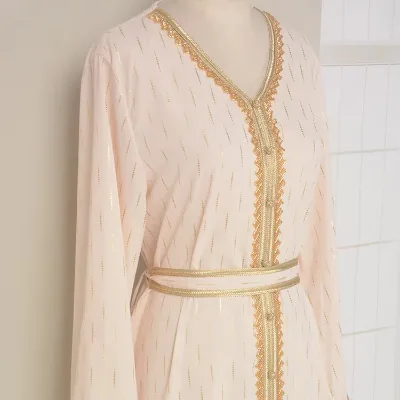
Elegant Long Polyester Abaya Dress for Women Autumn Muslim Style Gold Stamping New Muslim Clothing
$16.00 - $18.60
MOQ: 20 pieces
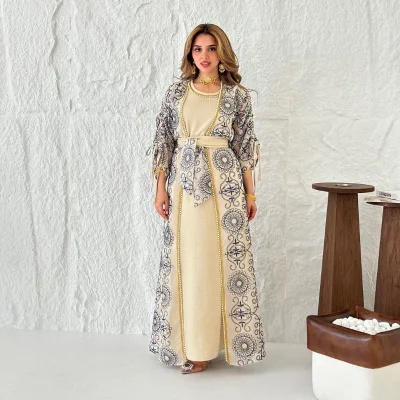
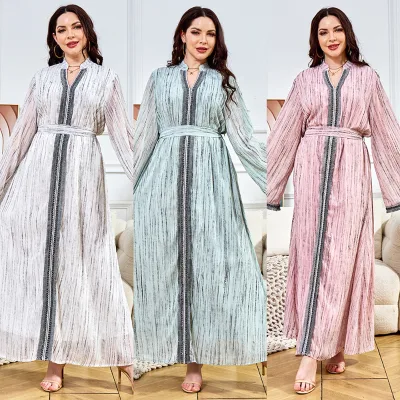
Elegant and Trendy Traditional Muslim Dress with Rhinestones Long for Women in Foreign Trade
$23.69 - $26.64
MOQ: 2 pieces
Dongguan Humen As Fashion Factory
- Verified by SGS Group
- Manufacturer, Trading Company
- Lead time15 days
- Avg. response≤ 3h
Main productsModest Dress, Modest Activewear, Modest Sportwear, Modest Set, Maternity Clothing
Main marketsOceania(22%), North America(20%), Mid East(20%)
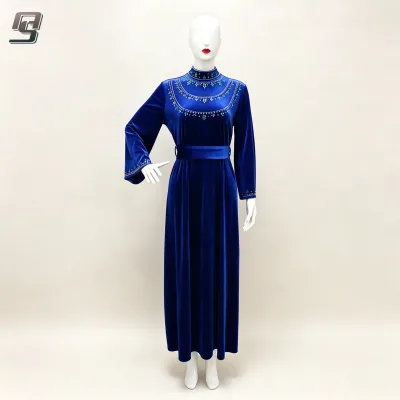
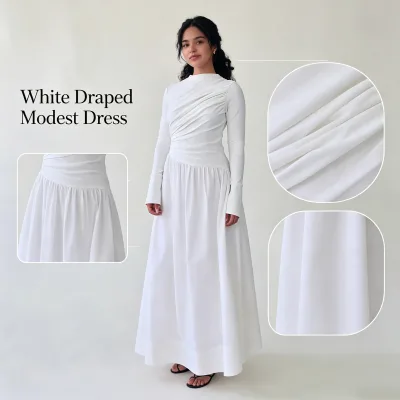
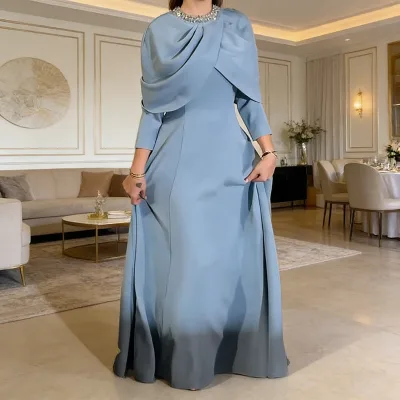
Custom Long Sleeve Abaya Dress with Diamond Strip Cape Collar and Beaded Neckline for Women Muslim
$11.5134 - $12.9595
MOQ: 2 pieces
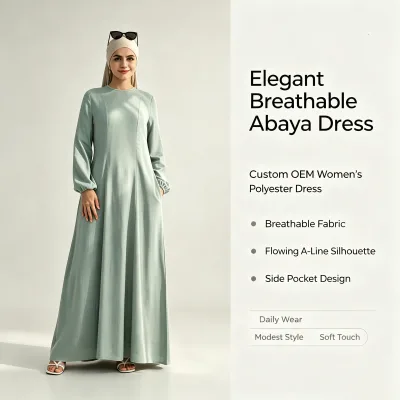
Dongguan Bafinasa Garments Co., Ltd.
- Verified by TüVRheinland
- Manufacturer, Trading Company
- Lead time30 days
- Avg. response≤ 2h
Main productsDresses, Coats, Jackets, Pants, Base Shirt
Main marketsEastern Europe(40%), North America(30%), Oceania(10%)
Shanxi Ashley Bio-Tech Co., Ltd.
- Verified by Intertek
- Trading Company
- Lead time0 days
- Avg. response≤ 8h
Main productsUnderwear
Main marketsNorth America(70%), Mid East(15%), South Asia(15%)
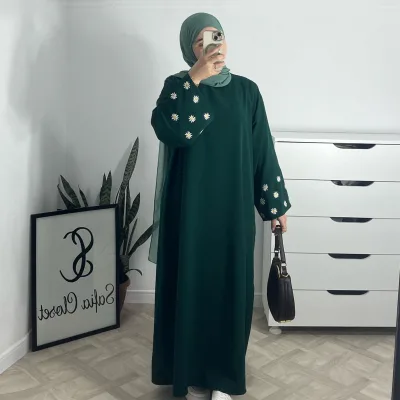
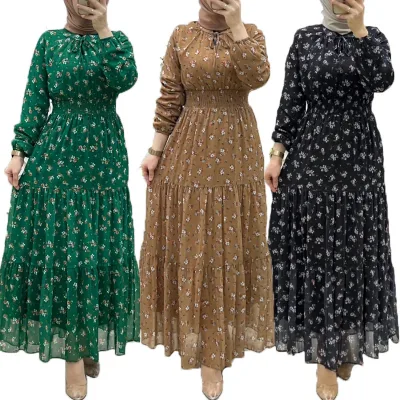
Hot Selling Muslim Abaya Elegant Embroidered Dress with Daisy Flower Sleeves Loose Fit for Women
$11.7919 - $12.4071
MOQ: 3 pieces
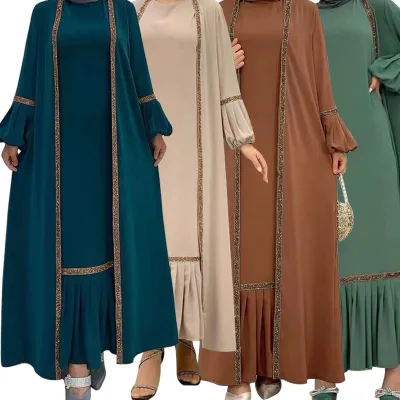
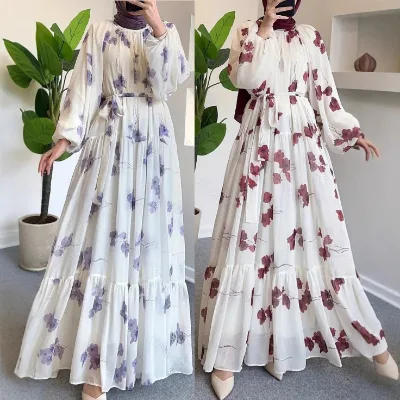
Hot Selling Women's Middle Eastern Muslim Chiffon Flower Wrapped Long Fashionable and Elegant Dress
$12.732 - $13.4505
MOQ: 3 pieces
$11.3817 - $12.1003
MOQ: 3 pieces

Hangzhou Weimei Garments Co., Ltd.
- Verified by BV
- Manufacturer/Factory
- China Zhejiang
- Lead time15 days
- Avg. response≤ 10h
Main productsAbaya, Mens' Thobes, Muslim Kidswear, Muslim Swimwear/Burkini, Hijabs/Muslim Scarfs, Prayer Mats, Muslim Wedding Dress
Main marketsSouth America,Eastern Europe,Mid East,North America,Southeast Asia,Eastern Asia,Oceania,Western Europe,Africa

$11.68 - $12.55
MOQ: 10 Pieces


Dongguan Yilixin Garment Co., Ltd.
- Verified by Intertek
- Manufacturer, Trading Company
- Lead time15 days
- Avg. response≤ 4h
Main productsMuslim Dress, Islamic Clothing, Women Clothing, Robe, Scarf
Main marketsSoutheast Asia(35%), Mid East(25%), North America(15%)
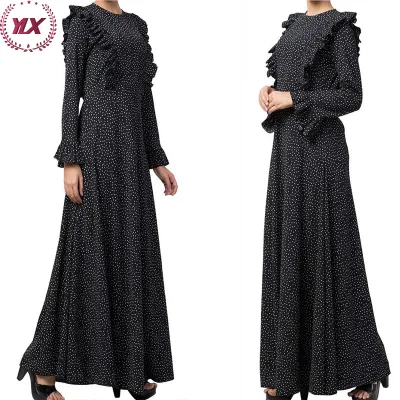
2023 Hot Selling Black Comfortable Fabric Elegant Abaya Muslim Womens Long Dresses Islamic Clothing
$13.3308 - $15.3802
MOQ: 50 pieces
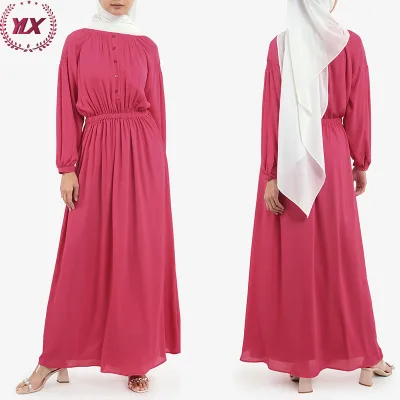
$11.50 - $13.00
MOQ: 50 pieces
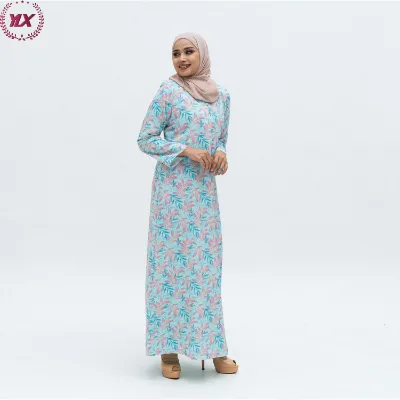
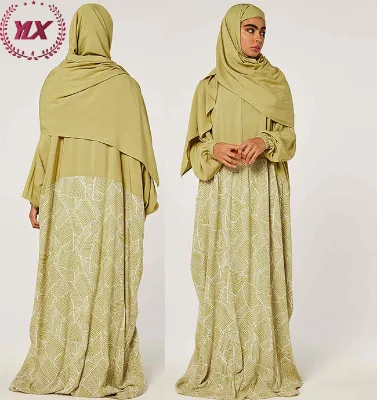
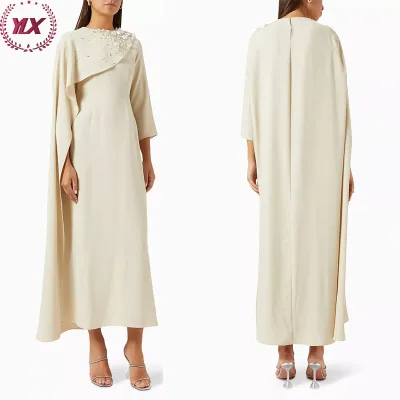
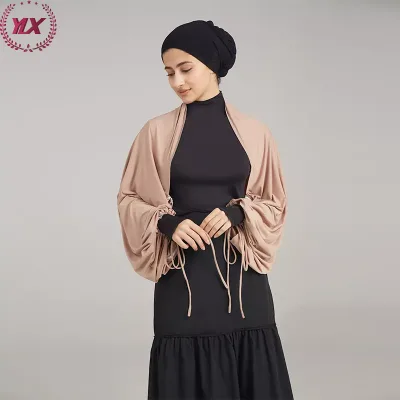
2025 Newest Black Abaya Dress for Women Elegant Modest Muslim Prayer Dress with Tassels
$15.80 - $19.80
MOQ: 50

Guangzhou Chowleedee Import and Export Co., Ltd.
- Verified by BV
- Trading Company
- China Guangdong
- Lead time15 days
- Avg. response≤ 14h
Main productsLace Fabric, Wood Plastic Composite Decking Price
Main marketsSouth America,Africa,Southeast Asia/ Mideast,East Asia(Japan/ South Korea),Europe,Australia,North America
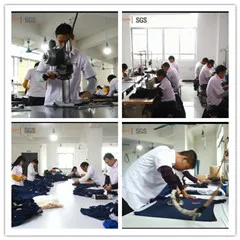
Guangzhou Jenny Textile Co., Ltd.
- Manufacturer, Trading Company
- Guangdong, China
- Lead time20 days
- Avg. response≤ 2h
Main productstracksuits,t shirts,pants,jackets,hoodies
Main marketsNorth America(30.00%), Western Europe(13.00%), Oceania(10.00%), Mid East(10.00%), Southeast Asia(8.00%), Africa(8.00%), Eastern Asia(5.00%), Eastern Europe(5.00%), Central America(3.00%), Domestic Market(2.00%), Northern Europe(2.00%), South America(2.00%), Southern Europe(1.00%), South Asia(1.00%)
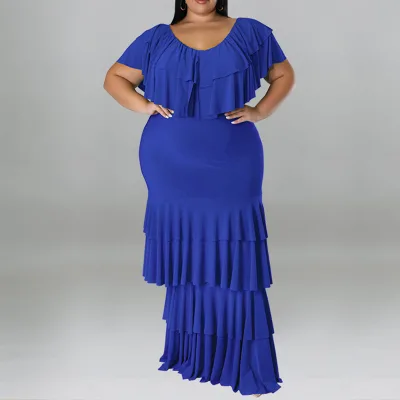
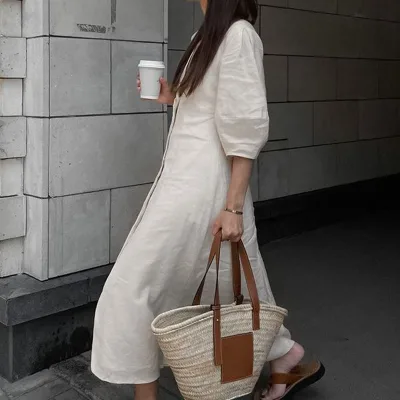

Custom Spring 2024 Women Muslim, Black Dress With Beads Islamic Modest Pleated /
$5.99 - $10.78
MOQ: 50 pieces
Dongguan Holy Mountain Fashion Co., Ltd.
- Verified by Intertek
- Manufacturer, Trading Company
- Lead time20 days
- Avg. response≤ 3h
Main productsWomen's Dress, Women's Blouse, Women's Trousers, Muslim Robe, Muslim Headscarf
Main marketsSouth Asia(57%), Mid East(18%), Oceania(9%)
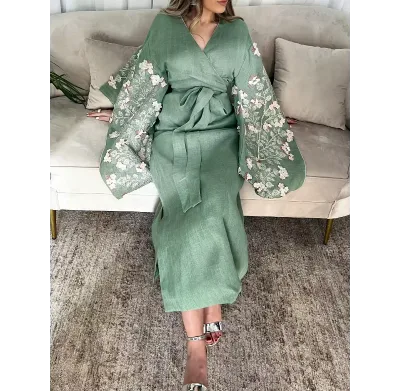
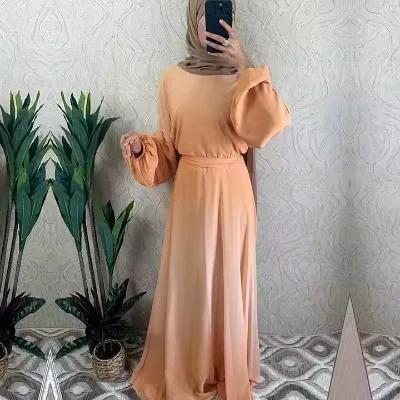
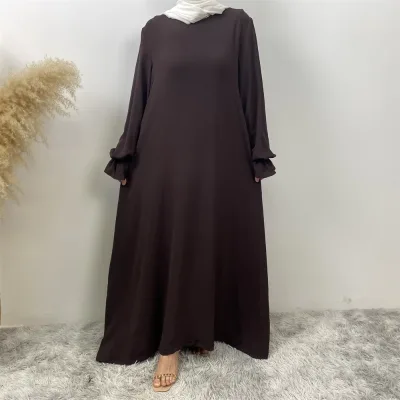
New Design Chiffon Abaya Dress Custom Puffed Sleeves Gradient Modest Muslim Dress
$15.50 - $18.00
MOQ: 50 pieces
$14.50 - $17.00
MOQ: 50 pieces
$13.00 - $15.00
MOQ: 50 pieces
Guangzhou Liuyu Garment Co., Ltd.
- Manufacturer, Trading Company
- Lead time旺季: "1 - 500":31,"> 500":"To be negotiated", 淡季: "1 - 500":31,"> 500":"To be negotiated"
- Avg. response≤ 3h
Main productsKhimar, Kafatan, Abaya, Kimono, Hijab
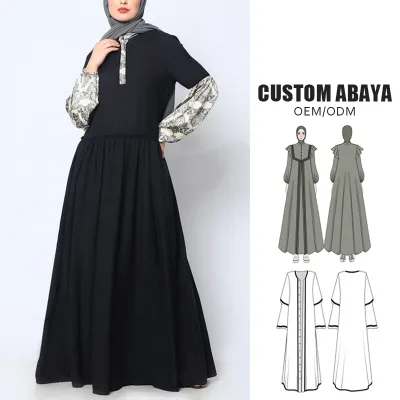
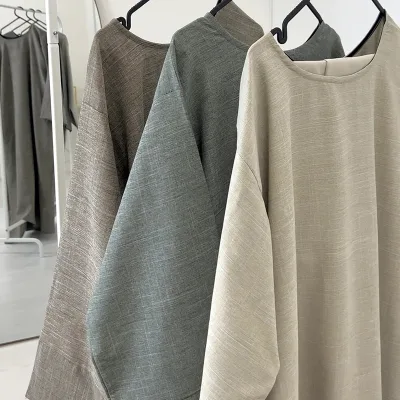
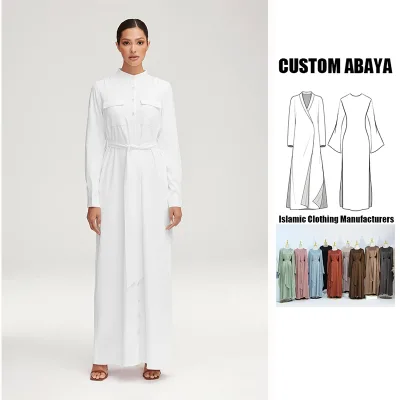
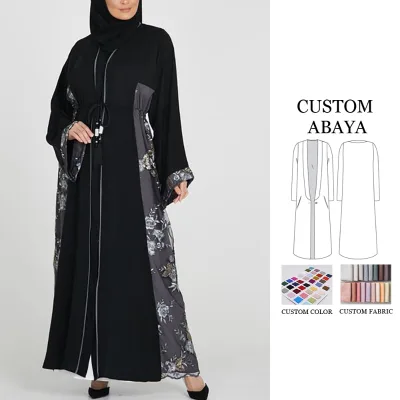
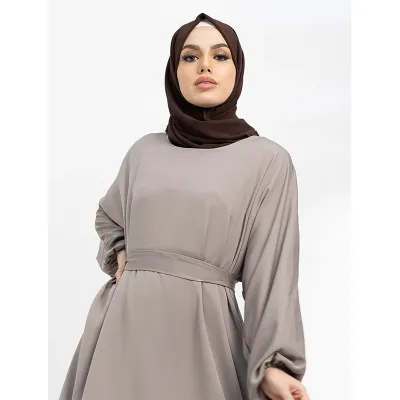
Elegant Belted Abaya Dress - Adjustable Waist Sash & Modest Muslim Gown for Eid/Ramadan
$22.8143 - $25.1825
MOQ: 100 pieces
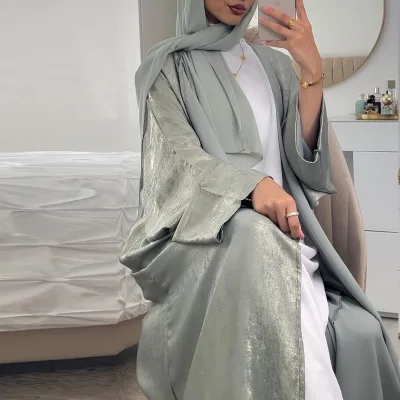

Taizhou Glory Import & Export Co., Ltd.
- Trading Company
- Jiangsu, China
- Lead time10 days
- Avg. response≤ 11h
Main productslingeries,pajamas,corsets,beach wear,islamic clothes
Main marketsNorth America(30.00%), South America(15.00%), Southeast Asia(10.00%), Northern Europe(5.00%), Central America(5.00%), Western Europe(5.00%), Eastern Asia(5.00%), Southern Europe(5.00%), Oceania(5.00%), Africa(5.00%), Eastern Europe(5.00%), South Asia(3.00%), Mid East(2.00%)
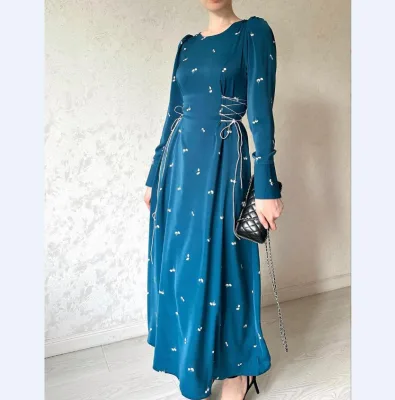
$10.964 - $12.5014
MOQ: 2 pieces
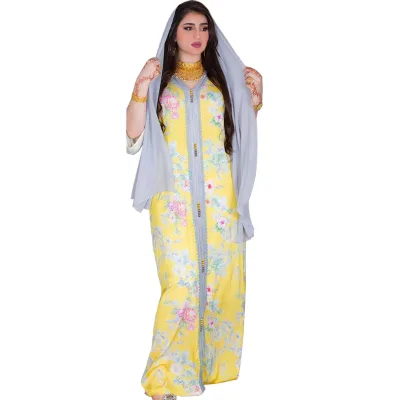
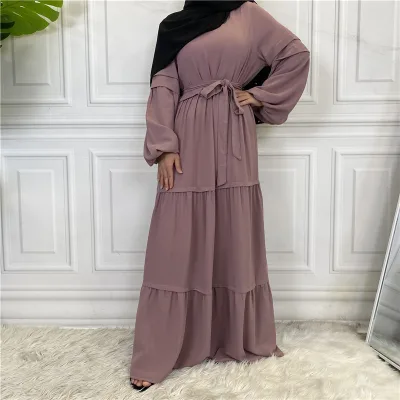
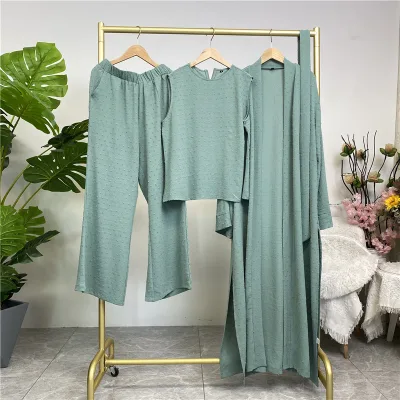
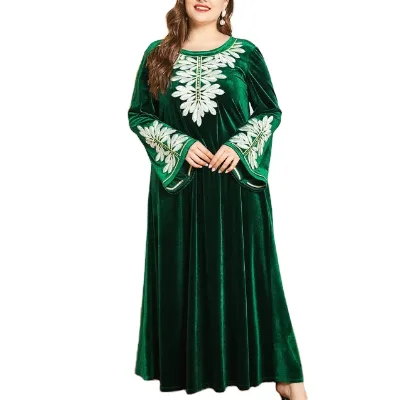
Long Sleeve Elegant Mid Velvet Casual Dresses Ethnic 2022 New Style Glory Muslim Dress
$16.0673 - $17.4011
MOQ: 2 pieces

Guangzhou Yinimei Trading Firm
- Trading Company
- China Guangdong
- Lead time30 days
- Avg. response≤ 2h
Main productsApparel & Accessories, Men's Wear, Children's Clothing, Ladies' Clothing, Shoes, Children's Toys, "Bag", Hair
Main marketsSouth America,Eastern Europe,Mid East,North America,Southeast Asia,Eastern Asia,Oceania,Western Europe,Africa


Newly Launched Muslim Fashionable and Elegant Pullover Dress for The Middle East.
$2.50
MOQ: 100 article
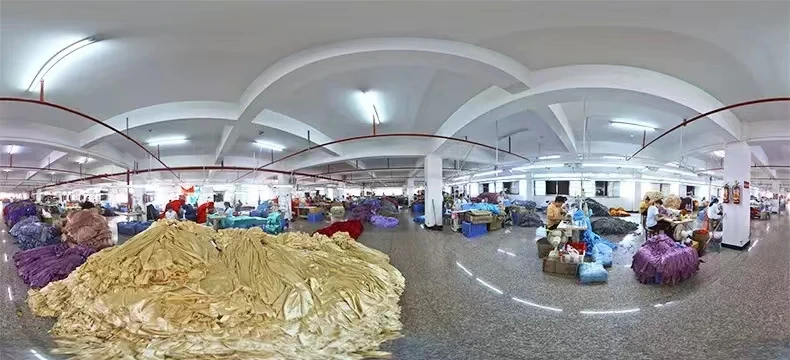
Guangzhou Sirui Apparel Import and Export Co., Ltd
- Manufacturer, Trading Company, Buying Office, Distributor/Wholesaler
- Guangdong, China
- Lead time15 days
- Avg. response≤ 3h
Main productsWoman dress,Men's hoodie& T shirt,yoga and swimming,men's jacket,apparel and accessories
Main marketsMid East(35.00%), North America(35.00%), Northern Europe(10.00%), South Asia(5.00%), Africa(5.00%), Western Europe(5.00%), Southeast Asia(5.00%)
Guangzhou Manwei Animation Clothing Co., Ltd.
- Verified by Intertek
- Trading Company
- Lead time0 days
- Avg. response≤ 2h
Main productsUnique Clothing, Performance Costumes, Cosplay Clothing

- Verified by TUVRHEINLAND
- Trading Company
- China Fujian
- Lead time23 days
- Avg. response≤ 5h
Main productsYoga Set, Pet Supplies, Sneakers, Sportswear, Underwear, Swimsuit, Sports Equipment, Packaging, Outdoor Product, Solar Energy
Main marketsSoutheast Asia/ Mideast

Guangzhou Mingyu Manufacturing Co., Ltd
- Verified by SGS
- Trading Company
- China Guangdong
- Lead time15 days
- Avg. response≤ 1h
Main productsCoat, Dress, Trousers
Main marketsDomestic

Middle Eastern Elegant Hand-Stitched Diamond-Encrusted Evening Dress, Abaya Long Dress, Muslim Robe
$18.90 - $23.90
MOQ: 100 pieces

$17.00 - $19.60
MOQ: 100 Pieces
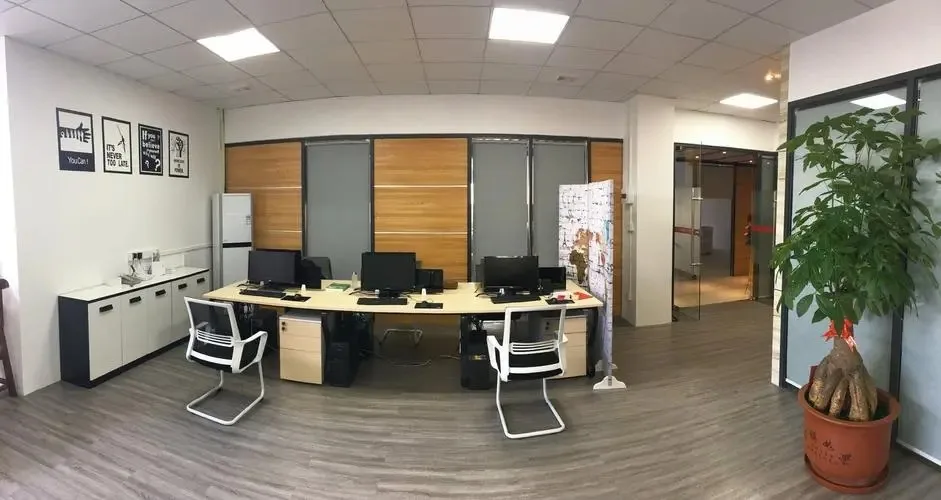
Guangzhou Housaile E-Commerce Co., Ltd.
- Manufacturer, Trading Company, Distributor/Wholesaler
- Guangdong, China
- Lead time15 days
- Avg. response≤ 1h
Main productsWomen Dresses,Islamic Clothing,abaya women muslim dress,moroccan thobes,Moroccan Kaftan Abaya
Main marketsNorth America(48.00%), Mid East(15.00%), Oceania(6.00%), South America(5.00%), Eastern Europe(5.00%), Western Europe(4.00%), Northern Europe(3.00%), Central America(3.00%), South Asia(2.00%), Southern Europe(2.00%), Eastern Asia(2.00%), Africa(2.00%), Domestic Market(2.00%), Southeast Asia(1.00%)

Guangzhou Zengcheng Yi lai Shun Garment Trading Co., Ltd
- Trading Company
- China Guangdong
- Lead time15 days
- Avg. response≤ 3h
Main productsClothing, Women Dress, Fashion Dress, T-Shirt, Fashion Clothes
Main marketsSouth America,Eastern Europe,Mid East,North America,Southeast Asia,Eastern Asia,Oceania,Western Europe,Africa


High Qualitystylish Women's Abaya Dress in Lightweight Broadcloth Material
$2.00 - $2.40
MOQ: 100 Pieces
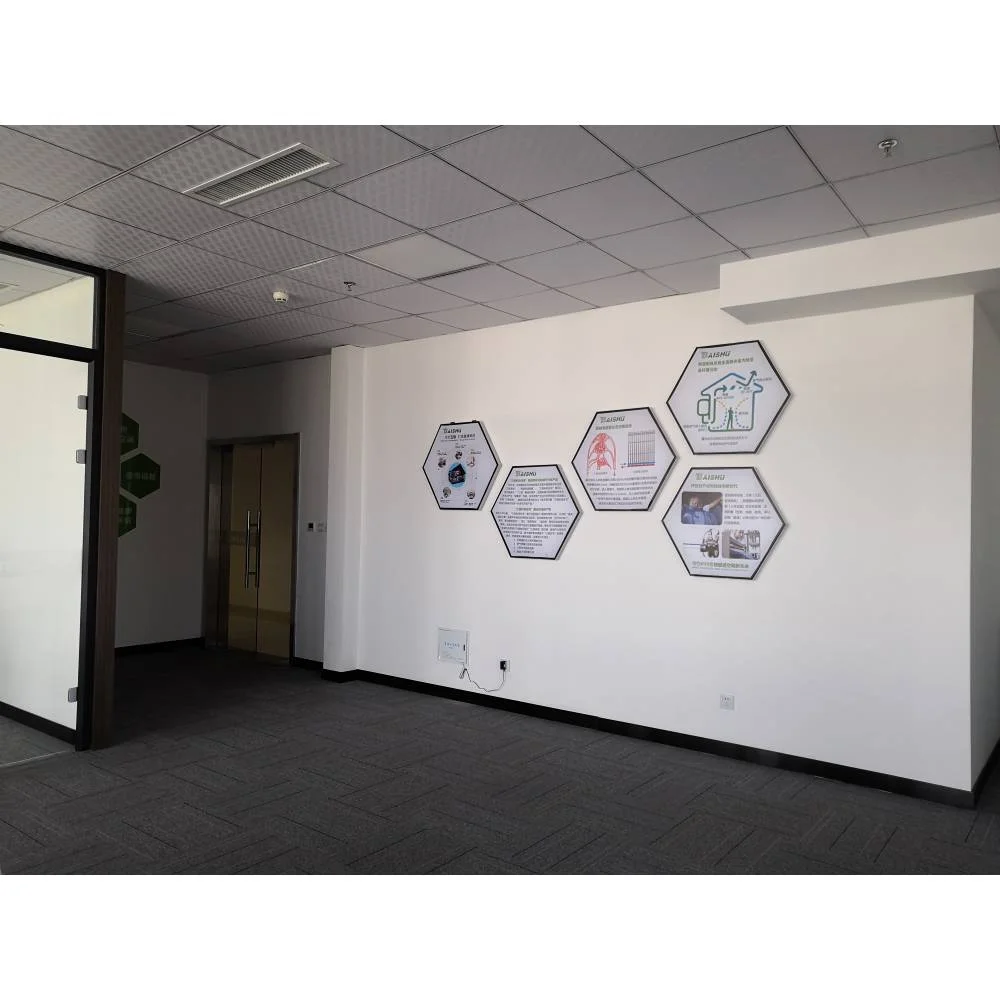
Guangzhou Demu Trading Co., Ltd.
- Trading Company
- Guangdong, China
- Lead time15 days
- Avg. response≤ 17h
Main productsMen's Shirts And Suits,Men's Hoodies,Ethnic Costumes,Metal Jewelry,Women's Clothing
Main marketsNorth America(52.00%), Southeast Asia(12.00%), South America(8.00%), Mid East(8.00%), Western Europe(6.00%), Northern Europe(6.00%), Africa(5.00%), Eastern Europe(3.00%)


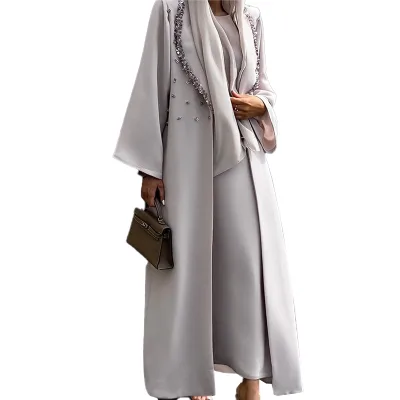
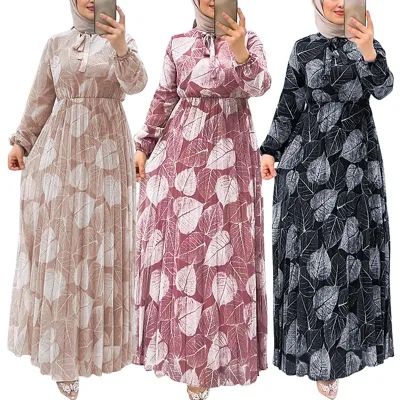
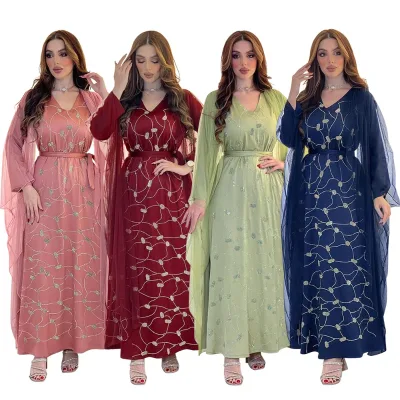
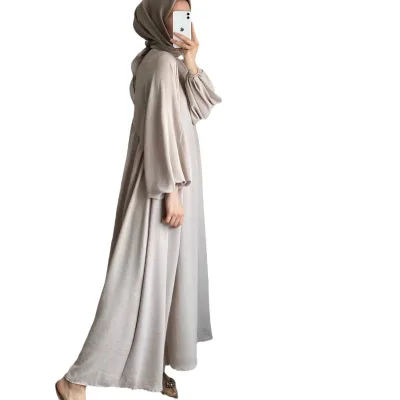


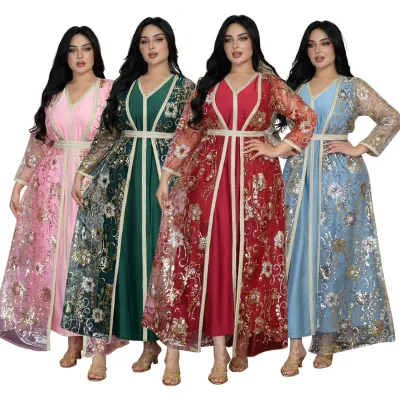
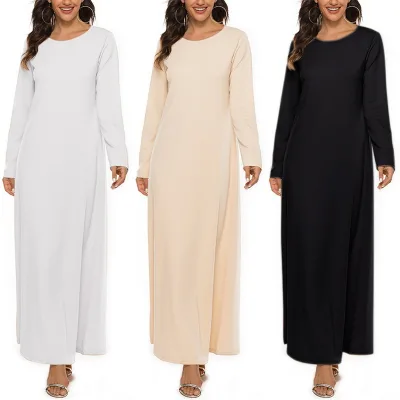
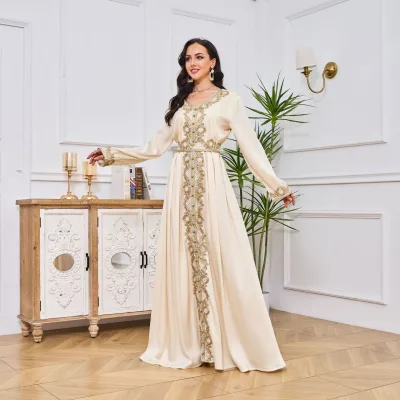
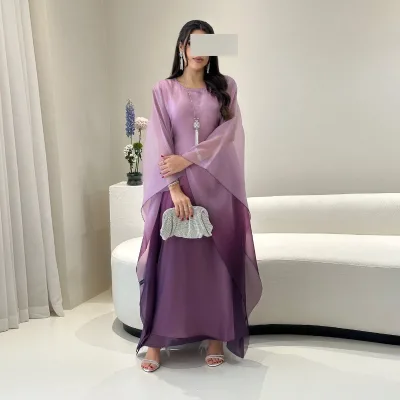
Comprehensive Sourcing Guide
Elegant Modern Muslim Abaya Dress Supplier Concentration and Factory Types
Suppliers of the Elegant Modern Muslim Abaya Dress on this page cluster in two Chinese provinces, Shandong and Henan, with one Henan listing specifically citing Xinxiang as the place of origin. These are established garment-producing regions, so buyers should treat them as plausible starting points for cluster research rather than assuming they are the only relevant ones. When a region is not documented for a particular supplier, the practical method is to check the "place of origin" field on each product listing, ask the supplier directly where production happens, and confirm whether the address is a factory floor, a trading office, or both.
Supplier types in this category split into manufacturers/factories and trading companies, and some listings combine both roles. The Shandong entries include hybrid manufacturer-trader profiles that also carry broader product lines such as camping tents and solar lights, which signals diversified trading operations rather than abaya specialization. The Henan entries describe themselves as trading companies focused on Muslim wear, including abayas, hijabs, kids clothing, and men's thobes, which suggests narrower category focus. Neither model is inherently better: a focused trading company may offer design variety and flexible order sizes, while a factory-type supplier may support OEM work. Note also that some listings advertise OEM service and handmade construction, which affects who can realistically modify designs. Always ask each supplier to state its actual role before quoting.
How to Verify Elegant Modern Muslim Abaya Dress Suppliers
Start with the verification signals displayed on the profile. In the current results, one supplier carries a third-party verification badge from SGS, plus system certifications including ISO 9001, ISO 14001, IFS, HSE, and ANSI/ESD. Treat those as starting evidence, not proof of garment competence: quality-management certificates say little about stitching quality on a satin or organza abaya. For suppliers without displayed certificates, request the certificate numbers and issuing bodies directly, then confirm them with the issuing organization rather than accepting scanned images alone.
Next, verify operational claims. Response time is one field worth recording — the current listings show figures around 4.36 hours and 5 hours — but a single snapshot can mislead, so message each candidate twice on different days with a technical question and compare the speed and quality of replies. Ask for a live video walkthrough of the workshop, especially for "handmade" claims, since handwork capacity is easy to overstate. For OEM/ODM offers, request proof: a recent tech pack, a sample made to another client's spec, or photos of in-house pattern-making. Finally, cross-check consistency between profile and product data; listings here state polyester materials, digital printing, and sizes from S to XXL, so a supplier whose answers contradict its own listings warrants caution before any deposit.
What to Compare Across Elegant Modern Muslim Abaya Dress Suppliers
Build a comparison sheet with the attributes actually displayed, without assuming every supplier reports the same fields. Lead time differs sharply in the current data: one Henan supplier lists about 15 days while the Shandong entry lists 90 days, a sixfold gap that changes which supplier fits a restocking deadline versus a planned seasonal order. Response time, roughly 4.36 versus 5 hours here, matters less than reliability over repeated messages. MOQ is the biggest differentiator: one listing advertises 2 pieces per style, another 10 pieces, and another 500 pieces, which effectively sorts suppliers into sampling-friendly and volume-focused tiers.
Price ranges give a second sorting axis: current abaya listings span roughly 12 to 20, 15 to 20, and 18 to 25 per unit at the listed tiers, so normalize quotes to the same fabric, embellishment, and quantity before comparing. Beyond the displayed fields, compare main-product breadth — a specialist Muslim-wear trader versus a multi-category trader — establishment year if shown, and whether escrow or platform-protected payment is offered on the transaction. Also compare production evidence: one listing states an available quantity of 10,000 units, which is useful for capacity conversations but should be confirmed. Record what each supplier does not disclose; missing data is itself a comparison point and a question for the supplier.
Common Elegant Modern Muslim Abaya Dress Sourcing Risks
The first risk is role confusion. Several profiles combine manufacturer and trading company labels, and multi-category traders list abayas alongside camping gear and lighting. You may be buying from an intermediary who subcontracts to an unknown workshop, which weakens quality control on embellished or handmade pieces. Ask directly who sews the garment and whether you can audit that workshop. A second risk is lead-time misalignment: a 90-day quoted lead time can silently become a seasonal problem if fabric dyes or embellishment inputs run late, so confirm whether the quoted figure includes sampling, production, and packing, and what happens to expedited orders.
Third, sample-to-production drift is common in this category. Detail listings advertise handmade technics, digital printing, anti-pilling and anti-shrink finishes, and specific fabric weights — one entry lists a 0.5 kg standard. Any of these can differ in bulk, so write the confirmed fabric content, weight, and finish requirements into the purchase contract and approve a sealed pre-production sample. Fourth, pricing ambiguity: ranges like 12–25 span different fabrics and trims, so clarify which configuration the quoted price reflects. Finally, watch for inconsistent listing data — varying model numbers, packing descriptions, or size charts — which suggests copy-paste catalogs rather than hands-on product knowledge. Any such inconsistency deserves a pointed question before payment.
Elegant Modern Muslim Abaya Dress Regional Sourcing and Logistics
The confirmed sourcing regions on this page are Shandong and Henan, with Xinxiang named in Henan as a product origin. Both are inland provinces, which has direct logistics consequences: cargo typically moves by road or rail to a coastal port before ocean freight, adding internal transit time and an extra handling stage. When comparing a 15-day production lead time against a 90-day one, ask each supplier to break out inland transport to port, port cut-off schedules, and which port they normally ship from, because inland distance affects total delivery reliability, not just factory speed.
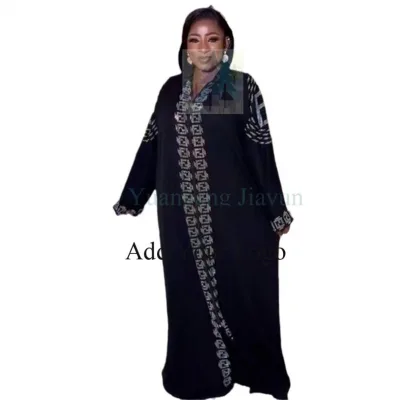
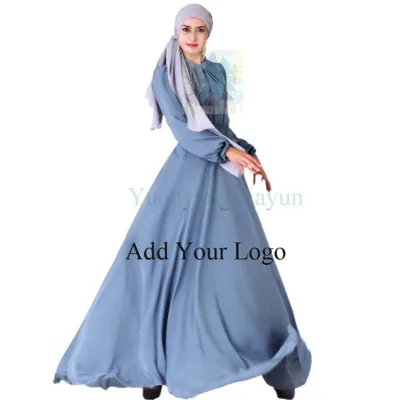
Also weigh region against product style. Henan listings here emphasize handmade, digitally printed, and embroidered open abayas in sizes up to XXL, while the Shandong profile lists satin and organza pieces with OEM support — fabric handling and embellishment quality can vary by workshop, so regional reputation matters less than the specific factory's process. Request packing specifications early: one listing describes plastic box or tray packing and a single-package size of 42×32×5 cm with roughly 0.5 kg gross weight, which you can use to estimate carton counts and freight cost per unit. For air freight or express sampling, confirm the supplier's experience with small shipments. Finally, ask about seasonal port congestion and holiday shutdowns, since both provinces observe extended national holidays that pause production entirely.
Elegant Modern Muslim Abaya Dress Commercial Terms and Order Planning
Structure first orders to match the supplier's tier. With MOQs as low as 2 pieces on some listings, a low-risk path is to order samples from two or three suppliers simultaneously, compare fabric drape, stitching, and embellishment in hand, then scale with the best performer — moving to the 10-piece tier, and only later committing to 500-piece orders where factories and volume traders become relevant. Confirm what payment terms each supplier accepts; one listing states T/T, and you should negotiate a deposit balance structure that keeps meaningful funds unpaid until pre-shipment inspection passes.
Plan around the verified lead-time spread of 15 to 90 days by working backward from your sales window, adding buffer for approvals and shipping. Tie every commercial term to documented evidence: model numbers (for example, the listings cite models such as LAY285, D002, F535, LAY38, LAY116, and QW862), confirmed price tiers, packing method, size runs, and fabric standards written into the contract. Specify inspection rights before the balance payment, since handmade and printed garments are where bulk variance appears. Finally, clarify OEM terms in writing — who owns the pattern, whether the design is exclusive, and how reorders are priced. Reorder consistency matters in fashion abayas, so confirm the supplier keeps graded patterns and fabric lots identified for repeat production.
Word count check: Section 1 ≈ 229, Section 2 ≈ 230, Section 3 ≈ 229, Section 4 ≈ 229, Section 5 ≈ 228, Section 6 ≈ 229; total ≈ 1374. Within 1350–1450.
FAQs
What is the price range for elegant modern abaya dresses?
Prices for elegant modern abaya dresses typically range from $12 to $25 per unit. Specific models vary, with some options starting at $15 and others reaching up to $22.60. Buyers should check individual product listings for exact pricing based on material and customization needs.
What is the minimum order quantity for abaya dresses?
Minimum order quantities vary significantly by supplier. Some manufacturers require a minimum of 500 pieces for standard production runs. However, other suppliers offer flexible options with an MOQ of just 2 pieces, allowing for smaller trial orders or sample purchases before committing to larger volumes.
Where are these abaya dresses manufactured?
These abaya dresses are primarily manufactured in China. Specific production locations include Shandong and Henan provinces. Some items originate from Xinxiang, China. Buyers can verify the exact place of origin on individual product pages to ensure alignment with their sourcing preferences and logistics requirements.
What certifications do these suppliers hold?
Suppliers offering these dresses often hold various system certifications including ISO 9001, ISO 14001, IFS, HSE, and ANSI/ESD. Some suppliers also undergo SGS verification. Buyers should request specific certification documents to ensure compliance with their quality standards and regulatory requirements for the target market.
How long does production take for these dresses?
Lead times for production vary by supplier. Some manufacturers have a lead time of 90 days for standard orders. Others offer faster turnaround times with a lead time of just 15 days. Buyers should confirm specific production schedules with suppliers to align with their inventory planning and delivery deadlines.
Can suppliers provide OEM services for abaya dresses?
Yes, many suppliers offer OEM services for abaya dresses. Some manufacturers explicitly state they accept OEM and ODM requests. Buyers can customize models, packing, and designs. It is advisable to discuss specific requirements directly with the supplier to ensure they can meet your unique branding and product specifications.