Resizable Silver Ring Suppliers and Manufacturers
Source 28 verified suppliers for Resizable Silver Ring products. Compare dimensions including certifications like RoHS and REACH, lead times, and MOQs. Contact suppliers directly to request samples and pricing details; review the available evidence before requesting comparable quotations from suitable candidates.
Updated
Suppliers List
Guangzhou Aijier Jewelry Company Limited
- Verified by SGS Group
- Manufacturer, Trading Company
- Lead time30 days
- Avg. response≤ 2h
Main productsK Gold/925 Silver/Brass Jewelry
Main marketsNorth America(30%), South America(20%), Western Europe(20%)

Jinjiang Jiaxing Supply Management Co., Ltd.
- Verified by TUVRHEINLAND
- Trading Company
- China Fujian
- Lead time30 days
- Avg. response≤ 1h
Main productsEVA Clogs, Flip Flop, Shoe Charms, Shopping Bags, Wristbands, Gifts, Promotional Gifts, Slipper, Sport Cap, Ball
Main marketsNorth America

Guangzhou Huifu Jewelry Co., Ltd.
- Verified by BV
- Manufacturer/Factory
- China Guangdong
- Lead time90 days
- Avg. response≤ 3h
Main productsJewelry, Stainless Steel Jewelry, Stainless Steel Ring, Stainless Steel Pendant, Stainless Steel Earring, Fashion Jewelry, Ring, Necklace, Pendant, Bracelet
Main marketsEastern Europe,Mid East,North America,Western Europe,Africa
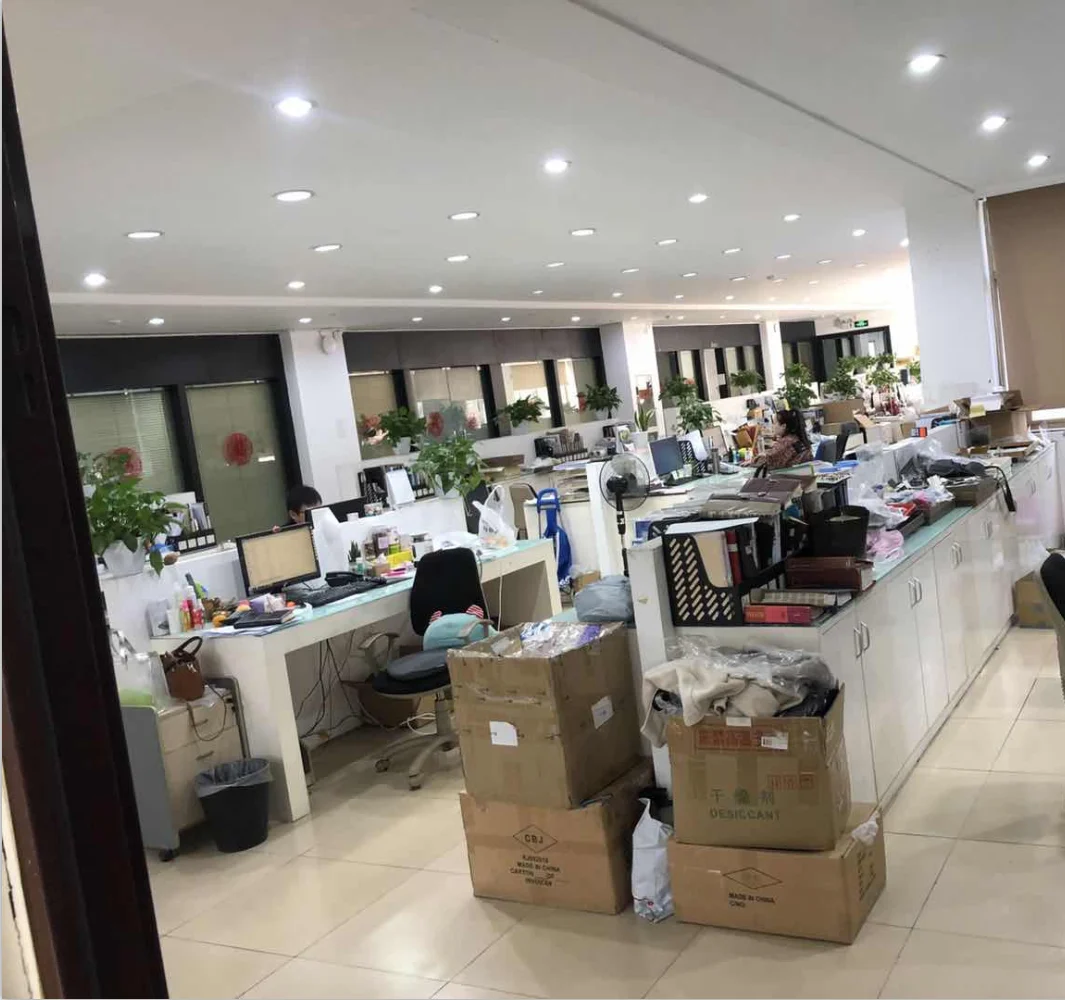
- Trading Company
- Zhejiang, China
- Lead time25 days
- Avg. response≤ 2h
Main productsjewelry,necklace,bracelet,ring,earrings
Main marketsNorth America(68.00%), South America(10.00%), Eastern Europe(9.00%), Southern Europe(3.00%), Western Europe(3.00%), Mid East(3.00%), Oceania(1.00%), Northern Europe(1.00%), Africa(1.00%), Southeast Asia(1.00%)

Longyuan (Guangzhou) Industrial Development Co., Ltd.
- Verified by TUVRHEINLAND
- Manufacturer/Factory
- China Guangdong
- Lead time23 days
- Avg. response≤ 7h
Main productsJewelry, Fashion Watch, Hair Accessories, Men Jewelry, Women Jewelry, Pendants, Brooches, Bracelets, Crowns, Necklaces
Main marketsSouth America,Eastern Europe,Mid East,North America,Western Europe

- Combined
- China Guangdong
- Lead time15 days
- Avg. response≤ 3h
Main productsOpal
Main marketsDomestic,Europe,North America

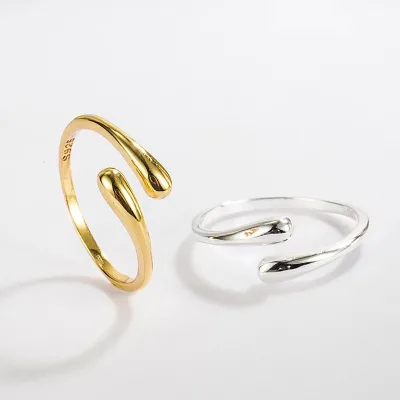
Simplity Gold Plating Rhodium Plating 925 Sterling Silver Open Adjustable Rings
$5.54 - $6.26
MOQ: 30 pcs

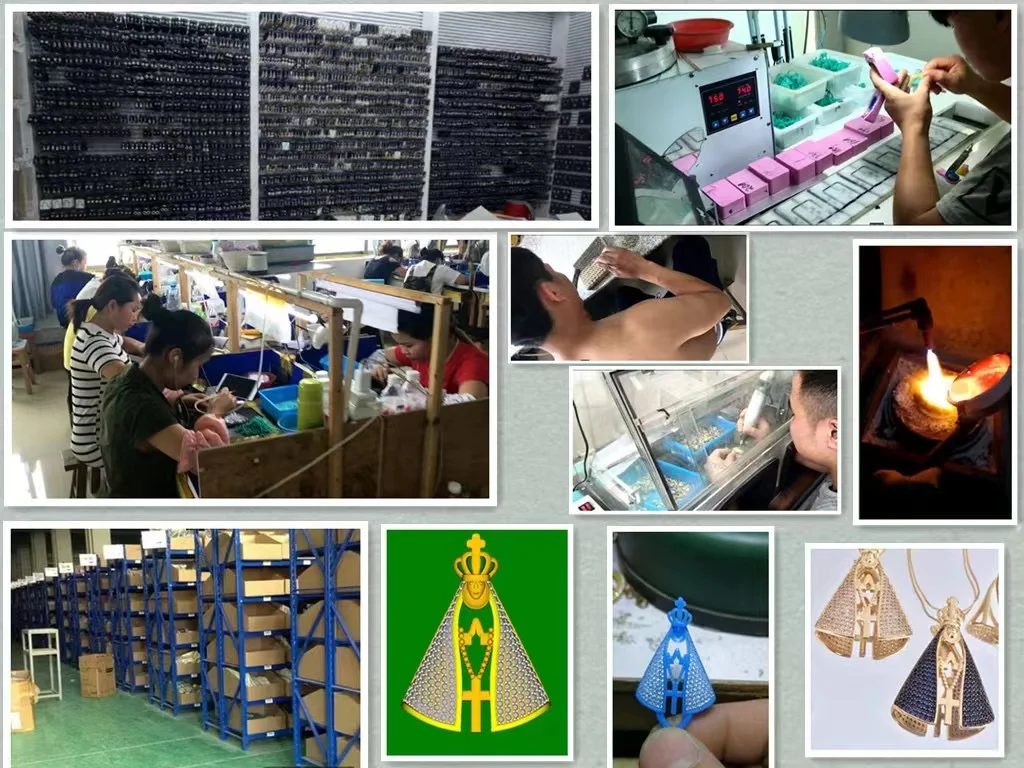
Haifeng County Beifei Jewelry Co., Ltd.
- Verified by TüVRheinland
- Manufacturer, Trading Company
- Lead time15 days
- Avg. response≤ 3h
Main productsNecklace, Earring, Bracelet, Ring
Main marketsNorth America(60%), Oceania(20%), Western Europe(20%)
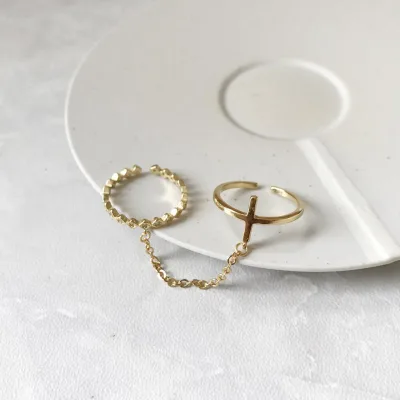
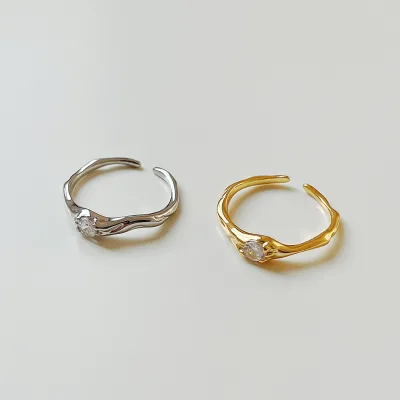
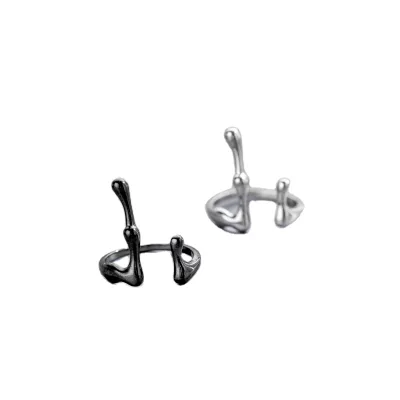
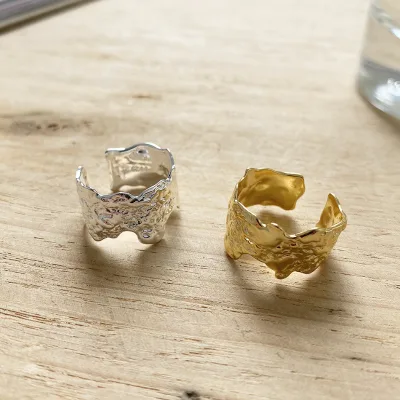
Ins 925 Sterling Silver Adjustable Geometry Irregular Ring Best Selling for Women
$4.00 - $4.62
MOQ: 2 pieces
Dezhou Yarno Trading Co., Ltd.
- Trading Company
- Shandong, China
- Lead time0 days
- Avg. response≤ 2h
Main productsnecklace,earrings,bracelets,rings,anklet
Main marketsNorth America(60.00%), South America(20.00%), Eastern Europe(10.00%), Central America(7.00%), Northern Europe(2.00%), Southern Europe(1.00%)

- Verified by BV
- Trading Company,Manufacturer/Factory
- China Guangdong
- Lead time0 days
- Avg. response≤ 8h
Main productsSilver Jewelry, Brass Jewelry, Fashion Jewelry, Semi-Precious
Main marketsSouth America,Eastern Europe,Mid East,Southeast Asia,Eastern Asia,Oceania,Western Europe,Africa
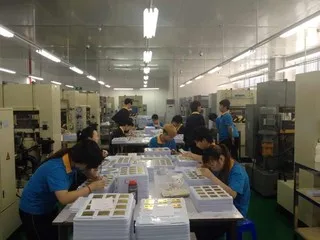
Shenzhen Jingzhanyi Jewelry Company Limited
- Manufacturer, Trading Company, Distributor/Wholesaler
- Guangdong, China
- Lead time15 days
- Avg. response≤ 1h
Main productsJewelry mold design and manufacture,24k/22k/18k/14k gold set diamond jewelry design and manufacture,925 sterling silver jewelry design and manufacture,Filling glue/enamel/baking paint/drop glue jewelry manufacturing,Precious metal and hardware material CNC products carving
Main marketsEastern Europe(12.00%), Eastern Asia(10.00%), Domestic Market(10.00%), Central America(10.00%), Southeast Asia(10.00%), North America(10.00%), South America(10.00%), Northern Europe(6.00%), Western Europe(6.00%), Mid East(5.00%), Oceania(5.00%), Southern Europe(4.00%), South Asia(2.00%)

GUANGZHOU ARTS JEWELLERY CO., LTD.
- Verified by SGS
- Combined
- China Guangdong
- Lead time30 days
- Avg. response≤ 5h
Main productsSilver Jewelry, Gold Jewelry, Diamond Jewelry, Silver Ring, Silver Earring, Silver Pendant, Silver Bracelet, Silver Necklace
Main marketsSoutheast Asia/ Mideast
- Verified by TüVRheinland
- Manufacturer, Trading Company
- Zhejiang, China
- Lead time5 days
- Avg. response≤ 3h
Main productsFashion Jewelry
Main marketsNorth America(50%), Domestic Market(30%), South America(10%)
- Trading Company
- Zhejiang, China
- Lead time7 days
- Avg. response≤ 2h
Main productsnecklace,bracelet,earrings,rings,brooch
Main marketsNorth America(30.00%), Northern Europe(20.00%), South Asia(10.00%), Southern Europe(10.00%), Eastern Europe(10.00%), Western Europe(10.00%), Southeast Asia(10.00%)
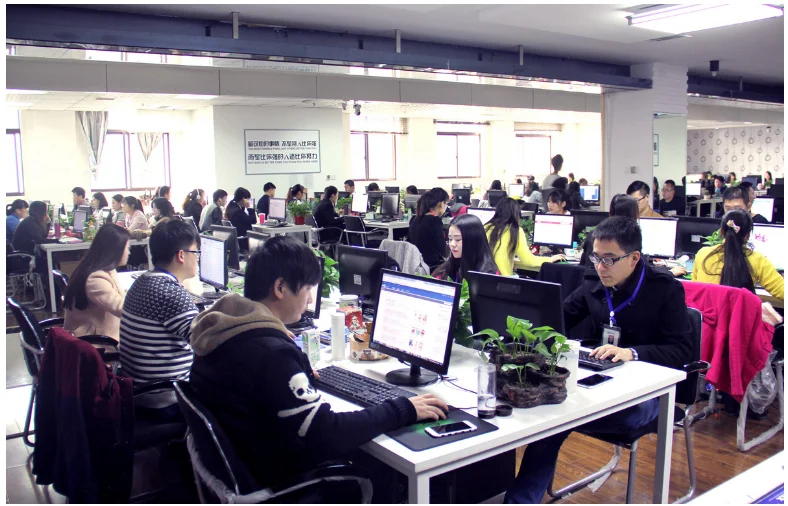
Pingxiang Ai Mei Jewelry Co., Ltd.
- Trading Company
- Jiangxi, China
- Lead time15 days
- Avg. response≤ 1h
Main productsStainless Steel Jewelry,Metal keychains,Rubber Cartoon keychains,925 Sterling Silver Jewelry,Brass Jewelry
Main marketsNorth America(60.00%), Northern Europe(20.00%), Southern Europe(10.00%), Western Europe(10.00%)
Guangzhou Huachen Technology Co., Ltd.
- Trading Company
- Guangdong, China
- Lead time30 days
- Avg. response≤ 2h
Main productsSilver Jewelry, Silver Necklace, Silver Ring, Silver Earring, Silver Bracelet
Main marketsNorth America(20.00%), South America(20.00%), Oceania(10.00%), Western Europe(10.00%), Southern Europe(10.00%), Central America(10.00%), Northern Europe(10.00%), Eastern Europe(10.00%)

Guangzhou Baobaili Jewelry Co., Ltd.
- Verified by SGS
- Combined
- China Guangdong
- Lead time15 days
- Avg. response≤ 9h
Main marketsDomestic,North America

Three-Layer Chain Link-Shaped High Quality Ring Plain Hypoallergenic Silver Ring
$9.99 - $100.00
MOQ: 1 Pieces

Hot Selling Exaggerated Starry Silver Ring for Hip-Hop Style Enthusiasts
$9.99 - $100.00
MOQ: 1 Pieces

Ningbo Yingmanzi Jewelry Co., Ltd.
- Verified by SGS Group
- Trading Company
- Lead time0 days
- Avg. response≤ 4h
Main productsGold & Silver & Stainless Steel Jewelry
Main marketsWestern Europe(28%), North America(20%), Oceania(14%)

Qingdao Gemopia Jewelry Co., Ltd.
- Combined
- China Shandong
- Lead time30 days
- Avg. response≤ 3h
Main productsGold Jewelry, Silver Ring
Main marketsSouth America,Africa,Southeast Asia/ Mideast,East Asia(Japan/ South Korea),Domestic,Europe,Australia,North America
- Trading Company
- Lead time旺季: "1 - 36":36,"> 36":"To be negotiated", 淡季: "1 - 36":36,"> 36":"To be negotiated"
- Avg. response≤ 5h
Main productsfashion jewelry,women necklace,women earrings,fashion rings jewelry,fashion bracelets jewelry

GOODLINESS JEWELLERY CO., LIMITED
- Verified by SGS
- Manufacturer
- China Guangdong
- Lead time23 days
- Avg. response≤ 6h
Main products925 Silver Ring, Brass Jewelry, 925 Silver Earring, 925 Silver Necklace, 925 Silver Set, 925 Silver Bangle, Customer's Design, 925 Silver Bracelet, Silver Accessory, Brass Accessory
Main marketsSoutheast Asia/ Mideast,Europe,North America


2017 New Design Silver Ring with Irregular Shape for American Market (R10599)
$11.50 - $13.55
MOQ: 10 Pieces


Guangzhou Liwan Di Fei Ya Jewellery Firm
- Verified by Intertek
- Manufacturer, Trading Company
- Lead time40 days
- Avg. response≤ 6h
Main productsSilver Ring, Silver Necklace, Silver Brooch, Silver Bracelet, Silver Earrings
Main marketsNorth America(25%), Mid East(15%), Eastern Europe(15%)
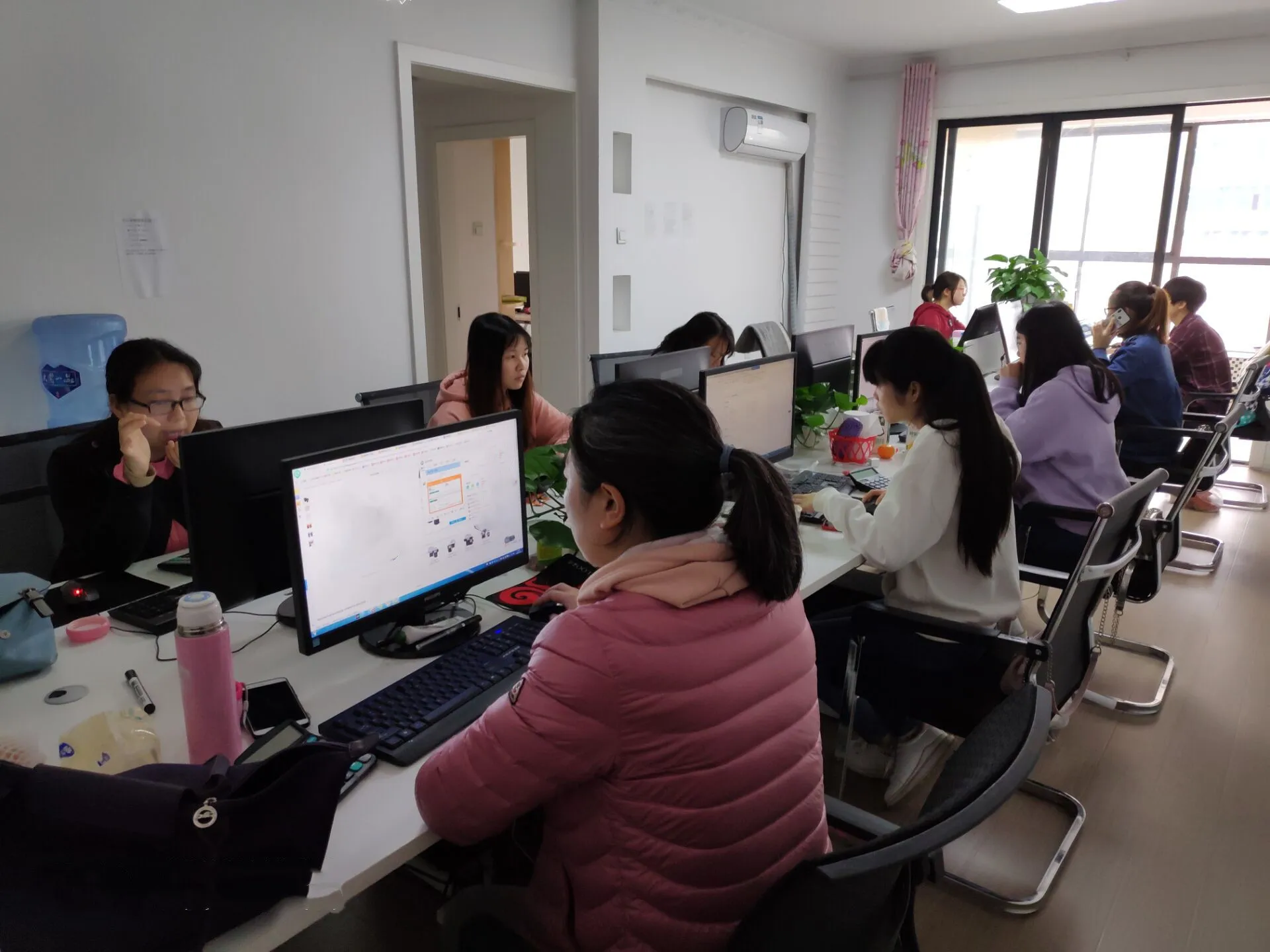
Yiwu Chenyan Jewelry Co., Ltd.
- Trading Company
- Zhejiang, China
- Lead time20 days
- Avg. response≤ 3h
Main products925 silver jewelry,Rings,charms & pendant,necklace,bracelet & bangle
Main marketsNorth America(50.00%), Eastern Europe(10.00%), Oceania(10.00%), Southern Europe(5.00%), Northern Europe(5.00%), Western Europe(5.00%), Mid East(5.00%), South America(5.00%), Africa(5.00%)

Dongguan Tianyi Jewelry Co. Ltd
- Verified by SGS
- Combined
- China Guangdong
- Lead time23 days
- Avg. response≤ 11h
Main marketsDomestic
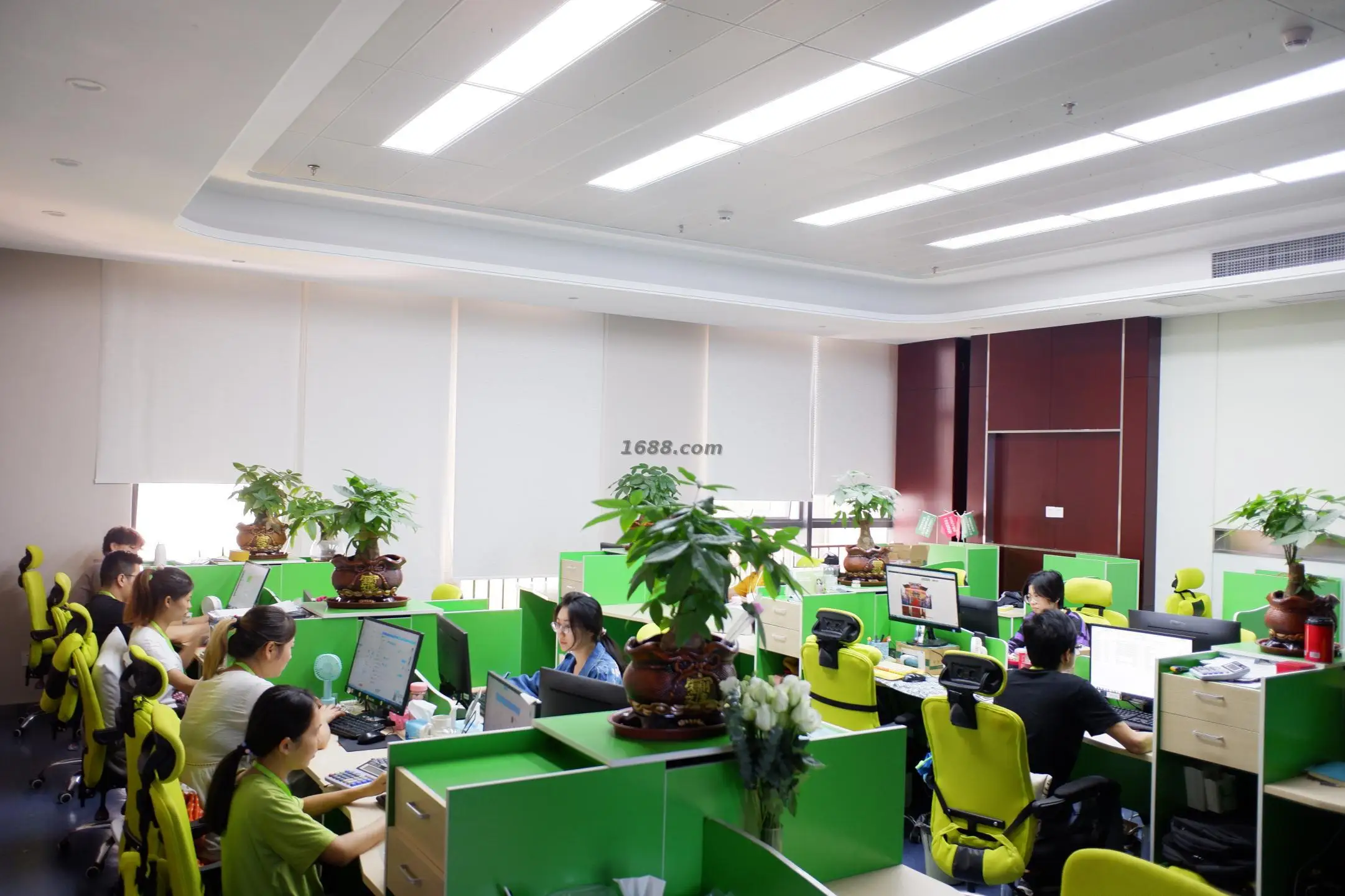
Yiwu Lvshang E-Commerce Co., Ltd.
- Trading Company
- Zhejiang, China
- Lead time25 days
- Avg. response≤ 4h
Main productsmoissanite jewelry,925 sterling silver jewelry,birthstone jewelry,custom jewelry,OEM/ODM jewelry accessories
Main marketsNorth America(50.00%), Western Europe(10.00%), Africa(10.00%), Eastern Europe(10.00%), South America(10.00%), Mid East(5.00%), Eastern Asia(5.00%)

- Verified by BV
- Combined
- China Guangdong
- Lead time23 days
- Avg. response≤ 3h
Main products925 Sterling Silver Jewelry, Brass Jewelry, Fashion Jewelry, Jewelry, Jewellery, Necklace, Ring, Bracelet, Bangle, Pendant
Main marketsEurope,North America
- Manufacturer, Trading Company
- Guangdong, China
- Lead time7 days
- Avg. response≤ 2h
Main productsjewelry,jewelry packing,velvet bag
Main marketsNorth America(50.00%), Western Europe(10.00%), Mid East(10.00%), Eastern Europe(10.00%), South America(10.00%), Southeast Asia(5.00%), Africa(2.00%), South Asia(1.00%), Northern Europe(1.00%), Eastern Asia(1.00%)
- Verified by Intertek
- Manufacturer, Trading Company
- Lead time15 days
- Avg. response≤ 2h
Main productsNecklaces, Rings, Earrings, Bracelets, Jewelry Accessories
Main marketsNorth America(41%), Western Europe(18%), Oceania(10%)
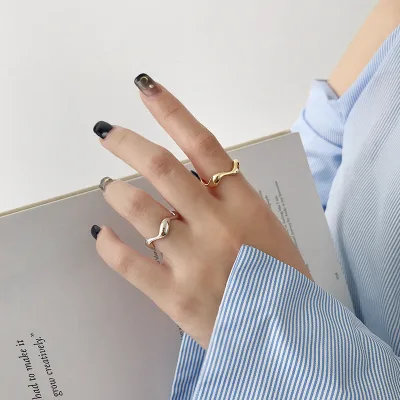
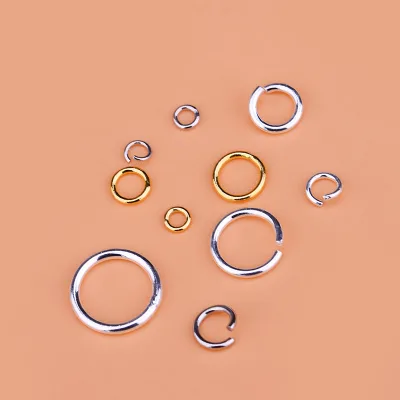
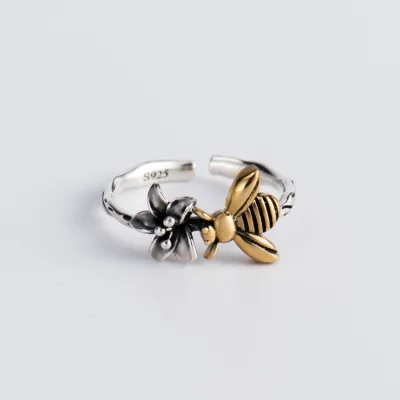
$5.91 - $7.64
MOQ: 5 pieces

Dongguan Bosin Hardware Co., Ltd.
- Trading Company
- China Guangdong
- Lead time15 days
- Avg. response≤ 5h
Main productsKey Ring, Snap Hooks, Ball Chain, Carabiner, Metal Clips, Metal Rings, Metal Buckle, Stainless Steel Chains, Key Chain, Bottle Opener
Main marketsEurope,North America
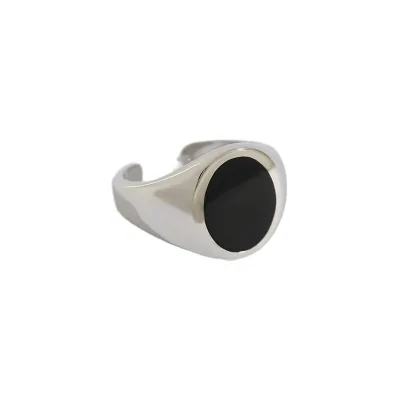
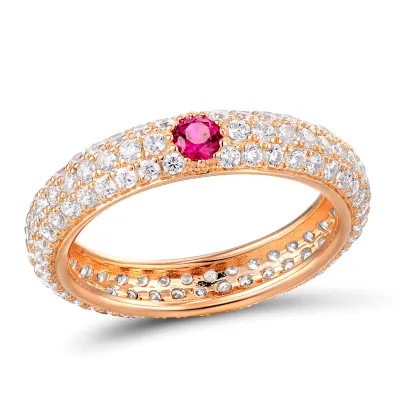
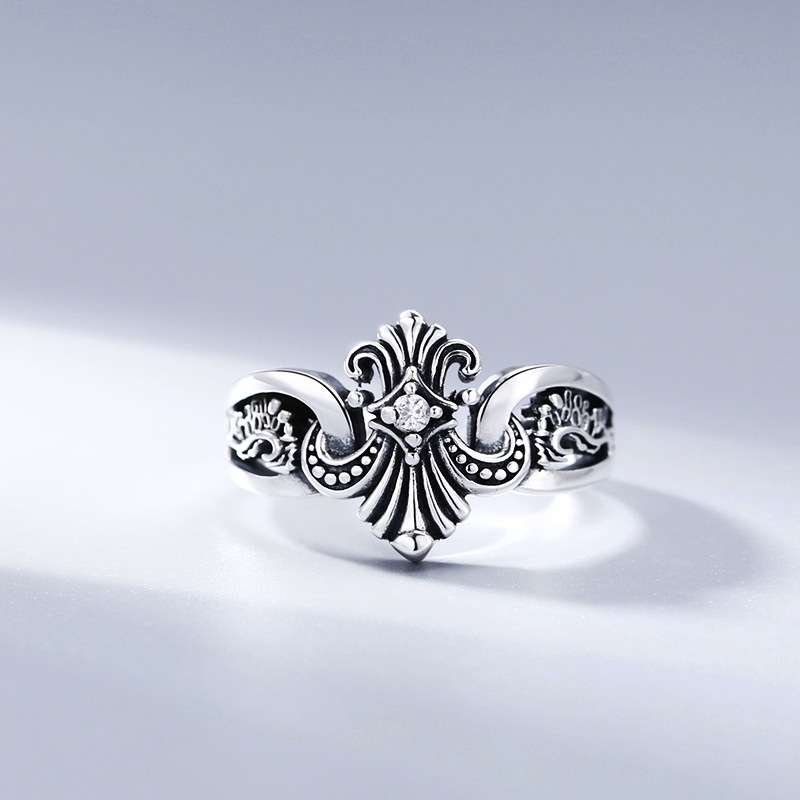
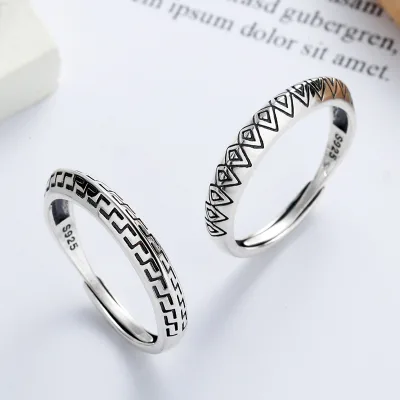
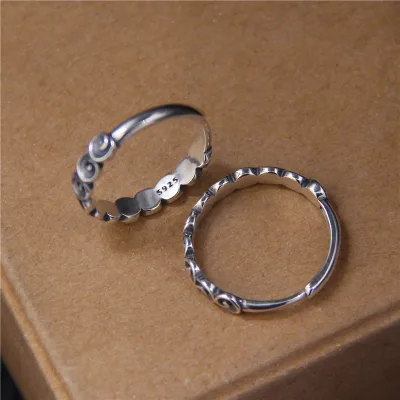
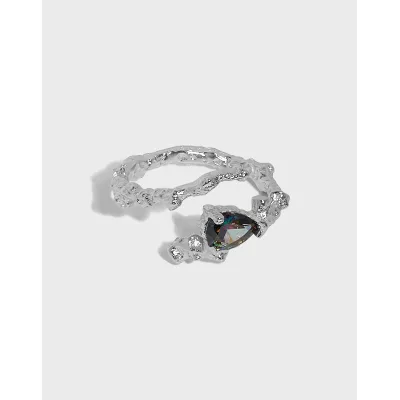


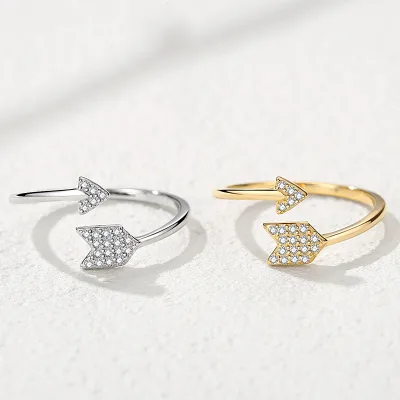
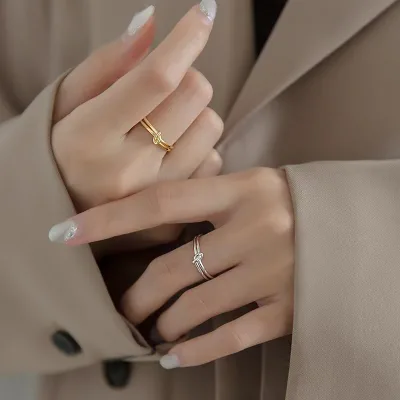
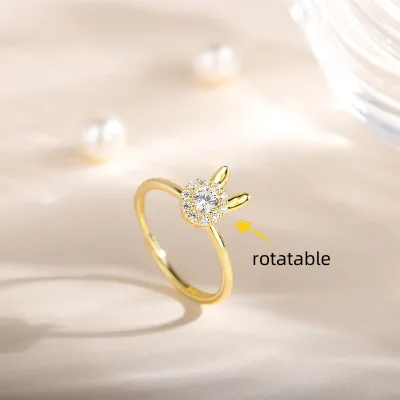
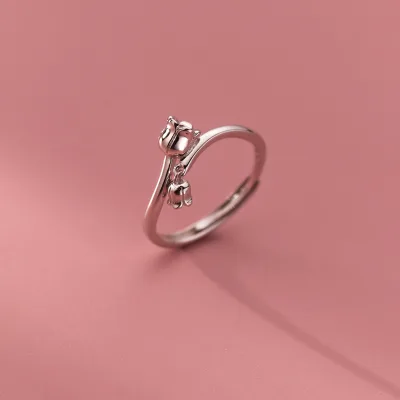
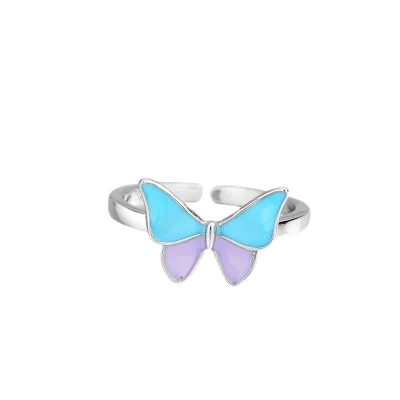
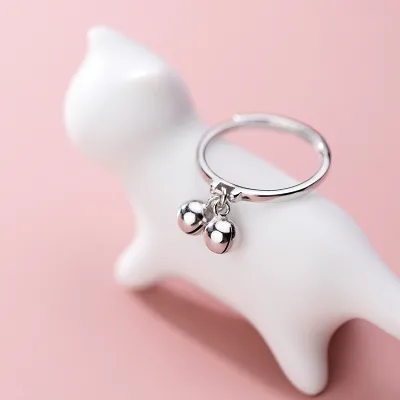






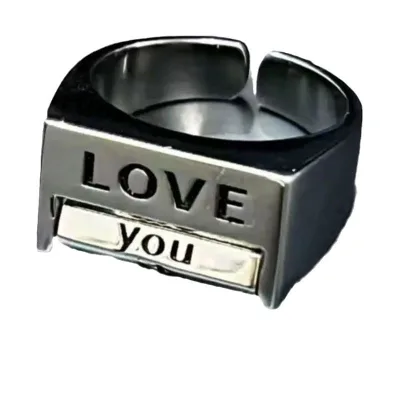
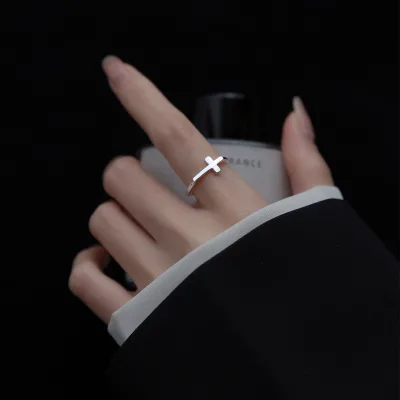
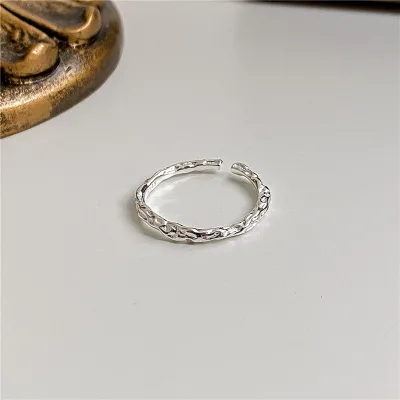
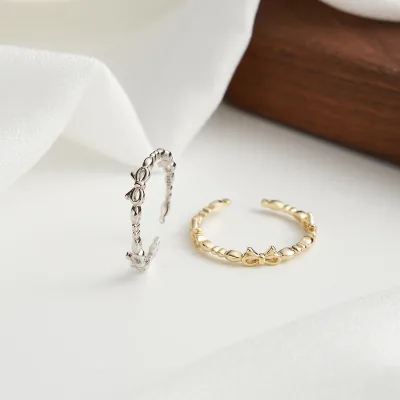
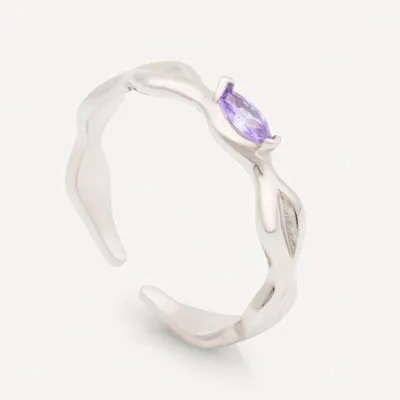


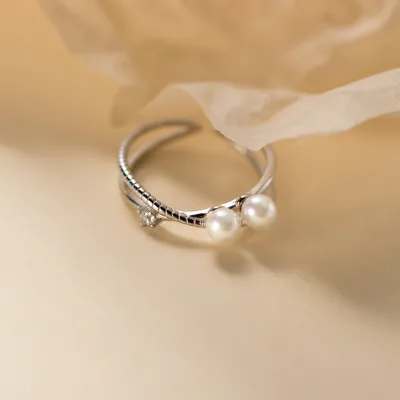
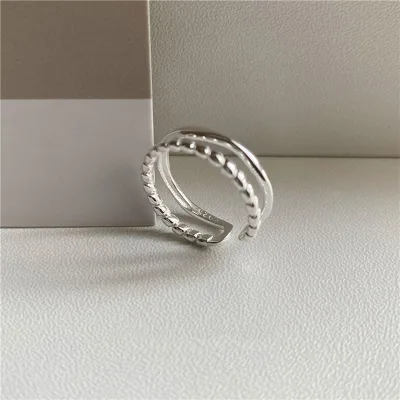
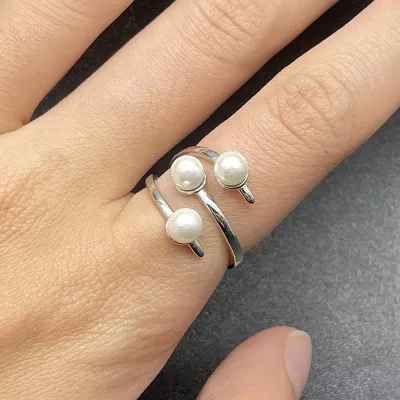


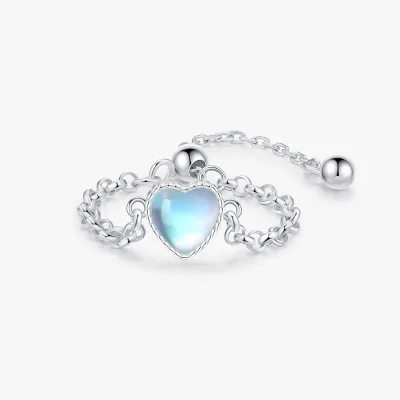
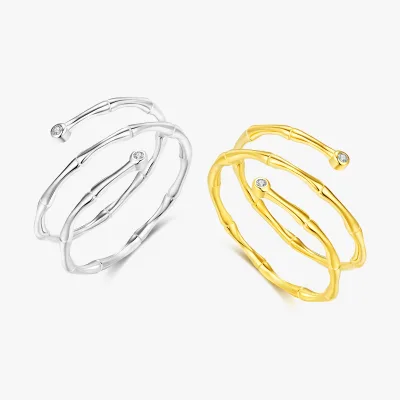


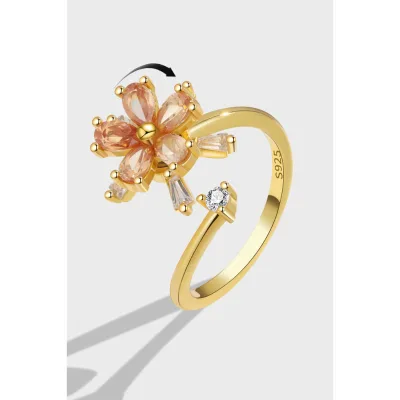
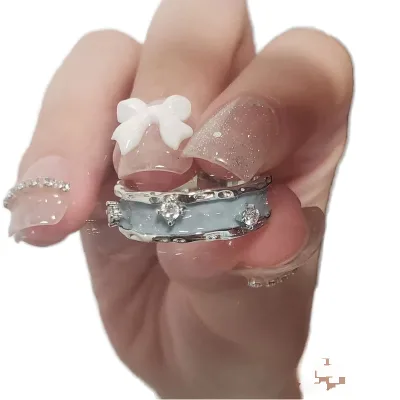


Comprehensive Sourcing Guide
Resizable Silver Ring Supplier Concentration and Factory Types
The current supplier landscape for resizable silver rings includes a mix of manufacturers and trading companies, each offering distinct advantages for buyers seeking customization. Evidence indicates that some suppliers operate as manufacturers capable of light customization, sample processing, and graphic processing, while others function primarily as trading companies. This structural diversity means buyers must carefully distinguish between entities that control the production line and those that aggregate products from multiple sources. The presence of both types suggests a market where direct factory engagement is possible, but trading companies may offer broader catalog access for specific design variations.
When evaluating the concentration of these suppliers, it is crucial to note that specific manufacturing clusters are not universally confirmed in the available data. While one verified location is identified as China Fujian, general guidance suggests buyers should verify the physical presence of production facilities rather than relying on generic regional claims. Suppliers listing main products such as K Gold, 925 Silver, and Brass Jewelry often indicate a specialized focus, whereas those listing diverse items like EVA clogs or shoe charms may have broader, less specialized operations. Buyers should prioritize suppliers whose primary product lines align closely with fine jewelry to ensure dedicated expertise in resizing and silver alloy handling.
How to Verify Resizable Silver Ring Suppliers
Verification of supplier credibility relies heavily on third-party audit reports and specific certification standards rather than self-reported claims. Available data confirms that some suppliers hold verification from SGS Group, while others are verified by TUVRHEINLAND, providing a baseline for operational integrity. These external validations are critical for assessing whether a supplier's claims about their manufacturing capabilities and quality control processes are substantiated. Buyers should request current verification reports to ensure the audit covers the specific production lines relevant to silver ring manufacturing and resizing services.
Beyond physical verification, certification standards such as FDA CPG 7117, RoHS, REACH, and GIA provide essential evidence of compliance with international safety and material standards. The presence of certifications like CE, CPC, and GRC further indicates adherence to regulatory requirements for consumer goods in various markets. However, buyers must confirm that these certifications are active and specifically apply to the silver jewelry products being sourced, as some suppliers may hold general company certifications that do not cover specific product lines. It is also necessary to verify that the supplier's response time, such as the observed two-day or 0.13-day metrics, reflects genuine operational readiness rather than automated system defaults.
What to Compare Across Resizable Silver Ring Suppliers
Comparing suppliers requires a systematic analysis of key operational metrics including lead times, minimum order quantities, and response speeds. Data shows significant variation in lead times, with some suppliers indicating a standard 30-day window, while others offer faster delivery windows of 7 to 15 days for specific items. Minimum order quantities also differ widely, ranging from as low as 2 pieces for certain customizable rings to 1000 pieces for mass-market fashion jewelry. Buyers must align these constraints with their inventory strategy, ensuring that the MOQ does not exceed their capital allocation or storage capacity while still securing the desired unit economics.
Response time and customization capabilities are equally critical differentiators in the comparison process. Some suppliers demonstrate rapid response capabilities, while others may have longer communication cycles that impact project timelines. The ability to handle light customization, sample processing, and on-demand graphic processing is a vital feature for buyers seeking unique designs. Additionally, the range of main products offered, such as the availability of 925 Silver, K Gold, or Brass, should be weighed against the buyer's specific material requirements. Buyers should also compare price ranges, noting that costs can vary from approximately $3.71 to over $46.00 depending on the complexity, plating, and stone inlay of the ring.
Common Resizable Silver Ring Sourcing Risks
One primary risk in sourcing resizable silver rings involves the discrepancy between advertised customization capabilities and actual production capacity. While some suppliers list capabilities for light customization and sample processing, the complexity of resizing mechanisms can vary significantly between manufacturers. Buyers face the risk of receiving products that do not meet the precise fit requirements if the supplier lacks the specific tooling or expertise for adjustable ring mechanisms. It is essential to validate that the supplier's "customizable" claims extend to the mechanical functionality of the ring, not just aesthetic elements like color or logo placement.
Another significant risk relates to material consistency and certification validity across different product batches. Although certifications like RoHS and REACH are listed, there is a risk that specific batches may not adhere to these standards if quality control processes are not rigorous. The variation in price points, from under $4 to over $46, often correlates with differences in silver purity, plating thickness, and stone quality. Buyers must be vigilant about verifying that the "925 Silver" designation is backed by actual assay results or consistent certification records for every order. Failure to verify these details can lead to product rejection in target markets or damage to brand reputation due to non-compliant materials.
Resizable Silver Ring Regional Sourcing and Logistics
Regional sourcing decisions should be grounded in verified location data rather than general assumptions about manufacturing hubs. The available evidence identifies China Fujian as a specific location for at least one supplier, providing a concrete reference point for logistics planning. Buyers should prioritize suppliers with confirmed physical addresses in known manufacturing regions to facilitate easier communication and potential site visits. When specific locations are not provided, buyers must request detailed address information to assess the proximity to ports and the efficiency of the local supply chain for shipping finished goods.
Logistics planning must account for the specific shipping methods and delivery times associated with each supplier. Data indicates that some suppliers utilize major carriers such as DHL, EMS, UPS, FEDEX, and TNT, which can influence both cost and transit speed. The observed delivery times of 7 to 15 days for samples or small batches contrast with the 30-day lead times for larger orders, requiring careful scheduling to avoid stockouts. Buyers should also consider the single package size and weight, such as the 6x4x0.2 cm dimensions and 0.005 kg weight noted for certain items, as these factors impact shipping costs and packaging requirements for bulk orders.
Resizable Silver Ring Commercial Terms and Order Planning
Commercial terms for resizable silver rings vary significantly based on the supplier's business model and the specific product configuration. Minimum order quantities can range from 2 pieces for high-end customizable items to 1000 pieces for mass-produced fashion rings, directly impacting the initial investment required. Buyers must calculate the total cost of ownership, including the unit price, which can range from approximately $1.98 to $46.26, alongside shipping fees and any potential tariffs. Understanding these price tiers is essential for determining the viability of different suppliers for specific market segments, whether targeting luxury buyers or mass-market retailers.
Order planning must also incorporate the supplier's response time and sample processing capabilities to ensure timely product development. With response times varying from 0.13 days to 2 days, communication efficiency can significantly affect the speed of the prototyping phase. Buyers should establish clear timelines for sample approval, factoring in the 7-day sample processing time observed for some suppliers. Additionally, the availability of customization options, such as logo placement and specific ring sizes, should be confirmed before placing a bulk order to avoid delays. Proper planning ensures that the transition from sample to production is smooth and that the final product meets all design and quality expectations.
FAQs
What is the price range for 925 silver rings?
Prices for 925 silver rings typically range from $1.98 to $46.26 depending on design complexity and materials. Basic fashion rings start near $1.98, while intricate adjustable or antique styles cost more. Buyers should check specific product listings for exact pricing tiers and bulk discounts.
What certifications do these silver ring suppliers hold?
Suppliers offer various certifications including RoHS, REACH, CE, and FDA CPG 7117. Some products feature GIA or IGI standards for gemstones. Verification is provided by SGS Group or TÜV Rheinland. Buyers should verify specific certification documents for compliance with their local market regulations before ordering.
What is the minimum order quantity for silver rings?
MOQs vary significantly by product type. Some customizable rings require a minimum of 2 pieces, while others need 30 or 1000 units. Sample processing often allows lower quantities. Buyers must check individual product pages to confirm the exact MOQ for their desired ring style and customization level.
How long does production take for silver rings?
Standard lead times are approximately 30 days for bulk orders. Sample processing typically takes 7 days, with delivery taking 7-15 days. Actual production times depend on customization complexity and order volume. Buyers should confirm specific delivery schedules with suppliers to ensure timely receipt for events or inventory needs.
Can I customize the logo on silver rings?
Yes, many suppliers offer customized logo options for silver rings. OEM services are available for fashion and fine jewelry. Buyers can request specific logo placements and designs. Customization availability and costs vary by supplier. Contact suppliers directly to discuss logo requirements and any additional fees for personalized branding.
Where are these silver ring suppliers located?
Suppliers are primarily located in China, with specific mentions of Fujian province. This region is known for jewelry manufacturing. Buyers should verify exact supplier locations for shipping logistics and potential tariffs. Location details help assess shipping times and regional compliance requirements for international trade transactions.