High Voltage Insulation Rescue Hook Suppliers and Manufacturers
Compare 26 suppliers of High Voltage Insulation Rescue Hook based on location, lead time, and certifications. Review product specifications like rated voltage and material to verify fit. Request samples to validate quality before placing a bulk order; review the available evidence before requesting comparable quotations from suitable candidates.
Suppliers List
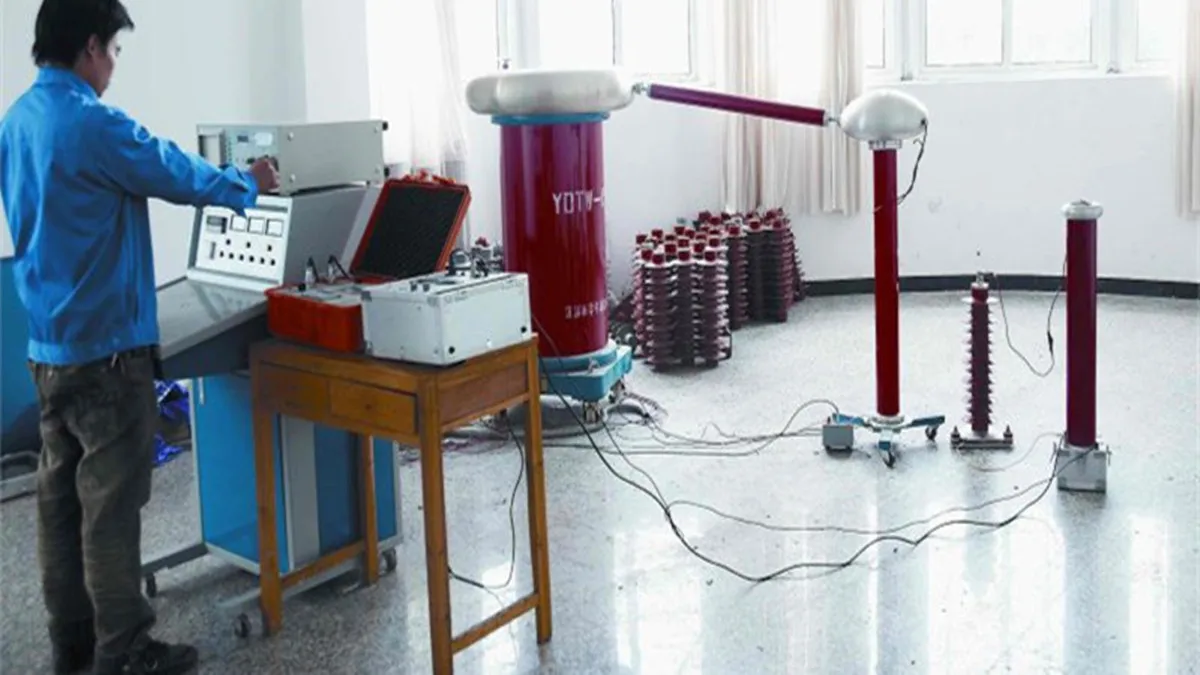
Hebei Jiubai Technology Co., Ltd.
- Trading Company
- Tianjin, China
- Lead time20 days
- Avg. response≤ 2h
Main productsground earthing wire set,high voltage hot stick,fiberglass tube,Hydraulic tools,Bird Repeller
Main marketsSouth Asia(20.00%), Mid East(10.00%), Oceania(10.00%), Africa(10.00%), Eastern Asia(10.00%), Northern Europe(10.00%), Domestic Market(10.00%), Southeast Asia(5.00%), North America(3.00%), Eastern Europe(3.00%), South America(3.00%), Western Europe(3.00%), Southern Europe(2.00%), Central America(1.00%)

XIN CHENG INDUSTRY MATERIAL CO., LTD.
- Manufacturer/Factory
- China Tianjin
- Lead time23 days
- Avg. response≤ 17h
Main productsDDP Paper/Diamond Dotted Paper, Insulation Bushing, Epoxy Lamination Sheets, FRP Dog Bone with Spacer, Pressobard/Pressboard Strips, Shrinking Tape, Insulation Paper, Crepe Paper Tube/Diamond Dotted Paper Tube, FRP Bolts and Nuts, Insulation Tube
Main marketsEastern Europe,North America,Southeast Asia,Africa
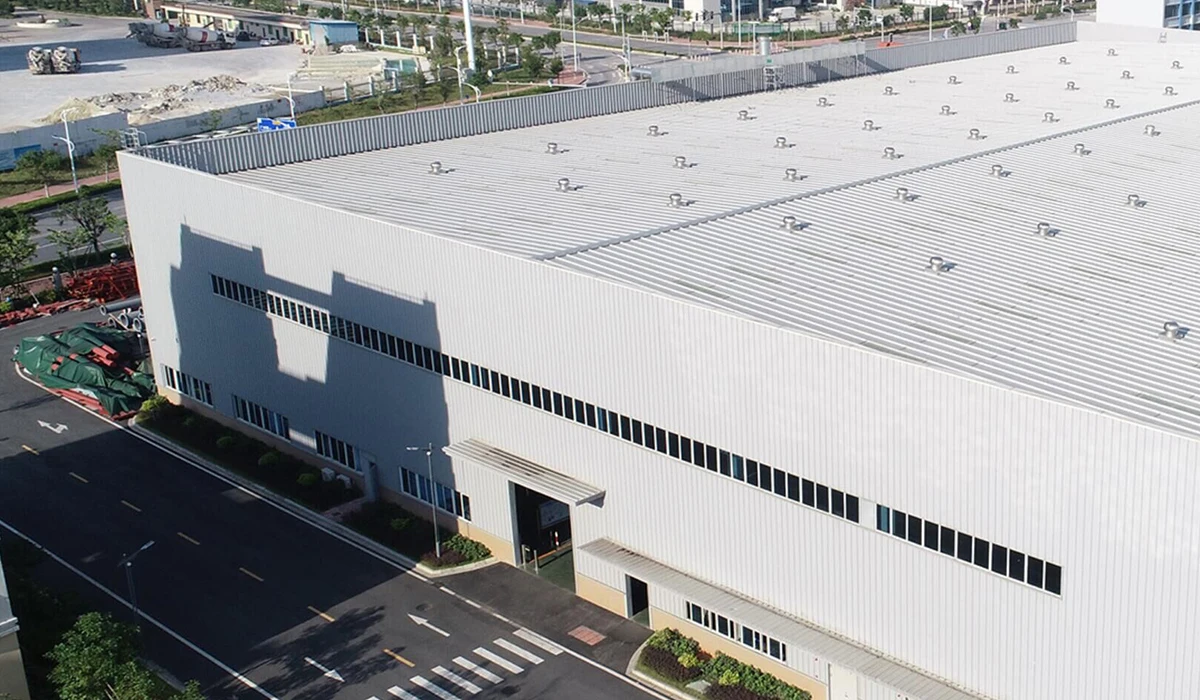
Hebei Chenkaibin Electric Power Equipment Co., Ltd.
- Manufacturer, Trading Company
- Hebei, China
- Lead time0 days
- Avg. response≤ 5h
Main productsTELESCOPING HOT STICKS,MEASURING STICKS,PORTABLE EARTHING EQUIPMENT,PORTABLE EARTHING EQUIPMENT,PORTABLE EARTHING EQUIPMENT
Main marketsEastern Europe(20.00%), North America(20.00%), Western Europe(20.00%), South Asia(13.00%), Mid East(10.00%), South America(7.00%), Oceania(5.00%), Africa(5.00%)
SHIJIAZHUANG BILO IMP. AND EXP. TRADE CO., LTD
- Verified by SGS Group
- Manufacturer, Trading Company
- Lead time5 days
- Avg. response≤ 2h
Main productsFiberglass duct rodder, Fish tape, Telescopic hot stick, Cable puller, Cable grip
Main marketsSouth America(50%), Southeast Asia(20%), Western Europe(10%)
Hangzhou Weshare Import and Export Co., Ltd.
- Verified by SGS
- Trading Company
- China Zhejiang
- Lead time15 days
- Avg. response≤ 2h
Main productsTransformer Components, Electrical Insulation Materials, Release Film and Paper
Main marketsSouth America,Africa,Southeast Asia/ Mideast,East Asia(Japan/ South Korea),Europe,North America


High Voltage Hot Stick Safety Electrical Personal Body Rescue Hook Supplier
$5.00 - $88.00
MOQ: 2 Pieces


Yueqing Wortai Electric Co., Ltd.
- Trading Company,Manufacturer/Factory
- China Zhejiang
- Lead time23 days
- Avg. response≤ 6h
Main productsFuse Cutout, Surge Arrester, Insulator, Fuse Link, Telescopic Link Stick/Hotstick, Arrester Disconnector, Sm Busbar Insulator, DMC SMC Insulator, Bus Bar Insulator, Cable Grip
Main marketsSouth America,Eastern Europe,Mid East,North America,Southeast Asia,Eastern Asia,Oceania,Western Europe,Africa


High Voltage Fiberglass Insulating Rescue Hook for Electric Safety Rod 5m 10m
$150.00 - $350.00
MOQ: 1 Pieces


6 Feet Electrical High Voltage Fiberglass Safety Body Insulated Rescue Hook
$150.00 - $350.00
MOQ: 1 Pieces

Xianheng International Science & Technology Co., Ltd.
- Manufacturer, Trading Company
- Lead time旺季: "1 - 20":7,"21 - 100":15,"> 100":"To be negotiated", 淡季: "1 - 20":7,"21 - 100":15,"> 100":"To be negotiated"
- Avg. response≤ 3h
Main productsHot sticks & tools,Intelligent battery powered tools,Insulated cover up equipments,Auxiliary tools and instruments for live working,Safety protection equipment
Shaanxi Passion Safety Co., Ltd.
- Verified by TUVRHEINLAND
- Trading Company
- China Shaanxi
- Lead time15 days
- Avg. response≤ 3h
Main productsHelmet, Insulated Gloves
Main marketsEurope,North America

10kv Electrical Insulating Rescue Hook for High Voltage Emergency Rescue PPE Equipment
$18.00 - $20.00
MOQ: 10 Sets

35kv Insulating Rescue Hook for Electrical Hazard Emergency Rescue Applications
$18.00 - $20.00
MOQ: 10 Sets

Insulating Rescue Hook for Electrical Maintenance and Electrical Insulating Gloves Use
$18.00 - $20.00
MOQ: 10 Sets

Insulating Rescue Hook for Electrical Safety PPE and Electrical Insulating Gloves Applications
$18.00 - $20.00
MOQ: 10 Sets

Electrical Rescue Hook for Utility Workers Using Electrical Insulating Gloves and PPE
$18.00 - $20.00
MOQ: 10 Sets
Hebei Huanhai Import & Export Trading Co., Ltd.
- Verified by TüVRheinland
- Manufacturer, Trading Company
- Lead time7 days
- Avg. response≤ 1h
Main productsTransformer Test Equipment, Transformer Oil Tester, Relay Tester, High Voltage Tester, Circuit Breaker Tester
Main marketsSoutheast Asia(30%), Eastern Asia(15%), North America(10%)
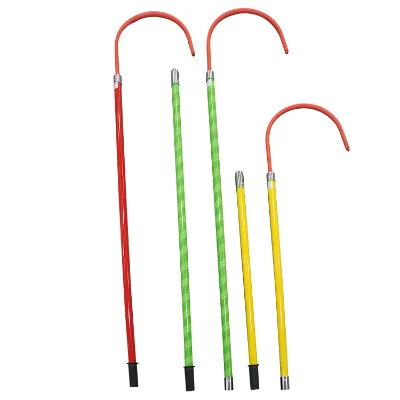
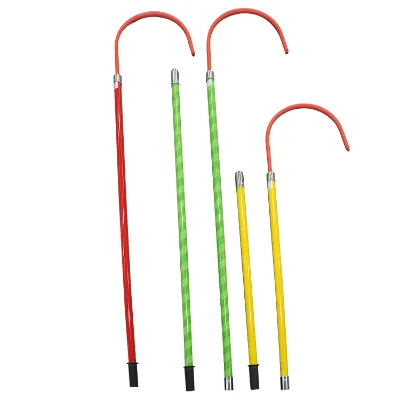
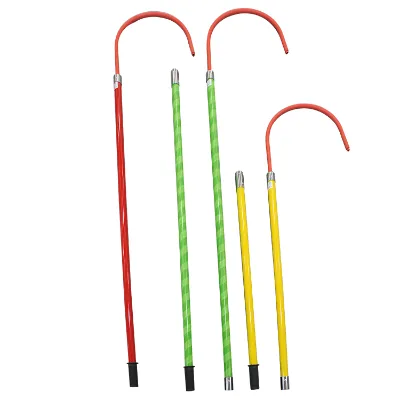
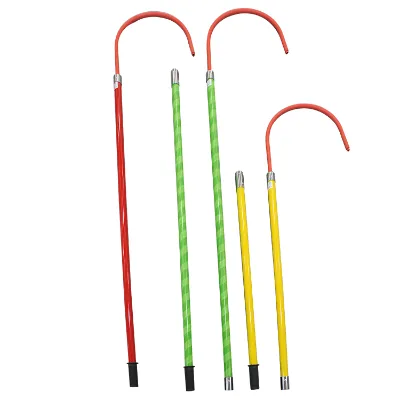
Huazheng HZJYG High Voltage Insulation Electrical Telescopic Safety Rescue Hook
$20.00 - $100.00
MOQ: 1 Minimum
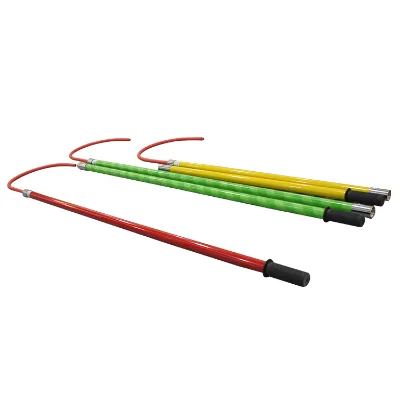
Insulation Fiber Glass Lifesave Poles Insulated Safety Hook for Electric Safety Rod
$20.00 - $100.00
MOQ: 1 Minimum
Cangzhou Jiujiu Communication Equipment Co., Ltd.
- Manufacturer, Trading Company
- Hebei, China
- Lead time7 days
- Avg. response≤ 2h
Main productsFiberglass duct rodder,Cable Reel Stand,Line equipment,bird scarer,Insulated ladder
Main marketsSouthern Europe(10.00%), Western Europe(10.00%), Southeast Asia(10.00%), Eastern Europe(10.00%), Mid East(10.00%), North America(10.00%), Domestic Market(5.00%), South Asia(5.00%), Oceania(5.00%), Northern Europe(5.00%), Central America(5.00%), Africa(5.00%), Eastern Asia(5.00%), South America(5.00%)
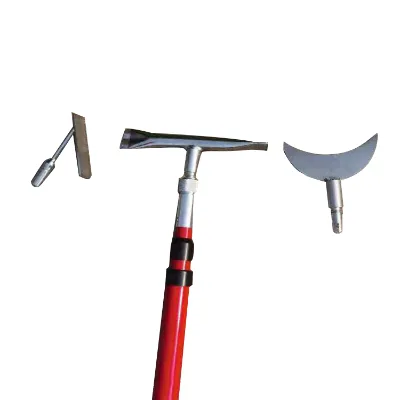
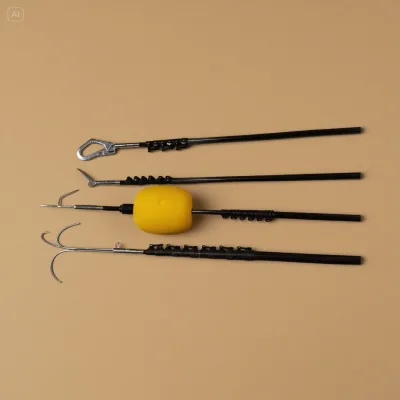
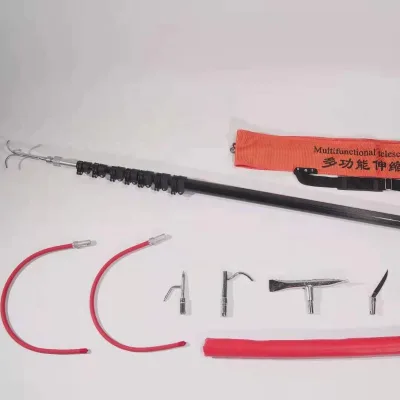
High Voltage Insulated Security Tools High Quality Safety Electrical Personal Rescue Hook
$150.00 - $200.00
MOQ: 5 pieces
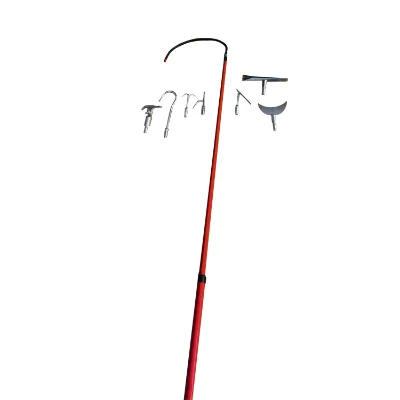
$154.15 - $205.53
MOQ: 5 pieces
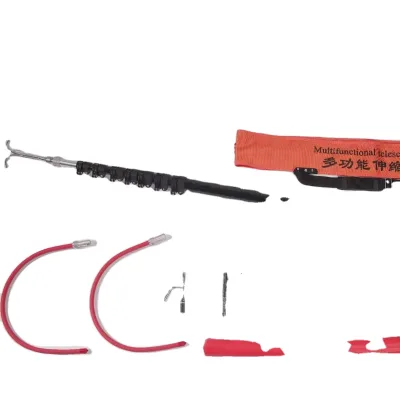
FRP Insulated High Pressure Telescopic Hot Rod Insulated Operating Rod
$150.02 - $200.02
MOQ: 5 pieces
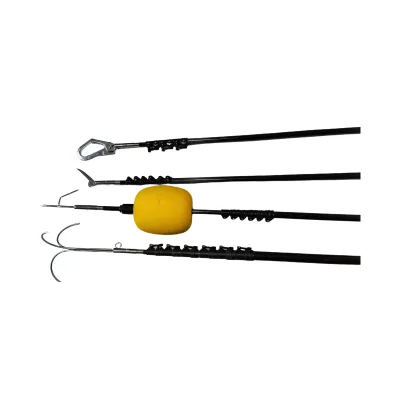

Shanghai Huaqi Industrial Co., Ltd.
- Verified by TUVRHEINLAND
- Trading Company
- China Shanghai
- Lead time15 days
- Avg. response≤ 6h
Main productsCar Mats, Seat Cover, Car Cover, Wiper Blade, Air Compressor, Steering Wheel Cover, Car Lock, Baby Mirror, Car Jack, Racing Seat
Main marketsSouth America,Africa,Southeast Asia/ Mideast,Europe,Australia,North America

- Trading Company,Manufacturer/Factory
- China Guangdong
- Lead time23 days
- Avg. response≤ 4h
Main productsBow Thrusters, Windlasses, Winches, Capstan, Lifeboat, Mooring Bollards, Centrifugal Pumps, Gangway Ladder, Accommodation Ladder, Panama Chocks
Main marketsSouth America,Eastern Europe,Mid East,North America,Southeast Asia,Eastern Asia,Oceania,Western Europe,Africa

NINGBO KINGSLINGS IMPORT AND EXPORT CO., LTD.
- Trading Company,Manufacturer/Factory
- China Zhejiang
- Lead time45 days
- Avg. response≤ 10h
Main productsRatchet Strap, Ratchet Buckle, Tow Strap, Webbing Slings, Towing Accessories, Tie Down Strap Hardware, Bungee Cords, Winch & Winch Bar, Rigging Hardware, Aramid /Pbo/UHMWPE New Material
Main marketsSouth America,Eastern Europe,Mid East,North America,Southeast Asia,Eastern Asia,Oceania,Western Europe,Africa
Tianjin Nankai District Torch Xinsheng Hardware Sales Center
- Trading Company
- Tianjin, China
- Lead time10 days
- Avg. response≤ 1h
Main productsElectric pulley,Wire and cable,Power brake lever,Insulating gloves,Electric ankle buckle
Main marketsSoutheast Asia(22.00%), Eastern Europe(19.00%), North America(15.00%), Central America(9.00%), Northern Europe(8.00%), South America(7.00%), Africa(5.00%), Western Europe(4.00%), Southern Europe(3.00%), Domestic Market(2.00%), South Asia(2.00%), Oceania(2.00%), Eastern Asia(2.00%)
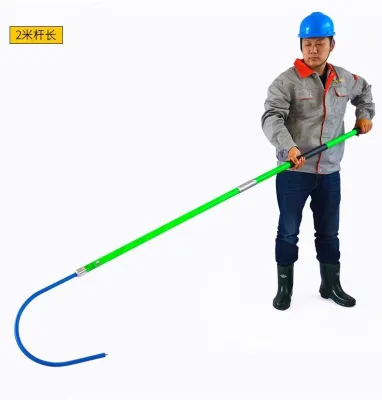
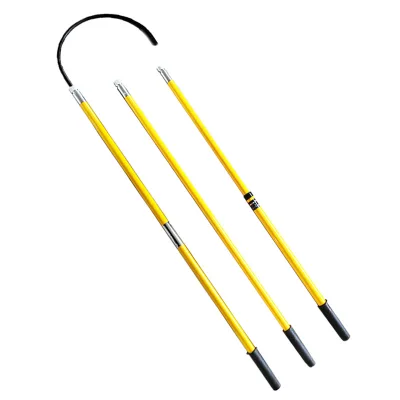
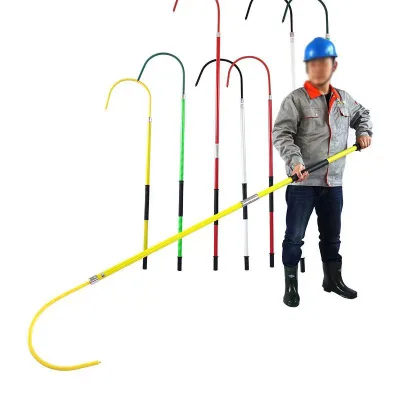
Enhang High Voltage Electric 35KV One Section Fiberglass Rescue Hook Emergency Hook Safety Insulated
$15.26 - $25.43
MOQ: 10 pieces

Rizhao Fenghua Scaffoldings Co., Ltd.
- Verified by BV
- Combined
- China Shandong
- Lead time45 days
- Avg. response≤ 15h
Main productsScaffolding, Scaffold, Forging, Formwork, Scaffold Couplers, Swivel Coupler, Frame System, Hand Tools, Scaffold Plank
Main marketsSouth America,East Asia(Japan/ South Korea),Europe,North America

MOQ: 1000 Pieces

MOQ: 1000 Pieces

Jianli Sticky Ribbon Co., Ltd.
- Manufacturer
- China Zhejiang
- Lead time0 days
- Avg. response≤ 17h
Main productsVelcro, Velcro Tape, Hook and Loop, Velcro Strap, Hook and Loop Tape, Velcro Roller

Jiangsu Baizhou Safety Technology Co., Ltd.
- Combined
- China Jiangsu
- Lead time15 days
- Avg. response≤ 4h
Main productsLife Jacket, Inflatable Life Jacket, Life Buoy, Rescue Tube, FRP Box, Fire Hose Box, Scba
Main marketsSouth America,Africa,Southeast Asia/ Mideast,East Asia(Japan/ South Korea),Domestic,Europe,Australia,North America
Shijiazhuang Jiatai Electric Power Fitting Co., Ltd.
- Manufacturer, Trading Company
- Hebei, China
- Lead time15 days
- Avg. response≤ 3h
Main productsPortable Earthing Equipment,Fiberglass Operating Rod,Insulating Fiberglass Ladder,Insulating Fiberglass Scaffolding,Live Working Tools
Main marketsSoutheast Asia(30.00%), Domestic Market(30.00%), Mid East(20.00%), Southern Europe(2.00%), Northern Europe(2.00%), Central America(2.00%), Western Europe(2.00%), Eastern Asia(2.00%), Eastern Europe(2.00%), Oceania(2.00%), Africa(2.00%), South America(2.00%), North America(1.00%), South Asia(1.00%)
Dongguan Xuli Textile Co., Ltd
- Verified by SGS
- Manufacturer
- China Guangdong
- Lead time15 days
- Avg. response≤ 1h


Flame-Retardant Hook and Loop Waterproof Outdoor Gear Fastening Hook and Loop
$0.05 - $0.50
MOQ: 1000 Meters
Hebei Dongzhou Crane Equipment Co., Ltd
- Manufacturer, Trading Company
- Hebei, China
- Lead time10 days
- Avg. response≤ 2h
Main productsCarabiner Hook,Steel Carabiners,Stamping Hook,Steel D & O Rings,Buckle for Safety Belt
Main marketsEastern Europe(50.00%), South America(20.00%), South Asia(15.00%), Southeast Asia(15.00%)

Ningbo Super Clean Co., Limited
- Verified by TUVRHEINLAND
- Trading Company
- China Zhejiang
- Lead time30 days
- Avg. response≤ 17h
Main productsMicrofiber Cleaning Cloth, Car Wash Mitt and Wash Pad, PVA Chamois, Ice Scraper, Snow Brush, Car Wash Brush, Car Wheel Brush, Window Wiper and Squeegee, Car Duster, Anti Slip Pad
Main marketsDomestic

Suzhou Antongtai New Material Technology Co., Ltd.
- Manufacturer/Factory
- China Jiangsu
- Lead time23 days
- Avg. response≤ 4h
Main productsBraided Sleeving, Braided Cable Sleeves, Heat Shrink Tubing, Fiberglass Sleeve, Corrugated Pipes, PVC Sleeve, Insulation Sleeve, Wire Loom, Cable Wraps, Cable Management Sleeve
Main marketsSouth America,Eastern Europe,Mid East,North America,Southeast Asia,Eastern Asia,Oceania,Western Europe,Africa
Qingdao Luckreal International Trade Co., Ltd
- Verified by TUVRHEINLAND
- Trading Company,Manufacturer/Factory,Group Corporation
- China Shandong
- Lead time23 days
- Avg. response≤ 2h
Main productsRigging Hardware, Chain, Wire Rope, Precasting Accessories, Forged Parts, Hydraulic Crimping Tool, Lifting Accessory, Marine Hardware
Main marketsSouth America,Eastern Europe,Mid East,North America,Southeast Asia,Eastern Asia,Oceania,Western Europe,Africa

- Trading Company,Manufacturer/Factory
- China Fujian
- Lead time15 days
- Avg. response≤ 3h
Main productsCable Sleeving, Heat Shrink Tubing, Wire Loom, Fiberglass Sleeving, Expandable Sleeving, Cable Management Sleeve, Hook and Loop, Hook and Loop Cable Tie, Cold Shrink Tube, High Temperature Tube
Main marketsSouth America,Eastern Europe,Mid East,North America,Southeast Asia,Eastern Asia,Oceania,Western Europe,Africa

Shenzhen Hongyi Textile Co., Ltd.
- Manufacturer/Factory
- China Guangdong
- Lead time15 days
- Avg. response≤ 25h
Main productsHook and Loop, Hook and Loop Cable Tie, Adhesive Hook and Loop, Back to Back Hook and Loop, Elastic Hook Abd Loop, Garment Accessories, Incorporating Products, Storage Strap
Main marketsSouth America,Eastern Europe,Mid East,North America,Southeast Asia,Eastern Asia,Oceania,Western Europe,Africa
Electric Powertek Company Ltd.
- Trading Company
- China Tianjin
- Lead time15 days
- Avg. response≤ 4h
Main productsInsulator, Drop-out Fuse, Guy Grip, Crossarm, Pole Mounting Clamp, Suspension Clamp, Ground Rod&Earth Rod, Stranded Wire, Exothermic Welding Powder, Earth Inspection Pit
Main marketsSouth America,Africa,Southeast Asia/ Mideast


$1.00 - $5.00
MOQ: 100 Pieces
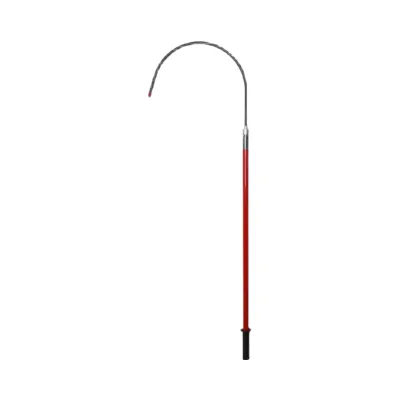


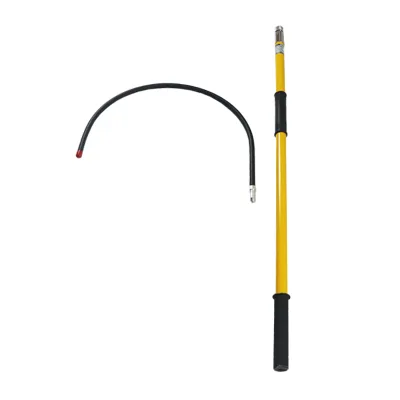
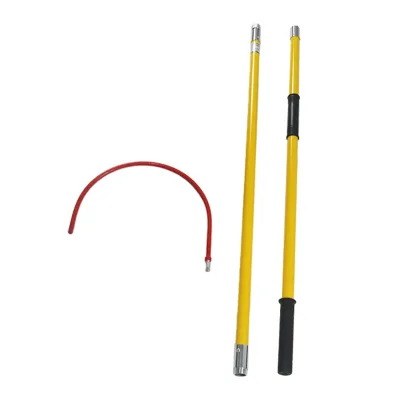
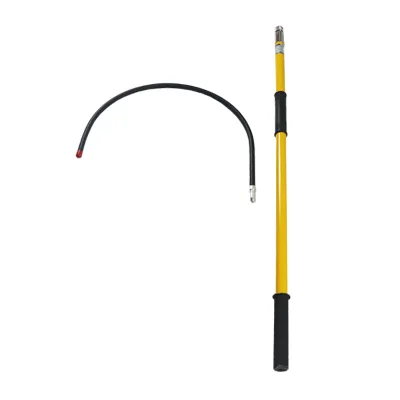
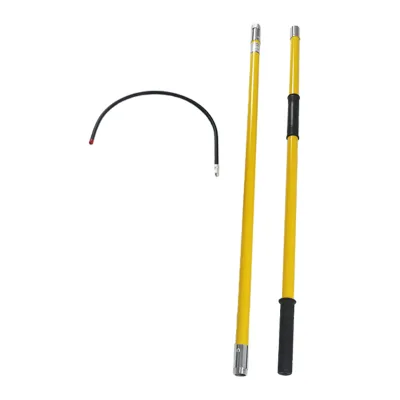
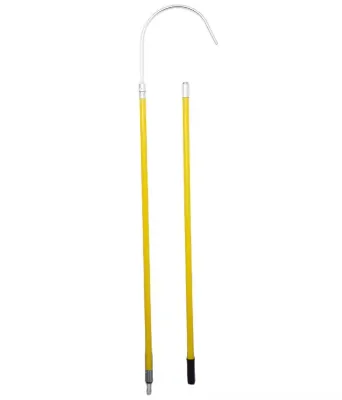
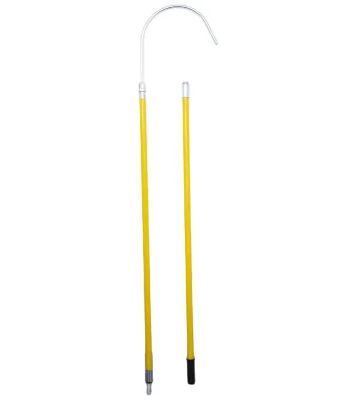
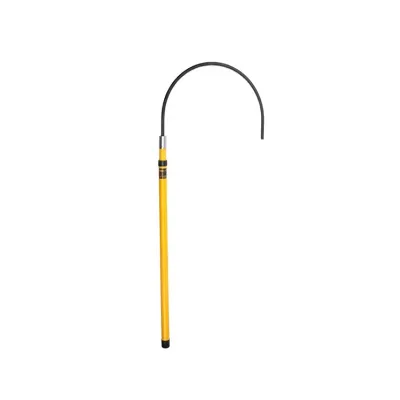
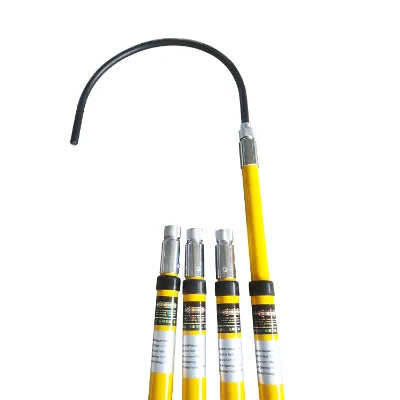


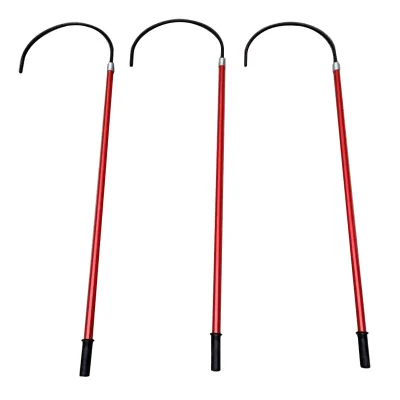
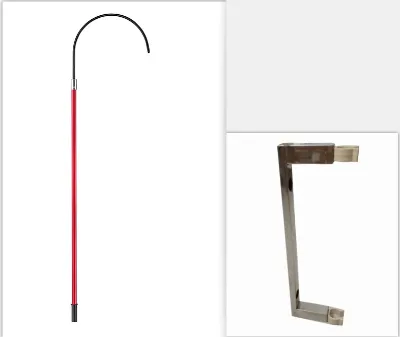
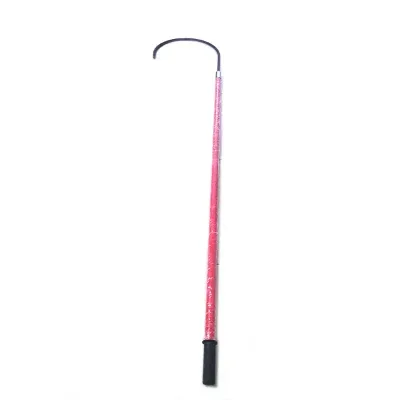


Comprehensive Sourcing Guide
High Voltage Insulation Rescue Hook Supplier Concentration and Factory Types
Searches for the High Voltage Insulation Rescue Hook surface suppliers concentrated in northern China, with Tianjin appearing repeatedly as a company location and many listings declaring Hebei as the product place of origin. Tianjin's role as a major port and dispatch point makes it a practical base for exporters shipping this category, and buyers filtering by location will find both factory and trading structures represented here. When a location is not displayed with confidence, identify clusters instead by checking where declared product origins, port of dispatch fields, and supplier addresses overlap across multiple listings rather than assuming a region.
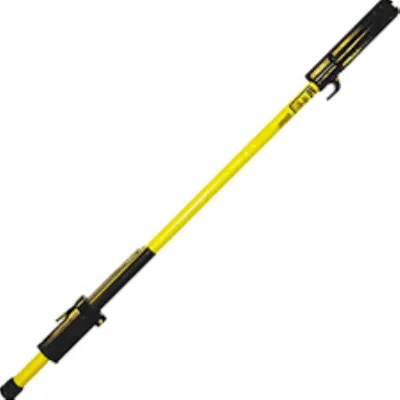
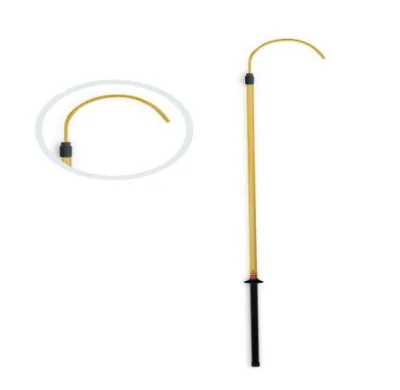
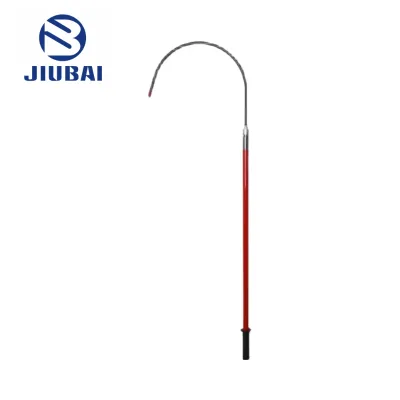
Factory types matter in this category because the product combines fiberglass or epoxy resin tubes, stainless steel or hooked metal ends, and insulation performance claims. Some listed suppliers identify as manufacturers or factories, with system certifications such as ISO 9000, OEM and ODM capability, and main product lines spanning insulation paper, epoxy lamination sheets, insulation tubes and FRP fittings — breadth that suggests in-house composite processing. Others are trading companies whose main products include hot sticks, fiberglass tubes, hydraulic tools and earthing wire sets, meaning they aggregate from workshops. Neither structure is automatically better: factories may offer customization depth on resin, color and length, while traders may consolidate a full hotline-tools kit. Ask each candidate which items they produce versus resell, and request evidence such as workshop photos or process descriptions for the hook assembly and tube curing stages.
How to Verify High Voltage Insulation Rescue Hook Suppliers
Verification should begin with the attributes suppliers actually display, then move to documents you request. Several listings in this category declare certifications such as ISO9001:2008 or ISO 9000 system certification, a GB standard reference, and detailed product attributes including rated voltage (for example 35 kV, 10 kV or 500 kV claims), tensile strength figures like 70 KN, and material declarations of fiberglass, epoxy resin, PVC or stainless steel. Treat these as claims to validate, not proof. Request the certificate numbers behind any ISO claim, confirm the declared standard applies to live-line tools rather than only the raw tube, and ask for test reports matching the exact voltage class you purchase.
Second, verify production reality. Suppliers quoting supply ability of 100,000 sets or pieces per month should be able to support that with factory audit reports, video walk-throughs, or third-party inspection visits. Check that sample policy claims — several listings advertise samples available — translate into an actual sample order at the correct voltage class. Confirm the model numbers and brand names in listings belong to the seller or are manufactured under license for you. Compare the response behavior you experience against displayed response times, which range dramatically in this result set from about two hours to over sixteen hours; a slow first reply often predicts slow engineering communication later. Finally, verify export experience by confirming the stated port of dispatch — Tianjin and Xingang appear in current listings — and asking for bill-of-lading copies from prior shipments of insulated tools.
What to Compare Across High Voltage Insulation Rescue Hook Suppliers
Build a comparison matrix using the dimensions suppliers reveal. Lead times in the current results run roughly 20 to 23 days, but confirm whether that clock starts at deposit, artwork approval, or material readiness, because fiberglass curing and hook welding can sit on different schedules. Minimum order quantities vary sharply in this category — some listings show an MOQ of one piece while others require five pieces — so a buyer testing multiple voltage classes should prioritize low-MOQ listings for trials. Response time is a second displayed metric worth comparing directly, since the spread from about two hours to sixteen-plus hours in current data is wide enough to affect project timelines.
Compare capability signals too. Manufacturers claiming OEM and ODM capacity can typically adjust length ("customer demands" and "customers request" appear in attribute sets), color customization, foam filling, and packaging. Check whether the supplier's main products align with the hook itself — fiberglass tubes, hot sticks, insulation materials — or with unrelated electrical accessories, which suggests assembly from purchased components. Compare declared technical anchors side by side: rated voltage, tensile strength, material, standard, and application field (high voltage lines, substations, power stations, or EV repair contexts). Note that not every supplier displays every attribute; where a field is missing, ask rather than assume. Finally, weigh company type, certification evidence, and sample willingness together. A slightly higher unit price from a supplier with verified ISO certification, matching main products, and a one-piece MOQ often beats the cheapest quote on total risk.
Common High Voltage Insulation Rescue Hook Sourcing Risks
The most serious risk in this category is electrical performance that does not match the listing. Rated voltage claims in current results range from 10 kV to 500 kV across similar-looking products, and a hook sold for low-voltage application will not protect a worker at transmission voltage. Some listings even pair high-voltage keywords with low-voltage application fields or modest tensile strengths like 1 KN, while others claim 70 KN. Copy-and-paste attribute errors are common; a listing may declare fiberglass material while a sibling listing declares PVC or stainless steel for the same product family. Insist on written specification sheets and, for safety equipment, third-party dielectric and tensile test reports against your required voltage class before mass production.
Commercial risks follow. Trading companies may present themselves as factories, and unverifiable supply-ability claims of 100,000 pieces per month can mask dependence on subcontracted workshops with inconsistent resin quality. Certification claims such as ISO9001:2008 may be expired, scoped to a different product line, or simply copied into every listing. Vague packaging declarations ("standard package," "customed") and placeholder package dimensions can signal inexperienced exporters who mishandle long, fragile hot-stick assemblies. MOQ and pricing inconsistencies between similar listings suggest resellers quoting from a shared source without technical control. Mitigate by confirming who performs final assembly, requiring pre-shipment inspection with insulation testing, keeping tooling and drawings in your own contract, and avoiding full payment before inspection — standard advice, but in safety-rated insulation products the cost of a failed batch is measured in worker safety, not just freight.
High Voltage Insulation Rescue Hook Regional Sourcing and Logistics
The regional picture for this keyword points to northern China. Tianjin appears as a supplier location and export base, with Tianjin port and the adjacent Xingang port both named as dispatch points in current listings, while many products declare Hebei province as their place of origin. This geography is coherent: Hebei manufacturing feeding through Tianjin's container terminals gives buyers a single consolidated logistics corridor for hotline tools, fiberglass tubes and insulation components sourced from multiple vendors in the same cluster. If your search results show different regions, map them the same way — by port of dispatch, declared origin and supplier address — before deciding whether to consolidate freight.
Logistics planning should account for product geometry. Rescue hooks and telescopic hot sticks are long items; declared single package sizes in current listings range from about 50 cm square cartons up to 105 by 21 by 13 cm, and gross weights from roughly 1 kg to 5 kg per unit. Telescopic designs pack more compactly than fixed-length rods, which affects freight cost per hook and container utilization. Confirm whether the quoted price includes export packaging suitable for air freight if you need urgent replacements. Sea freight through Tianjin or Xingang suits planned orders; check sailing frequency to your lane. For mixed orders combining hooks, earthing sets and insulation materials from one supplier, ask for consolidated packing lists. Finally, verify customs documentation: insulated electrical safety tools may need harmonized-system classification confirmed with your broker before the first shipment.
High Voltage Insulation Rescue Hook Commercial Terms and Order Planning
Commercial terms in this category are relatively accessible for testing: current listings show unit price ranges roughly between one and forty-two dollars depending on voltage class, material and design, with MOQs as low as one piece on several models and five pieces on others. Use this to structure a phased plan — first a sample order at your target voltage class, then a pilot batch, then volume. Because sample availability is advertised on several listings, request samples from two or three suppliers in parallel and compare insulation integrity, hook weld quality, and grip finish. Negotiate tooling ownership for customized lengths and colors at the quotation stage, before any deposit.
Order planning should anchor on the lead times visible in current data — around 20 to 23 days — but build buffer for dielectric testing and inspection, which adds days a standard lead time may not include. Confirm payment structure early; escrow or platform-protected payment is worth preferring where offered, and for larger orders a deposit-with-inspection-then-balance structure is standard practice in this category. Align order quantity to the supplier's stated supply ability only after verification, and lock specifications — model number, rated voltage, tensile strength, material, standard, color, packaging details and port of dispatch — in a written purchase order mirroring the listing attributes you verified. Finally, plan reorders around the supplier's demonstrated response time rather than the best-case reply, since ongoing communication speed is what sustains multi-year supply of safety-critical insulated tools.
Word count check: Section 1 ~229, Section 2 ~230, Section 3 ~228, Section 4 ~232, Section 5 ~227, Section 6 ~230 → total ≈ 1376. Within 1350–1450. Six level-2 sections, two paragraphs each, no supplier names, no URLs, no fixed counts.
FAQs
What voltage ratings are available for high voltage insulation rescue hooks?
Listings on this page show rescue hooks rated from 10 kV up to 500 kV, with common options at 10 kV, 35 kV, 110 kV, and 220 kV. Confirm the exact rated voltage for your application with the supplier before ordering, since ratings vary by model, materials, and construction, and each listing specifies its own application range.
What materials are typically used for insulated rescue hooks?
Fiberglass is the most common material, often combined with epoxy resin for insulation performance. Some listings also show PVC or stainless steel components. Material choice affects weight, tensile strength, and voltage class, so request full material specifications and test documentation from suppliers to verify suitability for the electrical environment where the hook will be deployed.
What is the typical minimum order quantity for rescue hooks?
Minimum order quantities in current listings start as low as 1 piece, with some products set at 5 pieces. This makes rescue hooks suitable for trial orders and safety equipment replacement. Always confirm the exact MOQ for your chosen model and customization level, since custom lengths, colors, or packaging may carry different minimums.
How much do high voltage insulation rescue hooks cost?
Listed price ranges on this page span roughly from about 1 to 42 US dollars per unit, depending on voltage rating, materials, and features like telescopic design or foam filling. Entry-level fiberglass hooks sit at the low end, while insulated rescue rod kits cost more. Request quotations for your specific voltage class and quantity.
Can I order rescue hooks with custom lengths and colors?
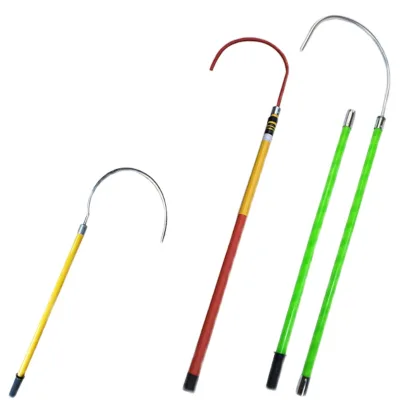
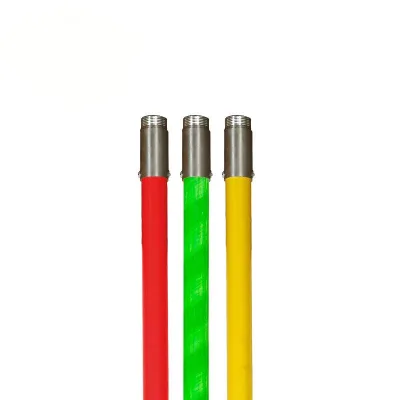
Yes, several listings state that length and color are customizable to customer requirements, including orange, red, and green options. Custom packaging is also mentioned. When requesting customization, confirm how it affects price, minimum order quantity, and production lead time, and ask for samples where offered to verify quality before committing to volume orders.
What is the usual production lead time for insulated rescue hooks?
Suppliers on this page report production lead times of about 20 to 23 days. Actual delivery time depends on order quantity, customization, and shipping method, so confirm the schedule in writing before placing an order. Some suppliers hold monthly supply capacities of 100,000 units, which supports larger program orders within standard lead times.
Do suppliers of rescue hooks hold quality certifications?
Some listings reference ISO 9001:2008 certification for rescue hook products, and one manufacturer on this page holds ISO 9000 system certification. Certification coverage can differ between factories and trading companies, so ask for current, valid certificates that match the specific product and check whether certification applies to the production site itself.
Where are the suppliers of these rescue hooks located?
Suppliers on this page are based in Tianjin, China, with product origins listed in Hebei province, and dispatch ports including Tianjin and Xingang. Both trading companies and factories appear among the results. Proximity to northern Chinese ports generally supports sea freight exports, but you should verify shipping options and incoterms directly with each supplier.